Wire Mesh For Sieve - Durable Industrial Sieving Solutions | QH Filter
Wire Mesh For Sieve is a key solution in the industry, specifically within filtration, separation, and material processing sectors. This article explores how https://www.qhfilter.com supports professionals with durable, high-performance products, and explains why this product is an ideal choice for businesses in these sectors.
Table of Contents
- Wire Mesh For Sieve Overview
- Benefits & Use Cases of Wire Mesh For Sieve
- Cost, Maintenance & User Experience
- Sustainability & Market Trends
Wire Mesh For Sieve Overview
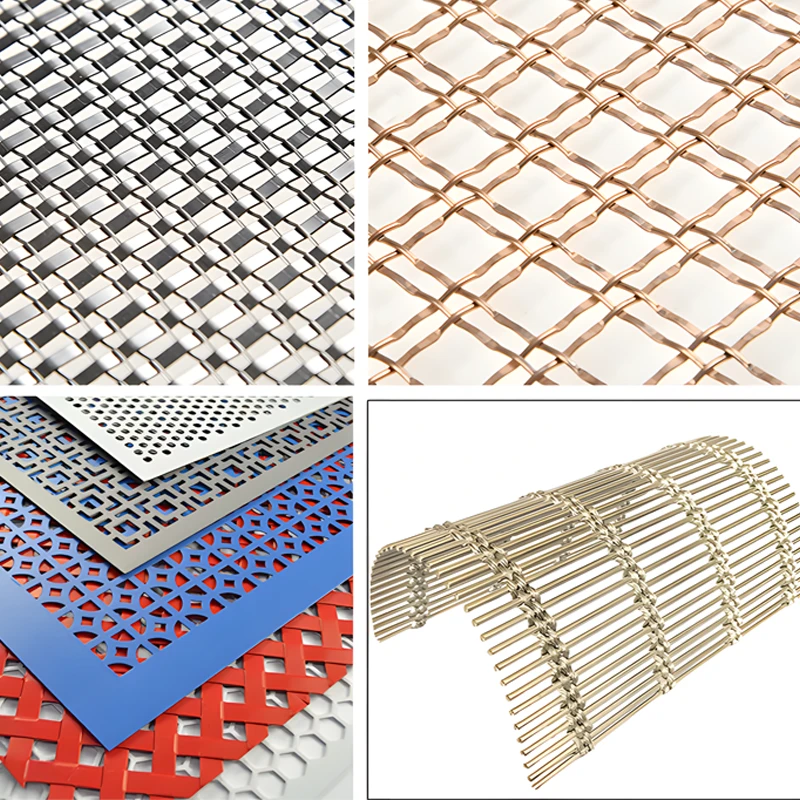
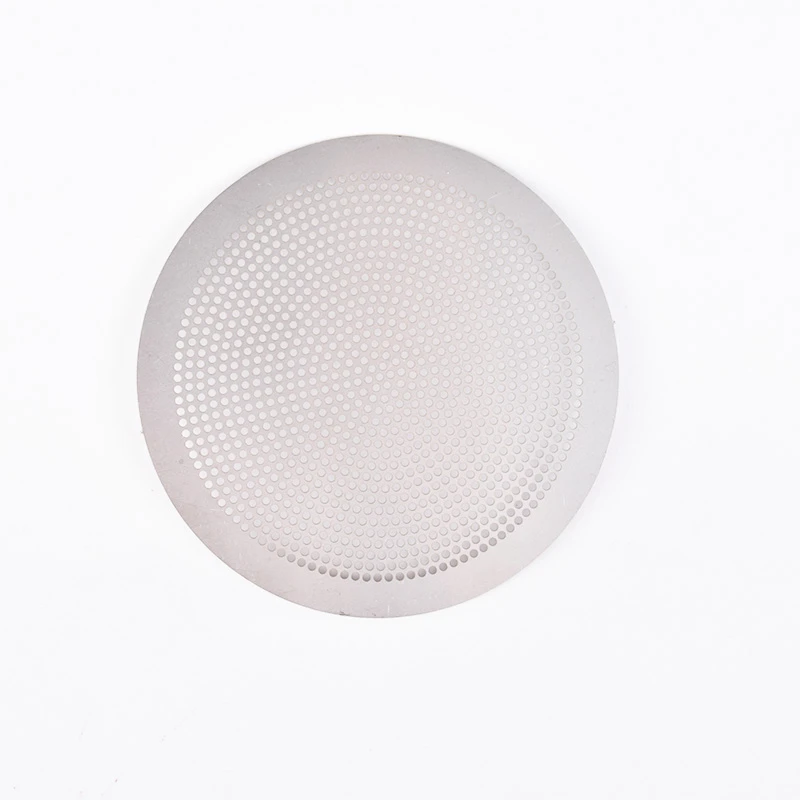
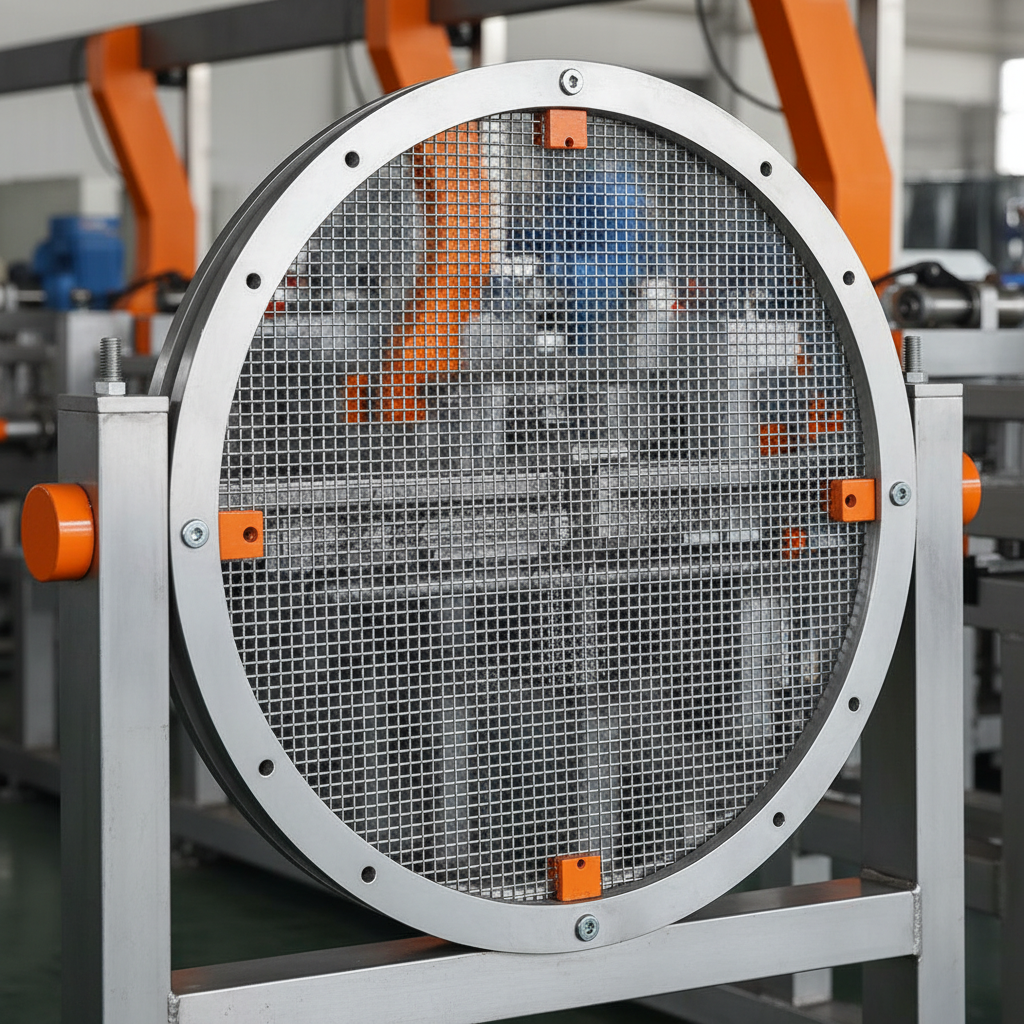
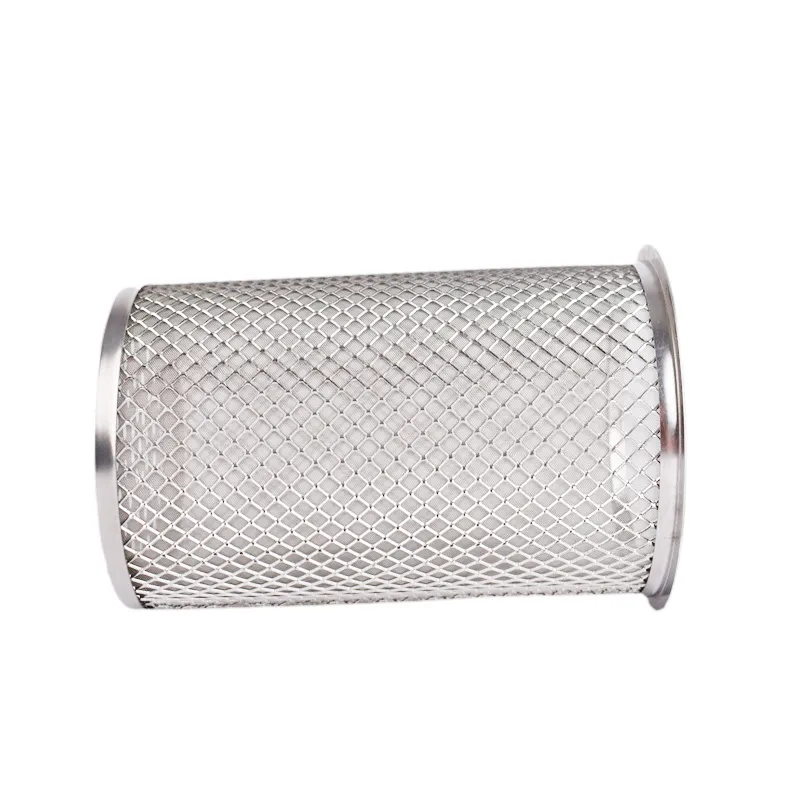
When you hear “Wire Mesh For Sieve,” what comes to mind might be just a simple mesh screen. But frankly, it’s much more than that. It’s a critical component in many filtration and separation applications, crafted to precise specifications that truly impact product quality and efficiency. Wire mesh acts as the frontline barrier, filtering particles by size, shape, or material properties, depending on how it’s woven.
The technical specs often revolve around wire diameter, mesh count (wires per inch or cm), and material composition—stainless steel being the most common due to corrosion resistance and strength. For example, a typical wire mesh for sieving granular materials might range from 20 to 200 mesh count, with wire diameters from 0.1 to 1.0 mm. The weave pattern — plain, twill, or dutch weave — also plays a big role in durability and flow rate.
One interesting case study I came across involved a mining operation using a custom stainless steel wire mesh from QH Filter. The mesh maintained integrity in harsh chemical conditions and improved throughput by 15%, which is quite remarkable for such a small change in material.
| Specification | Details |
|---|---|
| Material | 304/316 Stainless Steel |
| Mesh Count | 20 - 200 mesh |
| Wire Diameter | 0.1 - 1.0 mm |
| Weave Patterns | Plain, Twill, Dutch |
| Applications | Mining, Food, Pharmaceuticals, Chemical |
Benefits & Use Cases of Wire Mesh For Sieve
Across industries, wire mesh for sieve is indispensable because it’s durable, adaptable, and fine-tuned for exacting separation tasks. For instance, in food processing, the mesh screens out contaminants and sorts ingredients by size to ensure consistent product texture. Similarly, in mining, sieves sift ore particles, improving purity and processing speed.
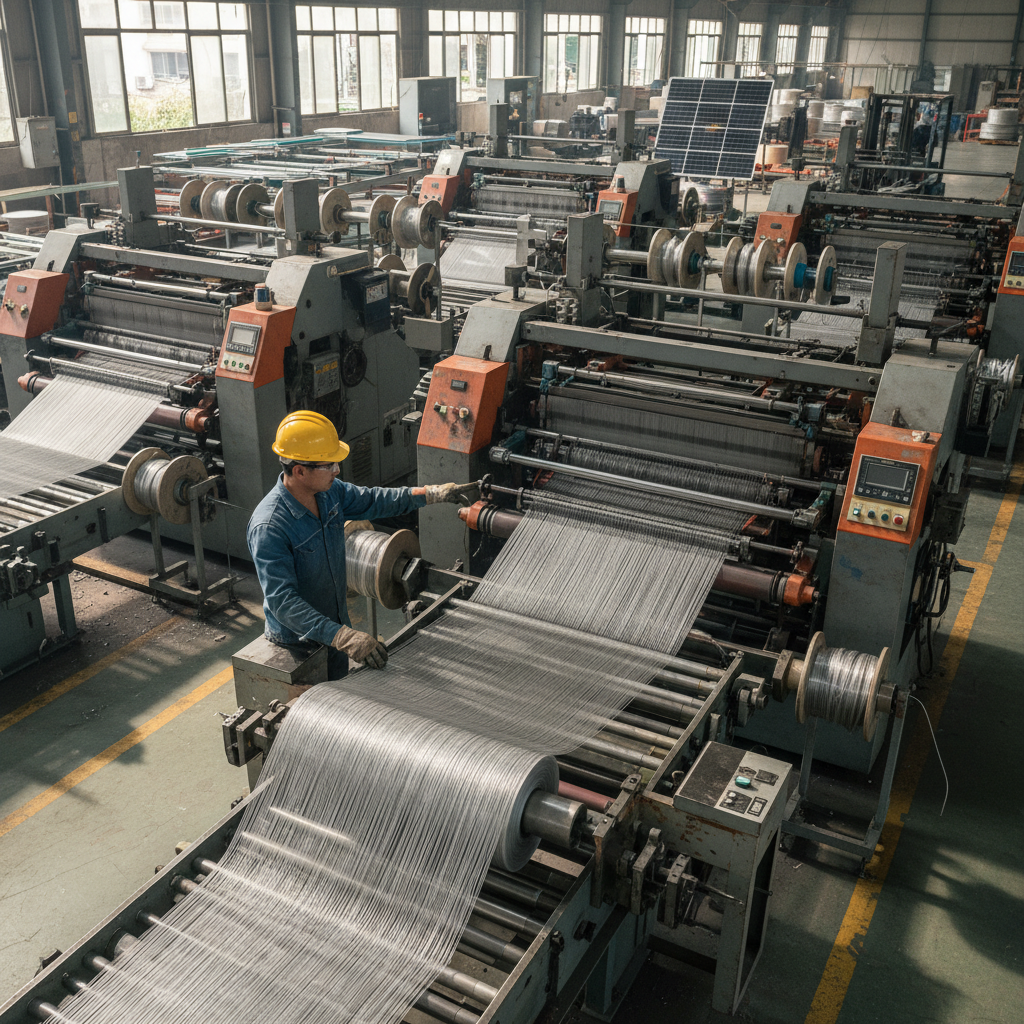
One strong competitive advantage of mesh from QH Filter lies in customizability. They can weave wire mesh tailored to your exact requirements — a boon when standard sizes just won’t cut it. Plus, their corrosion-resistant stainless steel variants offer a longer lifespan compared to cheaper, coated alternatives. This means fewer replacements and less downtime, which decision-makers care about a lot.
Also, the precision of aperture uniformity — how consistently sized the gaps between wires are — influences the quality of separation. QH Filter’s quality control ensures you get mesh that really performs, not just something passable. Features like tight tolerances and high tensile strength make these meshes the go-to for specialized sieving.
Cost, Maintenance & User Experience
Now, if you’re weighing the costs, it’s important to think beyond sticker price. Sure, wire mesh for sieve might seem pricey upfront compared with plastic or lesser alloys, but the total cost of ownership tells a different story. Durable stainless steel mesh resists wear and corrosion, meaning you replace it less frequently. From what I hear from operators, that means their ROI climbs consistently.
Maintenance is pretty straightforward too — regular cleaning is essential, yes, but the robust material means it rarely warps or loses shape. One of the customers I spoke with, working in a chemical plant, noted that their downtime for mesh-related maintenance dropped by nearly 30% after switching to QH Filter’s product.
| Vendor | Material Options | Custom Weave | Typical Lead Time | Price Level |
|---|---|---|---|---|
| QH Filter | 304/316 Stainless Steel, Galvanized | Yes, tailored to spec | 2-3 weeks | Mid-range |
| Competitor A | Carbon Steel, Stainless Steel | Limited | 3-5 weeks | Low |
| Competitor B | Stainless Steel Only | Yes, but minimum volumes | 4-6 weeks | High |
So overall, user experience mixes practical durability with peace of mind. Engineers often comment that they simply trust the screen to hold up under repeated stress, which — let’s be honest — is exactly what you want.
Sustainability & Market Trends
It’s funny how sustainability has fast become central here, too. Companies increasingly look for materials that not only perform well but have smaller environmental footprints over their lifecycles. Wire mesh fashioned from recyclable stainless steel fits that bill nicely. Plus, longer-lasting mesh means less landfill waste, fewer replacements, and better resource utilization.
Industry regulations around contamination control and product traceability also drive demand for better mesh quality. Many regulations in pharmaceuticals or food safety, for example, require hygienic, corrosion-resistant sieves — and QH Filter meshes meet or exceed such specifications.
Looking ahead, the market is growing steadily. Automation in filtration and separation systems calls for smarter, more durable meshes customized for specific particle types — precisely the kind of sophistication QH Filter offers. Frankly, it feels like investing in high-quality wire mesh isn’t just smart now, but a necessity for future-proofing industrial operations.
Frequently Asked Questions about Wire Mesh For Sieve
- What is Wire Mesh For Sieve and how does it work?
- Wire mesh for sieve is a woven or welded metal screen that filters or separates materials by size and shape. It works by allowing smaller particles to pass through the mesh openings while larger ones are retained, effectively sorting the material.
- What are the main benefits of using Wire Mesh For Sieve in industrial applications?
- Key benefits include durability, resistance to corrosion and wear, customizable mesh openings, and the ability to improve filtration efficiency — all leading to reduced downtime and cost savings.
- How does Wire Mesh For Sieve compare to traditional alternatives?
- Compared to traditional materials like plastic or painted steel, wire mesh made from stainless steel offers superior strength, longevity, and resistance to environmental factors, with better consistency and filtration precision.
- What industries can benefit most from Wire Mesh For Sieve implementation?
- Industries such as mining, food processing, pharmaceuticals, chemicals, and wastewater treatment all benefit significantly, where precise particle separation and reliability are critical.
Conclusion on Wire Mesh For Sieve from china
The value of high-quality wire mesh for sieve like those from QH Filter is clear: they deliver reliable, customizable, and long-lasting filtration solutions essential for various industrial sectors. Choosing robust, well-made wire mesh reduces downtime, lowers total costs, and even supports sustainability efforts—a trifecta every B2B decision maker aims for.
- Durability and precision make these wire meshes an industrial staple.
- Visit our website: https://www.qhfilter.com
In closing, it’s fascinating how something as simple as wire mesh quietly drives major gains in efficiency and sustainability. Plus, the fact it’s so customizable? That’s the real advantage for any forward-thinking business.
References:
1. Industry durability reports, QH Filter case studies
2. Market trends analysis, Industrial Sieving Journal 2023
3. Customer feedback and sector reviews 2023