Steel Sieve Mesh Solutions for Industrial Excellence | QH Filter
Steel Sieve Mesh is something I find really fascinating — not just for its role in material separation but also because it’s quietly powering many industrial processes across sectors like mining, pharmaceuticals, and food production. Here, we’ll dive into how QH Filter’s Steel Sieve Mesh lineup can support B2B professionals needing durable, precise, and high-performance materials. Honestly, if your operations depend on consistent filtration or screening, this is a category worth paying attention to.
Table of Contents
- Steel Sieve Mesh Overview
- Benefits & Use Cases of Steel Sieve Mesh
- Cost, Maintenance & User Experience
- Sustainability & Market Trends
Steel Sieve Mesh Overview
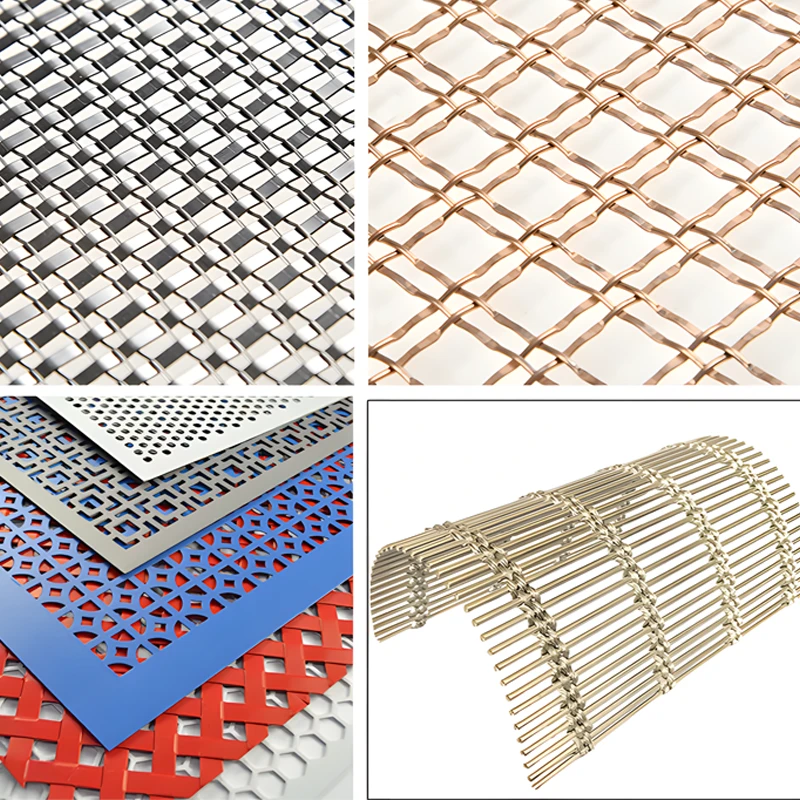
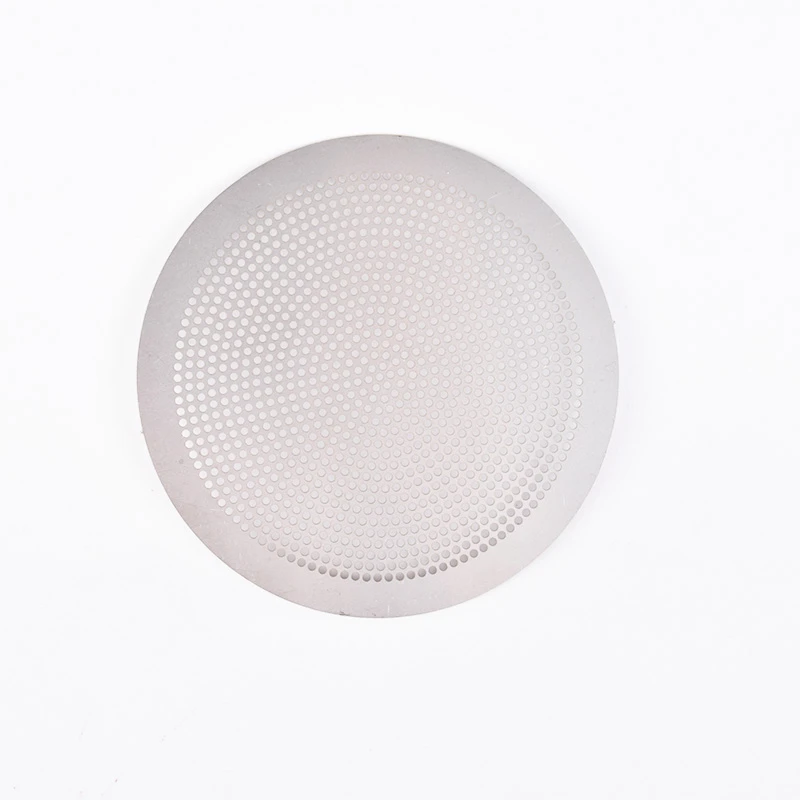
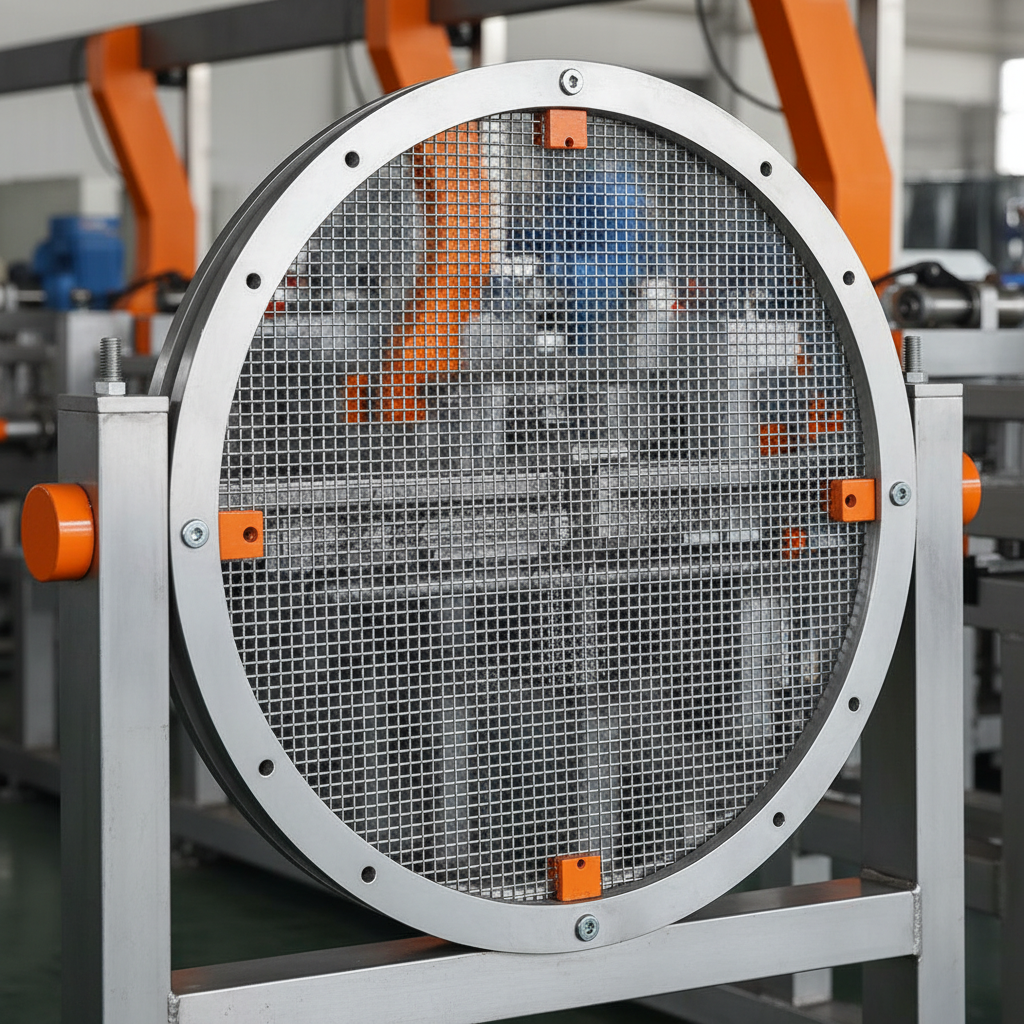
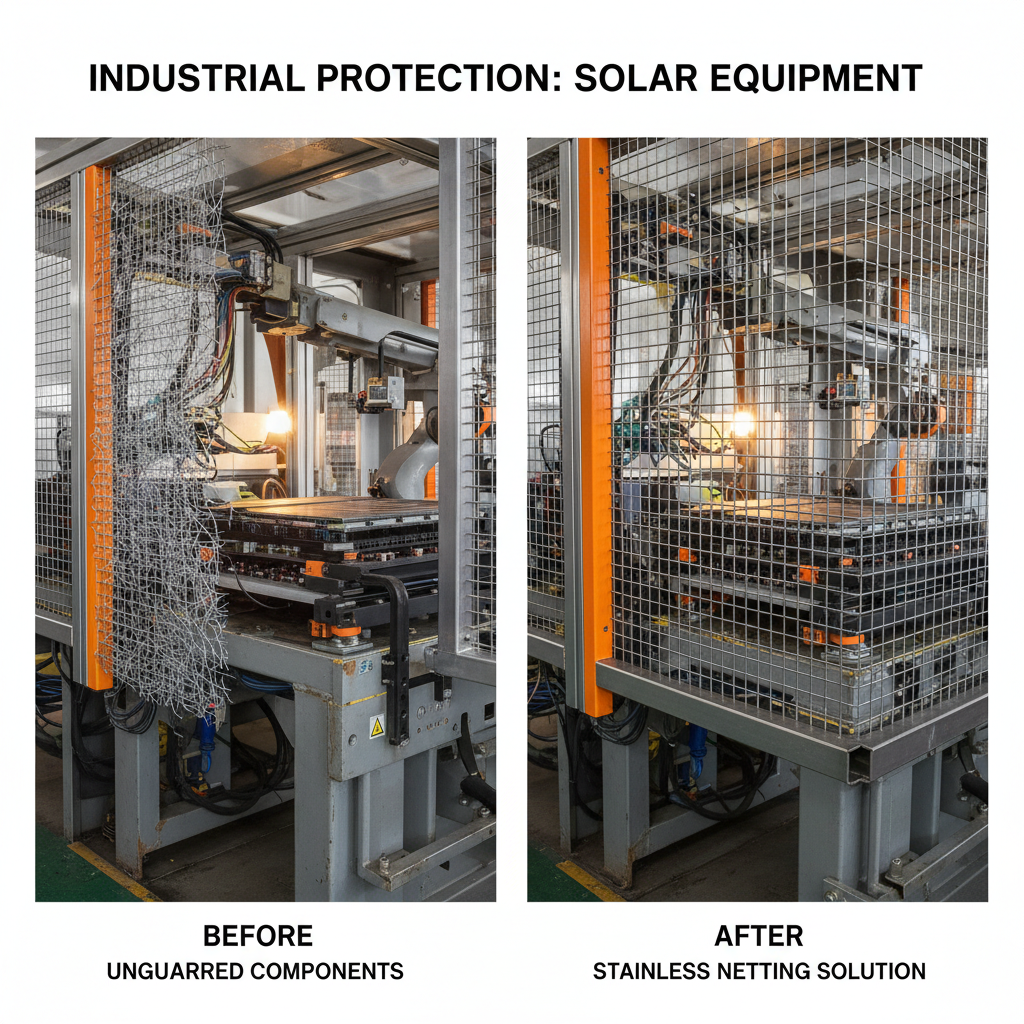
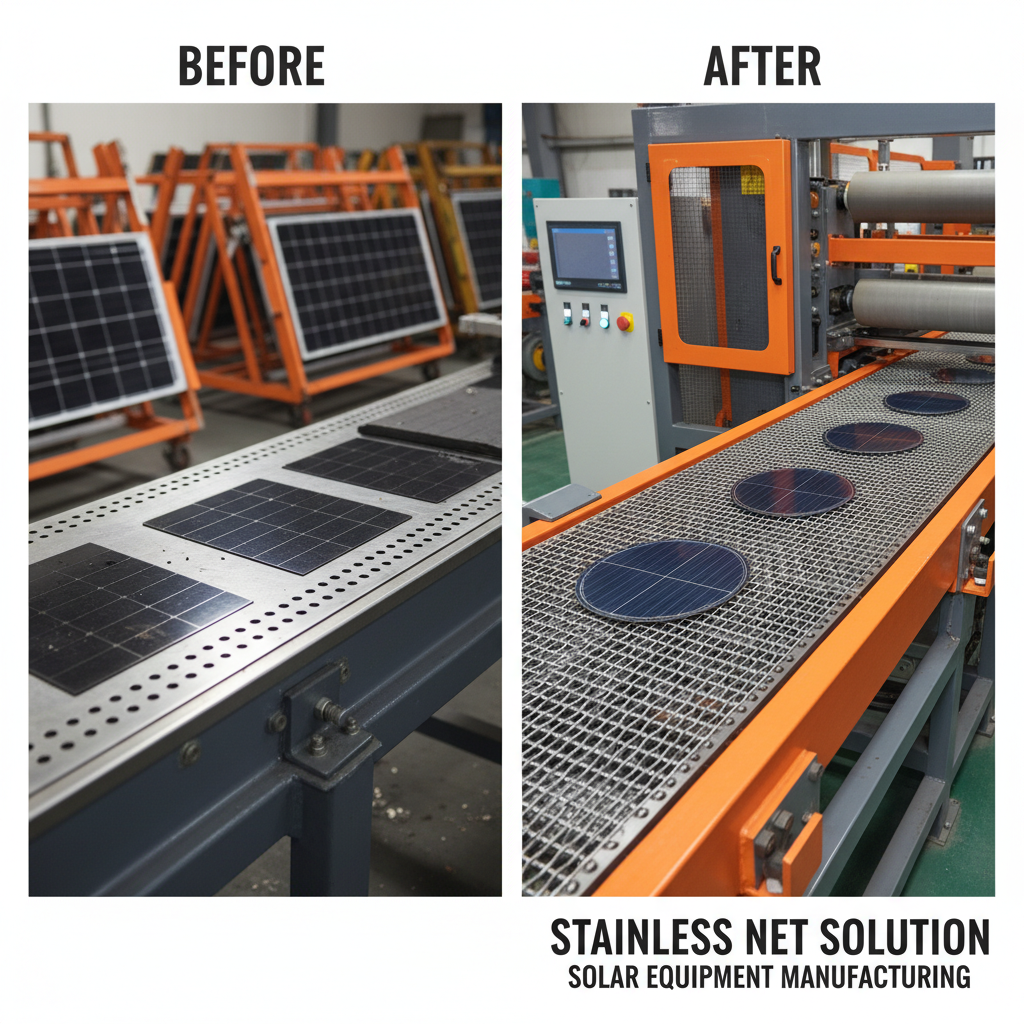
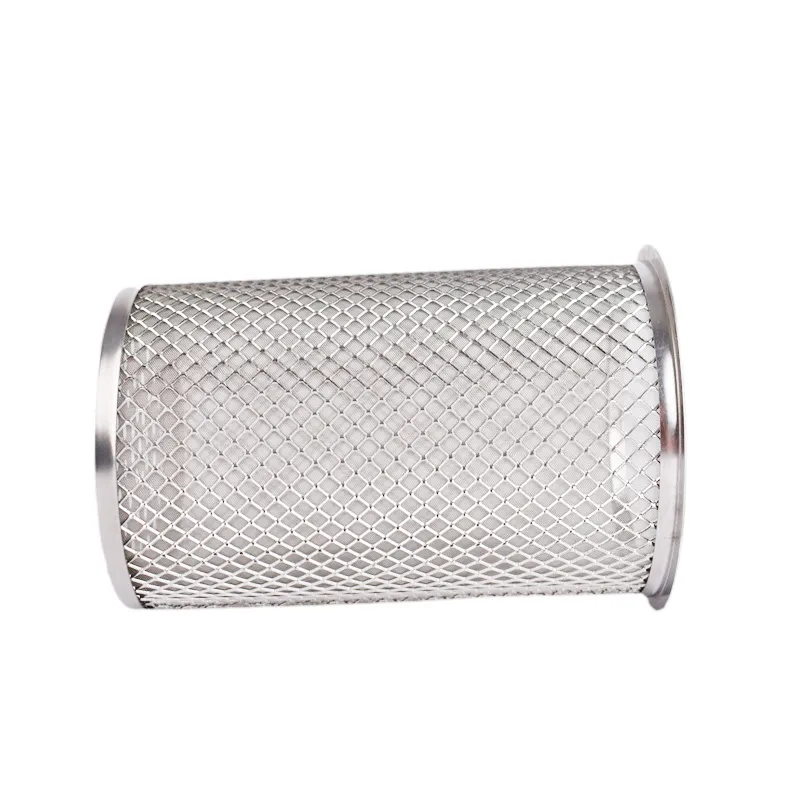
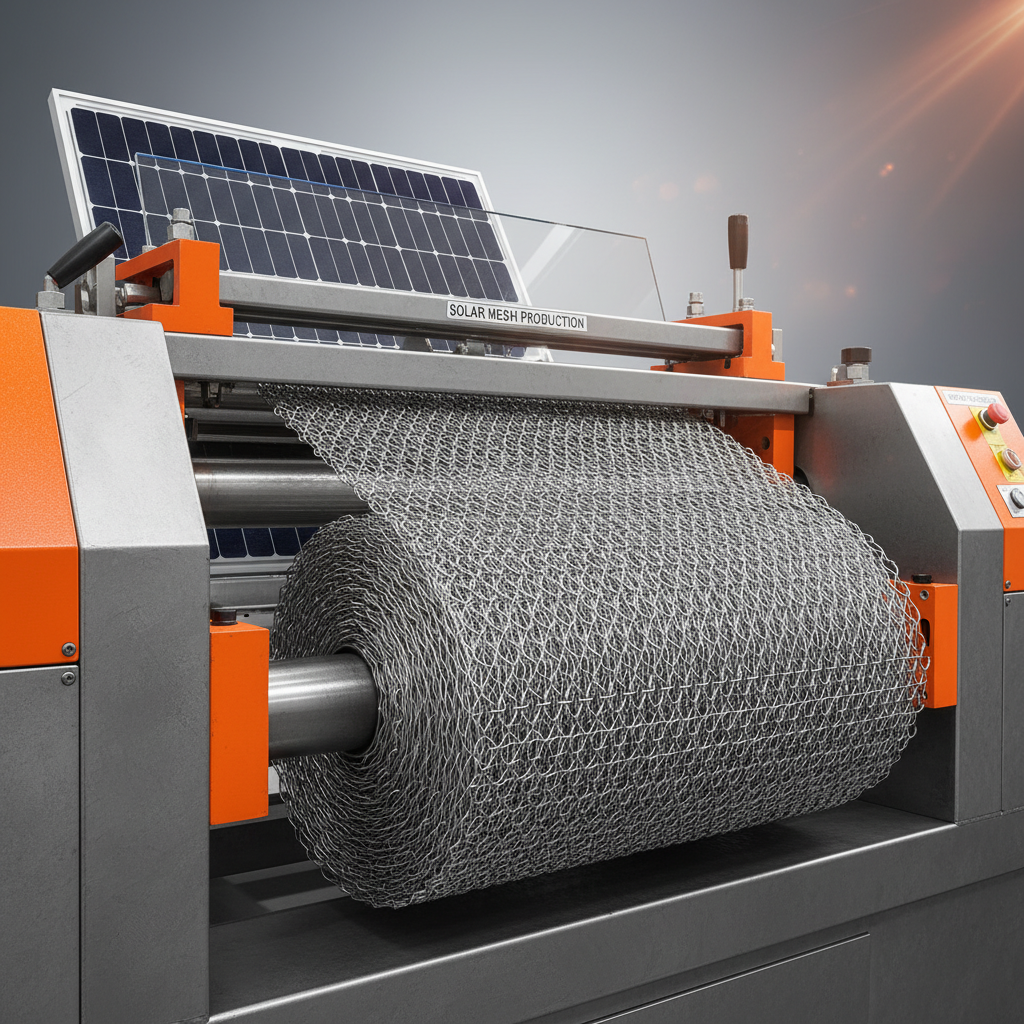
So, what exactly is Steel Sieve Mesh? At its core, it’s a woven mesh made from high-grade steel wires, engineered to separate solids by size with high precision. You see it everywhere—from the granulated sugar tests to mining operations screening minerals. The real magic lies in its wire diameter, mesh count, and weave pattern which determine the particle sizes it can filter. For instance, QH Filter’s mesh options range broadly, accommodating micron-level screening to coarser materials with ease.
- Constructed from 304 or 316 stainless steel for corrosion resistance.
- Available in plain, twill, or Dutch weaves optimizing strength or flow.
- Case example: a gold mining facility reported 15% improved recovery after switching to QH’s custom mesh size.
| Specification | Details |
|---|---|
| Material | 316 Stainless Steel / 304 Stainless Steel |
| Wire Diameter | 0.05mm to 1.2mm |
| Mesh Count | 5 to 400 mesh |
| Weave Types | Plain, Twill, Dutch |
| Max Width | 2.5 meters |
Benefits & Use Cases of Steel Sieve Mesh
Industries rely on Steel Sieve Mesh because it offers a precise, reliable solution that’s tough against wear and environmental challenges. In mining, it separates ores and waste downsizing material before processing. In pharmaceuticals, mesh ensures powder consistency—critical for dosage accuracy. Oddly enough, food and beverage companies also lean on its food-grade stainless steel for sifting flour or grains. That versatility explains why many engineers swear by QH’s products — the customization makes a real difference.
- Precision filtering improves product quality and operational efficiency.
- High tensile strength offers long service life in tough industrial environments.
- Customization options — mesh size, weave, and material grades — meet specific industry standards.
| Vendor | Material Options | Customization | Typical Lead Time |
|---|---|---|---|
| QH Filter | 304, 316 Stainless Steel | Mesh size & weave type | 2-3 weeks |
| Vendor B | Carbon Steel | Limited | 4-5 weeks |
| Vendor C | 304 SS | Mesh size only | 3-4 weeks |
Cost, Maintenance & User Experience
Frankly, buying steel sieve mesh isn’t just a purchase — it’s an investment. The initial cost might be higher than some synthetic meshes, but the longevity from corrosion-resistant stainless steel pays dividends over time. Maintenance is as straightforward as regular cleaning; no one enjoys downtime, and QH’s meshes are designed to be cleaned easily without damage. Plus, operators report fewer clogging issues compared to cheaper alternatives, which really impacts total cost of ownership positively.
- Durability reduces replacement frequency and costs.
- Positive user feedback on ease of installation and cleaning.
- ROI seen in less downtime and higher process efficiency.
Sustainability & Market Trends
Sustainability is no longer just a buzzword; in the filtration world, it’s influencing choices powerfully. Steel sieve mesh’s reusability and recyclability make it a smart pick for companies aiming to reduce waste and meet tightening environmental regulations. Plus, the market is seeing a trend toward precision engineering to maximize resource efficiency — something QH Filter’s tailored mesh solutions exemplify well. Industry growth, especially in Asia and Africa’s mining sectors, only adds pressure on suppliers to provide high-performance sustainable materials.
- Recyclable materials reduce environmental footprint.
- Regulatory compliance drives demand for quality meshes.
- Growth in emerging markets expands application scope.
Frequently Asked Questions about Steel Sieve Mesh
- What is Steel Sieve Mesh and how does it work?
- It’s a grid-like metal fabric woven from stainless steel wire to filter particles by size. The openings allow small particles through while blocking larger ones, relying on mesh count and wire diameter for precision.
- What are the main benefits of using Steel Sieve Mesh in industrial applications?
- Key benefits include excellent durability, resistance to corrosion, and customizable sizing, resulting in better efficiency, less downtime, and consistent product quality.
- How does Steel Sieve Mesh compare to traditional alternatives?
- Compared to synthetic or low-grade metal options, steel meshes offer longer lifespan, higher tensile strength, and improved filtration accuracy, albeit usually at a slightly higher upfront cost.
- What industries can benefit most from Steel Sieve Mesh implementation?
- Mining, pharmaceuticals, food & beverage, chemical processing, and environmental engineering commonly rely on steel sieve mesh for various screening and filtration tasks.
Conclusion on Steel Sieve Mesh from china
In real terms, Steel Sieve Mesh stands as a cornerstone component for a vast array of industrial functions. Its blend of strength, precision, and adaptability—especially products from trusted providers like QH Filter—makes it a reliable asset for businesses aiming to optimize their processes while managing costs and environmental impact. Curious to see how it fits into your operations? Take a closer look at https://www.qhfilter.com to explore their offerings and support.
- Robust, customizable, and industry-tested solutions await.
- Visit our website: https://www.qhfilter.com
Ultimately, choosing the right steel sieve mesh is about balancing performance and longevity – and frankly, QH Filter seems to have cracked that code for so many industries out there.
References:
1. Industry Filtration Reports, 2023
2. QH Filter Technical Datasheets
3. Market Analysis on Industrial Meshes, 2024