Comprehensive Guide to Stainless Net Properties Applications and Selection
Understanding Stainless Net: A Comprehensive Guide
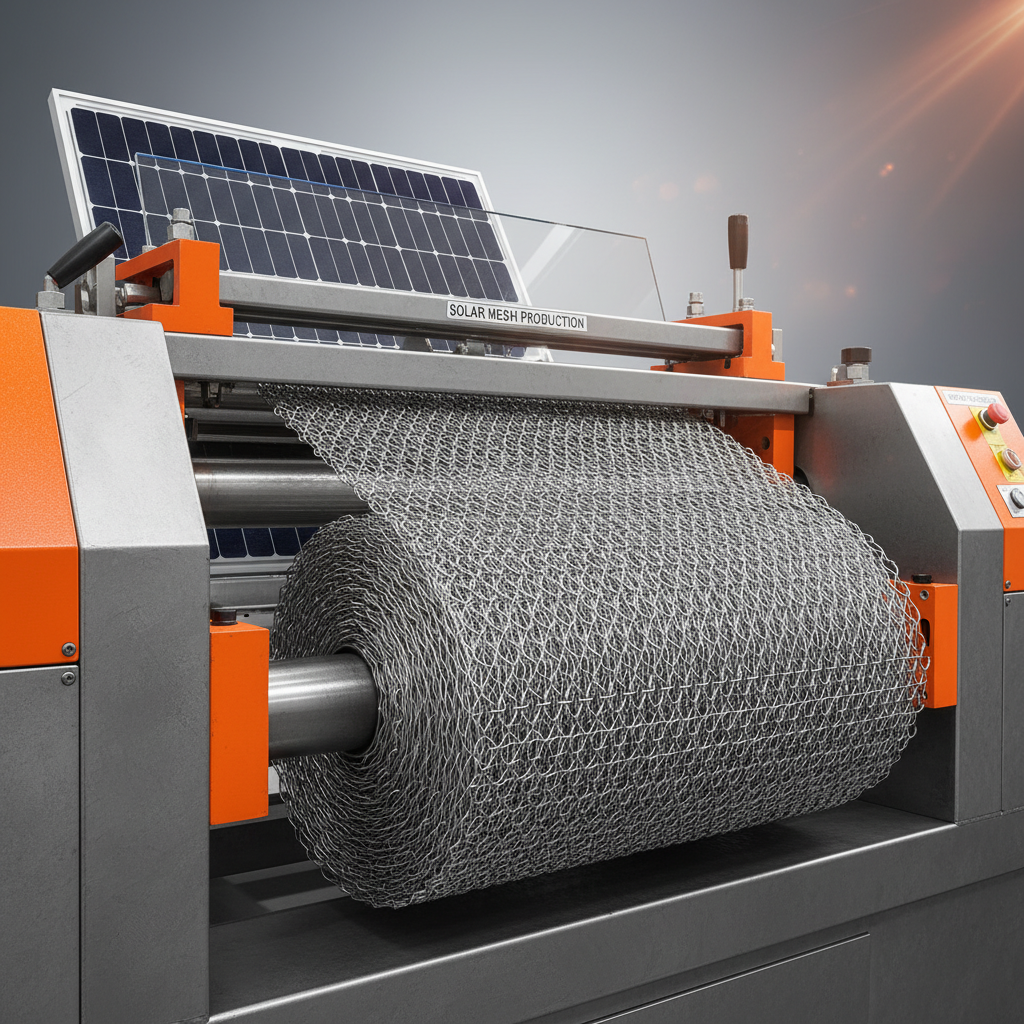
Stainless net, a versatile material used across diverse industries, offers exceptional durability, corrosion resistance, and functionality. From filtration and screening to security and architectural applications, understanding its properties and variations is crucial for selecting the right solution for your specific needs. This guide provides an in-depth exploration of stainless net, covering its types, applications, benefits, and considerations for purchase. Whether you're involved in water treatment, food processing, or manufacturing, a high-quality stainless steel wire mesh can significantly improve your operations.
Types of Stainless Net
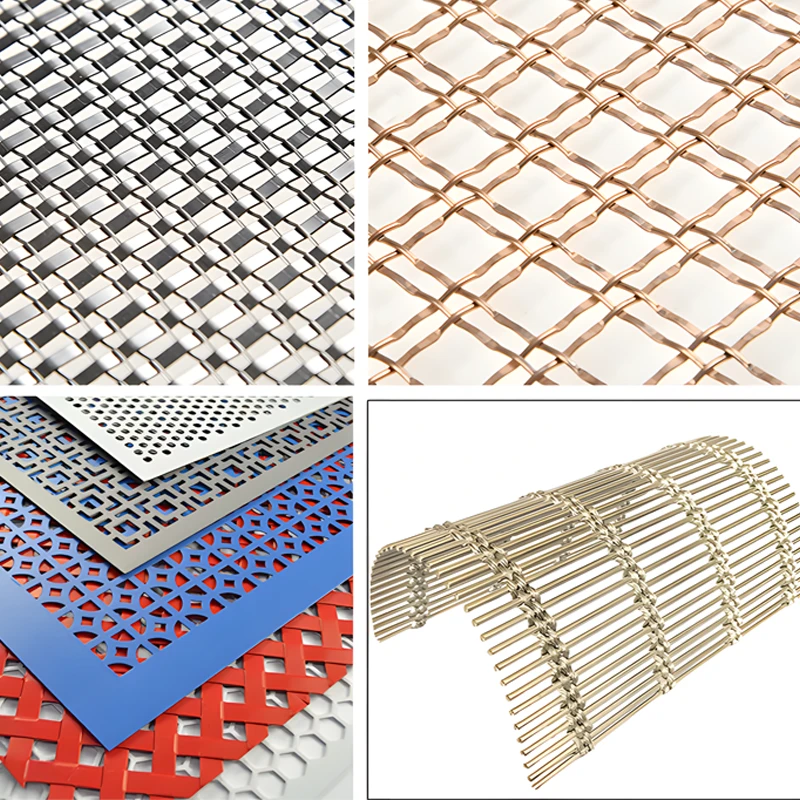
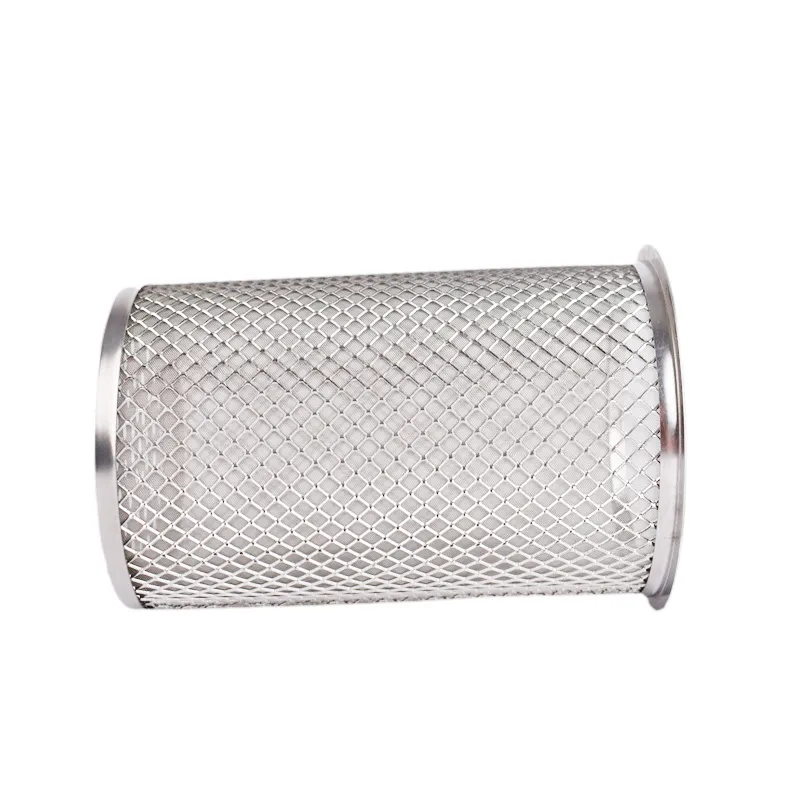
Stainless nets are categorized based on the weave pattern, wire material, and mesh size. Common weave patterns include plain weave, twill weave, Dutch weave, and reverse Dutch weave. The choice of weave impacts the net's permeability, strength, and filtration capabilities. Furthermore, different grades of stainless steel – such as 304, 316, and 430 – provide varying levels of corrosion resistance and temperature tolerance. The selection of the right type depends heavily on the intended application and environmental conditions.
Key Takeaways: Different stainless steel grades and weave patterns provide tailored solutions for specific needs. Selecting the right combination optimizes performance and longevity.
Applications of Stainless Net
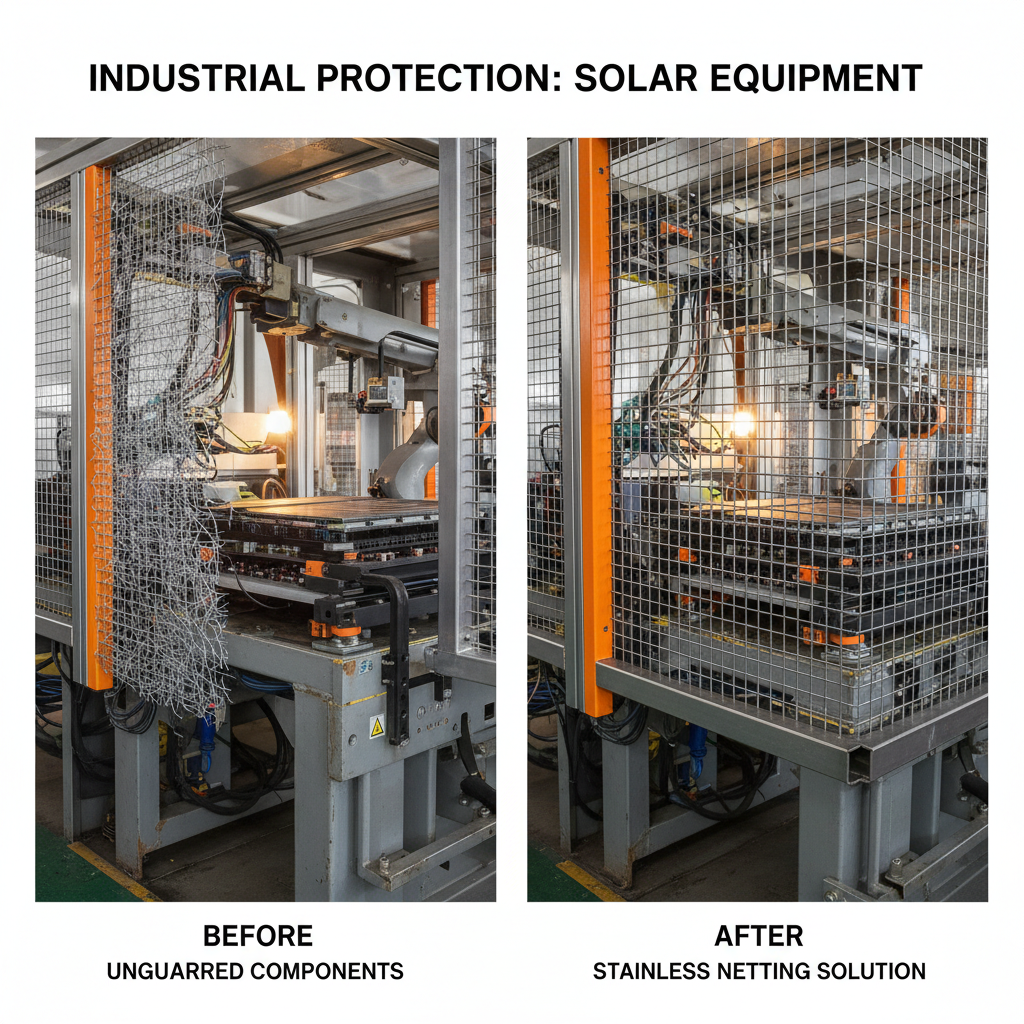
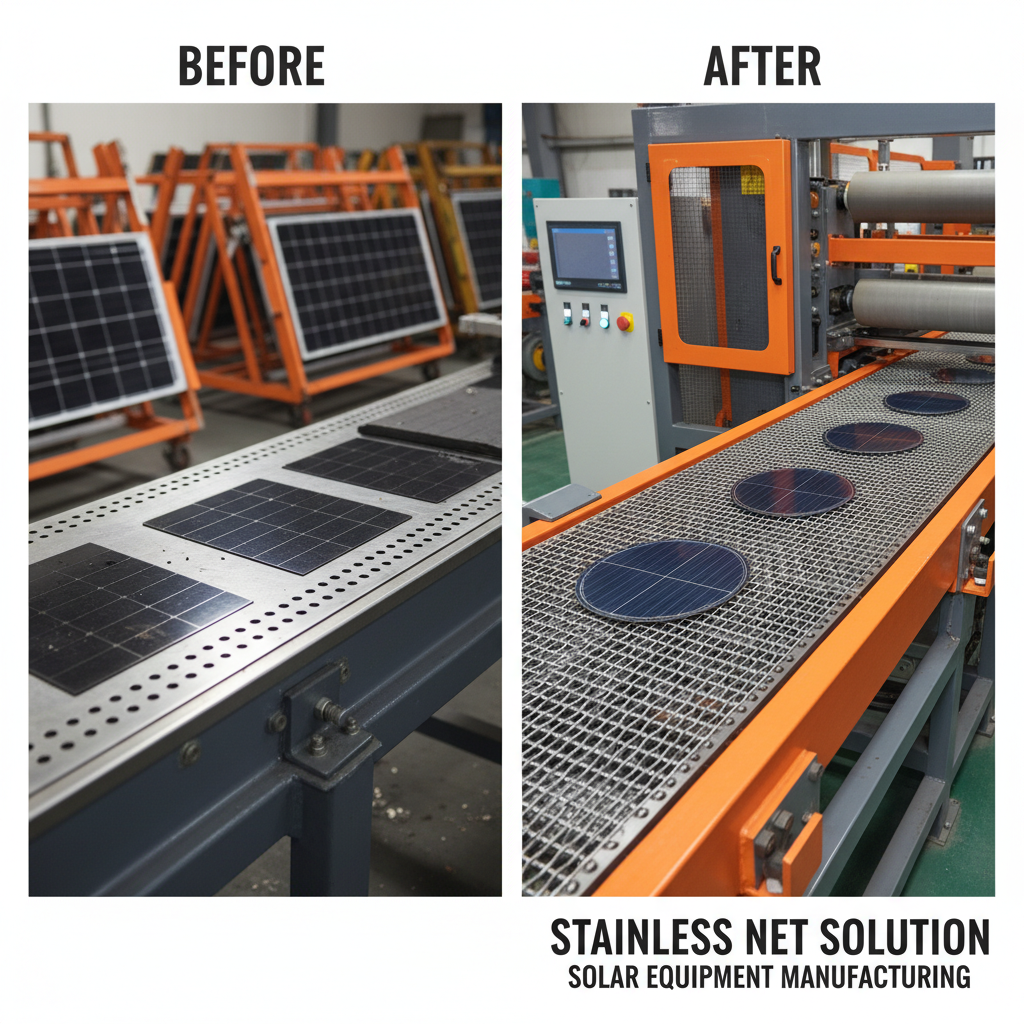
The applications of stainless net are vast and span numerous sectors. In the food and beverage industry, it’s used for filtration, straining, and creating protective barriers. Water treatment plants utilize it for sediment removal and filtration processes. Pharmaceutical companies employ it for precise separation and purification. Other notable applications include insect screening, security fencing, EMI shielding, and architectural facades. Its robustness and hygiene make it an ideal choice for sensitive environments.
Application Areas:
• Food and Beverage Processing
• Water Treatment
• Pharmaceutical Industry
• Security and Protection
Choosing the Right Stainless Net: Key Considerations
Selecting the appropriate stainless net requires careful consideration of several factors. Mesh size is crucial for determining the level of filtration or screening. Wire diameter impacts the net's strength and durability. Stainless steel grade dictates corrosion resistance. Finally, weave pattern influences permeability and load-bearing capacity. It’s important to align these factors with the specific demands of your application. Consider also the operating temperature and potential exposure to corrosive substances.
The Benefits of Using Stainless Steel Net
Compared to other materials, stainless net offers distinct advantages. Its exceptional corrosion resistance ensures longevity, even in harsh environments. It's incredibly durable and can withstand high temperatures and pressures. Stainless steel is also hygienic and easy to clean, making it ideal for food and pharmaceutical applications. Furthermore, its versatility allows for customization in various shapes and sizes. Choosing stainless steel equates to a cost-effective, long-term investment.
Finding a Reliable Stainless Net Supplier
Partnering with a reputable supplier is essential for ensuring quality and consistency. Look for a supplier with extensive experience, a wide product range, and a commitment to customer satisfaction. Consider suppliers that offer custom fabrication services to meet your specific requirements. Verify certifications and quality control procedures. Qhfilter provides high-quality stainless steel wire mesh products and customized solutions tailored to various industrial needs.
Conclusion: Invest in Quality Stainless Net
Choosing the right stainless net is a critical decision that impacts efficiency, safety, and longevity. By understanding the different types, applications, and key considerations, you can make an informed choice that meets your specific needs. Partnering with a reliable supplier like Qhfilter ensures you receive a high-quality product and expert support.
Frequently Asked Questions (FAQs)
What is the difference between 304 and 316 stainless steel net?
Both 304 and 316 stainless steel offer excellent corrosion resistance, but 316 contains molybdenum, which significantly enhances its resistance to chloride corrosion. This makes 316 ideal for marine environments, chemical processing, and applications where exposure to salt is a concern. 304 is a more cost-effective option suitable for less corrosive environments.
Can stainless net be welded?
Yes, stainless net can be welded, but it requires specialized techniques and equipment. The weld must be performed carefully to maintain the corrosion resistance and structural integrity of the mesh. It's often recommended to use a welding process that minimizes heat affected zones. Different grades of stainless steel have different weldability characteristics.
How do I clean stainless net effectively?
Stainless net can be cleaned with mild soap and water. Avoid abrasive cleaners or steel wool, as they can damage the surface and reduce corrosion resistance. For stubborn stains, specialized stainless steel cleaners are available. Rinse thoroughly with water and dry completely to prevent water spots.
What is the typical lead time for custom stainless net orders?
Lead times for custom orders vary depending on the complexity of the order, material availability, and current production schedule. Generally, lead times range from 2 to 6 weeks. Contacting Qhfilter directly will provide you with an accurate estimate for your specific requirements.