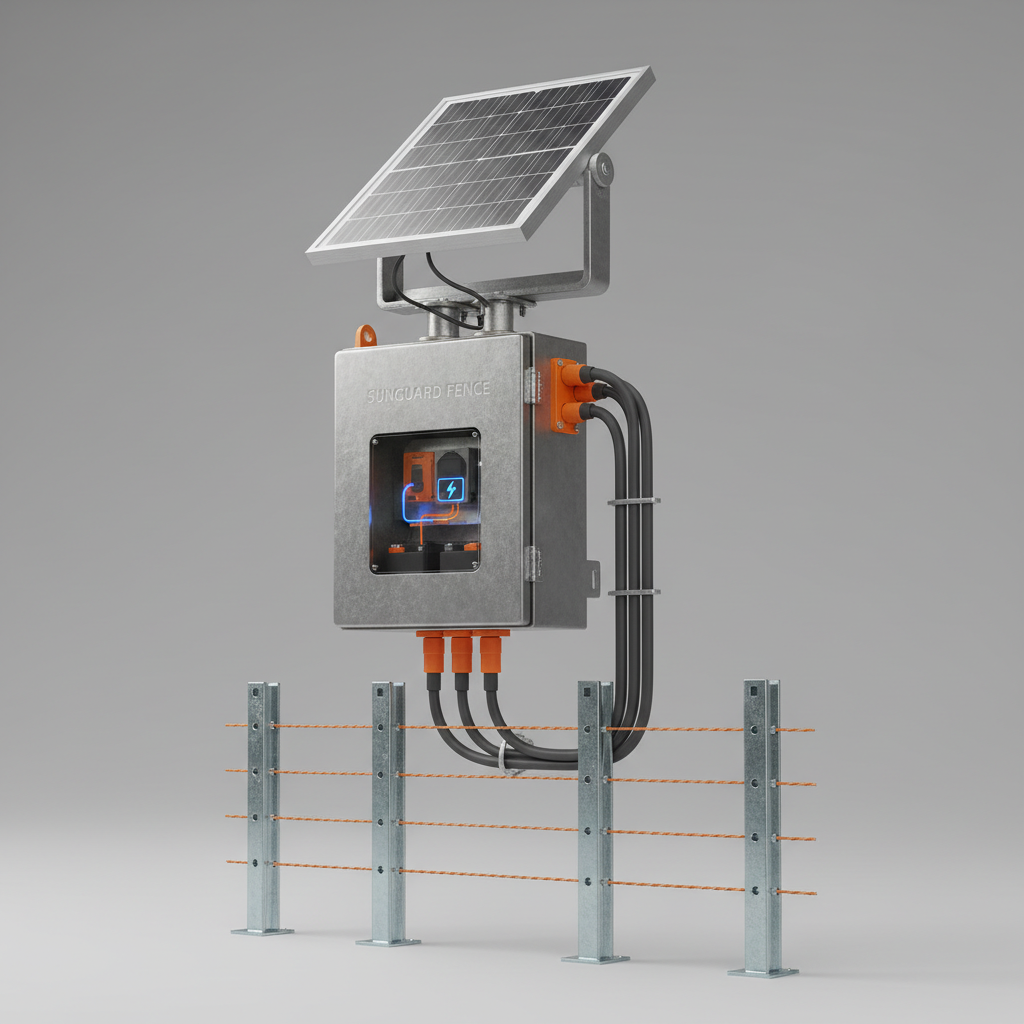
Solar fencing materials are rapidly gaining prominence as a dual-purpose infrastructure solution, combining perimeter security with renewable energy generation. These materials, typically woven metal meshes integrating photovoltaic cells, offer a cost-effective and sustainable alternative to traditional fencing, especially in areas with high sunlight exposure. Understanding the intricacies of solar fencing materials is crucial for developers, landowners, and policymakers seeking innovative solutions to energy needs and security concerns.
The global demand for renewable energy sources, coupled with increasing security requirements, is driving the adoption of solar fencing materials. Data from the International Renewable Energy Agency (IRENA) indicates a consistent rise in photovoltaic installations worldwide, and integrating this technology into existing infrastructure like fencing presents a significant opportunity for maximizing energy output and minimizing land use. This trend is particularly relevant in regions with limited land availability or challenging terrain where conventional solar farms are not feasible.
Addressing challenges such as grid integration, initial investment costs, and material durability are key to wider adoption. However, the long-term benefits – reduced energy bills, enhanced security, and a lower carbon footprint – make solar fencing materials a compelling investment for various applications, from agricultural protection to industrial site security. This approach represents a tangible step towards a more sustainable and secure future.
The Importance of Solar Fencing Materials
The increasing global focus on sustainable energy solutions and robust security infrastructure has positioned solar fencing materials as a vital component in modern infrastructure development. These innovative materials are not merely barriers; they are active energy generators, transforming perimeter security into a source of renewable power. This duality addresses two critical needs simultaneously, offering a compelling economic and environmental advantage.
The significance of solar fencing materials extends beyond energy production. They contribute to reduced reliance on fossil fuels, lower carbon emissions, and enhanced energy independence. Furthermore, they offer a visually discreet and aesthetically pleasing security solution, particularly important in environmentally sensitive areas or regions where traditional fencing is deemed undesirable. The integration of this technology reflects a proactive approach to sustainable development.
Defining Solar Fencing Materials
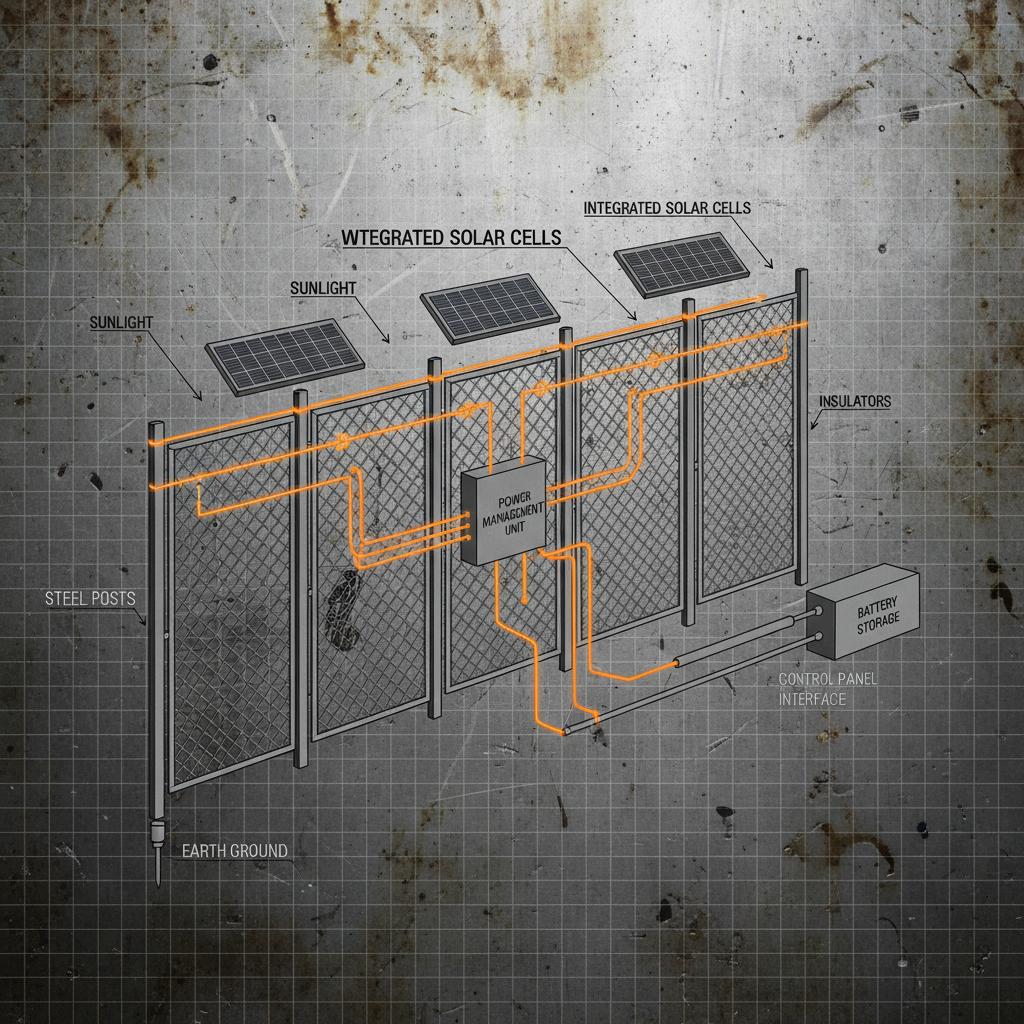
Solar fencing materials, at their core, are perimeter security systems that integrate photovoltaic (PV) technology directly into the fencing structure. Unlike traditional fencing which serves solely as a physical barrier, solar fencing materials harness sunlight to generate electricity, supplementing or even offsetting the energy consumption of the protected property. This integration is achieved through the incorporation of thin-film or crystalline silicon solar cells within the mesh or panels of the fence.
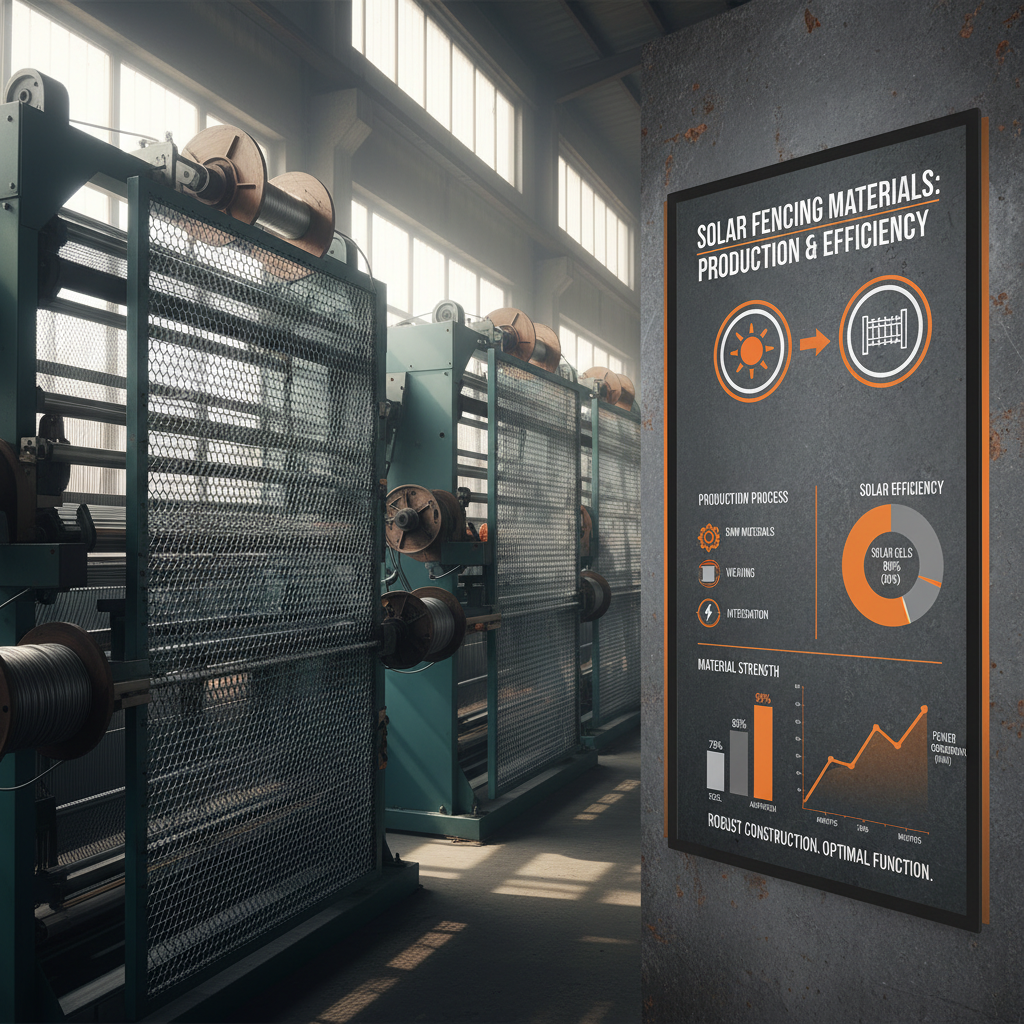
The materials used in construction vary, but commonly include galvanized steel, stainless steel, and aluminum, chosen for their durability, corrosion resistance, and structural integrity. These materials provide a robust foundation for the PV cells, ensuring long-term performance and reliability. The configuration can range from woven wire mesh with integrated cells to solid panels incorporating PV elements.
This definition extends beyond merely attaching solar panels to a fence; the key is the intrinsic integration of the PV technology into the fencing material itself. This distinction is crucial for maximizing efficiency, minimizing visual impact, and ensuring the structural integrity of the overall security system, connecting modern industry needs to sustainable solutions.
Key Components of Effective Solar Fencing
Durability is paramount when considering solar fencing materials. The chosen materials must withstand harsh weather conditions, including extreme temperatures, high winds, and corrosive environments. Galvanized steel and stainless steel are commonly employed for their inherent resistance to corrosion and long service life. Proper coating and treatment processes further enhance durability.
Scalability refers to the ability to adapt the solar fencing system to varying perimeter lengths and security requirements. Modular designs are crucial for scalability, allowing for easy expansion or modification of the fence line without significant disruption. The system should be easily adaptable to complex terrain and site-specific needs.
Energy Efficiency is determined by the quality and arrangement of the photovoltaic cells. Higher efficiency cells generate more electricity per unit area, maximizing the energy output of the fence. Optimizing the angle of the cells to capture maximum sunlight exposure is also critical for maximizing energy efficiency. Proper wiring and inverter selection further contribute to overall system efficiency.
Practical Applications of Solar Fencing Materials
Agricultural Security is a major area where solar fencing materials are making a significant impact. Farmers and ranchers are utilizing these systems to protect crops and livestock from theft and vandalism while simultaneously generating power for irrigation, lighting, and other farm operations. This reduces operational costs and enhances sustainability.
Industrial & Commercial Perimeter Security benefits from the dual functionality of solar fencing. Industrial facilities, data centers, and commercial properties employ these systems to secure their perimeters, deter unauthorized access, and reduce energy costs. The added benefit of a discreet security presence enhances overall site safety.
Solar Fencing Materials Performance Metrics
Advantages and Long-Term Value Proposition
Cost Reduction is a significant benefit of solar fencing materials. While the initial investment may be higher than traditional fencing, the long-term savings on energy bills and reduced security costs can result in a positive return on investment. The generated electricity offsets grid consumption, lowering operating expenses.
Sustainability is at the heart of the value proposition. Solar fencing materials contribute to a reduced carbon footprint and promote environmental responsibility. By harnessing renewable energy, they minimize reliance on fossil fuels and support a more sustainable future. This aligns with growing corporate social responsibility (CSR) initiatives.
Global Trends and Future Innovations
The integration of smart technology is a prominent trend in the development of solar fencing materials. Sensors, cameras, and data analytics are being incorporated to enhance security features, provide real-time monitoring, and enable remote control of the fence system. This creates a proactive and intelligent security solution.
Advancements in photovoltaic cell technology are driving increased energy efficiency and reduced production costs. Perovskite solar cells, for example, offer the potential for higher efficiency and lower manufacturing costs compared to traditional silicon-based cells. These innovations will make solar fencing materials more accessible and cost-effective.
Policy support and incentives are also playing a crucial role in promoting the adoption of solar fencing materials. Governments around the world are offering tax credits, subsidies, and other incentives to encourage the use of renewable energy technologies. This creates a favorable environment for the growth of the solar fencing market.
Challenges and Potential Solutions
High Initial Costs remain a barrier to wider adoption. While long-term savings are substantial, the upfront investment can be prohibitive for some. Innovative financing models, such as leasing or power purchase agreements (PPAs), can help to overcome this challenge.
Grid Integration presents complexities, particularly in remote areas with limited grid infrastructure. Off-grid solutions, such as battery storage systems, are crucial for maximizing the benefits of solar fencing materials in these locations. Microgrids can also be established to integrate the fence's energy output with other renewable sources.
Material Durability and Weather Resistance need ongoing attention. Research and development efforts are focused on improving the longevity and resilience of solar fencing materials, particularly in harsh environments. Advanced coatings, corrosion-resistant alloys, and robust mounting systems are being developed to address these challenges.
Solar Fencing Material Analysis: Key Performance Indicators
| Material Type |
Energy Efficiency (%) |
Cost per Meter ($) |
Expected Lifespan (Years) |
| Galvanized Steel with Crystalline Silicon |
18 |
45 |
25 |
| Stainless Steel with Thin-Film Solar |
15 |
60 |
30 |
| Aluminum Alloy with Perovskite Cells |
22 |
50 |
20 |
| Galvanized Steel with Hybrid Solar Cells |
20 |
55 |
28 |
| Composite Material with Integrated Solar |
17 |
40 |
22 |
| Recycled Polymer with Thin-Film Cells |
14 |
35 |
18 |
FAQS
The lifespan of solar fencing materials varies depending on the materials used and environmental conditions. Generally, galvanized steel systems can last 25-30 years, while stainless steel offers even longer durability. The photovoltaic cells themselves typically have a 20-25 year performance warranty, ensuring consistent energy production over an extended period. Proper maintenance, including cleaning and inspection, can further extend the lifespan.
Solar fencing materials are designed to withstand various weather conditions. However, extreme temperatures, heavy snowfall, and prolonged exposure to salt spray can affect performance. Choosing materials with high corrosion resistance and implementing proper drainage systems are crucial for mitigating these effects. Regular inspection and cleaning help maintain optimal efficiency. Systems are typically engineered to withstand high wind loads.
While the initial cost of solar fencing is higher than traditional fencing, the long-term cost-effectiveness is significant. The generated electricity offsets energy bills, reducing operational expenses. Additionally, the enhanced security features and reduced maintenance requirements contribute to overall cost savings. Government incentives and tax credits can further improve the financial viability.
The electricity generated by solar fencing is typically integrated into the grid using an inverter, which converts DC power to AC power. In some cases, particularly in remote areas, battery storage systems are used to store excess energy for later use. Net metering agreements allow property owners to sell excess electricity back to the grid, further offsetting costs. Microgrids can also facilitate integration.
Solar fencing materials require minimal maintenance. Regular cleaning of the solar cells to remove dust and debris is essential for maintaining optimal energy production. Periodic inspection of the fencing structure and electrical components is recommended to identify and address any potential issues. Professional maintenance services are available for more complex repairs or upgrades.
Yes, solar fencing materials are highly customizable. The height, length, and design of the fence can be tailored to meet specific property requirements. Different types of solar cells and mounting systems can be used to optimize performance and aesthetics. Integrated security features, such as cameras and sensors, can also be incorporated to enhance protection.
Conclusion
In conclusion, solar fencing materials represent a transformative approach to perimeter security, offering a compelling blend of functionality, sustainability, and cost-effectiveness. By integrating renewable energy generation directly into the fencing structure, these innovative materials address critical needs in a variety of sectors, from agriculture and industry to residential and commercial properties. The long-term benefits, including reduced energy costs, enhanced security, and a lower carbon footprint, make them an increasingly attractive investment.
Looking ahead, continued advancements in photovoltaic technology, coupled with supportive government policies, will drive further adoption of solar fencing materials. Investing in research and development to improve material durability, energy efficiency, and grid integration will unlock even greater potential. Explore how solar fencing materials can benefit your project today.