Comprehensive Guide to Solar Panel Installation in Balcony for Sustainable Energy
Solar Panel Installation in Balcony: A Comprehensive Guide
Considering solar panel installation in balcony is a smart way to embrace renewable energy and reduce your electricity bills. This guide covers everything from assessing feasibility to choosing the right system and understanding the potential benefits. Balconies offer a unique space for harnessing solar power, especially in urban environments where rooftop access might be limited. We’ll explore the key considerations and steps involved in a successful balcony solar installation.
Assessing Your Balcony's Suitability for Solar Panels
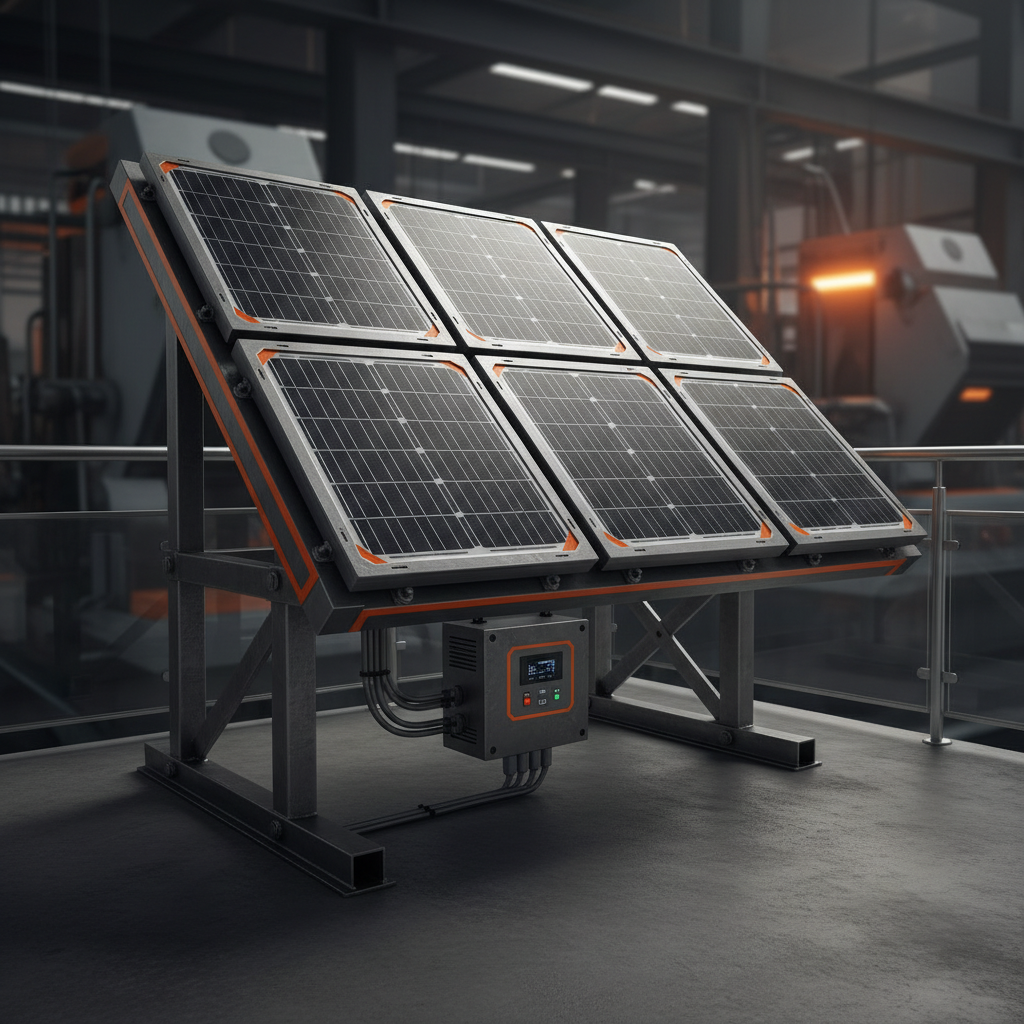
Before diving into installation, a thorough assessment is crucial. First, consider the balcony's orientation. South-facing balconies generally receive the most sunlight throughout the day, maximizing energy generation. East and West-facing balconies are also viable, though they may have reduced output. North-facing balconies are typically not suitable. Also, check for shading from nearby buildings, trees, or other obstructions. Even partial shading can significantly reduce panel efficiency. Finally, ensure your balcony’s structural integrity can support the weight of the solar panels and mounting hardware. Consulting a structural engineer is advisable, especially for older buildings.
Key Considerations: Balcony orientation, shading, structural integrity, local regulations, and homeowner association rules.
Types of Solar Panels for Balcony Installation
Several types of solar panels are suitable for balcony installations. Monocrystalline panels are the most efficient but also the most expensive. Polycrystalline panels are a more affordable option, though slightly less efficient. Thin-film panels are lightweight and flexible, making them ideal for balconies with weight restrictions. Microinverters are commonly used with balcony systems, as they optimize the power output of each panel individually, maximizing overall performance. Choosing the right panel type depends on your budget, balcony space, and energy needs.
Panel Type Comparison:
• Monocrystalline: Highest efficiency, highest cost.
• Polycrystalline: Good efficiency, moderate cost.
• Thin-Film: Lowest efficiency, lowest cost, lightweight.
Solar Panel Installation in Balcony vs. Rooftop: A Comparison
While both balcony and rooftop solar installations offer benefits, they differ in several key aspects. Rooftop installations generally allow for larger systems and greater energy generation due to more available space and optimal sun exposure. Balcony installations are limited by space and may experience more shading. However, balcony installations are often easier to permit and require less complex structural modifications. Furthermore, they're a viable option for renters or those who don't own their rooftops. The cost of a balcony system is typically lower than a rooftop system due to the smaller scale.
Regulations and Permits for Balcony Solar Installations
Before proceeding with solar panel installation in balcony, research local regulations and permitting requirements. Many municipalities have specific rules regarding solar panel installations, especially on balconies. Homeowner associations (HOAs) may also have restrictions. Failing to obtain the necessary permits can result in fines or the removal of the system. Typically, permits require documentation outlining the system's specifications, structural assessment, and electrical diagrams.
Cost and Potential Savings
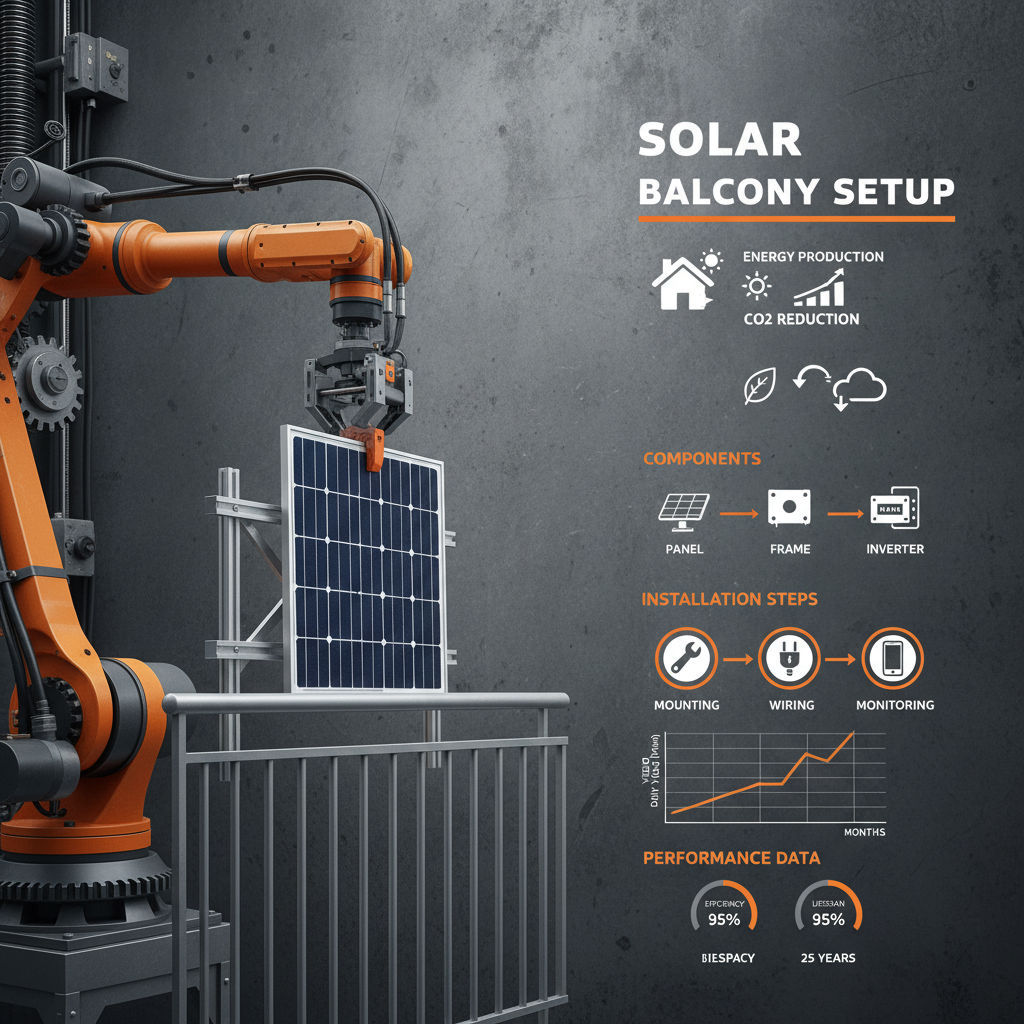
The cost of a balcony solar system varies depending on its size, panel type, and installation complexity. Generally, a small balcony system (1-2 panels) can range from $500 to $1500. However, the long-term savings can be significant. The amount of electricity generated will depend on the system's size and sunlight exposure. Over time, the system can offset a portion of your electricity bill, leading to substantial cost savings. Government incentives and tax credits may also be available, further reducing the overall cost.
Conclusion: Harnessing Solar Energy on Your Balcony
Installing solar panels on your balcony is an excellent way to reduce your carbon footprint and lower your energy costs. By carefully assessing your balcony’s suitability, choosing the right system, and complying with local regulations, you can enjoy the benefits of clean, renewable energy. Take the first step towards a sustainable future – explore the possibilities of balcony solar today!
Frequently Asked Questions (FAQs)
What is the typical payback period for a balcony solar system?
The payback period for a balcony solar system varies depending on several factors, including the system's cost, electricity rates, and sunlight exposure. However, you can generally expect a payback period of 5-10 years. Government incentives and tax credits can significantly shorten this timeframe. To calculate your estimated payback period, consider the initial investment cost, annual electricity savings, and any available financial incentives. Monitoring your system's performance and electricity bill savings will provide a more accurate assessment over time.
Is professional installation required for balcony solar panels?
While some DIY kits are available, professional installation is highly recommended for balcony solar panels. This ensures the system is installed safely and correctly, maximizing its performance and longevity. A qualified installer will assess your balcony’s structural integrity, handle electrical connections, and ensure compliance with local regulations. Improper installation can lead to safety hazards, reduced efficiency, and voided warranties.
Can I connect my balcony solar system to the grid?
Yes, in many jurisdictions, you can connect your balcony solar system to the grid through a process called net metering. Net metering allows you to receive credit for any excess electricity your system generates and sends back to the grid. This can further reduce your electricity bills and provide additional savings. However, net metering policies vary by location, so it’s essential to check with your local utility company for specific requirements and regulations.
What maintenance is required for a balcony solar system?
Balcony solar systems require minimal maintenance. Regularly cleaning the panels to remove dirt and debris can help maintain optimal performance. Inspect the mounting hardware and electrical connections periodically to ensure they are secure and in good condition. It’s also recommended to have a professional inspection every few years to identify any potential issues.