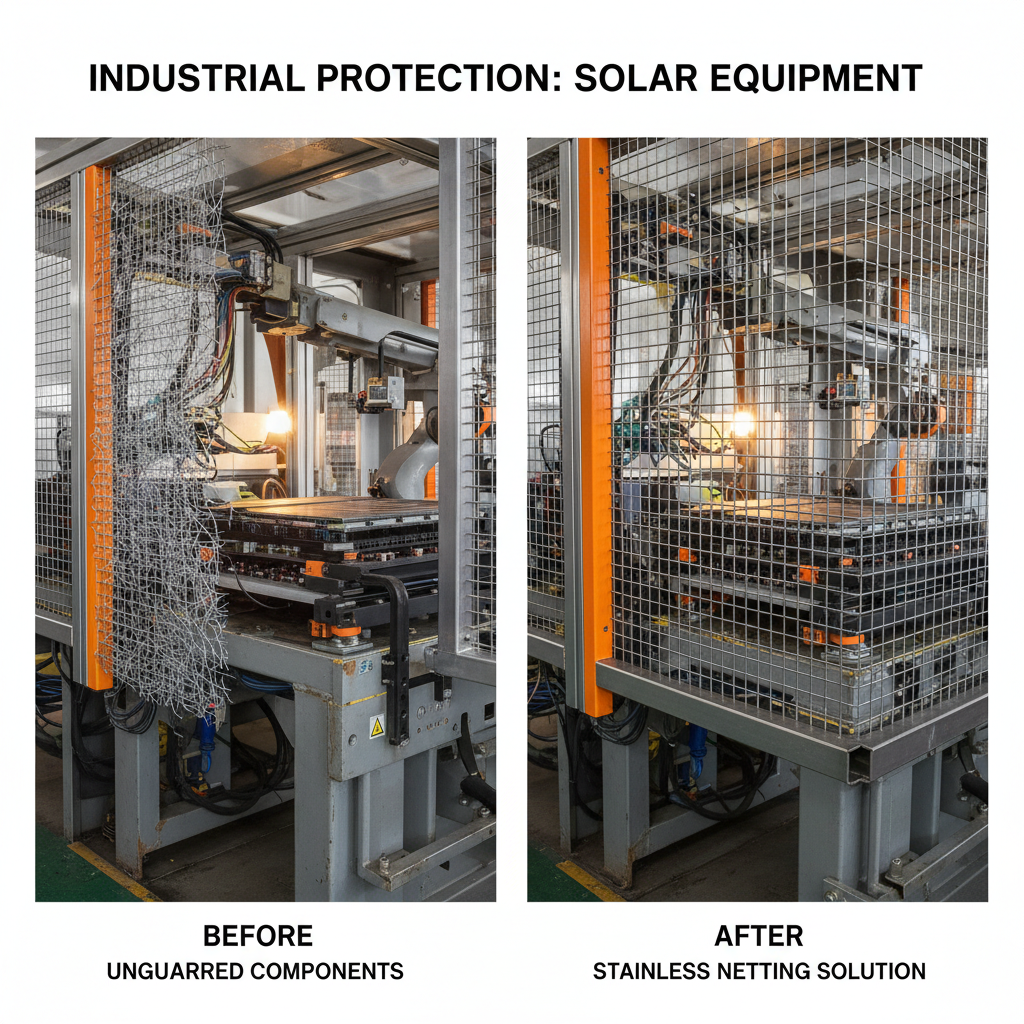
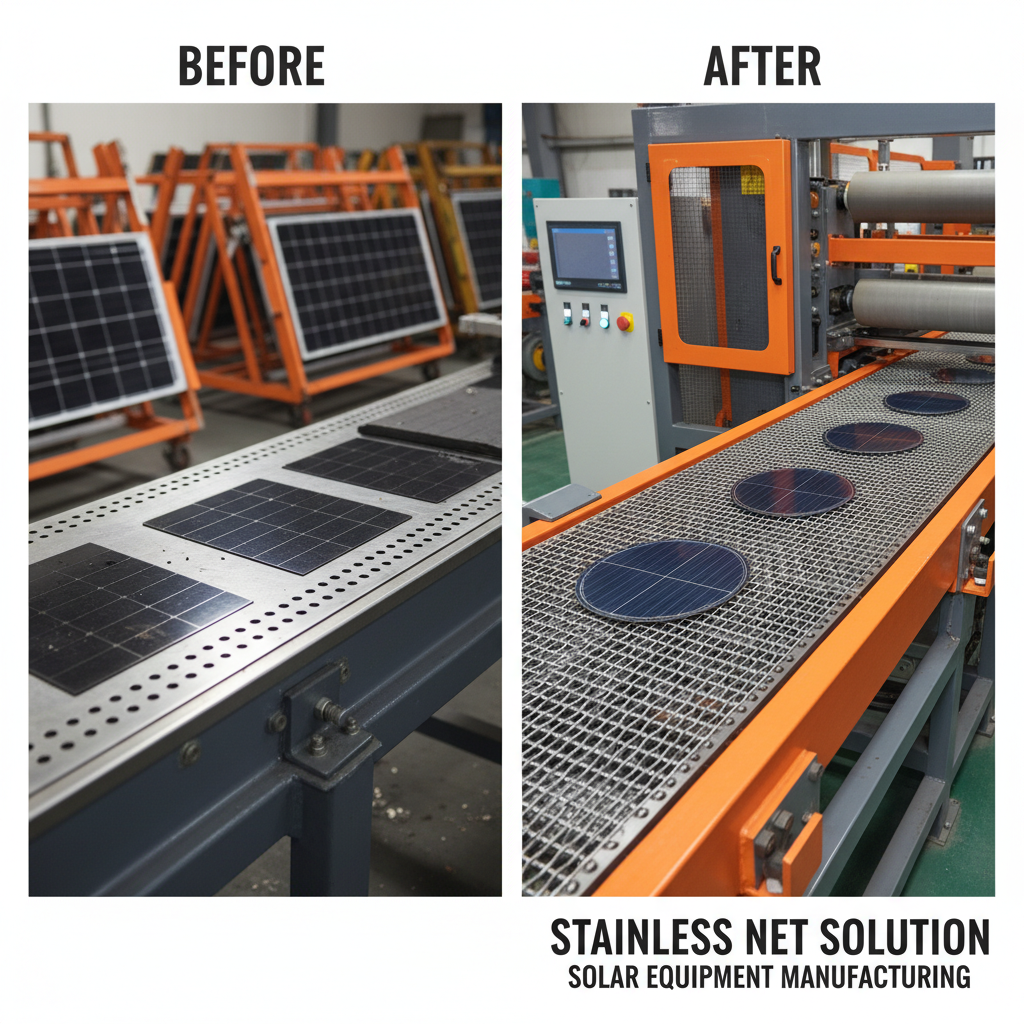
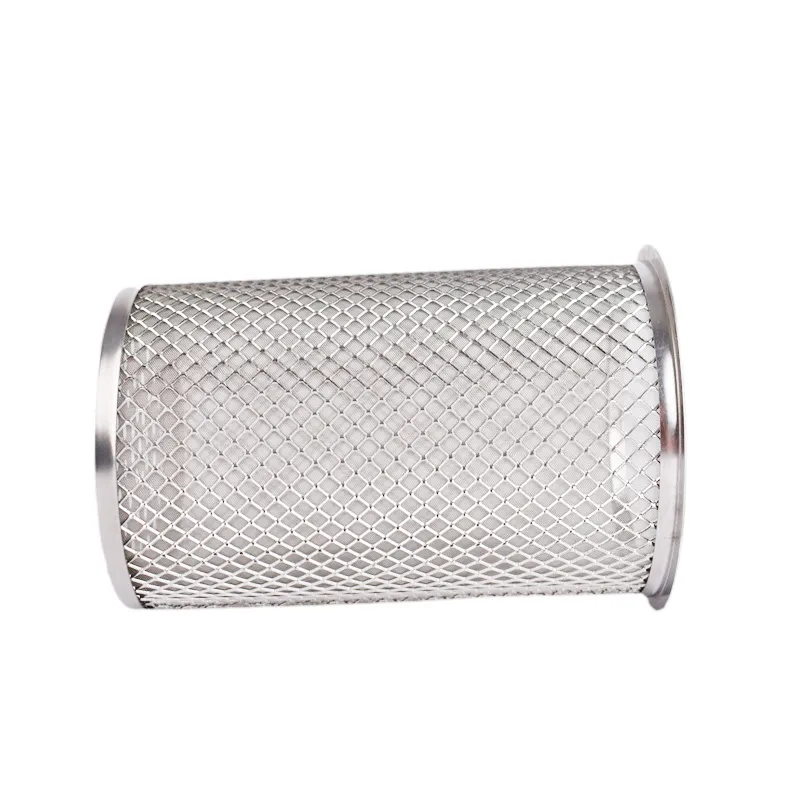
Exploring the Versatility and Benefits of Stainless Metal Mesh Applications
Understanding Stainless Metal Mesh: Applications and Benefits
Stainless steel metal mesh is a versatile material utilized across a wide range of industries, from filtration and security to architectural design. Its durability, corrosion resistance, and unique properties make it an ideal choice for numerous applications. This article delves into the characteristics of stainless metal mesh, explores its various uses, and highlights the benefits of choosing it over other materials. We’ll cover everything from the different weaves available to the critical factors when selecting the right mesh for your needs.
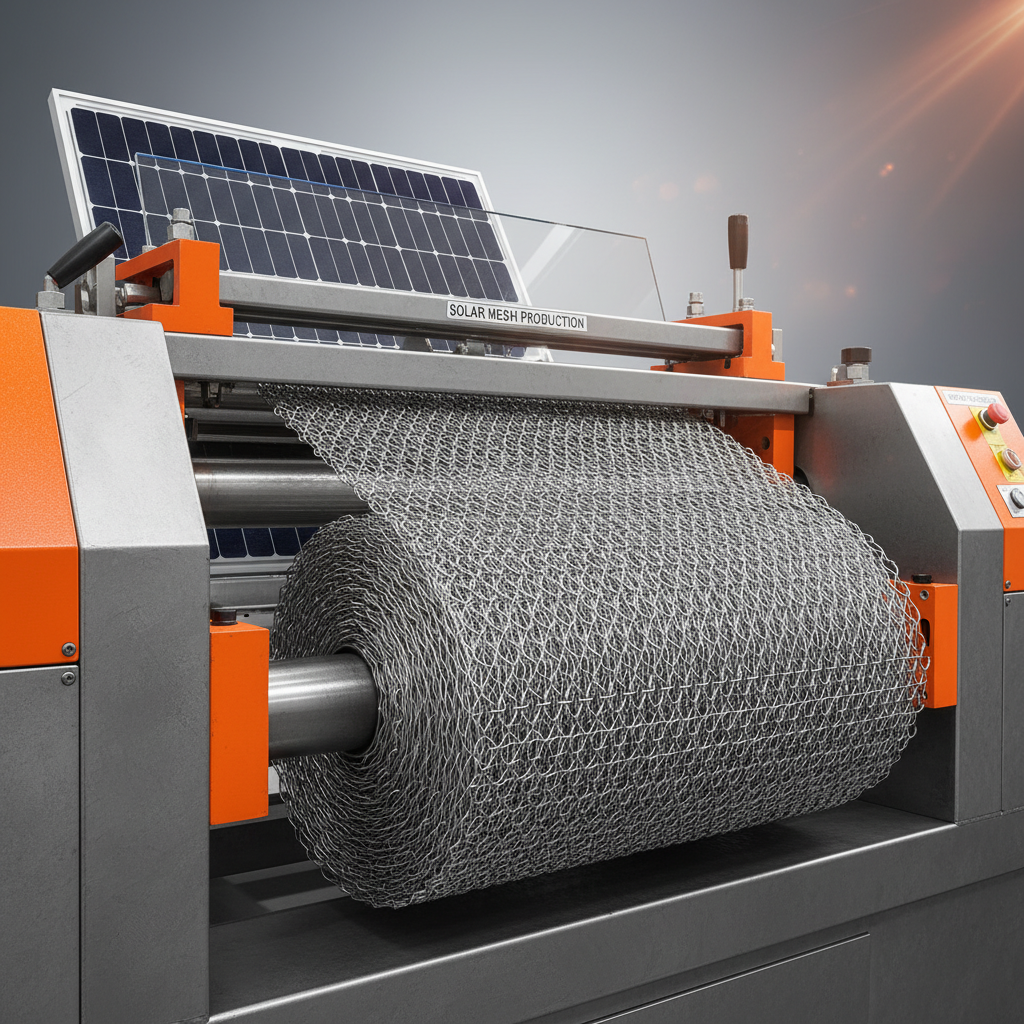
What is Stainless Metal Mesh?
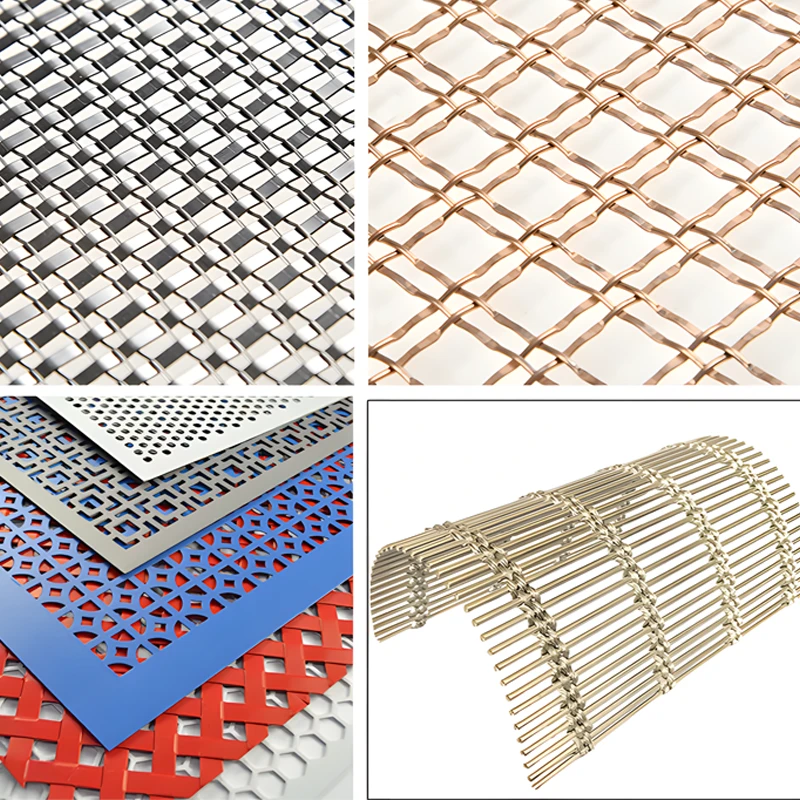
Stainless metal mesh, also known as stainless steel wire mesh, is fabricated by weaving or welding stainless steel wires together to create a porous material. The material's resistance to corrosion and high temperatures is a key attribute derived from the chromium content in stainless steel. Several grades of stainless steel are used, including 304, 316, and 430, each offering varying levels of corrosion resistance and strength. The weave pattern—plain, twill, Dutch, reverse Dutch— significantly impacts the mesh's properties and suitability for different applications. This material is prized for its longevity and resistance to harsh environments. QHFilter specializes in providing high-quality stainless metal mesh solutions tailored to specific customer requirements.
Key Highlights: Stainless metal mesh is durable, corrosion-resistant, and available in various weaves and grades, making it suitable for a broad spectrum of applications.
Common Weave Types of Stainless Metal Mesh
The weave type significantly influences the mesh’s characteristics. Here’s a breakdown of the most common types:
Weave Type Overview:
- Plain Weave: Simplest weave, offering good stability and even tension.
- Twill Weave: Creates a diagonal pattern, providing a softer feel and better drape.
- Dutch Weave: Alternates under and over multiple wires, resulting in a more flexible and porous mesh.
- Reverse Dutch Weave: Similar to Dutch weave, but with the wire arrangement reversed, offering increased strength and reduced porosity.
Applications of Stainless Steel Metal Mesh
The versatility of stainless metal mesh leads to its use in diverse industries. Some prominent applications include:
- Filtration: For liquids and gases in chemical processing, food & beverage, and pharmaceutical industries.
- Security Screens: Providing robust protection for windows, doors, and property.
- Architectural Facades: Offering aesthetically pleasing and durable exterior cladding.
- Industrial Sieving: Separating materials in various manufacturing processes.
- Aquaculture: Creating enclosures for fish farming and other aquatic environments.
- Electromagnetic Shielding: Blocking electromagnetic interference in sensitive electronic equipment.
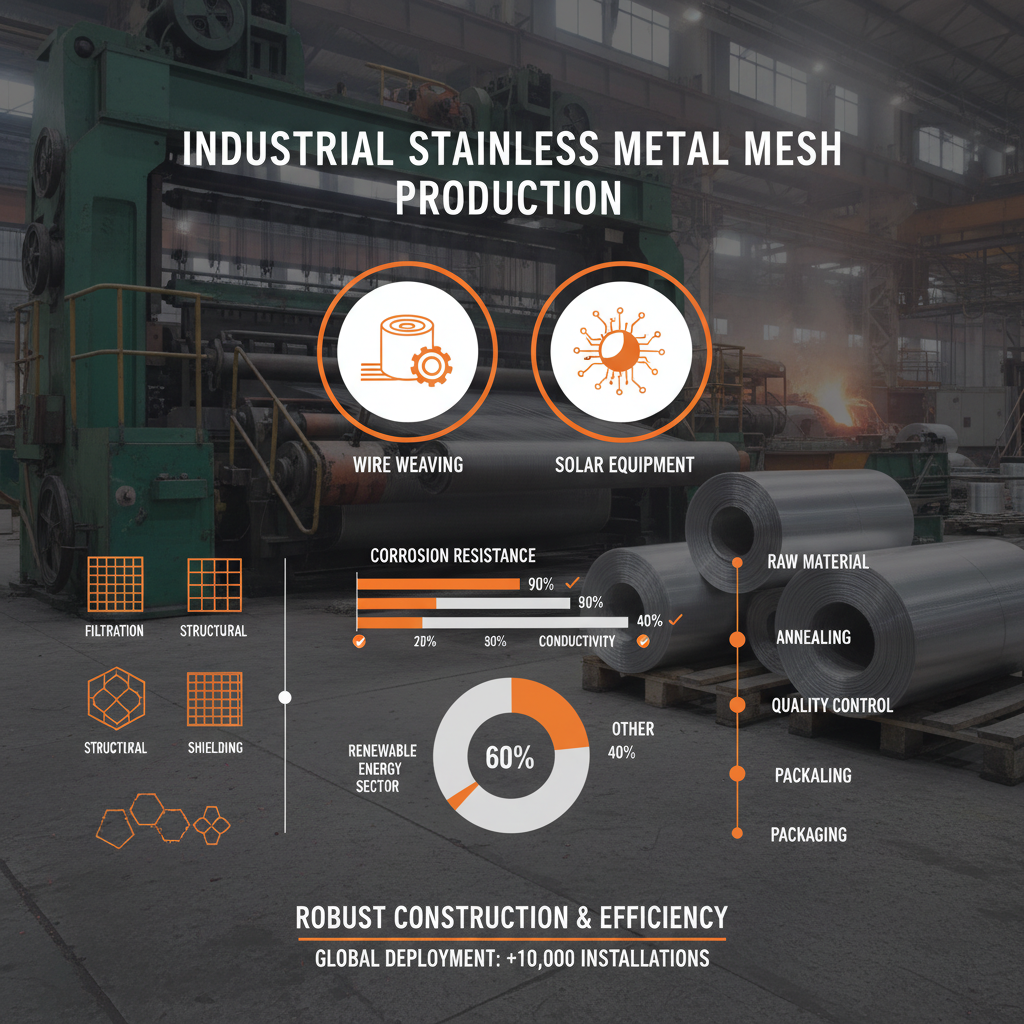
Stainless Metal Mesh: A Comparison with Other Materials
When selecting a material for a specific application, it's essential to compare its properties with alternatives. Here’s a comparison of stainless metal mesh with other common materials:
Choosing the Right Stainless Metal Mesh: Key Considerations
Selecting the appropriate stainless metal mesh requires careful consideration of several factors:
- Mesh Size (Aperture): The size of the openings in the mesh, crucial for filtration applications.
- Wire Diameter: Influences the strength and durability of the mesh.
- Weave Type: Determines the mesh’s flexibility, porosity, and load-bearing capacity.
- Stainless Steel Grade: Select based on the level of corrosion resistance required.
- Application Specifics: Consider temperature, pressure, and the nature of the materials being filtered or secured.
Conclusion: A Reliable Solution for Diverse Needs
Stainless metal mesh offers a compelling combination of durability, corrosion resistance, and versatility, making it an ideal material for a wide array of applications. By carefully considering the specific requirements of your project and selecting the appropriate grade, weave, and mesh size, you can ensure optimal performance and longevity. QHFilter is dedicated to providing high-quality stainless metal mesh products and expert guidance to help you find the perfect solution.
Frequently Asked Questions (FAQs)
What are the common grades of stainless steel used for mesh?
The most common grades are 304 and 316. 304 stainless steel is widely used for its good corrosion resistance and affordability. 316 stainless steel contains molybdenum, enhancing its resistance to chloride corrosion, making it ideal for marine environments or applications involving harsh chemicals. 430 is a lower cost option, used where corrosion isn't a primary concern. The choice depends on the operating environment and required level of corrosion protection.
How is stainless metal mesh manufactured?
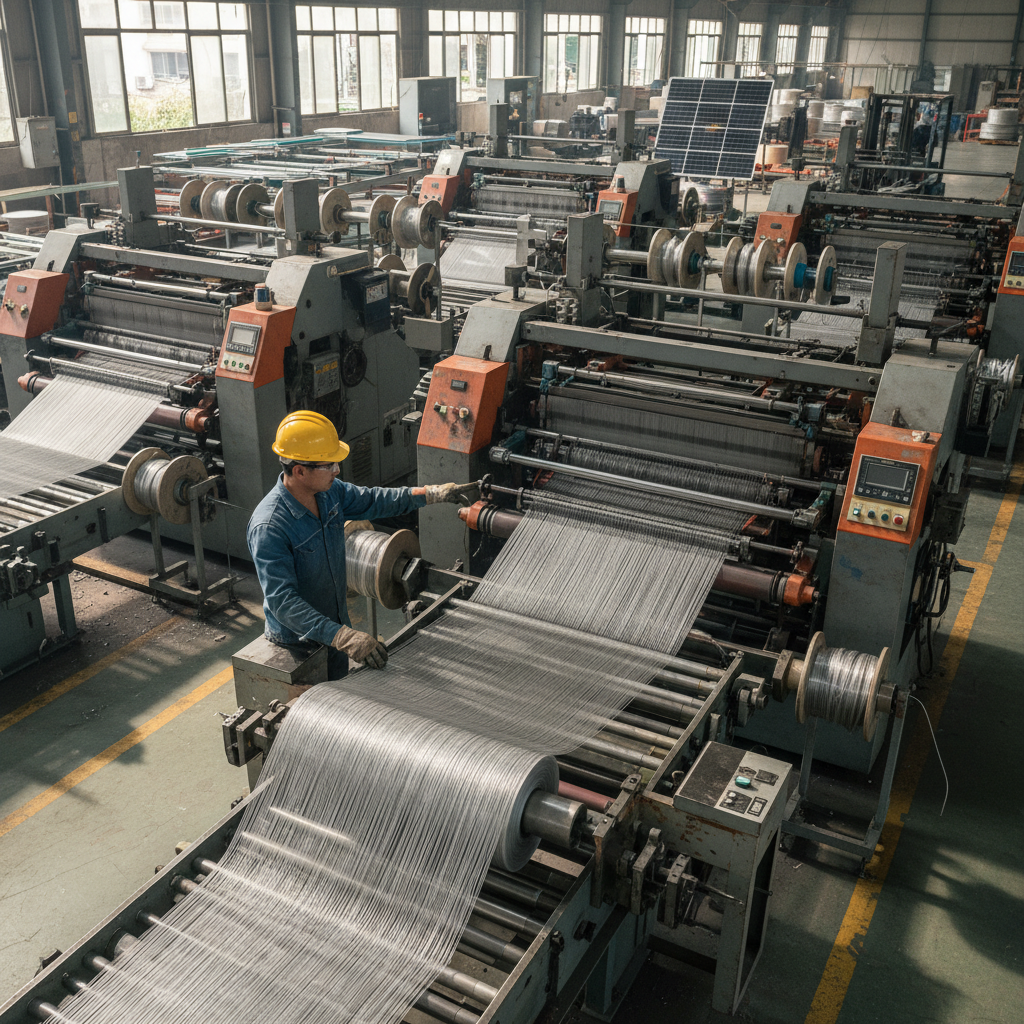
Stainless metal mesh is primarily manufactured through two methods: weaving and welding. Weaving involves interlacing wires at right angles to create the mesh structure. Welding involves fusing wires together at their intersection points. The chosen method impacts the mesh’s properties, with woven mesh typically being more flexible and welded mesh offering higher strength and rigidity. QHFilter employs both methods to deliver tailored solutions.
Can stainless metal mesh be cut and formed?
Yes, stainless metal mesh can be cut and formed to specific shapes and sizes. However, cutting can fray the edges, so techniques like edge binding or welding are often used to prevent unraveling. The formability depends on the wire diameter and weave type. Softer weaves like twill are easier to form than tighter, more rigid weaves.
What is the typical lifespan of stainless metal mesh?
With proper care and the right grade of stainless steel for the application, stainless metal mesh can have a very long lifespan – often decades. Its resistance to corrosion is a key factor. However, harsh chemical exposure, extreme temperatures, and physical damage can shorten its lifespan. Regular inspection for wear and tear is recommended.