Versatile Applications and Advantages of 316 Stainless Steel Wire Mesh Solutions
In the realm of industrial and commercial materials, 316 stainless steel wire products stand out for their exceptional durability and corrosion resistance. The 316 stainless steel wire cloth, 316 stainless steel wire mesh, 316 stainless wire mesh, 316L stainless steel mesh, and 316L stainless steel wire mesh are all integral components in various sectors, offering reliable performance in demanding environments. These materials are valued for their ability to withstand harsh conditions while maintaining structural integrity and functionality.
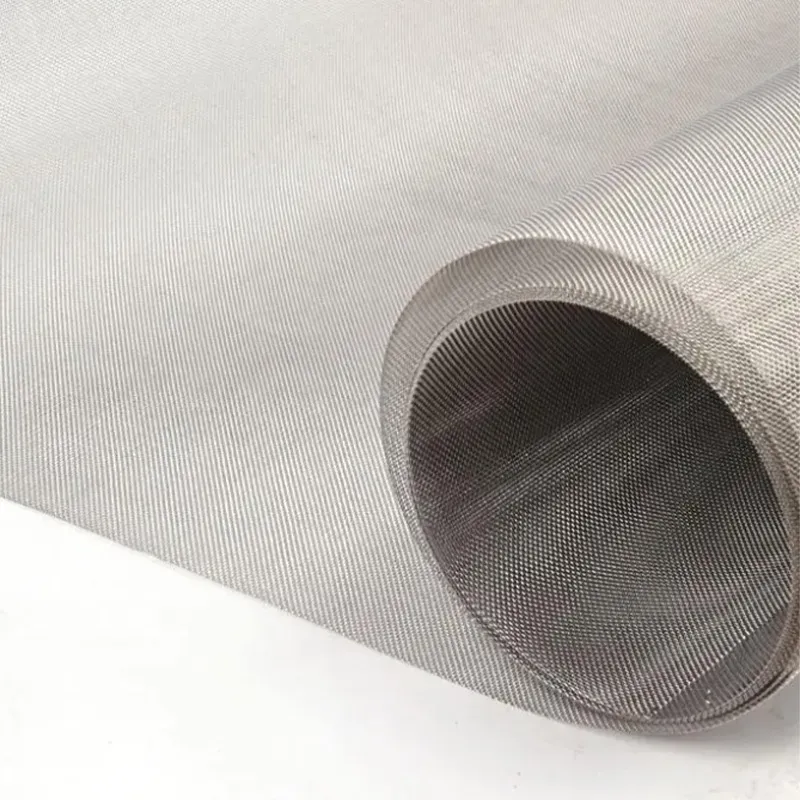
Exploring the Features of 316 Stainless Steel Wire Cloth
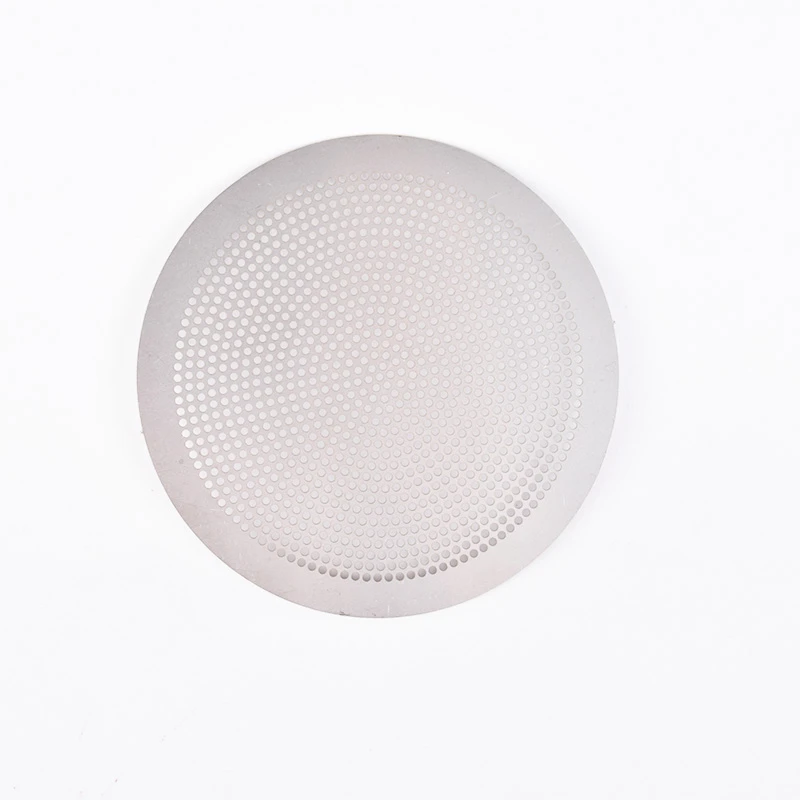
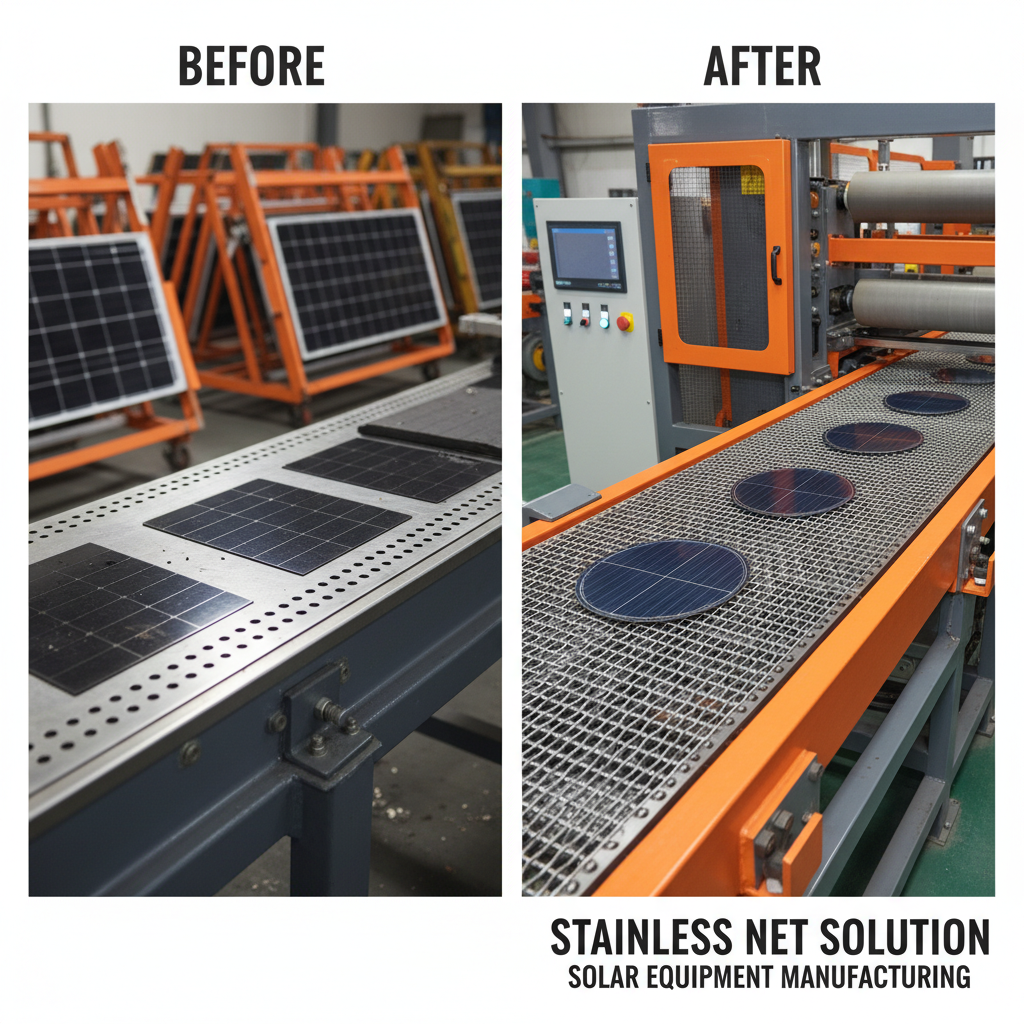
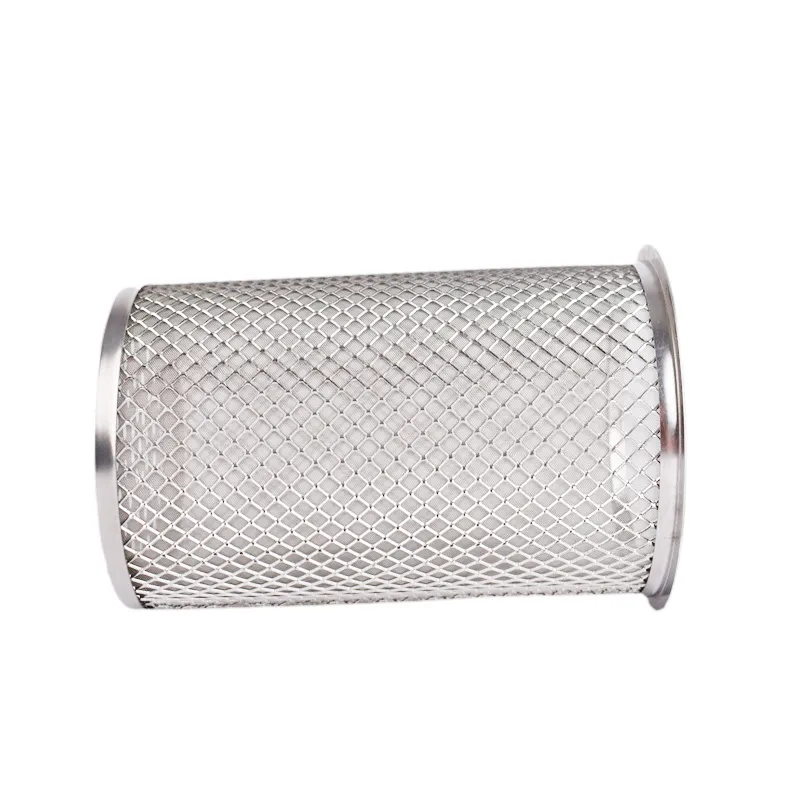
316 stainless steel wire cloth is a woven material known for its precision and strength. Constructed from 316 stainless steel, which contains molybdenum for enhanced corrosion resistance, this cloth is ideal for applications requiring fine filtration or separation. In the pharmaceutical industry, 316 stainless steel wire cloth is used in filtration systems to remove impurities from liquids, ensuring the purity of pharmaceutical products. Its smooth surface and tight weave prevent particle entrapment, meeting strict hygiene standards. Additionally, in food processing, this wire cloth is employed in sieves and screens to separate ingredients by size, maintaining product consistency and quality.
The Robustness of 316 Stainless Steel Wire Mesh
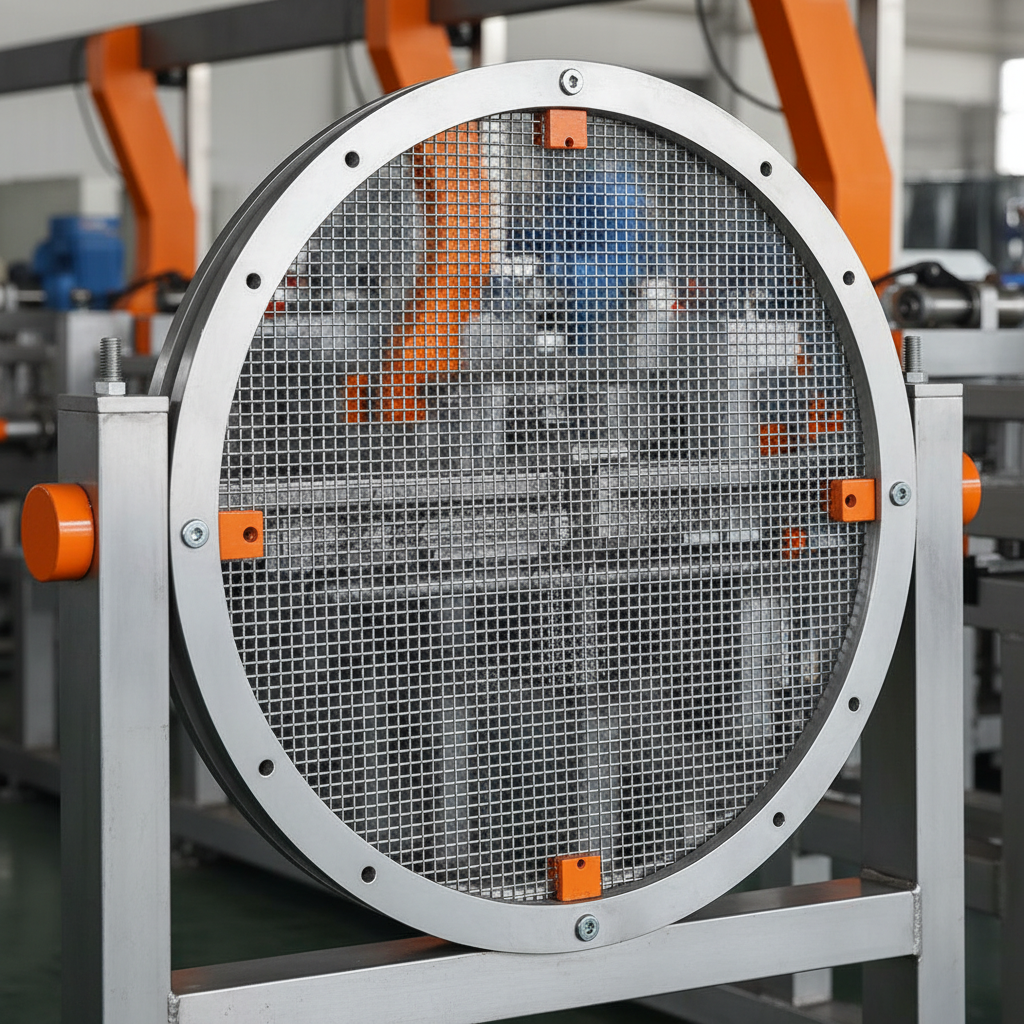
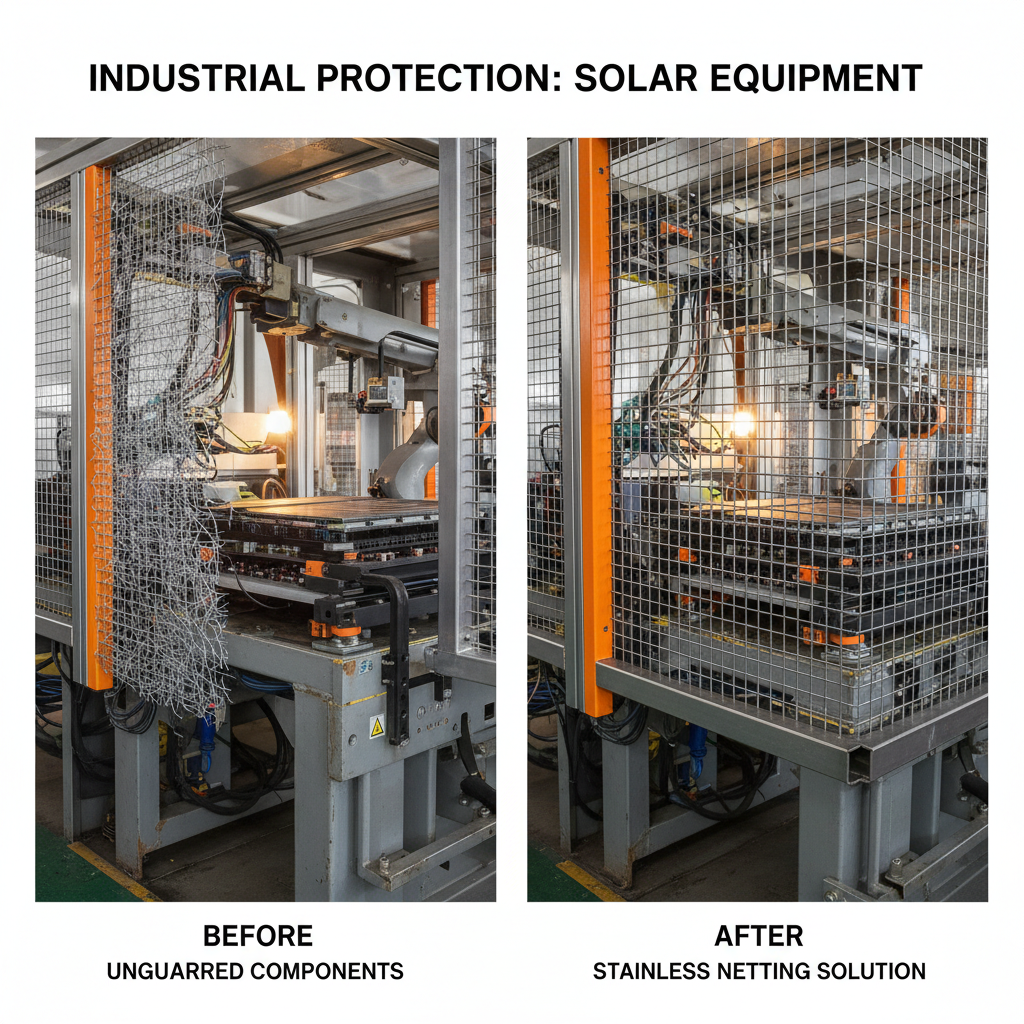
316 stainless steel wire mesh offers a balance of durability and versatility. The alloy’s resistance to corrosion from acids, salts, and other chemicals makes it suitable for marine environments, chemical processing, and wastewater treatment. For example, in coastal infrastructure, 316 stainless steel wire mesh is used in seawater filtration systems, where it withstands constant exposure to saltwater without rusting or deteriorating. In industrial settings, this mesh is often used as protective barriers or safety guards, providing strength while allowing visibility and airflow. Its ability to endure high temperatures and mechanical stress further extends its use in applications like furnace screens or exhaust systems.
Understanding 316 Stainless Wire Mesh
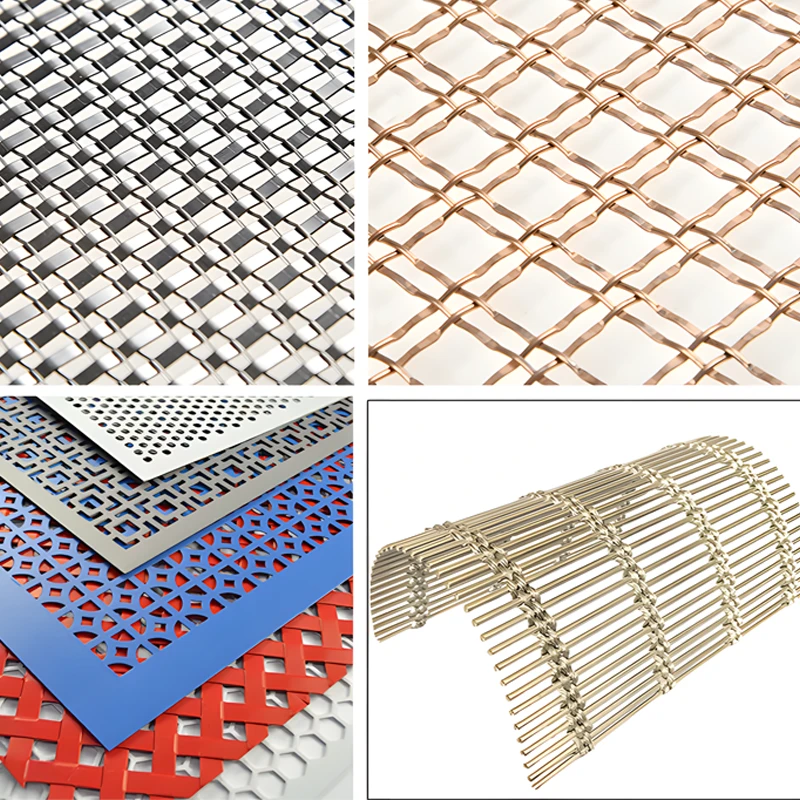
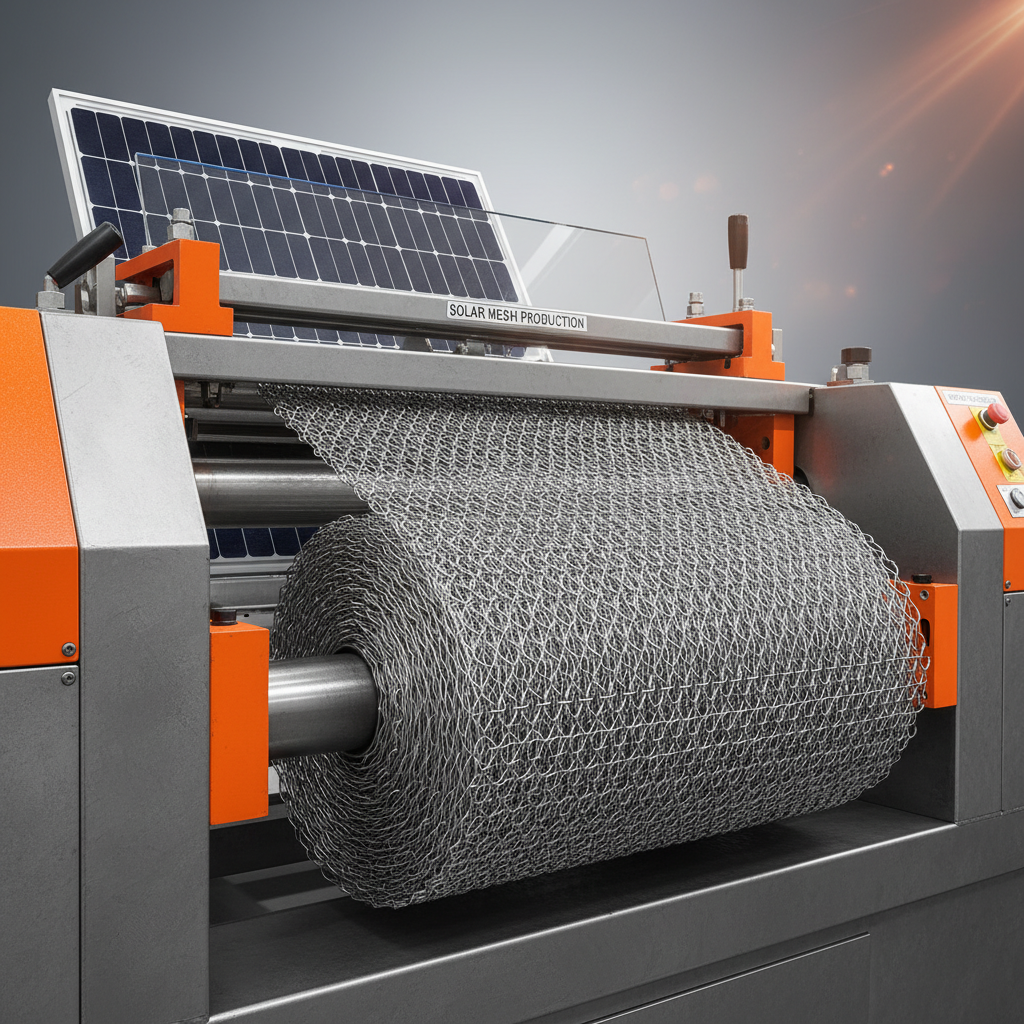
316 stainless wire mesh is a variant designed for applications requiring flexibility and precision. The wire’s diameter and weave pattern can be customized to meet specific needs, such as fine screening or electromagnetic shielding. In electronics manufacturing, 316 stainless wire mesh is used in EMI/RFI shielding to protect sensitive components from electromagnetic interference. The mesh’s conductive properties and tight weave effectively block unwanted signals while allowing heat dissipation. In architectural applications, this mesh can be used as decorative panels or sunscreens, combining aesthetic appeal with functional benefits like UV resistance and airflow regulation.
The Low - Carbon Advantage of 316L Stainless Steel Mesh
316L stainless steel mesh is a low - carbon version of 316 stainless steel, offering improved resistance to intergranular corrosion, particularly in welded structures. This makes it ideal for applications where welding is required, such as in chemical reactors, storage tanks, and pharmaceutical equipment. For instance, in the biotech industry, 316L stainless steel mesh is used in fermentation tanks, where its corrosion resistance and hygienic surface are critical for maintaining sterile conditions. The low - carbon content also enhances the material’s ductility, making it easier to form into complex shapes without compromising strength or durability.
Applications of 316L Stainless Steel Wire Mesh
316L stainless steel wire mesh finds extensive use in environments where both corrosion resistance and structural integrity are paramount. In the aerospace industry, this mesh is used in fuel filtration systems and engine components, ensuring reliability in high - stress, high - temperature conditions. In the automotive sector, it is employed in catalytic converters and exhaust systems, where its resistance to heat and chemical exposure is essential. Additionally, in the water treatment industry, 316L stainless steel wire mesh is used in membrane filtration systems, providing a durable framework that supports the filtration process while resisting degradation from aggressive chemicals.
FAQ: Key Considerations for 316 Stainless Steel Wire Mesh
What factors should be considered when selecting between 316 and 316L stainless steel mesh?
The choice between 316 and 316L depends on the application’s needs. 316 is suitable for general corrosion - resistant applications, while 316L is preferred for welded structures or environments where intergranular corrosion is a risk, such as in acidic or chloride - rich conditions. Consider factors like welding requirements, temperature extremes, and the specific corrosive agents present in the environment.
How is the quality of 316 stainless steel wire cloth ensured?
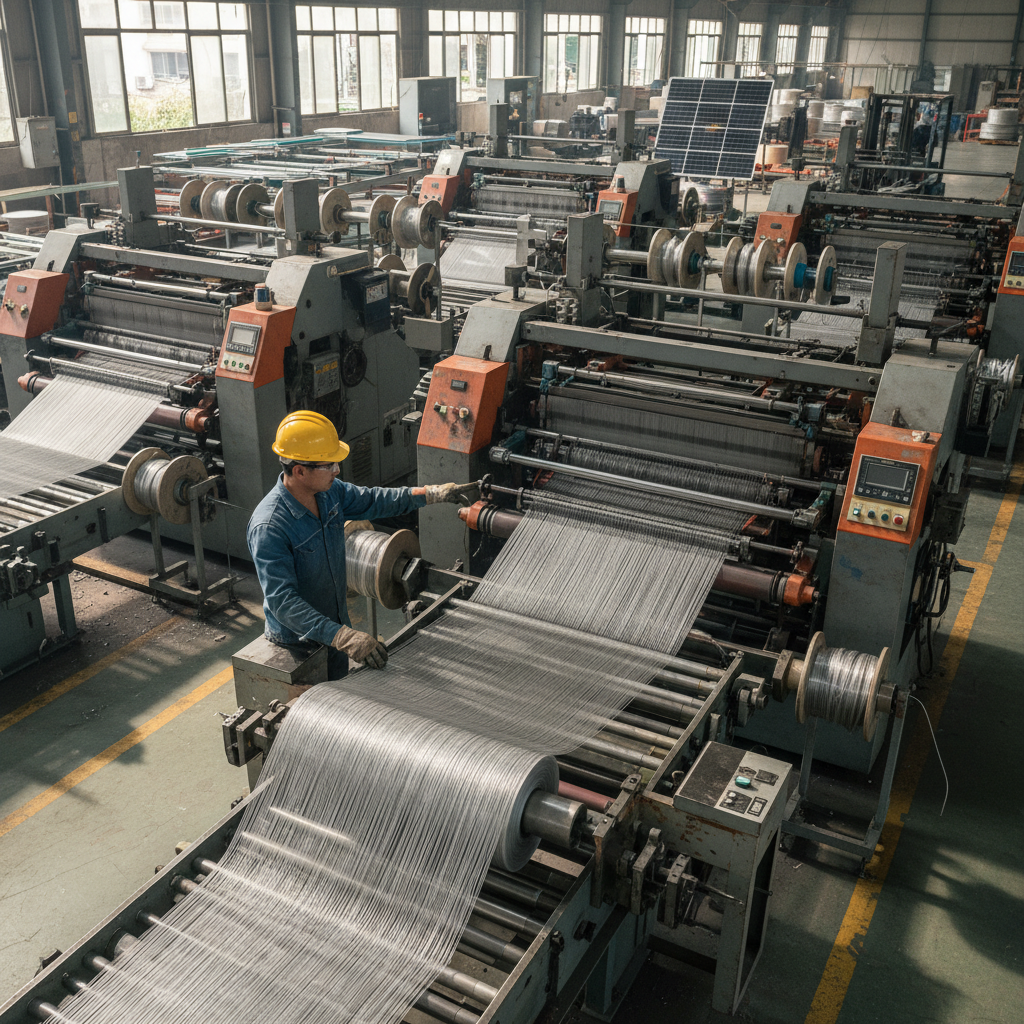
Quality assurance for 316 stainless steel wire cloth involves testing for weave accuracy, wire diameter consistency, and corrosion resistance. Manufacturers often conduct salt spray tests, tensile strength tests, and visual inspections to ensure the cloth meets industry standards. Look for certifications such as ASTM A240 or ISO 9001 to verify the material’s compliance with international quality benchmarks.
Can 316 stainless steel wire mesh be customized for specific projects?
Yes, 316 stainless steel wire mesh can be customized in terms of wire diameter, weave pattern, thickness, and size. Customization allows the mesh to meet specific requirements for filtration efficiency, strength, or aesthetics. For example, fine - weave mesh can be designed for high - precision filtration, while coarser weaves may be used for structural support or airflow management.
What maintenance practices prolong the life of 316L stainless steel mesh?
To maintain 316L stainless steel mesh, regularly clean it with mild detergents and water to remove debris or contaminants that could cause corrosion. Avoid using abrasive cleaners or tools that may scratch the surface. In harsh environments, periodic inspections for signs of wear or corrosion are recommended. For welded components, ensure proper post - weld cleaning to prevent intergranular corrosion.
How does 316 stainless steel wire mesh compare to other materials like 304 stainless steel?
316 stainless steel wire mesh offers superior corrosion resistance compared to 304 stainless steel due to the addition of molybdenum. This makes it more suitable for harsh environments involving chlorides, acids, or marine exposure. While 304 is adequate for general - purpose applications, 316 and 316L are preferred in industries requiring higher chemical and environmental resistance, such as marine, pharmaceutical, and chemical processing.