The Robustness and Versatility of 316 Stainless Steel Mesh Solutions
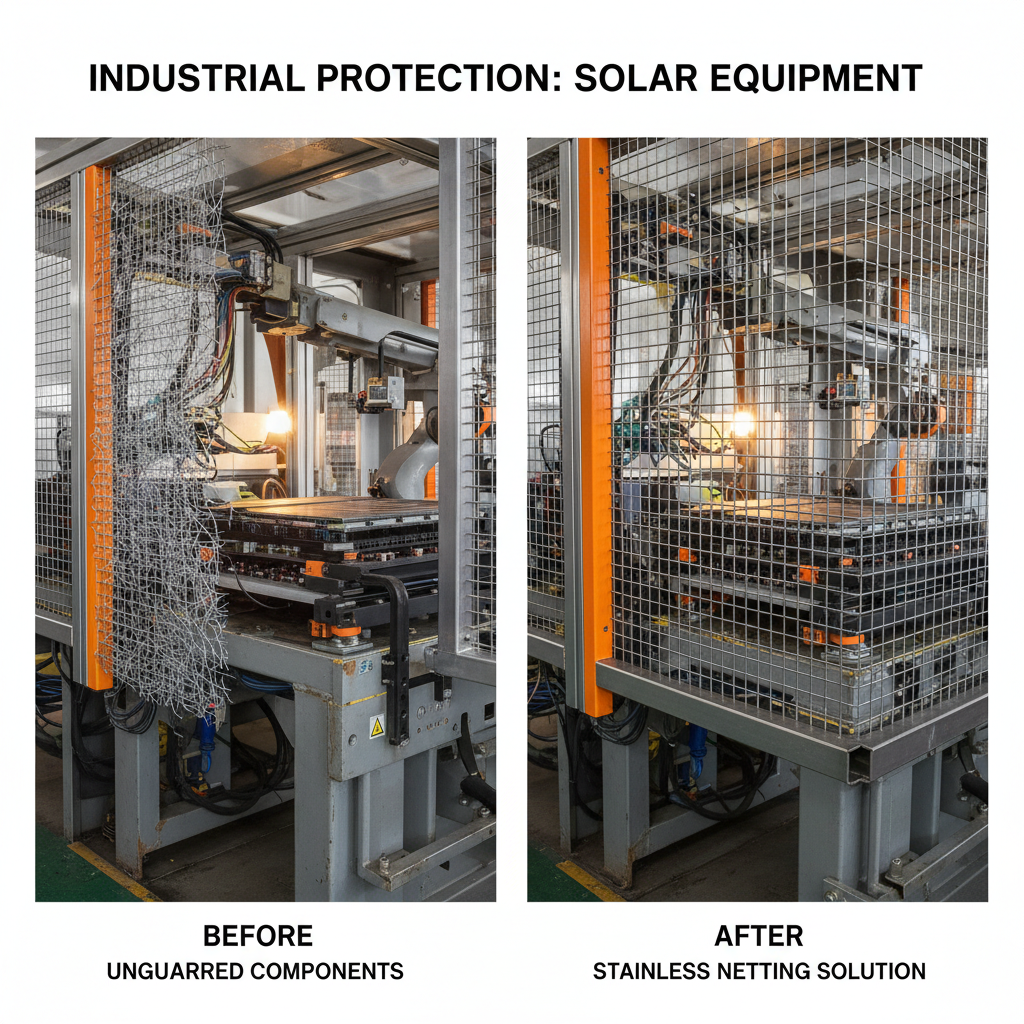
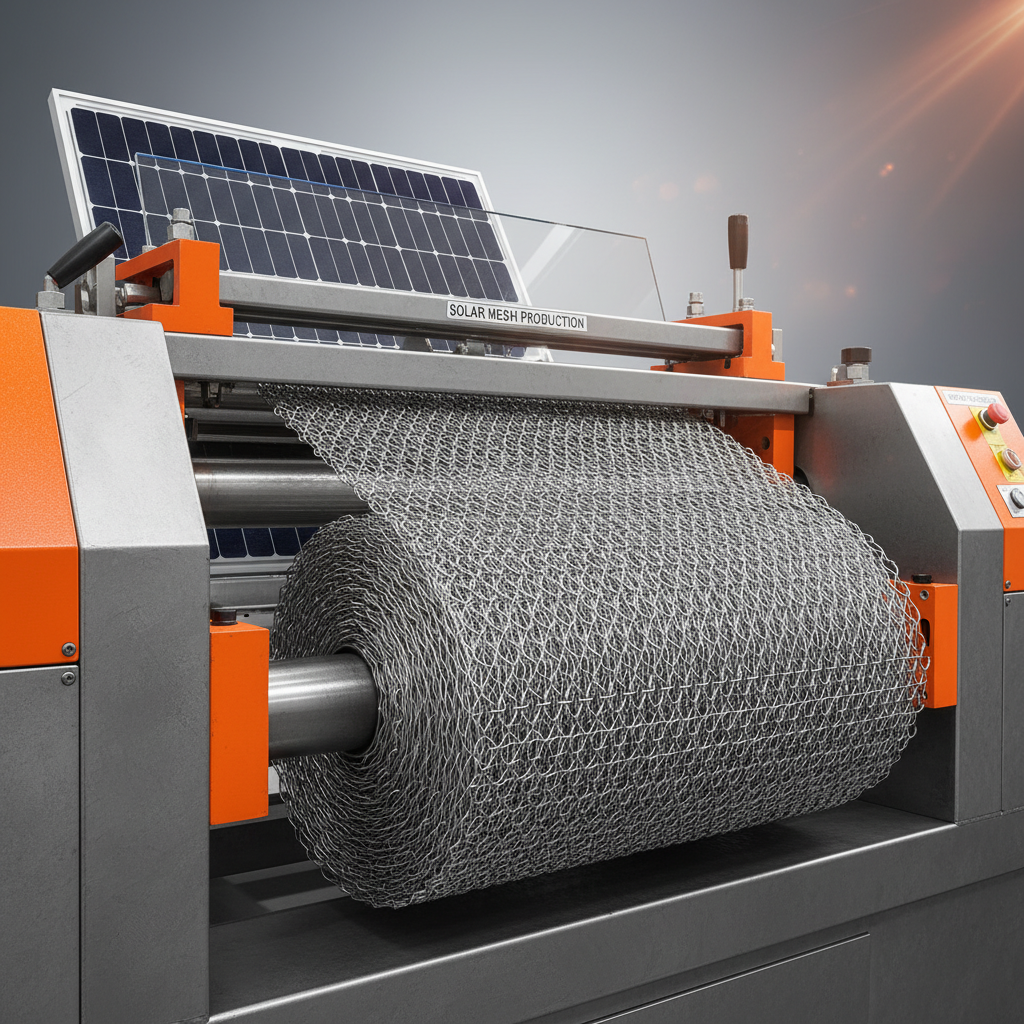
In the realm of industrial, architectural, and security applications, 316 stainless steel mesh stands out for its exceptional corrosion resistance, durability, and adaptability. This high - grade material, along with its variants such as 316 stainless steel mesh screen, 316 stainless steel screen, 316 stainless steel security mesh, and 316 stainless steel security screens, offers reliable performance in demanding environments. From industrial filtration to security barriers, these solutions cater to a wide range of needs, combining strength with precision engineering.
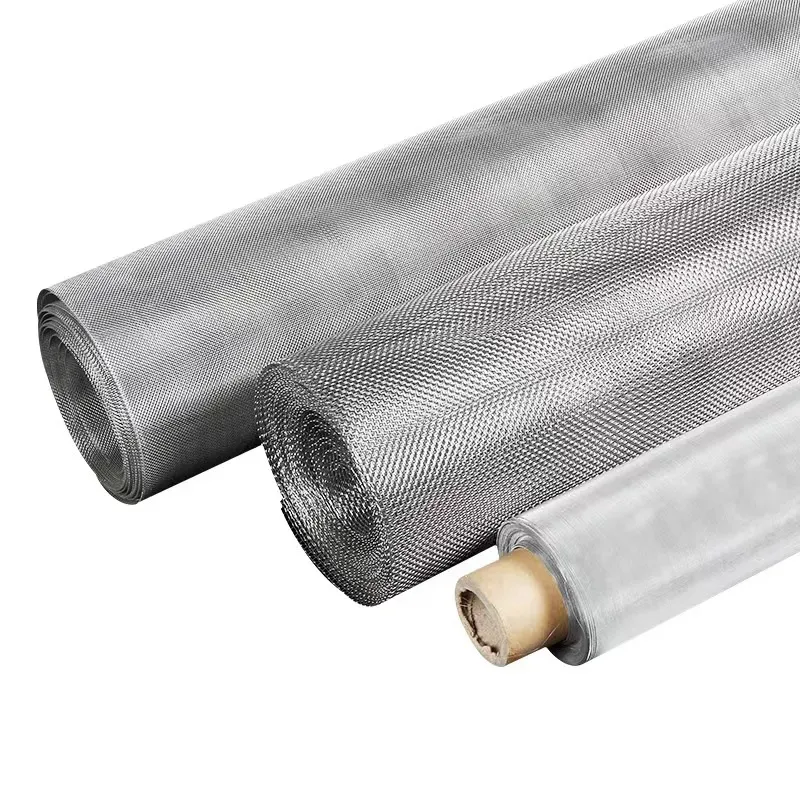
Unveiling the Properties of 316 Stainless Steel Mesh
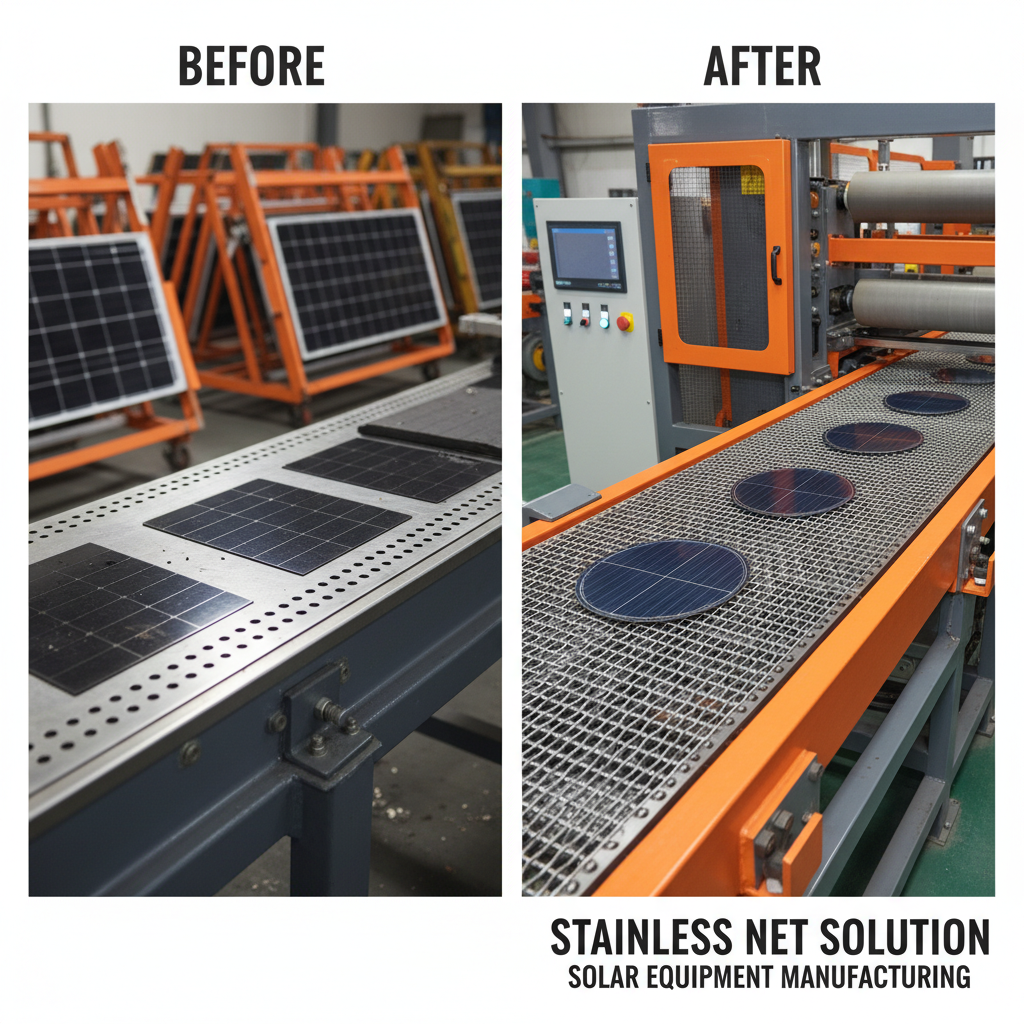
316 stainless steel mesh is prized for its superior resistance to corrosion, particularly in harsh or saline environments. The alloy’s composition, which includes molybdenum, enhances its ability to withstand chemicals, acids, and seawater. In marine applications, such as offshore platforms or coastal infrastructure, 316 stainless steel mesh is used for filtration systems, preventing clogs from debris while enduring constant exposure to saltwater. Industrial settings with high humidity or chemical exposure, like pharmaceutical or food processing plants, also rely on this mesh for conveyor belts, sieves, and ventilation screens, ensuring long - term performance without degradation.
The Functionality of 316 Stainless Steel Mesh Screen
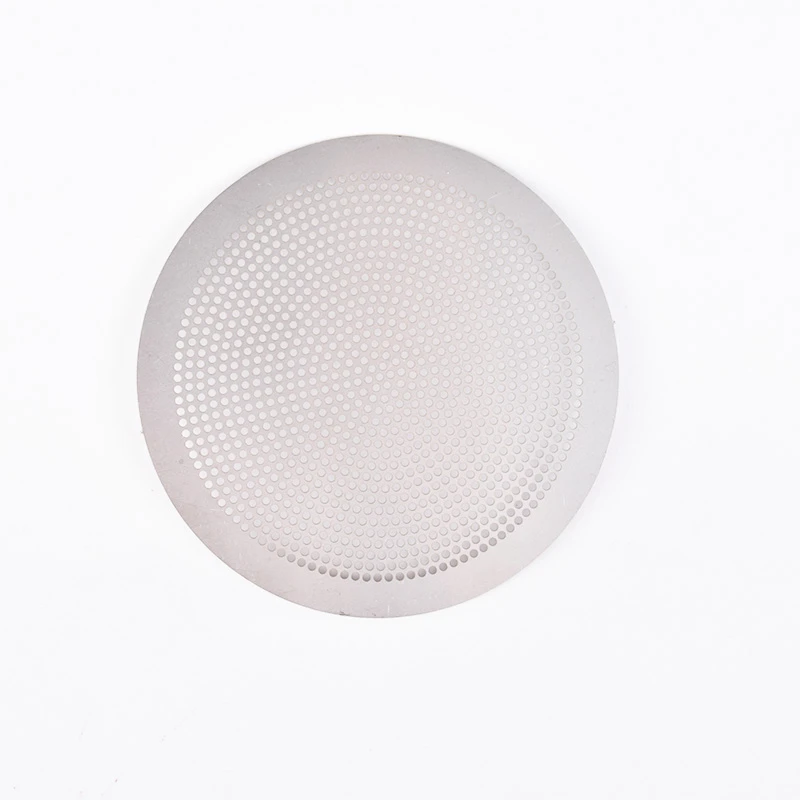
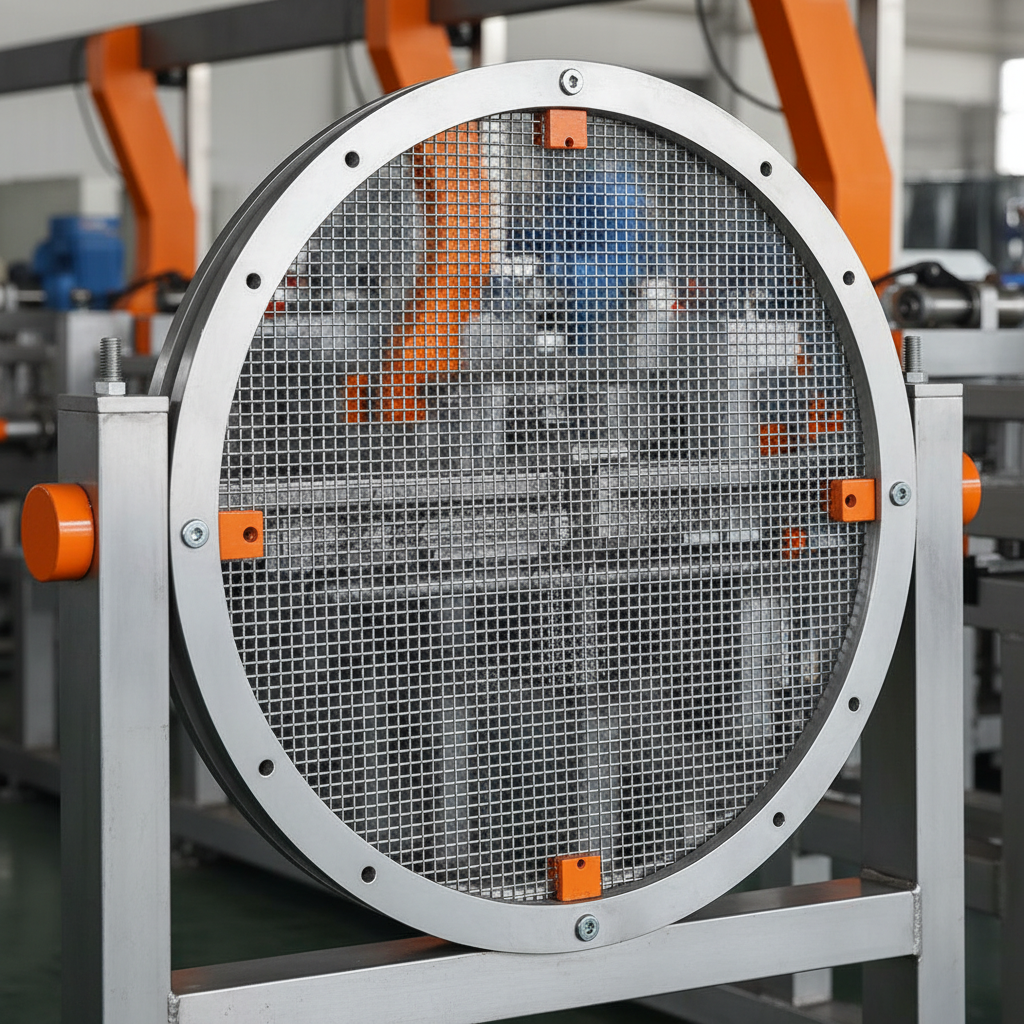
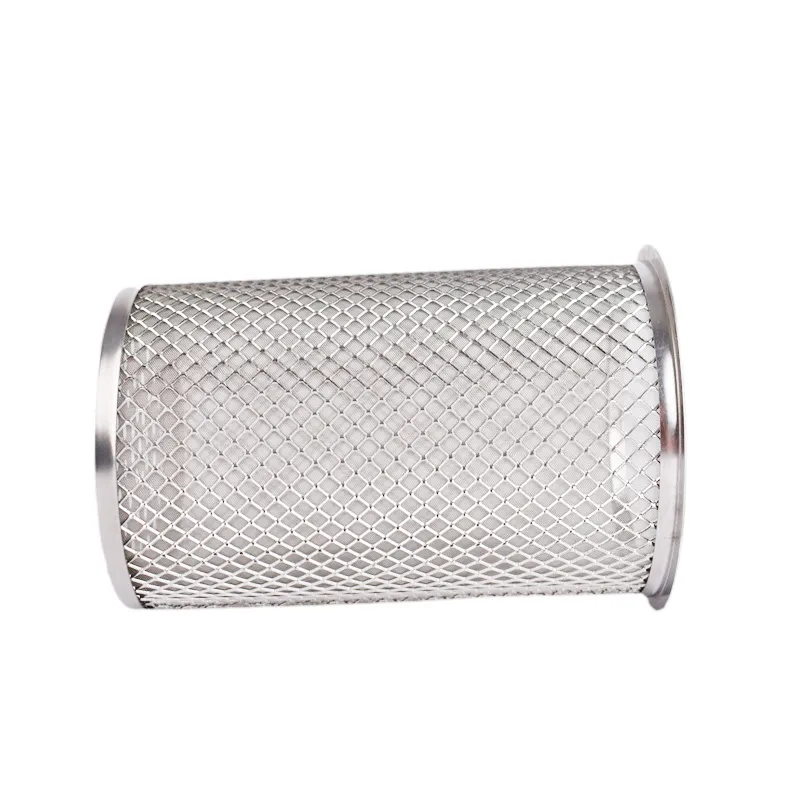
316 stainless steel mesh screen is designed for applications requiring precise control over particle size or airflow. In mining and aggregate industries, these screens are used for sorting and separating materials, with mesh sizes ranging from coarse to ultra - fine. The durability of 316 stainless steel ensures the screens can withstand heavy loads and abrasive materials, reducing downtime for replacements. In commercial kitchens, 316 stainless steel mesh screen is used in ventilation systems to trap grease and particulates while maintaining optimal airflow, meeting hygiene and safety standards.
Exploring 316 Stainless Steel Screen Applications
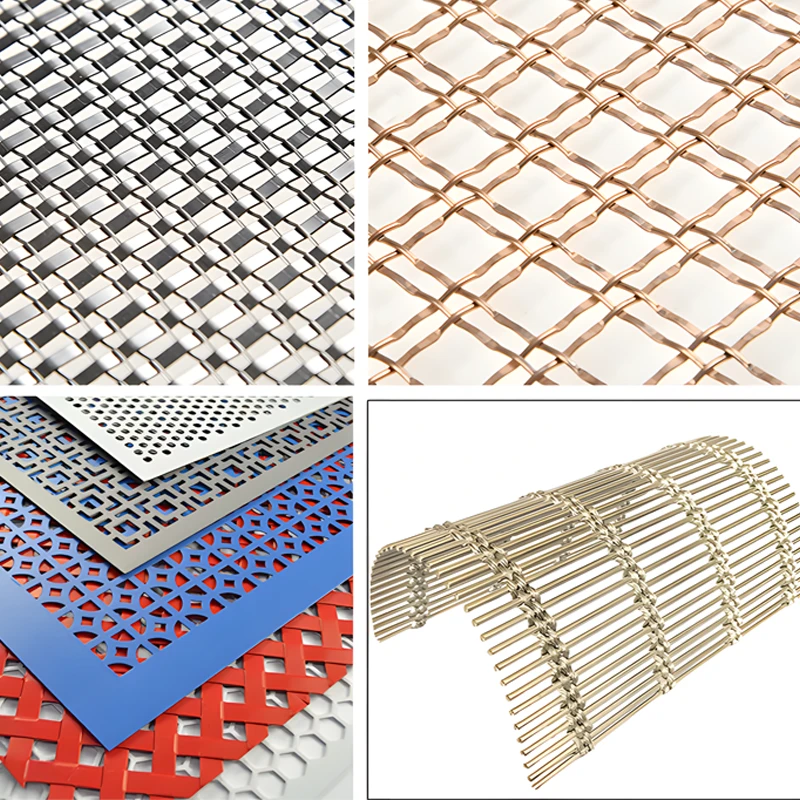
316 stainless steel screen offers versatility across various sectors. In architecture, it is used for decorative panels, room dividers, and facade systems, combining aesthetic appeal with structural integrity. The sleek finish of the stainless steel can be customized with different weaves or patterns, enhancing the visual appeal of buildings while providing protection against the elements. In agricultural settings, these screens are used for livestock fencing or grain storage, offering resistance to rust and impact. The smooth surface of the screen also prevents snagging, making it suitable for applications where safety is a priority.
The Security and Strength of 316 Stainless Steel Security Mesh
316 stainless steel security mesh is a cornerstone in high - security applications, providing a robust barrier against intrusions and vandalism. Its dense weave and sturdy construction make it ideal for prisons, military facilities, and high - risk commercial properties. The mesh can be integrated into fences, windows, or doors, offering both visibility and protection. For example, in urban areas with high crime rates, 316 stainless steel security mesh is installed on storefronts to deter break - ins while allowing natural light to enter. The material’s resistance to cutting and corrosion ensures the security barrier remains effective over time, even in challenging weather conditions.
The Role of 316 Stainless Steel Security Screens
316 stainless steel security screens combine the principles of security mesh with specialized design features for windows and doors. These screens are engineered to meet strict safety standards, such as impact resistance and fire code compliance. In residential applications, they offer homeowners peace of mind by preventing unauthorized entry while maintaining ventilation and natural light. The screens can be customized to fit various window sizes and styles, with options for quick - release mechanisms for emergency exits. In commercial buildings, 316 stainless steel security screens are used in banks, museums, and government offices to protect valuables and sensitive areas without compromising on aesthetics.
FAQ: Key Insights on 316 Stainless Steel Mesh Solutions
What factors should be considered when selecting 316 stainless steel mesh?
When choosing 316 stainless steel mesh, consider the intended use, environment, and required specifications. For corrosive environments, prioritize mesh with a higher molybdenum content (standard in 316 grade). Evaluate mesh size and wire diameter based on filtration needs, security requirements, or aesthetic preferences. Additionally, check for certifications (e.g., ASTM A240) to ensure the material meets international standards for quality and performance.
How does 316 stainless steel mesh differ from 304 grade?
The primary difference lies in their corrosion resistance. 316 stainless steel contains molybdenum (2 - 3%), making it more resistant to chlorides, acids, and harsh chemicals compared to 304 grade, which lacks molybdenum. This makes 316 ideal for marine, industrial, and high - salinity environments, while 304 is suitable for general - purpose applications with lower corrosion risks.
Can 316 stainless steel security mesh be painted or coated?
Yes, 316 stainless steel security mesh can be painted or coated to enhance aesthetics or provide additional protection. Powder coating is a popular choice, offering a durable finish in various colors while maintaining the material’s corrosion resistance. Ensure the surface is clean and properly prepared before applying any coating to ensure adhesion and longevity.
What maintenance is required for 316 stainless steel screens?
Routine maintenance for 316 stainless steel screens is minimal. Clean with a mild detergent and water to remove dirt or grime, and rinse thoroughly to prevent residue buildup. In coastal or industrial areas, occasional rinsing to remove salt or chemical deposits is recommended. Inspect for damage, such as loose wires or dents, and repair or replace as needed to maintain performance.
Are there eco - friendly aspects to 316 stainless steel mesh?
Yes, 316 stainless steel is fully recyclable, making it an environmentally friendly choice. Its long lifespan reduces waste from frequent replacements, and the material can be repurposed at the end of its service life. Many manufacturers also prioritize sustainable production practices, such as using recycled steel in their manufacturing processes.