Stainless Steel Wire Cloth Discs: Durable Filtration Solutions for Industry
Stainless Steel Wire Cloth Discs are quietly indispensable in multiple industrial sectors. This article peels back the layers to show how qhfilter.com supports professionals with robust, reliable products that last. For decision makers in manufacturing, filtration, or material processing, these discs can be a real game changer.
Table of Contents
- Stainless Steel Wire Cloth Discs Overview
- Benefits & Use Cases of Stainless Steel Wire Cloth Discs
- Cost, Maintenance & User Experience
- Sustainability & Market Trends
Stainless Steel Wire Cloth Discs Overview
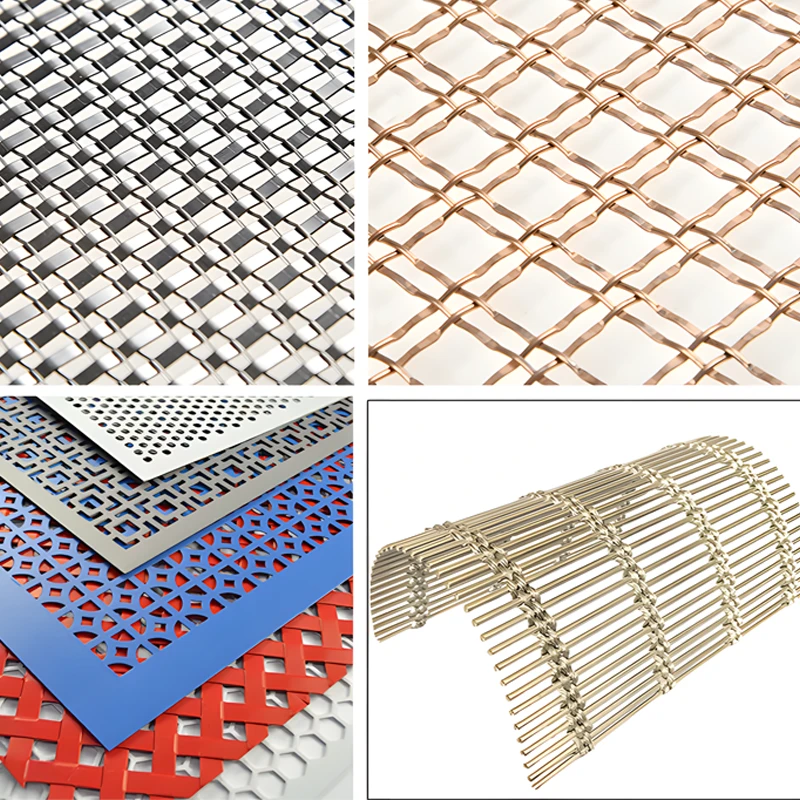
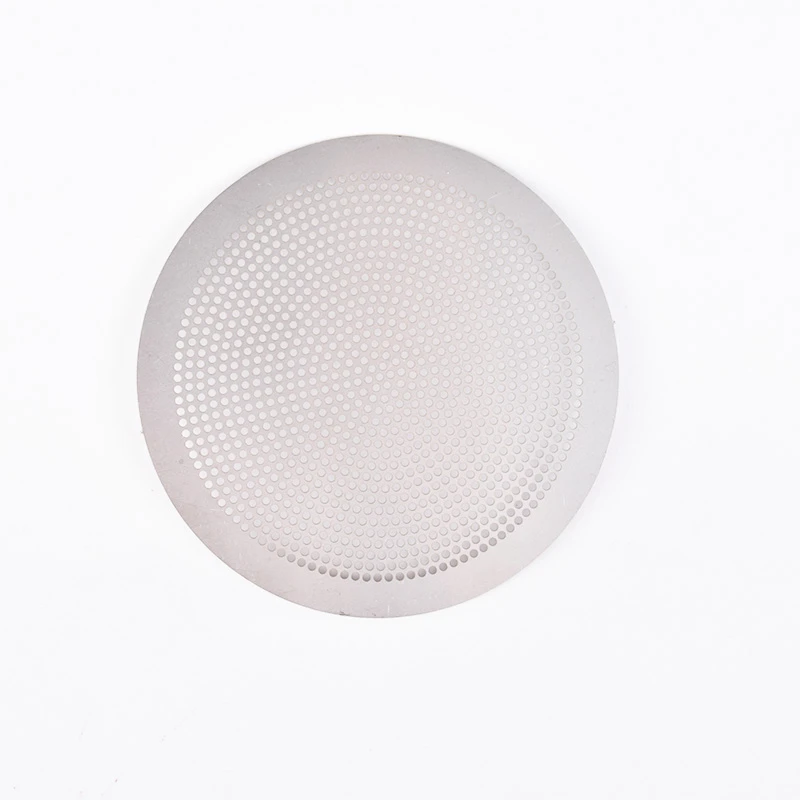
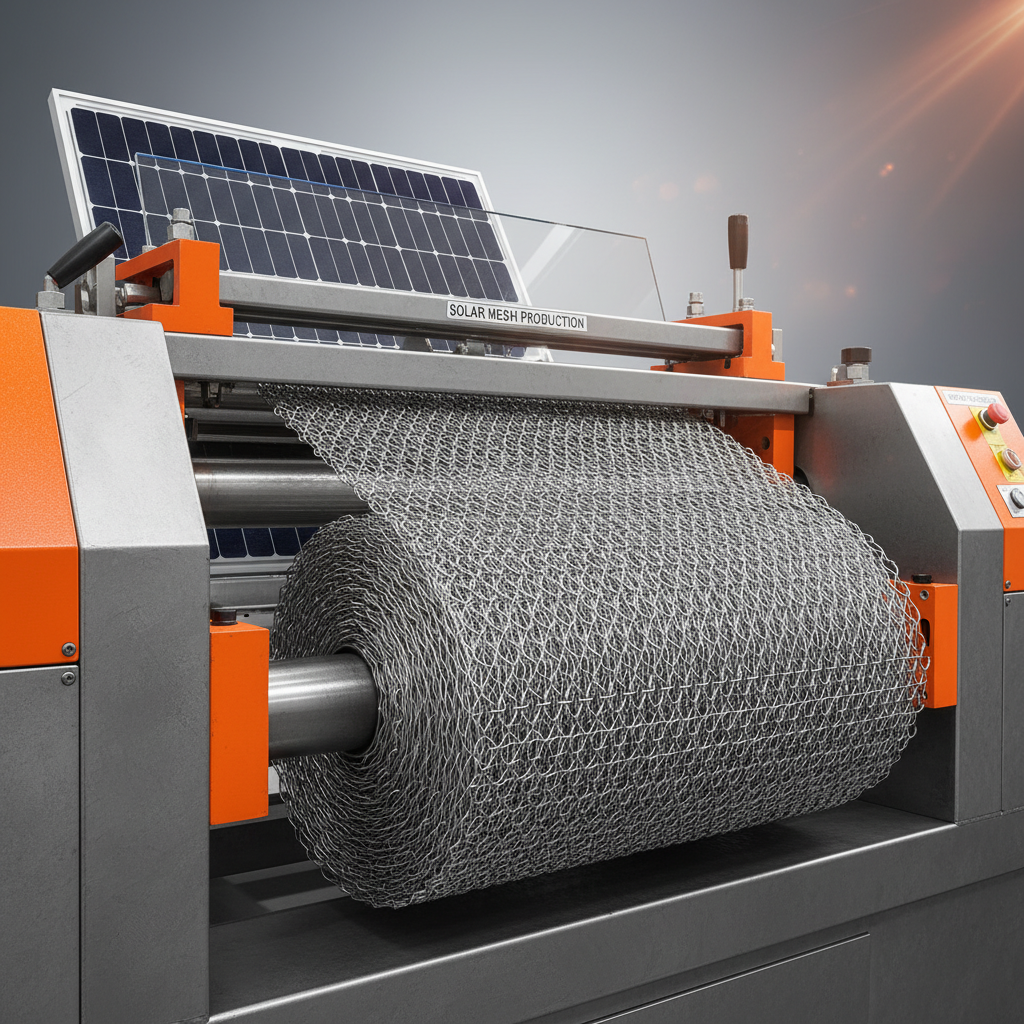
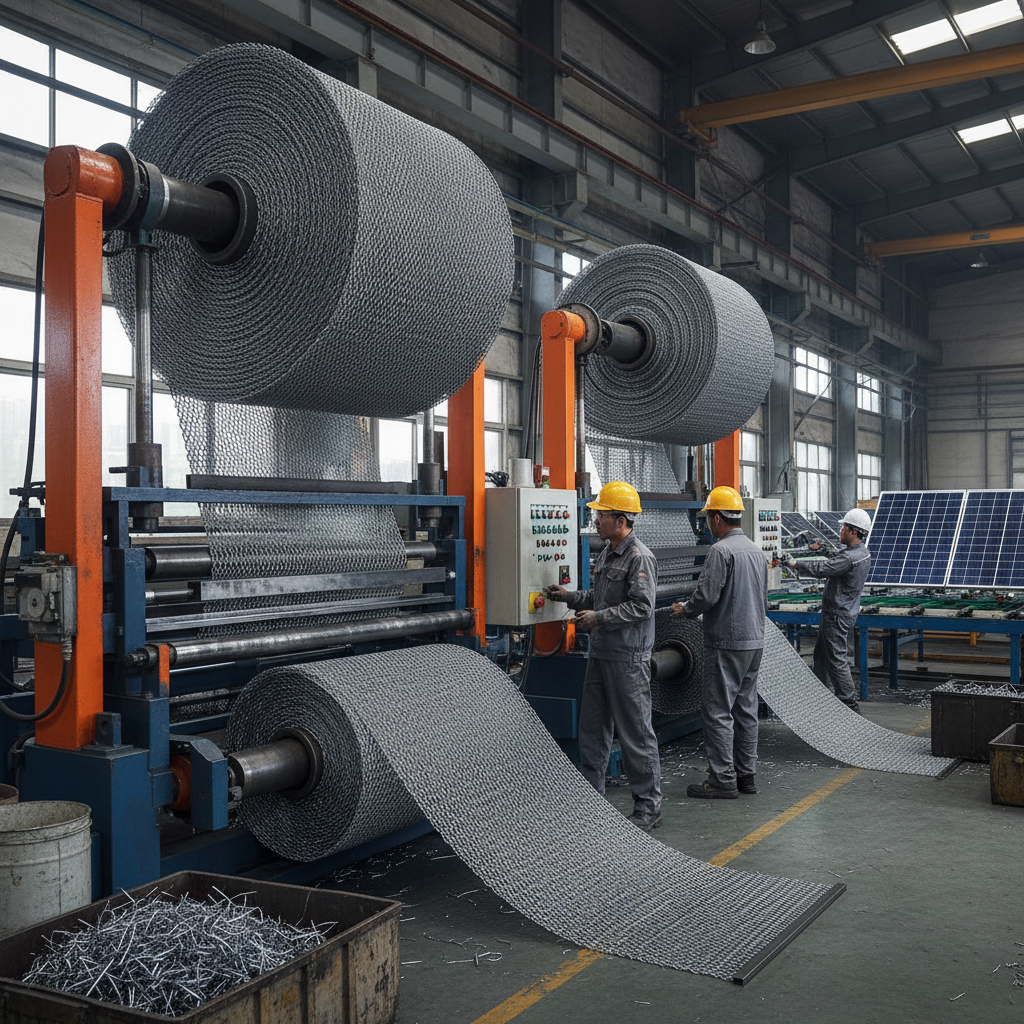
If you’re somewhat familiar with filtration or abrasive applications, Stainless Steel Wire Cloth Discs are these wonderfully engineered discs made from woven stainless steel wires. The wire mesh structure not only provides superb mechanical strength but also excellent corrosion resistance — a combination that’s vital in harsh industrial environments.
Technically speaking, these discs are crafted from stainless steel grades like 304 or 316, chosen for their durability and chemical stability. The weave pattern — often plain or twill weave — dictates how fine the filtration or abrasive effect will be. For instance, in separator applications, a mesh count around 50 to 400 is common, balancing flow rate with particle filtration.
| Specification | Details |
|---|---|
| Material | Stainless Steel 304 / 316 |
| Mesh Count | 50 - 400 |
| Disc Diameter | 50 mm - 500 mm |
| Thickness | 0.3 mm - 2 mm |
| Weave Types | Plain, Twill |
Benefits & Use Cases of Stainless Steel Wire Cloth Discs
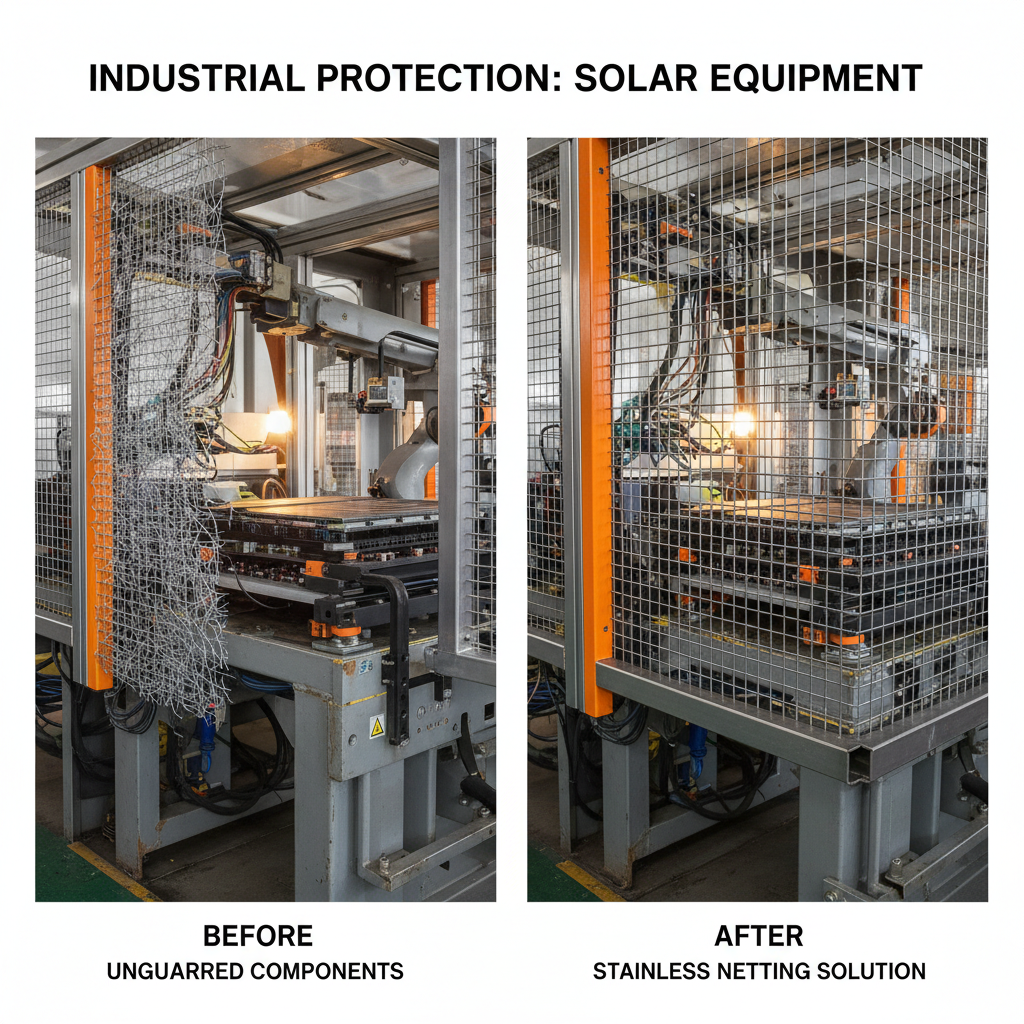
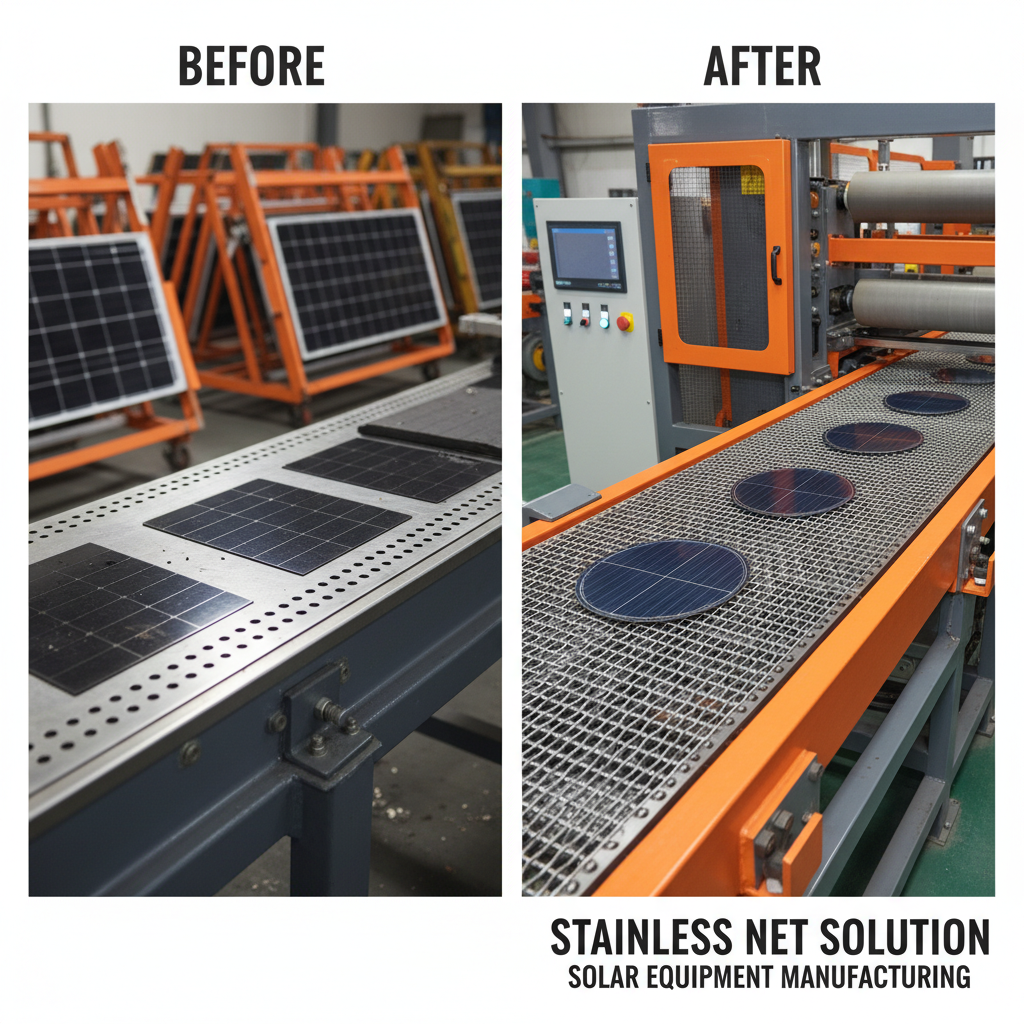
These discs really shine in liquid-solid separation, abrasive grinding, and filtration processes. Think about food and beverage manufacturing, pharmaceutical production, or even chemical processing — all fields where contamination risk must be minimized and equipment must endure constant wear.
What sets stainless steel wire cloth discs apart is their ability to maintain structural integrity under high temperatures and corrosive substances. Unlike traditional paper or synthetic filter discs, these won’t degrade or warp easily — and that often translates into longer intervals between replacements, reducing downtime.
Another huge benefit is their customizable mesh sizes and disc dimensions, meaning they can fit into bespoke setups rather effortlessly. Customers often appreciate the consistent filtration performance combined with mechanical robustness — qualities that, frankly, you don’t get with cheaper or generic alternatives.
Cost, Maintenance & User Experience
No sugarcoating it, stainless steel wire cloth discs can seem pricier up front versus traditional filter media. But the total cost of ownership proves the value — they last longer, resist fouling better, and mean fewer production halts. In real terms, many users report at least 30% longer service life.
From a maintenance viewpoint, these discs require little more than occasional rinsing or ultrasonic cleaning, cutting down labor costs significantly. One engineer I spoke with mentioned how switching to stainless steel wire cloth discs “basically cut our filter change time in half.” That sort of feedback underscores the balance of durability and user-friendliness.
| Aspect | Traditional Paper Discs | Stainless Steel Wire Cloth Discs |
|---|---|---|
| Initial Cost | Low | Higher |
| Durability | Moderate | Excellent |
| Maintenance | Frequent Replacement | Simple Cleaning |
| Environmental Impact | Waste Generation | Reusable |
Sustainability & Market Trends
The sustainability angle is gaining traction fast. Stainless steel wire cloth discs, because of their longevity and reusability, contribute less waste to landfills compared to one-time-use filter media. Add to that increasing regulations around chemical resistance and hygiene in manufacturing, and you've got a strong push for these discs.
Interestingly, the global market for industrial filtration is expected to grow steadily — driven mainly by pharmaceutical and food production increasing their automation and quality control capabilities. Vendors like qhfilter.com have been quick to innovate, offering tailored solutions to meet the evolving demands of these markets.
Frequently Asked Questions about Stainless Steel Wire Cloth Discs
- What is Stainless Steel Wire Cloth Discs and how does it work?
- They are discs made from woven stainless steel wire mesh, designed to filter particles or serve as abrasive media. By letting fluids or air pass through while trapping contaminants, they maintain process purity and protect equipment.
- What are the main benefits of using Stainless Steel Wire Cloth Discs in industrial applications?
- Key advantages include long service life, resistance to corrosion and high temperature, ease of cleaning, and customizable filtration specs to meet diverse industrial needs.
- How does Stainless Steel Wire Cloth Discs compare to traditional alternatives?
- Compared to paper or synthetic discs, stainless steel options offer far greater durability and reusability, albeit with a higher initial investment. Over time, they reduce operational costs and environmental impact.
- What industries can benefit most from Stainless Steel Wire Cloth Discs implementation?
- Industries like food & beverage, pharmaceuticals, chemical manufacturing, metalworking, and wastewater treatment find these discs invaluable for both filtering and abrasive tasks.
Conclusion on Stainless Steel Wire Cloth Discs from china
Stainless Steel Wire Cloth Discs bring together durability, efficiency, and environmental advantages in a package that's hard to beat. For companies weighing the balance between cost and performance, these discs offer a compelling case. If you're looking to invest in filtration or abrasive solutions that stand the test of time, I’d say it’s well worth exploring options on qhfilter.com.
Overall, it feels like these products represent a smart shift toward sustainable and dependable industrial components — something decision makers should keep an eye on.
References:
1. Industry reports on filtration technologies, 2023.
2. Interviews with manufacturing engineers, Q1 2024.
3. Product datasheets and user manuals from qhfilter.com.