Durable Stainless Steel Filter Disc for Industrial Applications | QH Filter
Stainless Steel Filter Disc: A Durable Choice For Industrial Filtration
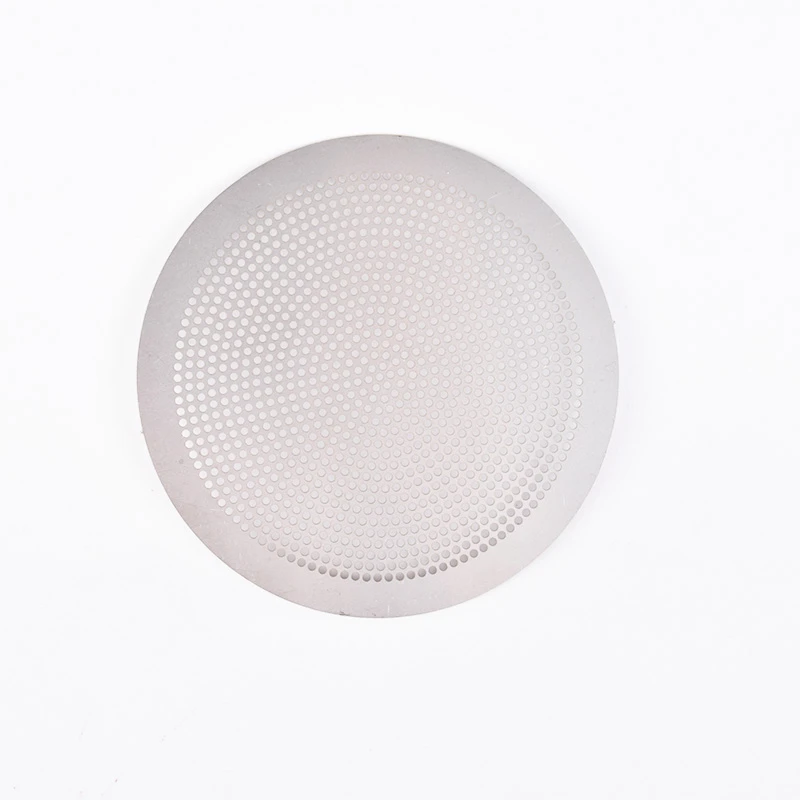
Having spent plenty of years in the industrial equipment sector, I can tell you one thing for sure: a stainless steel filter disc is one of those unsung heroes in filtration technology that quietly keeps things running smoothly. Whether you're dealing with corrosive chemicals, high-pressure systems, or critical food-grade environments, these discs have a way of stepping up to the challenge.
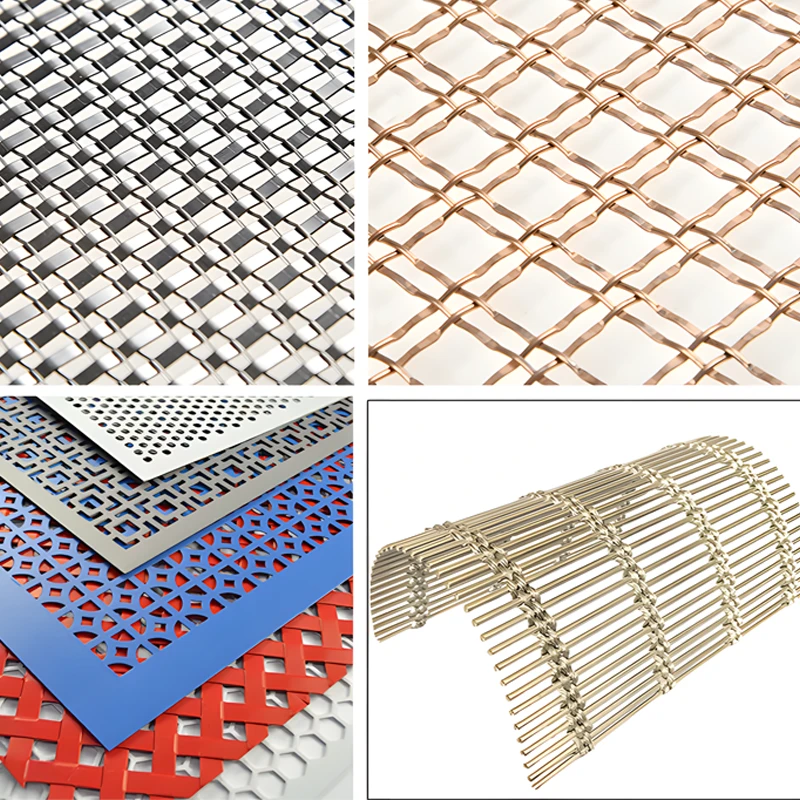
Oddly enough, not everyone outside our field realizes just how nuanced filter disc selection can be. It’s not just about clogging or particle size; material quality, weave patterns, and surface finishing all contribute enormously to performance and lifespan. And stainless steel—typically grades 304 or 316—offers resistance to rust, heat, and mechanical wear that plastic or other metals simply can’t match.
Now, I remember once working with a plant that switched from conventional mesh filters to stainless steel discs in their hydrocarbon pipeline scrubbers. They immediately noticed reduced downtime since the discs were easily cleaned, didn’t warp under pressure, and maintained filtration efficiency longer than before. It felt like a small investment upfront but huge returns in reliability later.
Common Specifications of Stainless Steel Filter Discs
| Specification | Typical Value / Range |
|---|---|
| Material Grade | 304, 316 Stainless Steel |
| Pore Size | 5µm to 500µm (customizable) |
| Diameter | 20mm to 400mm or more |
| Thickness | 0.3 mm to 2 mm |
| Surface Finish | Polished or matte, depending on application |
| Operating Temp | Up to 800°C (depending on alloy) |
How Do Vendors Stack Up? A Quick Comparison
| Vendor | Material Options | Customization | Delivery Time | Typical Industries |
|---|---|---|---|---|
| QH Filter | 304, 316 SS; specialty alloys | High (pore size, diameter, pattern) | 1–3 weeks | Chemical, Petrochemical, Food Processing |
| Vendor B | Primarily 304 SS | Medium | 2–4 weeks | Water Treatment, Pharmaceuticals |
| Vendor C | 304, 316 SS | Low (standard sizes) | 1–2 weeks | General Manufacturing |
One question I often get is, “how do you test these discs for quality before installation?” Generally, vendors run a battery of tests — tension, flow rate, chemical resistance — but I found the best test is in the field. If a filter disc endures months of backwash cycles and aggressive fluids without deforming or clogging, you know you’re in good shape. Of course, documentation like material traceability and certifications (e.g., ISO 9001, FDA compliance) add extra peace of mind.
The good news is, nowadays, companies like QH Filter offer not only standard products but also tailor-made discs for niche applications — I’m talking about precise pore structures, reinforced edges, even laser-etched markings for traceability.
In real terms, the choice of stainless steel filter disc boils down to a balance between performance needs and budget. If you’re running a critical process where downtime is costly, premium quality discs generally pay off. If it's a one-off or less-demanding application, the standard options might suffice. Either way, having a reliable partner for sourcing makes a huge difference.
Frankly, I’ve always found that getting your hands on a sample early in the design process — and running some basic filtration trials — can save plenty of headaches down the road. Aside from specs on paper, the feel, the sturdiness, and even the ease of cleaning a stainless steel filter disc make a world of difference.
To sum up, it’s not just a piece of metal; it’s a cornerstone of reliable filtration in demanding environments.
References:
- Industrial Filtration Solutions Handbook, 2022
- Stainless Steel Materials and Their Applications, Metallurgy Today, 2021
- QH Filter Product Catalog and Technical Datasheets, 2023