High-Performance Wire Mesh Filters - Durable Stainless Steel Solutions
Industry Trends and the Evolving Role of Filtration in B2B Sectors
The global industrial landscape is continuously evolving, driven by stringent regulatory requirements, the demand for higher product purity, and the imperative for operational efficiency. In this dynamic environment, advanced filtration solutions are paramount. The market for filtration is projected to grow significantly, with a CAGR of 6.2% from 2022 to 2030, reaching USD 138.8 billion, primarily fueled by increasing industrialization and environmental concerns across sectors like manufacturing, petrochemicals, and pharmaceuticals. This growth underscores the critical role of components such as the wire mesh filter in ensuring process integrity and product quality.
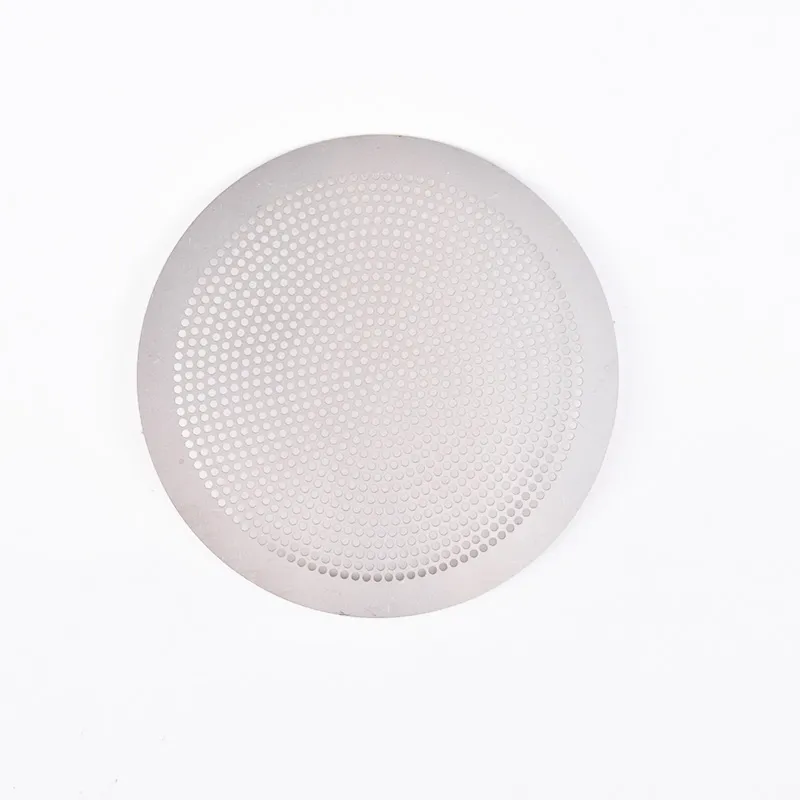
Contemporary trends highlight a shift towards materials offering superior corrosion resistance and longevity. Stainless steel, particularly 304 and 316L grades, is a preferred choice for its robustness and inertness in diverse chemical environments. Furthermore, there's a growing emphasis on high-precision filtration, often demanding micron-level capabilities to meet increasingly strict purity standards. Innovations in manufacturing techniques, including advanced weaving and sintering processes, are enabling the production of more uniform and durable mesh structures, pushing the boundaries of what these filters can achieve in demanding applications.
The Emergence of Advanced Filtration Solutions
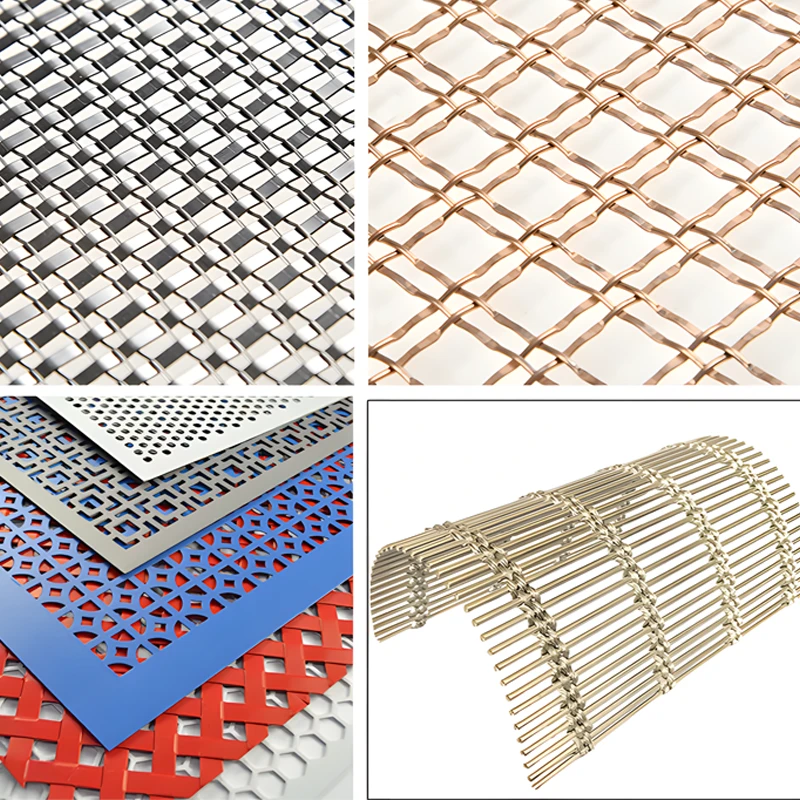
Beyond traditional applications, specialized filtration components are finding new uses. For instance, the demand for aesthetically pleasing and functional airflow management systems has led to the integration of decorative metal grilles for cabinet doors, often utilizing expanded metal designs. Similarly, industries requiring robust material handling and separation are increasingly leveraging steel expanded metal and stainless steel expanded sheet for their strength-to-weight ratio and open area properties. These related technologies underscore a broader industry movement towards customized, high-performance metal solutions, where precise engineering and material science play a pivotal role.
Understanding Wire Mesh Filters: Technical Specifications and Design Principles
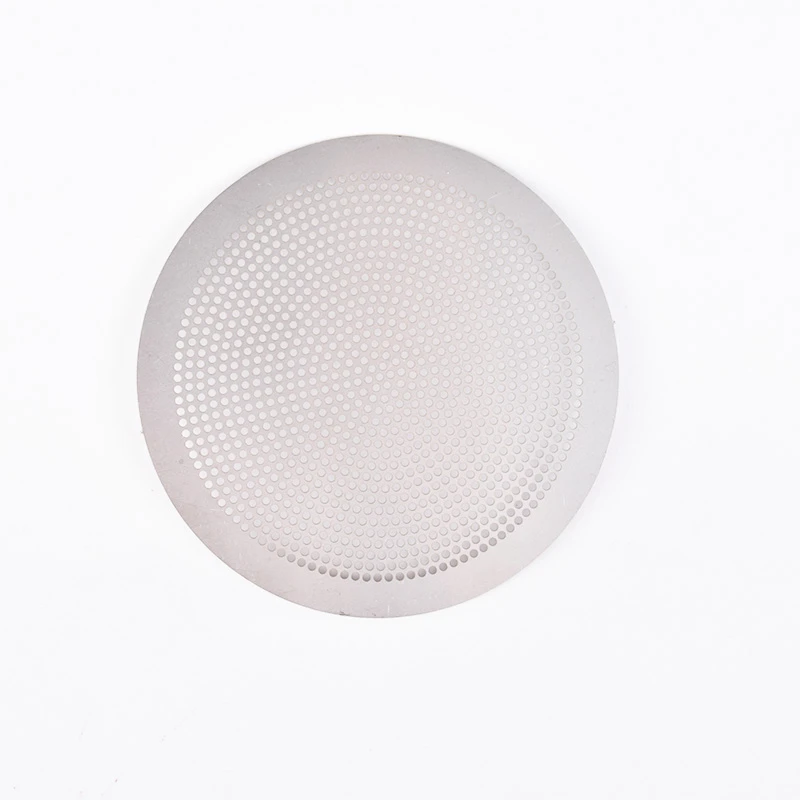
Wire mesh filters are precision-engineered components designed to separate solids from fluids (liquids or gases) or to classify particulate matter based on size. Their effectiveness hinges on a combination of material science, structural design, and manufacturing precision. These filters are typically fabricated from fine metal wires woven or sintered into a mesh, forming a controlled pore structure that allows fluid passage while retaining specified particulates. The choice of mesh type, wire diameter, and weave pattern dictates the filter's micron rating, flow rate, and mechanical strength.
Materials and Construction
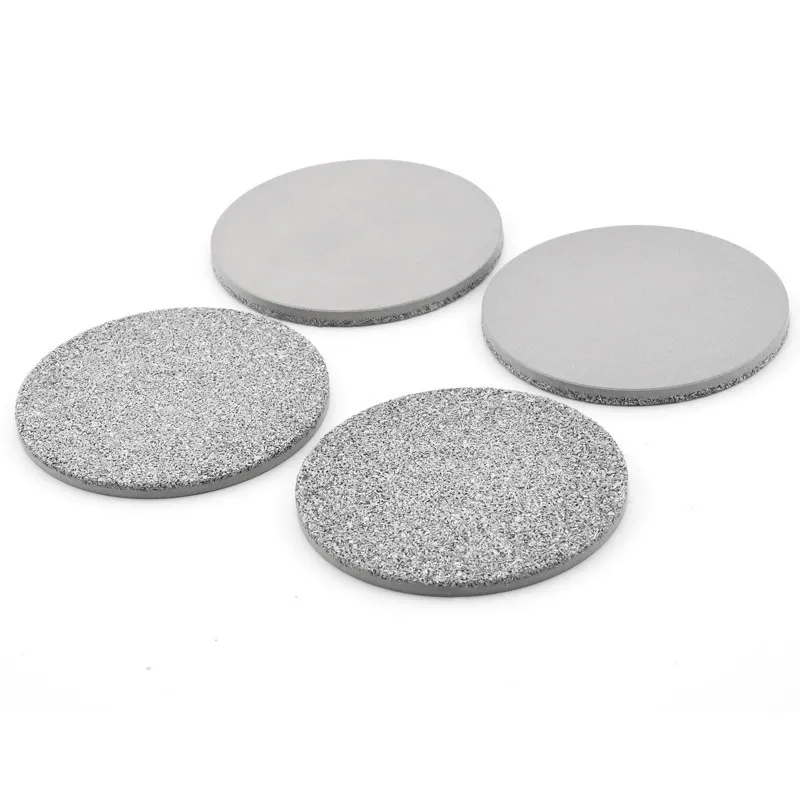
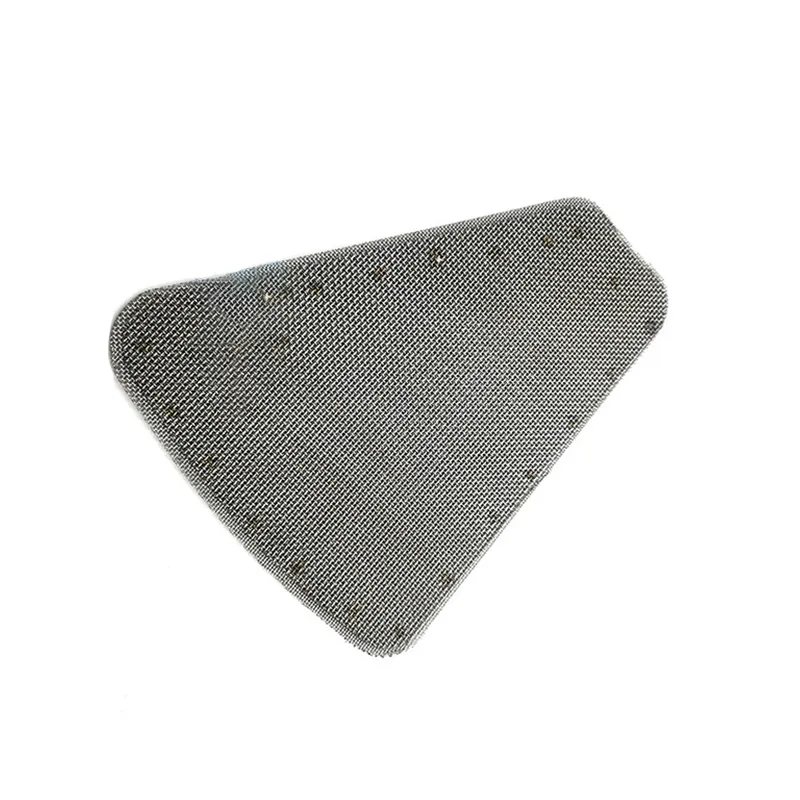
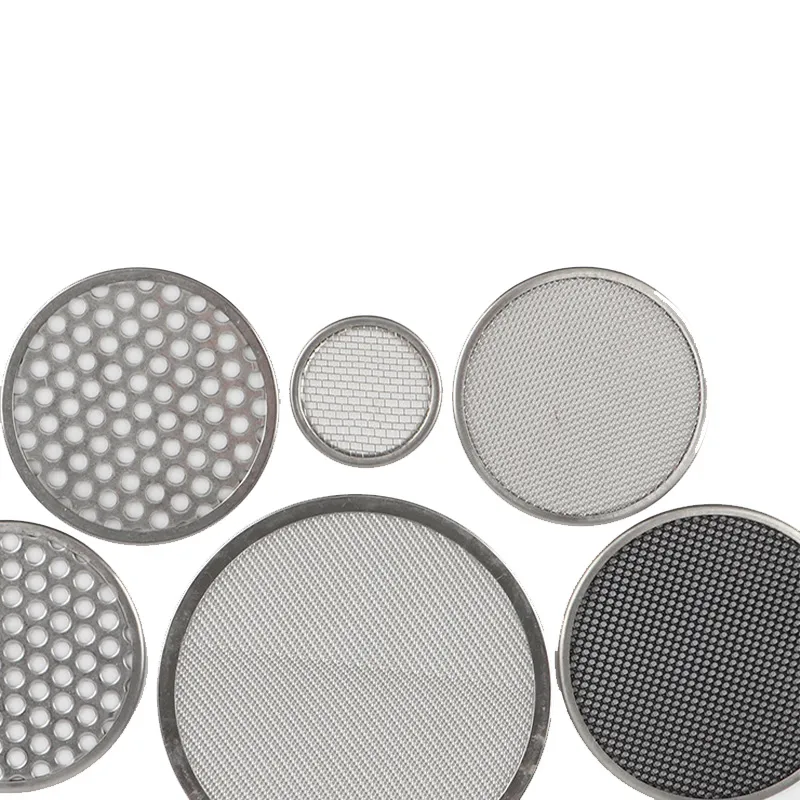
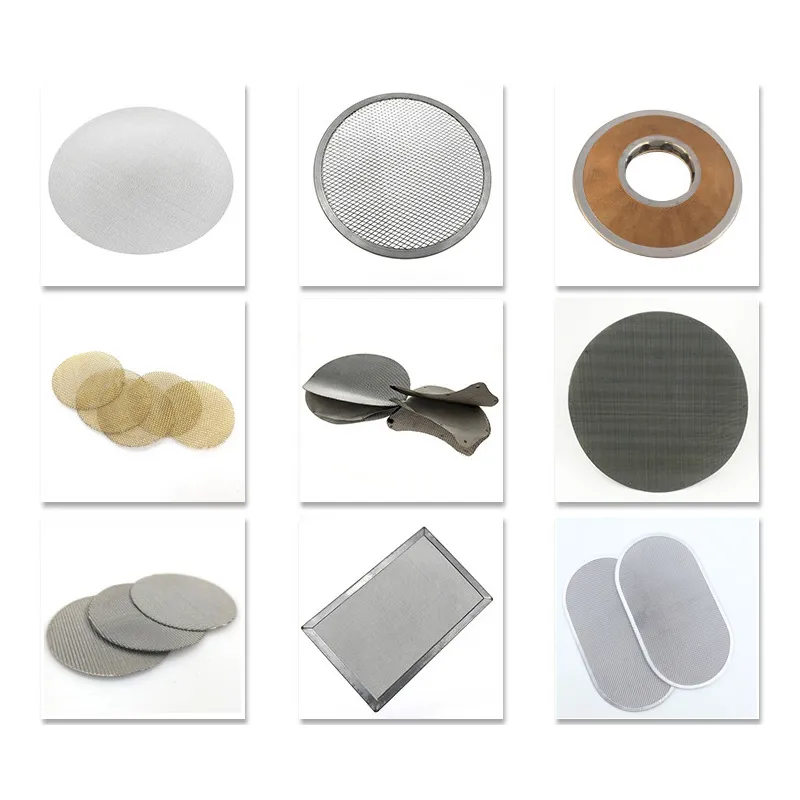
The primary materials used in wire mesh filter fabrication include various grades of stainless steel (304, 316, 316L for corrosion resistance and biocompatibility), nickel alloys (Inconel, Hastelloy, Monel for high-temperature and extreme chemical environments), and sometimes brass or copper for specific applications. Construction can range from single-layer woven mesh discs to multi-layered sintered laminates, which offer enhanced mechanical stability and precise pore size distribution. The choice of material and construction method is critical for determining the filter's operational lifespan, resistance to chemical attack, and ability to withstand differential pressures.
Key Technical Parameters
Understanding the technical parameters is crucial for selecting the appropriate filter for a given application. These parameters define the filter's performance characteristics and suitability:
| Parameter | Description | Typical Range/Value |
|---|---|---|
| Micron Rating | Smallest particle size retained by the filter. | 1 µm to 2000 µm |
| Material | Composition of the wire mesh. | SS304, SS316L, Monel, Hastelloy, Inconel |
| Wire Diameter | Thickness of individual wires. | 0.02 mm to 2.0 mm |
| Mesh Count (per inch) | Number of openings per linear inch. | 5 to 635 |
| Open Area | Percentage of the filter surface that is open for flow. | 15% to 80% |
| Operating Temperature | Maximum temperature the filter can withstand. | -200°C to 1000°C (material dependent) |
| Pressure Drop | Pressure differential across the filter during operation. | Varies by flow rate, viscosity, and micron rating |
Manufacturing Process of Wire Mesh Filters
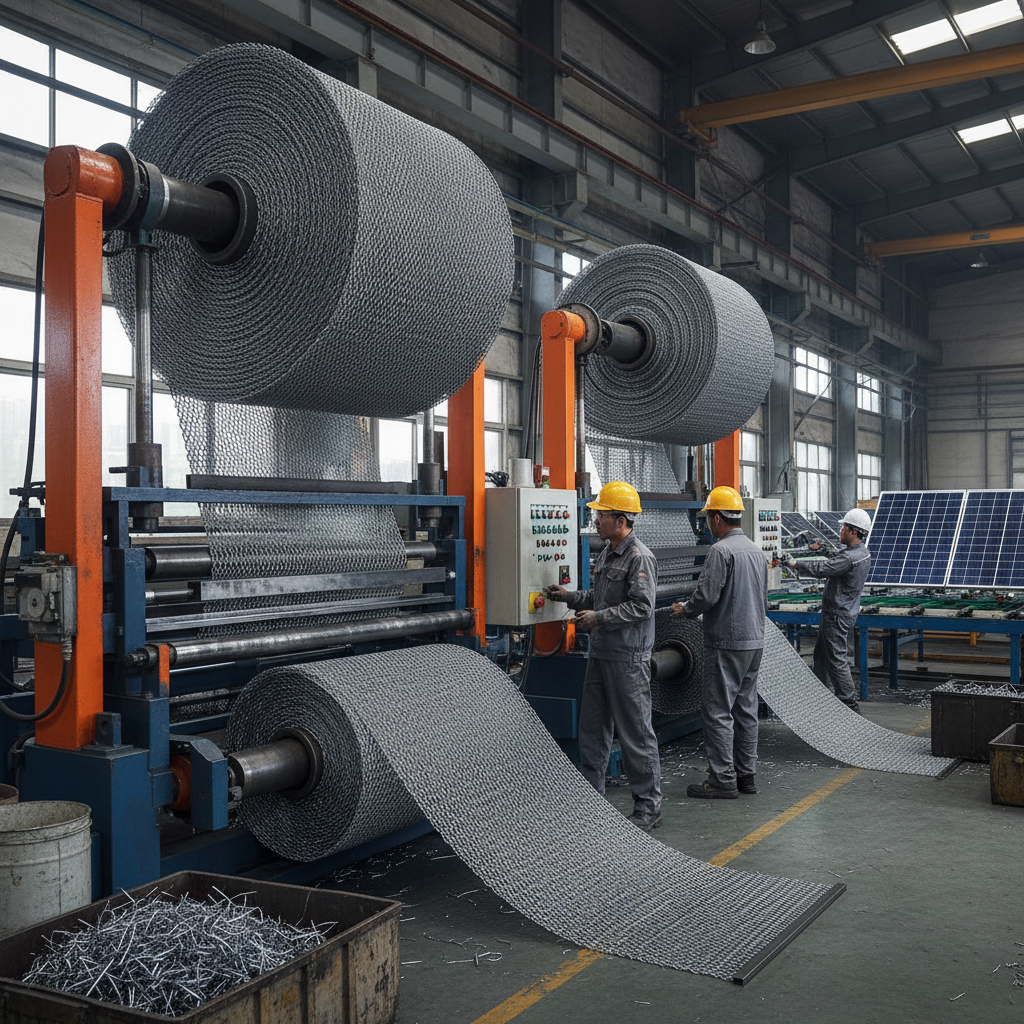
The production of a high-quality wire mesh filter involves a series of precision-driven steps, from raw material selection to final quality assurance. Each stage is critical to achieving the desired filtration performance and structural integrity.
1. Material Selection
The process begins with selecting high-grade wire materials, typically stainless steel (304, 316, 316L), Monel, Hastelloy, or Inconel, based on the application's chemical compatibility, temperature, and pressure requirements. Material certifications (e.g., ASTM, DIN) are verified to ensure quality and traceability.
2. Weaving/Expansion
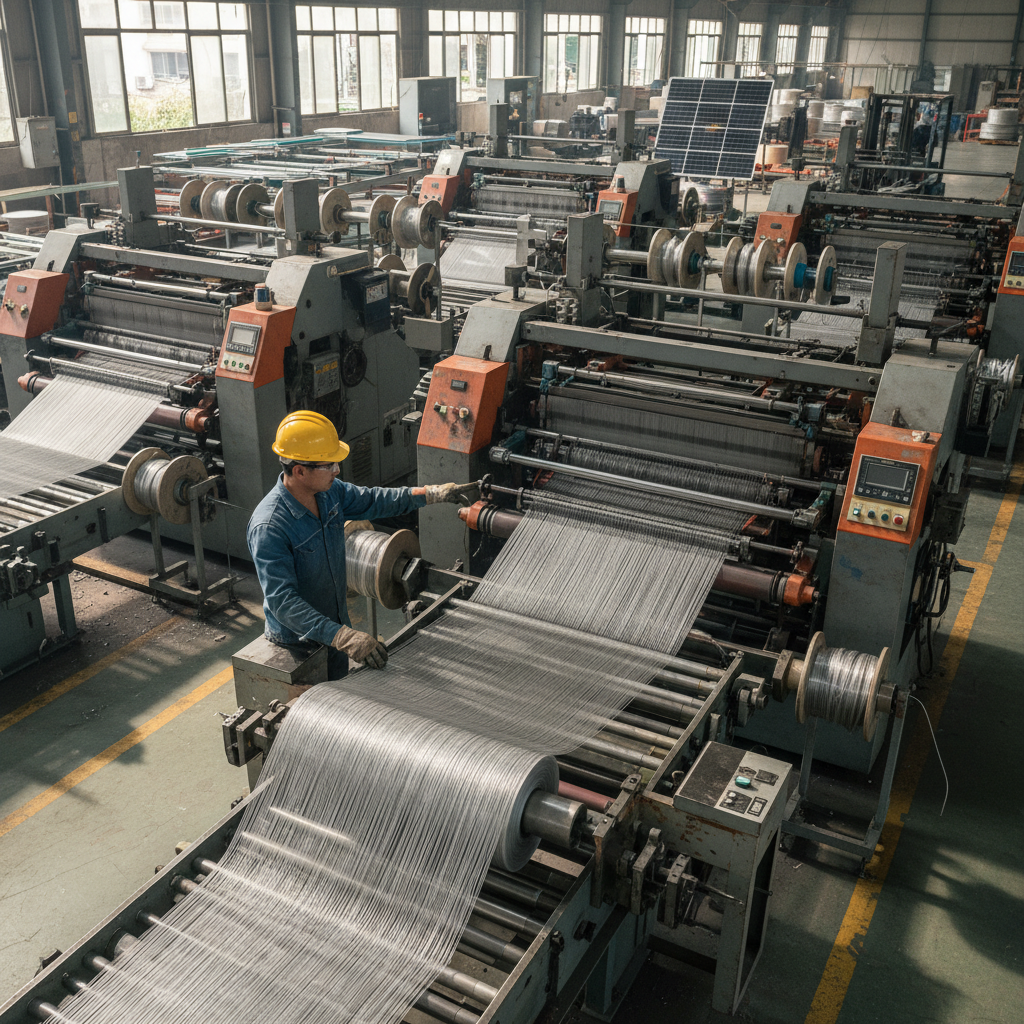
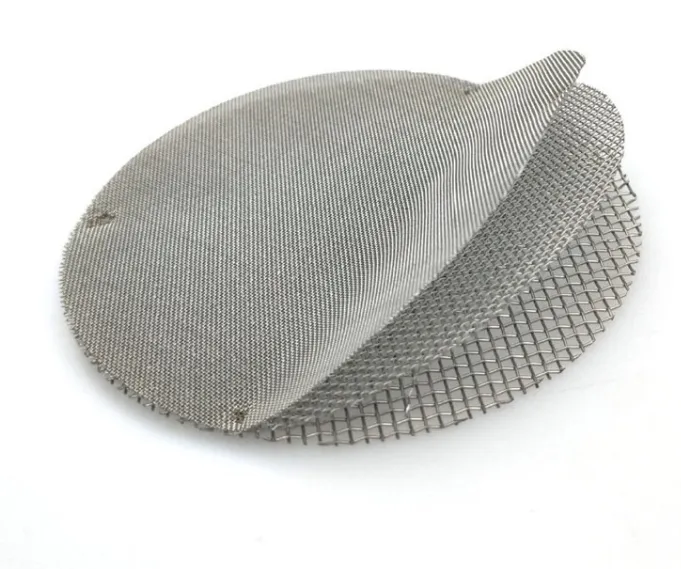
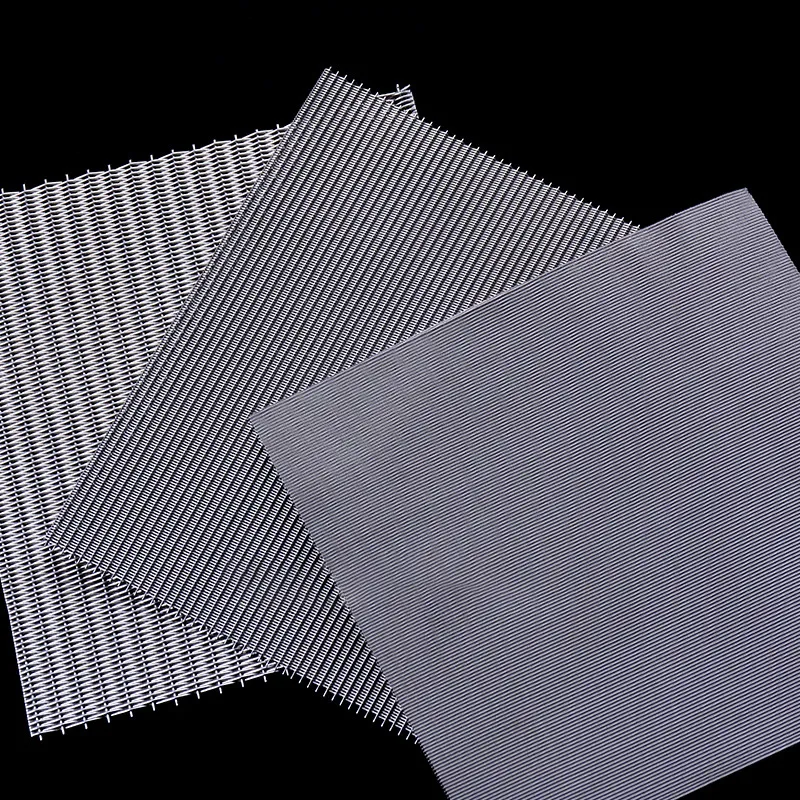
Selected wires are woven into specific mesh patterns (e.g., plain weave, twilled weave, Dutch weave) using automated looms. For steel expanded metal or stainless steel expanded sheet structures, a perforating and stretching process is employed to create a seamless, rigid mesh with high open area.
3. Cutting and Shaping
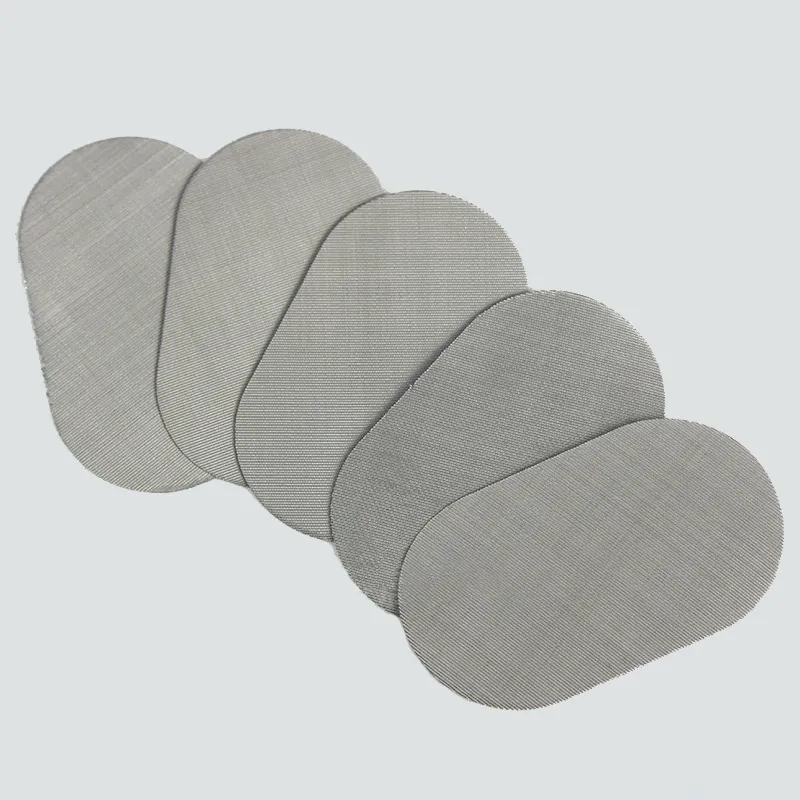
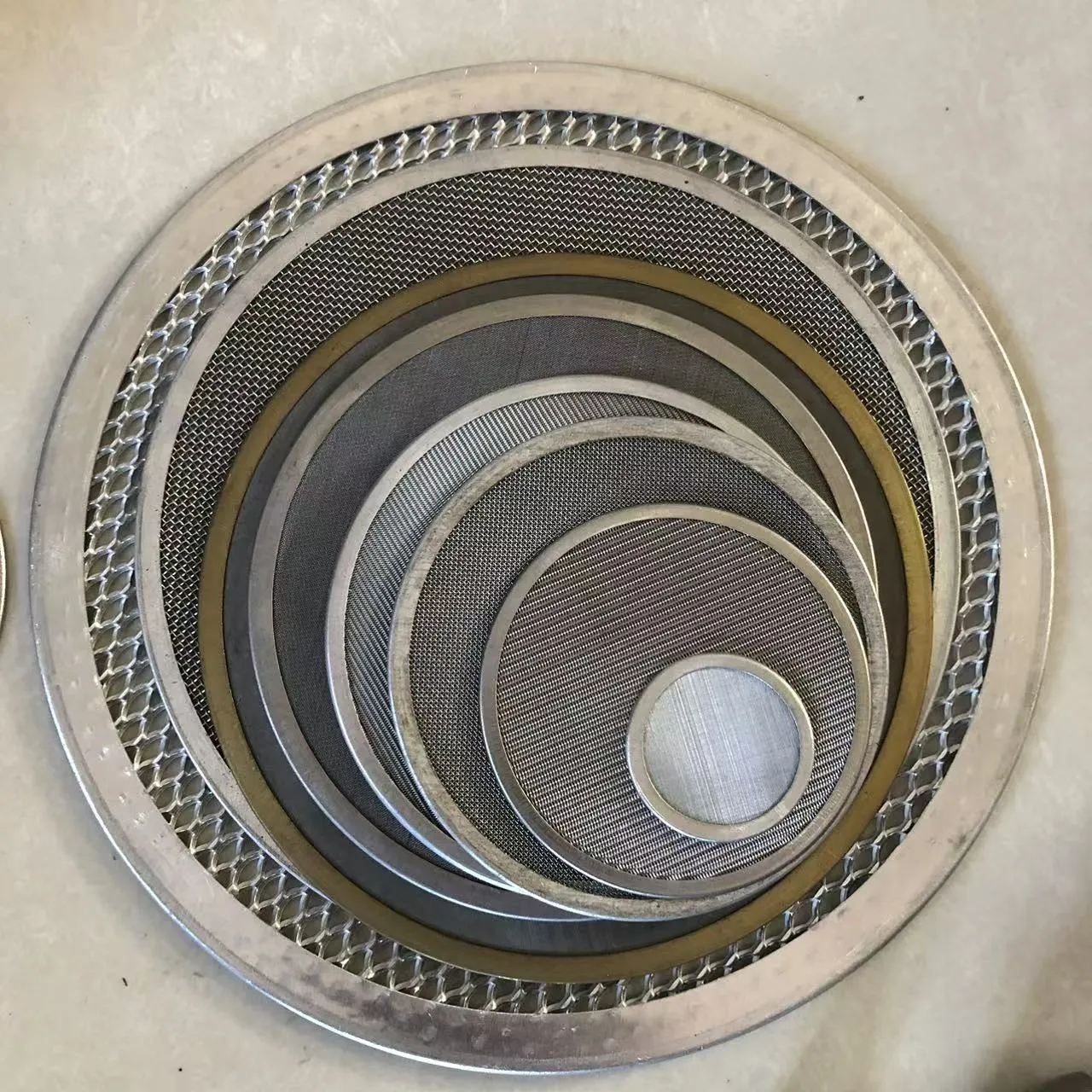
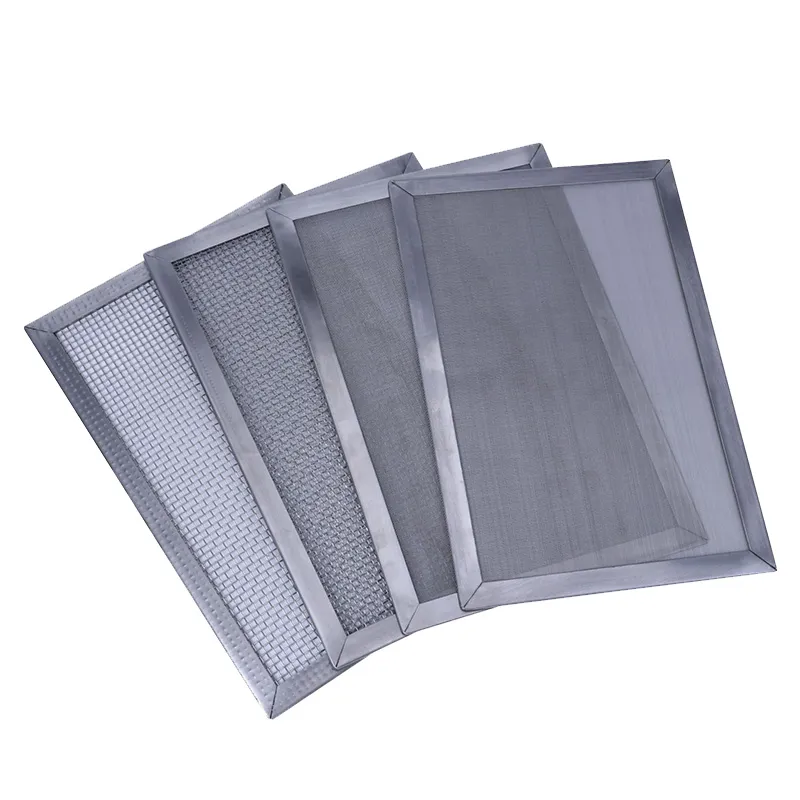
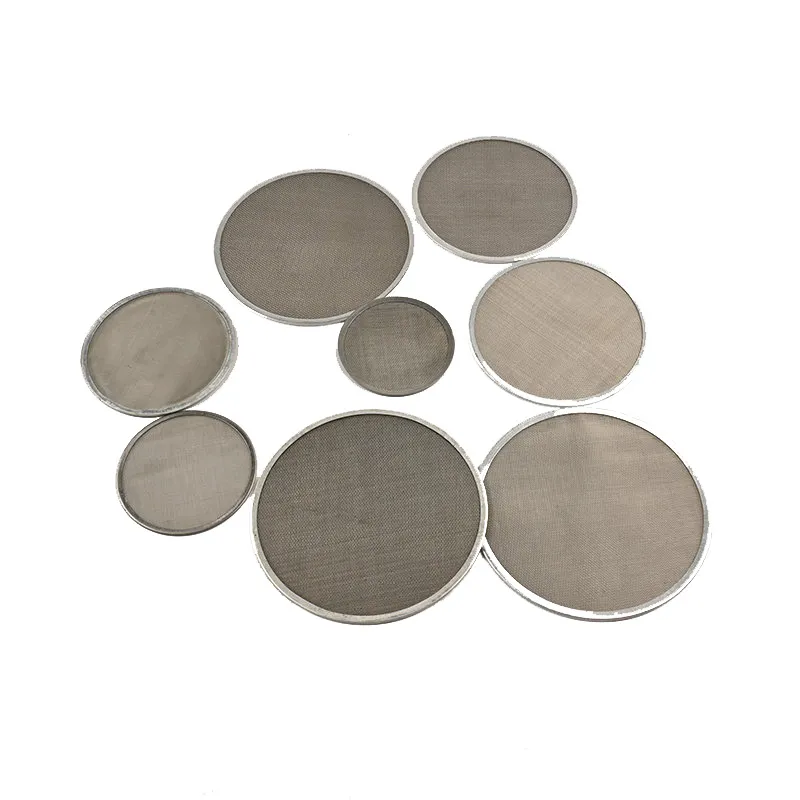
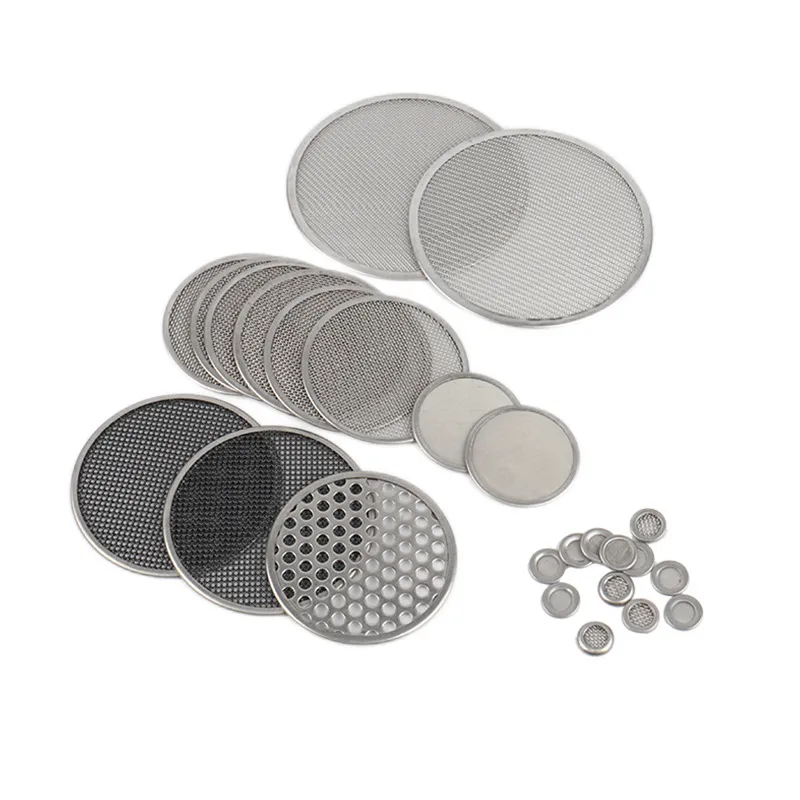
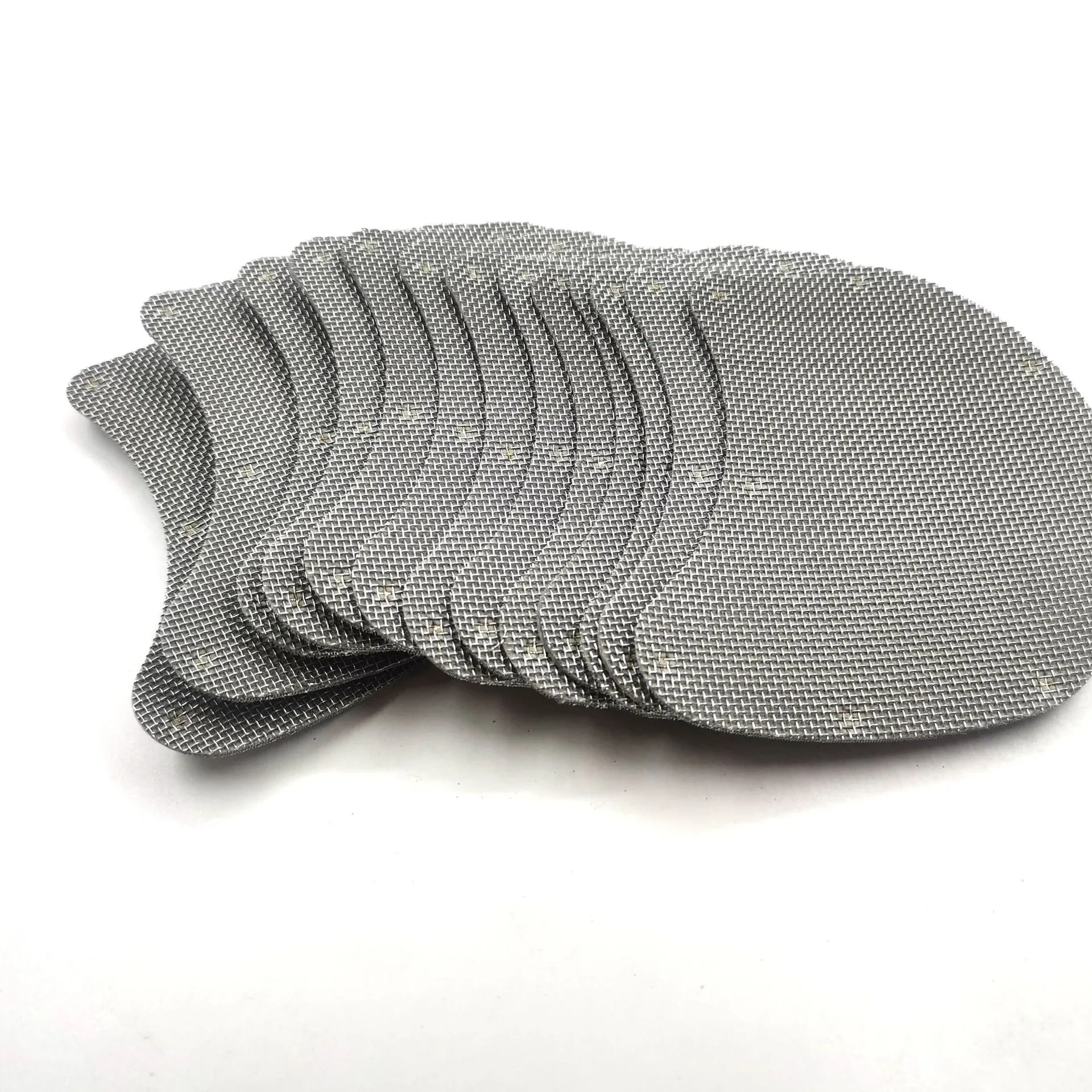
The woven or expanded mesh is precisely cut using CNC laser cutting, stamping, or shearing machines to form discs, cylinders, or custom shapes. This stage ensures exact dimensions and clean edges, crucial for proper sealing and fit within filtration systems.
4. Edge Treatment and Sealing
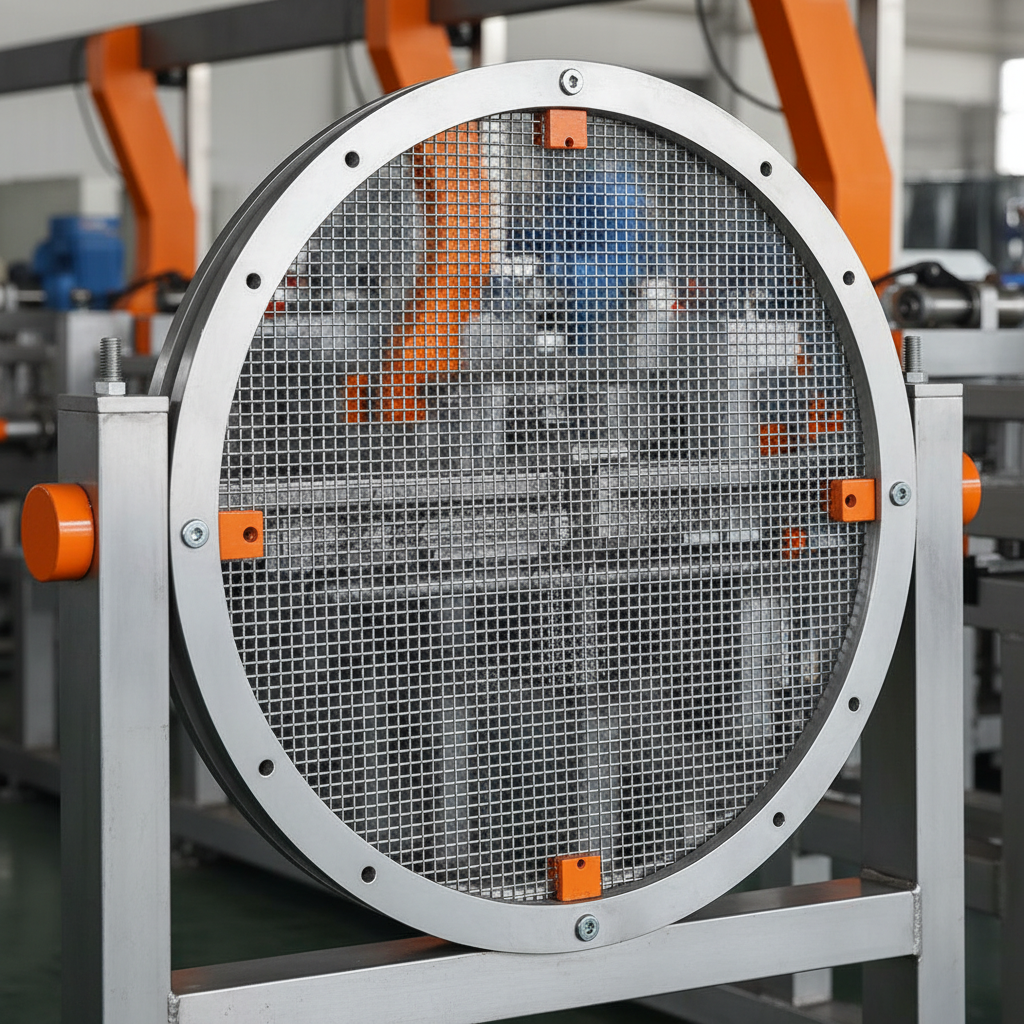
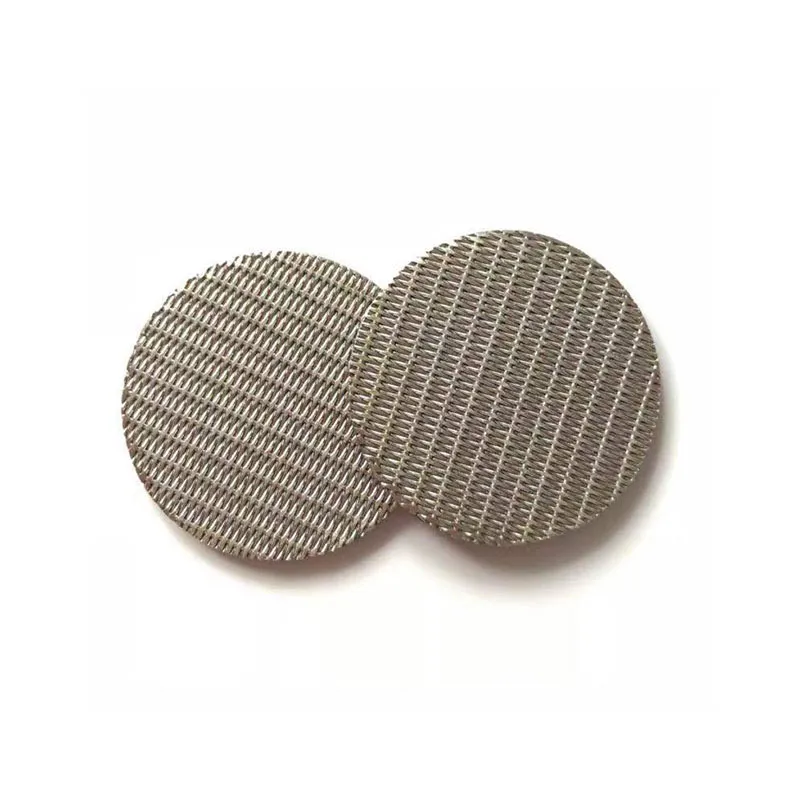
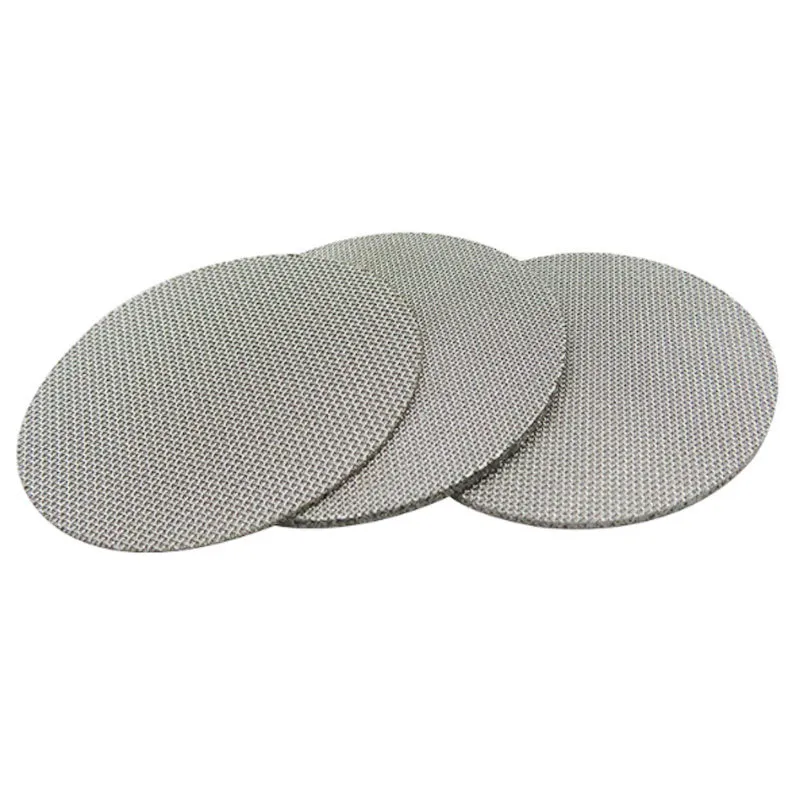
Edges are often reinforced through crimping, spot welding, or by applying a solid metal rim. For filter discs, multiple layers of mesh can be combined and sintered (diffusion bonding at high temperatures) to create a robust, self-supporting structure with defined pore characteristics.
5. Welding/Sintering
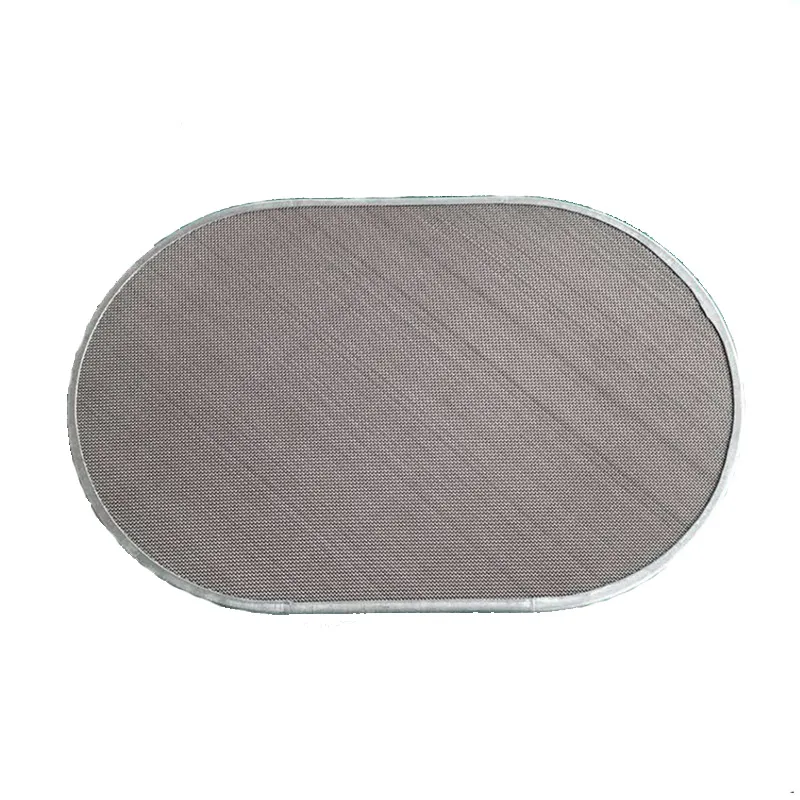
For multi-layer filters or complex geometries, TIG welding, plasma welding, or laser welding may be used to join components. Sintering creates a metallurgical bond between mesh layers, enhancing mechanical strength, filtration precision, and cleanability, particularly important for demanding applications.
6. Cleaning and Passivation
Finished filters undergo thorough cleaning to remove manufacturing residues, oils, and contaminants. Passivation, a chemical treatment, enhances corrosion resistance, especially for stainless steel filters, making them suitable for pharmaceutical and food-grade applications.
Testing Standards and Certifications
Adherence to international testing standards is paramount for ensuring the reliability and performance of filtration products. Key standards include:
- ISO 2941: Verification of collapse/burst resistance of filter elements.
- ISO 2942: Verification of fabrication integrity and determination of the first bubble point.
- ISO 2943: Verification of material compatibility with fluids.
- ISO 16889: Multi-pass method for evaluating filtration performance (e.g., Beta ratio).
- ASTM E2814: Standard Guide for Industrial Wire Cloth and Mesh.
- FDA 21 CFR Part 177: For filters used in food contact applications.
Manufacturers often hold certifications such as ISO 9001 for quality management systems, providing assurance of consistent product quality and process control.
Application Scenarios and Industry Impact of Wire Mesh Filters
The versatility and robustness of wire mesh filters make them indispensable across a multitude of heavy industries and precision applications. Their ability to handle high temperatures, aggressive chemicals, and differential pressures positions them as a critical component in many process flows.
Target Industries
- Petrochemical: Used for catalyst retention, gas filtration, and removal of impurities from crude oil and refined products. Critical for protecting downstream equipment and ensuring product quality.
- Metallurgy: Essential in metal casting and refining processes to remove slag and impurities from molten metals, ensuring the integrity of finished products.
- Water Supply & Drainage: Employed in municipal and industrial water treatment plants for pre-filtration, removing coarse particles, and protecting sensitive membranes.
- Pharmaceutical: High-purity stainless steel filters are crucial for sterile filtration, cell retention, and particle removal in drug manufacturing, adhering to strict FDA and GMP standards.
- Food & Beverage: Used for clarifying liquids (juices, oils, beer), dewatering, and general particulate removal to maintain product consistency and safety.
- Aerospace & Automotive: Critical for hydraulic fluid filtration, fuel filtration, and oil separation, protecting sensitive engine and control systems from particulate contamination.
Advantages in Typical Applications
- Energy Saving: Well-designed wire mesh filters often exhibit lower initial pressure drops and maintain them over longer periods, reducing the energy consumption required for pumping and fluid transfer. Their cleanability also contributes to sustained low-pressure operation.
- Corrosion Resistance: Utilizing materials like 316L stainless steel, Hastelloy, or Monel ensures longevity and reliability in harsh chemical environments, minimizing downtime and replacement costs. This is particularly vital in chemical processing and offshore oil & gas.
- Extended Service Life: Due to their robust construction and reusability (through backwashing or cleaning), wire mesh filters offer significantly longer service lives compared to disposable media, leading to reduced operational expenditure (OpEx) and waste.
- High Filtration Efficiency: Precision manufacturing allows for consistent micron ratings, ensuring highly effective particle retention and maintaining the integrity of downstream processes or product purity.
Technical Advantages and Performance Benchmarks
The inherent design and material properties of wire mesh filters provide distinct technical advantages that are critical for demanding industrial applications. These benefits translate directly into enhanced operational reliability, reduced maintenance, and superior process control.
Enhanced Durability and Service Life
Unlike disposable filter cartridges, wire mesh filters, particularly those made from stainless steel or sintered multi-layers, offer exceptional mechanical strength. They can withstand significant differential pressures (up to 20 bar for standard designs, with custom options exceeding 100 bar) and are resistant to collapse or deformation, even under pulsating flow conditions. This robustness allows for repeated cleaning (e.g., backwashing, ultrasonic cleaning) without degradation of filtration performance, leading to service lives extending from several months to many years, depending on the application and maintenance regimen. This significantly reduces the total cost of ownership (TCO) compared to systems reliant on frequent disposable media replacement.
Precision Filtration Capabilities
Modern manufacturing techniques for wire mesh enable precise control over pore size distribution, offering absolute filtration down to 1 micron. This precision is vital for applications where even microscopic particles can cause significant damage or product contamination. Multi-layer sintered mesh, for instance, provides a tortuous path for fluid flow, enhancing dirt-holding capacity while maintaining precise cut-off points. This contrasts with surface-only filters which may experience premature clogging.
Corrosion and Temperature Resistance
Materials like 316L stainless steel provide excellent resistance to a wide range of corrosive media, including acids, alkalis, and chlorides, over a broad temperature range (typically -200°C to 450°C). For extreme conditions, superalloys such as Hastelloy and Monel can extend operating temperatures beyond 800°C and offer superior resistance to highly aggressive chemicals. This material flexibility ensures reliable performance in the most challenging industrial environments, from cryogenic processes to high-temperature chemical reactors, where polymer-based filters would rapidly degrade.
Vendor Comparison and Selection Criteria for Wire Mesh Filter Solutions
Choosing the right vendor for wire mesh filters is a critical decision that impacts operational efficiency, product quality, and long-term cost. A comprehensive evaluation requires assessing various factors beyond just the initial purchase price.
Key Factors for Evaluation
- Quality and Certifications: Look for vendors with ISO 9001 certification, material traceability, and adherence to industry standards (e.g., ASTM, DIN, FDA compliance for specific uses).
- Customization Capabilities: Assess their ability to produce custom sizes, shapes, micron ratings, and material combinations to precisely match unique application requirements.
- Technical Expertise: A vendor with strong engineering support can assist with design optimization, material selection, and troubleshooting, offering value beyond just product delivery.
- Lead Time and Reliability: Evaluate their production capacity, inventory management, and track record for on-time delivery. Consistent supply is crucial for uninterrupted operations.
- Cost-Effectiveness: While price is a factor, consider the total cost of ownership, including filter lifespan, cleaning costs, energy savings, and the impact of filter performance on downstream processes.
- After-Sales Support: Availability of technical support, warranty, and easy access to replacement parts or cleaning services are important for long-term satisfaction.
Comparative Analysis: Leading Wire Mesh Filter Providers (Illustrative Example)
| Feature | Vendor A (e.g., QHFILTER) | Vendor B (Competitor 1) | Vendor C (Competitor 2) |
|---|---|---|---|
| Specialization | Precision Wire Mesh Filters, Sintered Media | General Industrial Filters | Woven Wire Cloth & Screens |
| Customization Level | High (tailored design, materials, coatings) | Medium (standard sizes, limited materials) | Medium (focus on weave patterns) |
| Quality Certifications | ISO 9001, Material Traceability | ISO 9001 | Basic Quality Control |
| Technical Support | Dedicated engineering team, application support | Standard product support | Limited technical guidance |
| Typical Lead Time (standard products) | 2-4 weeks | 3-5 weeks | 4-6 weeks |
| Pricing Model | Competitive for high-performance, long-life products | Cost-effective for standard requirements | Budget-friendly for basic needs |
Customized Solutions and Engineering Expertise
In many advanced industrial applications, off-the-shelf filtration solutions simply do not meet the stringent requirements for performance, integration, or longevity. This is where specialized manufacturers excel, offering customized wire mesh filter solutions tailored to precise operational parameters. The ability to customize extends beyond simple dimensions, encompassing material composition, mesh geometry, pore size distribution, and even multi-layered composite structures.
Tailored Design Process
A robust customization process typically involves close collaboration between the client's engineering team and the filter manufacturer's R&D department. This includes:
- Detailed Requirement Analysis: Understanding the fluid properties, operating temperature and pressure, desired micron rating, flow rate, and contamination type.
- Material Selection: Recommending optimal materials (e.g., specific grades of stainless steel, exotic alloys) based on chemical compatibility and mechanical stress.
- FEA and CFD Simulations: Utilizing Finite Element Analysis (FEA) for structural integrity and Computational Fluid Dynamics (CFD) for predicting pressure drop and flow patterns, optimizing filter design before physical prototyping.
- Prototyping and Testing: Manufacturing and rigorously testing prototypes under simulated or actual operating conditions to validate performance.
- Scalable Production: Ensuring the customized design can be efficiently manufactured at scale while maintaining quality and consistency.
Example Customizations
- Complex Geometries: Custom-formed filter cones, baskets, or pleated elements designed to fit specific housing constraints or maximize surface area.
- Multi-Layer Sintered Composites: Combining different mesh layers, and even a layer of stainless steel expanded sheet for structural support, to achieve unique filtration characteristics (e.g., precise surface filtration with robust backing).
- Surface Treatments: Applying specialized coatings (e.g., PTFE for non-stick properties, catalytic coatings) to enhance performance or extend lifespan in specific chemical environments.
- Integrated Assemblies: Delivering filter elements fully integrated into manifolds or end-caps, ready for drop-in installation, reducing assembly time and potential for leaks.
Application Case Studies and Client Successes
Real-world applications demonstrate the tangible benefits of high-performance wire mesh filters. Here are illustrative examples of how customized solutions drive operational improvements and cost savings for our clients:
Case Study 1: Petrochemical Filtration Optimization
A major petrochemical client was experiencing frequent downtime in their crude oil refining unit due to catalyst fines fouling heat exchangers. Their existing filtration system used disposable bag filters that required replacement every 3-4 weeks, leading to significant material costs and production losses. Our team engineered a custom 316L wire mesh filter element with a 10-micron sintered multi-layer construction. This design offered superior mechanical strength and improved backwash capabilities. Post-implementation, the client observed:
- 90% Reduction in Filter Replacement Frequency: The new filters require cleaning only every 4-6 months, eliminating the need for weekly replacements.
- 15% Improvement in Heat Exchanger Efficiency: Reduced fouling led to better heat transfer and optimized energy consumption.
- Estimated Annual Savings: Over $200,000 in operational and maintenance costs.
Case Study 2: Water Treatment Plant Upgrade
A municipal water treatment plant needed to upgrade its pre-filtration stage to protect its reverse osmosis (RO) membranes from suspended solids and algae. Their existing wedge wire screens were insufficient, leading to premature RO membrane fouling. We developed large-diameter stainless steel expanded sheet filter baskets, integrated with a woven wire mesh inner layer, offering a nominal 50-micron rating and increased dirt-holding capacity. This solution was designed for ease of removal and high-pressure jet cleaning.
- 30% Extension of RO Membrane Lifespan: Reduced particle loading significantly extended the operational life of expensive RO membranes.
- Enhanced System Reliability: Fewer instances of unplanned shutdowns due to membrane clogging.
- Improved Water Quality: Consistently lower turbidity upstream of the RO stage.
Client Feedback
"The custom wire mesh filters provided by QHFILTER have truly revolutionized our filtration process. The immediate impact on reduced maintenance and improved product purity was substantial, demonstrating their deep engineering expertise and commitment to quality."
— Senior Process Engineer, Global Chemical Manufacturer
Trust and Support: FAQ, Lead Time, Warranty, and Customer Service
Frequently Asked Questions (FAQ)
- Q: What is the typical service life of a wire mesh filter?
- A: The service life varies significantly based on the application, fluid properties, and cleaning regimen. High-quality stainless steel wire mesh filters, when properly maintained, can last for several years, often exceeding 5-10 years in many industrial settings.
- Q: Can your products be customized for specific dimensions and micron ratings?
- A: Absolutely. Customization is a core part of our service. We work closely with clients to design and manufacture filters to exact specifications, including unique dimensions, diverse materials (e.g., Monel, Hastelloy), and precise micron ratings from 1 to 2000 µm.
- Q: What are the lead times for orders?
- A: Standard products typically have a lead time of 2-4 weeks. For complex custom designs or large-volume orders, lead times may range from 4-8 weeks, depending on material availability and production complexity. We provide accurate lead time estimates upon quotation.
- Q: What warranty do you offer on your filtration products?
- A: We offer a standard 12-month warranty from the date of shipment against defects in materials and workmanship. Specific warranty terms for customized or high-performance products may vary and will be clearly outlined in your proposal.
Lead Time and Fulfillment
Our robust manufacturing capabilities and efficient supply chain management allow us to provide reliable lead times. We maintain inventory for common raw materials and standard configurations to expedite urgent orders. For custom solutions, detailed project timelines are provided, including design, prototyping, and production phases, ensuring transparent communication and predictable delivery schedules.
Warranty Commitments
We stand behind the quality of our products. All wire mesh filter products are manufactured under strict quality control protocols and are backed by a comprehensive warranty. Our commitment ensures that products meet specified performance criteria and are free from manufacturing defects. Should any issues arise, our dedicated support team is ready to assist with troubleshooting, repair, or replacement as per warranty terms.
Customer Support and After-Sales Service
Our relationship with clients extends far beyond the point of sale. We offer comprehensive after-sales support, including technical consultation, guidance on cleaning and maintenance procedures, and assistance with system integration. Our experienced technical support team is available via phone and email to provide expert advice and ensure optimal performance and longevity of your filtration systems. We are committed to being a long-term partner in your operational success.
Conclusion
The demand for efficient, reliable, and sustainable filtration solutions continues to intensify across global industries. The wire mesh filter stands as a testament to engineering excellence, offering unparalleled precision, durability, and resistance to harsh operating conditions. From enhancing product purity in pharmaceuticals to safeguarding critical machinery in petrochemical plants, these filters are pivotal in optimizing operational performance and reducing environmental impact. As industrial processes evolve, the continuous innovation in material science and manufacturing techniques will further solidify the position of advanced wire mesh filters as an indispensable component in modern filtration systems.
References
- MarketsandMarkets. (2023). "Filtration Market by Type, Application, and Region - Global Forecast to 2030."
- International Organization for Standardization. (2021). "ISO 16889: Hydraulic fluid power - Filters - Multi-pass method for evaluating filtration performance."
- Fluid Power Society. (2020). "Industrial Filtration Handbook: Principles, Applications, and Design."
- U.S. Food and Drug Administration. (2023). "21 CFR Part 177: Indirect Food Additives: Polymers."
- ASTM International. (2022). "ASTM E2814: Standard Guide for Industrial Wire Cloth and Mesh."