Everything You Need to Know About 4 Stainless Steel Mesh: Applications, Benefits & Suppliers
Understanding 4 Stainless Steel Mesh: Why It Matters Worldwide
In a world increasingly reliant on durable, corrosion-resistant materials, 4 stainless steel mesh has quietly become an essential component across multiple industries. Whether in water filtration, architectural facades, or industrial sieving, this versatile mesh offers a blend of strength, flexibility, and longevity that few materials can match. Understanding its applications and benefits is more than a niche curiosity — it’s about embracing a material that quietly safeguards infrastructure, elevates product quality, and supports sustainability efforts globally.
Globally, the demand for sustainable yet robust materials has surged. With environmental standards tightening — think ISO 14001 certifications and increasing emphasis on lifecycle assessments — 4 stainless steel mesh fits right in to meet these challenges head-on. It’s not just about resisting rust; it’s about maintaining structural integrity in the harshest conditions, from coastal wind farms to remote mining operations.
Mini takeaway: 4 stainless steel mesh is a strategic material shaping industries by balancing strength and sustainability worldwide.
4 Stainless Steel Mesh: A Global Perspective
The use of stainless steel mesh is projected to grow at nearly 7% annually, driven largely by Asia-Pacific industrial expansion and infrastructure upgrades in Europe and North America (World Steel Association). Its relevance is underscored by global urbanization rates — with 68% of the population expected to live in urban areas by 2050 (UN, 2018) — creating huge demands for materials that can endure pollution, weathering, and heavy use.
Yet the challenge remains: many metals corrode or lose effectiveness over time, causing costly downtime or safety risks. This is often a major concern in water treatment plants, food processing, or even aerospace. The 4 stainless steel mesh addresses these by offering high corrosion resistance combined with customizable mesh sizes and thicknesses. As industries push for leaner, greener, and more durable componentry, this mesh often represents a critical problem solver.
What Is 4 Stainless Steel Mesh Exactly?
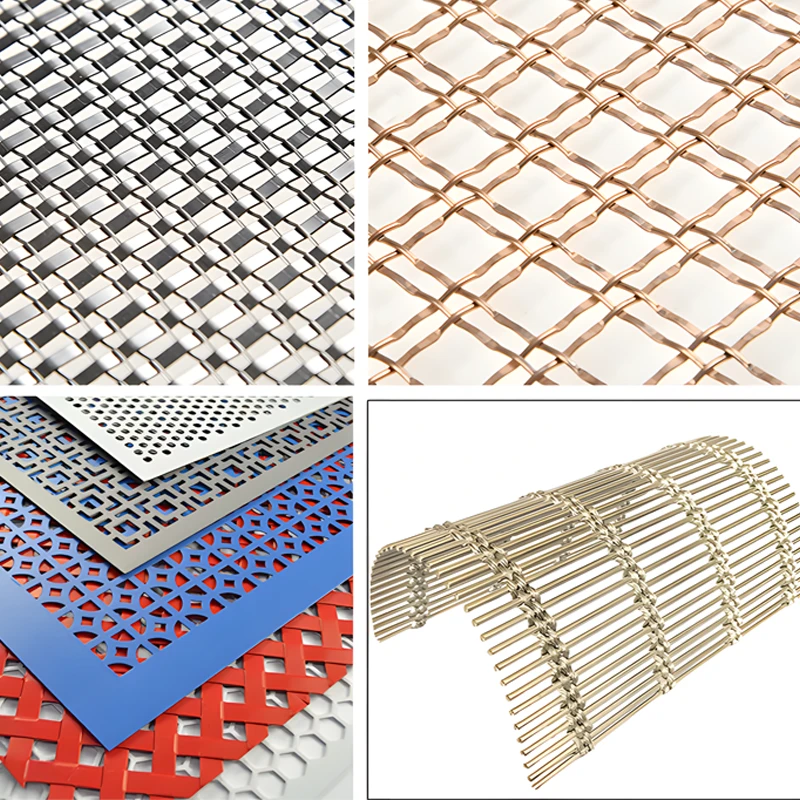
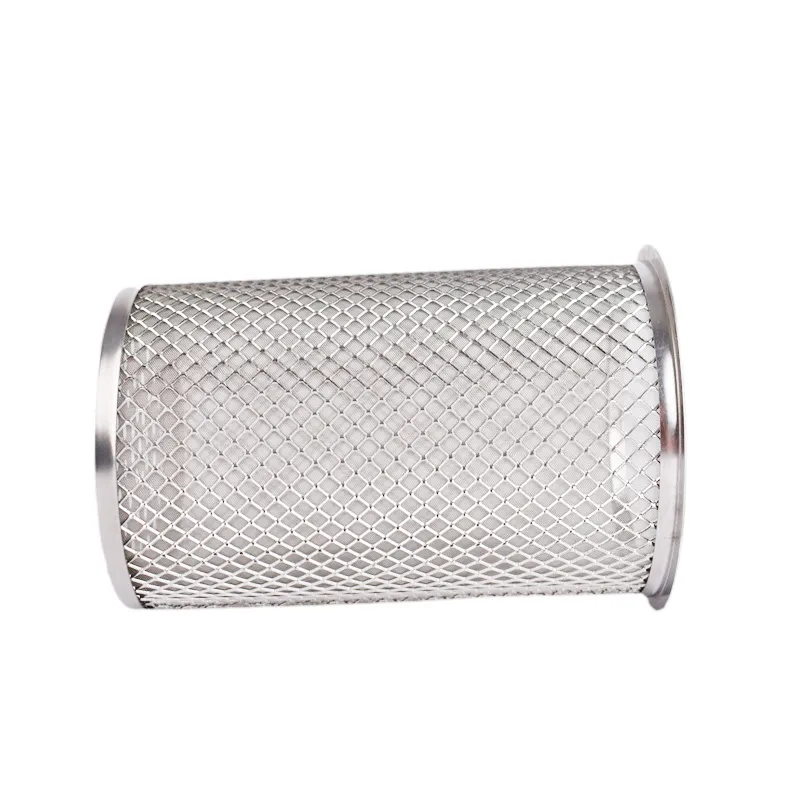
Simply put, 4 stainless steel mesh refers usually to stainless steel woven or welded in a pattern with a mesh size around 4 units in a specific measuring standard — often indicating the mesh openings or wire gauge. But beyond the numbers, these meshes combine chromium-rich stainless steel with meticulous craftsmanship, resulting in a product that’s both corrosion-resistant and structurally rigid.
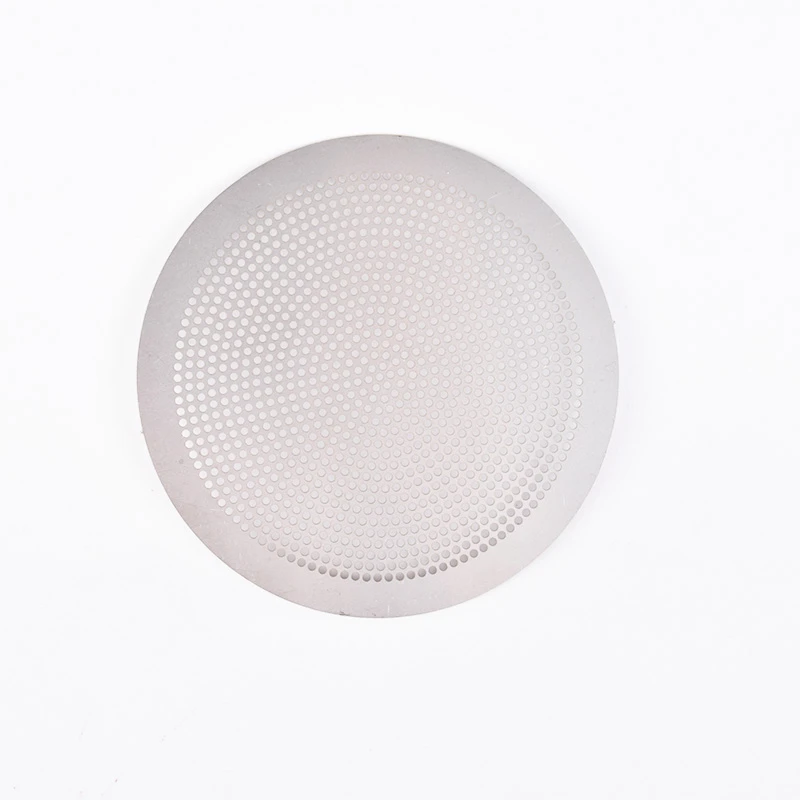
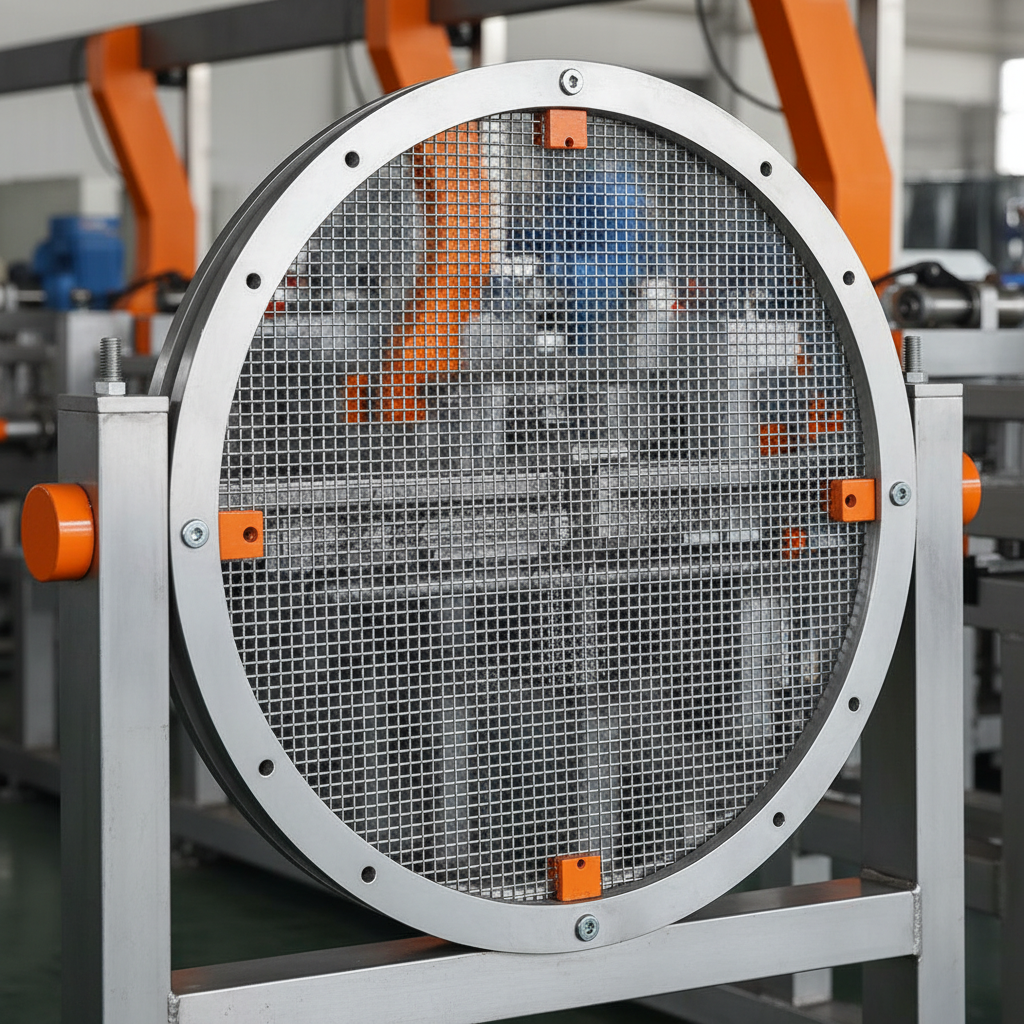
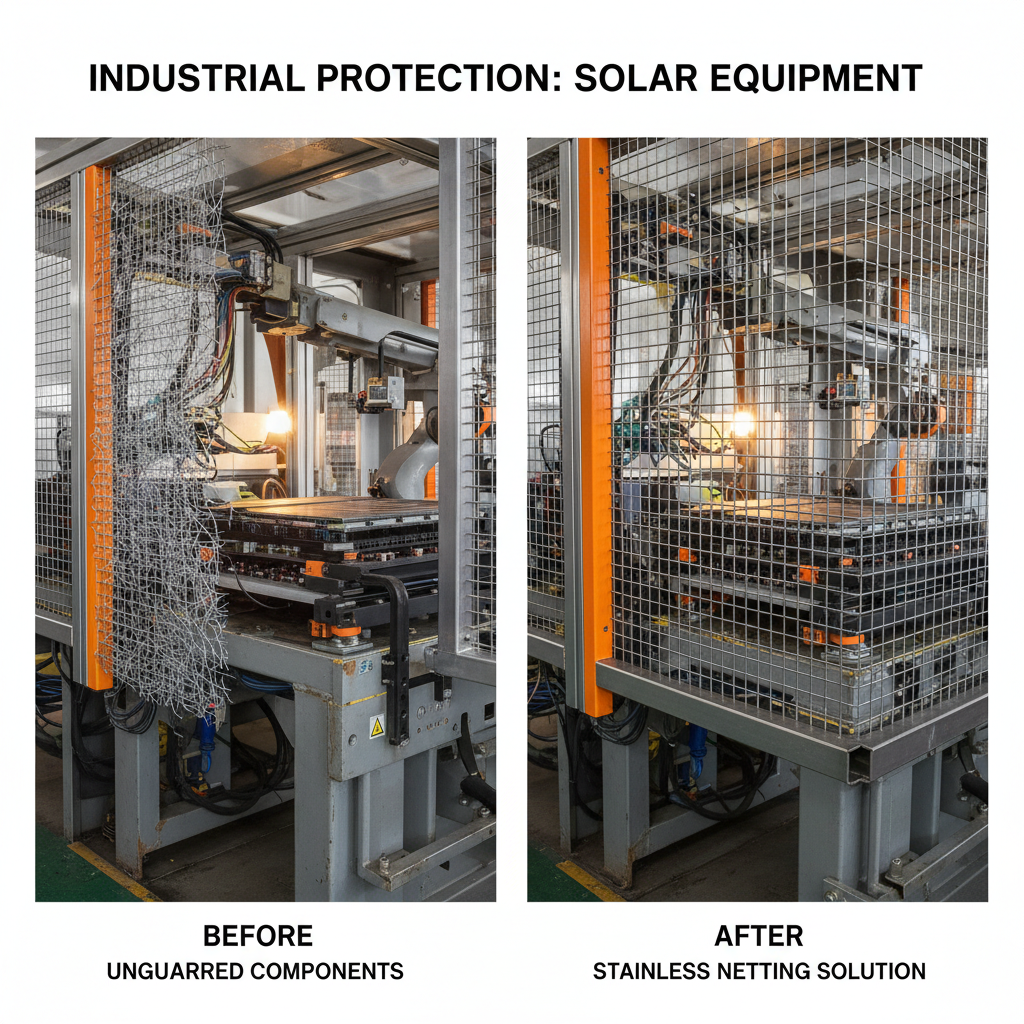
Think of it as a tough filter or protective screen that lets air, water, or light pass while keeping debris, insects, or larger particles out. Its versatility places it smack in the middle of several modern needs — from humanitarian water purification projects to industrial conveyor belting and architectural shading.
Core Features of 4 Stainless Steel Mesh
- Durability: Can withstand extreme weather, chemicals, and temperature variations for decades.
- Corrosion Resistance: Chromium content reacts with oxygen to form a protective oxide layer.
- Flexibility: Custom mesh sizes and thicknesses compatible with many design constraints.
- Ease of Maintenance: Non-porous surface reduces microbial growth and easy to clean.
- Recyclability: Stainless steel is 100% recyclable without losing quality.
Mini takeaway: The core strengths of 4 stainless steel mesh merge practicality with sustainability and adaptability.
Where 4 Stainless Steel Mesh Comes Alive: Real-World Applications
From dusty deserts to humid tropics, this mesh is everywhere. In water treatment plants — especially in drought-prone regions like parts of Australia and California — filtration meshes must endure harsh chemicals and constant flow. Here, the 4 stainless steel mesh acts as the first defense against particles without degrading or clogging easily.
In the architectural world, stainless steel mesh is seeing a renaissance as a facade cladding material. Cities like Dubai or Singapore use it to shield buildings from scorching sun, reducing energy costs while maintaining aesthetic openness.
On the humanitarian side, NGOs fund projects using stainless steel meshes for safe water filtration in disaster zones. The strength means they can be quickly deployed, reused, and cleaned — a major boon when infrastructure is compromised.
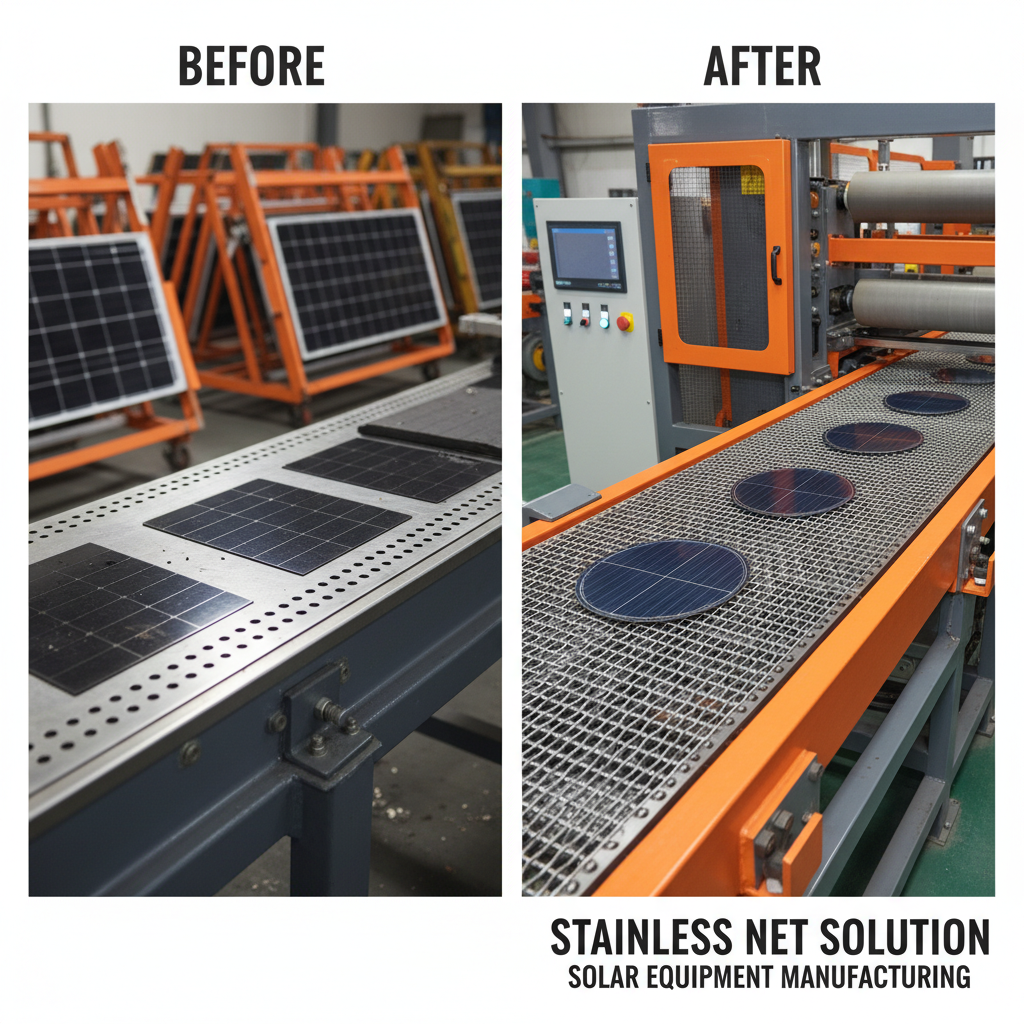
Economic hotspots with heavy mining, such as parts of South America, depend on these meshes in conveyor systems and sieving equipment, minimizing equipment failure that would otherwise halt productivity.
Product Specification Table for 4 Stainless Steel Mesh
| Specification | Details |
|---|---|
| Material Grade | 304 / 316 Stainless Steel |
| Mesh Size | 4 x 4 openings per inch (approx.) |
| Wire Diameter | 0.4 – 0.6 mm |
| Tensile Strength | >550 MPa (depends on grade) |
| Corrosion Resistance | Excellent in marine and chemical environments |
| Typical Applications | Filtration, sieving, architectural cladding, reinforcement |
Leading Vendors: How Do They Compare?
| Vendor | Product Range | Customization | Pricing | Global Reach |
|---|---|---|---|---|
| QH Filter | Wide – filters & mesh sizes | High, custom orders accepted | Competitive, volume discounts | Asia, Europe, Americas |
| Global Stainless | Standard mesh products | Limited | Mid to high | Europe, North America |
| SteelMesh Inc. | Niche industrial meshes | Moderate | Variable | Asia-Pacific |
As you can see, choosing the right supplier is almost as important as the quality of the mesh itself. Depending on your application, budget, and location, vendors like QH Filter offer both the breadth and customization many engineers praise for critical projects.
The Advantages & Lasting Value of 4 Stainless Steel Mesh
The long game with stainless steel mesh is pretty compelling. Firstly, it reduces replacement frequency dramatically thanks to its resistance against rust and wear. That translates into cost savings that engineers and procurement officers tend to obsess about. Beyond pure economics, stainless steel meshes contribute to sustainability goals. These meshes can be reused multiple times in water filtration or industrial sieves, minimizing waste.
There’s also a social angle here. NGOs using this mesh in water-purifying devices provide safe drinking water to vulnerable communities. You can imagine the trust and dignity that brings. It’s oddly satisfying when a simple, reliable piece of hardware quietly raises living standards. For industrial users, the material’s reliability means safer work environments and fewer incidents—big wins in safety compliance and morale.
Looking Ahead: Innovations and Trends in Stainless Steel Mesh
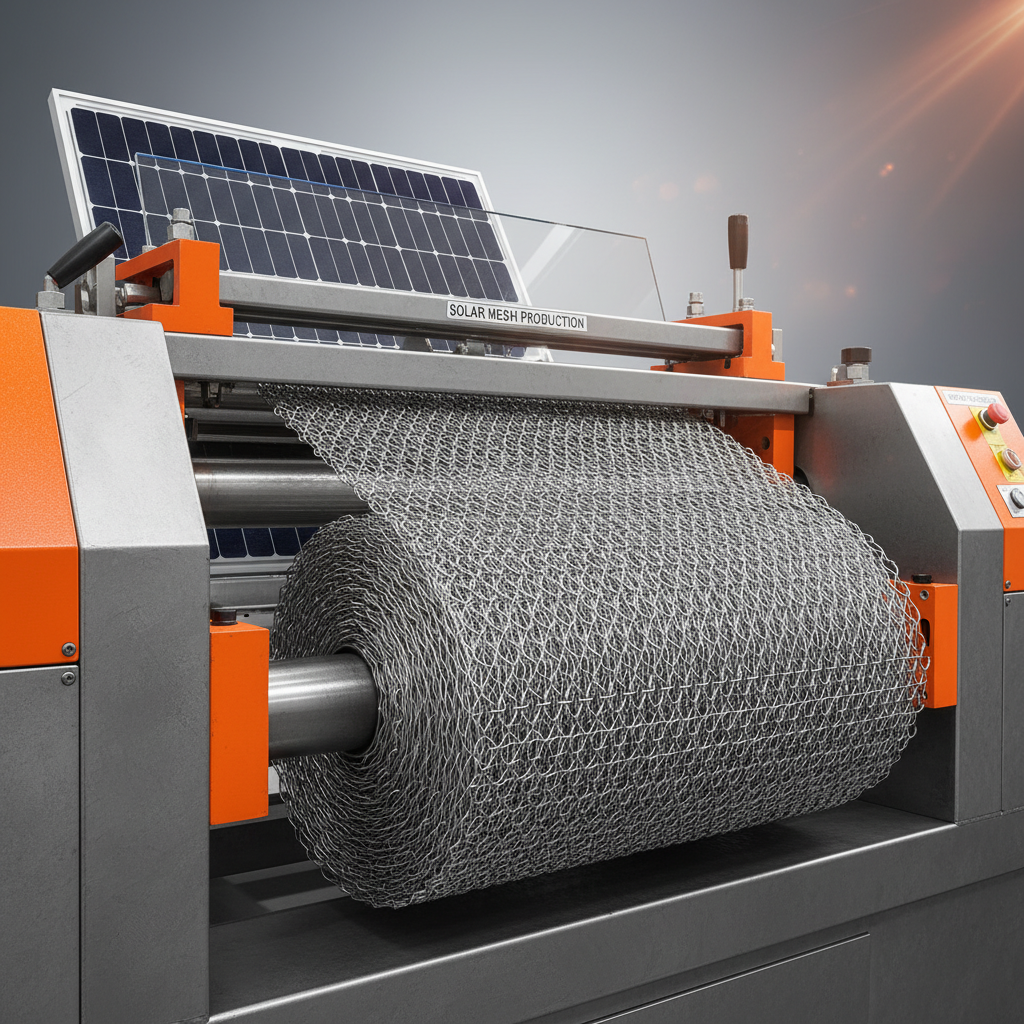
It’s not just static metal screens anymore. Innovations include integrating nanocoatings to enhance corrosion resistance further or embedding smart sensors that monitor mesh integrity remotely. Energy-efficient production methods are being explored too, shrinking the carbon footprint of mesh manufacturing.
Interestingly, additive manufacturing (3D printing) techniques are inching into stainless steel mesh production, letting designers create complex lattice structures impossible with traditional weaving. This could unlock new functionalities, especially in aerospace and biomedical fields.
Common Challenges & Clever Solutions for 4 Stainless Steel Mesh
Despite its many strengths, stainless steel mesh faces hurdles. Prices can be higher upfront compared to cheaper metals or plastics. Also, welding or joining mesh with other materials sometimes requires careful handling to avoid heat damage or warping.
Fortunately, hybrid manufacturing techniques combining stainless steel with polymer coatings or composite materials allow for tailored performance without breaking budgets. Many engineers recommend routine inspections and cleaning routines to extend mesh lifespan significantly. It’s a bit like tending a garden — proactive care yields dividends.
FAQs About 4 Stainless Steel Mesh
- Q: How do I know what mesh size is right for my filtration needs?
- A: Evaluate the particle size you need to filter. A 4 stainless steel mesh typically offers 4 openings per inch, suitable for medium filtration tasks. For finer filtration, look for higher mesh counts. Most vendors provide customization advice based on your application.
- Q: Can stainless steel mesh be used outdoors in coastal environments?
- A: Absolutely. Grades like 316 stainless steel have increased nickel and molybdenum content, enhancing corrosion resistance against saltwater exposure. Just ensure periodic maintenance to prevent salt buildup.
- Q: Is stainless steel mesh recyclable?
- A: Yes, stainless steel is 100% recyclable without quality loss. Recycling stainless steel helps reduce carbon emissions compared to primary production, making it an eco-friendly choice.
- Q: How can NGOs source stainless steel mesh solutions internationally?
- A: Many suppliers, like QH Filter, offer global shipping and customized export compliance support. NGOs should plan lead times and consult vendors early to ensure smooth logistics.
- Q: What maintenance is required for industrial stainless steel mesh?
- A: Routine cleaning (e.g., high-pressure water or mild solvents) prevents clogging or corrosion. Also, schedule inspections for signs of wear or damage, especially in high-stress environments.
In Conclusion: Why 4 Stainless Steel Mesh Deserves Your Attention
In a way, 4 stainless steel mesh is the unsung hero of countless projects around the world—from clean water access to industrial efficiency. Its blend of durability, adaptability, and eco-friendliness makes it ideal for today’s challenges and tomorrow’s innovations. If you’re seeking a reliable, versatile mesh solution, it’s well worth exploring offers from trusted vendors. For more in-depth product options and customized solutions, check out QH Filter and discover how their expertise can support your next project.
Mini takeaway: This seemingly simple product quietly helps improve safety, sustainability, and functionality worldwide—making it a smart pick for the savvy industry professional.