Comprehensive Guide to SS Wire Mesh Applications Benefits and Sourcing
Understanding SS Wire Mesh: Applications, Benefits, and Sourcing
SS wire mesh, or stainless steel wire mesh, is a versatile material finding widespread use across numerous industries. Known for its durability, corrosion resistance, and precision, it’s a crucial component in filtration, screening, security, and more. This article provides a comprehensive overview of SS wire mesh, exploring its different types, key applications, and important considerations when sourcing a reliable supplier. Choosing the correct mesh is vital for optimal performance and cost-effectiveness. Let’s delve into the details.
Types of SS Wire Mesh: Weave Patterns and Materials
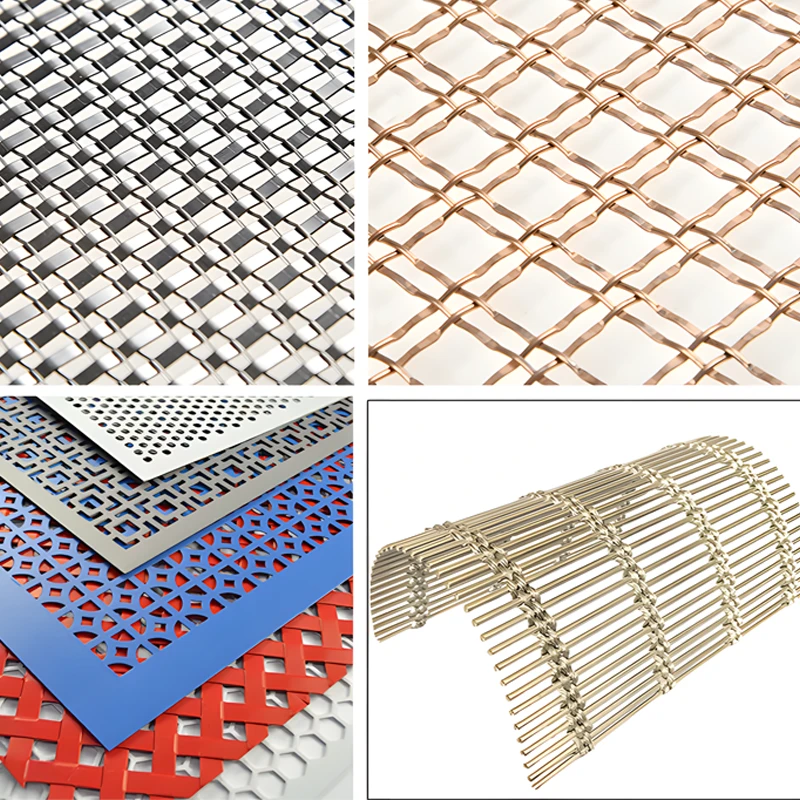
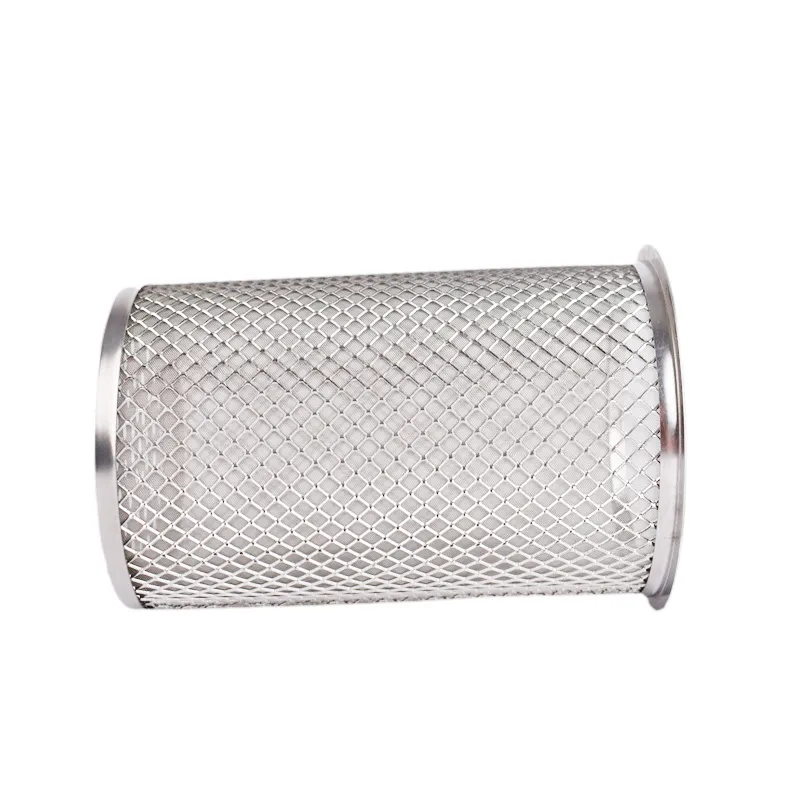
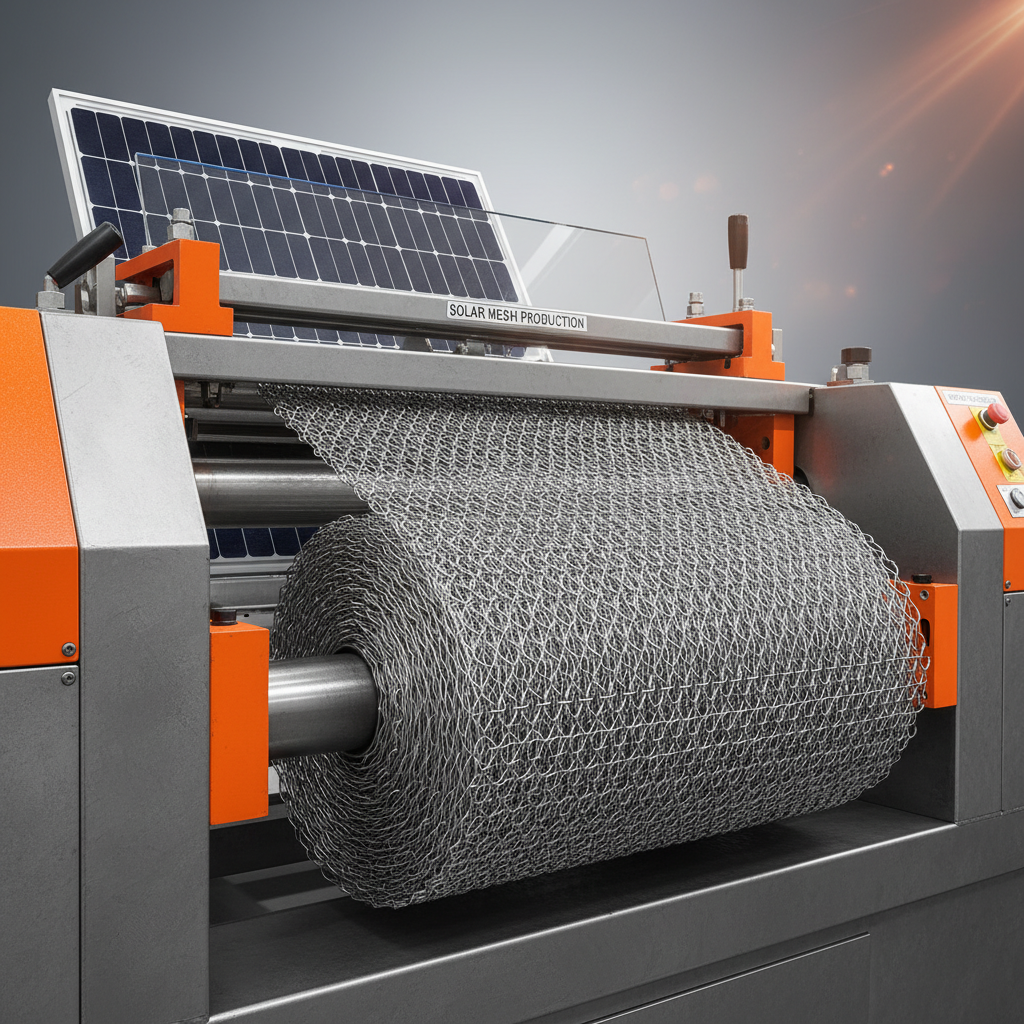
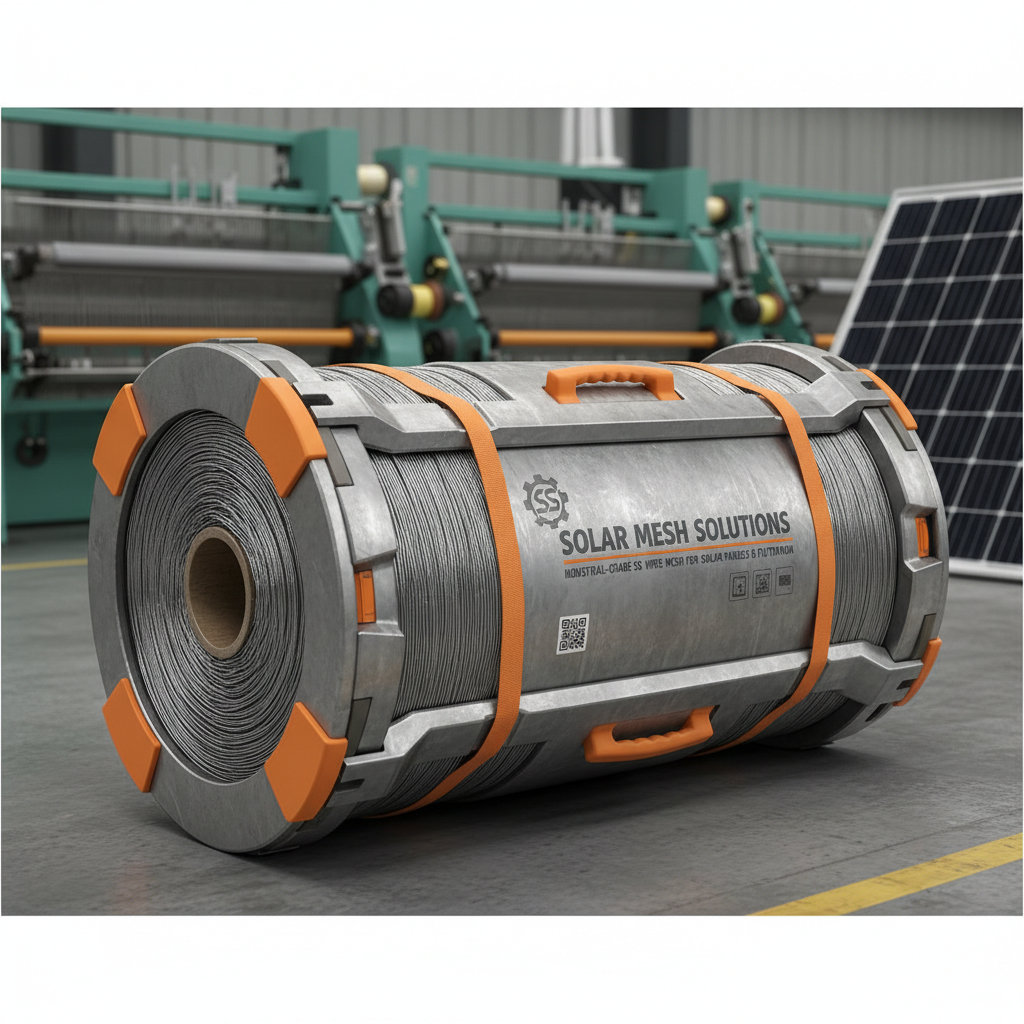
SS wire mesh isn't a one-size-fits-all product. Different weave patterns and stainless steel grades cater to specific needs. Common weave types include plain weave, twill weave, Dutch weave, and reverse Dutch weave. Plain weave is the most basic and cost-effective, while twill weave offers increased strength and density. Dutch and reverse Dutch weaves are used for filtration applications requiring different flow rates. Regarding materials, 304 and 316 stainless steel are the most popular choices. 304 is ideal for general applications, while 316 offers superior corrosion resistance, especially in harsh environments. Understanding these variations is key to selecting the right mesh for your project.
Key Takeaway: Selecting the correct weave pattern and stainless steel grade is essential for optimal performance and longevity. 316 SS provides enhanced corrosion resistance compared to 304.
Applications of SS Wire Mesh Across Industries
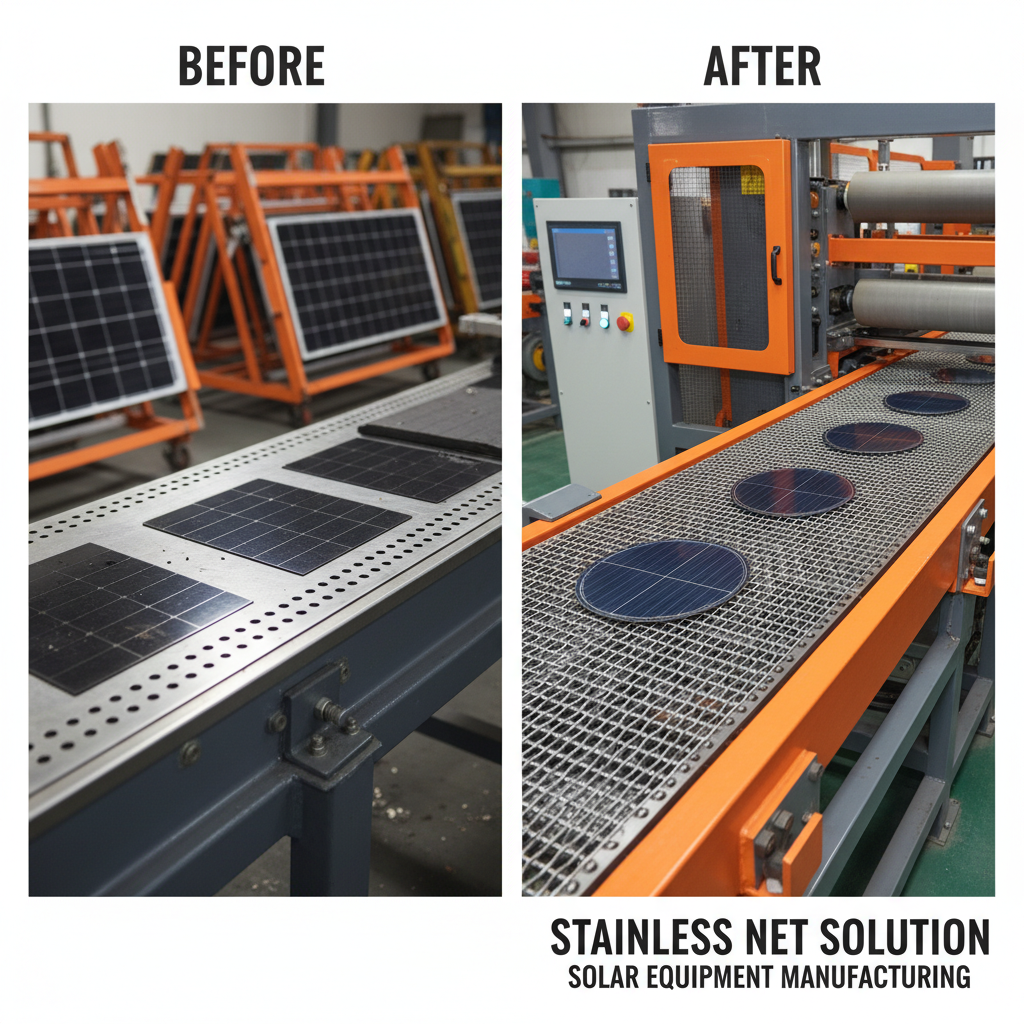
The versatility of SS wire mesh makes it indispensable in numerous sectors. In filtration, it’s used to remove impurities from liquids and gases. In the food and beverage industry, it ensures product purity and safety. Security applications include creating robust fencing and barriers. It's also integral to architectural projects, offering both aesthetic appeal and functional benefits like ventilation. Furthermore, SS wire mesh finds use in pharmaceutical manufacturing, chemical processing, and the automotive industry. Its durability and resistance to corrosion make it a long-lasting and reliable solution for diverse applications.
Common Applications:
• Filtration (Liquid & Gas)
• Food and Beverage Processing
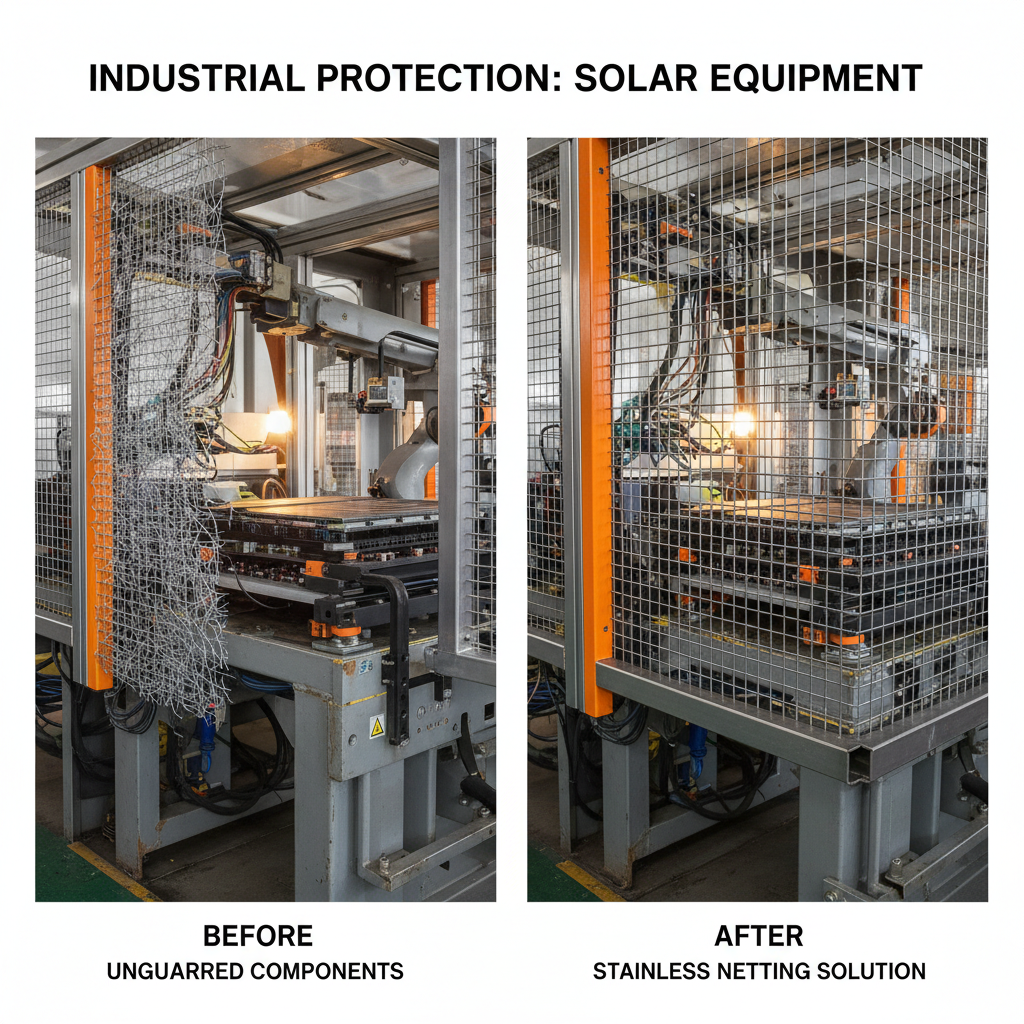
• Security Fencing & Barriers
• Architectural Mesh
SS Wire Mesh Specifications: Understanding Mesh Count & Wire Diameter
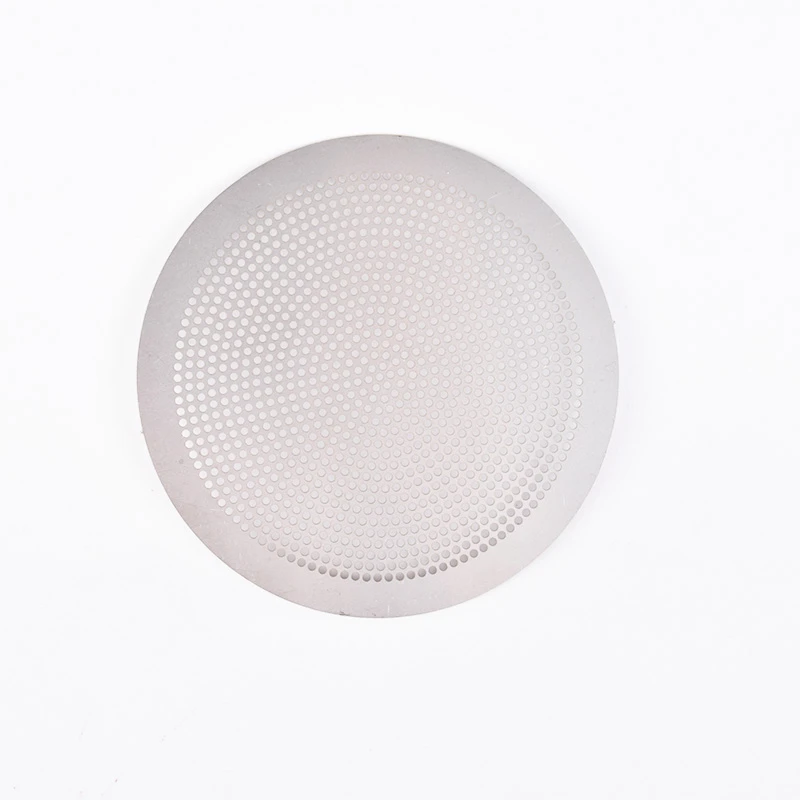
When specifying SS wire mesh, two key parameters are mesh count and wire diameter. Mesh count refers to the number of openings per inch, indicating the fineness of the mesh. A higher mesh count means smaller openings. Wire diameter determines the thickness of the individual wires. Selecting the appropriate combination of these factors is critical for achieving the desired filtration or screening performance. Consider the particle size you need to filter or screen, and choose a mesh count that effectively captures those particles without compromising flow rate. A reliable supplier will provide detailed specifications and assist you in making the correct choice.
Benefits of Choosing Stainless Steel Wire Mesh
The advantages of using SS wire mesh are numerous. Its exceptional corrosion resistance ensures longevity, even in harsh environments. Stainless steel is also hygienic, making it ideal for food and pharmaceutical applications. The material boasts high tensile strength, providing durability and preventing deformation. SS wire mesh is also easily cleanable and can withstand high temperatures. These combined benefits translate to reduced maintenance costs and increased operational efficiency.
Selecting a Reliable SS Wire Mesh Supplier: What to Look For
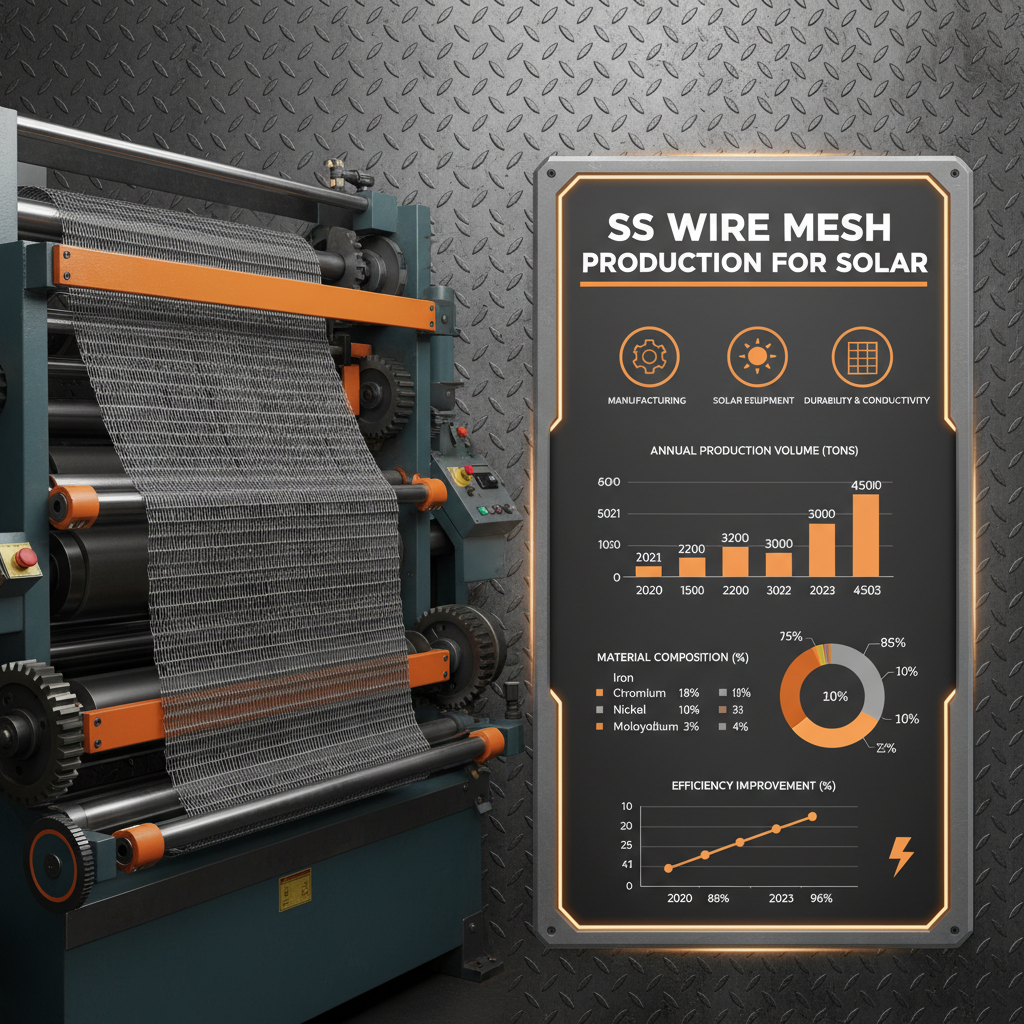
Choosing the right supplier is paramount. Look for a company with a proven track record, offering a wide range of products and customization options. Ensure they provide detailed product specifications and can offer technical support. Quality control certifications are a strong indicator of reliability. Consider factors like lead times, pricing, and shipping options. A reputable supplier, like QH Filter, will prioritize customer satisfaction and provide high-quality SS wire mesh to meet your specific needs.
Conclusion: Investing in Quality SS Wire Mesh
Selecting the right SS wire mesh is crucial for the success of numerous applications. Understanding the different types, specifications, and benefits will empower you to make informed decisions. Partnering with a reliable supplier like QH Filter guarantees quality, consistency, and expert support. Don’t compromise on quality – invest in a solution that will deliver lasting performance.
Frequently Asked Questions (FAQs)
What is the difference between 304 and 316 stainless steel wire mesh?
Both 304 and 316 stainless steel offer excellent corrosion resistance, but 316 contains molybdenum, which significantly enhances its resistance to chlorides and other corrosive elements. This makes 316 ideal for marine environments, chemical processing, and applications where exposure to salt or harsh chemicals is likely. 304 is a more cost-effective option for general applications where corrosion is less of a concern.
Can SS wire mesh be welded?
Yes, SS wire mesh can be welded, but it requires specific techniques and expertise. The weldability depends on the grade of stainless steel. 304 and 316 are both weldable, but proper pre- and post-weld heat treatment may be necessary to maintain corrosion resistance. It’s crucial to use appropriate welding procedures and filler materials to ensure a strong and durable weld.
How do I determine the correct mesh count for my application?
To determine the correct mesh count, consider the particle size you need to filter or screen. The mesh count should be high enough to prevent those particles from passing through. It's often helpful to conduct a sieve analysis to accurately determine the particle size distribution. It's also important to consider the flow rate – a higher mesh count can restrict flow, so you may need to balance filtration efficiency with throughput. Contacting a knowledgeable supplier like QH Filter for assistance is recommended.