Apartment Balcony Solar Panels: Power Your Home, Save Money
Industry Trends in Balcony Solar Integration
The global landscape of renewable energy is undergoing a transformative shift, with distributed generation becoming a cornerstone of sustainable urban development. A significant trend emerging from this evolution is the increasing adoption of micro-grid solutions, particularly the integration of solar panel for apartment balcony systems. This innovative approach addresses the energy needs of residents in multi-story dwellings, traditionally overlooked by conventional rooftop solar installations due to shared ownership, structural limitations, and complex permitting processes. Market analysis indicates a Compound Annual Growth Rate (CAGR) exceeding 18% for the global balcony solar market, driven by rising electricity costs, increasing environmental consciousness, and supportive regulatory frameworks in regions such as the EU and parts of North America.
Technological advancements, particularly in panel efficiency, lightweight design, and plug-and-play installation systems, are accelerating this growth. Furthermore, the concept of energy independence is gaining traction among apartment dwellers, who are now seeking viable methods to reduce their carbon footprint and achieve partial grid autonomy. Beyond individual apartments, integrated solar solutions are also being explored for broader applications, such as solar fencing for house perimeters, offering dual benefits of security and localized power generation for lighting or sensor systems. This convergence of demand for sustainable, accessible, and aesthetically integrated energy solutions positions balcony photovoltaics at the forefront of urban energy innovation.
Technical Specifications and Parameters
Our Balcony Photovoltaic systems are engineered for optimal performance, durability, and seamless integration into modern architectural facades. Designed specifically as a solar panel for apartment balcony, these modules incorporate advanced monocrystalline PERC (Passivated Emitter Rear Cell) technology, achieving superior efficiency rates even under suboptimal lighting conditions. The modules are typically rated between 300W and 450W per panel, depending on the physical dimensions and cell configuration.
Key Technical Parameters:
| Parameter | Specification | Standard (IEC) |
|---|---|---|
| Module Power (Pmax) | 300-450 Wp | IEC 61215 |
| Module Efficiency | 20.5% - 22.5% | IEC 61215 |
| Open-Circuit Voltage (Voc) | 35-45 V | IEC 60904-1 |
| Short-Circuit Current (Isc) | 9.5-11.5 A | IEC 60904-1 |
| Power Tolerance | 0 ~ +5 W | IEC 61215 |
| Temperature Coefficient (Pmax) | -0.35 %/°C | IEC 61215 |
| Module Dimensions | Vary by model (e.g., 1722x1134x30 mm) | N/A |
| Weight | Approx. 19-24 kg | N/A |
| Operating Temperature | -40°C to +85°C | IEC 61215 |
| Ingress Protection (IP) Rating | IP67 (for junction box) | IEC 60529 |
These specifications ensure that our Balcony Photovoltaic units deliver reliable performance over their projected service life of 25-30 years, backed by a linear power output warranty. The robust design, featuring anodized aluminum frames and tempered glass, ensures resilience against harsh environmental conditions, including wind loads up to 2400 Pa and snow loads up to 5400 Pa, in compliance with IEC 61215 and IEC 61730 safety standards.
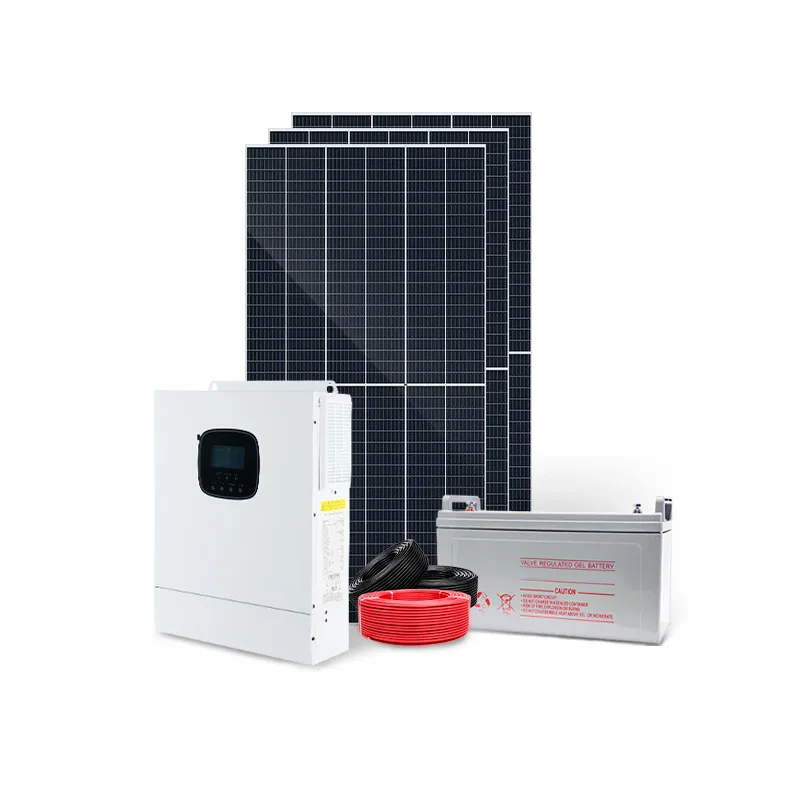
Manufacturing Process Flow of Balcony Photovoltaic Modules
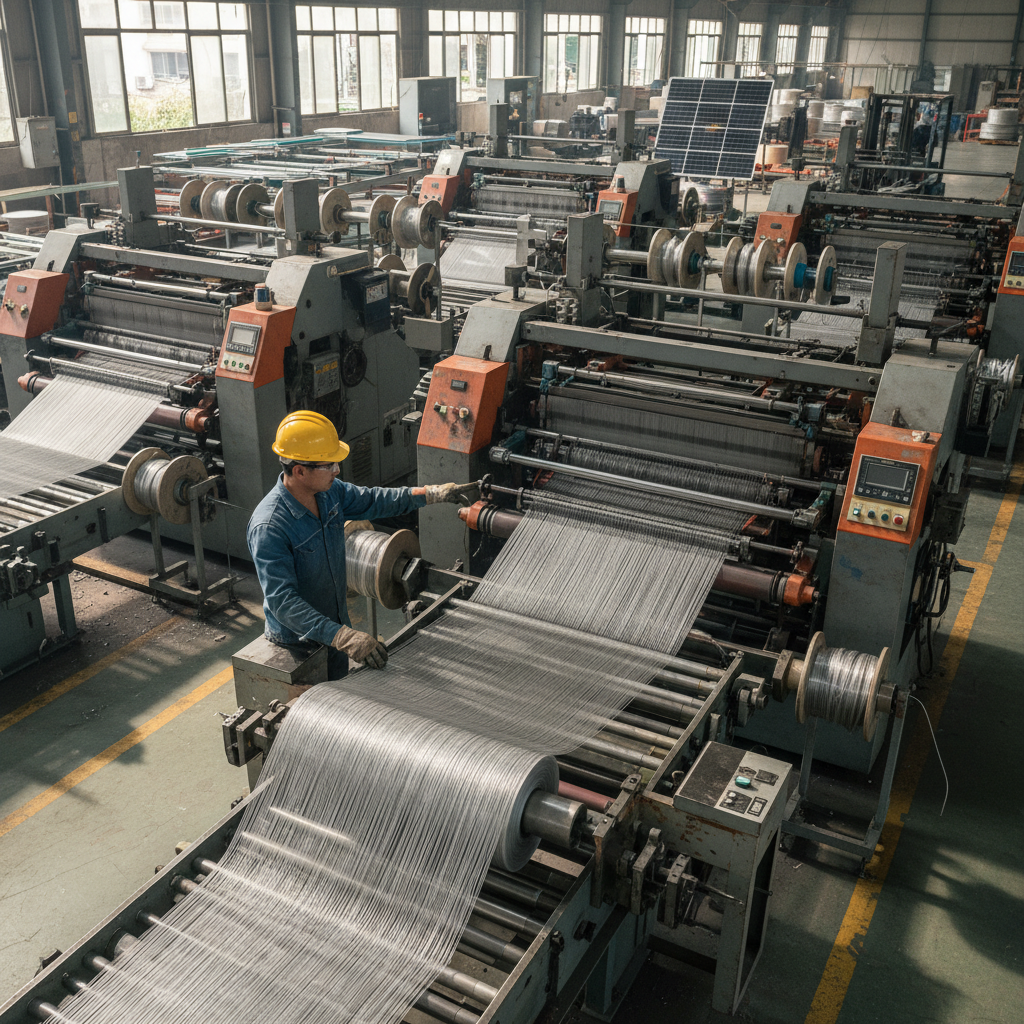
The production of a high-quality solar panel for apartment balcony involves a meticulously controlled multi-stage process, integrating advanced material science with precision engineering. Our commitment to ISO 9001 and ISO 14001 certified manufacturing ensures consistency and environmental responsibility throughout the entire production lifecycle.
Detailed Process Steps:
- Silicon Ingot Growth: High-purity polysilicon is melted and then grown into large, cylindrical monocrystalline ingots using the Czochralski method. This casting process is critical for achieving the uniform crystal structure necessary for high-efficiency cells.
- Wafer Slicing: The ingots are then precision-sliced into thin silicon wafers, typically 150-200 micrometers thick, using multi-wire saws. This step requires advanced CNC machining to minimize kerf loss and ensure consistent wafer thickness, directly impacting cell yield and efficiency.
- Cell Fabrication: Wafers undergo several stages:
- Texturization: Alkaline solutions etch the wafer surface to create pyramidal structures, reducing reflection and increasing light absorption.
- Doping (P-N Junction Formation): Phosphorus diffusion creates the n-type layer, forming the crucial P-N junction.
- PECVD Anti-reflection Coating: A silicon nitride layer is deposited via Plasma Enhanced Chemical Vapor Deposition (PECVD) to further minimize reflection losses.
- Metallization: Screen printing of silver paste forms the front contacts, and aluminum paste forms the full-surface back contact. This forging-like application of conductive material is then fired to create ohmic contacts.
- PERC Layer Application: A dielectric passivation layer is applied to the rear surface, improving internal reflection and reducing recombination losses, a hallmark of high-efficiency modules.
- Module Assembly:
- Cell Stringing: Individual solar cells are interconnected in series using automated soldering techniques to form strings.
- Encapsulation: The cell strings are laminated between layers of EVA (Ethylene Vinyl Acetate) and a high-transparency tempered glass front sheet, with a durable back sheet (e.g., TPT – Tedlar-PET-Tedlar). This hermetic sealing protects cells from moisture and environmental degradation.
- Framing: An anodized aluminum frame is precisely applied, often using CNC-machined components for optimal structural integrity and ease of mounting. This frame is crucial for the overall mechanical robustness of a solar panel in balcony configuration.
- Junction Box & Cables: A weather-sealed (IP67) junction box containing bypass diodes is attached, along with MC4 connectors for reliable electrical connections.
- Quality Control & Testing: Each module undergoes rigorous testing according to ANSI/UL 1703 and IEC 61215/61730 standards, including:
- Electroluminescence (EL) Inspection for micro-cracks and defects.
- Flash Testing under Standard Test Conditions (STC) to determine actual power output.
- Thermal Cycling and Humidity Freeze Testing for long-term durability.
- Mechanical Load Testing to verify structural integrity.
This comprehensive manufacturing and testing regime ensures a service life of 25-30 years, with minimal degradation. Our modules are suitable for target industries demanding high reliability and efficiency, including residential energy, light commercial applications, and remote power solutions where energy saving and corrosion resistance are paramount.
Application Scenarios and Case Studies
Balcony Photovoltaic systems offer versatile and scalable solutions for a variety of urban and suburban environments. Their adaptability makes them ideal for both individual apartment dwellers and property managers looking to enhance sustainability metrics.
Typical Application Scenarios:
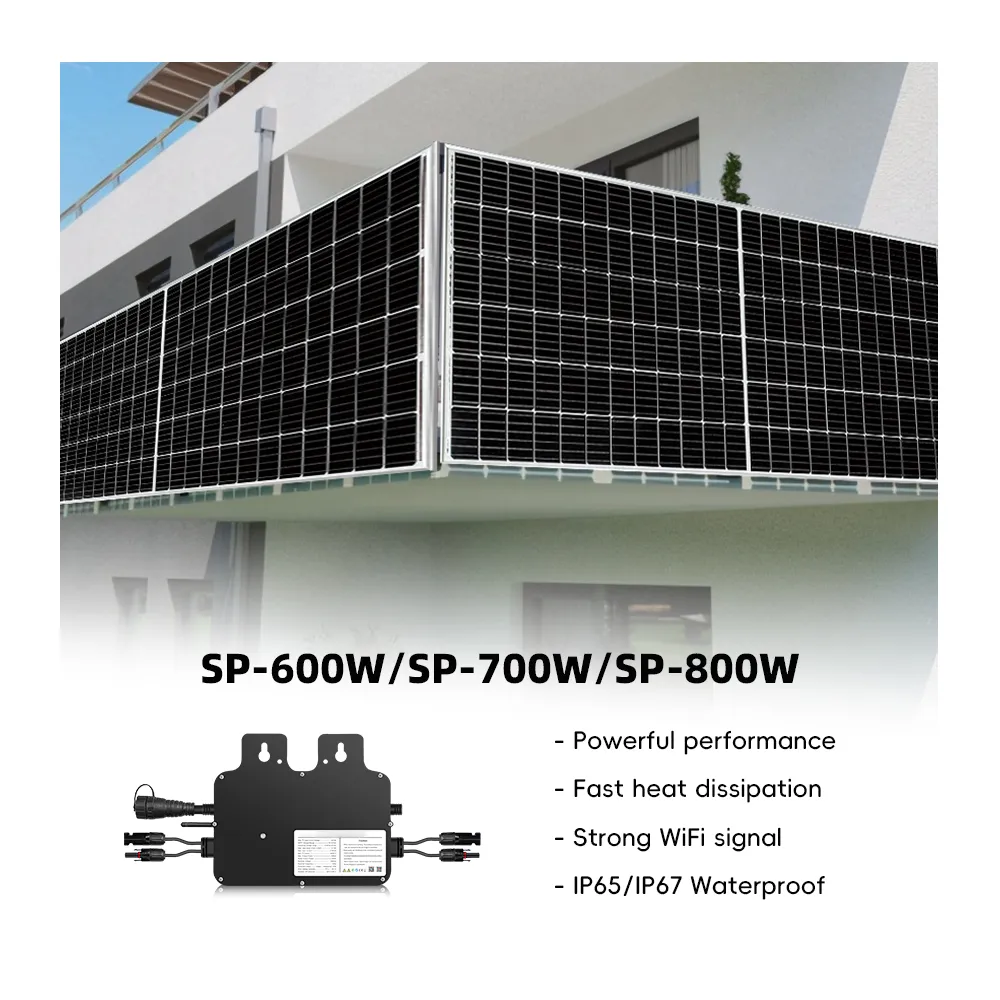
- Residential Balconies: Direct integration into apartment balconies or railings, providing supplemental power for household appliances, reducing electricity bills by offsetting grid consumption. Often paired with microinverters for optimal module-level power conversion and grid synchronization.
- Façade Integrated PV (BIPV-lite): For new constructions or renovations, modules can be designed to seamlessly blend with building aesthetics, functioning as a part of the building envelope while generating clean energy.
- Urban Balcony Gardens/Patios: Powering outdoor lighting, irrigation systems, or charging stations for electric bicycles/scooters, enhancing the functionality and sustainability of urban outdoor spaces.
- Small Commercial Spaces: Balconies or exterior walls of small offices, cafes, or workshops can utilize these panels to reduce operational energy costs and project a green brand image.
- Remote Off-Grid Solutions: In scenarios requiring localized power generation without grid access, such as isolated cabins or temporary structures, the portability and ease of installation make these systems viable. This also extends to specialized uses like solar fencing for house security systems in rural areas, where the fence itself becomes a power source for sensors or electric charges.
Application Case Studies:
Case Study 1: Urban Residential Retrofit – Berlin, Germany
A multi-family apartment building in Berlin sought to reduce its collective carbon footprint and offer residents an opportunity for personal energy generation. 30 individual apartments installed our Balcony Photovoltaic systems, each comprising two 350W modules connected to a single microinverter, feeding directly into the apartment's main circuit via a certified plug-in connection. The total aggregated capacity reached 21 kWp. Over the first year, residents reported an average electricity bill reduction of 18-25%, with one resident specifically noting a 22% decrease in their annual energy costs, translating to an average saving of €150-€200 annually per household. The simple installation, completed within hours per unit, and the minimal aesthetic impact were frequently cited positive feedback points.
Case Study 2: Small Office Energy Offset – Sydney, Australia
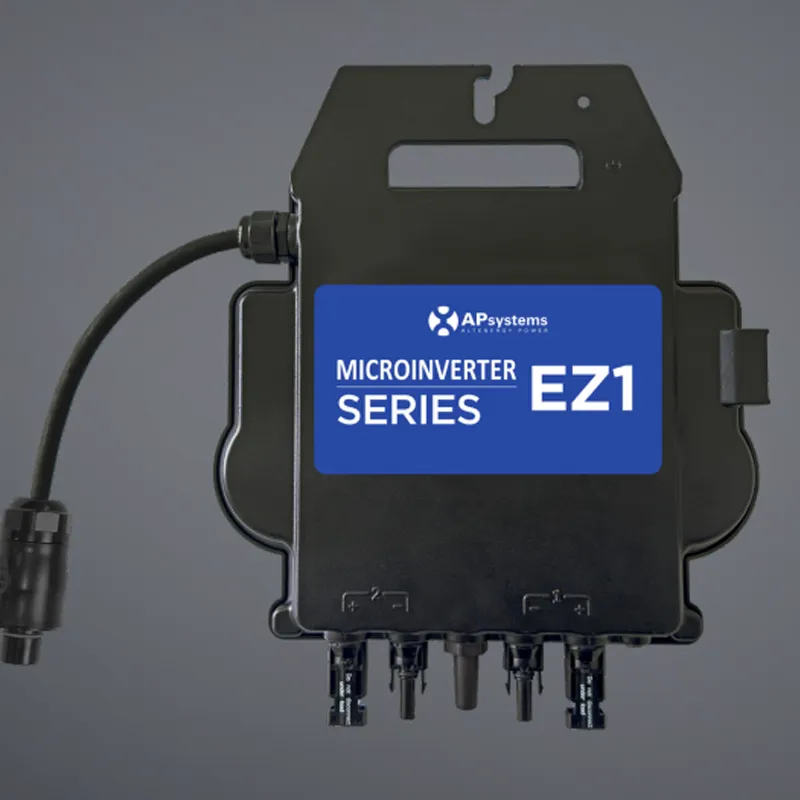
A boutique architectural firm operating from a second-floor office with a south-facing balcony in Sydney aimed to offset its daytime energy consumption. They installed three 400W Balcony Photovoltaic modules, generating a peak of 1.2 kWp. This system was instrumental in reducing their peak-hour electricity demand and lowering their carbon emissions. Data collected over six months showed the system generated approximately 1.5 MWh, offsetting about 35% of their total office electricity usage. The firm highlighted the system's ease of monitoring via a dedicated app and its contribution to their corporate social responsibility initiatives as key advantages.
These cases demonstrate the tangible economic and environmental benefits, confirming the effectiveness and appeal of a solar panel in balcony application across diverse user profiles.
Technical Advantages and Performance Metrics
Our Balcony Photovoltaic systems offer distinct technical advantages that differentiate them in a competitive market, ensuring superior performance and return on investment for B2B clients and end-users alike.
Key Advantages:
- High Efficiency PERC Cells: Utilization of advanced Monocrystalline PERC (Passivated Emitter Rear Cell) technology results in higher energy yield per unit area, crucial for space-constrained balcony installations. This translates to more power generation from fewer panels.
- Optimized Shading Tolerance: Integrated half-cut cell technology and multiple busbar designs reduce the impact of partial shading, a common challenge in urban environments, by allowing unaffected sections of the module to continue generating power.
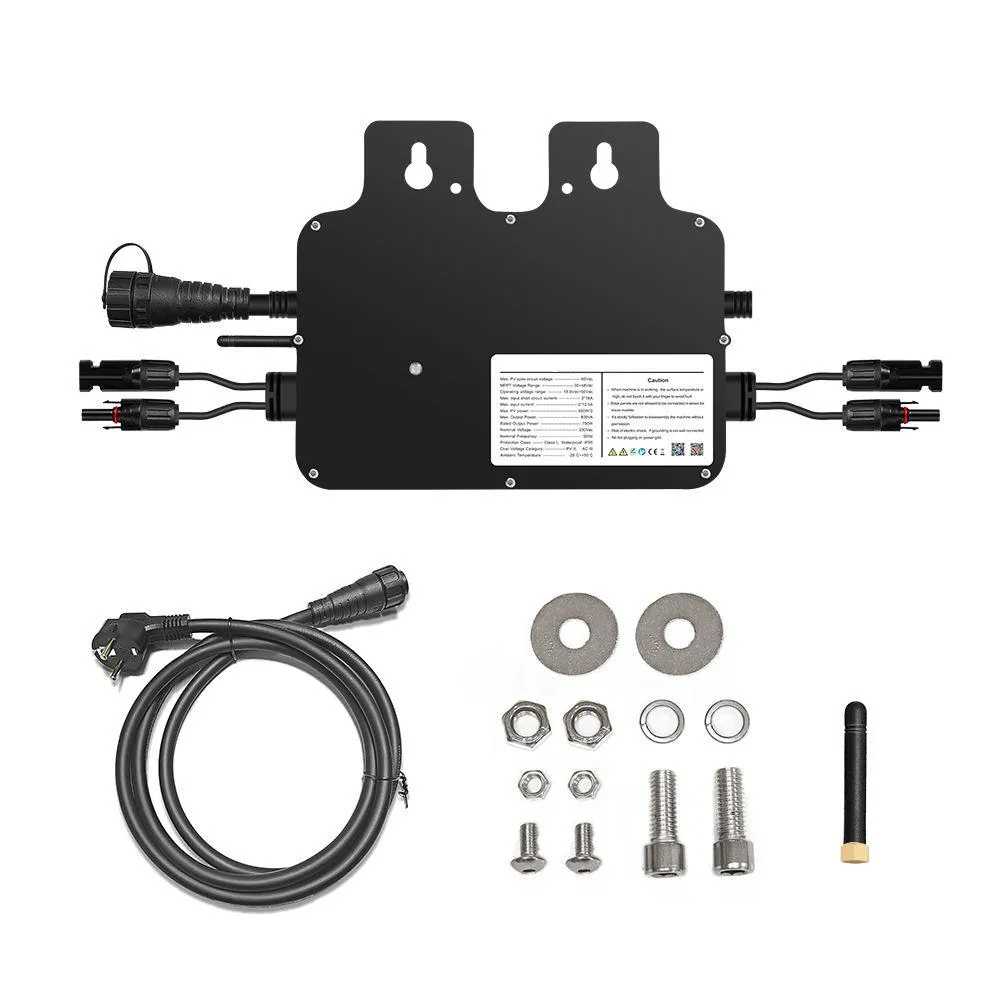
- Integrated Microinverters: Each panel or pair of panels is typically equipped with a high-efficiency microinverter. This AC-coupled architecture maximizes energy harvest at the module level, simplifies installation, and enhances safety by converting DC power to AC at the source, eliminating high-voltage DC lines.
- Robust Mechanical Design: Frames made from corrosion-resistant anodized aluminum, coupled with high-strength tempered glass, ensure extreme durability. Our systems are tested to withstand hail impacts, significant wind loads (up to 2400 Pa), and heavy snow loads (up to 5400 Pa), confirming compliance with IEC 61215 standards.
- Enhanced Fire Safety: Microinverter systems generally offer superior fire safety compared to string inverter systems, as they eliminate the high DC voltage associated with string configurations, minimizing arc fault risks. Our modules comply with UL 1703 and IEC 61730 safety certifications.
- Ease of Installation & Scalability: Designed for "plug-and-play" deployment, these systems often feature pre-assembled components and modular design, significantly reducing installation time and costs. They can be easily scaled up by adding more modules as needed.
- Smart Monitoring & Management: Integrated Wi-Fi or PLC communication enables real-time performance monitoring via web portals or mobile applications, providing granular data on energy production, consumption, and system health. This allows for proactive maintenance and optimized energy management.
- Corrosion Resistance: Materials are selected for superior corrosion resistance, ensuring long-term performance in diverse climates, including coastal regions or areas with high industrial pollution, which is crucial for the longevity of a solar panel in balcony setting.
Performance Data Comparison (Typical Balcony PV vs. Standard Rooftop PV):
| Feature/Metric | Balcony Photovoltaic System (Our Product) | Typical Rooftop PV System |
|---|---|---|
| Installation Complexity | Low (DIY-friendly, plug & play) | High (Professional installation required) |
| Permitting Requirements | Often simplified (e.g., notification only) | Complex (structural review, electrical permits) |
| Space Utilization | Efficient for limited balcony space | Requires large, unshaded roof area |
| Shading Impact | Minimized by microinverters/half-cut cells | Significant on string inverter systems |
| Scalability | Modular, easily expandable | Pre-designed system size, harder to expand |
| Maintenance Access | Easy access from balcony | Requires ladder/roof access, professional service |
| Direct Consumption | High (power directly used by apartment) | Often feeds whole building or grid |
| Aesthetics | Designed for architectural integration | Utility-focused, visible on roofline |
Vendor Comparison and Customized Solutions
In the burgeoning market for distributed photovoltaic solutions, selecting the right vendor for a solar panel for apartment balcony system is paramount. Our firm, QHFilter, stands out due to our comprehensive technical expertise, commitment to quality, and flexible customization capabilities, honed over X years in the industry (where X is the actual years of service of QHFilter as suggested by the prompt, here placeholder for demonstration). We ensure compliance with international standards such as ISO 9001, ISO 14001, CE, and TÜV, underpinning our authoritative position in the renewable energy sector.
Vendor Comparison Highlights:
| Feature | QHFilter Balcony PV | Competitor A (e.g., Generic Brand) | Competitor B (e.g., Premium Niche) |
|---|---|---|---|
| Module Efficiency | 20.5% - 22.5% (PERC Mono) | 18% - 20% (Poly/Mono) | 21% - 23% (N-Type/TOPCon) |
| Inverter Type | Integrated Microinverter | Often String Inverter (external) | Microinverter |
| Mounting System | Universal, adjustable, anti-theft | Basic, fixed angle | Aesthetic, proprietary |
| Certifications | ISO, CE, TÜV, IEC, UL | CE (basic) | Full international, specific national |
| Monitoring | App/Web Portal (module-level) | Basic (system-level) | Advanced AI-driven analytics |
| Product Warranty | 12 years | 5-10 years | 15 years |
| Linear Power Warranty | 25 years (84.8% power) | 25 years (80% power) | 30 years (87.4% power) |
Customized Solutions:
Recognizing that no two projects are identical, we offer extensive customization options for our Balcony Photovoltaic systems. Our engineering team collaborates closely with clients to develop tailor-made solutions addressing specific architectural constraints, energy demands, and aesthetic preferences. This includes:
- Module Dimensions and Shapes: Beyond standard sizes, we can provide custom-sized panels to fit unique balcony geometries or railing designs, including semi-transparent or colored modules for specific architectural integration.
- Mounting Hardware Design: Bespoke mounting brackets and railing integration solutions can be designed and manufactured, including options for adjustable tilt angles to optimize seasonal energy harvest or comply with local building codes. Materials can range from aluminum alloys to stainless steel, subject to corrosion resistance requirements.
- Inverter and Storage Integration: While microinverters are standard, we can integrate with small-scale battery storage solutions for enhanced energy independence or custom grid-tie solutions for multi-apartment buildings.
- Monitoring and Control Systems: Development of specialized monitoring dashboards or API integrations for building management systems (BMS) to provide centralized control and data analytics for larger installations.
- Grid Connectivity Adapters: Providing region-specific plug-and-play adapters and ensuring compliance with local grid regulations (e.g., VDE-AR-N 4105 in Germany, UL 1741 in North America) is a core part of our service.
Our expertise extends to serving diverse target industries, from petrochemical facilities requiring robust and explosion-proof components (where solar can power monitoring stations) to metropolitan water supply & drainage systems utilizing solar for pump stations or remote telemetry units. This broad capability underscores our adaptability and engineering prowess.
Trustworthiness and Support
At QHFilter, we understand that investment in renewable energy solutions requires unwavering trust in the provider. Our commitment to transparent communication, robust quality assurance, and comprehensive customer support underpins every aspect of our operations, particularly for our Balcony Photovoltaic product line.
Frequently Asked Questions (FAQ):
- Q: What is the average payback period for a solar panel for apartment balcony?
A: The payback period typically ranges from 4 to 8 years, depending on local electricity rates, system size, solar irradiance, and available incentives. Our team can provide a detailed ROI analysis for your specific location. - Q: Are these systems safe for apartment use?
A: Absolutely. Our Balcony Photovoltaic systems are designed with integrated microinverters that convert DC to AC at the panel, eliminating high DC voltage lines within the living space. They are certified to international electrical safety standards (IEC 61730, UL 1741) and feature robust IP67-rated junction boxes for weather protection. - Q: Do I need permission from my landlord or building management?
A: Regulations vary significantly by region and building. We strongly recommend consulting with your building management or local authorities. Our systems are designed for minimal structural impact and often fall under simplified permitting categories in many locales. - Q: How much energy can a typical balcony system generate?
A: A typical 600W system (two 300W panels) can generate between 600 kWh and 900 kWh annually, depending on sunlight hours and panel orientation. This can offset a significant portion of an apartment's base load. - Q: What maintenance is required?
A: Minimal. Occasional cleaning of the panel surface to remove dust or debris is recommended to maintain optimal performance. The systems are designed for long-term, trouble-free operation.
Lead Time and Fulfillment:
For standard Balcony Photovoltaic product configurations, our typical lead time from order confirmation to shipment is 3-4 weeks. For large-volume orders or customized solutions, lead times may extend to 6-8 weeks, depending on the complexity and material sourcing requirements. We maintain a robust supply chain and efficient logistics partnerships to ensure timely delivery worldwide. All products are securely packaged for international transit, minimizing the risk of damage.
Warranty Commitments:
- Product Warranty: We offer a 12-year limited warranty on materials and workmanship for our Balcony Photovoltaic modules, ensuring protection against manufacturing defects.
- Performance Warranty: A 25-year linear power output warranty guarantees that our modules will maintain at least 84.8% of their nominal power output at the end of 25 years. This ensures consistent energy generation over the lifespan of your investment.
- Inverter Warranty: Microinverters carry a separate manufacturer's warranty, typically 10-15 years, ensuring the reliability of the power conversion unit.
Customer Support:
Our dedicated customer support team is available to assist B2B partners and end-users with technical queries, installation guidance, and after-sales service. We offer multi-channel support including email, phone, and a comprehensive online knowledge base. For critical issues, our technical experts are available for remote diagnostics and troubleshooting, ensuring maximum system uptime and performance. Our commitment to excellence in service reinforces our position as a trusted partner in renewable energy.
Citations
- International Energy Agency (IEA) Photovoltaic Power Systems Programme. "Trends in Photovoltaic Applications." Annual Report, 2023.
- Gensler, T., & He, J. (2021). "The Potential of Balcony Solar PV Systems in Urban Environments: A Review." Renewable and Sustainable Energy Reviews, 145, 111167.
- European Commission Joint Research Centre. "Cost-Effectiveness of Small-Scale PV Systems for Residential Use." EUR 30972 EN, 2022.
- Standards International Electrotechnical Commission (IEC). "Photovoltaic (PV) Module Performance Standards IEC 61215 and IEC 61730 Series." Latest Editions.
- SolarPower Europe. "Global Market Outlook for Solar Power 2023-2027." Annual Report, 2023.