Apartment Balcony Solar Panels: Easy Installation & Savings
Industry Trends: The Rise of Distributed Balcony Photovoltaics
The global energy landscape is undergoing a significant transformation, driven by an urgent need for sustainable power solutions and increasing energy independence. Among the most innovative and accessible solutions gaining traction is the solar panel for apartment balcony. This segment of distributed generation is revolutionizing how urban dwellers interact with renewable energy, moving from large-scale utility projects to individual, household-level power generation.
Recent market analyses indicate a Compound Annual Growth Rate (CAGR) exceeding 20% for the global micro-inverter and balcony solar systems market over the next five years. This growth is fueled by several factors: escalating electricity prices, supportive government policies promoting renewable energy adoption in residential sectors, and advancements in photovoltaic technology that make panels more efficient, compact, and aesthetically pleasing. Furthermore, the growing awareness of carbon footprints and the desire for self-sufficiency among consumers are powerful drivers. The concept of a solar panel in balcony settings is evolving rapidly, with integrated designs becoming more common, offering both energy generation and architectural enhancement.
Beyond residential applications, the underlying technologies for these compact solar solutions are also influencing other niche markets, such as specialized solar fencing for security and minor power needs in remote areas. While our primary focus remains on urban residential applications, it's clear that the innovation propelling balcony PV systems has broader implications for distributed energy solutions. This trend highlights a fundamental shift towards decentralization, empowering individuals and small businesses to actively participate in the energy transition.
Process Flow: Manufacturing Excellence for Balcony Photovoltaics
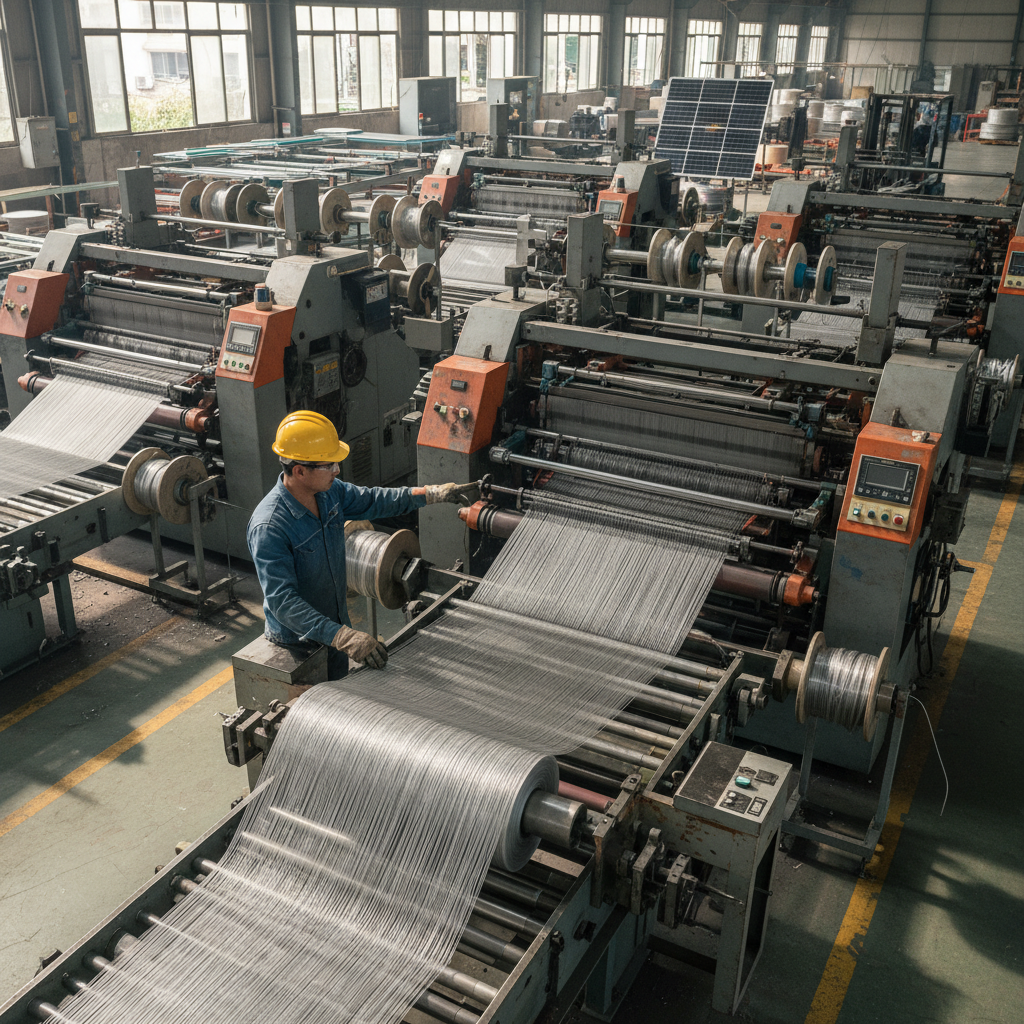
The quality and longevity of a solar panel for apartment balcony are directly tied to its manufacturing process, which adheres to rigorous industry standards to ensure optimal performance and durability. Our Balcony Photovoltaic solutions are produced through a sophisticated, multi-stage process, integrating advanced materials and precision engineering.
Key Manufacturing Stages for PV Modules:
- Silicon Ingot Growth & Wafer Slicing: High-purity silicon is melted and grown into monocrystalline ingots using the Czochralski method or cast into multicrystalline blocks. These ingots are then precisely sliced into thin wafers, typically 160-200 micrometers thick, using wire saws. This stage is critical for the crystalline structure, directly impacting cell efficiency.
- Cell Fabrication (Doping, Texturing, Anti-Reflective Coating, Contact Printing): Wafers undergo doping (e.g., phosphorus for N-type, boron for P-type) to create a p-n junction. Surface texturing with chemical etchants reduces reflectance, while an anti-reflective coating (e.g., silicon nitride) maximizes light absorption. Finally, conductive silver pastes are screen-printed to form front and back electrical contacts, which are then fired in a furnace. Advanced PERC (Passivated Emitter Rear Cell) technology is often integrated here to enhance efficiency by reducing electron recombination.
- Module Assembly (Lamination): Individual solar cells are interconnected in series and parallel using thin copper ribbons. This cell string is then encapsulated between a tempered glass front sheet (offering high light transmittance and mechanical strength) and a durable backsheet (providing electrical insulation and moisture barrier), with EVA (Ethylene Vinyl Acetate) film acting as an adhesive and protective layer. This "sandwich" is then laminated under heat and pressure in a vacuum, ensuring no air bubbles and preventing moisture ingress.
- Frame Application & Junction Box Integration: An anodized aluminum frame is applied to the laminated module. This frame provides structural integrity, protects the edges, and facilitates mounting. A weather-resistant junction box, containing bypass diodes and connection terminals, is affixed to the backsheet. Bypass diodes are crucial for mitigating power loss due to partial shading.
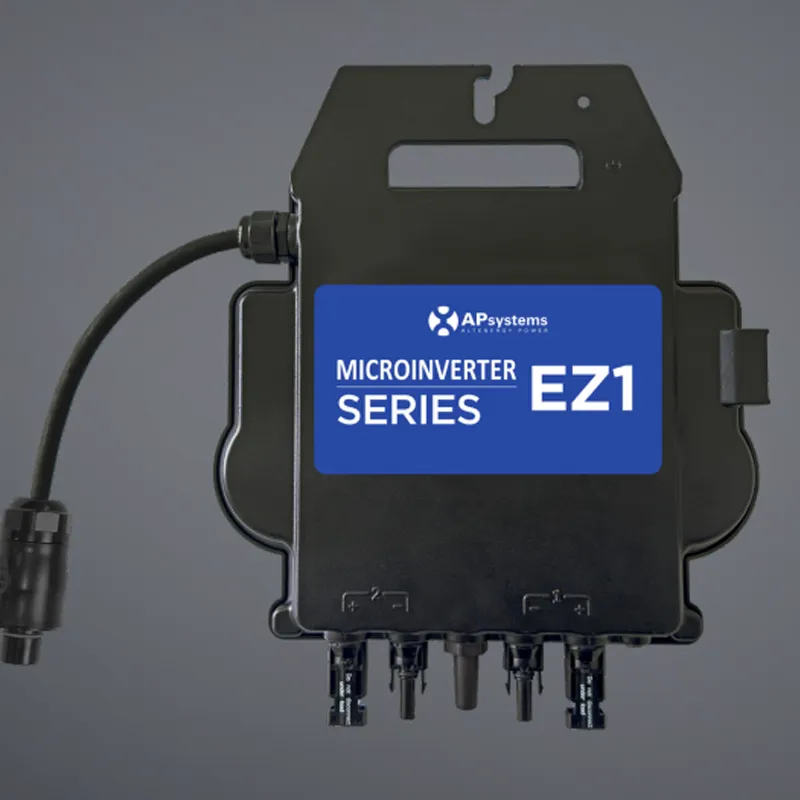
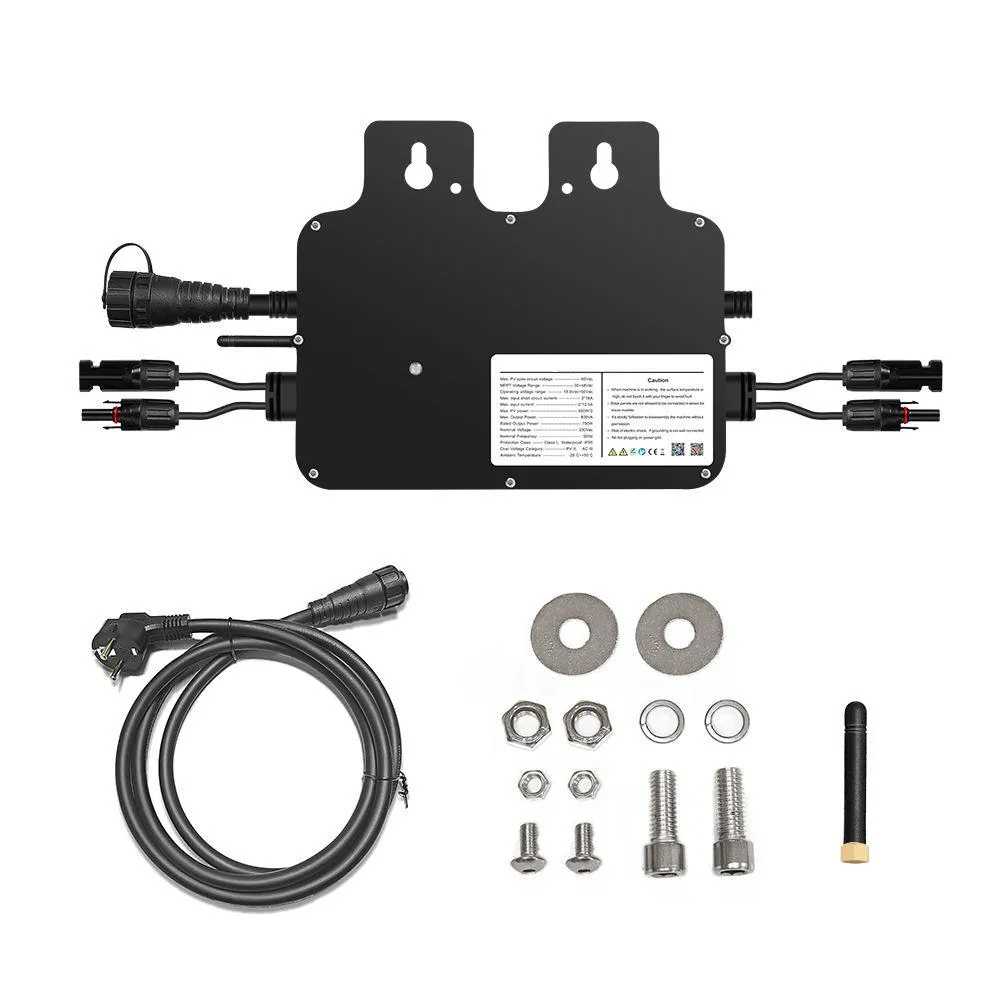
- Integrated Micro-inverter & Cabling: For balcony photovoltaic systems, a high-efficiency micro-inverter is often integrated directly onto the module's frame or junction box. This AC-ready design simplifies installation and optimizes energy harvest from each panel independently. Pre-attached cabling with standard connectors (e.g., MC4 for DC, household plugs for AC) ensures plug-and-play functionality.
- Testing and Quality Control: Each completed solar panel in balcony configuration undergoes rigorous testing. This includes flash testing to measure actual power output (Pmax) under standard test conditions (STC), insulation resistance tests, electroluminescence (EL) inspection to detect micro-cracks or cell defects, and visual inspections for cosmetic flaws. Modules must pass stringent performance and safety tests, often adhering to IEC 61215 and IEC 61730 standards.
Materials and Advantages:
- Materials: We utilize high-grade monocrystalline silicon cells (for superior efficiency), low-iron tempered glass (for maximum light transmission), UV-resistant EVA, durable polymer backsheets, and robust anodized aluminum frames. Critical components like junction boxes and micro-inverters are sourced from reputable manufacturers, ensuring compliance with ISO 9001 and ISO 14001 standards.
- Manufacturing Processes: While traditional casting, forging, and CNC machining are not direct steps for PV cell creation, precision CNC machining is employed in the fabrication of robust mounting hardware and aluminum frames, ensuring perfect fit and long-term stability in outdoor conditions. The high-level automation and stringent process control minimize human error and guarantee consistency.
- Testing Standards: Our products are certified under international standards such as ISO 9001 (Quality Management), ISO 14001 (Environmental Management), CE (European Conformity), TÜV Rheinland, and meet the performance and safety requirements of IEC 61215 and IEC 61730. These certifications assure reliability and adherence to global benchmarks.
- Service Life: Thanks to advanced materials and stringent manufacturing, our Balcony Photovoltaic panels offer a product warranty of 12 years and a linear performance warranty guaranteeing 80% power output after 25 years, signifying exceptional durability and long-term return on investment.
- Advantages in Application Scenarios:
- Energy Saving: Directly offsets household electricity consumption, significantly reducing utility bills.
- Corrosion Resistance: High-grade materials and sealing techniques ensure excellent resistance to salt mist, ammonia, and sand abrasion, making them suitable for diverse environmental conditions, including coastal areas.
- Ease of Installation: Designed for DIY or minimal professional installation, typically plugging directly into a standard wall socket (grid-tied).
- Modular Scalability: Systems can be easily expanded by adding more units, offering flexibility to users' energy needs.
Application Scenarios & Technical Advantages
The versatility and technical sophistication of the solar panel for apartment balcony make it suitable for a broad spectrum of urban residential applications, offering tangible benefits to end-users and contributing to grid stability.
Primary Application Scenarios:
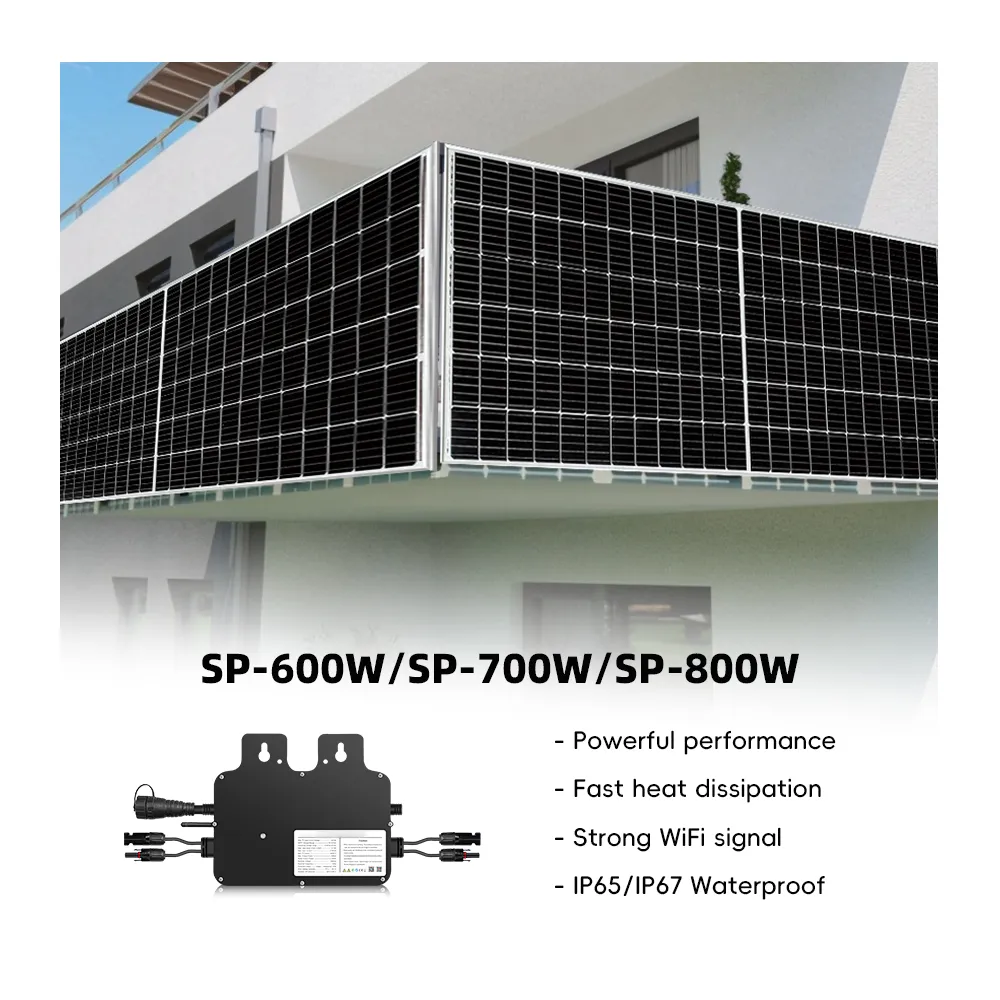
- Apartment Buildings & Condominiums: Ideal for residents looking to reduce their electricity bills and environmental footprint without extensive rooftop installations. The modular design allows for flexible placement on balcony railings.
- Rented Properties: Due to their ease of installation and removal, these systems are perfect for renters who cannot make permanent alterations to their dwelling but wish to leverage solar energy.
- Small Businesses & Home Offices: Provides a supplementary power source, ensuring critical loads like computers, lighting, and small appliances run on clean energy during peak demand, optimizing operational costs.
- Distributed Energy Generation Projects: Contributes to localized grid stability by offsetting demand directly at the point of consumption, reducing transmission losses and alleviating strain on central power plants.
- Educational & Awareness Initiatives: Acts as a visible, tangible example of renewable energy in action, educating residents and visitors on sustainable practices.
Technical Advantages:
- Integrated Micro-inverters: Each solar panel in balcony setup typically includes a micro-inverter, which converts DC electricity from the panel directly into AC electricity suitable for household use. This enhances system efficiency by optimizing power output from individual panels, minimizing the impact of partial shading, and offering module-level monitoring.
- Plug-and-Play Design: Engineered for simplicity, these systems are largely 'plug-and-play.' The AC output from the micro-inverter can often be plugged directly into a standard electrical socket (within local regulations), making installation highly accessible for non-specialists.
- High Efficiency Cells: Utilizing monocrystalline PERC (Passivated Emitter Rear Cell) technology, our panels achieve efficiencies exceeding 21%, maximizing power generation from a limited surface area. This ensures optimal energy harvest even with the compact footprint typical of balcony installations.
- Robust Construction: Designed to withstand harsh urban environments, the panels feature tempered glass, robust aluminum frames, and are rated for high wind and snow loads. They are resistant to salt mist corrosion (IEC 61701 certified) and ammonia exposure (IEC 62716 certified), ensuring longevity.
- Safety and Compliance: All components are rigorously tested and certified to international safety standards (e.g., IEC 61215, IEC 61730, CE, TÜV). Integrated rapid shutdown capabilities and ground fault protection enhance electrical safety.
- Smart Monitoring: Many systems come with Wi-Fi connectivity, allowing users to monitor real-time energy production, track savings, and identify any performance issues via a smartphone app or web portal. This transparency empowers users to manage their energy consumption effectively.
Vendor Comparison and Customized Solutions
Choosing the right solar panel for apartment balcony involves evaluating various vendors based on product quality, technological innovation, customer support, and customization capabilities. Our Balcony Photovoltaic solution stands out through a commitment to superior engineering and adaptable designs.
Competitive Landscape Analysis:
The market for balcony solar systems features a range of manufacturers, from established utility-scale PV providers adapting their products to specialized micro-PV developers. Key differentiation points include:
- Module Efficiency: While many offer standard efficiencies, our commitment to high-density monocrystalline cells and advanced cell architectures (e.g., half-cut, PERC) ensures leading energy output per square meter.
- Inverter Technology: Some competitors use centralized string inverters for multiple panels, which can be less efficient under partial shading. Our integrated micro-inverter approach guarantees module-level optimization, translating to higher overall system yield and reliability.
- Mounting Systems: Many offer basic fixed mounts. We provide adjustable, universal balcony railing mounts that allow for optimal tilt angle customization, maximizing solar exposure throughout the day and year.
- Certifications and Warranty: While basic CE certification is common, our adherence to stringent IEC standards (61215, 61730) and comprehensive warranty terms (12-year product, 25-year performance) reflects a higher commitment to product quality and longevity.
- Aesthetics and Integration: Beyond mere functionality, our designs prioritize sleek integration, offering frameless or minimalist options that blend seamlessly with modern building aesthetics, crucial for solar panel in balcony installations.
Product Comparison Table: Leading Balcony PV Solutions
| Feature/Vendor | Our Balcony PV | Competitor A (Entry-Level) | Competitor B (Premium) |
|---|---|---|---|
| Peak Power (per panel) | 300-450W | 250-350W | 350-480W |
| Module Efficiency | 21.5% - 22.5% | 18.5% - 20.0% | 21.0% - 23.0% |
| Inverter Type | Integrated Micro-inverter | External Micro-inverter or String | Integrated Micro-inverter |
| Mounting System | Adjustable, Universal Balcony Rail | Fixed Angle Mount | Proprietary Adjustable Mount |
| Installation | Plug-and-Play (AC) | DIY (AC), some wiring | Plug-and-Play (AC) |
| Product Warranty | 12 Years | 5-10 Years | 10-15 Years |
| Performance Warranty | 25 Years (80% output) | 20-25 Years (70-80% output) | 25-30 Years (85% output) |
| Smart Monitoring | Yes (App/Web Portal) | Optional/Basic | Advanced (App/Web) |
Customized Solutions for B2B Clients:
For B2B partners, we offer comprehensive customization options to integrate balcony photovoltaics seamlessly into diverse projects:
- Bulk Ordering & Logistics: Tailored pricing models and logistics solutions for large-scale deployments, catering to property developers, housing associations, and urban renewable energy initiatives.
- Branding & Aesthetics: Options for custom branding on panels, specific frame colors, or even frameless designs to match architectural requirements. This is particularly valuable for residential complexes or commercial buildings aiming for a unified aesthetic.
- Advanced Monitoring & Integration: Integration with existing building management systems (BMS) for centralized monitoring of energy generation across multiple units. API access for data analytics and reporting.
- Installation Support & Training: Provision of detailed installation guides, technical training for maintenance teams, and on-site support for complex deployments.
- Regulatory Compliance Consulting: Assistance in navigating local permitting, grid connection regulations, and incentive programs for large-scale balcony PV installations.
- Hybrid Solutions: Development of integrated solutions that combine balcony PV with other energy systems, such as small-scale energy storage or smart home energy management platforms, for enhanced resilience and efficiency.
Our expertise extends beyond the standard product, offering tailored support to ensure that solar panel for apartment balcony solutions are not just installed, but optimized for long-term performance and client satisfaction.
Application Case Studies & Customer Testimonials
The real-world impact of our Balcony Photovoltaic systems is best demonstrated through successful implementations and feedback from our valued clients. These examples underscore the practical benefits and reliability of a solar panel for apartment balcony.
Case Study 1: Urban Residential Complex, Berlin, Germany
Challenge: A modern apartment complex in Berlin aimed to achieve a higher energy efficiency rating and offer residents a tangible benefit in reducing their utility costs, without undertaking complex rooftop solar installations due to architectural constraints and shared ownership complexities.
Solution: We partnered with the property developer to install a total of 120 units of our 400W Balcony Photovoltaic systems across 60 apartments, with two units per south-facing balcony. The plug-and-play design and easy-to-install mounting hardware streamlined the deployment process significantly.
Results: The deployment resulted in an average electricity bill reduction of 20-25% for participating residents, equivalent to approximately 300-400 EUR annually per apartment. The project enhanced the building's green credentials and increased resident satisfaction. The local grid operator also noted a measurable reduction in peak demand from the complex during sunny periods, demonstrating the distributed generation benefit. The system generated over 48 MWh of clean electricity in its first year of operation.
Case Study 2: Boutique Hotel, Coastal Region, Spain
Challenge: A boutique hotel located in a coastal region sought to reduce its energy overheads and project a sustainable image to its eco-conscious clientele. The coastal environment posed a challenge for equipment durability due to salt mist corrosion.
Solution: We provided a customized solution involving 30 units of our 350W Balcony Photovoltaic systems installed on the guest room balconies. Our panels' IEC 61701 certified salt mist corrosion resistance was a key factor in this selection. The system was integrated with a central monitoring platform, allowing the hotel management to track energy production and savings.
Results: The hotel successfully offset a significant portion of its common area lighting and appliance loads, achieving a 15% reduction in overall electricity consumption during peak season. This translated to substantial operational savings and enhanced the hotel's brand as a sustainable tourism destination. The robust design has shown no signs of degradation after two years of operation in the challenging coastal climate.
Customer Testimonials:
"Implementing the Balcony Photovoltaic system across our new development was remarkably straightforward. The professionalism of the team and the superior product quality truly delivered on our promise to offer sustainable living. Our residents are thrilled with the savings, and we appreciate the seamless integration."
"As a property manager, I was looking for a low-maintenance, high-impact solution for our tenants. The solar panel in balcony systems exceeded our expectations. The installation was quick, and the reliability has been flawless. It’s a win-win for both property value and tenant satisfaction."
Trustworthiness & Support: FAQ, Lead Time, Warranty, Customer Service
Our commitment to our clients extends beyond product delivery. We build trust through transparency, reliable support, and robust guarantees for every solar panel for apartment balcony system.
Frequently Asked Questions (FAQ):
- Q1: How much energy can a typical Balcony Photovoltaic system generate?
- A1: A single 400W solar panel in balcony unit can generate approximately 400-600 kWh annually, depending on local solar irradiation, panel orientation, and shading. This can offset a significant portion of a household's base electricity load.
- Q2: Is a permit required for installation?
- A2: Requirements vary significantly by region and country. In many areas, micro-PV systems under a certain wattage (e.g., 600W or 800W per household) are considered 'plug-in' devices and may not require extensive permitting. However, it is crucial to check with local authorities, building management, and your electricity provider beforehand. We can provide guidance on common regulatory frameworks.
- Q3: How durable are these systems?
- A3: Our Balcony Photovoltaic panels are built for extreme conditions. They feature tempered glass, robust aluminum frames, and are tested for resistance to salt mist, ammonia, and high wind/snow loads. They come with a 12-year product warranty and a 25-year performance warranty.
- Q4: Can these systems be used off-grid?
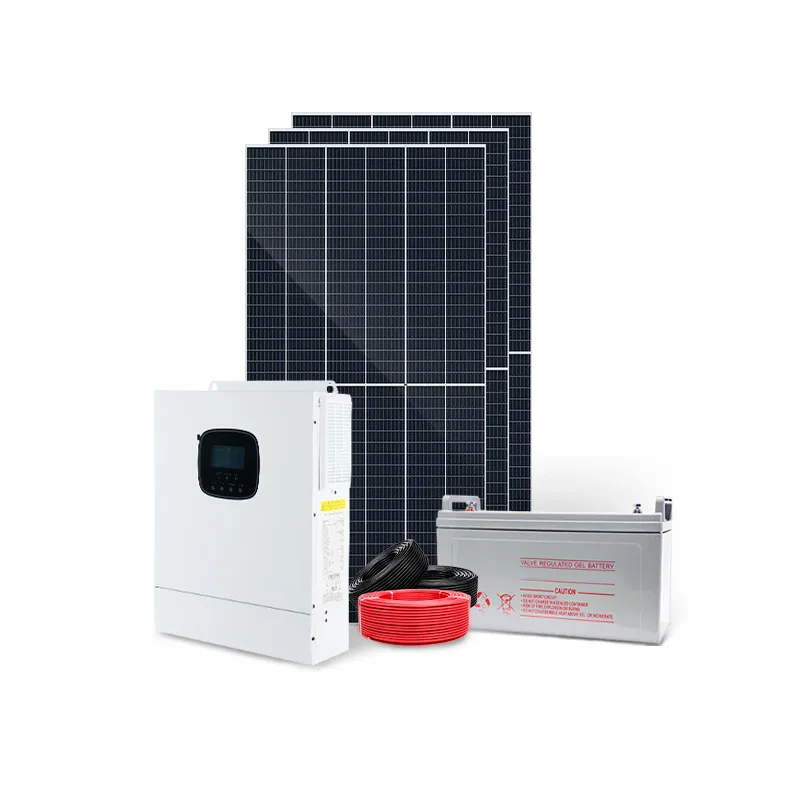
- A4: Our standard Balcony Photovoltaic systems are designed for grid-tied operation, meaning they feed power directly into your home's electrical system, offsetting consumption. For off-grid applications or backup power, an additional battery storage system and charge controller would be required, which we can also facilitate through customized solutions.
Lead Time & Fulfillment Details:
- Standard Orders: For standard configurations of Balcony Photovoltaic, typical lead times for shipment are 2-4 weeks from order confirmation, depending on volume and current stock levels.
- Bulk & Customized Orders: For larger B2B projects or customized solutions, lead times will be provided on a project-specific basis, typically ranging from 6-12 weeks, including design, manufacturing, and quality assurance. We maintain clear communication throughout the order fulfillment process.
- Logistics: We partner with reliable international freight carriers to ensure timely and secure delivery to your specified location, handling all necessary documentation for customs and shipping.
Warranty Commitments:
- Product Warranty: We offer a 12-year limited warranty on materials and workmanship for our Balcony Photovoltaic modules, ensuring the product is free from defects under normal use and service.
- Performance Warranty: Our panels come with a 25-year linear performance warranty, guaranteeing at least 90% of the nominal power output during the first 10 years and at least 80% up to the 25th year. This protects your long-term energy investment.
- Inverter Warranty: The integrated micro-inverters typically carry a separate manufacturer's warranty, often 10-15 years, which we facilitate and support.
Customer Support Information:
- Dedicated Support Team: Our technical support team is available to assist with pre-sales inquiries, installation guidance, and post-sales troubleshooting.
- Online Resources: Access comprehensive documentation, installation manuals, and FAQs through our website.
- Contact Channels: Reach us via phone, email, or our online contact form for prompt assistance. We are committed to ensuring a smooth and successful experience with our Balcony Photovoltaic solutions.
- Global Presence: With partners and distributors worldwide, we offer localized support and service wherever your project is located.
References
- International Electrotechnical Commission (IEC). IEC 61215: Terrestrial photovoltaic (PV) modules – Design qualification and type approval.
- International Electrotechnical Commission (IEC). IEC 61730: Photovoltaic (PV) module safety qualification.
- Fraunhofer Institute for Solar Energy Systems (ISE). "Photovoltaics Report." Regularly updated.
- SolarPower Europe. "Global Market Outlook for Solar Power." Annual Report.
- ISO (International Organization for Standardization). ISO 9001: Quality management systems.
- ISO (International Organization for Standardization). ISO 14001: Environmental management systems.