Comprehensive Guide to Durable and Versatile Stainless Steel Netting Applications
Understanding Stainless Steel Netting: A Comprehensive Guide
Stainless steel netting is a versatile material utilized across numerous industries, prized for its durability, corrosion resistance, and aesthetic appeal. From industrial filtration to architectural design, its applications are vast and continually expanding. This article dives into the properties, types, applications, and benefits of stainless steel netting, providing a comprehensive overview for potential buyers and those seeking a deeper understanding of this valuable material. Choosing the right netting can significantly impact the effectiveness and longevity of your project. Qhfilter is a leading manufacturer and supplier, dedicated to providing high-quality stainless steel netting solutions.
What is Stainless Steel Netting?
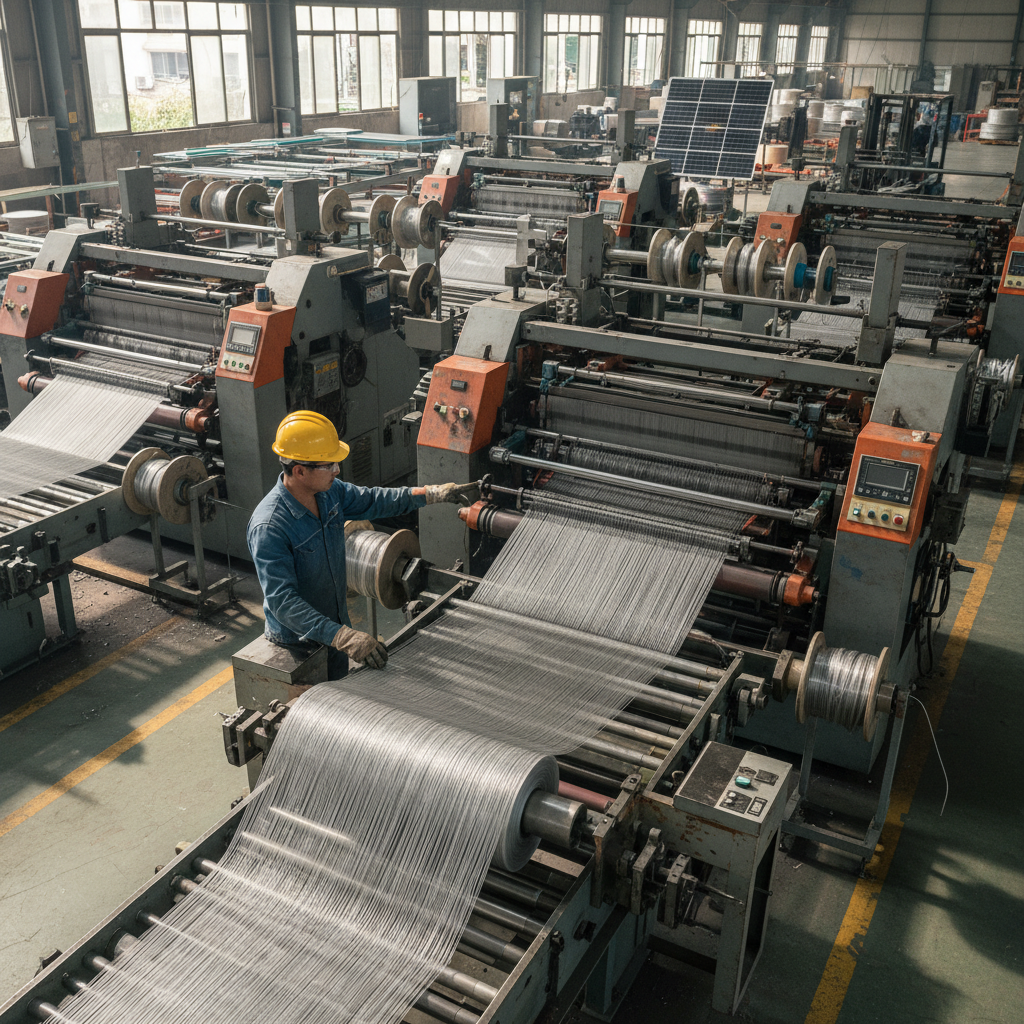
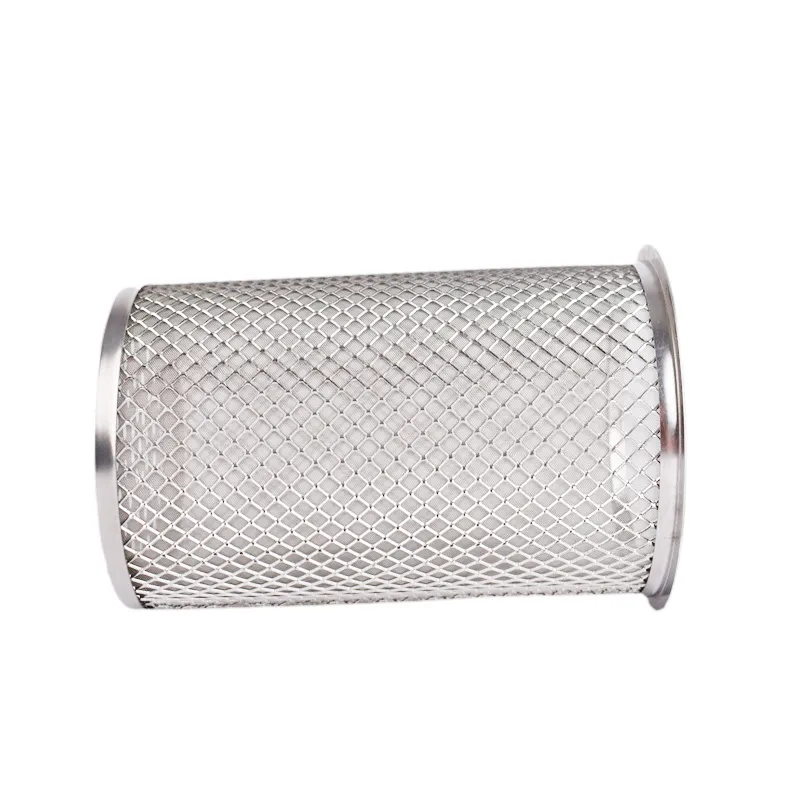
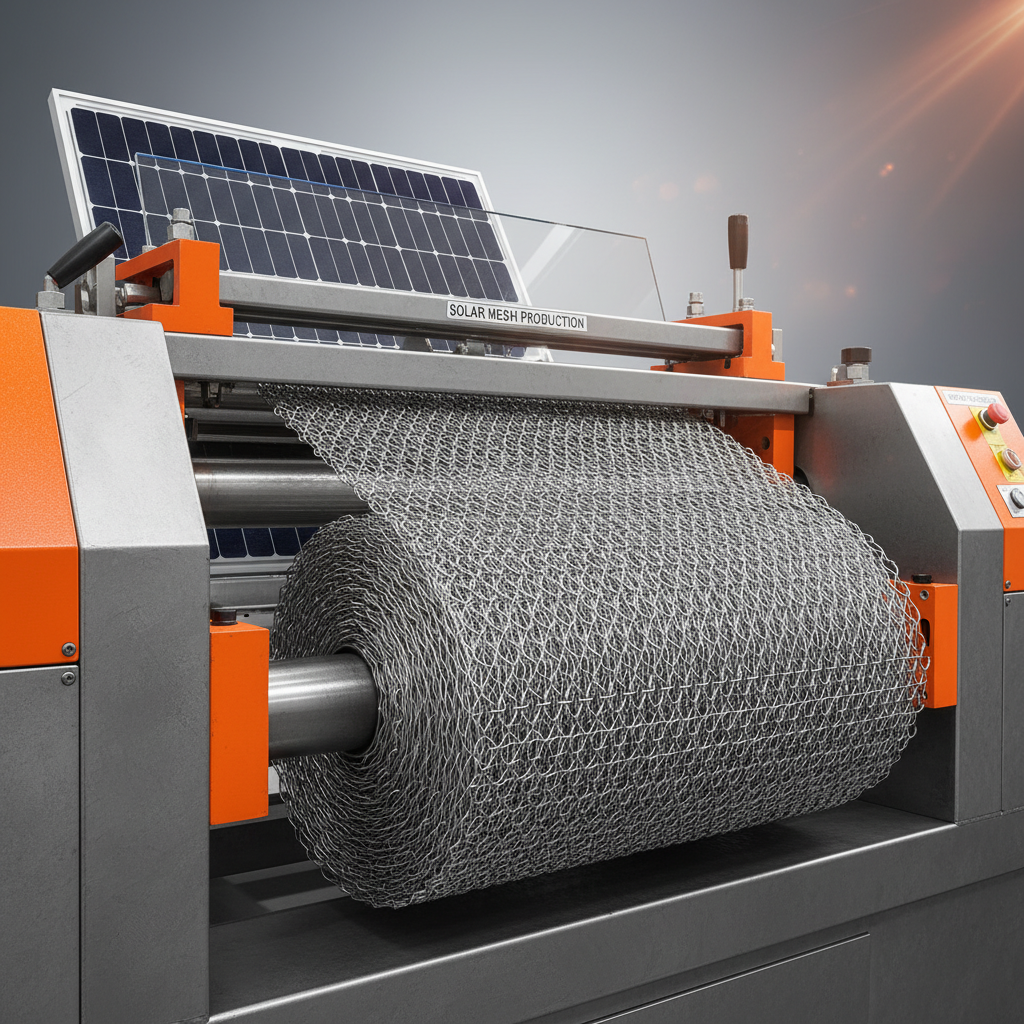
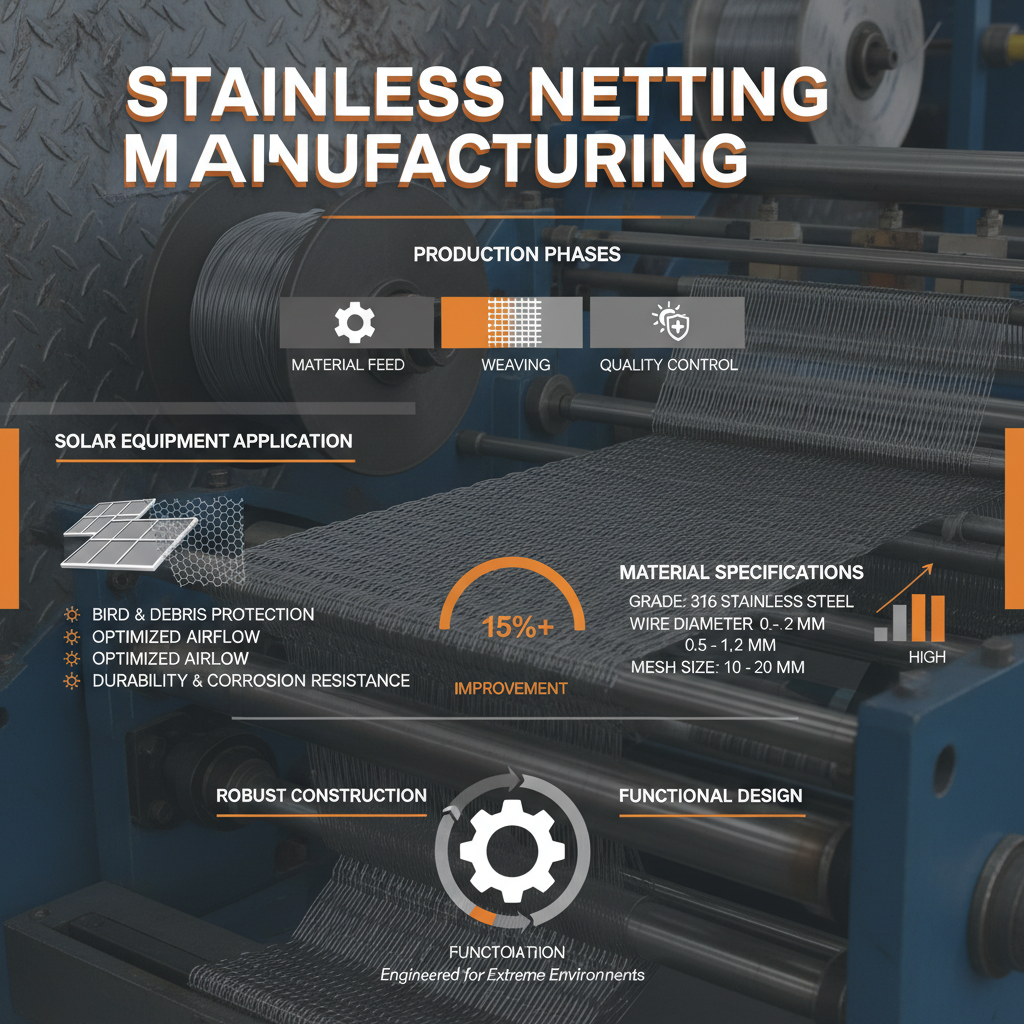
Stainless steel netting is a woven mesh constructed from stainless steel wires. The weaving process creates a strong and durable fabric with various mesh sizes and configurations. The inherent properties of stainless steel – its resistance to corrosion, high tensile strength, and aesthetic appeal – make it an ideal material for demanding applications. It’s typically made from grades 304, 316, and 316L stainless steel, each offering varying levels of corrosion resistance and cost. The choice of grade depends heavily on the intended environment and application.
Key Highlights: Corrosion resistance, high tensile strength, versatile applications, long lifespan, and aesthetically pleasing appearance.
Types of Stainless Steel Netting
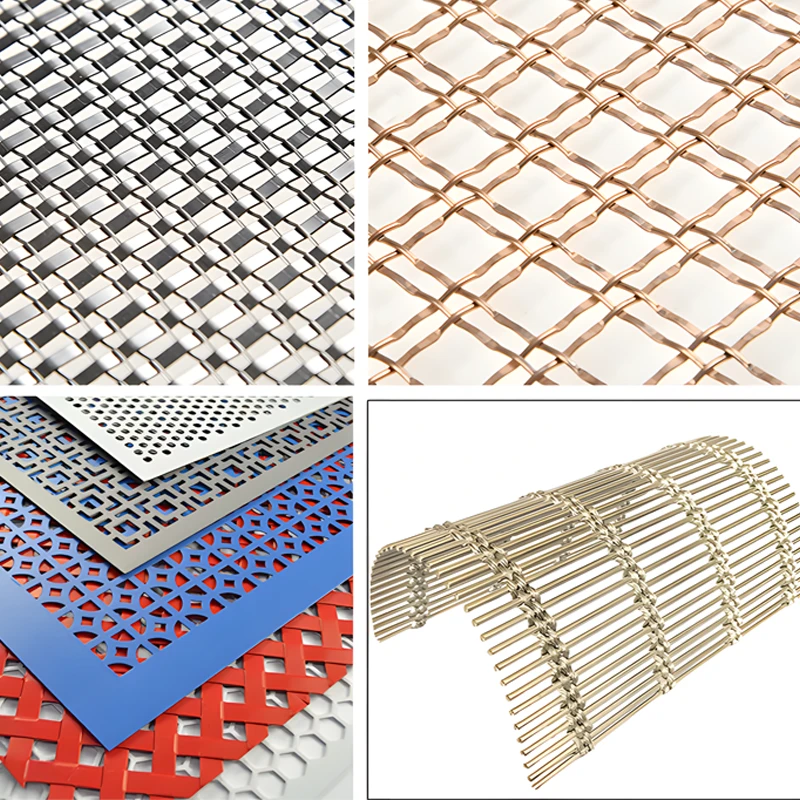
Stainless steel netting isn’t a ‘one-size-fits-all’ product. Different weaving patterns and wire diameters offer distinct properties suitable for various purposes. Common types include plain weave, twill weave, and dutch weave. Plain weave is the most common and offers good strength and stability. Twill weave provides greater flexibility and drapability. Dutch weave, characterized by alternating plain and twill weaves, is often used for filtration applications due to its high porosity. The netting from Qhfilter comes in these variations.
Netting Type Benefits:
• Plain Weave: Strong, stable, and versatile.
• Twill Weave: Flexible, drapable, and visually appealing.
• Dutch Weave: High porosity, ideal for filtration.
Applications of Stainless Steel Netting
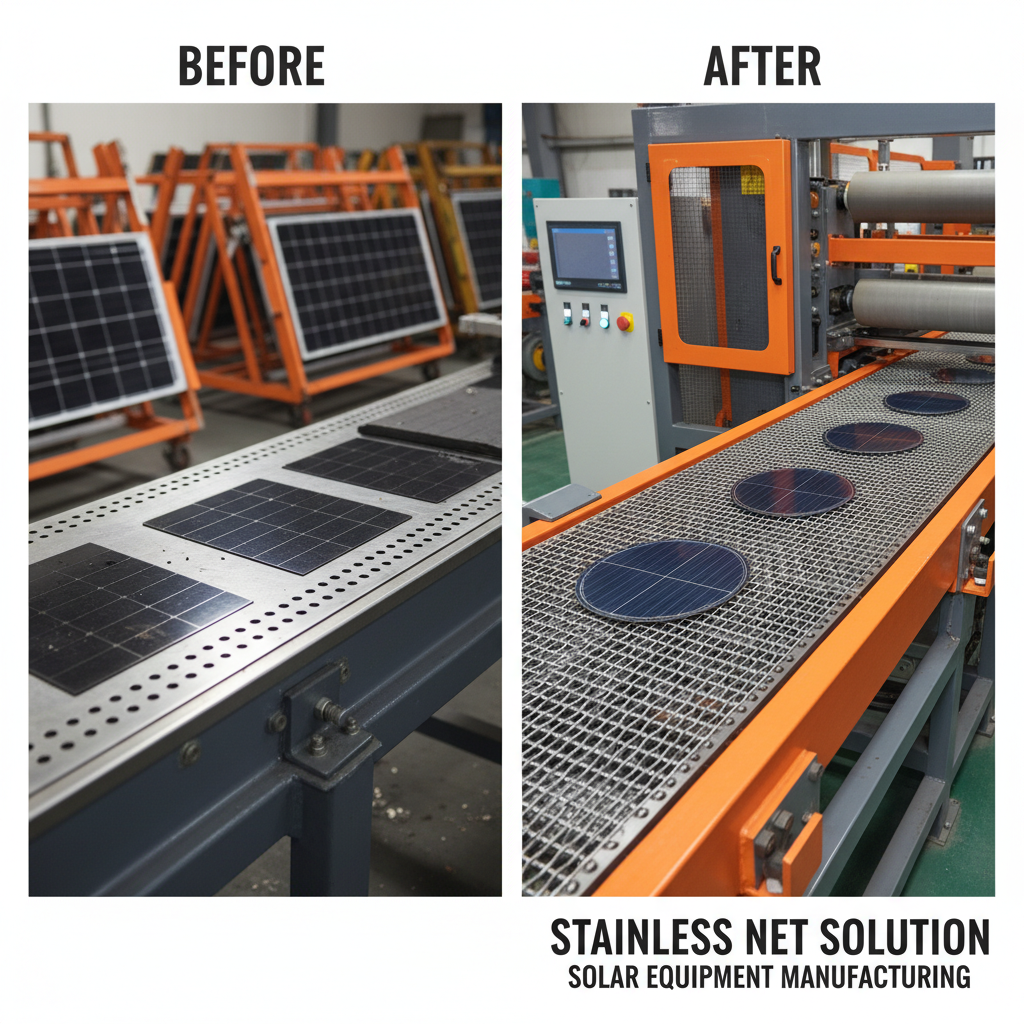
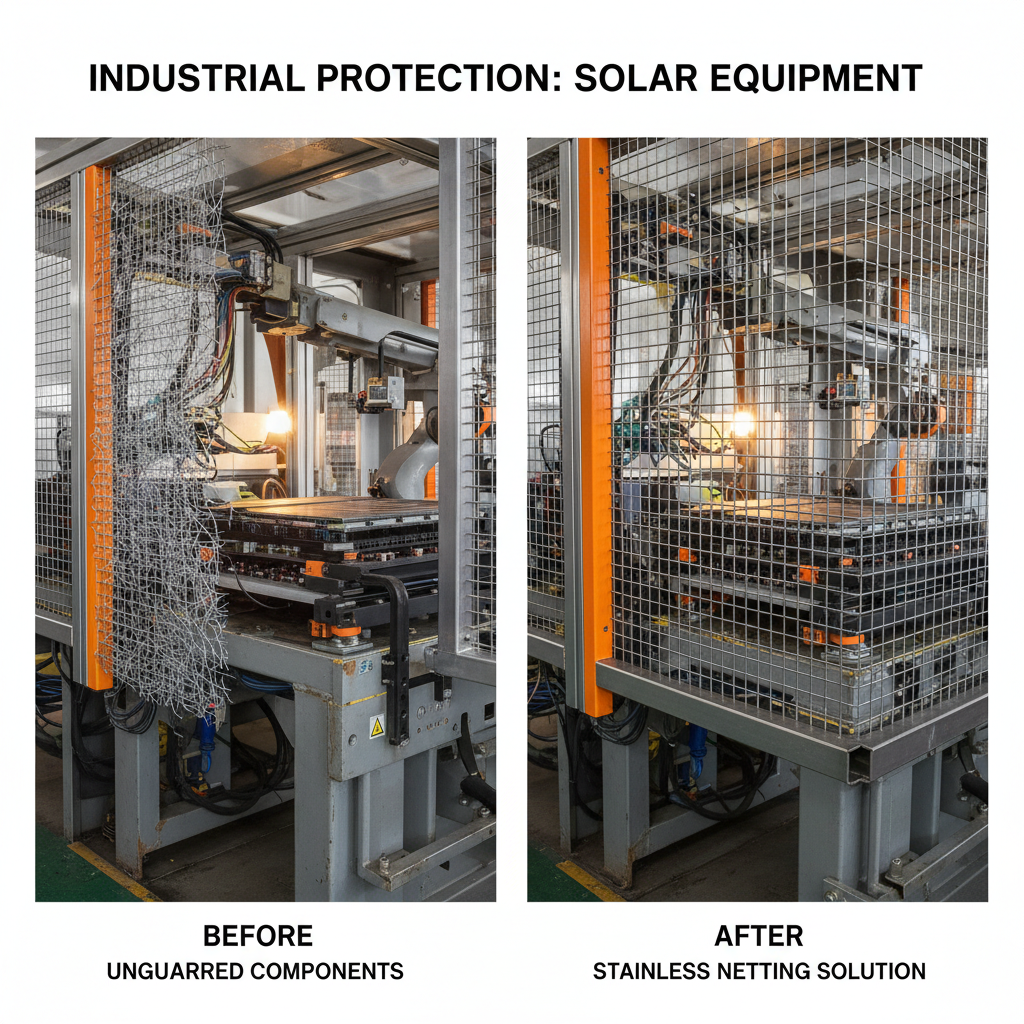
The diverse properties of stainless steel netting lead to a broad range of applications. In industrial settings, it's used for filtration, screening, and guarding. Architectural applications include facade cladding, safety netting, and decorative elements. Aquaculture utilizes it for constructing fish cages and barriers. Furthermore, it finds applications in the food and beverage industry, pharmaceutical manufacturing, and even the automotive sector. The adaptability of this material ensures its continued relevance across evolving industries.
Stainless Steel Netting Grades: 304 vs. 316
Choosing between 304 and 316 stainless steel is crucial for optimal performance. 304 stainless steel is a general-purpose grade offering excellent corrosion resistance in most environments. However, 316 stainless steel, containing molybdenum, provides superior resistance to chlorides and other harsh chemicals, making it ideal for marine environments and applications involving saltwater exposure. Here's a comparison:
Conclusion: Investing in Quality Stainless Steel Netting
Choosing the right stainless steel netting is an investment in longevity, performance, and safety. Understanding the different types, grades, and applications ensures you select the optimal material for your specific needs. Qhfilter offers a wide range of high-quality stainless steel netting solutions tailored to meet diverse requirements. Don’t compromise on quality – choose a trusted supplier like Qhfilter.
Frequently Asked Questions (FAQs)
What is the typical lifespan of stainless steel netting?
The lifespan of stainless steel netting is remarkably long, often exceeding several decades, due to its inherent corrosion resistance. However, factors like the grade of stainless steel, the environmental conditions, and the level of maintenance influence its longevity. Regular cleaning to remove debris and contaminants can significantly extend its lifespan. For demanding environments, periodic inspections for signs of wear or corrosion are recommended. With proper care, stainless steel netting can provide years of reliable service.
Can stainless steel netting be cut to custom sizes?
Yes, stainless steel netting can be readily cut to custom sizes using appropriate tools like wire cutters or shears. However, it’s important to use tools designed for stainless steel to avoid fraying or damaging the mesh. Qhfilter offers custom cutting services to ensure precise dimensions for your project. Properly finishing the cut edges can prevent unraveling and maintain the integrity of the netting.
Is stainless steel netting recyclable?
Yes, stainless steel is highly recyclable. This makes it an environmentally friendly material choice. Recycling stainless steel requires significantly less energy than producing it from virgin materials. At the end of its lifespan, stainless steel netting can be collected and processed for reuse, contributing to a circular economy. Qhfilter encourages responsible disposal and recycling of its products.