Comprehensive Guide to Stainless Steel Screen Filters for Industrial Applications
Understanding Stainless Steel Screen Filters
In numerous industrial processes, maintaining product purity and protecting downstream equipment is crucial. Stainless steel screen filters are a vital component in achieving these goals. They offer robust filtration capabilities, durability, and resistance to corrosion, making them ideal for a wide range of applications. This article will explore the benefits, types, applications, and maintenance of stainless steel screen filters, providing a comprehensive guide for businesses seeking effective filtration solutions. Choosing the right filter can significantly improve process efficiency and reduce long-term costs.
Benefits of Using Stainless Steel Screen Filters
Stainless steel screen filters offer a multitude of advantages over other filter materials. Durability is a key benefit; stainless steel resists corrosion from a broad spectrum of chemicals and harsh environments. This translates to a longer lifespan and reduced replacement costs. They’re also incredibly strong, able to withstand high pressures and temperatures, critical in many industrial applications. Furthermore, stainless steel is easy to clean and can be sterilized, making them suitable for food processing and pharmaceutical industries. The material’s inherent non-magnetic properties are also beneficial in certain sensitive applications. Finally, they offer excellent filtration efficiency, ensuring optimal product quality.
Key Highlights: Stainless steel resists corrosion, withstands high pressures, is easy to clean, non-magnetic and provides excellent filtration.
Types of Stainless Steel Screen Filters
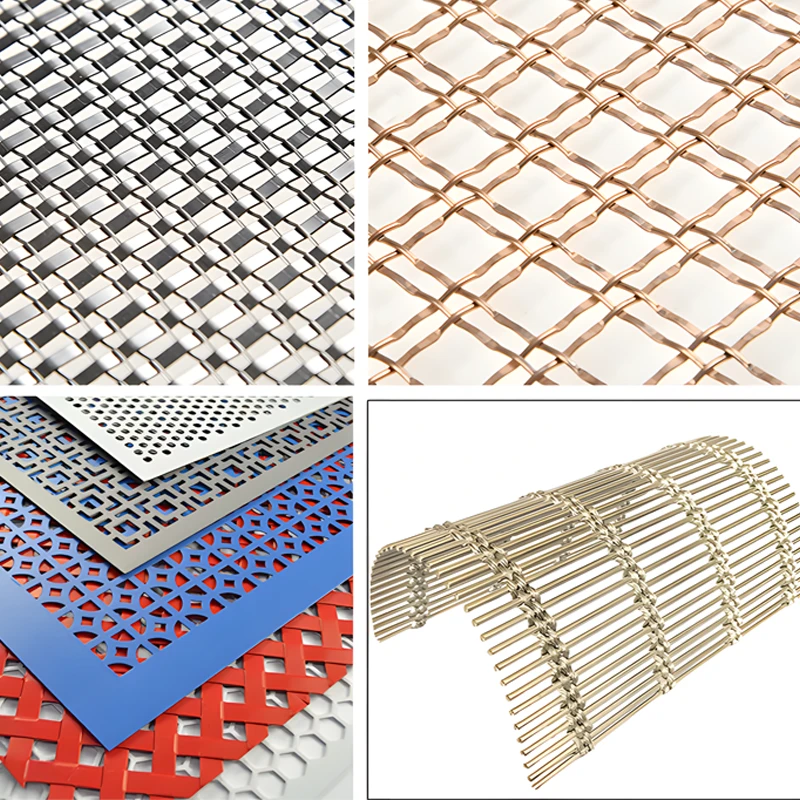
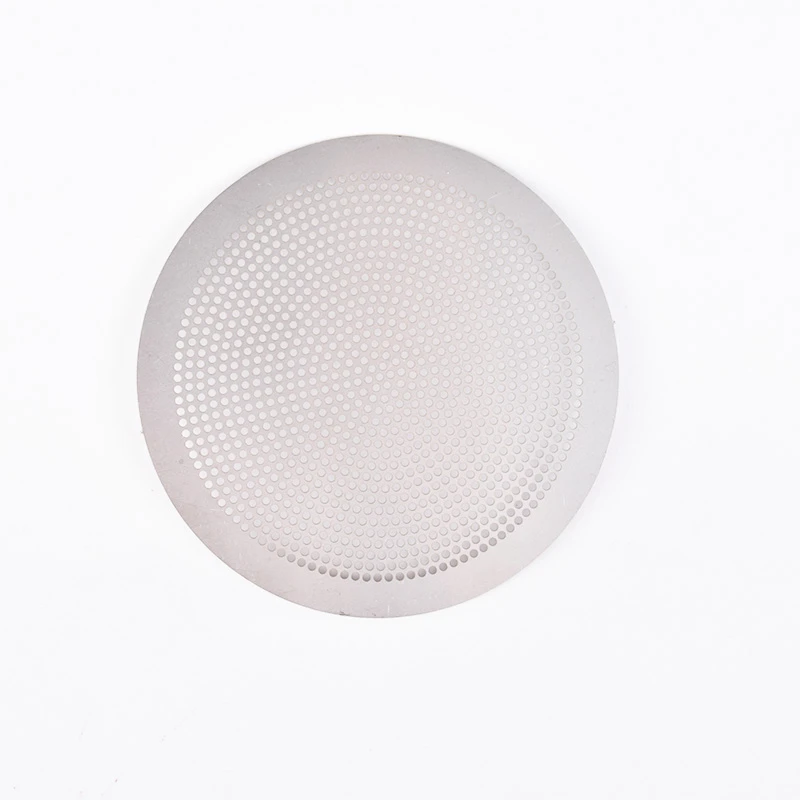
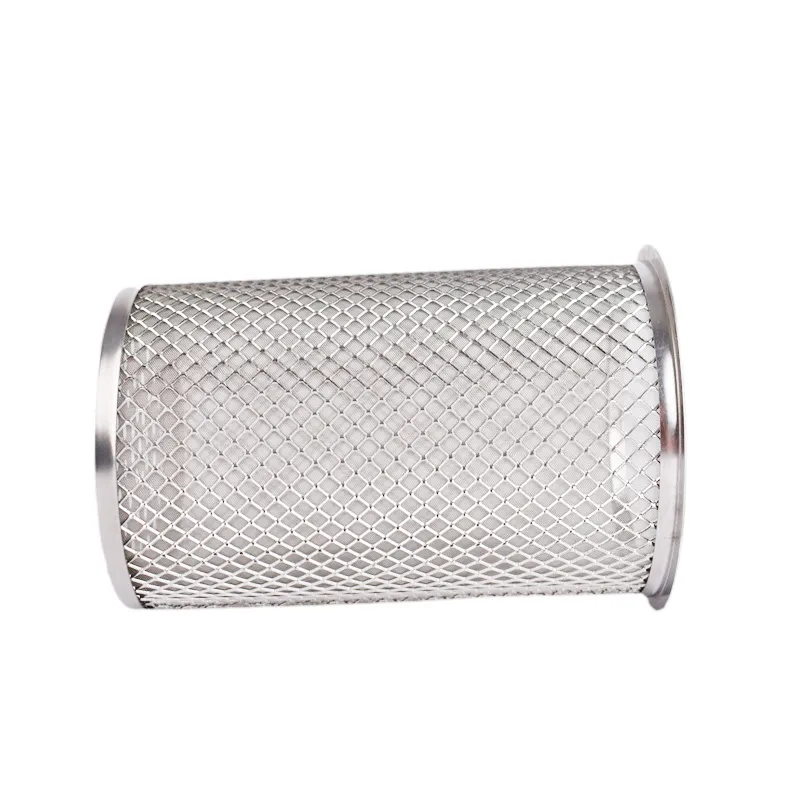
Stainless steel screen filters come in several configurations to meet diverse filtration needs. Wire mesh filters, constructed from woven wire, are commonly used for coarse filtration. Perforated metal filters offer greater strength and are ideal for high-pressure applications. Wedge wire screens, known for their self-cleaning capabilities, are often used in continuous processes. Dutch weave filters provide progressive filtration, capturing larger particles on the surface and finer particles within the weave. The choice of filter type depends on the particle size, flow rate, pressure, and the nature of the fluid being filtered. QHFilter offers a comprehensive range of these filter types.
Filter Type Overview:
• Wire Mesh Filters: Coarse filtration
• Perforated Metal Filters: High-pressure applications
• Wedge Wire Screens: Self-cleaning processes
• Dutch Weave Filters: Progressive filtration
Applications of Stainless Steel Screen Filters
The versatility of stainless steel screen filters makes them essential across numerous industries. In the food and beverage industry, they ensure product purity by removing unwanted particles. The pharmaceutical industry relies on them for sterile filtration. In water treatment plants, they remove sediment and debris. They are also crucial in the chemical processing industry for filtering corrosive fluids. Additionally, they find applications in oil and gas production, paint and coatings manufacturing, and plastics processing. The ability to customize these filters for specific applications ensures optimal performance in diverse settings.
Maintaining Your Stainless Steel Screen Filter
Proper maintenance is crucial for maximizing the lifespan and performance of your stainless steel screen filter. Regular cleaning is essential to remove accumulated debris and prevent clogging. The cleaning method will depend on the nature of the filtered substance. Periodic inspection for damage, such as tears or corrosion, is vital. Replacing damaged filters promptly prevents contamination and ensures optimal filtration efficiency. Implement a scheduled replacement program based on usage and the nature of the filtered fluid. QHFilter provides guidance on filter maintenance and replacement.
Product Specifications: Typical Stainless Steel Screen Filter
Here’s a typical example of specifications for a stainless steel screen filter:
Conclusion: Investing in Quality Stainless Steel Screen Filters
Choosing the right stainless steel screen filter is a critical decision that impacts process efficiency, product quality, and long-term costs. By understanding the different types, applications, and maintenance requirements, businesses can make informed choices that optimize their filtration systems. Partnering with a reputable supplier like QHFilter ensures access to high-quality filters and expert support. Don't compromise on filtration – invest in quality and reliability.
Frequently Asked Questions (FAQs)
What is the best stainless steel grade for my filter application?
The choice between 304 and 316L stainless steel depends on the corrosiveness of the fluid being filtered. 304 stainless steel provides excellent corrosion resistance in many applications. However, if the fluid contains chlorides or other aggressive chemicals, 316L stainless steel is the preferred choice due to its higher molybdenum content, which enhances its resistance to pitting and crevice corrosion. Consider the specific chemical composition of the fluid and operating conditions to determine the most appropriate grade. Contact QHFilter for expert assistance in selecting the optimal material for your needs.
How do I determine the correct mesh size for my application?
The correct mesh size depends on the size of the particles you need to remove from the fluid. Larger mesh sizes (lower micron rating) are used for removing larger particles, while smaller mesh sizes (higher micron rating) are used for finer filtration. It's often helpful to perform a particle size analysis of the fluid to determine the appropriate mesh size. It’s also crucial to consider the potential for clogging; a mesh size that's too fine may clog quickly, reducing flow rate and increasing maintenance frequency.
Can stainless steel screen filters be customized?
Yes, absolutely! Many manufacturers, including QHFilter, offer customized stainless steel screen filters to meet specific application requirements. This includes adjustments to the size, shape, mesh size, material grade, and connection type. Customization ensures optimal performance and compatibility with your existing equipment.