Maximize Your Space with a Small Solar Panel for Balcony Living
Choosing the Right Small Solar Panel for Your Balcony
Balconies are often overlooked spaces with significant potential. One increasingly popular way to utilize balcony space is through the installation of small solar panels. These panels allow you to harness the power of the sun, reducing your energy bills and contributing to a more sustainable lifestyle. This article will guide you through everything you need to know about selecting and installing a small solar panel for your balcony, covering considerations like size, wattage, mounting options, and more. Let's unlock the potential of your balcony and embrace clean energy!
Understanding the Basics of Balcony Solar Panels
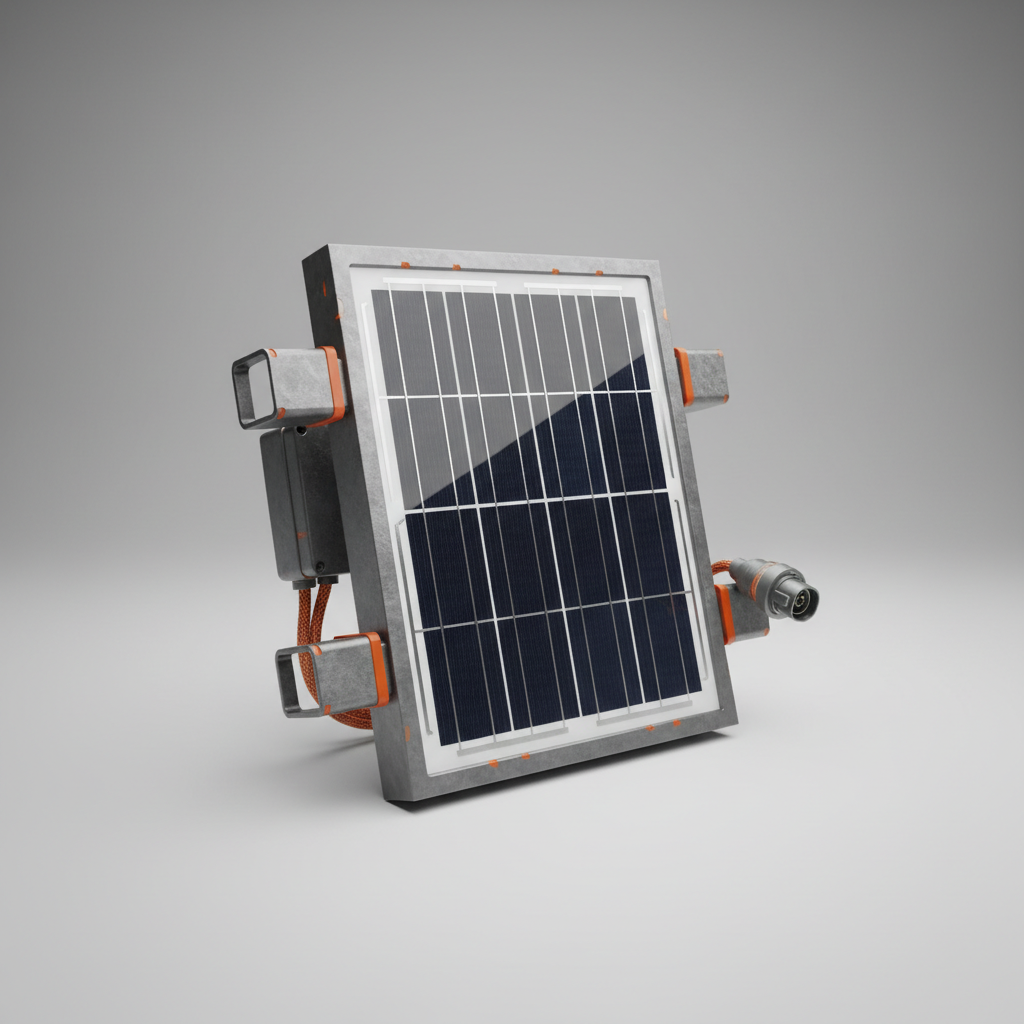
Before diving into specific products, it’s crucial to understand the core concepts. A small solar panel for a balcony typically ranges from 100W to 300W. The wattage determines how much electricity the panel can generate. Consider your energy needs – what appliances do you want to power? Lights, phone chargers, small fans? Knowing your power consumption will help you choose the right size. Also, be aware of panel types: monocrystalline panels are more efficient (but often more expensive), while polycrystalline panels are more affordable. Finally, portable solar panels are a good option for renters as they usually don't require permanent installation.
Key Considerations: Determine your energy needs, choose between monocrystalline and polycrystalline panels, and assess whether a portable or fixed solution suits your situation.
Factors to Consider When Choosing a Small Solar Panel for Balcony
Selecting the right solar panel isn't just about wattage. Several factors influence performance and suitability. These include balcony orientation (south-facing balconies receive the most sunlight), shading (trees or buildings can reduce efficiency), and local regulations (some areas have restrictions on solar panel installations). The angle of the panel is also important; ideally, it should be tilted towards the sun for maximum energy capture. Finally, think about the weight of the panel and the balcony’s load-bearing capacity.
Key Factors for Optimal Performance:
• Balcony Orientation
• Shading Analysis
• Local Regulations
• Panel Angle
Comparing Popular Small Solar Panel Options
The market offers various small solar panel options for balcony use. Here's a comparison of some popular choices:
Mounting Options for Balcony Solar Panels
Securely mounting your panel is critical. Common options include balcony railing mounts, wall mounts, and portable stands. Railing mounts clamp onto your balcony railing, providing a stable base. Wall mounts require drilling into your balcony wall (check your lease agreement!). Portable stands offer flexibility but may be less secure. Consider the wind load on your balcony when selecting a mounting option. A sturdy, well-secured mount will ensure the panel remains in place during strong winds.
Connecting and Using Your Balcony Solar Panel
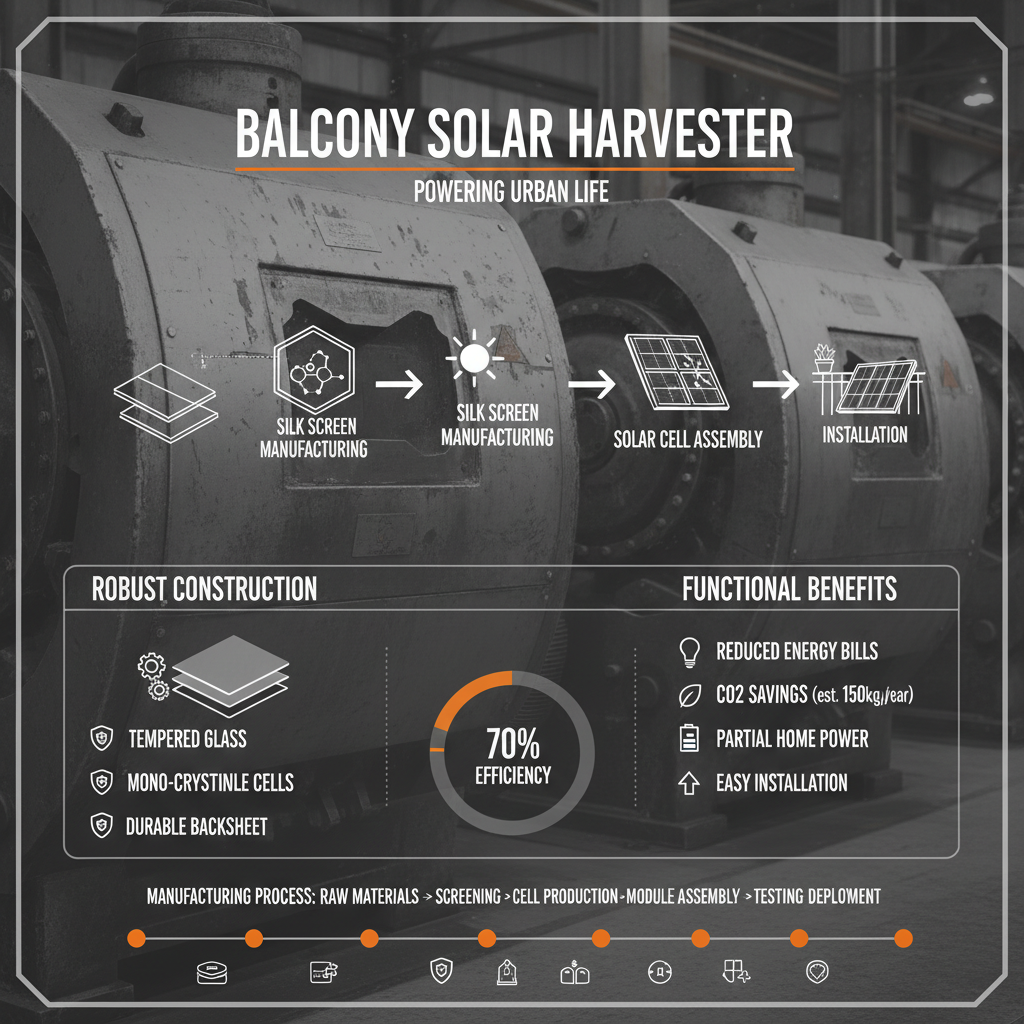
Once mounted, you'll need to connect the panel to a charge controller and battery (if you want to store energy) or directly to the appliances you wish to power. A charge controller regulates the voltage from the panel to protect your battery from overcharging. For smaller setups, a simple USB charge controller may suffice. Always follow the manufacturer's instructions for wiring and connections. Ensure all connections are weatherproof to prevent corrosion and electrical hazards. You can find all the parts you need at QHFilter.
Conclusion: Harnessing Solar Power on Your Balcony
Installing a small solar panel on your balcony is a fantastic way to reduce your carbon footprint and save money on electricity. By carefully considering your energy needs, balcony conditions, and mounting options, you can create a sustainable and efficient energy solution. Embrace the power of the sun and enjoy the benefits of clean, renewable energy!
Frequently Asked Questions (FAQs)
How much electricity can a typical balcony solar panel generate?
The amount of electricity generated depends on the panel’s wattage, sunlight availability, and panel orientation. A 100W panel in optimal conditions can generate around 300-500Wh per day. However, this is a rough estimate. Cloud cover, shading, and the angle of the sun significantly impact output. Consider your average daily sunlight hours and the panel's efficiency rating for a more accurate prediction. It’s best to overestimate slightly to ensure you meet your energy demands.
Is it safe to install a solar panel on my balcony?
Yes, but safety should be your top priority. Ensure the mounting system is robust and can withstand wind loads. Always follow the manufacturer’s instructions carefully. If you are uncomfortable with electrical work, hire a qualified electrician to handle the wiring and connections. Also, check your building's regulations and obtain any necessary permits before installation. Regular inspections of the panel and mounting system are crucial for continued safety.
Do I need a battery to store the energy?
Not necessarily. You can directly power appliances with the solar panel when the sun is shining. However, if you want to use the energy at night or during cloudy days, you'll need a battery to store the excess energy. Batteries add to the cost and complexity of the system, but they provide greater energy independence. Consider your energy usage patterns to determine if a battery is necessary.
What maintenance is required for a balcony solar panel?
Solar panels generally require minimal maintenance. Regularly cleaning the panel surface to remove dust, dirt, and debris will maximize efficiency. Inspect the mounting system for any signs of corrosion or loosening. Check the wiring and connections periodically to ensure they are secure and weatherproof. Most panels have a lifespan of 25-30 years with proper care.