Transform Your Space with a Sustainable Solar System for Balcony Gardening
Creating Your Own Oasis: A Guide to a Solar System for Balcony
Transforming your balcony into a thriving green space is now easier and more sustainable than ever with a solar system for balcony. These systems allow you to power automated watering, lighting, and even small hydroponic setups, bringing nature closer to home while reducing your environmental impact. This article will explore the benefits, components, and considerations for setting up your own balcony solar garden. Imagine enjoying fresh herbs and vibrant flowers powered entirely by the sun! We will guide you through creating a self-sufficient and beautiful balcony ecosystem.
Understanding the Benefits of a Solar System for Balcony
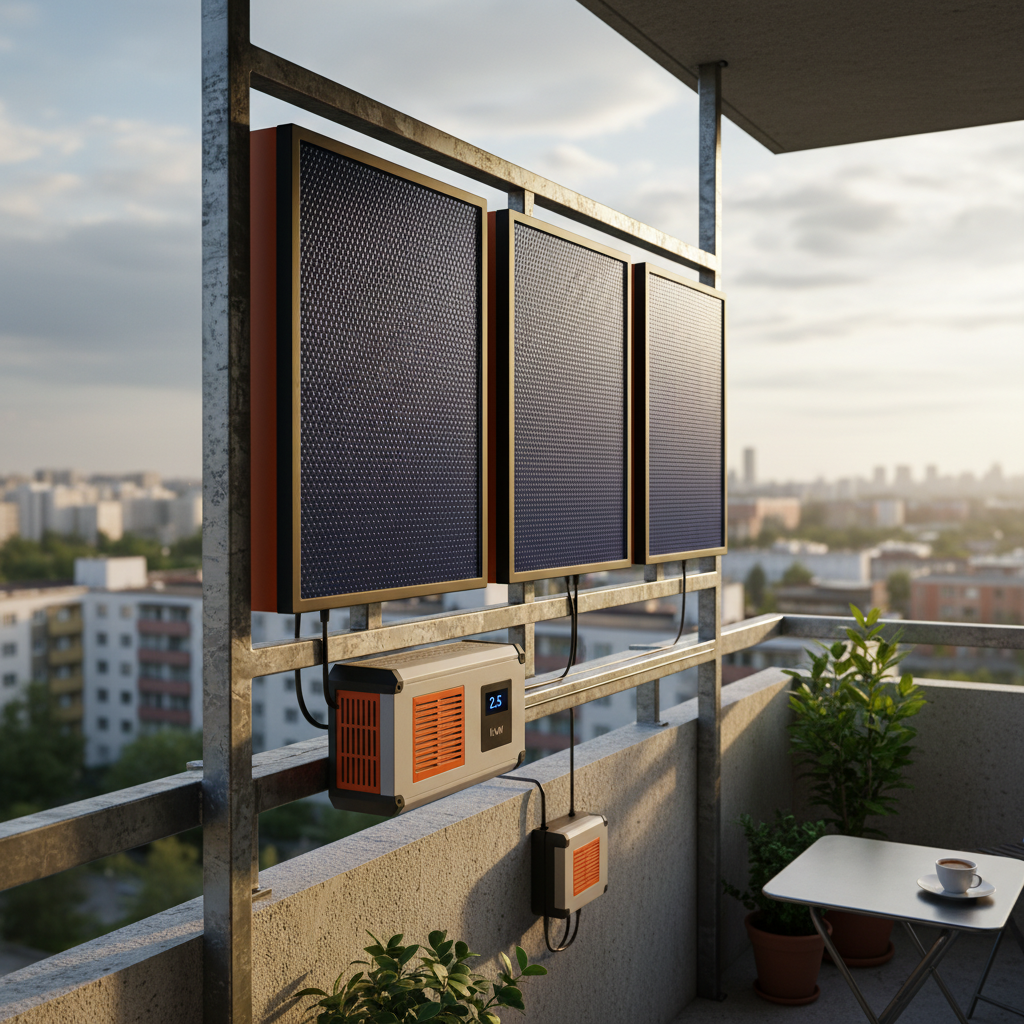
A balcony solar system offers numerous advantages beyond simply powering plants. It’s an eco-friendly way to enjoy gardening, reducing your reliance on grid electricity. It’s perfect for urban dwellers with limited space who want to grow their own food or flowers. Automated systems enabled by solar power ensure consistent watering, even when you're away, reducing plant stress and increasing yields. Moreover, the aesthetic appeal of a well-designed solar-powered garden can significantly enhance your balcony's ambiance. Choosing a balcony solar system is a step towards sustainable living and a more beautiful outdoor space.
Key Highlights: Eco-friendly, reduces electricity bills, enables automated gardening, enhances balcony aesthetics, perfect for urban spaces.
Essential Components of a Balcony Solar System
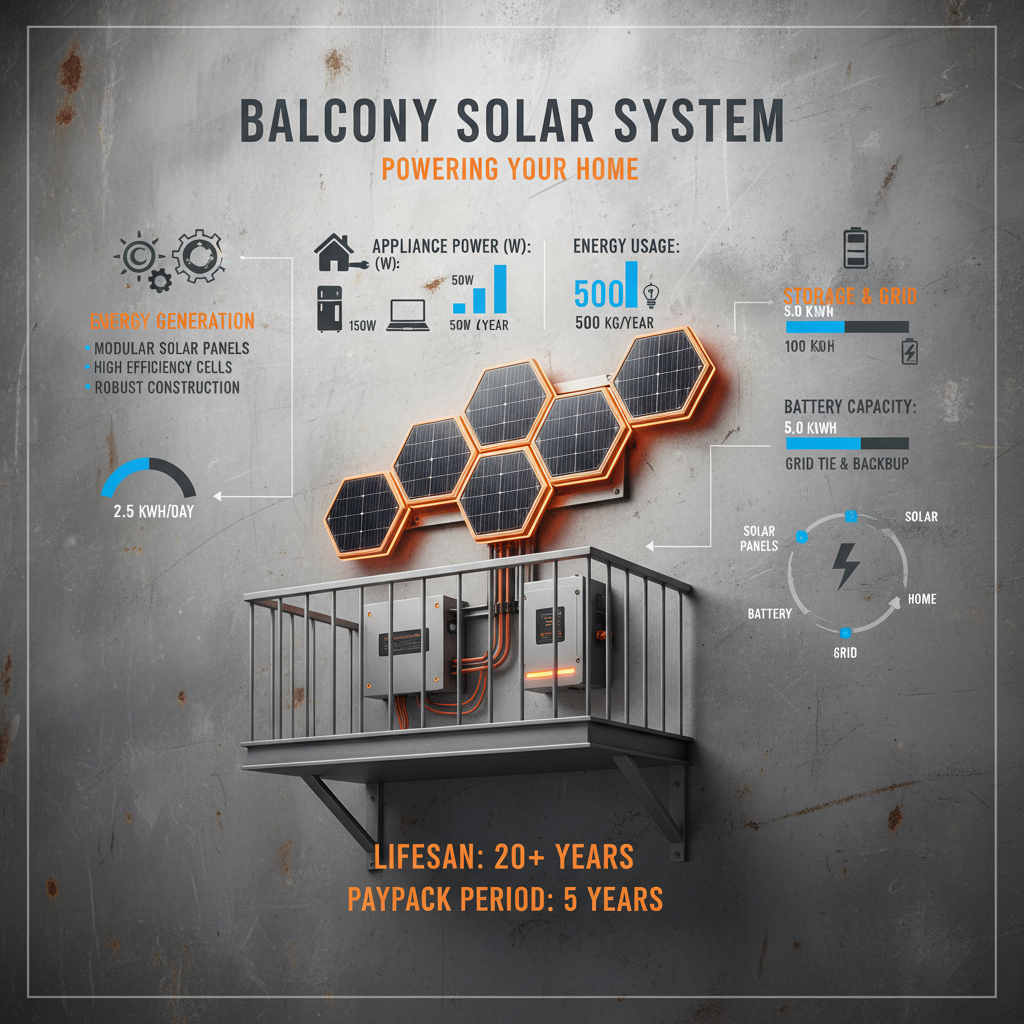
A typical balcony solar garden system comprises several key elements. First, the solar panel itself, responsible for converting sunlight into electricity. These come in various sizes and efficiencies. Next, a charge controller regulates the power from the panel, preventing overcharging of the battery. A battery stores the generated electricity for use when sunlight is unavailable. Finally, the load – which could be a water pump, LED grow lights, or a small fan – utilizes the stored energy. Quality wiring and connectors are also crucial for a safe and efficient system. Qhfilter offers comprehensive kits that include all these components.
Component Breakdown:
• Solar Panel: Converts sunlight to electricity
• Charge Controller: Regulates power flow to the battery
• Battery: Stores electricity for later use
• Load: Water pump, lights, or other powered devices
Choosing the Right Solar System for Balcony: A Comparison
Selecting the optimal system requires considering your balcony’s size, sunlight exposure, and the types of plants you intend to grow. Smaller balconies may only need a 20-50 watt panel, while larger spaces can accommodate larger systems. Different battery types (lithium-ion, lead-acid) offer varying levels of energy storage and lifespan. Automated watering systems require pumps with specific flow rates and power requirements. It's vital to match the system's capacity to your needs, avoiding both underpowering and excessive investment. The Qhfilter solar systems are designed to provide a tailored solution for different balcony sizes and gardening ambitions.
Installation and Maintenance of Your Balcony Solar System
Installing a balcony solar system is typically straightforward, often involving mounting the panel on a railing or wall. Ensuring secure mounting is paramount for safety. Wiring should be neatly organized and protected from the elements. Regular maintenance involves cleaning the solar panel to maximize sunlight absorption and checking battery connections. Following the manufacturer's instructions is crucial. Qhfilter provides detailed installation guides and excellent customer support.
Future Trends in Balcony Solar Gardening
The future of balcony solar gardening looks bright. Innovations in solar panel technology are leading to smaller, more efficient panels. Smart controllers are becoming increasingly sophisticated, optimizing energy usage and providing remote monitoring. We’re also seeing the integration of solar power with vertical gardening systems and hydroponics, maximizing space and yield. Expect to see more user-friendly kits and a growing community of balcony gardeners sharing their experiences.
Conclusion: Embrace Sustainable Gardening with a Solar System for Balcony
A solar system for balcony is an investment in both your garden and the environment. It offers a sustainable, efficient, and aesthetically pleasing way to enjoy the benefits of gardening, even in urban spaces. With the right system and a little planning, you can create a thriving balcony oasis powered by the sun.
Frequently Asked Questions (FAQs)
How much sunlight does my balcony need for a solar system?
Ideally, your balcony should receive at least 4-6 hours of direct sunlight per day for optimal performance. However, even with less sunlight, a solar system can still provide a significant benefit, especially when combined with energy storage. The amount of sunlight will affect the size of the panel you need and the overall power output. Consider using a solar pathfinder tool to assess your balcony's sunlight exposure throughout the year.
Is a permit required for installing a balcony solar system?
Permitting requirements vary depending on your location and the size of the system. Generally, smaller systems designed for personal use are less likely to require a permit. However, it's always best to check with your local building authority or homeowners association to confirm the regulations in your area. Qhfilter can provide guidance on local regulations.
What type of plants are best suited for a solar-powered balcony garden?
Herbs, leafy greens, and flowering plants generally thrive in balcony gardens. Consider plants that don't require excessive watering or large amounts of space. If you're using grow lights, you can experiment with plants that require more light. The automated watering systems powered by your solar system will enable you to successfully grow a wider range of plant species.
How long will the battery last on a cloudy day?
The battery runtime on a cloudy day depends on the battery capacity, the load (power consumption of your devices), and the amount of charge stored prior to the cloudy day. A fully charged battery should provide several hours of power for essential devices like a small water pump or LED lights. It's a good idea to size your battery to provide at least 2-3 days of backup power to account for prolonged periods of low sunlight.