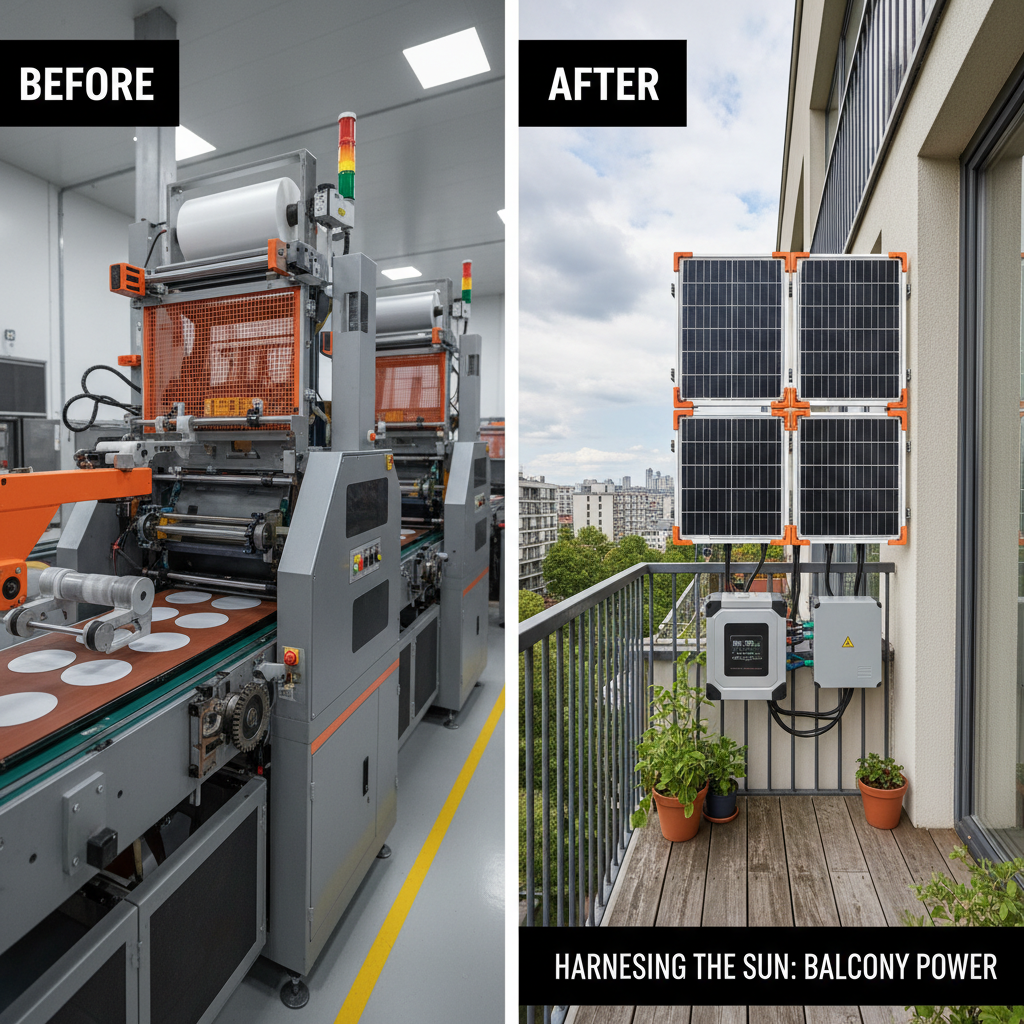
Harnessing Solar Power on Your Balcony A Comprehensive Guide
Harnessing the Sun: A Guide to Solar Panels on Your Balcony
Thinking about embracing renewable energy? Installing solar panels on your balcony is a fantastic way to reduce your carbon footprint and potentially lower your electricity bills. This guide will explore the benefits, considerations, and practical aspects of balcony solar installations, helping you determine if it's the right choice for your home. We'll cover everything from panel types to legal requirements, ensuring a smooth and efficient transition to solar power. Balcony solar is becoming increasingly accessible, making sustainable living a reality for apartment dwellers and homeowners alike.
Benefits of Installing Solar Panels on Your Balcony
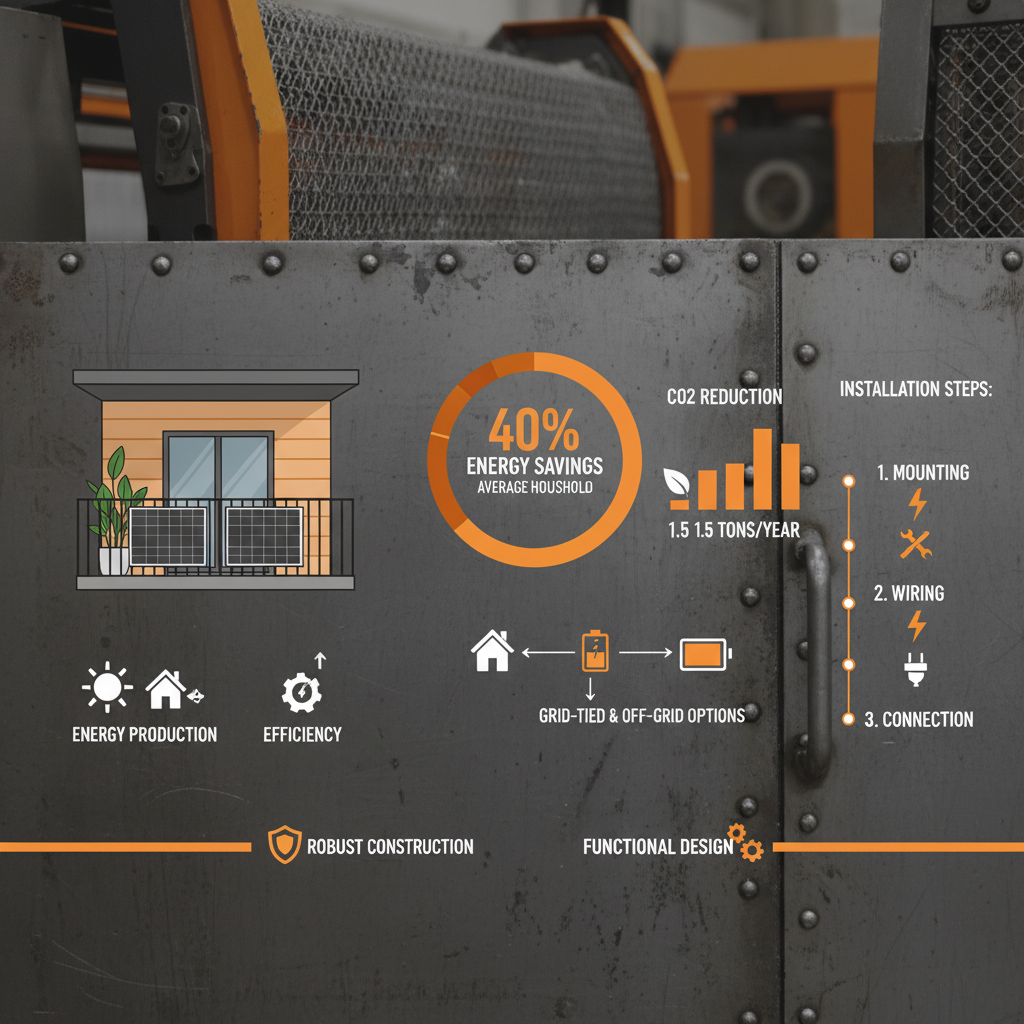
The advantages of balcony solar are numerous. First and foremost, it's a clean, renewable energy source that reduces your reliance on fossil fuels. This translates to a smaller carbon footprint and contributes to a more sustainable future. Furthermore, you can significantly lower your electricity bills, especially during peak sunlight hours. Many regions offer incentives and rebates for solar installations, making it even more financially attractive. Balcony solar also increases your energy independence, shielding you from fluctuating energy prices. It’s a great way to demonstrate your commitment to environmental responsibility and add value to your property.
Key Highlights: Reduced electricity bills, environmentally friendly, increased energy independence, potential government incentives.
Types of Solar Panels Suitable for Balconies
Several types of solar panels are well-suited for balcony installations. Flexible solar panels are lightweight and can conform to curved surfaces, making them ideal for railings. Portable solar panels are designed for easy setup and relocation, offering versatility. Finally, traditional monocrystalline or polycrystalline panels can be mounted using specialized balcony mounts. The best choice depends on your balcony's size, shape, and weight-bearing capacity, as well as your aesthetic preferences.
Solar Panel Comparison:
• Flexible Panels: Lightweight, conformable, ideal for railings.
• Portable Panels: Easy to set up and move, versatile.
• Traditional Panels: High efficiency, require sturdy mounts.
Balcony Solar vs. Rooftop Solar: A Comparative Analysis
While rooftop solar is more common, balcony solar offers unique advantages, especially for renters or those with unsuitable roofs. Rooftop solar typically has higher energy production potential due to larger surface area, but requires homeowner approval and structural assessment. Balcony solar is simpler to install, often requires no permits (depending on local regulations), and is ideal for smaller energy needs. It’s a more accessible entry point into solar energy for many individuals. Below is a comparison table outlining the key differences.
Essential Considerations Before Installation
Before diving into balcony solar, consider a few crucial factors. First, check with your landlord or homeowners association (HOA) for any restrictions. Ensure your balcony can support the weight of the panels and mounting hardware. Assess the amount of sunlight your balcony receives throughout the day—south-facing balconies generally receive the most. It is also essential to consider the type of electrical connection needed and whether your existing wiring can accommodate the solar system. Finally, research local regulations and incentives to maximize your savings. Qhfilter can help you navigate these considerations.
Product Specifications & Choosing the Right System
Selecting the right balcony solar system requires careful consideration of your energy needs and balcony conditions. Here's a breakdown of key specifications to look for:
Conclusion: Powering Your Life Sustainably
Installing solar panels on your balcony is a rewarding step towards a greener lifestyle. With careful planning and the right equipment, you can harness the sun's energy, reduce your environmental impact, and save money on your electricity bills. Qhfilter offers a range of solutions to help you make the transition to solar power seamlessly.
Frequently Asked Questions (FAQs)
How much electricity can a balcony solar panel system generate?
The amount of electricity generated depends on several factors, including the panel’s wattage, the amount of sunlight your balcony receives, and the efficiency of the system. A typical 200W balcony solar panel can generate approximately 200-300 kWh per year in a sunny location. This is enough to power small appliances like lights, phone chargers, and small fans. For more accurate estimations, consider your location’s solar irradiance and the panel's specifications.
Are there any government incentives for balcony solar installations?
Yes, many countries and regions offer incentives like tax credits, rebates, and net metering programs for solar installations, including balcony solar. These incentives can significantly reduce the upfront cost of the system and improve its return on investment. Check with your local energy provider and government agencies to learn about available incentives in your area.
What maintenance is required for a balcony solar panel system?
Balcony solar panel systems require minimal maintenance. Regular cleaning to remove dust and debris is recommended, especially in polluted areas. Periodically inspect the panels, mounting hardware, and wiring for any signs of damage. It's also advisable to check the inverter's performance regularly. Most panels come with a 25-year performance warranty, offering peace of mind.
Can I connect my balcony solar system to the grid?
Yes, you can often connect your balcony solar system to the grid through a process called net metering. Net metering allows you to receive credit for excess electricity you send back to the grid. However, regulations and requirements vary by location, so it's crucial to check with your local utility company to understand the process and eligibility criteria.