Maximize Energy Savings with Solar Panel in Flat Balcony Installations
Maximizing Space & Savings: Solar Panels for a Flat Balcony
Balconies, even those with a flat design, present a surprisingly viable space for harnessing solar energy. Installing solar panels on a flat balcony can significantly reduce your electricity bills and contribute to a greener lifestyle. This article will explore the feasibility, benefits, considerations, and installation aspects of utilizing solar technology on flat balconies, offering a comprehensive guide for homeowners looking to embrace renewable energy. We’ll cover everything from panel selection to potential cost savings, helping you make an informed decision for your home.
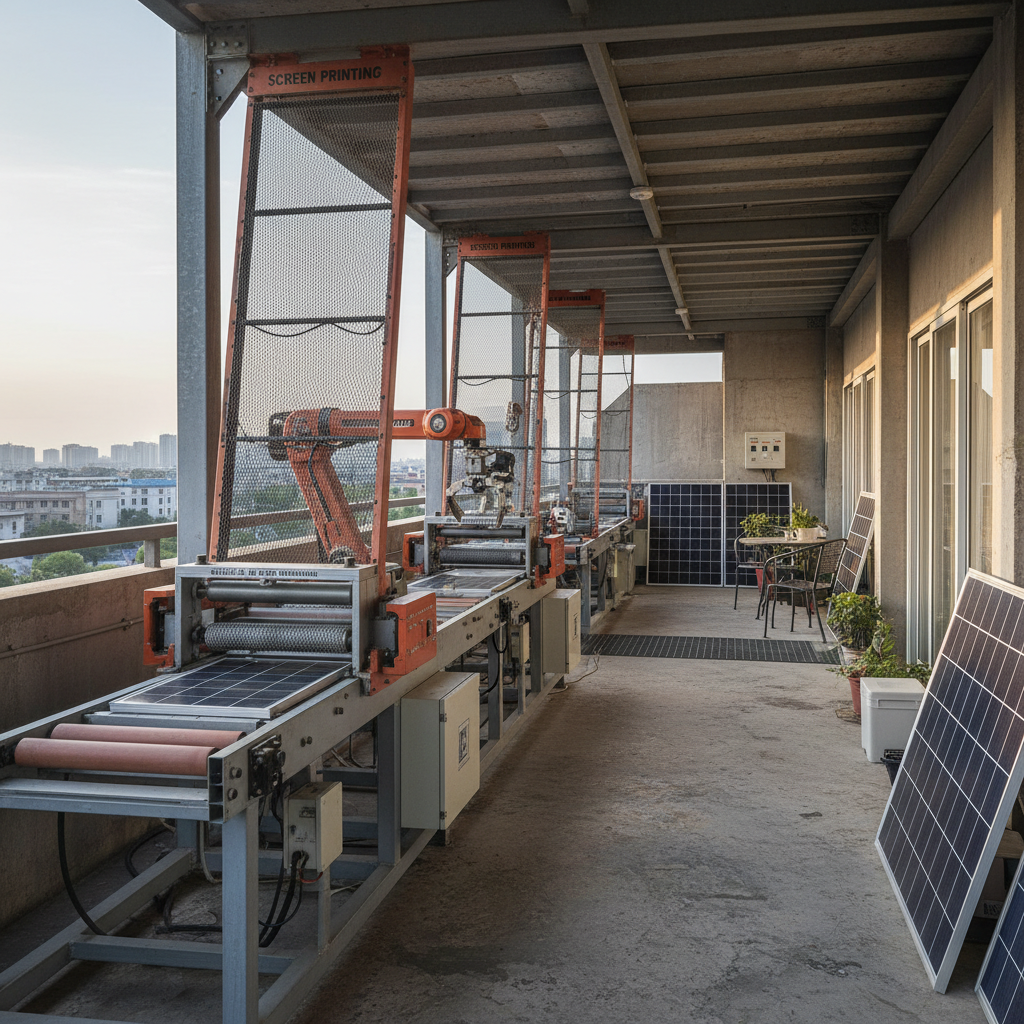
Is My Flat Balcony Suitable for Solar Panels?
The first step is assessing your balcony’s suitability. Crucially, you need adequate sunlight exposure. South-facing balconies generally receive the most sunlight, followed by east and west-facing ones. North-facing balconies may receive insufficient sunlight for efficient solar energy generation. Weight capacity is another critical factor. Balconies are designed to withstand specific loads, and solar panels, along with mounting hardware, can add significant weight. A structural engineer might be needed to verify your balcony can safely support the added load. Finally, local regulations and homeowner association rules often dictate whether solar panel installation is permitted. Always check these before proceeding.
Key Considerations: Adequate sunlight, sufficient weight capacity, and adherence to local regulations are paramount for successful balcony solar panel installation.
Types of Solar Panels for Flat Balconies
Several solar panel options are available for flat balconies. Monocrystalline panels are known for their high efficiency and sleek appearance, making them a popular choice despite being slightly more expensive. Polycrystalline panels are more affordable but have a slightly lower efficiency. Flexible solar panels are also an option, being lightweight and conforming to the balcony's surface, but they generally have lower efficiency and a shorter lifespan. Ultimately, the best choice depends on your budget, space constraints, and energy needs.
Solar Panel Comparison:
• Monocrystalline: High efficiency, sleek design, higher cost.
• Polycrystalline: Lower cost, slightly lower efficiency.
• Flexible: Lightweight, conforms to surfaces, lower efficiency & lifespan.
Solar Panel in Flat Balcony: Installation Considerations
Installation typically involves mounting the panels on a racking system attached to the balcony railing or floor. The racking system must be corrosion-resistant and designed to withstand wind loads. Wiring needs to be run safely from the panels to your home's electrical system, often involving an inverter to convert DC power to AC power. For safety reasons, it's highly recommended to hire a qualified solar installer. They will ensure the installation meets all safety standards and electrical codes. They can also advise on the optimal panel angle for maximizing sunlight capture.
Cost and Potential Savings: A Realistic Outlook
The cost of installing solar panels on a flat balcony varies depending on the system size, panel type, and installation costs. Expect to spend between $800 and $2000 for a small system capable of powering a few appliances. However, the long-term savings can be substantial. The amount of electricity generated will depend on sunlight hours and panel efficiency. With net metering, you can often receive credits on your electricity bill for any excess energy you send back to the grid. This can significantly reduce your overall energy costs and potentially provide a return on investment within 5-10 years.
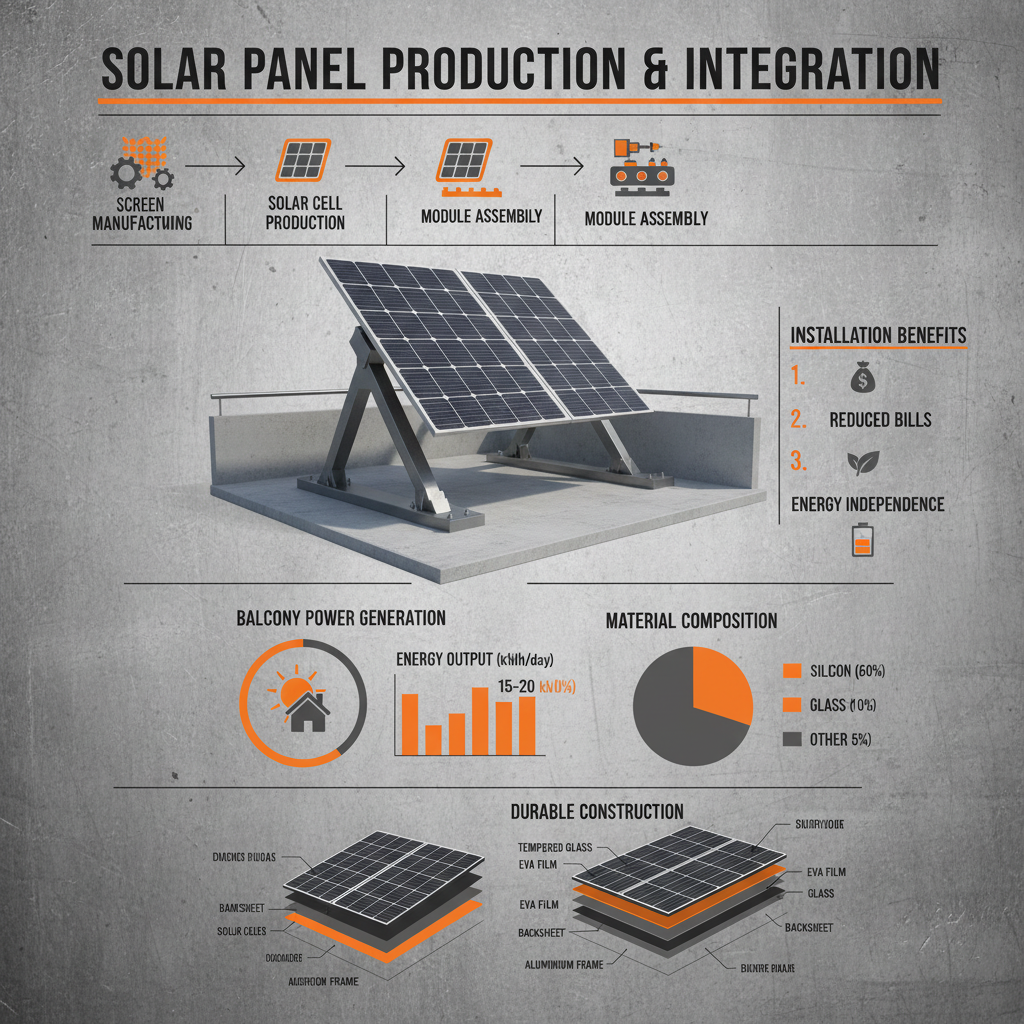
Maximizing Efficiency: Maintenance & Best Practices
To ensure optimal performance, regular maintenance is key. This includes cleaning the panels to remove dust and debris, which can reduce their efficiency. Inspect the racking system and wiring periodically for any signs of damage. Monitor your energy production to identify any performance issues. Finally, be mindful of shading. Even partial shading can significantly reduce the output of your solar panels. Keeping the area around the panels clear is vital.
Conclusion: Empowering Your Home with Solar Energy
Harnessing the power of the sun with solar panels on a flat balcony is a smart investment for a sustainable future and reduced energy costs. Careful planning, professional installation, and regular maintenance are crucial for maximizing the benefits. With the right approach, you can transform your balcony into a source of clean, renewable energy.
Frequently Asked Questions (FAQs)
How much electricity can solar panels on a flat balcony generate?
The amount of electricity generated depends on several factors, including the size of the system, the efficiency of the panels, the amount of sunlight received, and the angle of the panels. A small system (e.g., 300-500 watts) might generate around 400-600 kWh per year. This could cover a significant portion of a small apartment's electricity needs. Accurate estimates require a site assessment by a solar professional who can factor in your specific location and balcony conditions.
Are permits required for installing solar panels on a balcony?
Yes, in most jurisdictions, permits are required before installing solar panels, even on a balcony. These permits ensure the installation meets safety standards and complies with local building codes. The permitting process may involve submitting plans, undergoing inspections, and paying a fee. Your solar installer can typically handle the permit application process for you. Ignoring permit requirements can result in fines and potential issues with your homeowner's insurance.
What is net metering and how does it benefit me?
Net metering is a billing mechanism that credits solar energy system owners for the electricity they add to the grid. When your solar panels generate more electricity than your home needs, the excess is sent back to the utility company. Under net metering, your electric meter runs backward, effectively reducing your electricity bill. In many cases, you receive the same rate for the electricity you send back to the grid as you pay for the electricity you consume. This can significantly reduce your annual energy costs and accelerate the payback period for your solar investment.
How do I find a qualified solar installer?
Finding a reputable solar installer is crucial for a successful installation. Look for installers with NABCEP (North American Board of Certified Energy Practitioners) certification, which indicates they have met industry standards for training and competence. Get quotes from multiple installers and compare their prices, warranties, and customer reviews. Check their licensing and insurance status. A good installer will also conduct a thorough site assessment and provide a detailed proposal outlining the system design, installation process, and expected energy savings.