Unlock Energy Independence with a Balcony Power Station A Comprehensive Guide
Unlock Energy Independence: A Comprehensive Guide to Balcony Power Stations
In a world increasingly focused on sustainable energy, homeowners are seeking innovative ways to reduce their carbon footprint and lower electricity bills. Balcony power stations, also known as plug-and-play solar systems, are emerging as a convenient and accessible solution. This article delves into the benefits, components, installation, and legal considerations of balcony power stations, providing a comprehensive overview for those considering this eco-friendly upgrade. With rising energy costs and growing environmental awareness, a balcony power station empowers you to generate your own clean energy.
What is a Balcony Power Station?
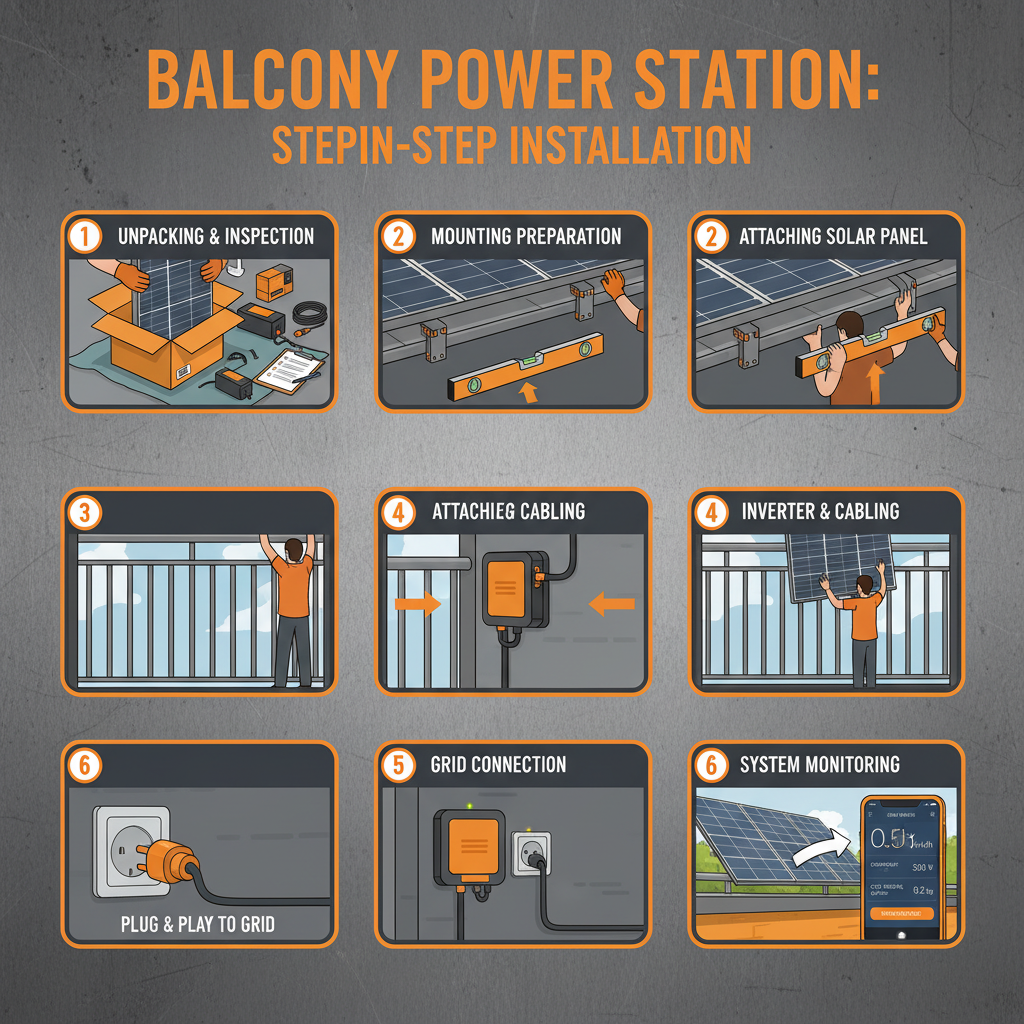
A balcony power station is a small-scale solar energy system designed for easy installation on balconies, terraces, or rooftops. Unlike traditional solar installations, these systems typically don’t require professional installation or complex wiring. They are 'plug-and-play,' meaning you simply connect the solar panel(s) to a micro-inverter, and then plug the inverter into a standard household outlet. The generated electricity can then be used to power appliances directly, reducing your reliance on the grid. These systems are ideal for apartments and homes where larger solar installations aren’t feasible. They are a fantastic step towards embracing renewable energy.
Key Highlights: A balcony power station offers a convenient and accessible way to generate clean energy without the need for professional installation.
Components of a Typical Balcony Power Station
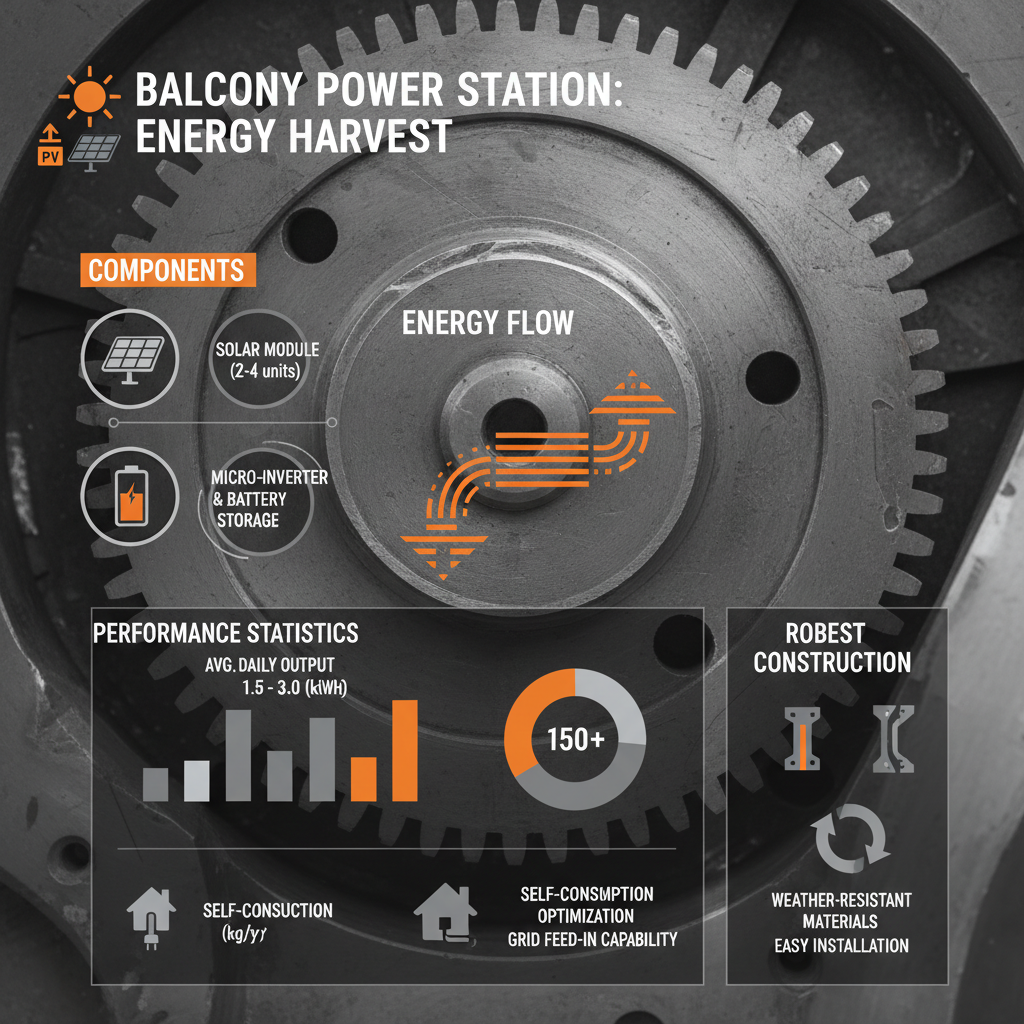
A balcony power station consists of several key components: Solar Panels – These capture sunlight and convert it into DC electricity. Typically, systems use one or two panels. Micro-Inverter – This converts the DC electricity generated by the solar panel into AC electricity compatible with your home's power system. Connecting Cables and Adapters – These ensure a secure and efficient connection between the panels, inverter, and outlet. Mounting System – This securely attaches the solar panel to your balcony railing or surface. A quality mounting system is critical for safety and stability.
Component Importance: Each component plays a vital role in ensuring the safe and efficient operation of the balcony power station.
• Solar Panels: Determine the amount of energy generated.
• Micro-Inverter: Converts DC to AC power for household use.
• Mounting System: Ensures secure and stable panel placement.
Balcony Power Station: System Capacity and Cost Comparison
Choosing the right balcony power station involves considering your energy needs and budget. Here’s a comparison of typical system capacities and their estimated costs:
Installation and Safety Considerations for Balcony Power Stations
While designed for DIY installation, safety should always be a priority. Ensure the mounting system is securely attached to your balcony and can withstand wind and weather conditions. The inverter should be placed in a sheltered location, protected from direct sunlight and rain. Always follow the manufacturer’s instructions carefully. It is critical to use the correct cables and adapters, ensuring they are rated for outdoor use. Remember to regularly inspect the system for any signs of damage. Consider the weight of the system and your balcony’s load-bearing capacity. QHFilter provides high quality and safe balcony power station systems.
Legal and Regulatory Aspects
Regulations surrounding balcony power stations vary by location. Some countries and municipalities require registration of the system with the local grid operator. In many areas, there are limits on the maximum system capacity allowed. It’s essential to check your local regulations before installing a balcony power station to ensure compliance. Some regions may offer incentives or rebates for renewable energy installations, further reducing the cost of your system. Before proceeding with installation, contact your local energy provider to clarify any applicable rules and requirements.
Conclusion: Empowering Your Home with Renewable Energy
A balcony power station offers a simple, affordable, and sustainable way to generate your own electricity. By understanding the components, installation process, and regulatory requirements, you can harness the power of the sun and contribute to a greener future. With a growing demand for renewable energy solutions, balcony power stations are poised to become increasingly popular, offering homeowners greater energy independence and a reduced carbon footprint.
Frequently Asked Questions (FAQs)
What is the typical payback period for a balcony power station?
The payback period varies depending on several factors, including the system cost, electricity rates, and the amount of sunlight your balcony receives. Generally, payback can range from 3 to 7 years. With rising electricity costs and potential government incentives, the payback period may be shorter. It's essential to calculate your individual energy savings based on your consumption patterns and local energy prices. Investing in a high-quality balcony power station from a reputable provider can contribute to a faster payback period.
Can I use a balcony power station to power my entire home?
While a balcony power station can significantly reduce your electricity bill, it is unlikely to power your entire home, especially during peak demand. These systems are typically designed to supplement your grid electricity, not replace it entirely. The amount of energy generated depends on the size of the system and the amount of sunlight available. For complete energy independence, a larger solar installation combined with battery storage would be necessary.
What happens to excess energy generated by the balcony power station?
In most cases, excess energy generated by the balcony power station is fed back into the grid. This is known as net metering, and some utility companies offer credits or payments for the excess energy you supply. However, net metering policies vary by location, so it's important to check with your local energy provider. If net metering is not available, the excess energy is simply lost.
How does weather affect the performance of a balcony power station?
The performance of a balcony power station is directly affected by weather conditions. Cloudy days and shade will reduce energy generation. However, solar panels still generate some electricity even on cloudy days. Snow can also reduce energy production, and it’s important to remove snow from the panels to maximize output. Regular maintenance and optimal panel positioning can help mitigate the impact of weather conditions.