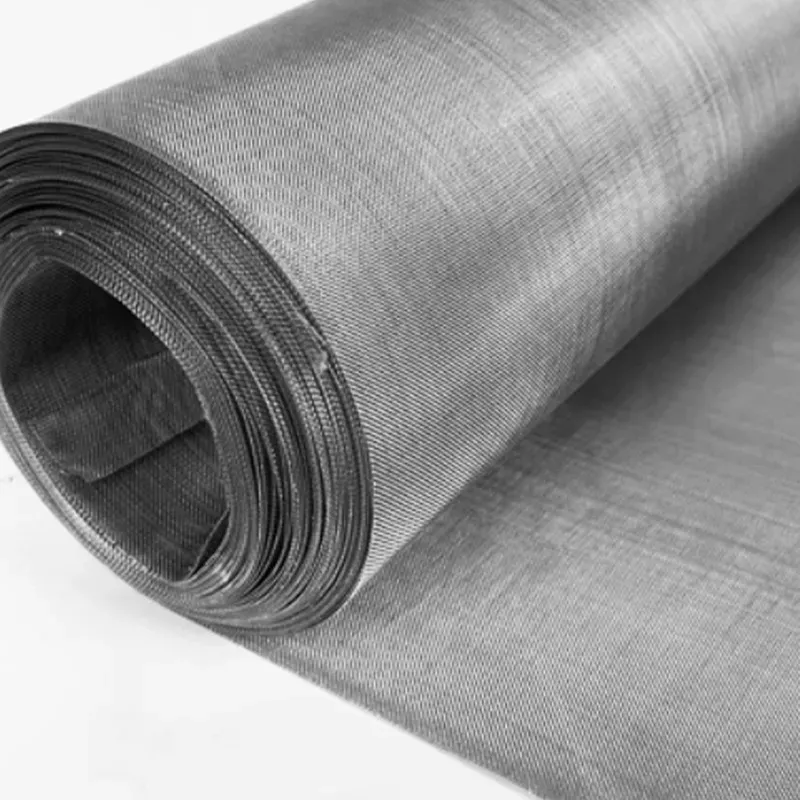
Diverse Applications and Specifications of Stainless Steel Mesh and Screens
In industrial and commercial contexts, stainless steel mesh and screens are valued for their durability, corrosion resistance, and precision. The 325 mesh stainless steel screen, 3mm stainless steel mesh, 4 mesh stainless steel screen, 4 stainless steel mesh, and 40 mesh stainless steel screen represent key variants designed for specific filtering, screening, and structural applications. Each type offers unique characteristics tailored to meet the demands of various sectors, from manufacturing to agriculture.
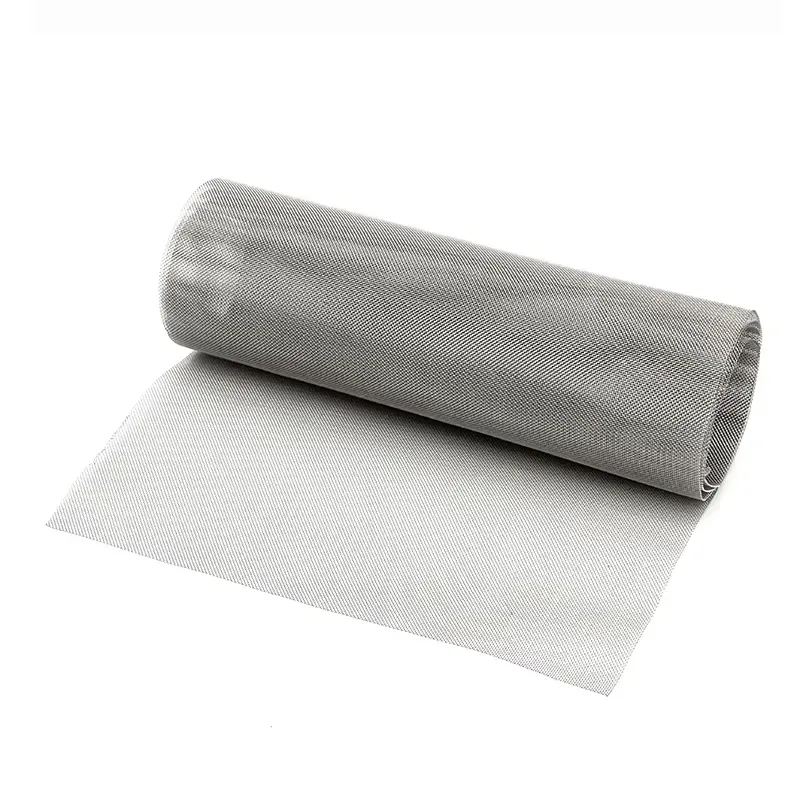
Exploring the Precision of 325 Mesh Stainless Steel Screen
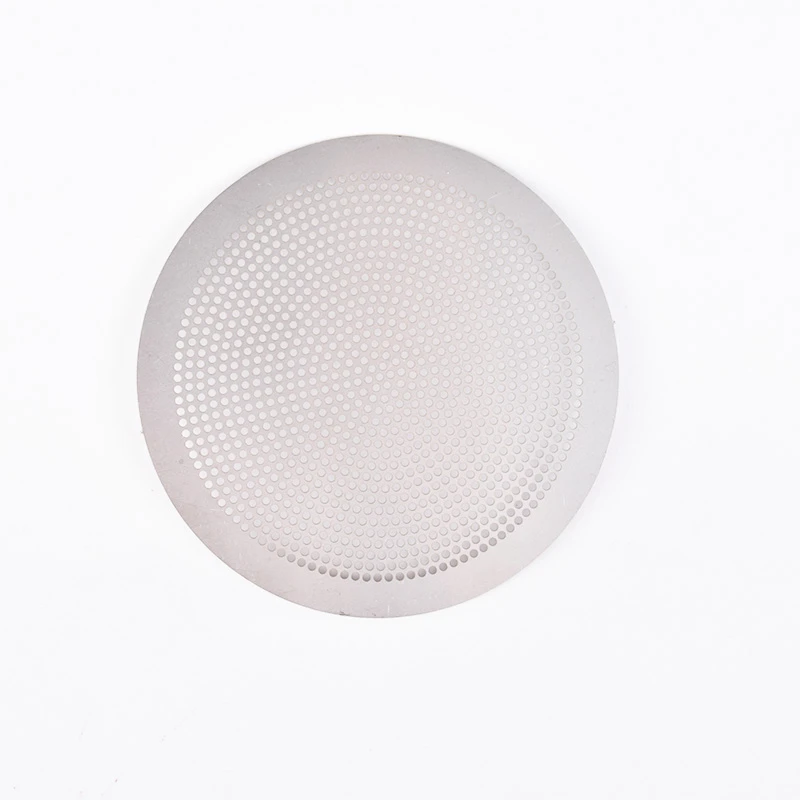
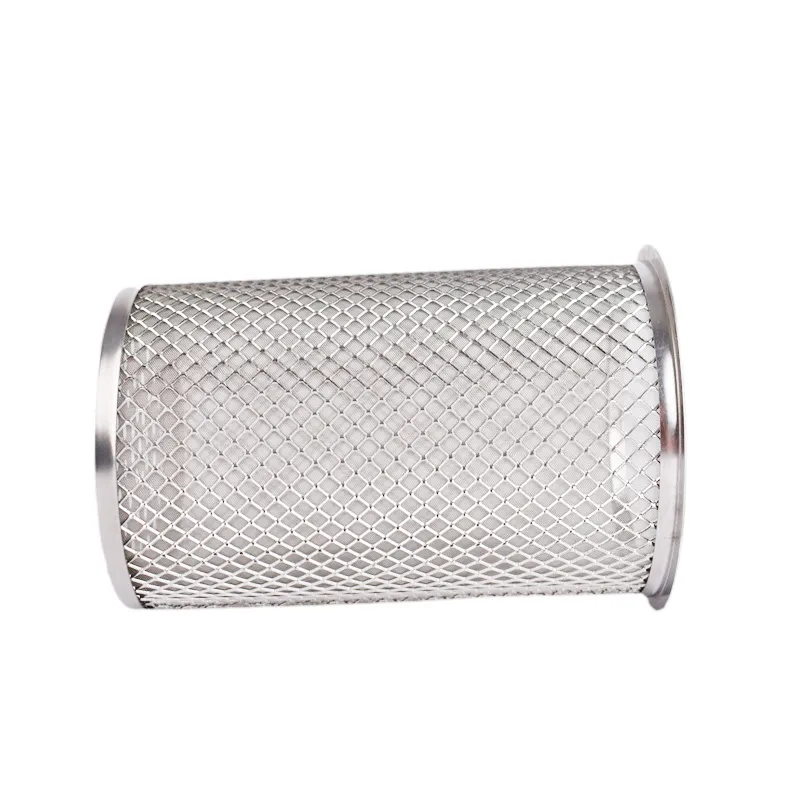
A 325 mesh stainless steel screen is renowned for its fine filtration capabilities. With 325 openings per linear inch, this screen is ideal for separating extremely small particles in industries like pharmaceuticals, food processing, and powder metallurgy. For example, in pharmaceutical manufacturing, it ensures the uniformity of powdered drugs by removing oversized particles. The tight weave of the 325 mesh stainless steel screen also makes it suitable for laboratory applications, such as filtering colloidal solutions or measuring particle size distributions. Its corrosion resistance ensures longevity even when exposed to aggressive chemicals or high - humidity environments.
The Structural Role of 3mm Stainless Steel Mesh
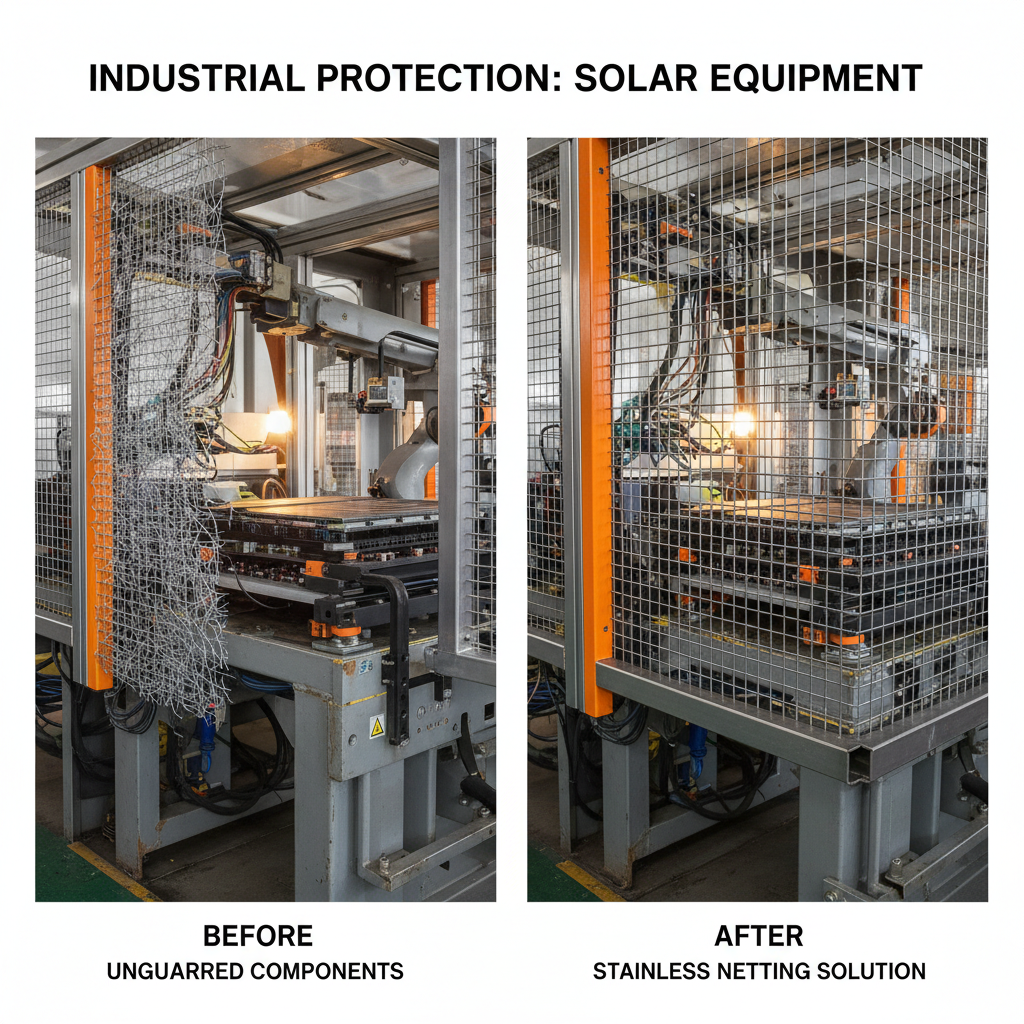
3mm stainless steel mesh refers to a variant with a wire diameter of 3mm, offering robust structural support. This mesh is commonly used in heavy - duty applications like industrial fencing, machine guards, and architectural screens. In construction, it can be integrated into concrete structures as reinforcement, providing stability while allowing for light and air penetration. The thickness of the wires in 3mm stainless steel mesh makes it resistant to impact and deformation, making it suitable for outdoor use in harsh weather conditions, such as coastal areas or high - wind regions.
Understanding 4 Mesh Stainless Steel Screen
A 4 mesh stainless steel screen features four openings per linear inch, making it suitable for coarse screening tasks. In mining and aggregate processing, this screen is used to separate large rocks or debris from usable materials. For instance, in quarry operations, the 4 mesh stainless steel screen can efficiently sort gravel by size, ensuring that only materials of the desired dimension proceed to the next stage of processing. Its open design allows for high throughput, reducing blockages and enhancing operational efficiency. Additionally, in agricultural settings, it may be used to sift soil or separate crop debris.
The Versatility of 4 Stainless Steel Mesh
4 stainless steel mesh (often interpreted as 4 - mesh, similar to the 4 mesh stainless steel screen) offers a balance between openness and strength. This mesh is frequently used in ventilation systems, automotive grilles, and decorative applications. In HVAC systems, it acts as a protective barrier while allowing unobstructed airflow. The corrosion resistance of stainless steel ensures that 4 stainless steel mesh remains functional in damp environments, such as bathroom vents or outdoor air intakes. Its simple design also makes it a cost - effective choice for projects requiring basic screening or protection.
Applications of 40 Mesh Stainless Steel Screen
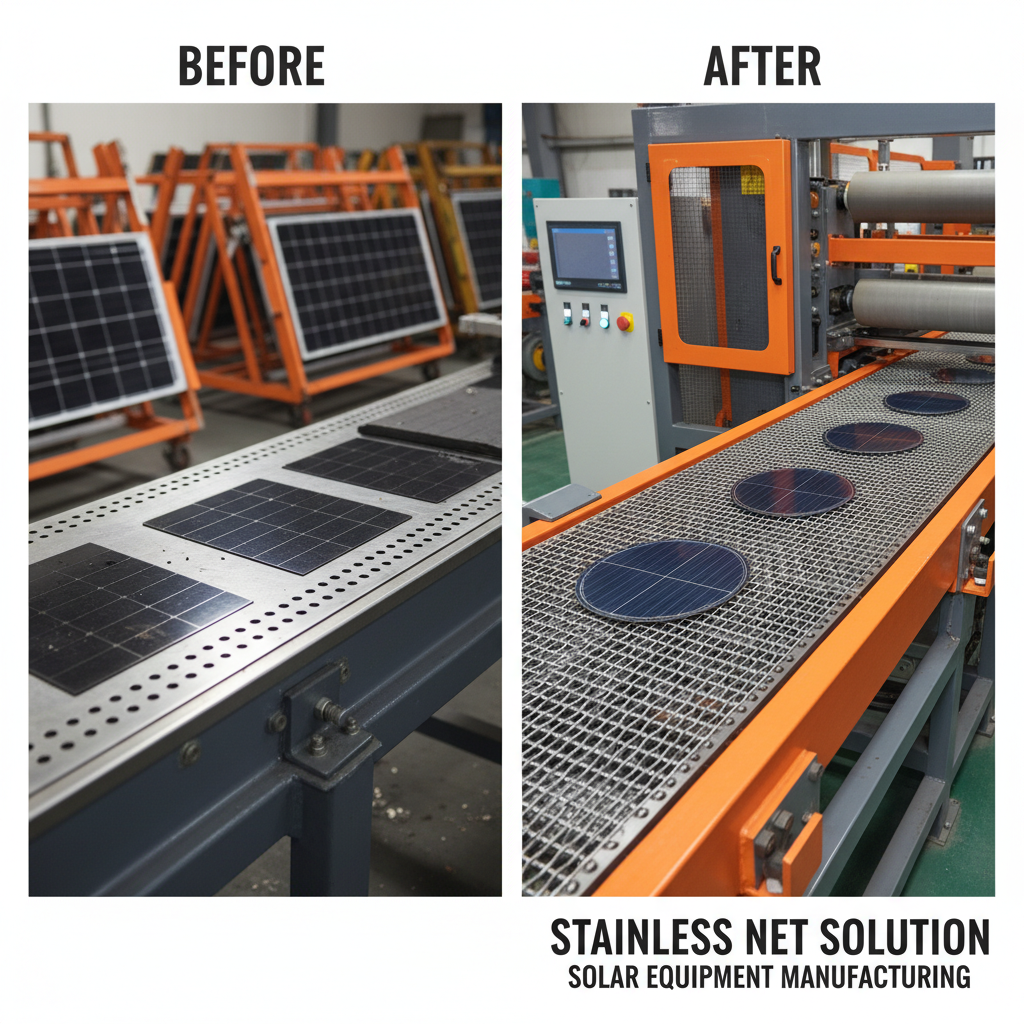
A 40 mesh stainless steel screen (40 openings per linear inch) is designed for medium - precision filtering. In the food industry, it is used to strain liquids, such as fruit juices or sauces, to remove seeds or pulp. In water treatment plants, this screen can filter out suspended solids in wastewater before further processing. The 40 mesh stainless steel screen is also common in metalworking, where it separates metal shavings from coolants or lubricants, ensuring the purity of industrial fluids. Its moderate weave density allows for efficient flow while capturing particles within a specific size range.
FAQ: Key Considerations for Stainless Steel Mesh and Screens
How to determine the appropriate mesh size for a specific application?
Selecting the right mesh size depends on the particle size to be filtered or separated. Finer meshes (e.g., 325 mesh) are suitable for small particles, while coarser meshes (e.g., 4 mesh) handle larger materials. Consider factors like throughput requirements, particle shape, and the environment (e.g., corrosive or high - temperature conditions). Refer to industry standards or consult manufacturers to match mesh specifications with operational needs.
What maintenance practices ensure the longevity of stainless steel mesh?
Regular cleaning with non - abrasive agents prevents debris buildup that can cause corrosion or clogging. For 325 mesh stainless steel screens, use gentle cleaning methods to avoid damaging the fine weave. Inspect mesh for signs of wear, such as bent wires or loose connections, and replace damaged sections promptly. In harsh environments, apply protective coatings (e.g., passivation) to enhance corrosion resistance.
Can stainless steel mesh be customized for non - standard applications?
Yes, most manufacturers offer customization for wire diameter, weave pattern, and dimensions. For example, 3mm stainless steel mesh can be cut to specific sizes for architectural projects, while 40 mesh screens may be adapted for unique filtration needs. Customization ensures the mesh aligns with project requirements, whether for aesthetics, functionality, or structural integrity.
How does wire diameter affect the performance of stainless steel mesh?
Wire diameter influences the mesh’s strength, openness, and filtration efficiency. Thicker wires (e.g., 3mm stainless steel mesh) provide greater durability and load - bearing capacity but reduce open area, potentially limiting flow rates. Thinner wires (e.g., in 325 mesh screens) allow finer filtration but may be more susceptible to damage in high - impact applications. Balance these factors based on the mesh’s intended use.
What industries commonly use 4 mesh and 40 mesh stainless steel screens?
4 mesh stainless steel screens are prevalent in mining, agriculture, and heavy industrial settings where coarse separation is needed. 40 mesh screens are widely used in food and beverage processing, water treatment, and light manufacturing for medium - grade filtration. Both are chosen for their durability and ability to withstand repeated use in demanding environments.