Woven Cloth of Stainless Steel: Durable Fabrics for Global Industry & Sustainability
Understanding Woven Cloth of Stainless Steel: Strength, Versatility, and Global Impact
Woven cloth of stainless steel might sound like a niche industrial material, but it’s actually a crucial player in many sectors worldwide — from filtration systems to architecture. Why does this matter to us all? Because the durability and adaptability of these woven fabrics often underpin essential infrastructure, environmental controls, and innovative manufacturing. As people demand better reliability, safety, and sustainability, wrapping our heads around what woven stainless steel cloth does is not just for engineers. Frankly, it’s a window into how materials science meets global needs.
Global Context: Why Stainless Steel Fabrics Matter
The global stainless steel market was valued at approximately $113 billion in 2023 (Statista), with woven stainless steel cloth representing a significant segment for industrial users. Industries such as chemical processing, water treatment, and automotive manufacturing rely heavily on these materials. The World Bank highlights rising demand for cleaner water and safer infrastructures in developing regions, where stainless steel cloth’s corrosion resistance and filtering capabilities help meet these challenges.
Oddly enough, many disaster relief operations also benefit from quick-deploy filtration units made with stainless steel cloth — a small detail with big humanitarian impact.
Mini takeaway: Stainless steel woven fabric is everywhere—from factories to making sure you can drink clean water—and that global importance only grows.
What is Woven Cloth of Stainless Steel?
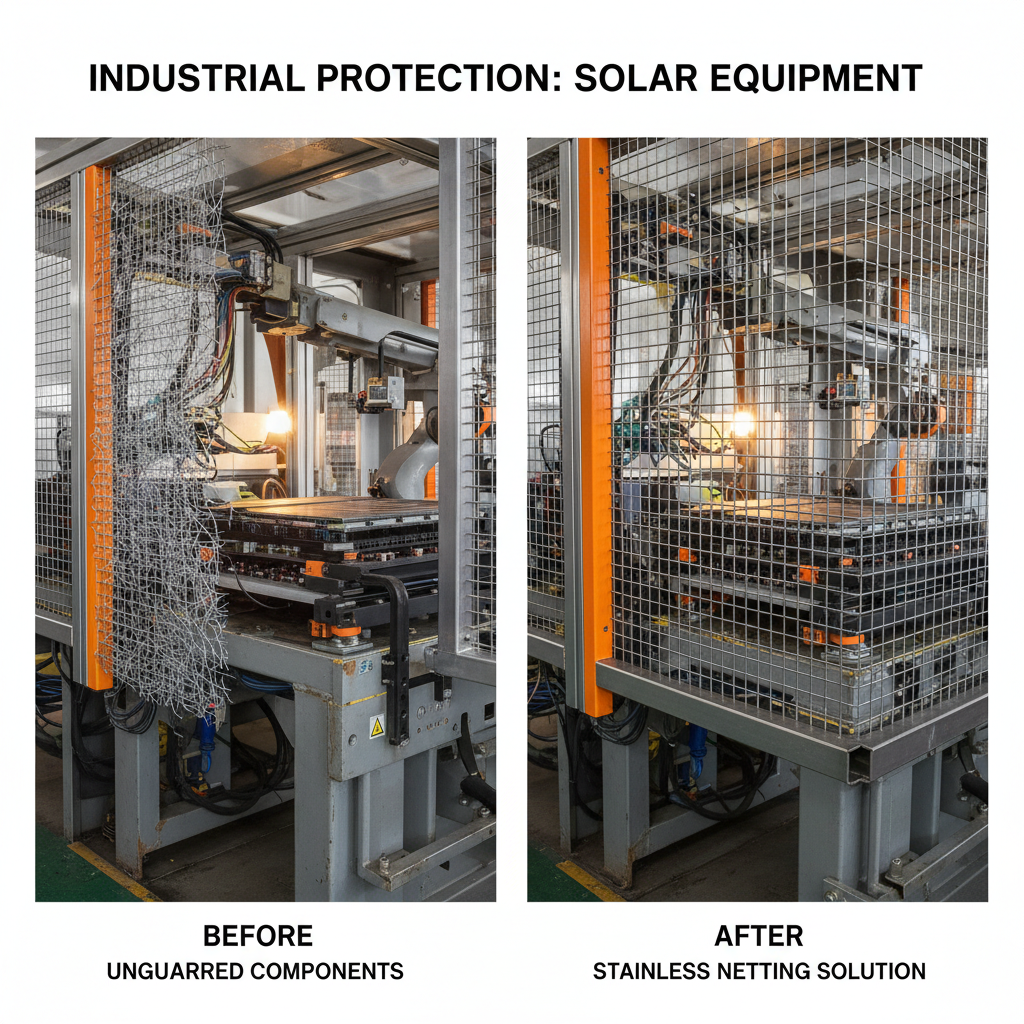
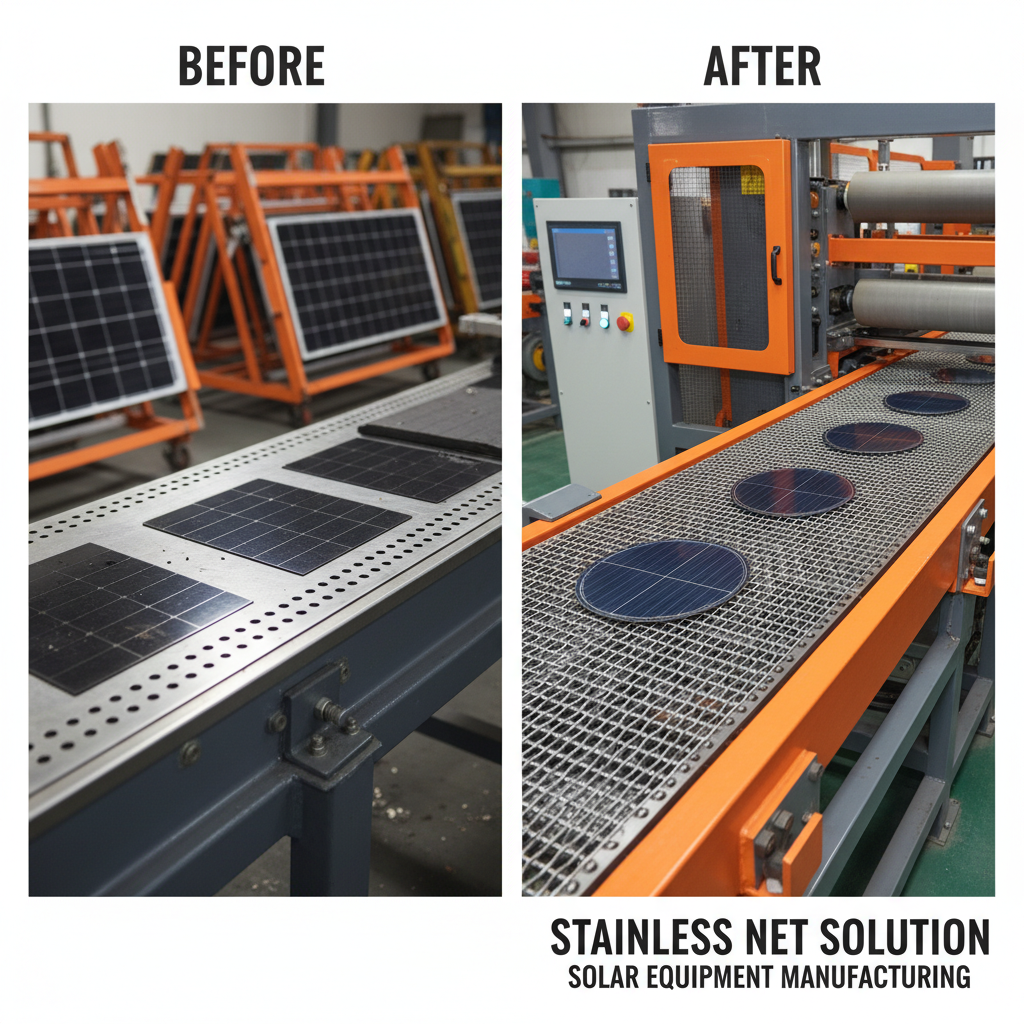
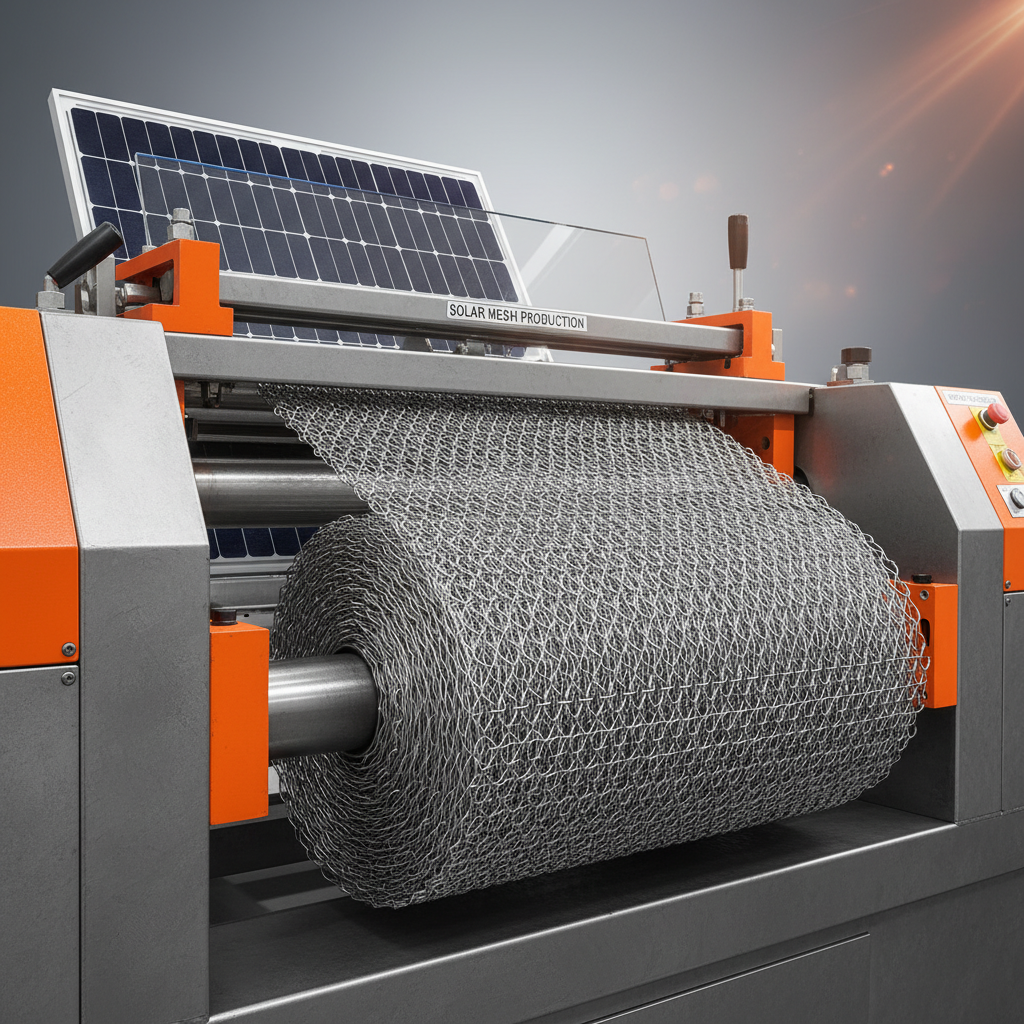
At its core, woven cloth of stainless steel is exactly what the name implies: fine stainless steel wires woven into a flexible, mesh-like fabric. Think of it as a textile—but one designed to withstand corrosion, heat, and physical stress better than typical cloths.
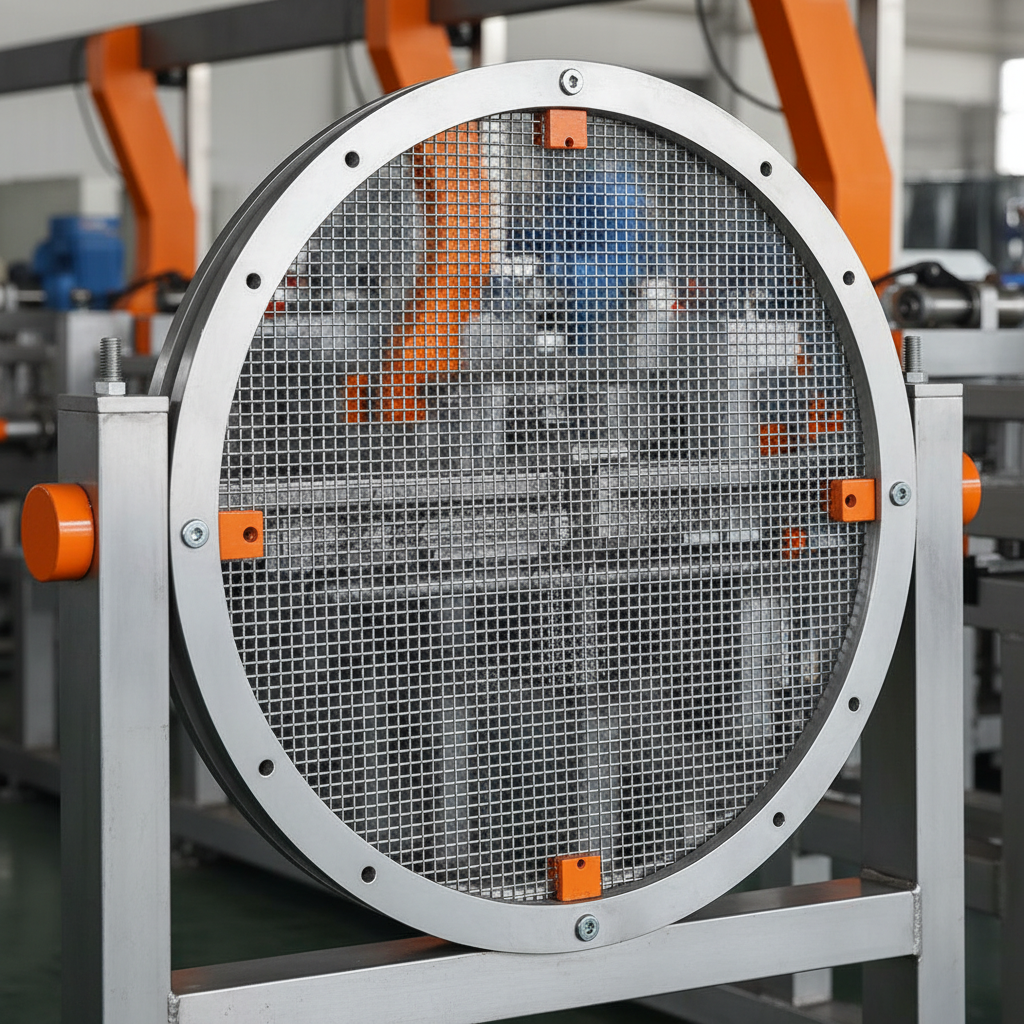
This isn’t just some industrial curiosity. It’s an enabling technology for industries that require materials that don’t just flex, but resist harsh environments while maintaining mechanical strength. For instance, filtration screens in oil refineries or protective shielding in electronics often use this fabric.
It’s also connected to humanitarian needs in places where durable, hygienic, and reusable materials are critical.
Key Features of Woven Stainless Steel Cloth
1. Durability
Stainless steel mesh resists oxidation, rust, and mechanical wear remarkably well—critical when surfaces are exposed to water, chemicals, or high temperatures for extended periods.
2. Precision and Scalability
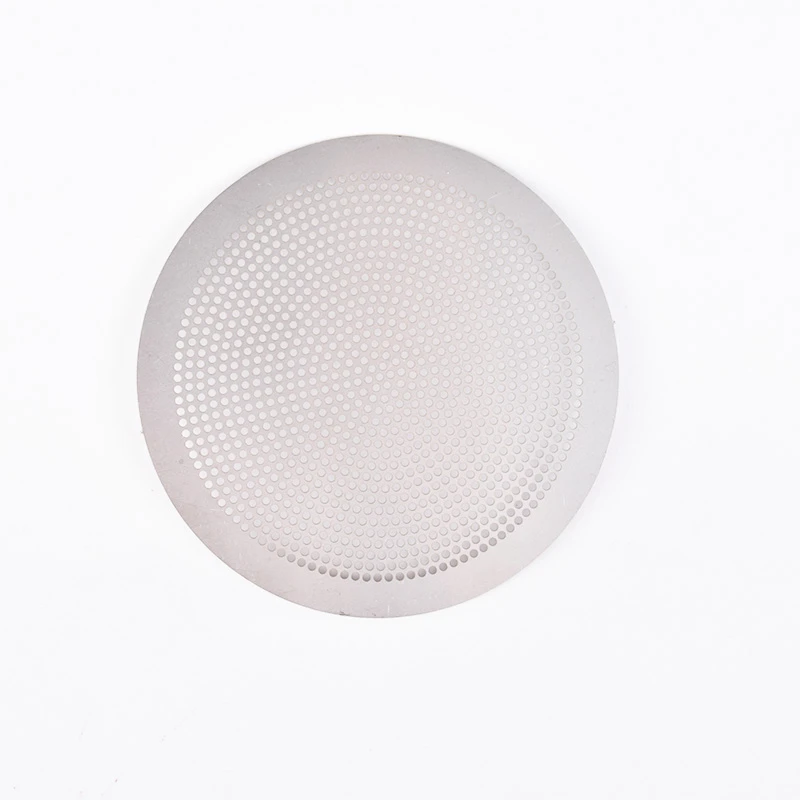
The tight weave patterns can be customized to allow microfiltration or coarse screening. Manufacturers can scale production to meet large industrial demands or specialized uses.
3. Cost Efficiency Over Time
Compared to disposable or synthetic mesh materials, stainless steel offers longer lifecycle investment, reducing replacement costs and waste, an advantage in industrial and environmental applications alike.
4. Versatility
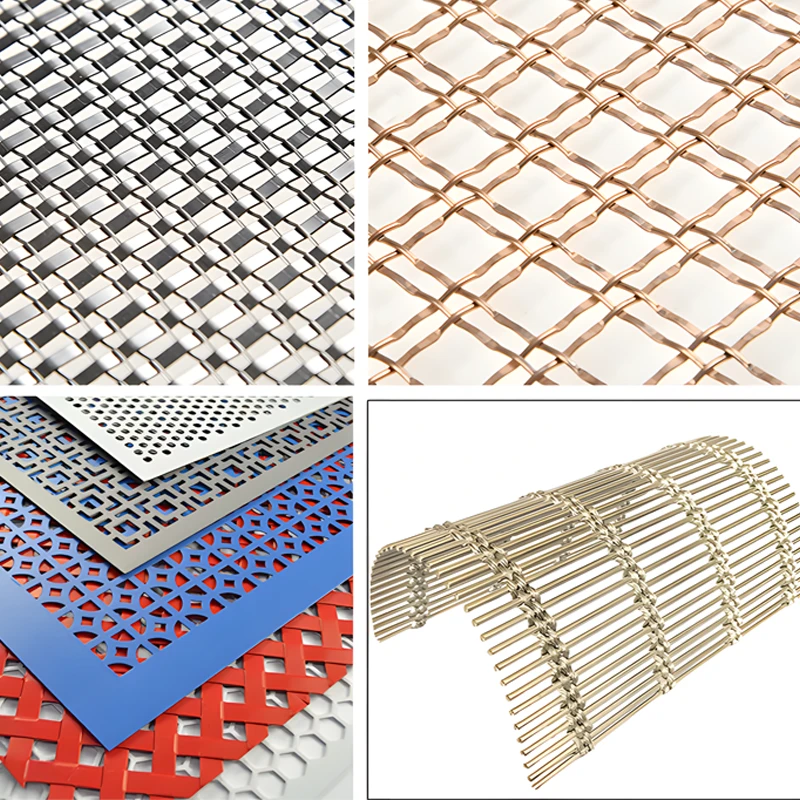
From architectural facades to medical filtering devices, the fabric can be adapted in weave pattern, thickness, and finish.
5. Easy Maintenance
Stainless steel mesh is straightforward to clean and sterilize — a huge benefit in food processing and pharmaceutical manufacturing.
Technical Specifications Example
| Specification | Typical Values |
|---|---|
| Wire Diameter | 0.03 – 0.3 mm |
| Weave Type | Plain, Twill, Dutch |
| Opening Size | 20 – 2000 microns |
| Material Grade | 304, 316, 316L Stainless steel |
| Max Temperature | Up to 870°C (depending on grade) |
Global Applications & Use Cases
You’ll find woven stainless steel cloth used in environmental applications — filters in wastewater treatment plants in Europe and Asia, for example. Mining industries in Australia rely on it for screening and separation tasks under harsh conditions.
In healthcare, surgical mesh products often rely on stainless steel fabric for temporary implants or instrument sterilization trays.
Another growing sector is architectural design, where the woven fabric serves as sunshades or decorative façades that also help with ventilation.
Oddly enough, NGOs deploying water filtration in disaster-stricken zones depend on stainless steel’s resilience when access to replacements or power for synthetic filters is limited.
Vendor Comparison of Woven Stainless Steel Cloth
| Feature | Vendor A | Vendor B | Vendor C |
|---|---|---|---|
| Material Grades Available | 304, 316 | 316L, 310 | 304, 316, 340 |
| Customization Options | Wire diameter, weave | Weave, heat treatment | Full customization incl. coatings |
| Lead Time | 2–4 weeks | 3–5 weeks | 1–3 weeks |
| Global Shipping | Yes | Limited | Yes |
| Price Range | $$ | $$$ | $ - $$$ |
Advantages & Long-Term Value
- Cost-effectiveness: even if initially more expensive, stainless steel cloth lasts longer and reduces total ownership costs.
- Sustainability: recyclable materials and reduced waste contribute to greener industries.
- Social impact: improved filtration helps provide safe drinking water in underserved communities.
- Reliability: robust to corrosion and temperature extremes, supporting safety and dignity in industrial and public health environments.
All things considered, the emotional comfort of using materials that “just work” and can be trusted under pressure is huge. Engineers and end-users alike often mention that reliability feels like a quiet kind of trust — the kind you slowly build over years.
Emerging Trends & Innovations
Innovations like integrating nanocoatings improve antimicrobial properties without sacrificing permeability, a promising step for medical and food industries.
Digital weaving technologies allow precision tailoring of mesh patterns for even more specialized filtration needs.
Meanwhile, sustainability efforts encourage shifting to lower-carbon stainless steel production and circular economy practices.
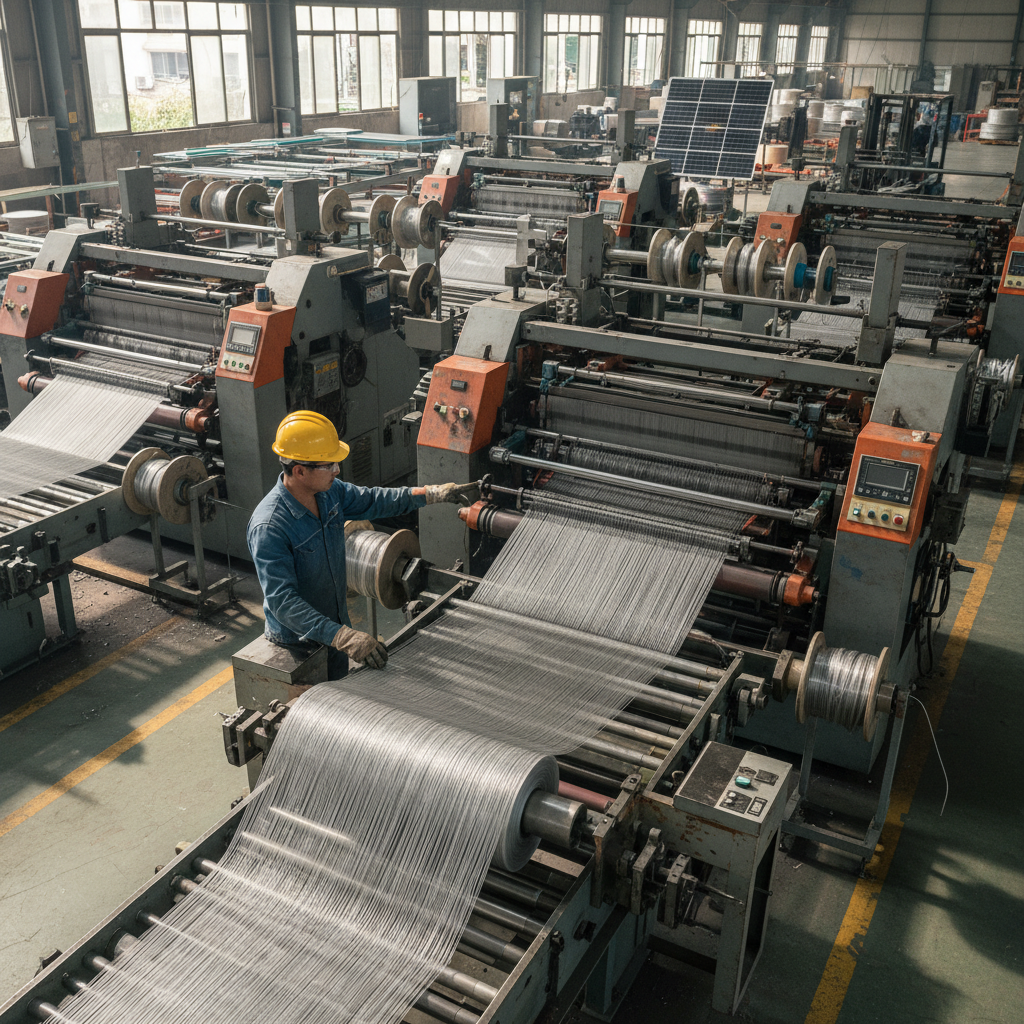
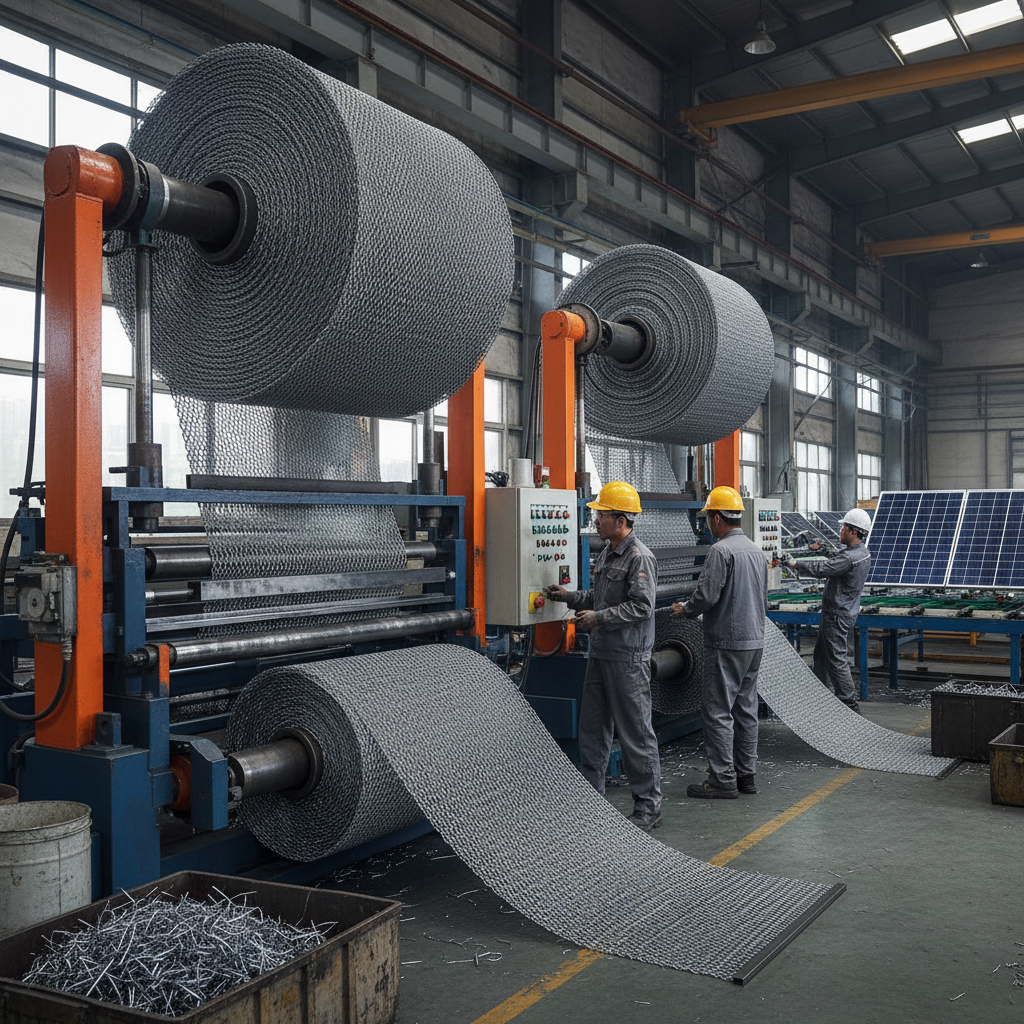
And with automation, quality control in manufacturing these woven fabrics reaches new heights—reducing defects and tailoring performance ever more closely.
Challenges & Expert Solutions
Despite the benefits, stainless steel cloth isn’t without challenges. For instance, its initial cost can deter small businesses or NGOs with limited budgets.
Also, specialized weave patterns can add lead time and complexity.
Many experts suggest modular designs and partnerships with manufacturers to customize stock items efficiently.
Plus, investing in training to handle and maintain these materials properly reduces premature failure, which ironically improves cost efficiency.
FAQ: Woven Cloth of Stainless Steel
- What industries primarily use woven stainless steel cloth?
- It’s popular in filtration, chemical processing, oil and gas, architecture, and healthcare sectors—anywhere durability and corrosion resistance matter.
- Can woven stainless steel cloth be recycled after use?
- Yes, stainless steel is highly recyclable without loss of quality, supporting sustainable materials management.
- How customizable are the weave patterns?
- Very customizable. Weave tightness, wire diameter, and material grade can be adjusted for specific filtration or mechanical needs.
- Is it easy to clean stainless steel cloth?
- Absolutely. It withstands intense cleaning processes including chemical sterilization and high temperatures.
- What’s the typical lifespan of these woven fabrics in industrial applications?
- Under normal use, they can last several years, often outlasting synthetic alternatives by at least two to three times.
Conclusion: Why Woven Stainless Steel Cloth Is More Than Just Mesh
To sum it up, woven cloth of stainless steel serves a uniquely vital role in building and maintaining our modern world’s infrastructure, safety, and sustainability. Its blend of durability, flexibility, and fine-tuned customization makes it indispensable—from water filtration in disaster zones to leading-edge architectural projects.
Curious to explore the latest options or purchase quality stainless steel fabrics? Visit woven cloth of stainless steel and discover how this remarkable material can serve your needs.
Oddly enough, once you start noticing stainless steel fabric in everyday applications, you realize just how much of a quiet hero it is—holding together projects and protecting lives in ways many of us overlook.