Wire Mesh Screen Stainless Steel: Global Insights, Applications, and Innovations
Understanding Wire Mesh Screen Stainless Steel: What Makes It Essential?
Wire mesh screen stainless steel — it’s one of those materials that quietly holds the modern world together. From construction sites to clean rooms, its presence is everywhere, yet it often flies under the radar. So, why talk about it now? Well, globally, the demand for durable, corrosion-resistant materials is skyrocketing — industries from food production to healthcare rely heavily on this simple, mesh-based solution. Plus, with growing concerns about sustainability and lifecycle costs, knowing about stainless steel wire mesh screens isn’t just academic. It’s practical and frankly necessary.
Global Context and Industry Insight
The steel industry, according to the World Steel Association, produced over 1.8 billion metric tons of steel globally in 2023 — a good chunk of which goes into stainless steel products like wire mesh screen stainless steel. That’s not surprising: stainless steel meshes solve a major challenge — they offer high strength without adding much weight, resist rust in hostile environments, and require minimal maintenance. Without these screens, processes like filtration, sieving, and protective barriers would be far less reliable worldwide. Oddly enough, in disaster recovery zones and developing industrial hubs — such as parts of Southeast Asia and East Africa — the availability of quality stainless steel mesh can be a game changer.
What Is Wire Mesh Screen Stainless Steel?
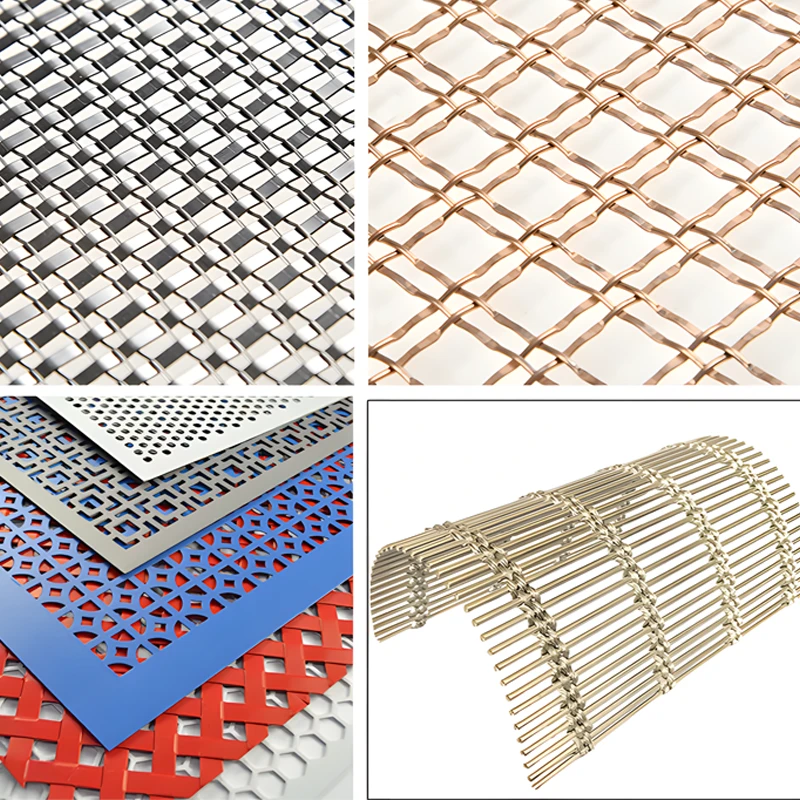
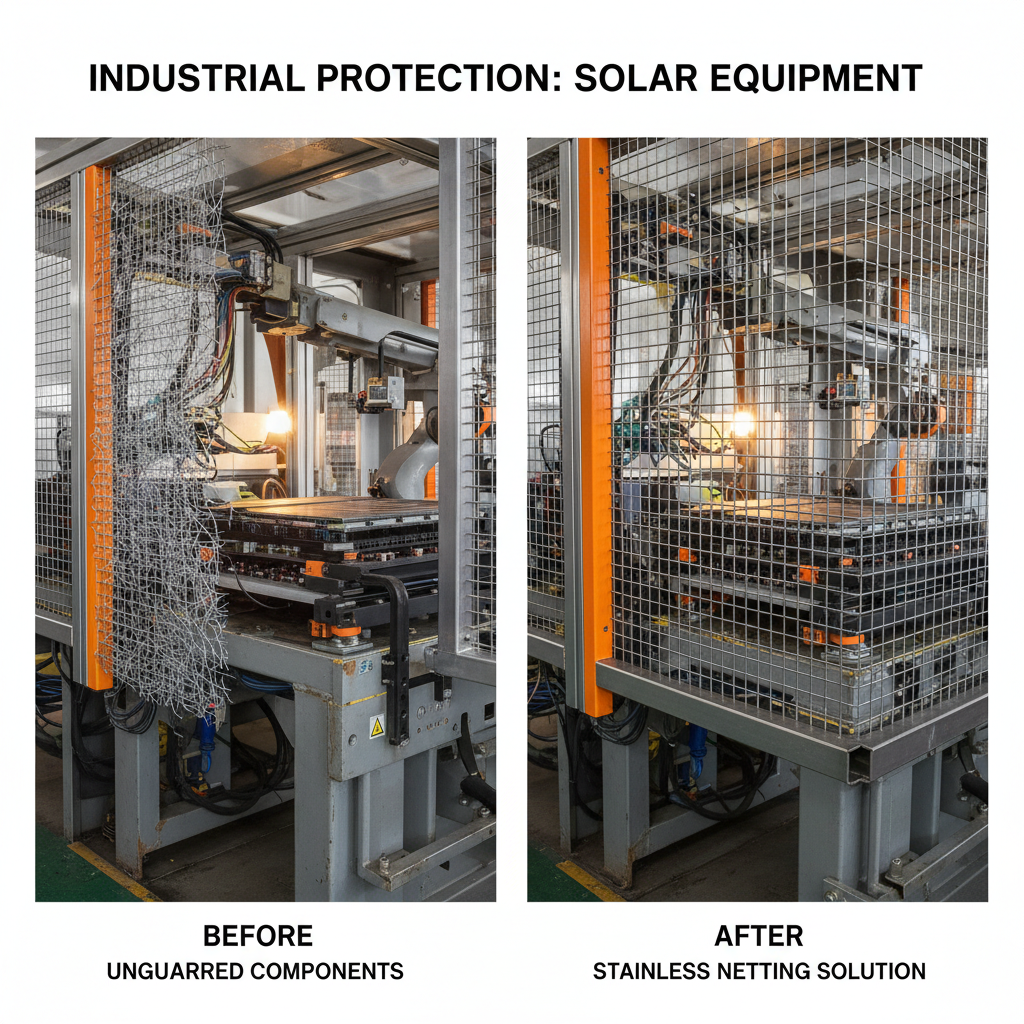
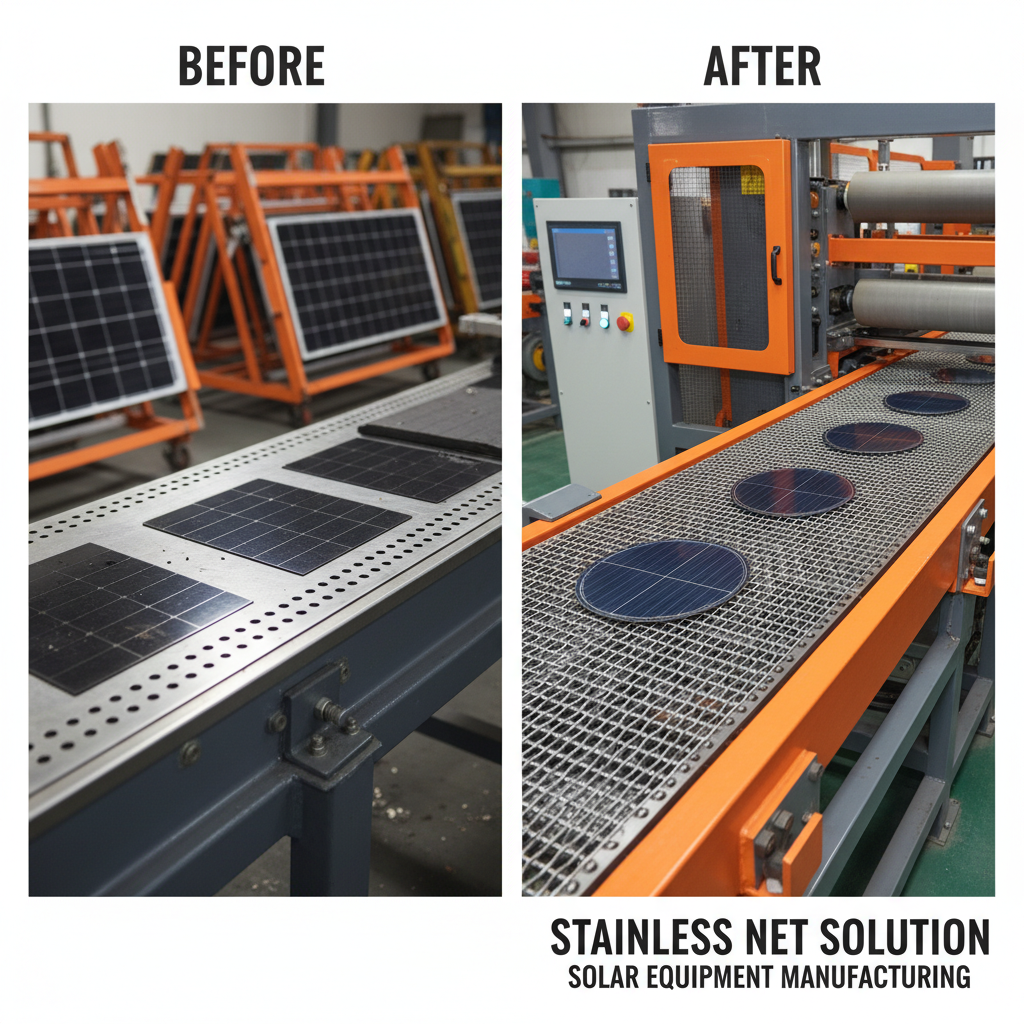
At its simplest, this product is a woven or welded grid made from stainless steel wire. Think of it as a net but way tougher, designed to filter, protect, or reinforce based on application needs. This combination of flexibility and durability makes it indispensable in modern manufacturing and humanitarian logistics. For instance, its corrosion resistance means it thrives in salty sea air or chemical plants, which is critical for food-grade environments and water treatment plants alike.
Core Aspects of Wire Mesh Screen Stainless Steel
Durability
Stainless steel's resistance to corrosion, rust, and temperature extremes means screens last for years, often decades. This durability guarantees low replacement costs and less downtime for industries.
Mesh Size and Versatility
Mesh count, wire diameter, and weave type (plain, twill, Dutch) determine filtering precision. Whether it’s screening grains or protecting machine parts, adjustable mesh parameters make it highly customizable.
Cost Efficiency
While upfront costs might be higher than alternatives like plastic meshes, the long-term savings from durability, reduced maintenance, and recyclability tip the scales favorably.
Environmental Resistance
With high chemical and heat resistance, these meshes operate reliably in harsh environments, cutting down on material wear or contamination risks.
Ease of Fabrication
Stainless steel meshes can be cut, shaped, and welded to fit a variety of designs, making them a favorite among engineers who need precision and flexibility.
Mini Takeaway:
Wire mesh screen stainless steel stands out for its longevity, adaptable design, and ability to perform under pressure—in every sense.
Product Specifications: Typical Wire Mesh Screen Stainless Steel
| Specification | Details |
|---|---|
| Material Grade | 304 / 316 Stainless Steel |
| Mesh Count | 10 - 400 (wires per inch) |
| Wire Diameter | 0.025 mm - 5 mm |
| Weaving Types | Plain, Twill, Dutch Weave |
| Standard Width | 1 m - 2 m |
| Surface Finish | Mill Finish / Electro-Polished |
Global Applications & Use Cases
Stainless steel wire mesh screens have their fingerprints all over the industrial world. In water treatment plants across Europe, they filter contaminants with precision. The oil and gas sector uses them in the Middle East to sift particulates safely. Even humanitarian organizations rely on them: in post-disaster relief operations in Southeast Asia, sturdy wire mesh keeps shelters secure and clean water supply intact. Remote mining sites in Canada appreciate the durability and low maintenance, since replacing parts so far from suppliers is a headache.
Vendor Comparison
| Vendor | Material Grades | Customization | Typical Lead Time | Regions Served |
|---|---|---|---|---|
| QHFilter | 304, 316 | Wire diameter, mesh size, finish | 2-3 weeks | Global, incl. Asia & Europe |
| SteelMeshCo | 304 only | Limited mesh sizes | 4-5 weeks | North America, Europe |
| Metallix Ltd. | 316, 316L | Custom weaves & coatings | 3-4 weeks | Asia, Africa, Australia |
Advantages & Longevity
Investing in wire mesh screen stainless steel feels sort of like buying a solid pair of boots — you’ll hardly notice them most days, but you’ll be grateful for their protection when conditions get tough. These screens offer a reliable shield against corrosion and contamination. Their sustainability angle? Stainless steel’s recyclability means less waste. For industries advancing towards circular economies, this is a big tick. Also, they play an emotional role — providing safety, preserving dignity by ensuring clean water or protecting workers, and fostering trust in supply chains.
Future Trends & Innovations
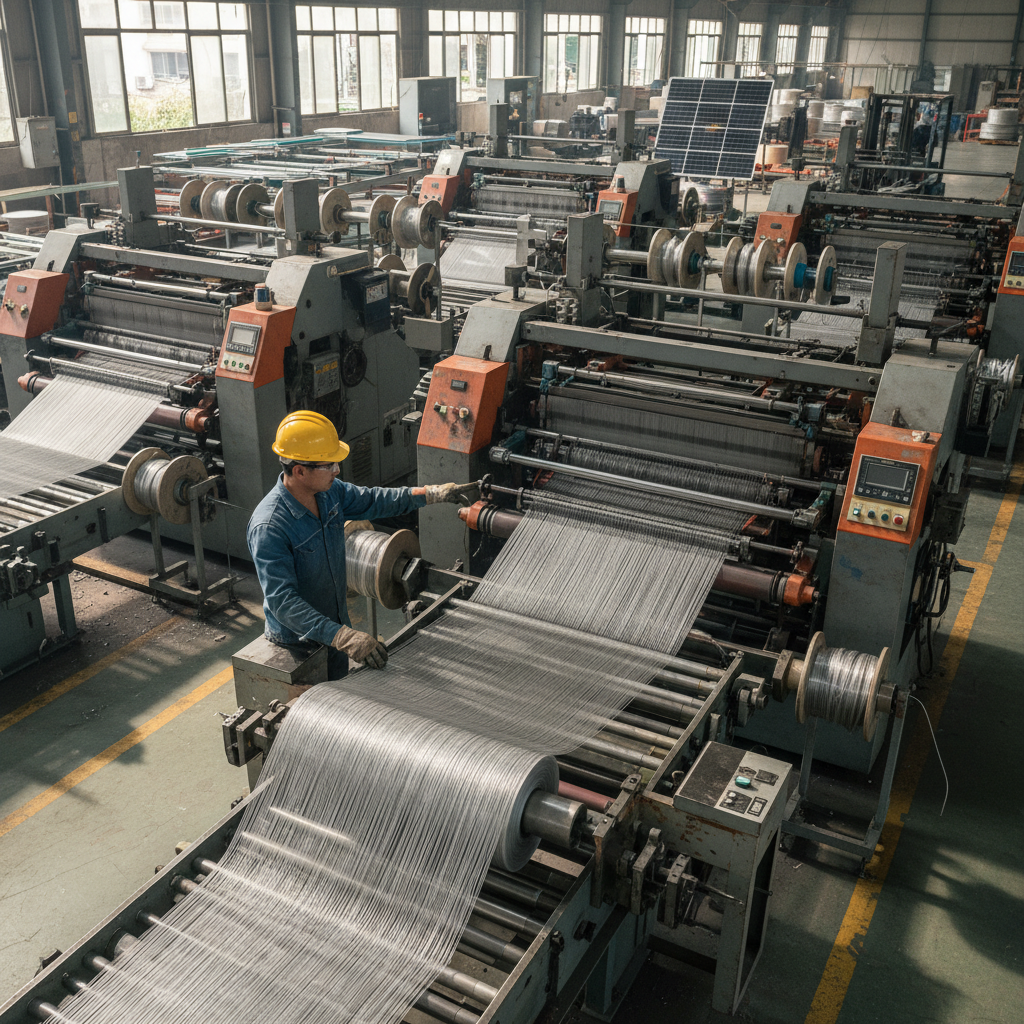
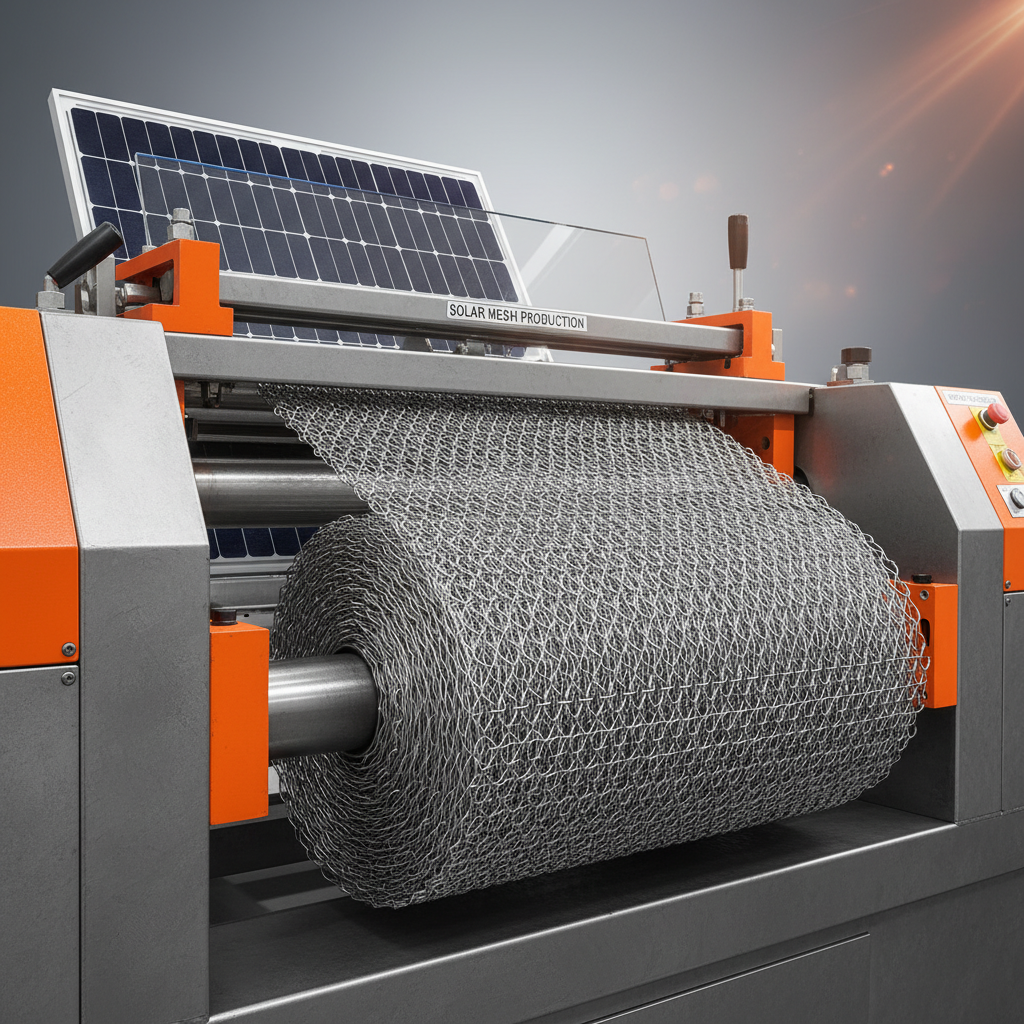
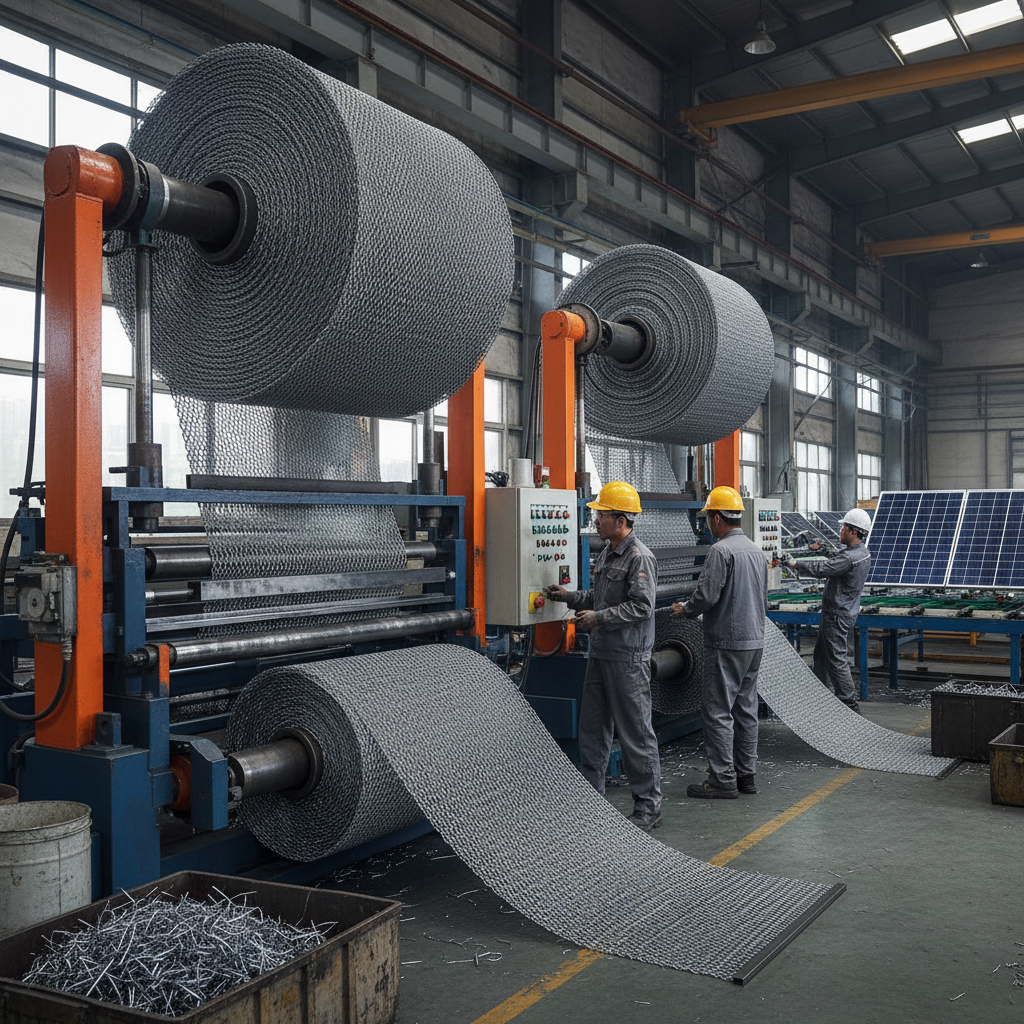
Looking ahead, the mesh world is getting smarter. Developments in nano-coatings promise even better corrosion resistance and self-cleaning surfaces, reducing maintenance further. There’s ongoing research into integrating digital sensors within meshes for real-time contamination detection — a game changer for food and pharma industries. Sustainability continues to drive material innovation, with some experimenting with bio-based binders or hybrid alloys. Automation in mesh production is cutting lead times, addressing current bottlenecks.
Challenges & Solutions
Of course, no material is perfect. Stainless steel wire mesh screens can be pricey initially and weightier than alternatives. But expert fabricators optimize designs to tailor mesh thickness and weave for each use, trimming material without losing strength. Plus, newer alloys balance cost and performance better, and supply chain digitalization ensures stock levels and customization requests mesh smoother than ever.
FAQs About Wire Mesh Screen Stainless Steel
-
Q: How do I choose the right mesh size for filtration?
A: Start by identifying the particle size you want to filter out; the mesh count must support this. For example, a 100 mesh screen filters particles roughly 149 microns in size. Always consider flow rate and pressure when selecting mesh size. -
Q: Can these screens be used in marine environments?
A: Absolutely. Stainless steel grades like 316 are specifically formulated for corrosion resistance in saltwater settings, making them ideal for marine filters or protective cages. -
Q: Are wire mesh screens customizable?
A: Yes, vendors like QHFilter allow customization in wire diameter, mesh size, and surface finish to suit precise project requirements. -
Q: How long do stainless steel wire mesh screens typically last?
A: With proper usage and environment, these screens can last 10+ years, sometimes decades, thanks to their corrosion and wear resistance. -
Q: Is stainless steel mesh recyclable?
A: Yes, stainless steel is 100% recyclable without loss of quality, supporting sustainability goals in industries worldwide.
Conclusion: Why Wire Mesh Screen Stainless Steel Remains Indispensable
To wrap this up, wire mesh screen stainless steel isn’t just a material; it’s a backbone for various industrial, humanitarian, and environmental efforts across the globe. Its durability, adaptability, and eco-conscious attributes make it a long-term ally in ensuring safety, efficiency, and innovation. If you’re considering wire mesh solutions, or want to explore specifications precisely tailored to your project, don’t hesitate to visit our website. The right mesh is closer than you think.
Slow and steady wins the mesh race – and with stainless steel, you’re in reliable company.