Wire Mesh Filter: Efficient, Durable - Ready to Order?
If you work with a [wire mesh filter] every day, you know the stakes: uptime, cleanliness, and predictable pressure drop. I’ve toured enough plants to see the difference a well-made disc makes—especially when batches get hot, viscous, or a bit “creative,” as one operator joked.
What’s changing in filtration right now
Three quick trends: tighter traceability, faster changeovers, and sustainability pressure. Plants are standardizing on 316L and documented surface finishes; buyers ask for ISO/CE/FDA contact statements; and maintenance teams want discs that handle repeated CIP without pinholing. Honestly, it’s about reliability, not fashion.
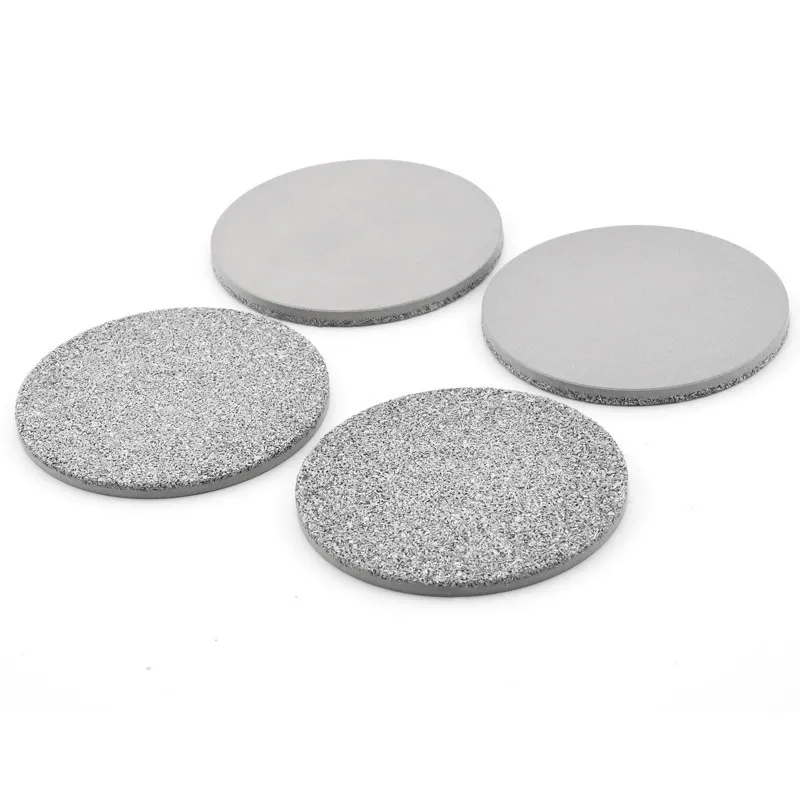
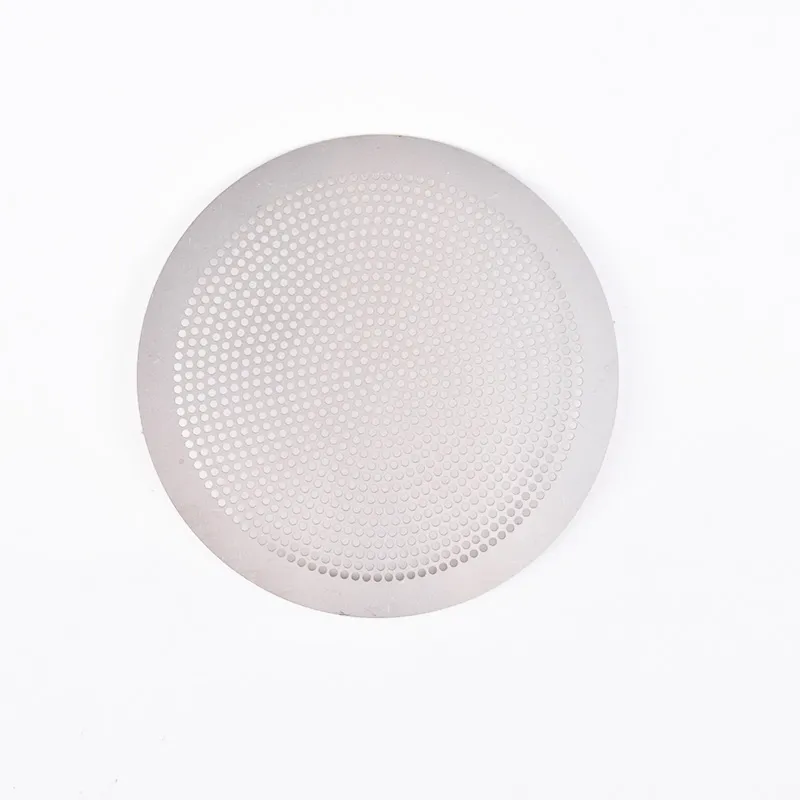
Product snapshot: Wire Mesh Filter Disc
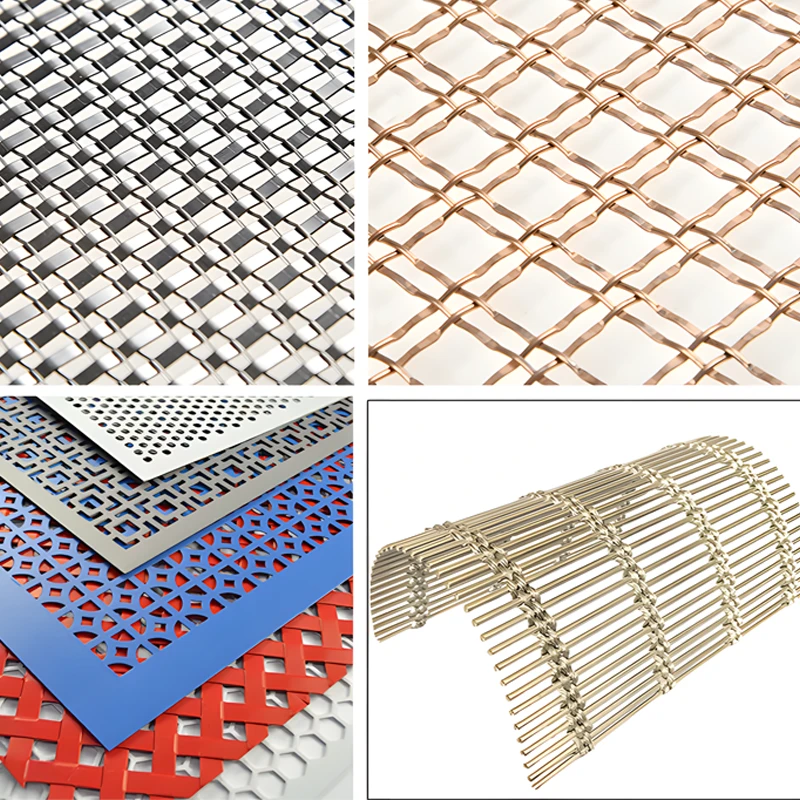
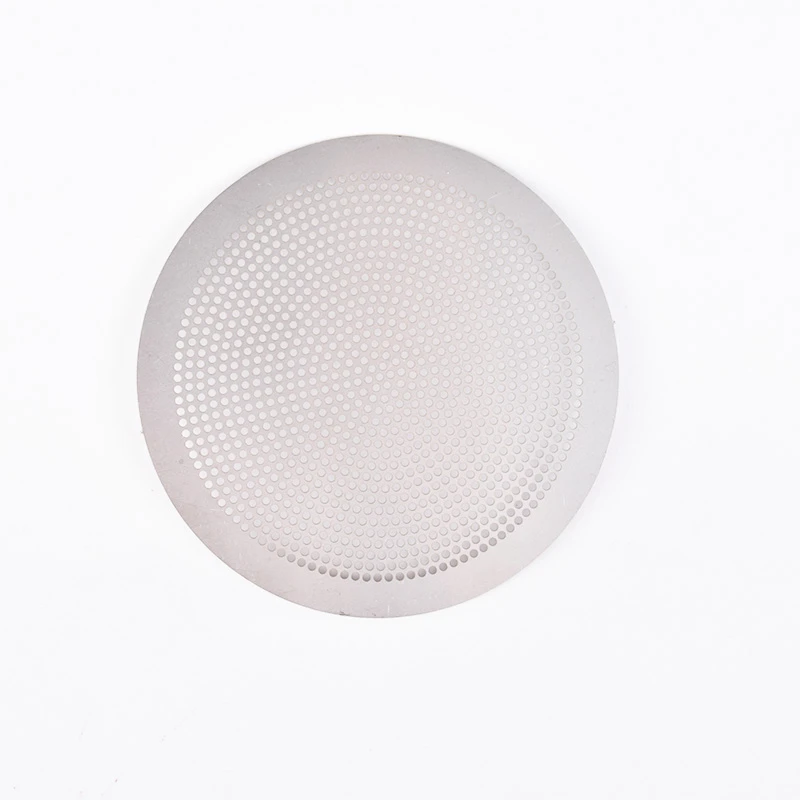
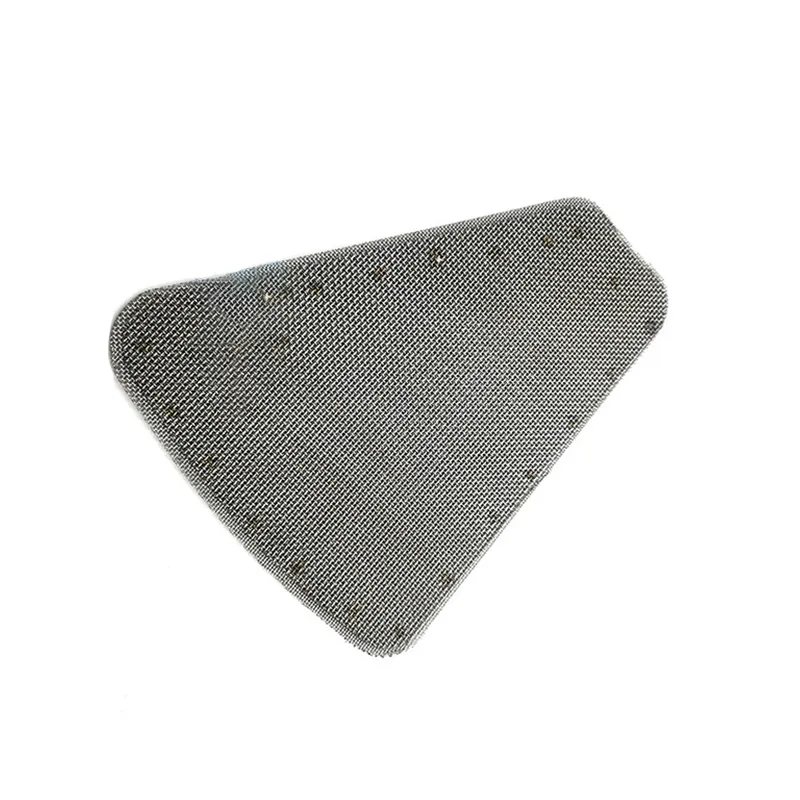
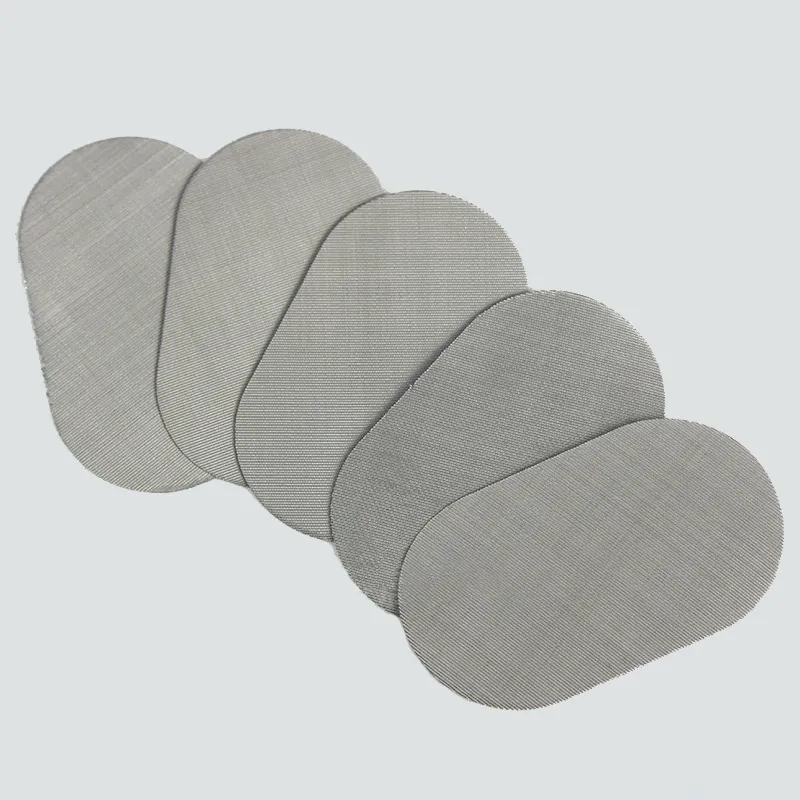
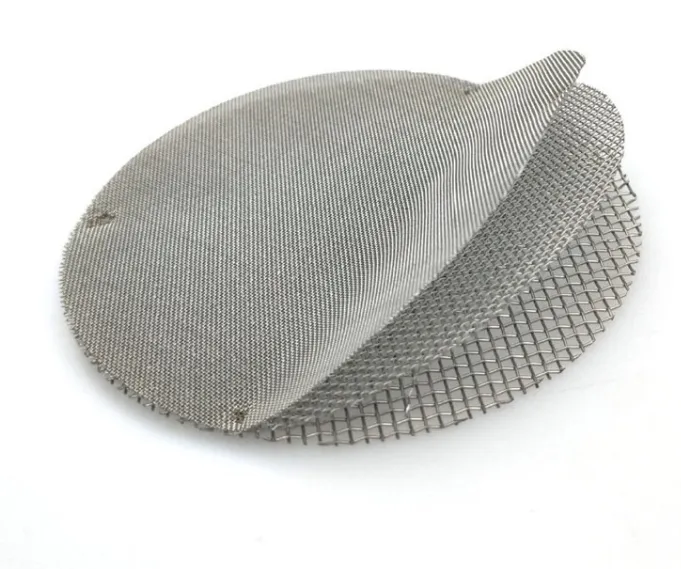
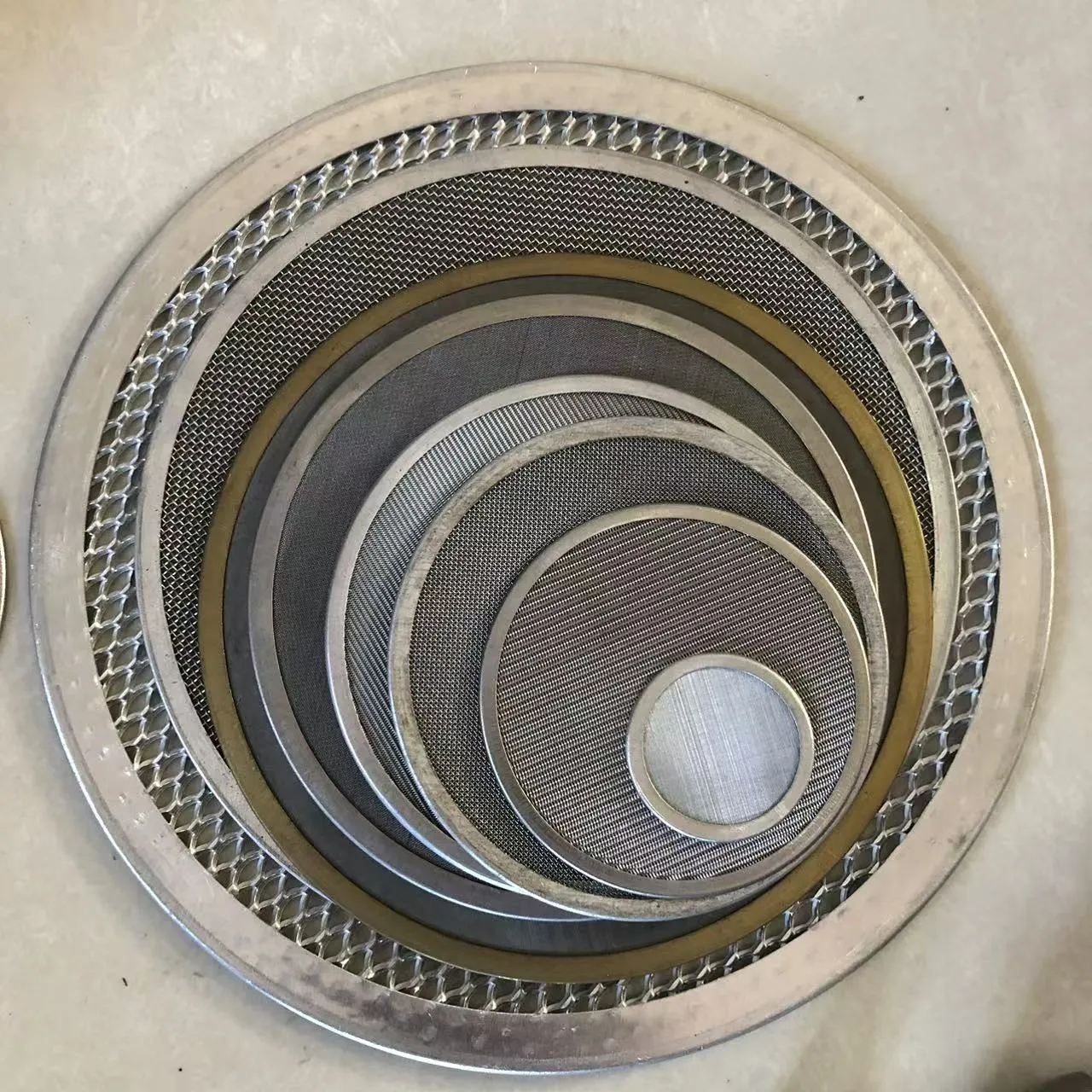
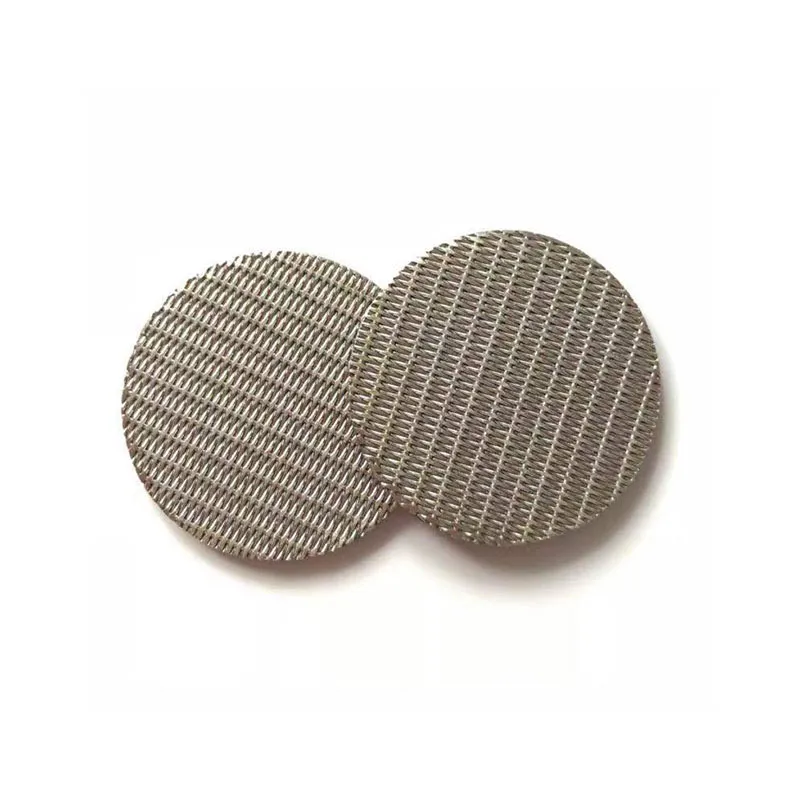
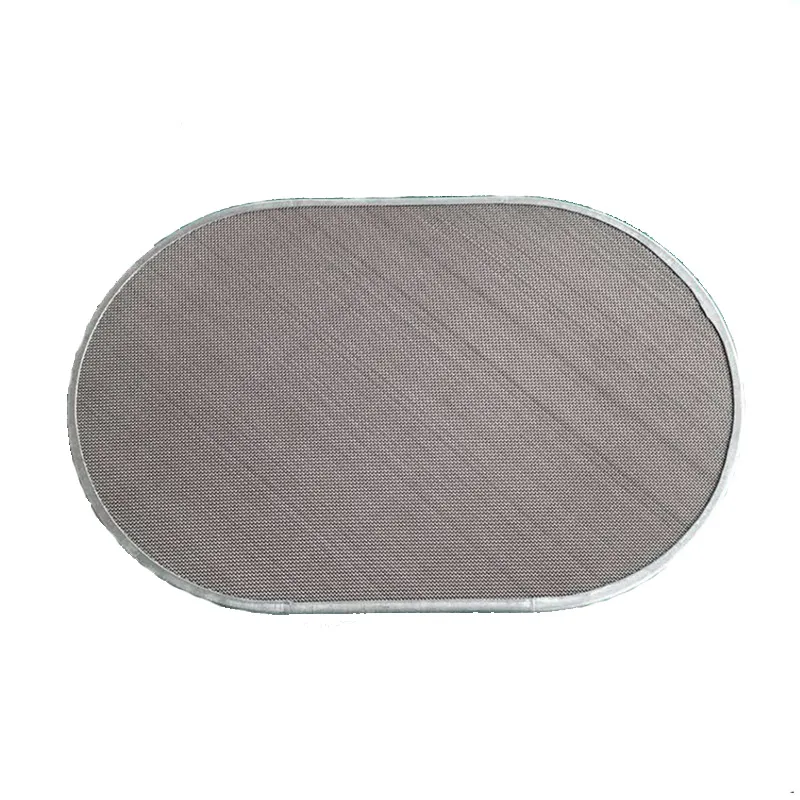
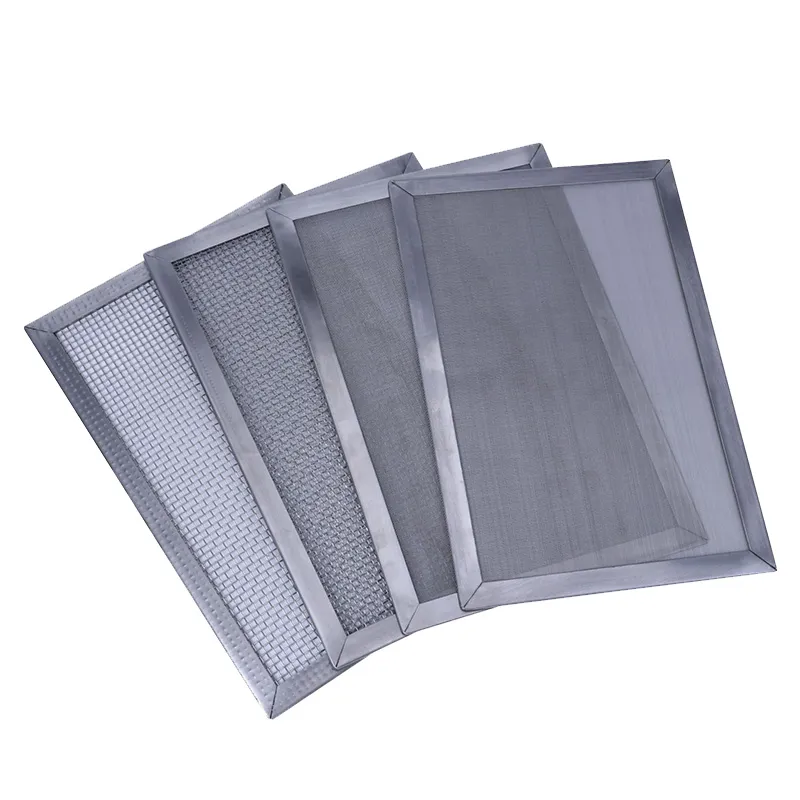
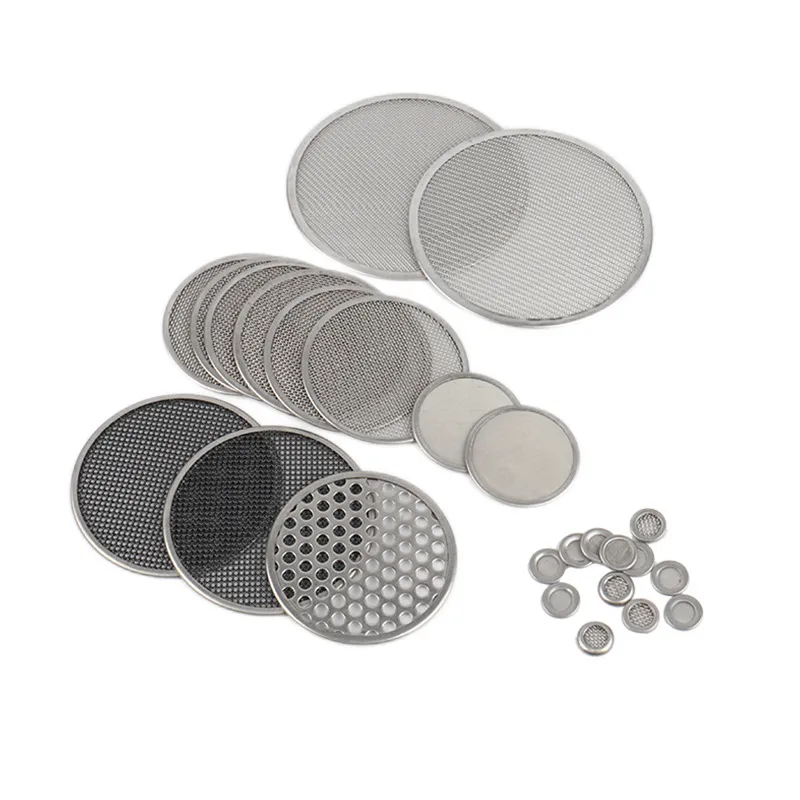
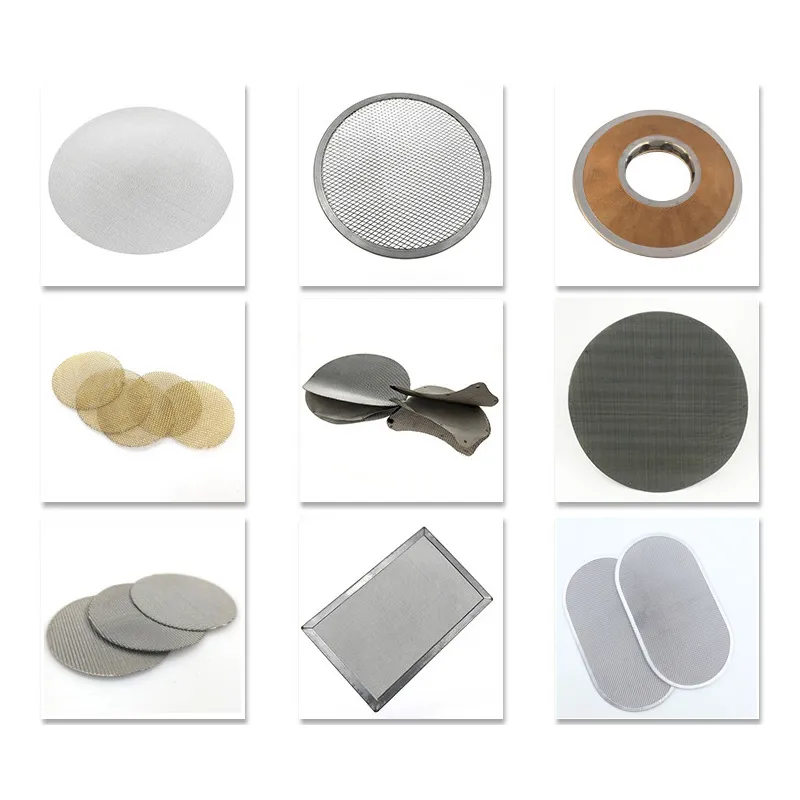
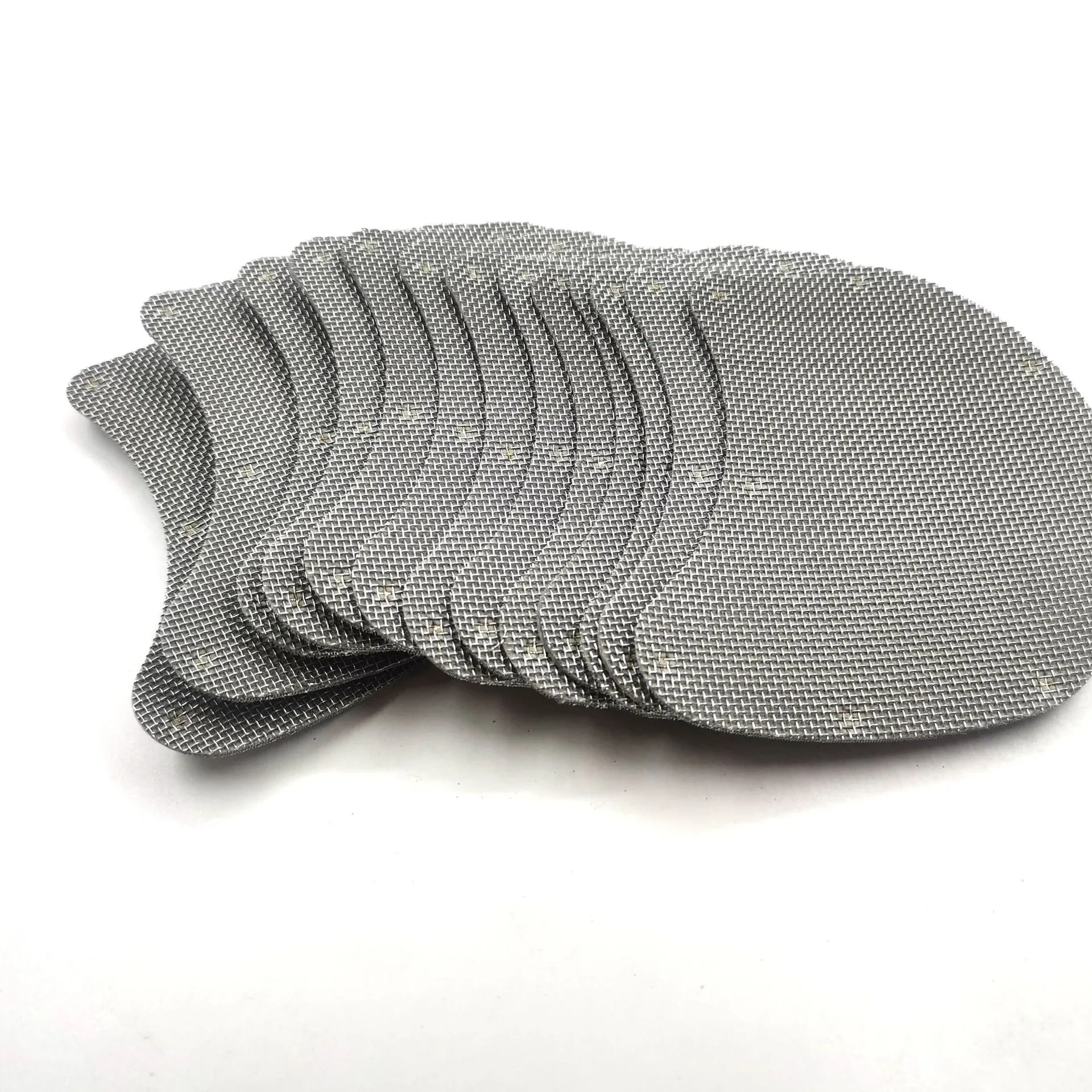
The QH Filter Disc series covers stainless steel, copper, and aluminum with basic mesh or reinforced edge mesh. Shapes? Round, square, rectangular, oval, even oddball customs that maintenance folks sketch on cardboard. Many customers say the edge mesh version pays for itself under high-flow pulsing.
| Spec | Typical Range (≈ / real-world may vary) |
|---|---|
| Materials | SS304/304L, 316/316L, copper, aluminum |
| Mesh / Micron rating | 20–400 mesh (≈ 10–840 μm) |
| Thickness | 0.2–1.2 mm (single or multi-layer) |
| Max temp | Up to 450°C (316L); copper/aluminum lower |
| Shapes | Round, square, rectangle, oval, specials |
| Edge type | Basic mesh or edge mesh (reinforced rim) |
How it’s made (quick flow)
- Materials: certified wire cloth per ASTM E2016 / ISO 9044
- Cutting: laser or punch; multi-layer stacking if needed
- Edging: spot-welded rim or crimped ring for edge mesh stability
- Finishing: deburr, ultrasonic clean; passivation for stainless
- Testing: bubble point (ASTM F316 proxy), particle retention (ISO 16889 approach), salt spray for corrosion (ASTM B117)
Where it works best
Chemicals, polymers, food and beverage, pharma utilities, environmental sampling, oil & gas sample lines—anywhere a wire mesh filter must catch fines without choking flow. Surprisingly, craft breweries love the oval discs for dry-hop capture.
Performance notes and test data
- 100 mesh 316L disc (≈150 μm): ΔP ≈ 220 Pa at 1 m/s air; burst >2.5 MPa
- Edge mesh variant: +25–40% rigidity; 20–30% longer service life under pulsation
- CIP cycles: 1–2% bubble-point drift after 200 cycles (alkaline then acid)
- Service life: around 6–24 months, highly process-dependent
Vendor snapshot (why buyers compare)
| Criteria | QH Filter (Wire Mesh Filter Disc) | Vendor A | Vendor B |
|---|---|---|---|
| Origin / Traceability | No. 25 Weiyi Rd., Chengdong Industrial Park, Hengshui, Hebei; heat-batch trace | Partial | Varies |
| Certs | ISO 9001; material certs; food-contact statement on request | ISO 9001 | None/limited |
| Customization | High (shapes, rims, multi-layer) | Medium | Low |
| Lead Time | ≈ 7–15 days | ≈ 15–25 days | Uncertain |
| Price Level | Competitive | Mid-high | Low (spec trade-offs) |
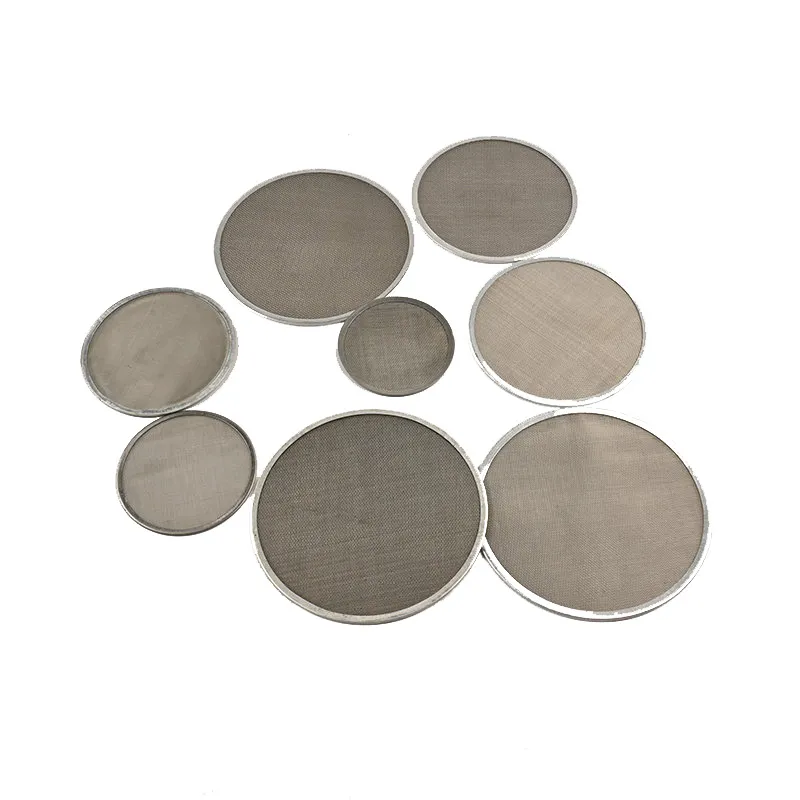
Customization that actually matters
Pick your mesh, rim, and geometry. For sticky slurries, I’d suggest multi-layer with a coarser backing—keeps the wire mesh filter from collapsing during CIP. For gas sampling, go finer and prioritize low ΔP.
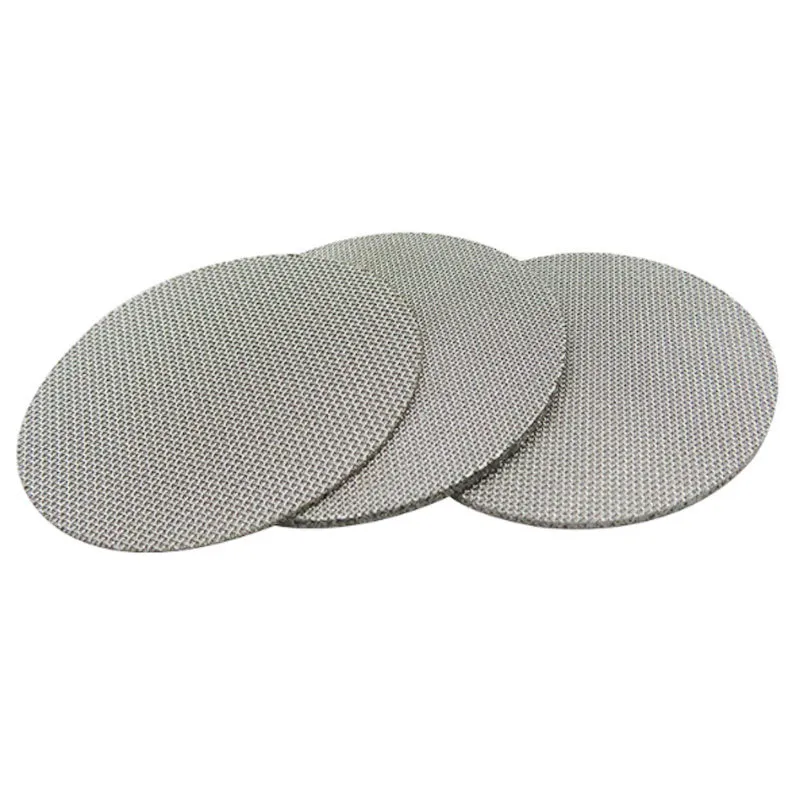
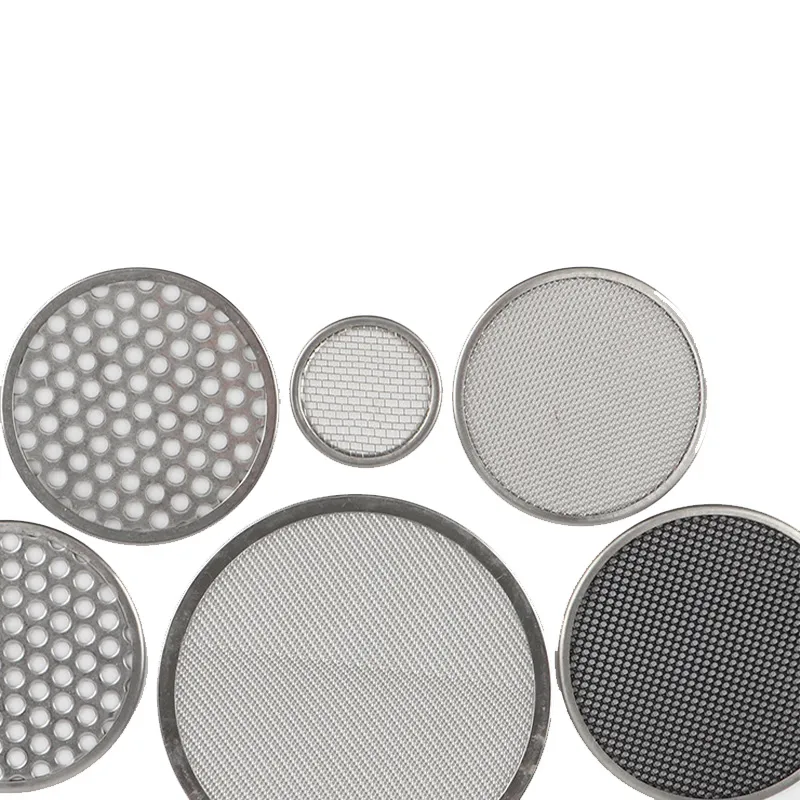
Two quick case notes
Chemicals (polymer line): Edge mesh 316L, 80/150 μm bi-layer. Result: 18% lower ΔP over 30 days; cleaning interval extended from 5 to 7 days.
Craft brewery: Oval 304L, 100 μm. Result: hop particle carryover dropped ≈40%; no taste impact; operators said swaps were “finally painless.”
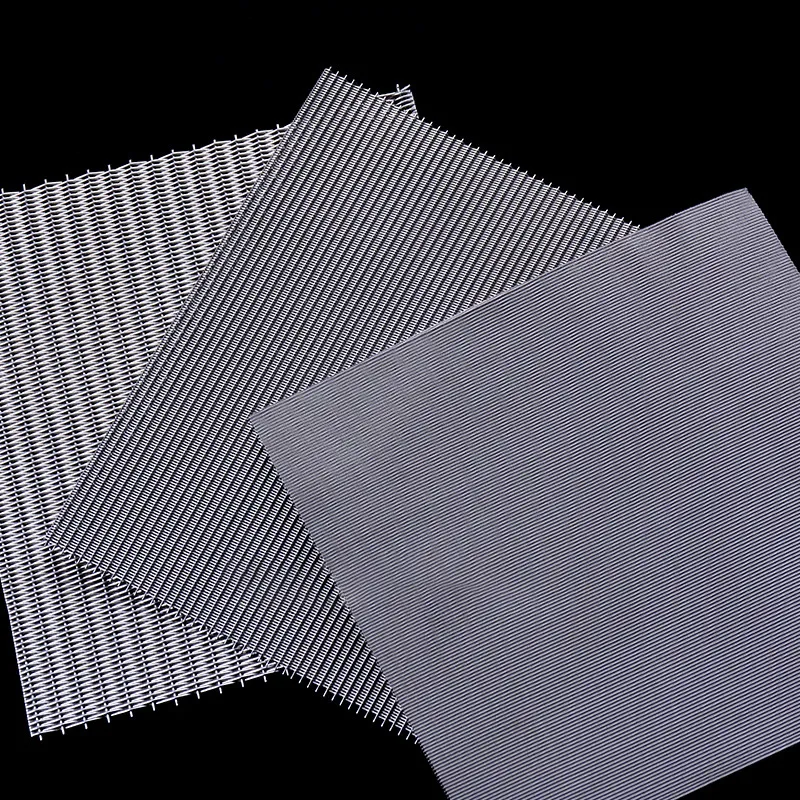
What users keep telling me
“Stable rims, predictable ΔP, and no burrs.” It seems that basics win the day. To be honest, that’s what you want from a wire mesh filter: it just works, batch after batch.
If you’re speccing new discs or replacing legacy screens, get the drawings over early—edge style and layer count are the make-or-break details.
Citations
- ASTM E2016: Standard Specification for Industrial Woven Wire Cloth.
- ISO 9044: Industrial wire screens and woven wire cloth — Technical requirements.
- ASTM F316: Standard Test Methods for Pore Size of Rigid Porous Filters (bubble point).
- ISO 16889: Hydraulic fluid power filters — Multi-pass method for evaluating filtration performance.
- ASTM B117: Standard Practice for Operating Salt Spray (Fog) Apparatus.