Wire Mesh Filter Disc Suppliers: Key Insights from Industry Experts
Wire Mesh Filter Disc Suppliers: What You Need to Know
Having spent more than a decade in the industrial equipment sector, I can tell you one thing: when it comes to filtration, the wire mesh filter disc suppliers you choose can make or break your entire process. It’s odd, but such a simple component carries a lot more weight under the hood than many realize.
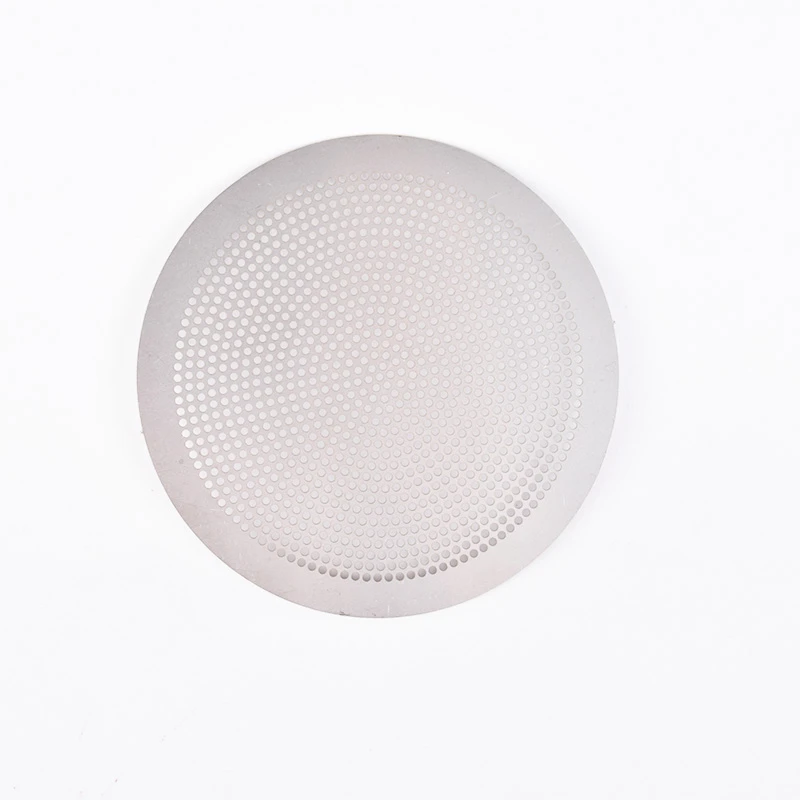
Wire mesh filter discs, frankly, are the unsung heroes in filtration systems. They're used everywhere from chemical processing plants to food production lines, and their performance often determines product quality and operational efficiency. I remember a project years ago where a client switched suppliers, and suddenly their downtime dropped by 30%. That’s no coincidence.
So what should you keep an eye on when selecting these discs?
Material and Construction
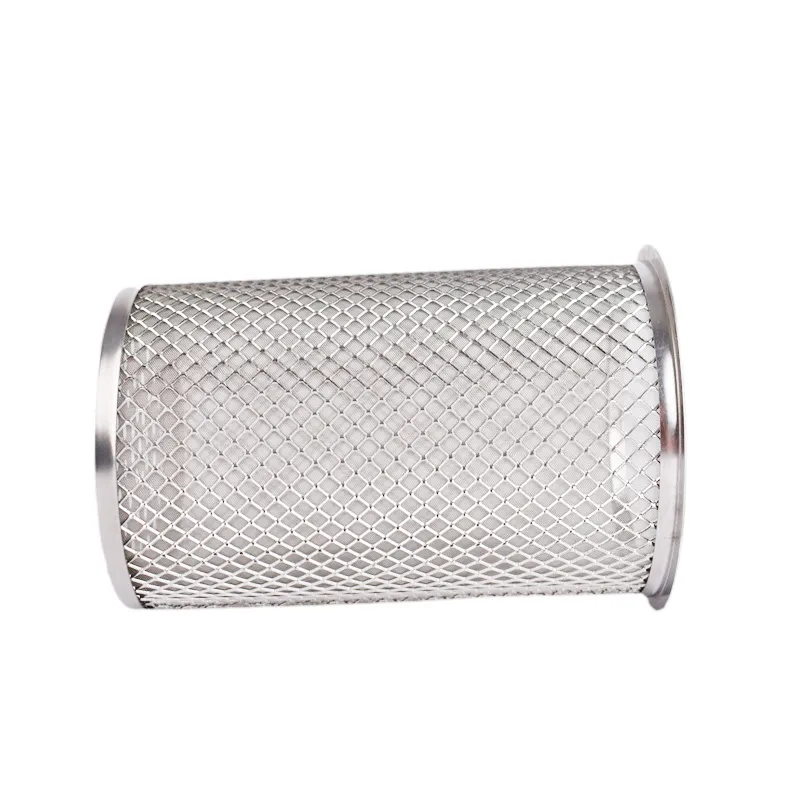
Most wire mesh filter discs are made from stainless steel, but within that category, differences abound. You see grades like 304, 316L, or even specialty alloys. Each brings its own corrosion resistance and strength. I tend to recommend 316L for chemical environments because it handles acids better — it’s just a bit tougher in real terms.
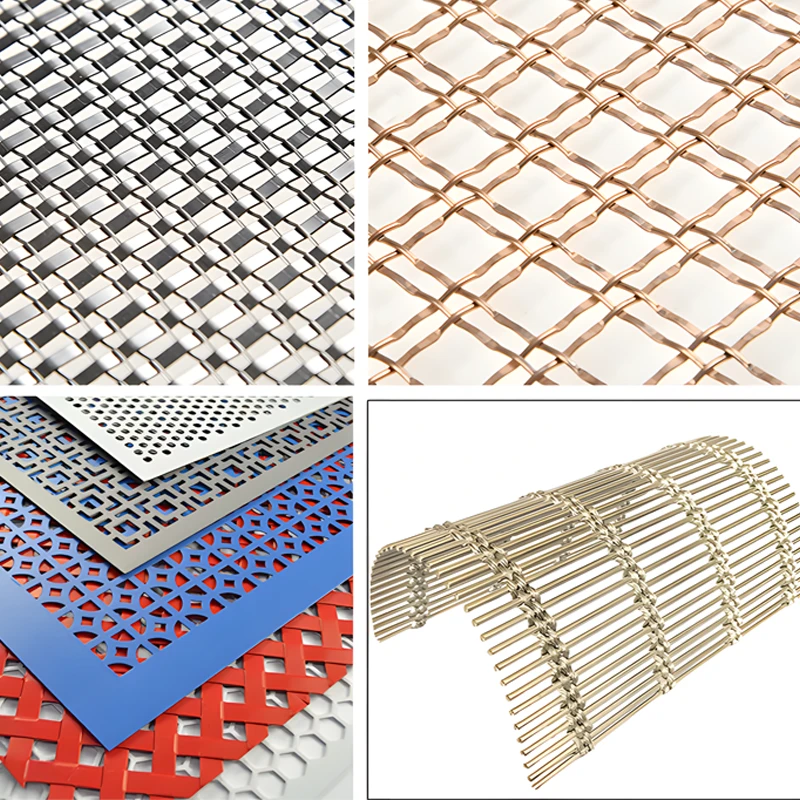
The mesh weave is another factor: plain weave versus twill weave can affect filter clarity and durability. In practice, twill weave offers a smoother surface and is less prone to clogging, though it can be pricier.
Customization Matters
A lot of vendors offer “off-the-shelf” discs, but anyone who’s worked in this field knows that a custom solution often saves headaches. Diameter, thickness, slot size, and even edge finishing can be tailored. One customer I worked with had issues with edge burrs damaging seals — a supplier willing to customize edge treatment resolved that completely.
Quality Assurance and Testing
Not all suppliers test their discs rigorously. I’ve come across wire mesh filter discs that weren’t consistent in mesh tension or pore size, leading to uneven filtration. Accredited testing, microscopic inspections, and certifications like ISO 9001 can be good indicators of reliability.
| Property | Specification Range |
|---|---|
| Material | Stainless Steel 304 / 316L |
| Mesh Size | 10 - 400 microns |
| Diameter | 10 mm - 1000 mm (custom sizes available) |
| Thickness | 0.3 mm - 3 mm |
| Edge Treatment | Plain, Crimped, Welded |
Comparing Leading Wire Mesh Filter Disc Suppliers
I've dealt with many suppliers over the years. Some are just transactional, while others have been true partners, stepping in with technical advice and custom solutions. Here’s a quick rundown based on my experience:
| Supplier | Customization | Lead Time | Quality Control | Price Range |
|---|---|---|---|---|
| QH Filter | High – tailored solutions available | 2–3 weeks | ISO 9001 certified, strict testing | Mid-range |
| Supplier B | Medium – some size options | 4–6 weeks | Basic QC, less documented | Lower-end |
| Supplier C | Low – mostly standard discs | 1–2 weeks | Minimal QC | Budget-friendly |
Final Thoughts
Ultimately, choosing a reliable wire mesh filter disc supplier is about balancing quality, price, and service. It feels like a small component, but its impact is huge if you stop to think about how many systems rely on it every day without failure.
If you’re reading this and considering your next supplier, don’t just buy the cheapest or the fastest. Invest a little time in checking material specs, quality controls, and whether they’ll actually listen to your needs. It can save you downtime, improve product quality, and frankly, give you some peace of mind.
And you know, after years of trying different things, it’s that mix of expertise and flexibility that really matters. Not to mention clear communication—that’s something you can’t get from a faceless catalog.
Stay curious, and good luck filtering!
References:
1. Industry Filtration Standards, ISO 9001 Documentation
2. Conversations with chemical processing plant engineers, 2020-2023
3. Internal quality reports from multiple filter disc projects