What Is an SS Screen Filter? Industrial Uses, Benefits & Future Trends
Understanding the SS Screen Filter: An Essential Industrial Component
When you hear ss screen filter, it might sound like just another piece of industrial jargon. But oddly enough, it’s far more than that. These stainless steel filtration screens play a crucial role in countless industries worldwide — from water treatment plants ensuring clean supply to oil refineries safeguarding equipment. Globally, as industries push toward higher standards of quality, durability, and efficiency, understanding the ins and outs of ss screen filters is more relevant than ever.
Why does it matter? Well, they protect vital processes from contamination, uphold system longevity, and often make the difference between smooth operation and costly downtime. For industries and humanitarian efforts alike, grasping this technology reveals not only operational benefits but also environmental and social impacts.
Global Context & Industry Insight
To put it bluntly, filtration is everywhere. According to the International Water Association, over 80% of global water treatment plants rely on metal mesh filtration methods, where stainless steel (SS) screen filters are prominent.[1] It’s no surprise, considering stainless steel's corrosion resistance and mechanical strength. But the challenge here is complex: modern industries demand filters that withstand harsh chemicals, extreme temperatures, and high pressures simultaneously. Enter the ss screen filter.
These filters address critical pain points such as clogging, material degradation, and poor filtration precision — which frankly, can bring entire production lines to a halt. With stricter environmental regulations (think ISO 14001 standards) and growing sustainability demands, having a reliable filter that ticks multiple boxes is vital.
What Exactly Is an SS Screen Filter?
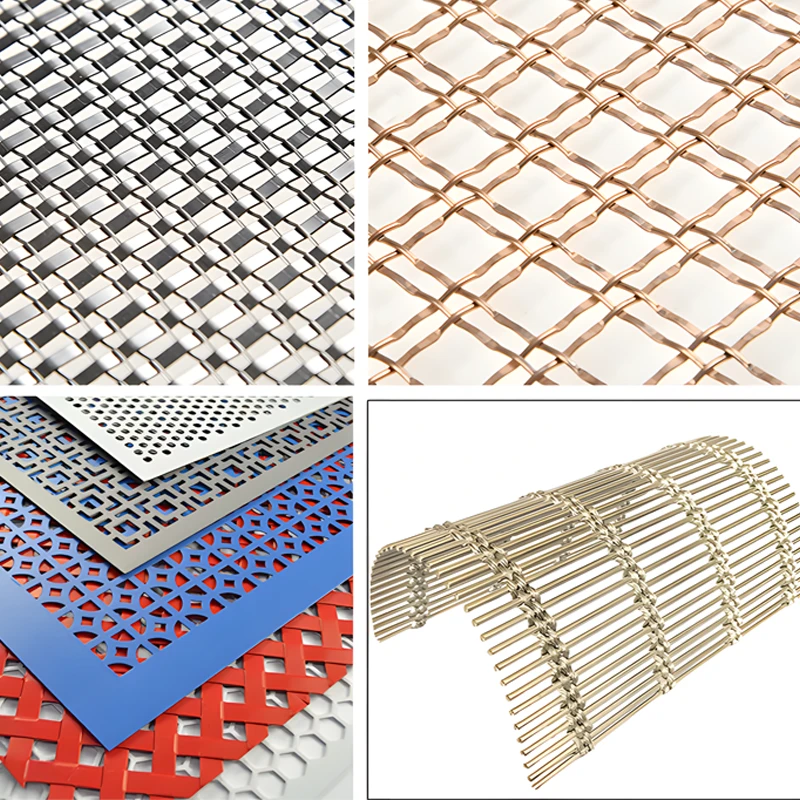
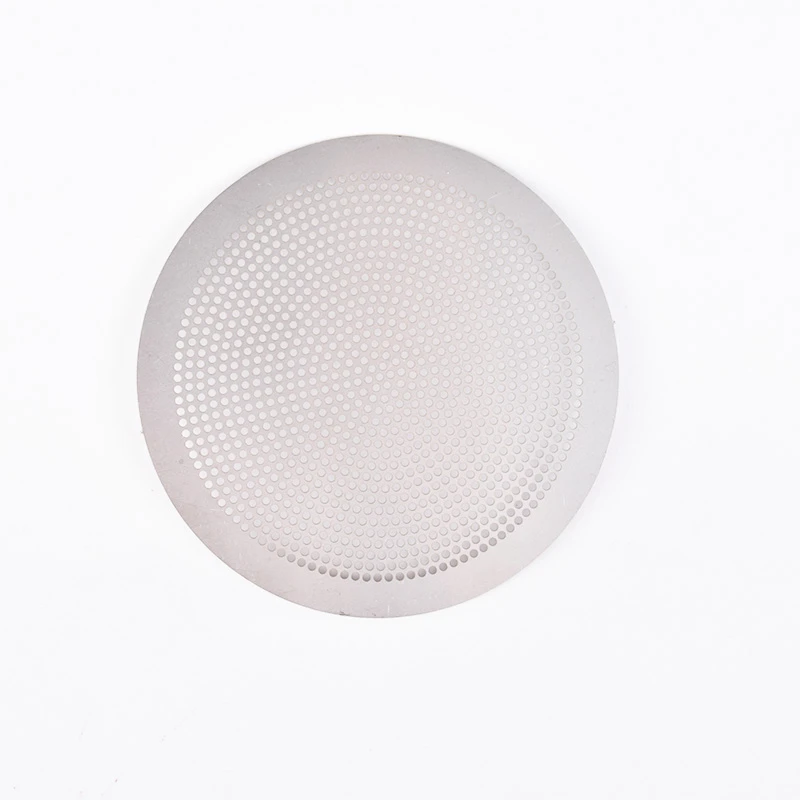
Put simply, an ss screen filter is a filtration device made from woven, perforated, or expanded stainless steel mesh. It separates solids from liquids or gases by trapping particles larger than a certain size. Because stainless steel is used, these filters are highly durable, resistant to corrosion, and can be cleaned and reused multiple times — unlike some disposable or plastic-based alternatives.
In modern industry, the ss screen filter acts as a first line of defense in water treatment, petrochemical refining, pharmaceuticals, food processing, and even humanitarian projects. They’re prized for balancing efficiency with longevity, plus the ability to maintain filtration quality even under challenging conditions.
Key Factors of SS Screen Filters
1. Durability and Material Strength
Stainless steel comes in various grades — commonly 304 or 316 — each offering different corrosion resistance and mechanical properties. This ensures the filter can handle diverse environments from acidic chemical processing to saltwater desalination plants. The longevity here is impressive; many filters last for years before replacement.
2. Precision and Filtration Ratings
These filters can be customized with mesh sizes ranging from microns up to millimeters, allowing industries to filter out anything from tiny particulates to larger debris, depending on their needs. This flexibility is crucial for maintaining product purity.
3. Scalability and Customization
Whether you need a small inline filter for a lab or massive filtration baskets for municipal projects, ss screen filters scale up beautifully. Vendors often tailor filters by shape, size, weave pattern, and finishing to meet exact specifications.
4. Cleaning & Maintenance
Most ss screen filters are designed for easy cleaning—either backflushed, ultrasonic cleaned, or manually washed—minimizing downtime and prolonging life. This keeps operations efficient and budget-friendly.
5. Cost Efficiency Over Lifecycle
Though initially more expensive than some plastic or fabric alternatives, the low maintenance and high durability of stainless steel filters generally translate to lower total cost of ownership.
| Parameter | Value / Range |
|---|---|
| Material Grade | 304, 316 Stainless Steel |
| Mesh Sizes | 5 microns – 5 mm |
| Max Operating Temperature | 500°C (depend on grade) |
| Max Pressure | Up to 30 bar |
| Cleaning Methods | Backflushing, Ultrasonic, Manual |
Global Applications & Real-World Use Cases
The range of applications for ss screen filters is surprisingly broad.
- Water Treatment Plants: Used globally in municipal and industrial settings — especially in Asia and Europe — to clean raw water.
- Petrochemical Industry: In Middle Eastern refineries, these filters protect delicate valves and pumps from particulate damage.
- Food & Beverage: European breweries, for example, rely on ss screen filters during wort filtration to maintain clarity and taste.
- Humanitarian Efforts: In disaster-stricken areas with compromised water supplies, portable stainless steel filters help provide safer drinking water quickly.
- Mining: Remote mining operations in Africa use robust filters to separate solids from extraction fluids, improving equipment life.
Wherever there’s a need to keep processes clean, an ss screen filter is usually nearby.
Vendor Comparison: SS Screen Filters
| Vendor | Material Grades | Customization | Average Lead Time | Typical Application |
|---|---|---|---|---|
| QHFilter | 304 & 316 Stainless Steel | Highly customizable mesh & shape | 2-3 weeks | Industrial filtration, water treatment |
| MeshTech Co. | 316L only | Standard sizes, limited shapes | 4 weeks | Pharmaceuticals, food industry |
| FilterMasters | 304 Stainless Steel | Custom weaving available | 3 weeks | Oil & gas filtration |
Advantages & Long-Term Value
The benefits of ss screen filters can’t be overstated. First, their durability and reusability mean less waste, aligning nicely with sustainable industrial goals. That brings both environmental and economic payoffs — lower replacement frequency cuts costs, and reduced waste supports regulatory compliance.
Emotionally, users speak of greater peace of mind knowing their equipment is protected from impurities. Reliability builds trust between operators and engineers alike. And from an innovation standpoint, manufacturers who adopt advanced filtration gain a competitive edge by delivering higher quality end products.
Future Trends & Innovations in SS Screen Filters
Looking ahead, we see exciting strides in materials science boosting filter performance even further. Nano-coatings improving anti-fouling properties and smart filters with embedded sensors to monitor clogging in real time are starting to surface.
Plus, digital transformation in industries is making automated maintenance cycles and remote filtration monitoring feasible. Sustainability initiatives are pushing development toward recyclable and energy-efficient production methods for ss screen filters. It’s a dynamic space.
Challenges & Expert Solutions
Of course, no technology is without downsides. Stainless steel filters can struggle with extremely fine micron requirements (below 1 micron), sometimes requiring additional polishing or layering.
Cleaning heavy fouling deposits remains labor-intensive without automated systems. But experts recommend integrating pre-filtration stages and leveraging ultrasonic cleaning innovations to alleviate these issues.
Furthermore, upfront costs can deter some smaller operators, but total lifecycle savings usually justify the investment.
FAQ: Your Questions About SS Screen Filters
Q1: How do I select the right mesh size for my ss screen filter?
A: Start by identifying the particle size you need to filter out. Most suppliers provide mesh size guides tailored to industries. Discuss your application with manufacturers like ss screen filter providers to match mesh size accurately to your fluid and particulate characteristics.
Q2: Can ss screen filters withstand corrosive chemicals?
A: Yes. Grades 316 and 316L stainless steel offer high corrosion resistance suitable for many acidic and alkaline environments. However, extremely aggressive chemicals might require specialty alloys or coatings — check compatibility before purchase.
Q3: What is the typical lifespan of a stainless steel screen filter?
A: With proper maintenance, most ss screen filters last 5–10 years or more. Regular cleaning and avoiding physical overloading prolongs service life significantly.
Q4: How do I clean a clogged ss screen filter?
A: Common methods include backflushing, ultrasonic baths, or soaking in mild detergents. The cleaning choice depends on how heavily fouled the filter is and operational constraints.
Q5: Are ss screen filters environmentally friendly?
A: Definitely. Their reusability reduces plastic waste, and stainless steel is recyclable. Plus, better filtration means less environmental contamination from industrial effluents.
Conclusion: The Long-Term Benefits of SS Screen Filters
Ultimately, ss screen filters embody a blend of robust engineering, sustainability, and practical versatility. They’re quietly essential—protecting equipment, preserving products, and supporting environmental goals. For industries aiming to optimize efficiency while honoring eco-conscious values, investing in quality ss screen filters is a smart, long-term strategy.
Curious to explore options tailored for your needs? Visit our website: ss screen filter for comprehensive solutions and expert guidance.
A final thought — it’s fascinating how such a seemingly simple component quietly upholds so much of our modern infrastructure. Sometimes, the true heroes are the small but mighty ones…