Thick Stainless Steel Mesh: Durable Solutions for Global Industry and Relief Efforts
Understanding Thick Stainless Steel Mesh: Its Global Importance and Practical Benefits
In a world increasingly focused on resilience and sustainability, thick stainless steel mesh quietly plays a vital role across many industries — from heavy manufacturing to humanitarian projects. But what exactly is thick stainless steel mesh, and why does it matter globally? More than just an industrial product, it’s a material that confers safety, durability, and even environmental benefits in unpredictable conditions. Gaining a solid grasp of its attributes unlocks insight into how modern infrastructure and emergency efforts maintain strength and trust.
Introduction: The Global Context of Thick Stainless Steel Mesh
To begin, let’s consider how broadly used and in-demand this material has become. According to data from the International Stainless Steel Forum, global production of stainless steel topped 53 million tonnes in 2022, with a projected steady increase reflecting industrial growth worldwide. Thick stainless steel mesh, a derivative, finds itself crucial in sectors like construction, mining, filtration, and even disaster response frameworks.
But here’s the kicker: many regions face challenges around corrosion, load-bearing infrastructure, and sustainable materials — problems where thick stainless steel mesh often provides a solution. Whether fighting rust in coastal infrastructure or reinforcing heavy-duty machinery in remote zones, it answers key global logistics and reliability questions.
Mini takeaway: Thick stainless steel mesh is not just a material; it’s a global industrial response to durability and environmental challenges, widely relevant in infrastructure and emergency scenarios.
Definition & Meaning: What Is Thick Stainless Steel Mesh?
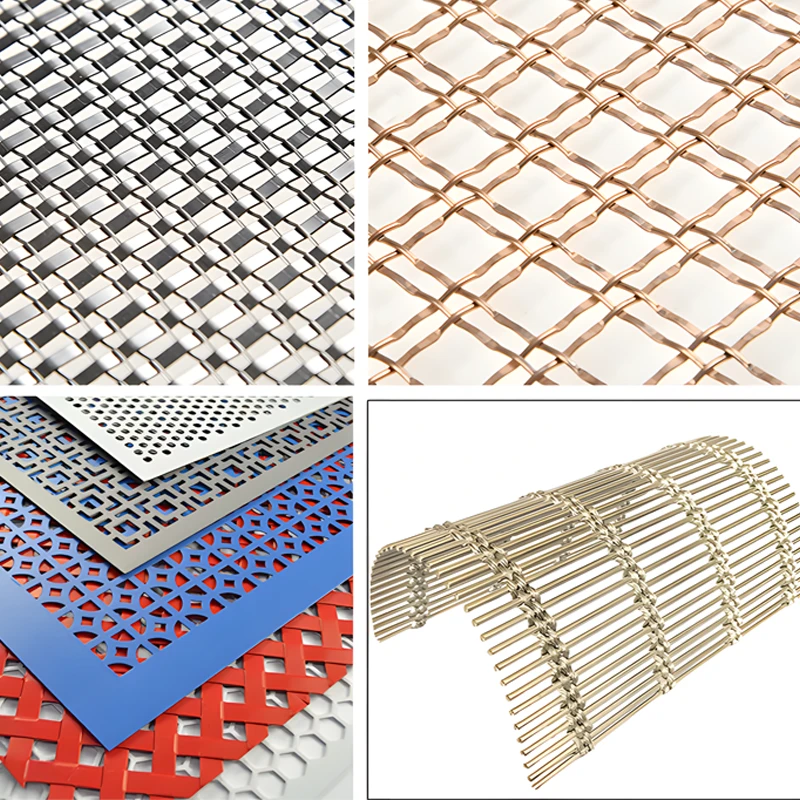
Put simply, thick stainless steel mesh refers to interconnected grids made from relatively heavy-gauge stainless steel wire or strips. Unlike finer mesh used in filtration or insect screens, this material boasts bigger diameters and thicker strands which grant it superior strength, corrosion resistance, and longevity. It’s a kind of metal fabric designed to withstand high mechanical stress and harsh environments.
This material’s importance goes beyond construction. For example, humanitarian organizations use it in shelter reinforcement and protective barriers — where strength and hygiene (stainless steel’s corrosion resistance) are critical.
Mini takeaway: Thick stainless steel mesh combines strength and corrosion resistance, making it ideal for industrial and humanitarian applications.
Crucial Aspects That Make Thick Stainless Steel Mesh Essential
1. Durability
The thick wire gauge inherently bolsters toughness. This means structures built from it can tolerate heavy loads and physical impact without deforming — a must-have quality especially when safety is on the line.
2. Corrosion Resistance
Thanks to its stainless steel composition, often grades like 316 or 304, the mesh resists oxidation and rust in salty, humid, or chemically aggressive atmospheres. This longevity helps avoid costly maintenance or replacements.
3. Scalability
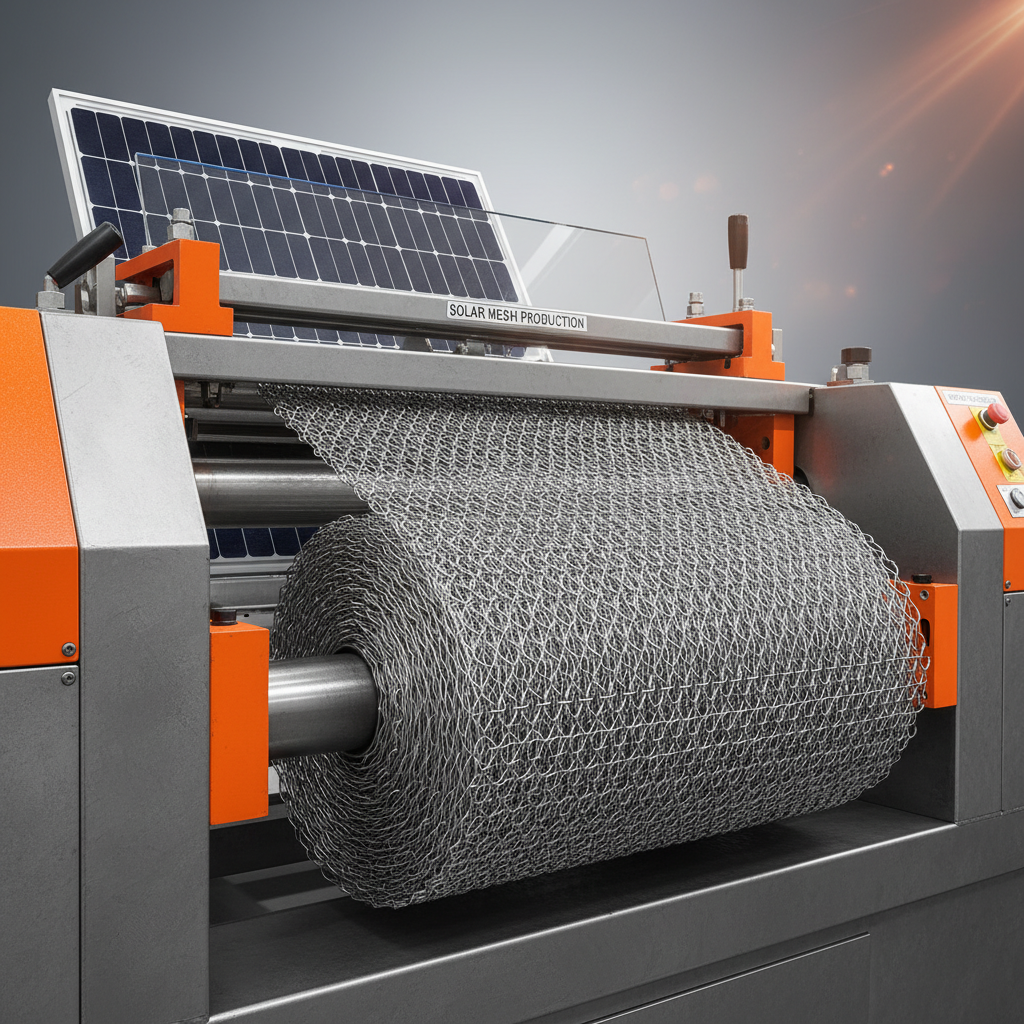
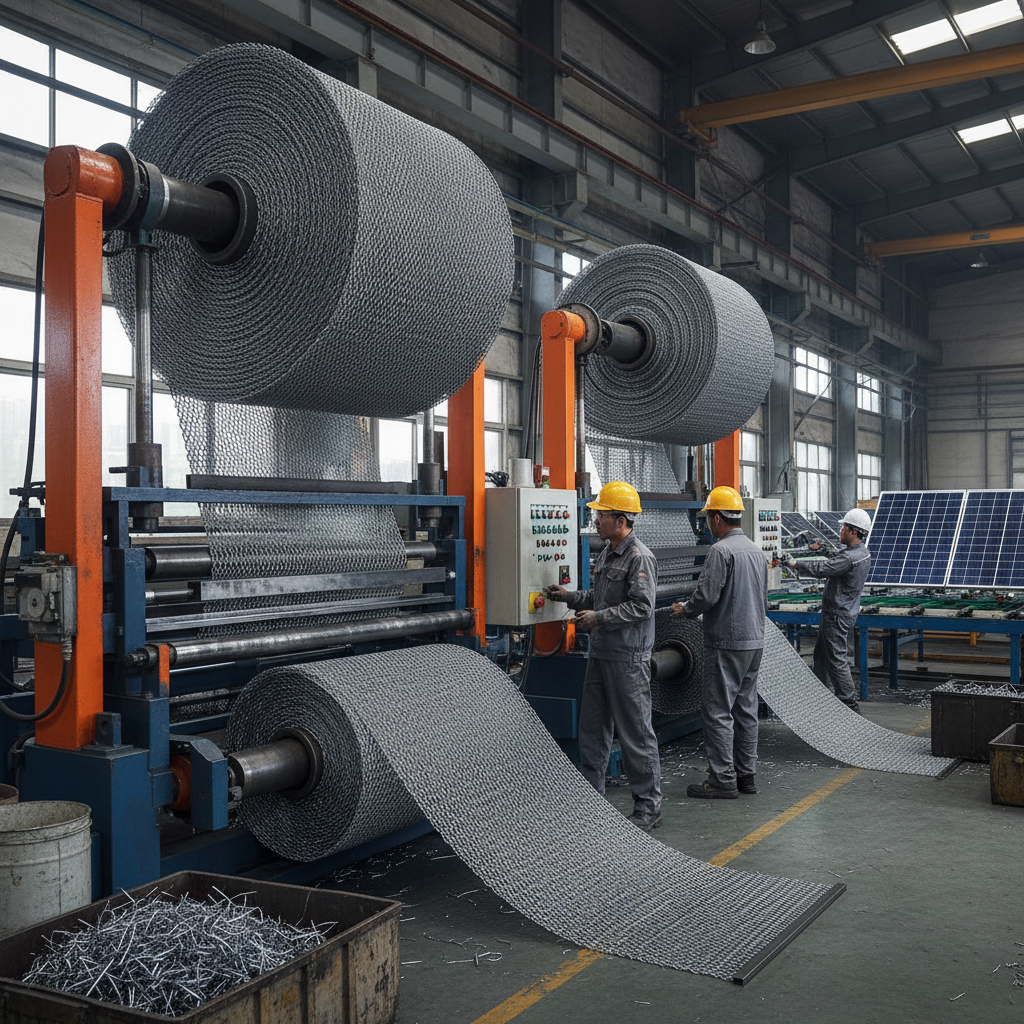
Whether used in small custom panels or large sheet rolls, thick stainless steel mesh scales to fit different project sizes. It can be welded, cut, or shaped for versatility across industrial or architectural needs.
4. Cost Efficiency
Though initially pricier than regular mesh or galvanized steel, thick stainless steel mesh provides long-term savings via reduced maintenance and downtime. You get fewer replacements and better performance over time.
5. Safety & Hygiene
In food processing or pharmaceutical setups, stainless steel meshes help maintain sanitary conditions — stainless steel’s inertness discourages bacterial growth and contamination.
Mini takeaway: Its durability, resistance, and scalable nature make thick stainless steel mesh a multifaceted tool that balances upfront cost with lasting reliability.
Real-world Applications & Use Cases of Thick Stainless Steel Mesh
It’s fascinating how this material spans continents and uses:
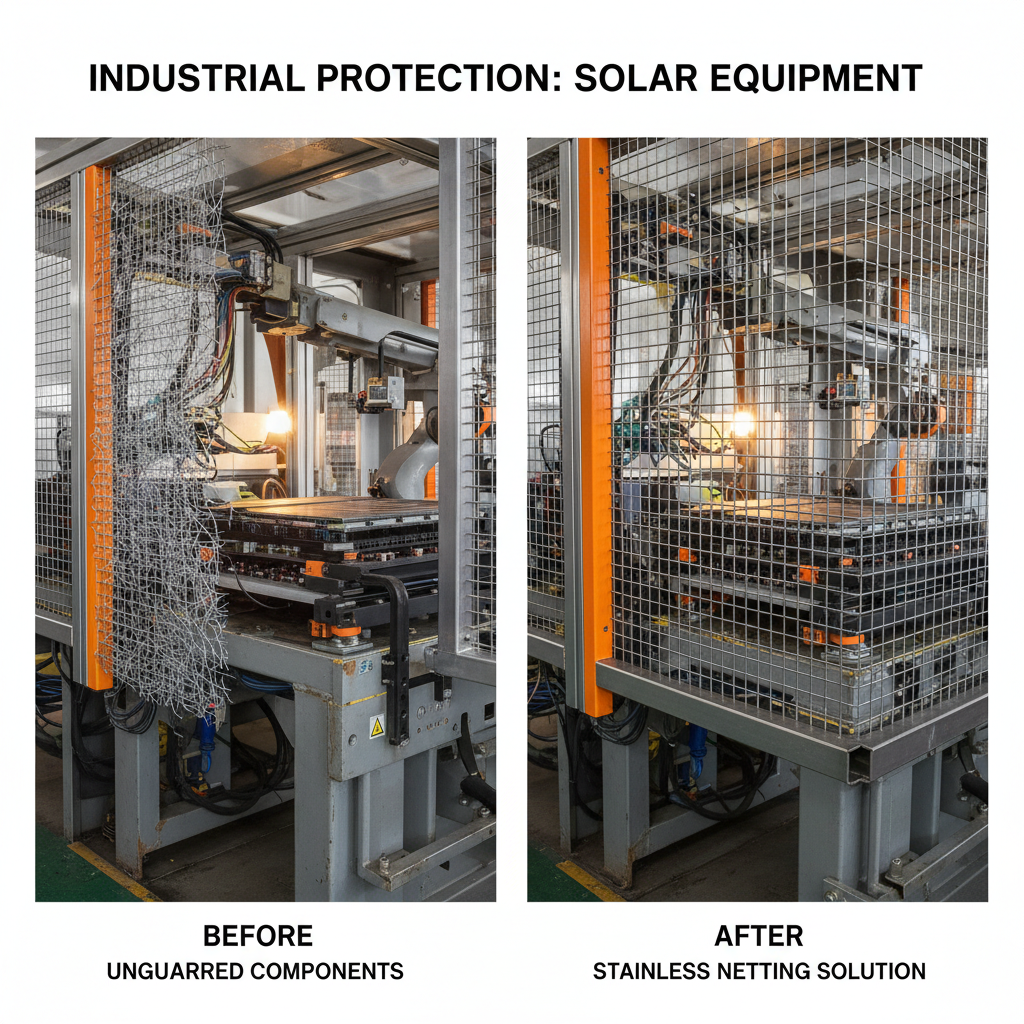
- Construction & Infrastructure: Reinforcing concrete, fencing, and safety barriers in urban and industrial projects worldwide.
- Mining & Heavy Industry: Screening rocks and ores, supporting heavy machinery parts in Australia, South Africa, and Canada.
- Environmental & Waste Management: Mesh used in filtration systems for wastewater plants, especially in Scandinavian countries famed for green technologies.
- Disaster Relief & Humanitarian Aid: In post-disaster shelter frameworks, thick stainless steel mesh panels form secure walls and partitions that endure harsh weather — places like Southeast Asia and the Caribbean often rely on these.
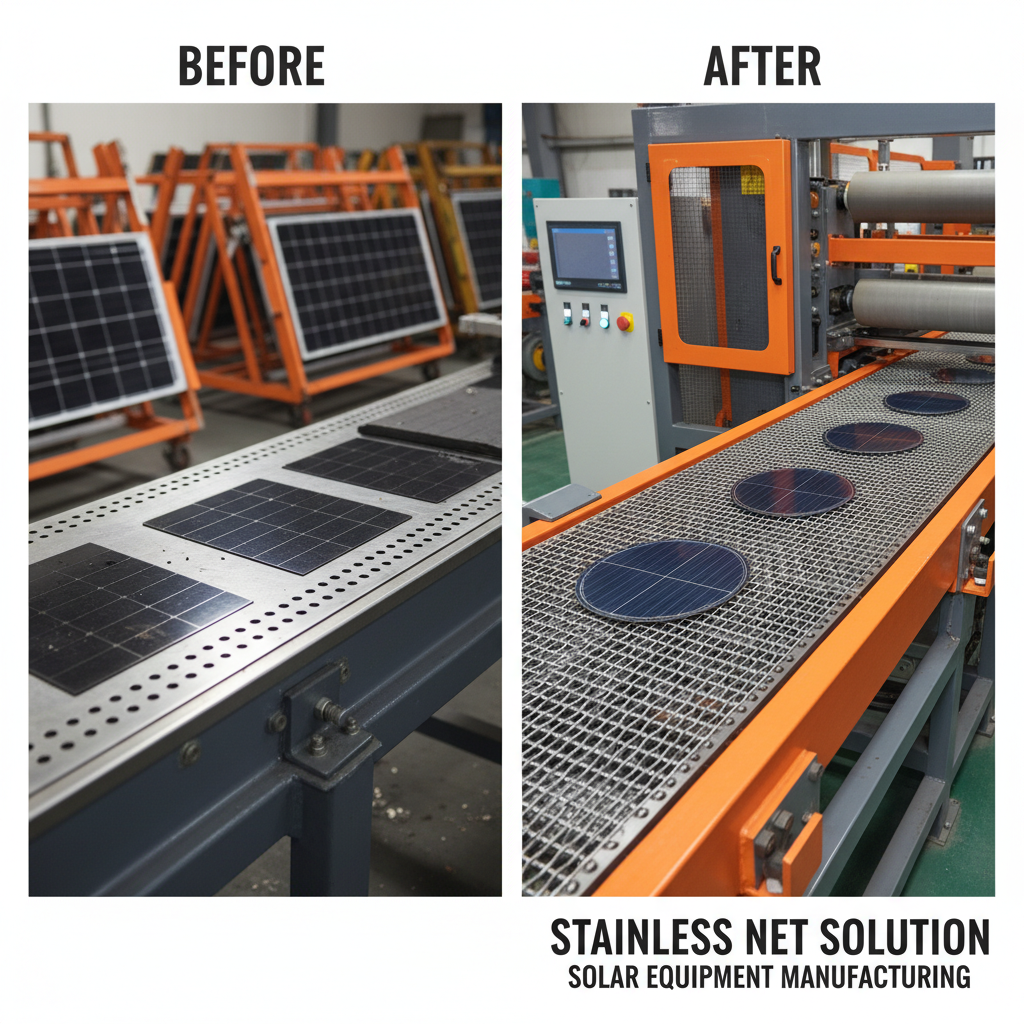
- Food & Pharma: Hygienic screens and conveyor belts in factories across Europe and North America.
Mini takeaway: Its global footprint is vast — from urban skylines to disaster zones, thick stainless steel mesh adapts to many critical roles.
Product Specifications of Thick Stainless Steel Mesh
| Specification | Details |
|---|---|
| Material Grade | 304, 316 Stainless Steel |
| Wire Diameter | 3 mm to 10 mm |
| Mesh Opening Size | 5 mm to 50 mm |
| Thickness (Sheet) | Up to 8 mm |
| Finish | Mill Finish, Polished |
| Custom Sizes | Available Upon Request |
Comparing Popular Vendors of Thick Stainless Steel Mesh
| Vendor | Material Grades | Price Range (USD/m²) | Lead Time | Customization Options |
|---|---|---|---|---|
| QH Filter | 304, 316 | $35 - $50 | 2-4 weeks | Cutting, Welding, Finishing |
| SteelMesh Co. | 304 only | $30 - $45 | 3-5 weeks | Basic Cutting |
| Global Wire Ltd. | 304, 316, 321 | $40 - $55 | 4-6 weeks | Cutting, Polishing, Custom Mesh Sizes |
Advantages & Long-Term Value of Thick Stainless Steel Mesh
What makes thick stainless steel mesh worth considering over other materials? For one, it offers a fantastic balance of cost against durability. Sure, the upfront cost might feel a bit steep compared to galvanized steel or aluminum, but the long-term savings from reduced corrosion, minimal maintenance, and lower frequency of replacement tip the scales.
Beyond the money, there’s a social aspect too: structures reinforced by such mesh provide safety and peace of mind, especially in earthquake-prone or coastal locations, where corrosion and wear could mean disaster. For NGOs or relief organizations, it helps maintain dignity through secure shelters that last. And frankly, there’s a kind of quiet innovation in choosing materials that don’t just last, but contribute to sustainability by minimizing waste over decades.
Future Trends & Innovations in Thick Stainless Steel Mesh
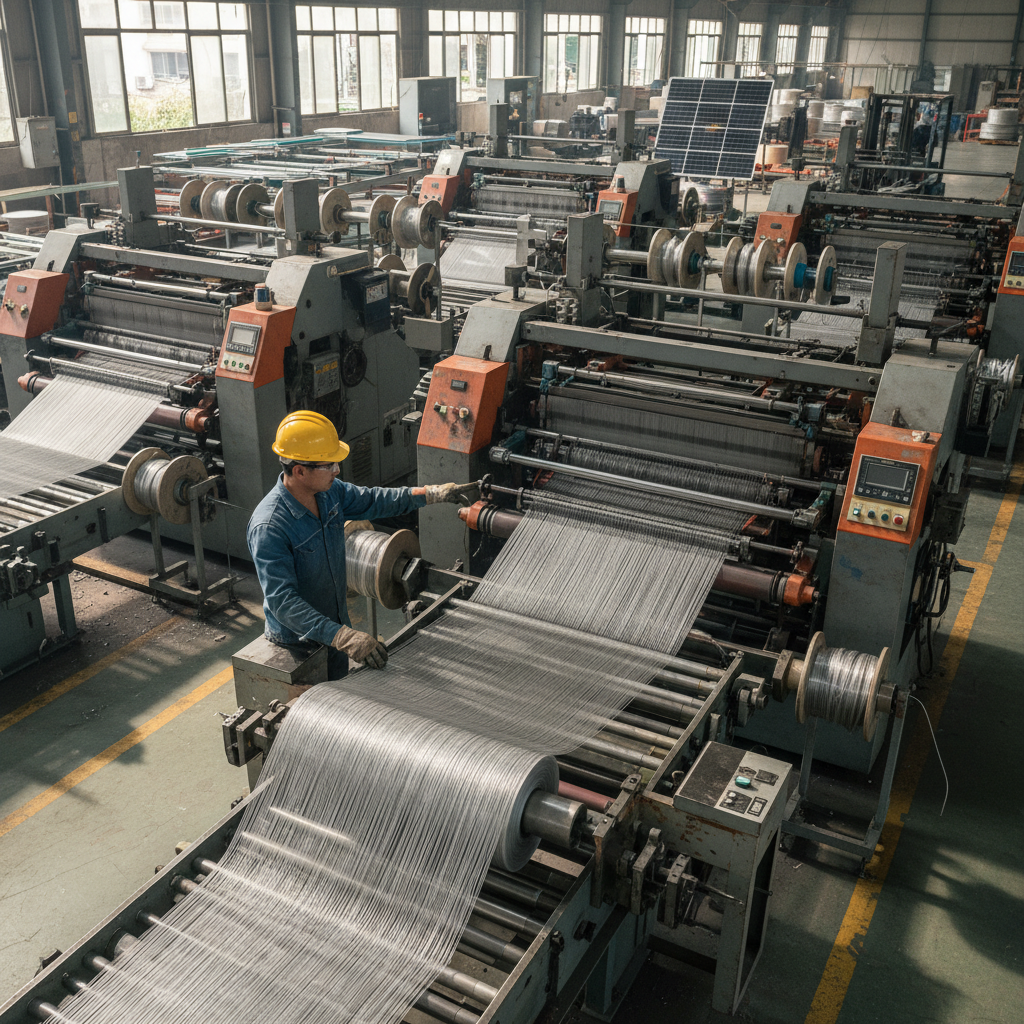
The industry is not static. We’re seeing emerging trends like combining stainless steel meshes with digital fabrication techniques — automated cutting and robotic welding allow precision and repeatability previously unattainable. Green initiatives push toward using recycled stainless steel, aligning with circular economy principles.
Also, coatings that enhance anti-fouling or hydrophobic properties promise new applications in marine and clean energy sectors. Oddly enough, as attention to resilience rises globally, mesh forms part of integrated “smart” infrastructure, including sensors embedded during fabrication.
Challenges & Solutions
Of course, obstacles remain. The primary one is cost – thick stainless steel mesh requires skilled fabrication which may not be readily available everywhere. Also, its weight can complicate installation logistics for remote sites.
Yet, solutions are emerging: modular pre-fabricated panels help reduce onsite labor; new alloys aim to lower price without sacrificing strength; and global suppliers like thick stainless steel mesh specialists offer streamlined international shipping with customization options, easing procurement.
Frequently Asked Questions About Thick Stainless Steel Mesh
- Q: What industries benefit most from thick stainless steel mesh?
A: Its durability and corrosion resistance make it ideal in construction, mining, wastewater filtration, and disaster relief sectors. Any setting needing strong, reliable barriers or reinforcement can find value. - Q: How does thick stainless steel mesh compare to galvanized steel mesh?
A: Stainless steel mesh offers superior corrosion resistance and longevity, especially in harsh or chemical environments. Galvanized steel is cheaper initially but prone to rusting and shorter lifespan. - Q: Can thick stainless steel mesh be customized for specific projects?
A: Definitely. Leading suppliers provide cutting, welding, and finishing tailored to project size, mesh opening, and wire diameter requirements. - Q: How do NGOs import thick stainless steel mesh internationally?
A: NGOs often work with expert vendors who provide full export documentation, compliance with international standards, and logistics support to ensure smooth delivery even to remote areas. - Q: Is thick stainless steel mesh eco-friendly?
A: Stainless steel is recyclable and, due to its durability, reduces waste from replacements — lowering overall environmental impact over a structure’s lifespan.
Conclusion: Why Invest in Thick Stainless Steel Mesh?
To wrap it up, thick stainless steel mesh represents a robust, flexible, and sustainable material choice that transcends industries and geographies. Its strength and corrosion resistance make it worthy for long-term infrastructure investment, while humanitarian uses underscore its social significance. For those looking to future-proof projects with a blend of innovation and reliability, this mesh is definitely worth a closer look.
Curious? Visit our website: https://www.qhfilter.com to explore premium thick stainless steel mesh options tailored to your needs.
Final takeaway: Thick stainless steel mesh isn’t just metal—it’s metal made smart, durable, and sustainable.