Stainless Steel Metal Screen – Durable & Custom Industrial Filtration Solutions
The Unseen Power of Stainless Steel Metal Screens in Industry and Beyond
Stainless steel metal screens aren’t exactly the kind of product that gets talked about at dinner parties, but if you work in filtration, construction, or manufacturing, you’ll know just how crucial they are. Fundamentally, these screens act as robust, corrosion-resistant sieves that influence everything from water purification to industrial safety. Understanding their role isn’t just a technical deep dive—it's about recognizing how a tiny mesh can impact global sustainability, efficiency, and even humanitarian aid.
On a broad scale, stainless steel metal screens help manage resources and keep processes clean and safe. Their benefits ripple across mining operations, food processing plants, and water treatment facilities around the world. Grasping their importance might just change the way we think about 'small parts' in large-scale systems.
Introduction: Why Stainless Steel Metal Screens Matter Globally
Globally, the demand for stainless steel metal screens has surged, driven by rapid industrialization and mounting environmental standards. According to the International Stainless Steel Forum (ISSF), global stainless steel production topped 50 million tons in 2022, highlighting a massive market with corresponding uses of stainless steel components such as metal screens. But why? Well, these screens solve a problem that resonates everywhere: how to efficiently filter, separate, and protect equipment in harsh environments while remaining durable and sustainable.
Water scarcity and industrial pollution — both critical global challenges — are mitigated by improved filtration technologies where stainless steel screens are widely favored. Think of them as frontline defenders against contaminants and process failures.
What Exactly Is a Stainless Steel Metal Screen?
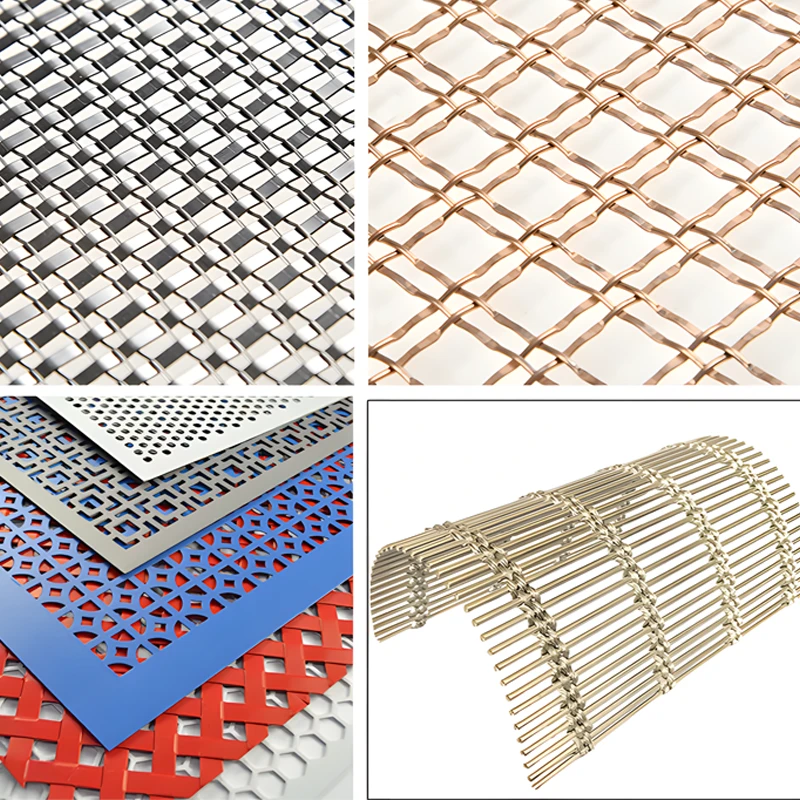
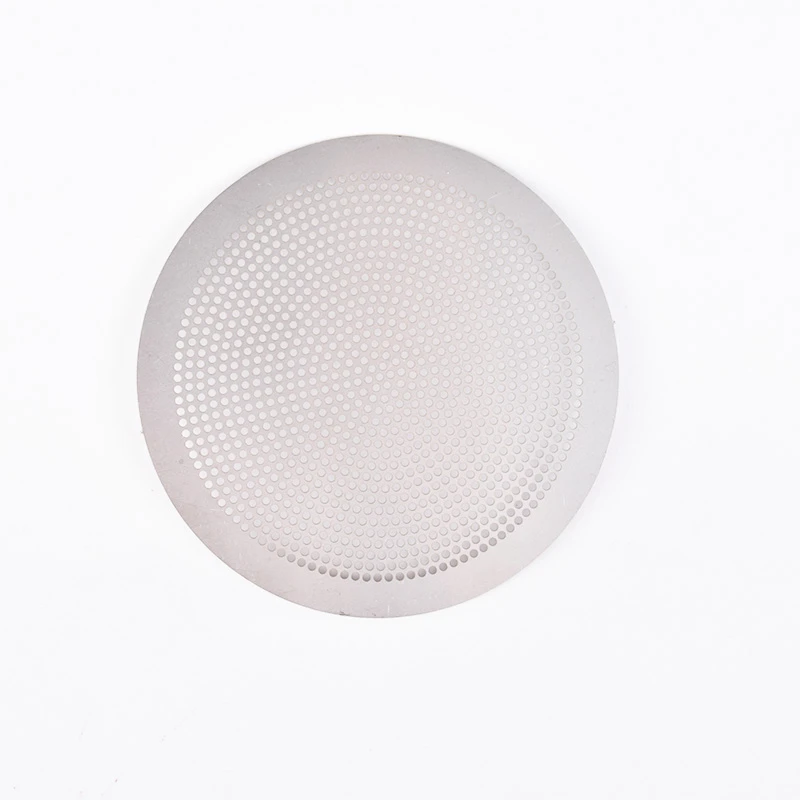
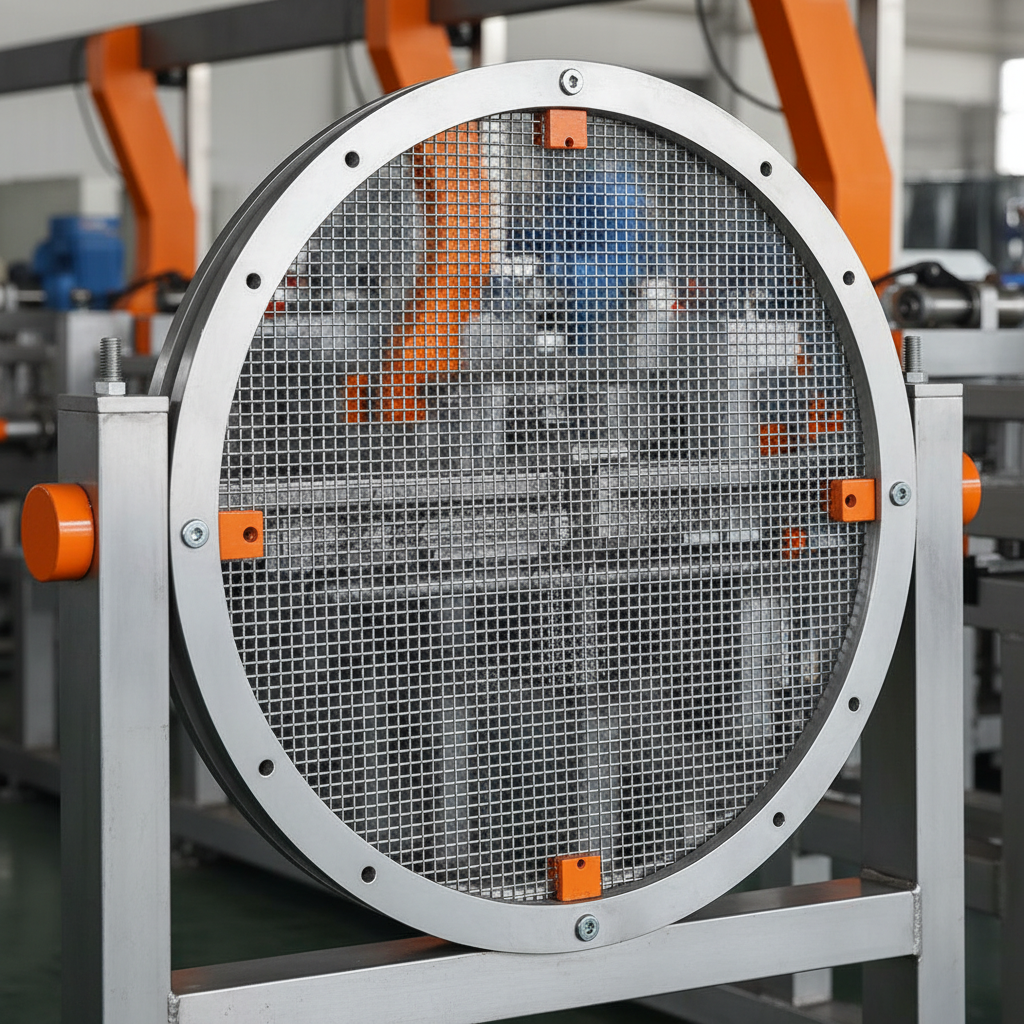
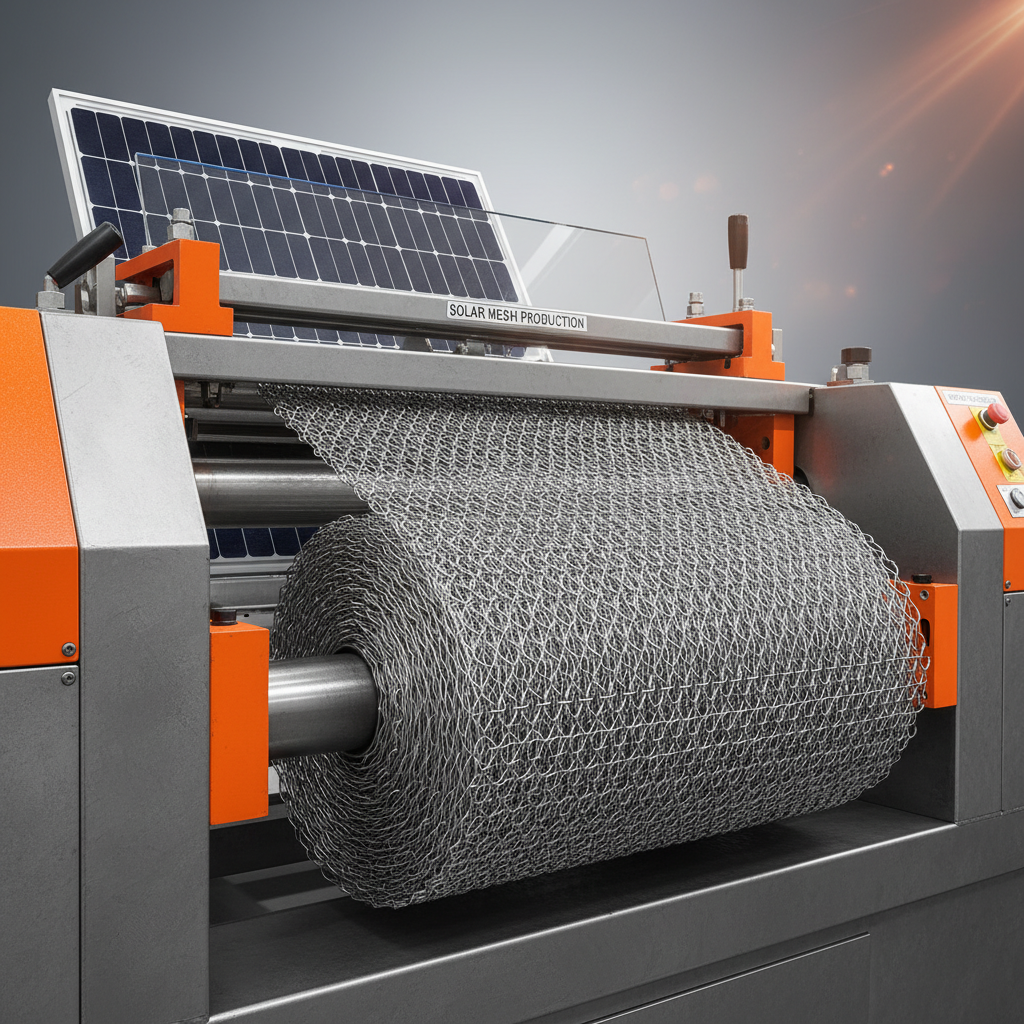
Simply put, a stainless steel metal screen is a woven or welded mesh made from stainless steel wires, designed for filtering, separating, or protecting applications. Its corrosion resistance and strength make it perfect where reliability and longevity matter. These screens might look like simple wire meshes, but in reality, their precision weave and material quality determine performance in demanding industrial environments.
Beyond industry, these screens play humanitarian roles too—for example, helping purify drinking water in disaster relief settings or protecting sensitive electronics from harmful debris in remote operations. They’re low-profile heroes everywhere you need fine, reliable filtration.
Core Aspects of Stainless Steel Metal Screens You Should Know
1. Durability & Corrosion Resistance
Stainless steel’s inherent resistance to rust and chemical attack means these screens last far longer than alternatives like plastic or untreated metals. This means fewer replacements and reduced maintenance costs in challenging environments such as marine or chemical processing plants.
2. Precision & Customization
Screens aren’t ‘one size fits all.’ Wire diameter, mesh count, weave type—all can be tuned to the filtration task. This versatility ensures optimal performance whether filtering micron-sized particles or protecting heavy machinery from gravel.
3. Thermal & Mechanical Strength
High temperatures and heavy loads don’t faze these screens, which is why they’re trusted in ovens, foundries, and heavy industrial zones. They tolerate expansion, contraction, and abrasion in ways that keep processes running smoothly.
4. Sustainability Through Longevity
Since stainless steel is recyclable and these screens have long service lives, their environmental footprint is comparatively low. For industries with carbon targets, this adds up.
5. Ease of Cleaning & Maintenance
Stainless steel surfaces don’t attract dirt easily and can be cleaned effectively with standard methods, which is vital for industries like food processing or pharmaceuticals.
Mini-Takeaway:
The durability, precision, and sustainable qualities of stainless steel metal screens make them indispensable players in high-stakes industrial settings worldwide.
Real-World Applications of Stainless Steel Metal Screens
These screens are everywhere—often hidden but vital:
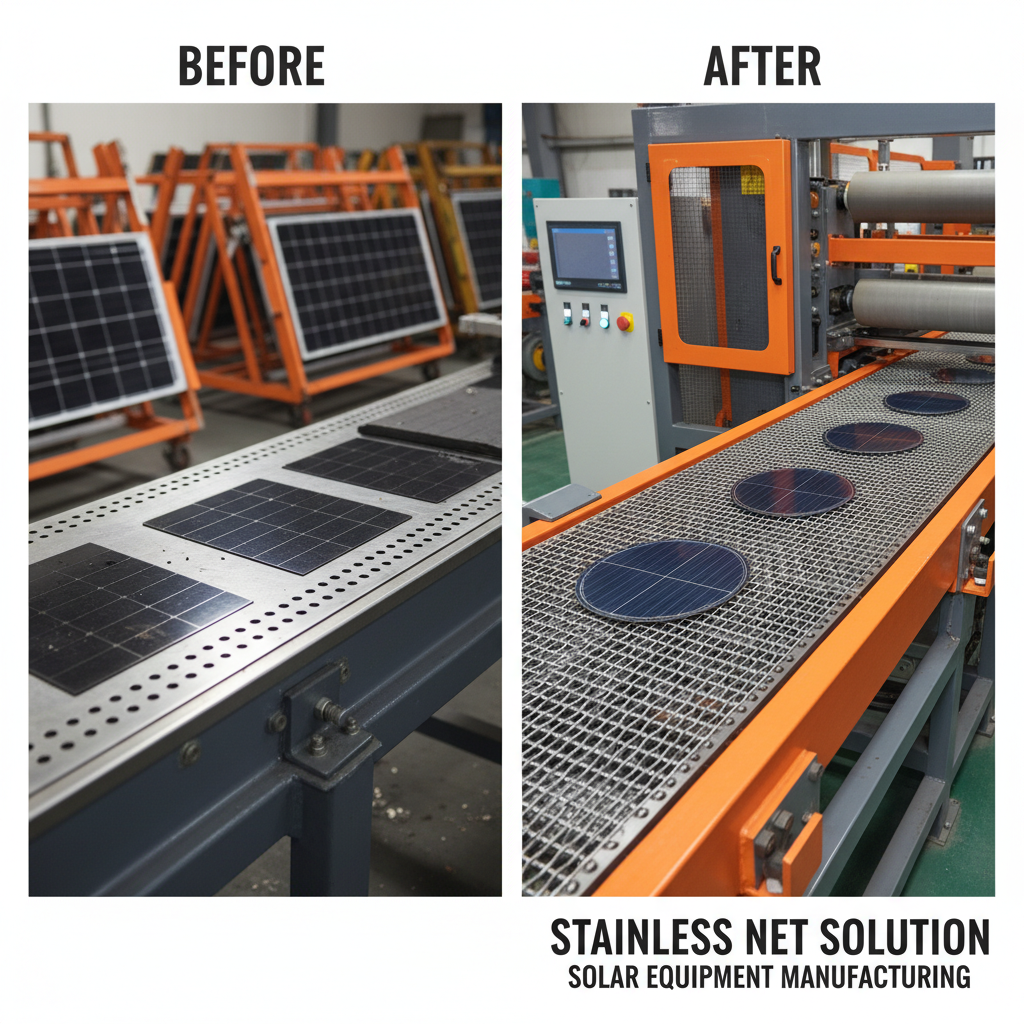
- Water Treatment Plants: Removing sediments and microscopic impurities to provide safe drinking water.
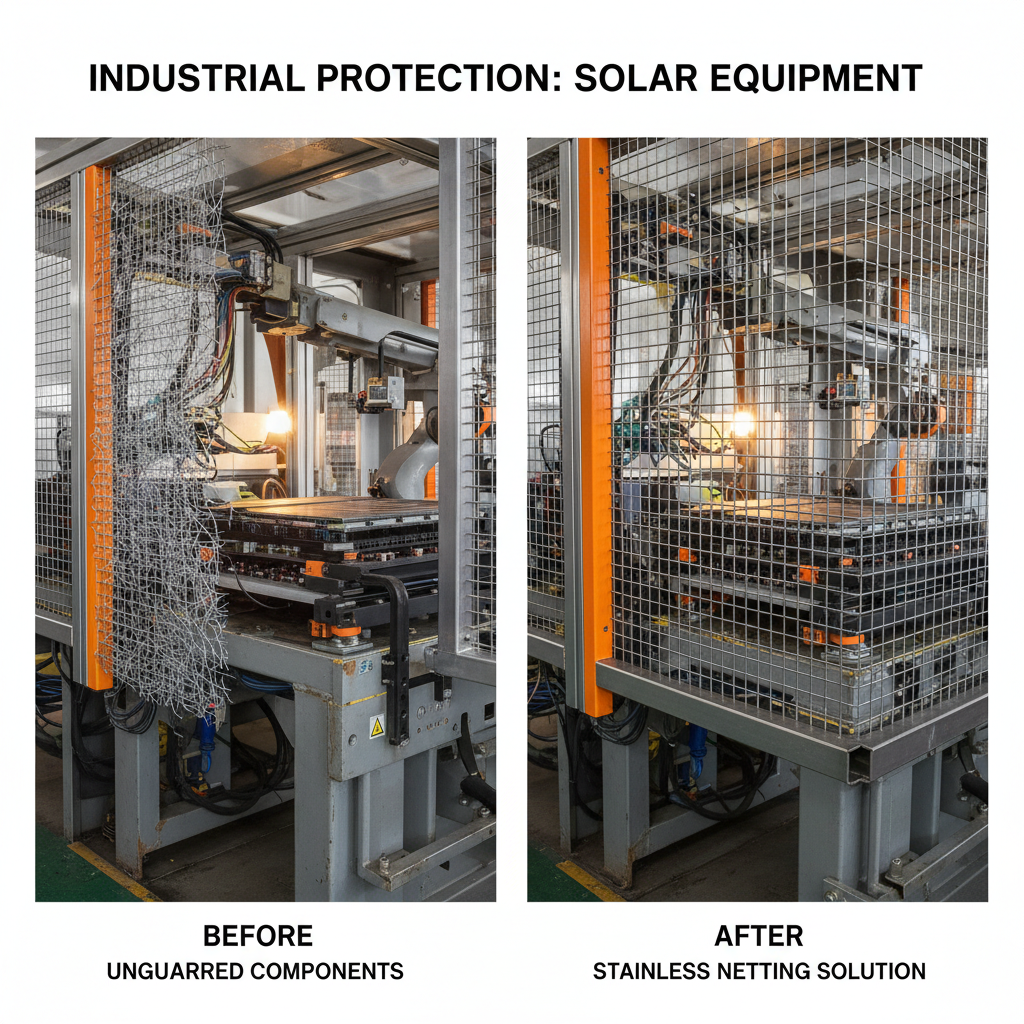
- Mining Operations: Screening ores and preventing machinery clogging in some of the harshest environments on earth.
- Food & Beverage Industry: Ensuring particle-free liquids and maintaining hygiene standards.
- Post-Disaster Relief: Portable filtration setups use stainless steel screens to rapidly provide clean water and protect equipment under emergency conditions.
- Oil and Gas Sector: Protecting sensitive components in exploratory drilling where failure is costly.
Regions with intensive industrial growth such as Asia-Pacific, the Middle East, and parts of Africa are dynamically adopting these solutions, underpinning infrastructure resilience and environmental compliance.
Advantages and the Long-Term Value of Stainless Steel Metal Screens
Aside from hard numbers, there’s a bit of peace of mind that comes with knowing your filtration system won’t fail unexpectedly or require constant replacement. In practical terms, companies save on downtime, maintenance, and regulatory fines. There’s also an intangible value: longevity inspires trust and safety in operations.
Sustainability is no longer a buzzword but a goal, and stainless steel metal screens fit neatly into circular economy models. They’re recyclable, long-lasting, and support innovation in greener industrial processes.
Product Specification Table
| Feature | Details |
|---|---|
| Material Grade | 304, 316, 316L (Common Grades) |
| Mesh Size | From 5 to 500 microns |
| Wire Diameter | 0.05 mm to 3 mm |
| Weave Type | Plain, Twilled, Dutch weave |
| Max Operating Temp | Up to 870°C (depending on grade) |
| Typical Applications | Filtration, Separation, Protective Guards |
Comparing Top Vendors of Stainless Steel Metal Screens
| Vendor | Product Range | Customization Options | Lead Time | Key Markets |
|---|---|---|---|---|
| QH Filter | Full range stainless steel screens & filters | High – custom mesh, size, weave | 2-4 weeks | Asia, Europe, Americas |
| Stainless Solutions Inc. | Standard mesh sizes, bulk orders | Limited | 4-6 weeks | North America |
| Metal Mesh Co. | Custom & standard products, specialty weaves | Moderate | 3-5 weeks | Europe, Asia |
Emerging Trends and the Future of Stainless Steel Metal Screens
The push toward sustainability combined with Industry 4.0 technologies is reshaping how these screens are made and used. Smart filtration systems embedded with sensors to monitor mesh integrity are becoming a reality, reducing downtime and preventing failures. Eco-friendly, low-carbon footprint alloys and recycling processes are also progressing.
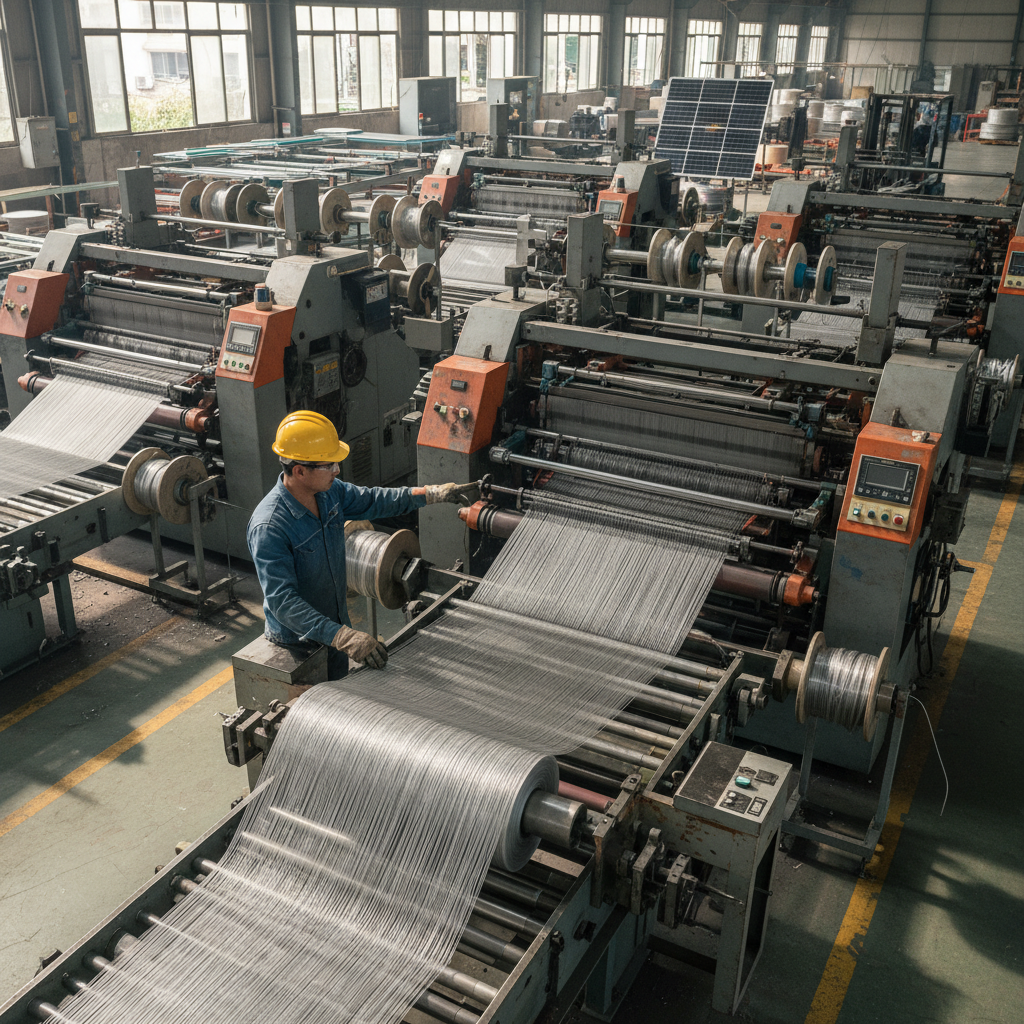
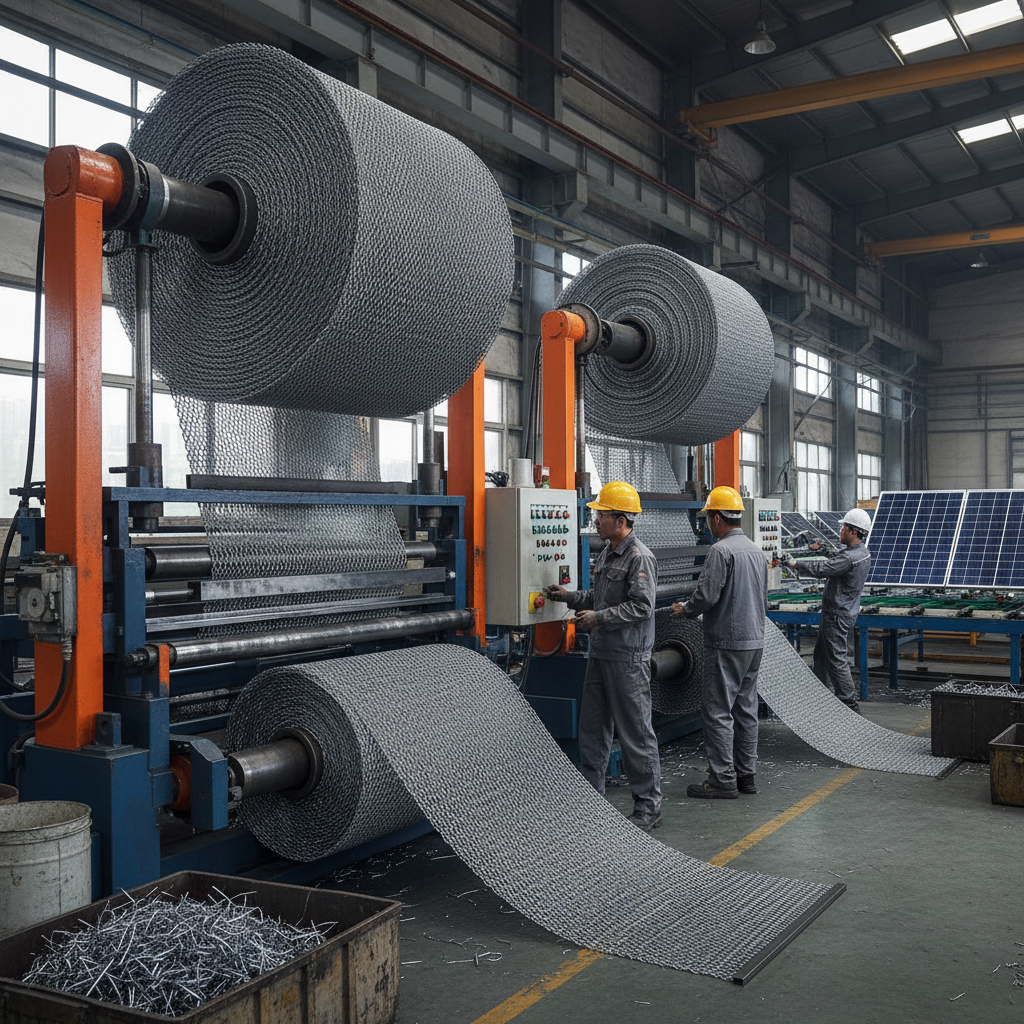
Oddly enough, the integration of digital manufacturing and automated fitting techniques is bringing customization options once limited to artisanal processes into large scale production. So yes, you can someday have a stainless steel metal screen fine-tuned by AI for your exact needs.
Challenges and How the Industry is Tackling Them
No technology is perfect. Stainless steel screens can suffer from clogging if the mesh is too fine and may require specialized cleaning methods. Also, initial cost can be higher than basic alternatives, which sometimes scares off smaller buyers.
But recent advances in anti-fouling coatings, modular design for easy screen replacement, and a stronger emphasis on total cost of ownership over sticker price are making these screens a more compelling choice. Engineers and suppliers collaborating closely with end-users help tailor solutions that balance cost and functionality effectively.
FAQ: Common Questions About Stainless Steel Metal Screens
Q1: What makes stainless steel metal screens better than plastic filters?
Stainless steel screens offer superior durability, temperature resistance, and corrosion protection compared to plastic filters. This longevity means they can operate in harsher environments and require less frequent replacement, reducing overall cost and waste.
Q2: Can stainless steel screens be customized for very fine filtration?
Absolutely. Thanks to varied mesh sizes and weave types, stainless steel screens can filter particles down to a few microns. Custom configurations are common in pharmaceutical and food industries where precision is critical.
Q3: How do industries maintain stainless steel screens to prevent clogging?
Regular cleaning protocols such as backflushing, ultrasonic cleaning, or chemical treatments help keep the mesh clear. The choice depends on application and the type of particulates filtered.
Q4: Are stainless steel metal screens recyclable?
Yes. Stainless steel is 100% recyclable without loss of quality. This contributes to the sustainability of using these screens in industrial processes.
Q5: How quickly can custom stainless steel metal screens be delivered?
Lead times vary by complexity and order size but typically range from 2 to 6 weeks. Vendors like QH Filter specialize in quick turnaround and customization.
Conclusion: Why Stainless Steel Metal Screens Are an Investment Worth Making
In the end, stainless steel metal screens deliver a blend of strength, adaptability, and sustainability that simply makes sense in today’s industrial landscape. They help organizations meet tougher regulations, reduce downtime, and operate more responsibly. Whether you’re building water filtration for a municipality or shielding equipment in a factory, these screens make the difference between smooth running systems and constant headaches.
If you’re ready to explore how stainless steel metal screens can improve your operations, visit our website at https://www.qhfilter.com for expert advice and custom solutions.
Final Thoughts:
It’s funny how a mesh of stainless steel wires can quietly underpin so many aspects of modern life—from clean water to safer factories. Next time you come across a stainless steel metal screen, you might just appreciate its intricate weave — both in design and global significance.