Stainless Steel Mesh Filter: Durable Solutions for Fluid Filtration
Understanding the Value of the ss mesh filter in Industrial Applications
Having spent a fair chunk of my career wandering through factories, maintenance rooms, and filter assembly lines, I’ve developed a soft spot for what I call the workhorse of fluid filtration: the stainless steel mesh filter. Or, as industry folks often abbreviate it—the ss mesh filter. It’s funny how such an unassuming piece of equipment quietly keeps so much running smoothly, isn’t it?
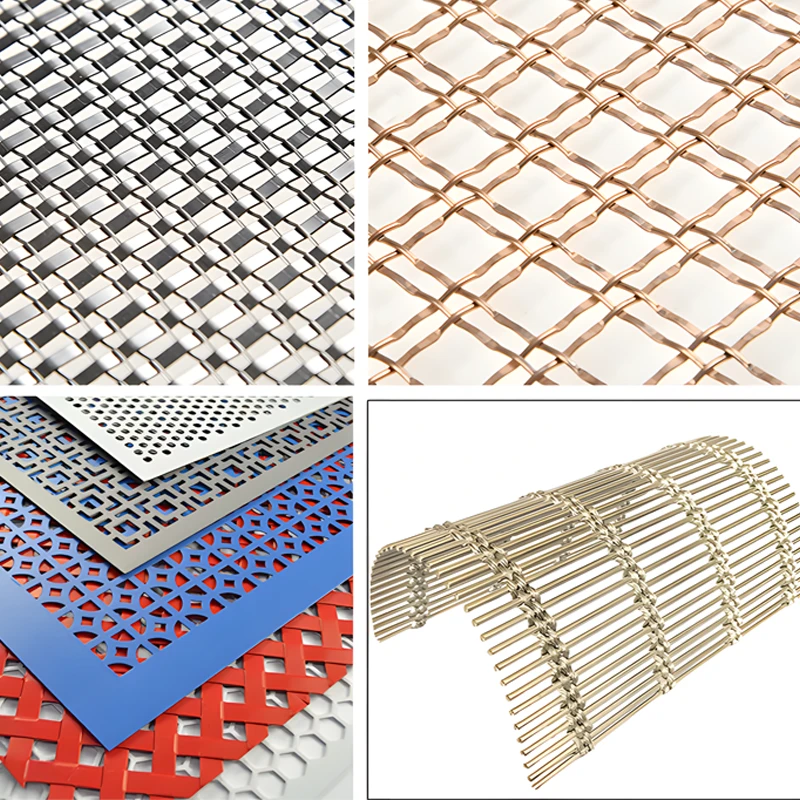
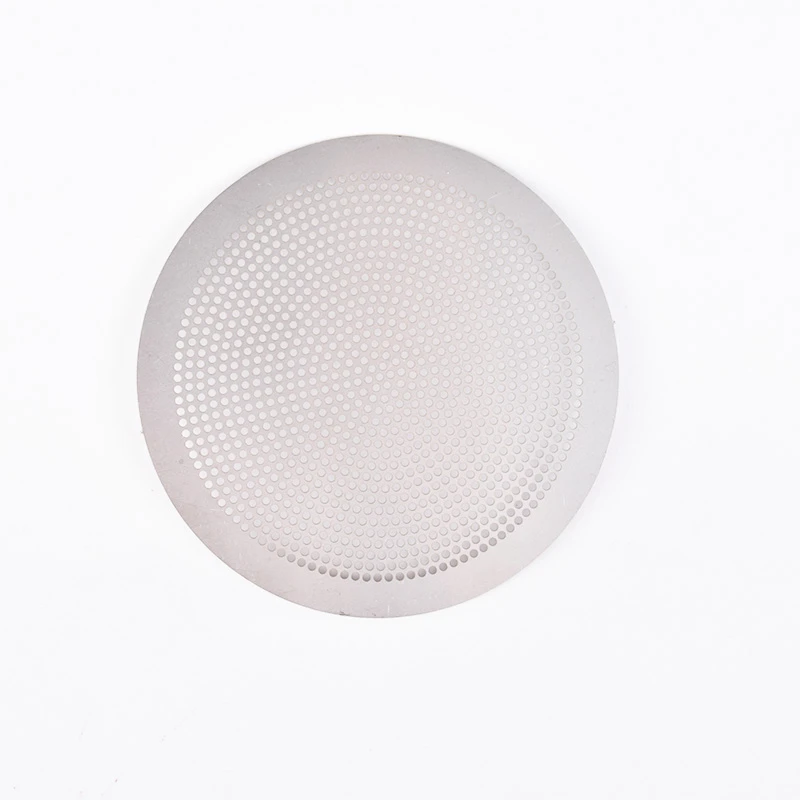
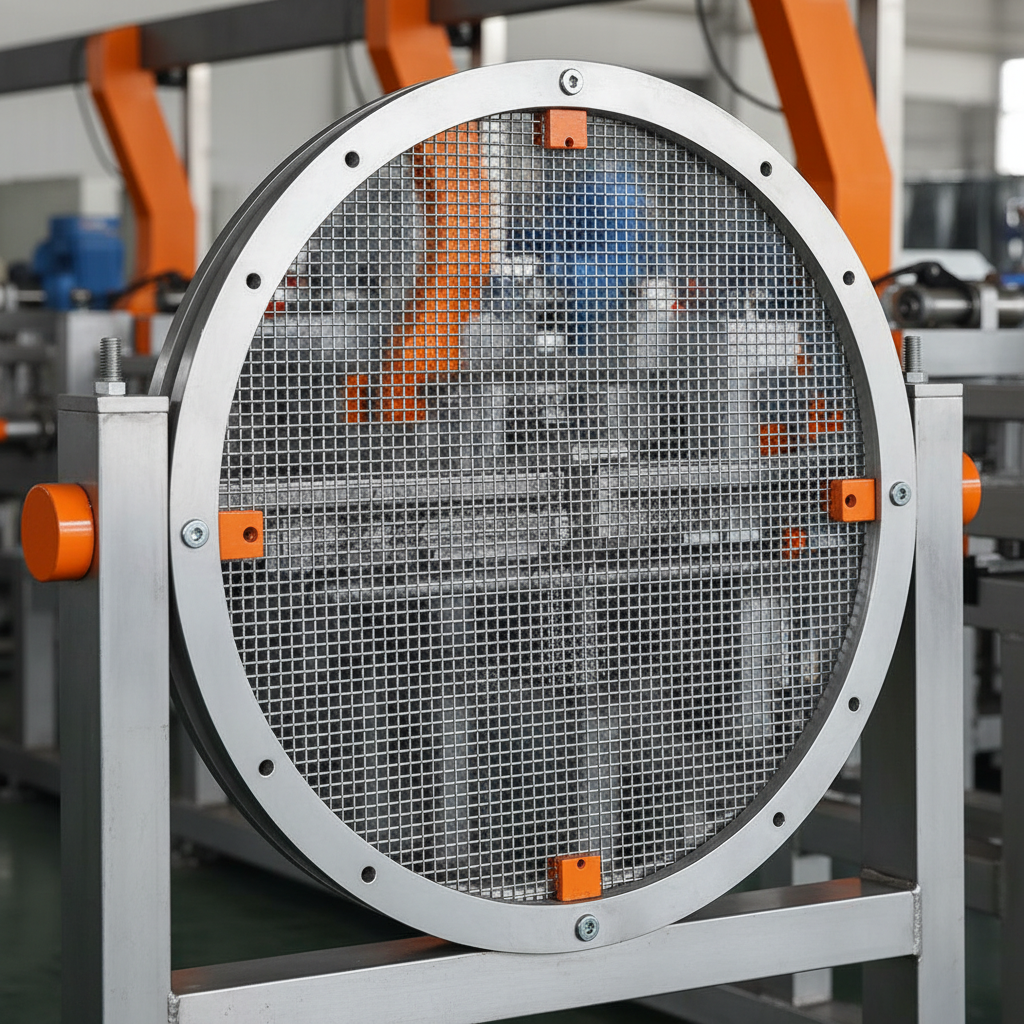
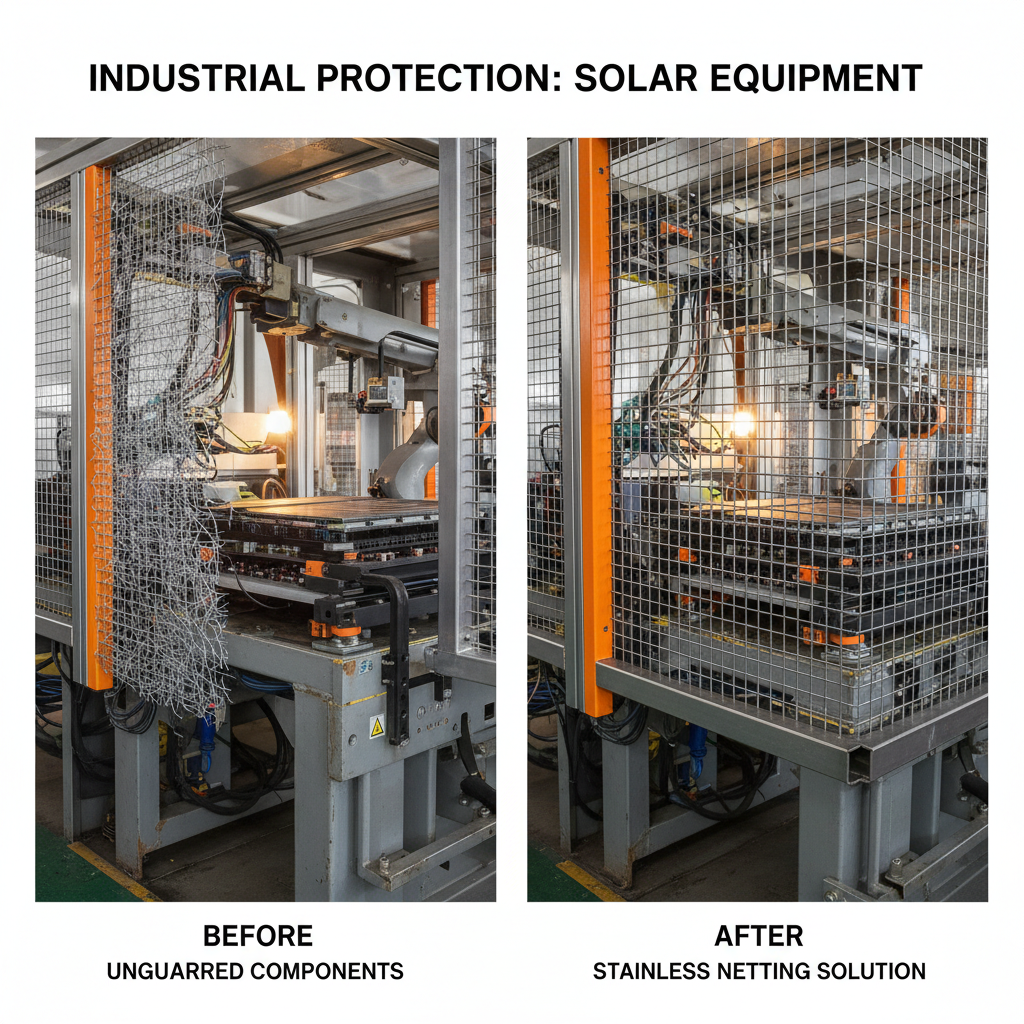
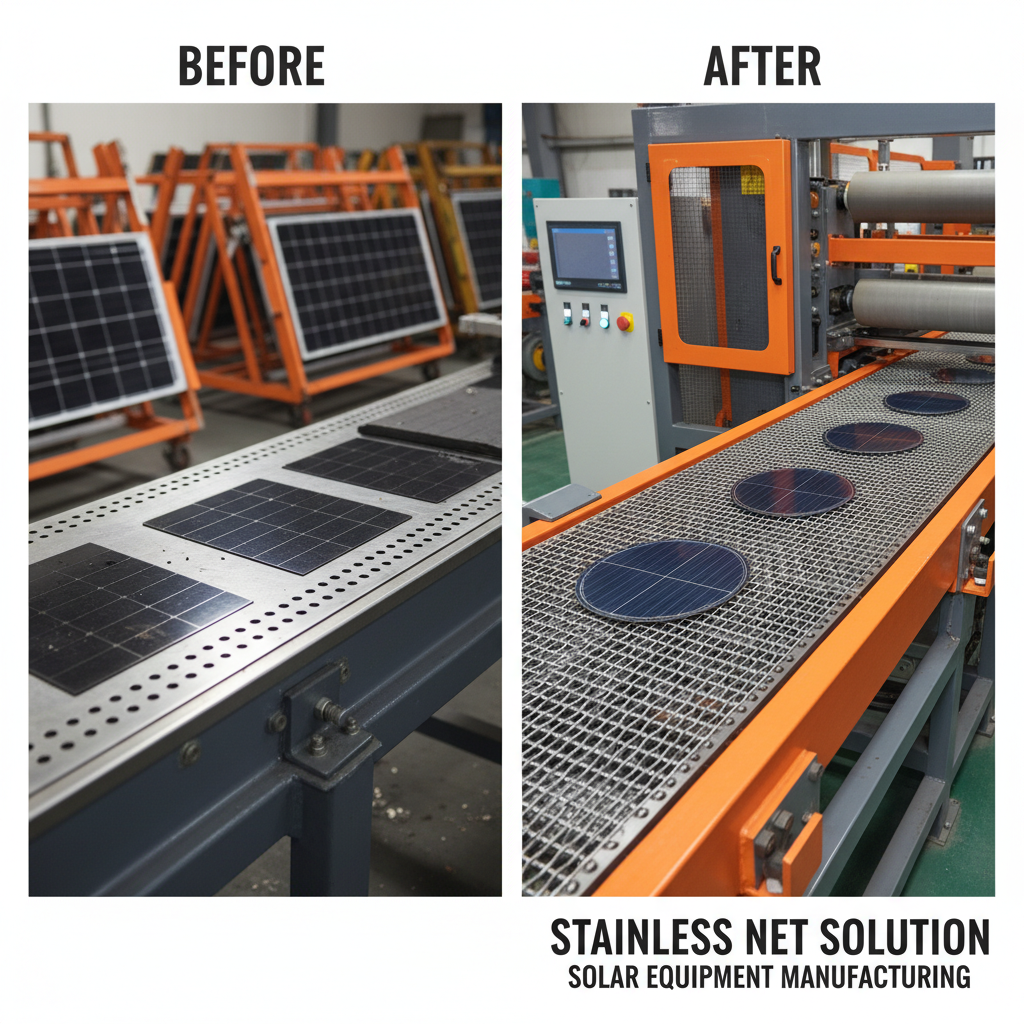
One of the first things I noticed about these filters was their sheer versatility. Stainless steel, as a material, tends to bring a couple of great traits to the table: corrosion resistance and mechanical strength. Now, imagine those properties combined in a finely woven mesh designed to sift out contaminants from liquids or gases. The result is a filter that doesn’t just do its job — it thrives in challenging environments, from chemical plants to food processing lines.
Oddly enough, the mesh weave size and wire diameter aren’t just numbers on a datasheet; they fundamentally define what contaminants get caught and what pass through smoothly. If you’ve ever swapped filters in the field, you quickly learn that precision here matters — too coarse, and you risk equipment damage downstream; too fine, and you choke flow rates unacceptably.
| Parameter | Details |
|---|---|
| Material | 304 or 316 stainless steel |
| Mesh Size | 10–400 mesh (varies by application) |
| Wire Diameter | 0.02–0.5 mm |
| Operating Temp | Up to 800 °C (varies by grade) |
| Pressure Rating | Up to 10 bar (depending on installation) |
| Finish | Polished or as-woven |
What’s really interesting to me is how manufacturers tailor these filters depending on industry specifics. For instance, in pharmaceuticals, the ss mesh filter needs to comply with stringent hygiene standards—so smooth edges and easy cleaning become essential. Contrast that with heavy industry, where durability and resistance to fouling carry more weight.
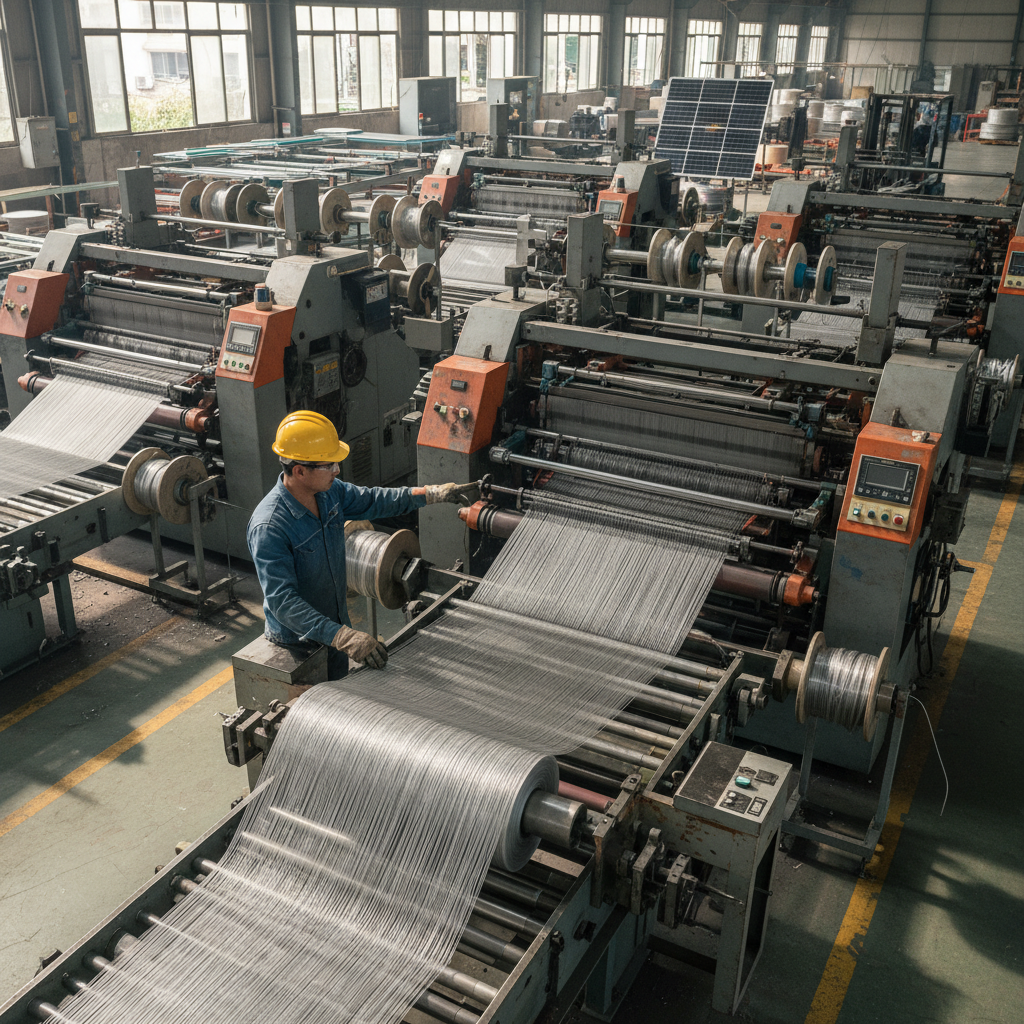
Speaking of customization, one of my favorite stories involves a customer in the automotive sector. They needed a custom mesh to filter out aluminum shavings during coolant circulation — a niche problem, but critical. We worked closely with the supplier to produce mesh filters that balanced fineness with flow rate. Eventually, this filtered system reduced downtime by almost 30%. Proof positive that a well-selected mesh filter can make a real difference.
Now, I’m sure many engineers reading this will nod knowingly when I mention the performance testing that goes into evaluating ss mesh filters. Tests like pressure drop evaluation, particulate retention, and corrosion resistance testing are pretty much standard. It’s reassuring to see how rigorous these procedures are because frankly, no one wants a filter failure mid-shift.
| Feature | QH Filter | Vendor B | Vendor C |
|---|---|---|---|
| Customization Options | Extensive (mesh size, shapes, materials) | Moderate | Basic |
| Quality Certifications | ISO 9001 & RoHS | ISO 9001 | None |
| Lead Time | 2-3 weeks | 4-6 weeks | 6+ weeks |
| Price Level | Competitive | Higher | Variable |
| Customer Support | Responsive & Industry Knowledgeable | Average | Limited |
If you ask me, that last row—customer support—is often where vendors really stand out or fall short. I’ve personally relied on QH Filter's team several times when a last-minute custom order was needed, and it’s their responsiveness that truly counts in the hustle of industrial operations.
In real terms, deciding on the right ss mesh filter is less about merely picking something off a shelf and more about understanding the specific demands of your system and trusting a supplier who offers both precision and reliability. Because at the end of the day, that little mesh is quietly protecting your entire process — a small hero you might easily overlook.
So, whether you’re tasked with replacing worn filters or designing an entirely new filtration stage, take a close look at the options in stainless steel mesh filters. You might be pleasantly surprised how much of a tangible difference the right one makes.
References:
1. “Industrial Mesh Filters Handbook,” TechPulley Press, 2021.
2. QH Filter official product catalog, 2024.
3. Conversations with filter engineers, various industrial sites, 2018–2023.