Stainless Steel Mesh 150 Micron Screen - Durable & Precise Filtration Solutions
The Stainless Steel Mesh 150 Micron Screen: Why It Matters Worldwide
You might not think much about a stainless steel mesh 150 micron screen when you think of cutting-edge technology or global challenges — yet it quietly influences industries and humanitarian efforts worldwide. At its core, this finely woven mesh acts as a precise filter, separating particles down to 150 microns (that’s roughly 0.15 millimeters). Understanding this component helps ensure quality, safety, and sustainability across manufacturing, water treatment, food processing, and more.
Globally, challenges like clean water access, industrial pollution control, and product purity are urgent. And oddly enough, such a small but effective screen plays a big role here. Let’s unpack what this mesh is, why it’s a tiny piece with a massive impact, and how it fits into our industrial and ecological future.
Global Context: Stainless Steel Mesh Screens in Industry and Beyond
Here’s a fact: according to the International Organization for Standardization (ISO), filtration efficiency is crucial to maintaining quality in sectors from pharmaceuticals to water sanitation. And with an increasing emphasis on sustainability, industries worldwide seek reliable, reusable filtering methods.
Consider the United Nations’ Sustainable Development Goal 6 (Clean Water and Sanitation). Many remote or developing regions rely on effective water filtration to prevent disease. A mesh filter with 150 micron openings perfectly balances fine filtration and durability, making it an ideal choice. Yet challenges like corrosion and chemical reactivity have long hampered filter life — a problem stainless steel solves reliably.
Industrially, the rise of eco-conscious manufacturing means that meshes such as the stainless steel 150 micron screen help companies reduce waste and improve process control — fundamentally addressing contamination, a headache in sectors like electronics, food, and chemicals.
So, What Exactly is a Stainless Steel Mesh 150 Micron Screen?
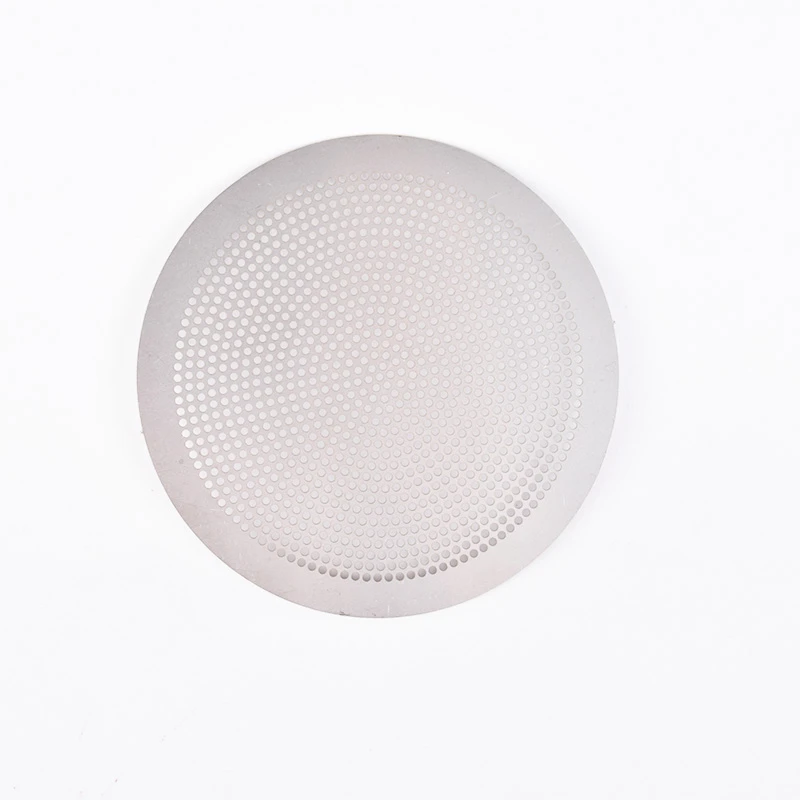
In straightforward terms: it’s a woven mesh of stainless steel wires where the openings—or apertures—are about 150 microns across. To visualize, 150 microns is roughly the thickness of a human hair, maybe slightly less. This fine mesh acts like a microscopic sieve, allowing only particles smaller than 150 microns to pass through.
The brilliance of stainless steel, as opposed to synthetic or cheaper metals, lies in its non-corrosive, durable nature. This means the mesh lasts longer, resists chemical attack from harsh liquids, and withstands repeated cleaning cycles — a must when you’re dealing with sensitive products or critical processes.
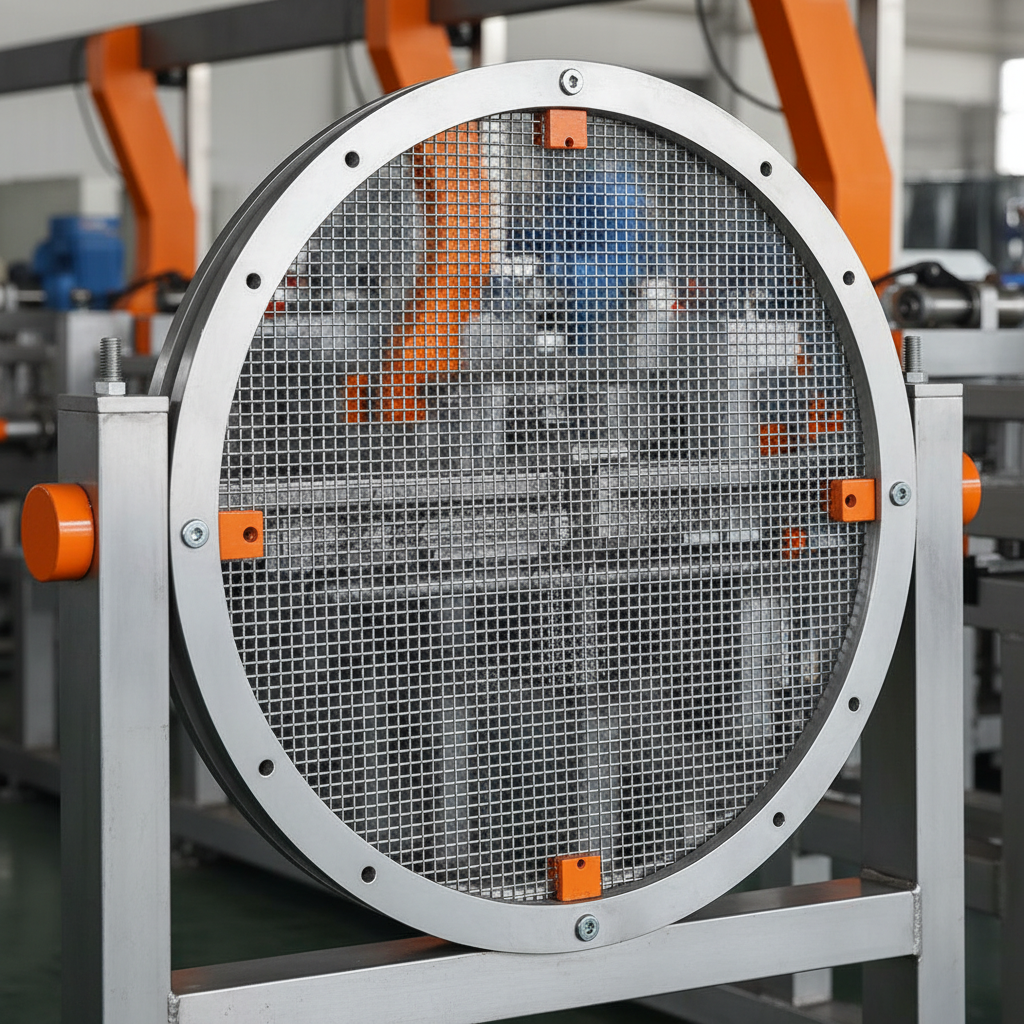
Such screens are used everywhere: from filtering dust in automotive paint shops to sieving raw ingredients in pharmaceutical plants, or even keeping sand and debris out of irrigation systems in arid parts of Africa.
Key Components That Make This Mesh a Game-Changer
Durability and Corrosion Resistance
Stainless steel naturally resists rust and degradation, unlike cheaper alloys. The 150 micron mesh maintains structural integrity under high pressure and fluctuating temperatures, vital in environments like chemical plants or wastewater treatment facilities.
Precision Filtration
The uniform opening size ensures consistent filtration quality — engineers and quality managers love that level of predictability. This avoids downstream equipment damage or product contamination, reducing costly rework or health risks.
Ease of Maintenance
It cleans easily through backwashing or chemical treatments without degrading. Some operators report mesh lifespans stretching into years, even in harsh conditions.
Cost Efficiency Over Time
While the upfront cost of stainless steel mesh is higher compared to synthetic filters, the longevity and reduced downtime offer clear cost savings.
Scalability and Customization
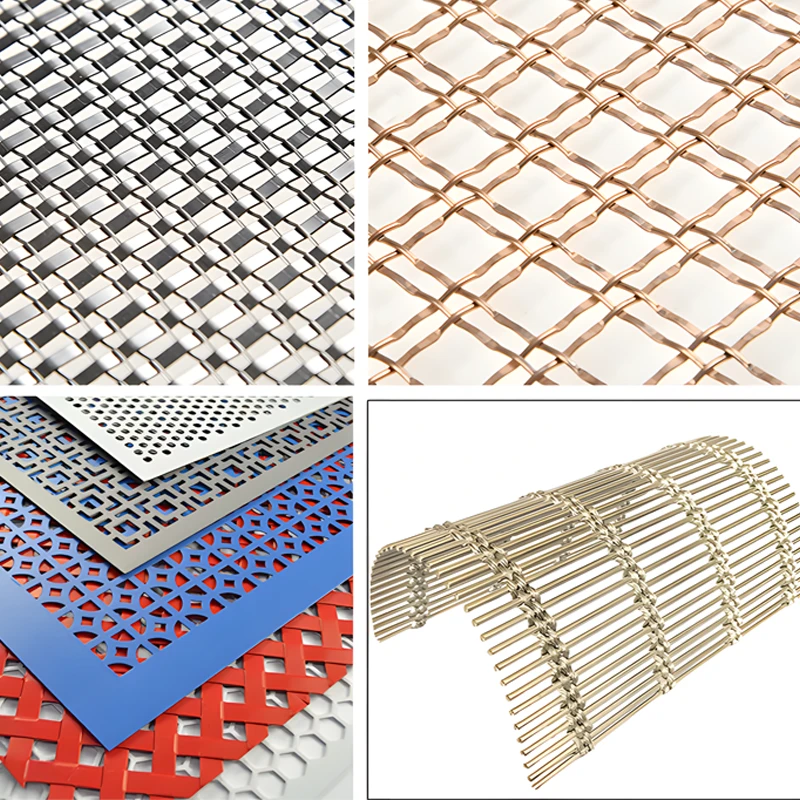
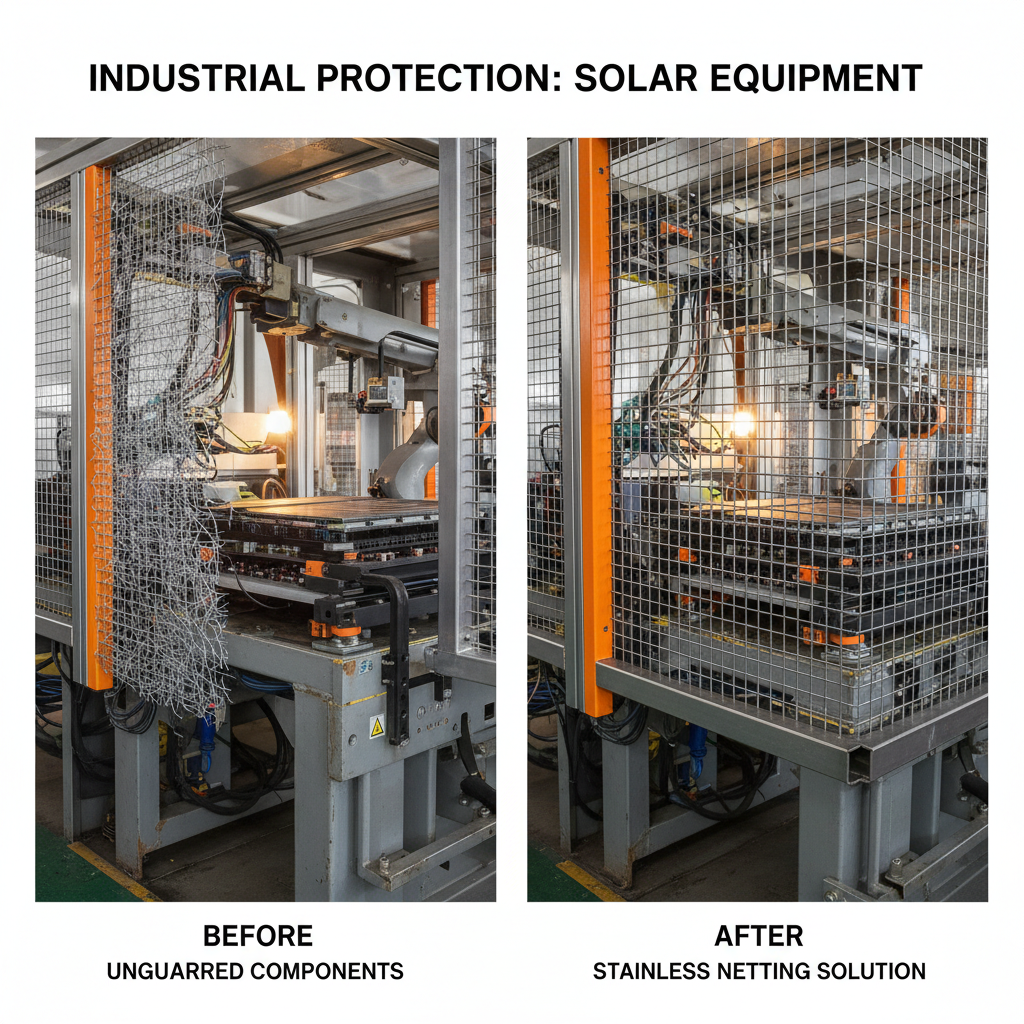
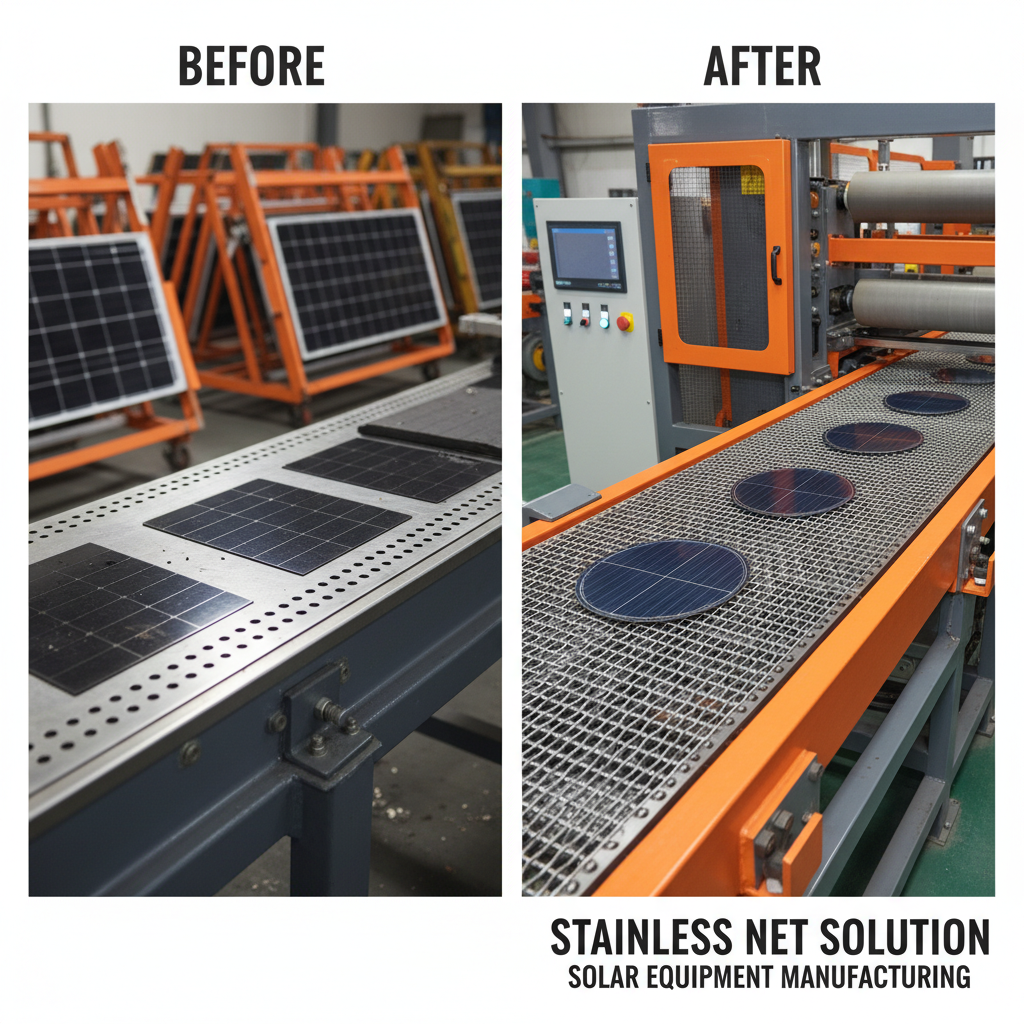
Manufacturers can tailor mesh sizes, weave patterns, and thicknesses to exact client needs — from tiny lab filters to industrial-scale conveyor belt coverings.
Mini Takeaway:
Basically, a stainless steel mesh 150 micron screen combines fine filtration with industrial-grade resilience — a practical solution tailored for demanding environments.
Real-World Applications and Who’s Benefiting
Across the globe, this mesh is quietly embedded in vital systems. For example:
- Water purification plants in Southeast Asia use stainless steel meshes to trap suspended solids, ensuring cleaner drinking water.
- Food processing industries in Europe rely on it for sieving flour and spices, where contamination risks are high.
- Mining operations in Australia deploy these screens to separate ores and remove unwanted debris efficiently.
- NGOs in disaster zones use portable filtration units equipped with stainless steel meshes to provide safe drinking water quickly to affected communities.
In industrialized countries, high-tech electronics manufacturers use ultra-fine woven stainless steel screens during cleanroom operations, ensuring particle control to protect sensitive components.
Advantages That Make Users Keep Coming Back
From a practical standpoint, stainless steel mesh 150 micron screen is durable, reusable, and resistant to virtually everything nature or industry can throw at it. This means less frequent replacements, less downtime, and a lower environmental footprint—important when sustainability increasingly drives procurement decisions.
On an emotional level, workers and engineers appreciate knowing their filtration system won’t fail unexpectedly, averting costly contamination or health hazards. There’s an odd comfort in the reliability of something so “simple” but so critical.
Innovations and What’s Next for Stainless Steel Mesh
Oddly enough, even this humble mesh is evolving. Researchers are experimenting with nano-coatings that repel biofilms or improve self-cleaning, which could radically reduce maintenance effort.
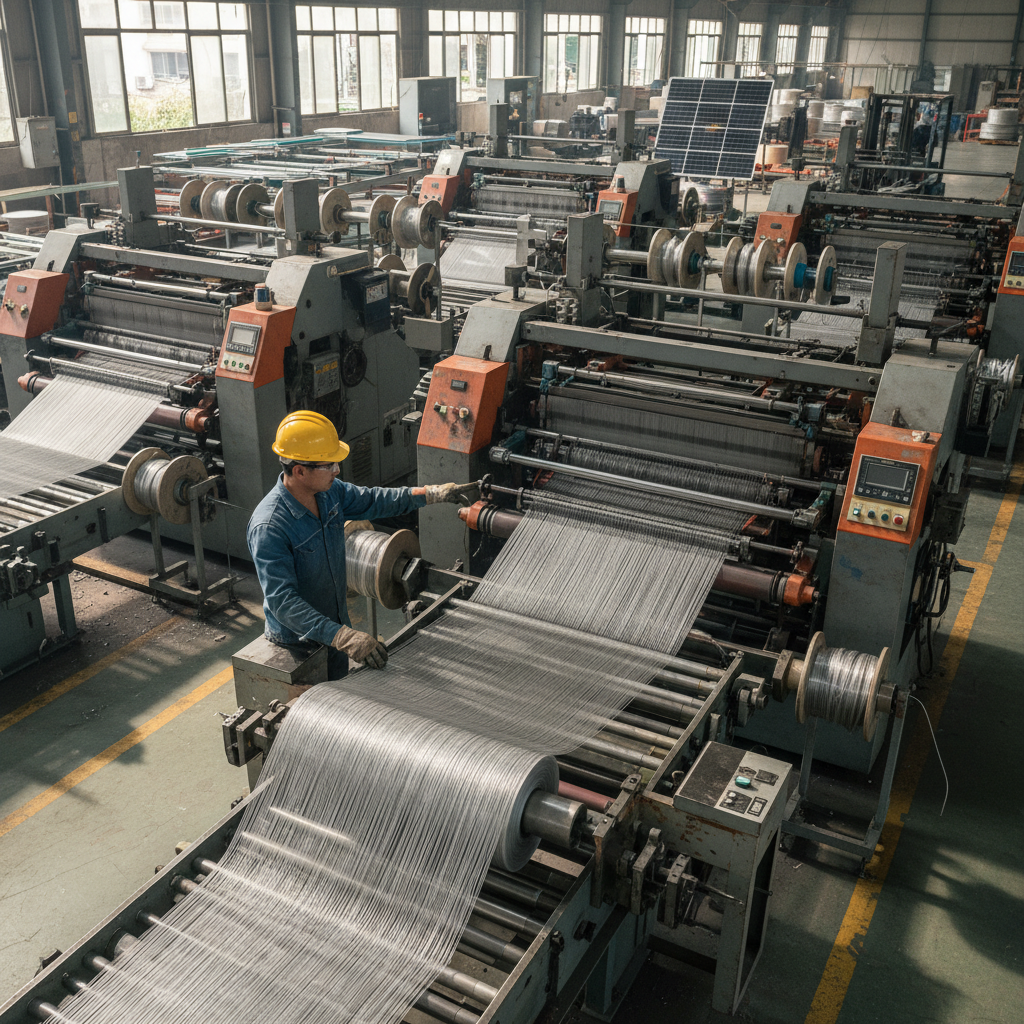
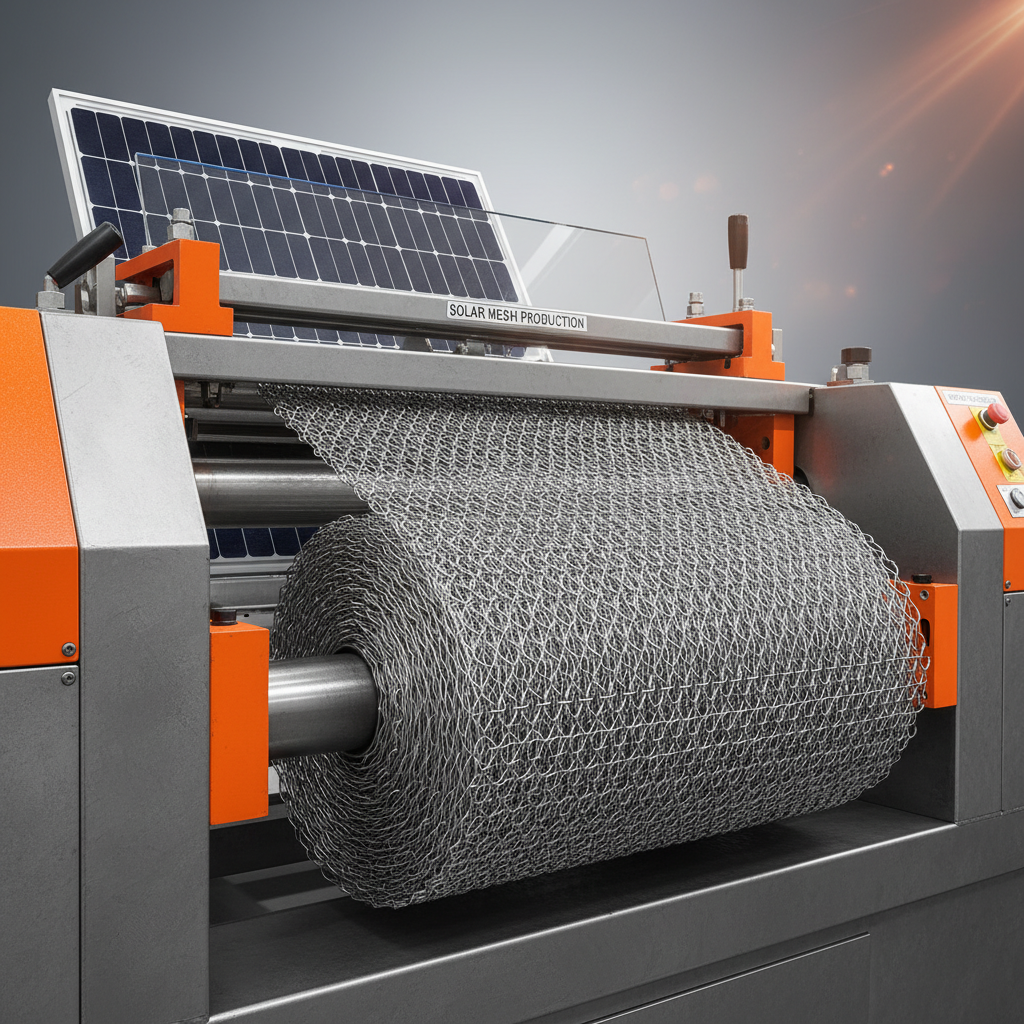
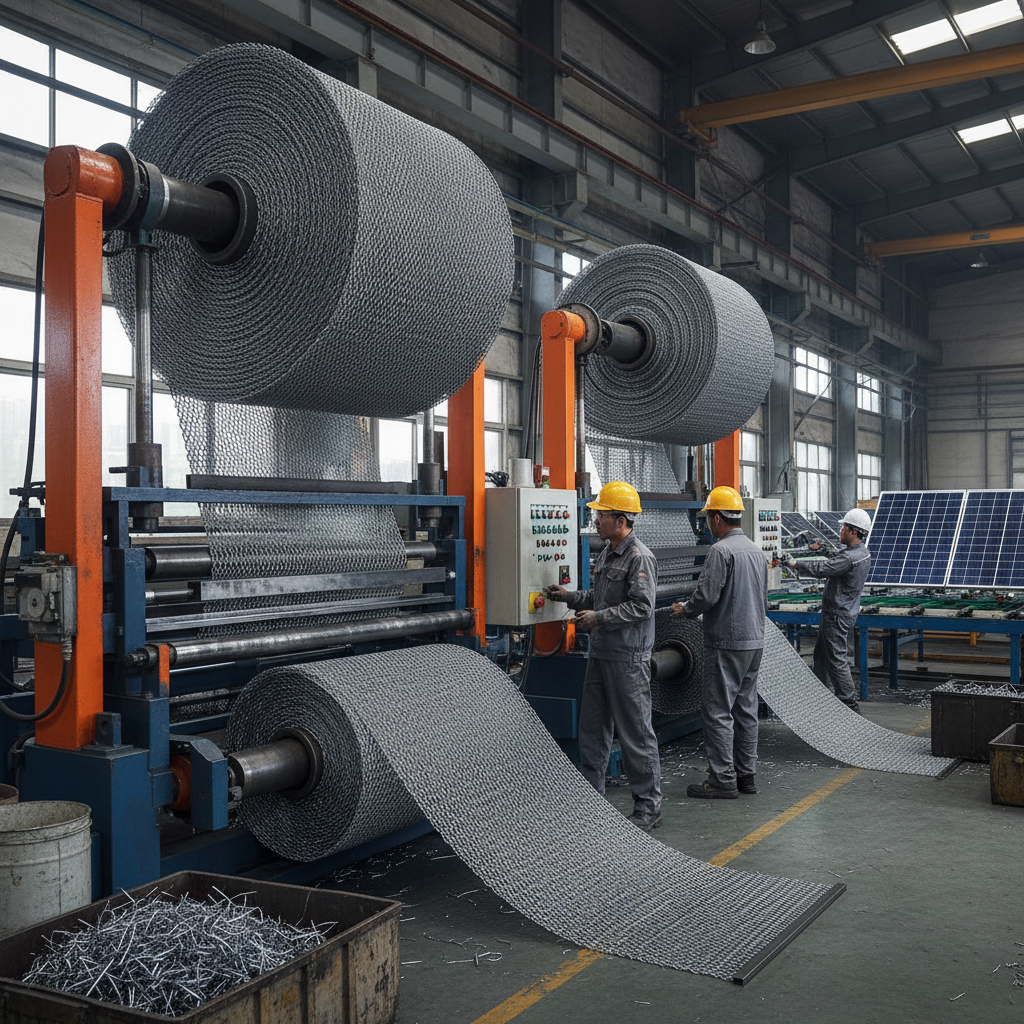
Green manufacturing trends are pushing for recycled stainless steel content and automated mesh weaving techniques to scale production affordably without sacrificing quality.
Digital integration is also on the horizon. Imagine sensors embedded alongside mesh filters, providing real-time clogging alerts, and enabling predictive maintenance—no more “surprises” disrupting processes.
Challenges and Smarter Solutions
That said, stainless steel meshes aren’t perfect. Challenges include:
- Higher initial costs than some polymers or plastics.
- Weight and rigidity can limit flexibility in certain designs.
- Potential for clogging if not properly maintained.
But clever design adaptations, like hybrid mesh composites or quick-release cleaning modules, reduce these pain points considerably. Also, many companies now offer detailed maintenance training alongside product delivery. Frankly, a little know-how goes a long way to maximize return-on-investment.
Frequently Asked Questions About Stainless Steel Mesh 150 Micron Screen
- Q: What industries benefit most from stainless steel mesh 150 micron screens?
- A: Key industries include water treatment, pharmaceuticals, food processing, mining, and electronics. Any industry requiring precise particle separation and corrosion resistance finds this product invaluable.
- Q: How long does a stainless steel mesh 150 micron screen typically last?
- A: When properly maintained, these meshes can last anywhere from 3 to 10 years or more, depending on usage conditions and chemical exposure.
- Q: Can these screens be customized for special applications?
- A: Absolutely. Vendors often provide options for weave patterns, wire thickness, screen size, and even treated surfaces based on client needs.
- Q: How do I know if the 150 micron size is right for my filtration needs?
- A: Particle size analysis of your process material will guide the choice. 150 microns is a popular middle ground for fine filtration without dramatically slowing flow rates.
- Q: Are stainless steel meshes environmentally friendly?
- A: Reusable and recyclable, stainless steel meshes have a much lower environmental footprint over their lifespan compared to disposable plastic filters. Plus, they support clean water goals and pollution control efforts.
Stainless Steel Mesh 150 Micron Screen Specification Table
| Specification | Details |
|---|---|
| Material | 304 or 316 Stainless Steel |
| Mesh Opening | Approximately 150 microns (0.15 mm) |
| Wire Diameter | 0.07-0.10 mm (varies by weave) |
| Weave Type | Plain, Twill, or Dutch Weave |
| Tensile Strength | Min 500 MPa |
| Temperature Range | -196°C to +600°C |
| Corrosion Resistance | Excellent (depending on grade) |
Vendor Comparison: Leading Stainless Steel Mesh Providers
| Vendor | Material Grades | Customization Options | Typical Lead Time | Price Range |
|---|---|---|---|---|
| QH Filter Solutions | 304, 316L | Mesh size, weave, surface finish | 2-4 weeks | Mid-range |
| Global Mesh Co. | 304 only | Limited mesh sizes, standard weaves | 3-6 weeks | Budget-friendly |
| TechWire Filters | 316L, specialty alloys | Highly customizable | 4-8 weeks | Premium |
Wrapping Up: Why You Should Care About Stainless Steel Mesh 150 Micron Screen
So here’s what really matters: choosing the right mesh filter—not just any filter—makes a huge difference in operational success. Whether you’re aiming to boost production purity, ensure safer water quality, or meet strict environmental guidelines, the humble stainless steel mesh 150 micron screen is a steadfast ally.
It combines outstanding durability, fine filtration precision, and long-term sustainability. And thanks to ongoing innovations, its role will only grow as industries globally embrace smarter, greener filtration solutions. If you want to explore options or get expert help sizing up your filtering needs, check out stainless steel mesh 150 micron screen suppliers who can walk you through the details.
In the end, sometimes the tiniest screens hold back the biggest problems – a bit like keeping the world’s engines running smoothly by catching the smallest particles. It feels good knowing the little things aren’t overlooked.