Stainless Steel Hardware Cloth – Durable Mesh Solutions for Industry & Agriculture
What is Stainless Steel Hardware Cloth and Why It Matters Globally
At first glance, stainless steel hardware cloth might just seem like a grid of metal wires—a kind of fencing or a mesh. But this humble material plays surprisingly critical roles worldwide. It’s a durable, corrosion-resistant, and versatile solution everyone from farmers in Southeast Asia to engineers in the US relies on. Why does it matter? Because in a world increasingly focused on sustainability, safety, and efficiency, this mesh isn't just about containment or separation. It's about creating reliable barriers for health, infrastructure, and innovation.
Understanding stainless steel hardware cloth means appreciating a small but mighty piece of the puzzle that supports industries, protects environments, and even aids humanitarian efforts globally.
Stainless Steel Hardware Cloth: A Global Perspective
According to ISO standards, stainless steel materials must meet stringent quality measures, reflecting their importance in global manufacturing and safety. Worldwide, the stainless steel hardware cloth market has been growing steadily, in part because it answers several pain points at once: corrosion challenges in coastal infrastructure, pest control in agricultural economies, and security in urban centers.
In fact, the global stainless steel market size hit roughly $122 billion in 2023, driven by demand for products ranging from medical devices to industrial filters. Hardware cloth, in that context, is like the unsung hero—quietly doing its job in everything from filtration to fencing.
But here’s the challenge: Many regions suffer from rust, contamination, and environmental wear that cheaper materials just can't endure. Enter stainless steel hardware cloth, offering resilience, a longer lifespan, and often reducing replacement cycles, which ultimately saves money and the hassle of downtime.
Defining Stainless Steel Hardware Cloth
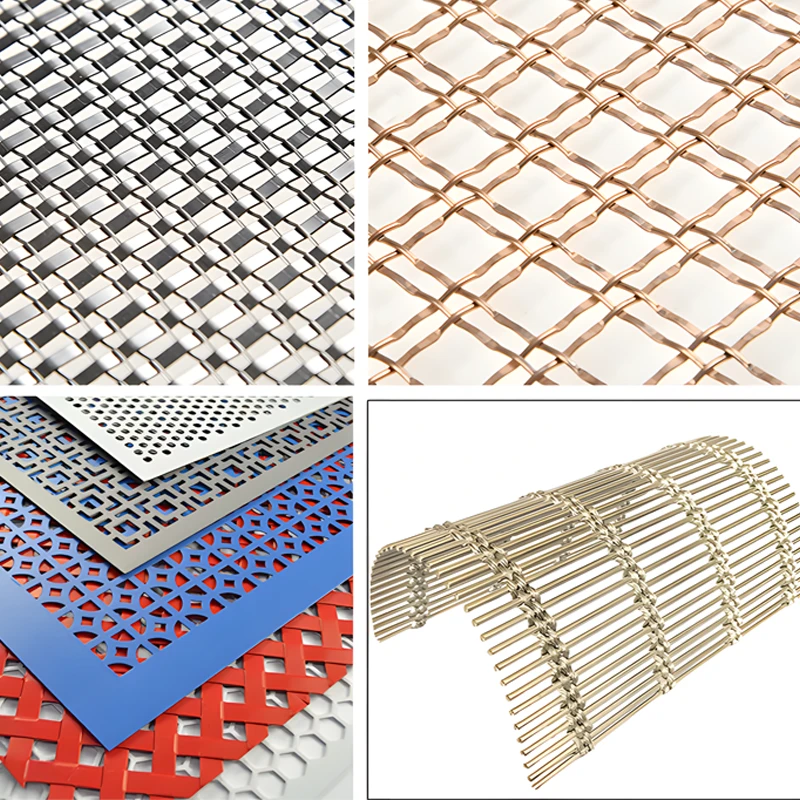
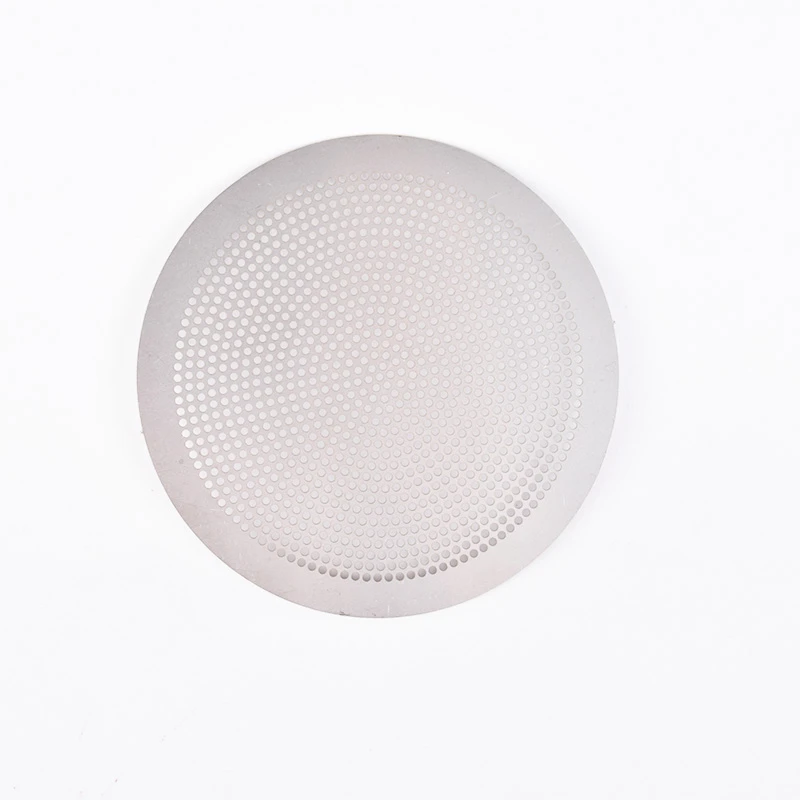
Put simply, stainless steel hardware cloth is a woven or welded mesh made from stainless steel wires. It typically features a grid pattern with various opening sizes (mesh sizes) and wire thickness. This mesh acts as a barrier or filter, used in countless applications from screening debris in water treatment plants to guarding young plants from pests.
Its stainless steel composition confers several benefits: high resistance to rust, tolerance to extreme temperatures, and mechanical strength without brittleness. Because of these properties, it has become essential in contemporary industry and humanitarian infrastructure alike.
Core Aspects of Stainless Steel Hardware Cloth
1. Durability and Corrosion Resistance
Whether exposed to salty sea air or industrial chemicals, stainless steel hardware cloth endures where other metals would corrode rapidly. In coastal regions, for instance, it outperforms galvanized or plastic screens—which can degrade within a couple of years.
2. Versatility and Scalability
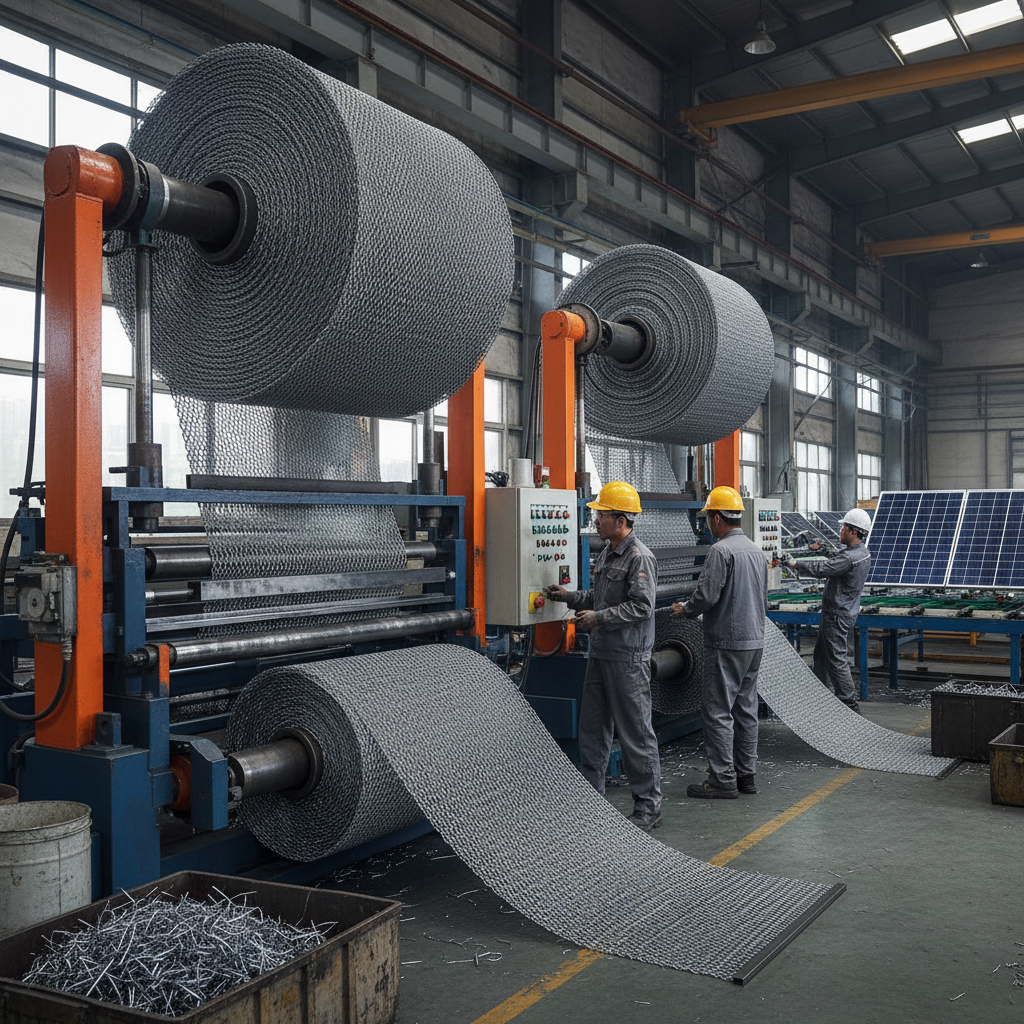
The mesh can be produced in a wide array of sizes and thicknesses to suit unique needs—from tiny insect control screens to heavy-duty industrial barriers. Manufacturers can also customize wire diameter and weave type, ensuring that the product matches specific engineering demands.
3. Cost Efficiency Over Lifecycle
Though the initial cost can be higher compared to alternatives, the longer lifespan and lower maintenance costs pay off significantly. Many installations last 10+ years without major repairs, reducing labor and replacement expenses.
4. Safety and Hygiene
In food processing or medical settings, stainless steel hardware cloth is preferred due to its non-porous surface and resistance to bacterial growth, contributing substantially to hygiene and compliance.
5. Environmental Impact
Made from recyclable materials, this hardware cloth aligns well with sustainability goals. Its longevity further reduces waste, making it a responsible choice compared to disposable plastics.
Mini takeaway:
Stainless steel hardware cloth is not just metal mesh—it's a durable, versatile, and eco-friendly solution supporting industries worldwide.
Practical Applications and Global Use Cases
In agriculture, stainless steel hardware cloth protects crops from pests and animals without the disadvantages of plastic nets that degrade quickly under UV light. For example, farmers in East Africa rely on these screens to safeguard grain storage facilities.
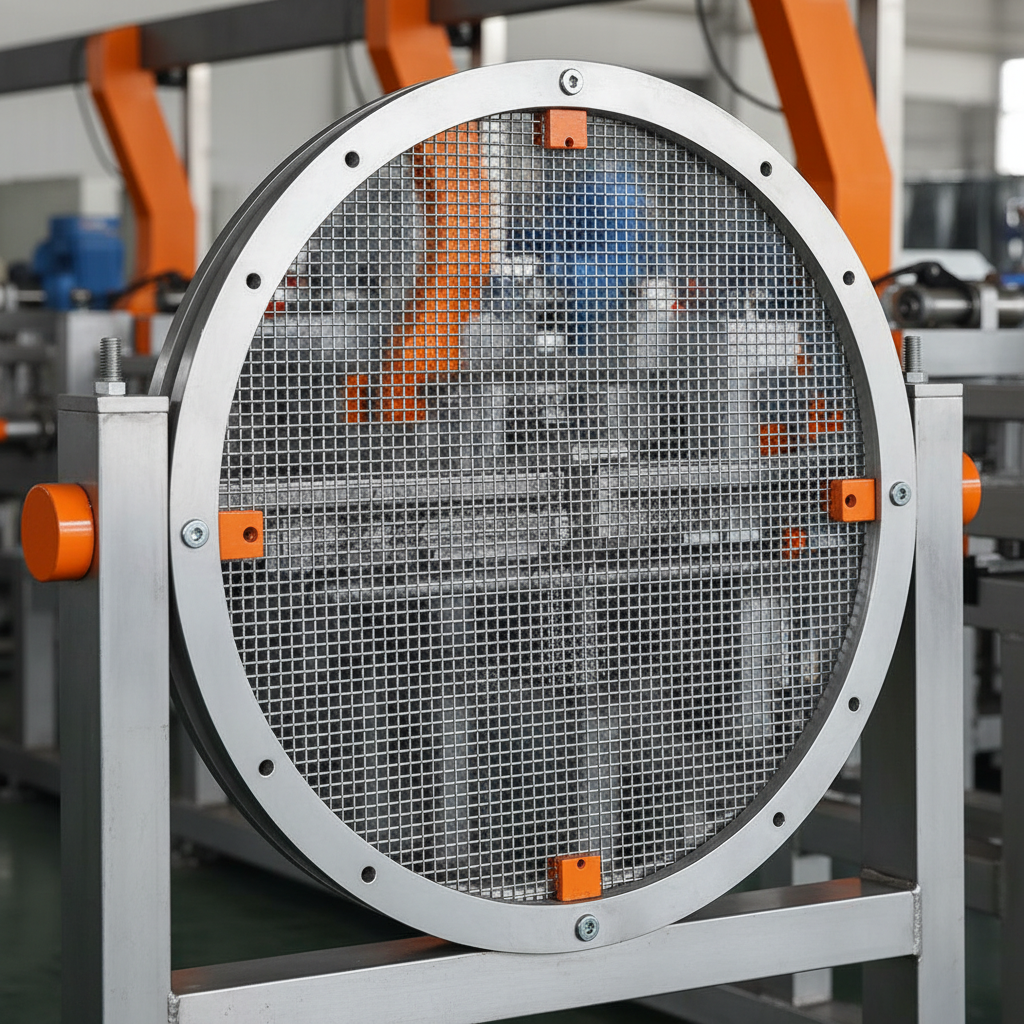
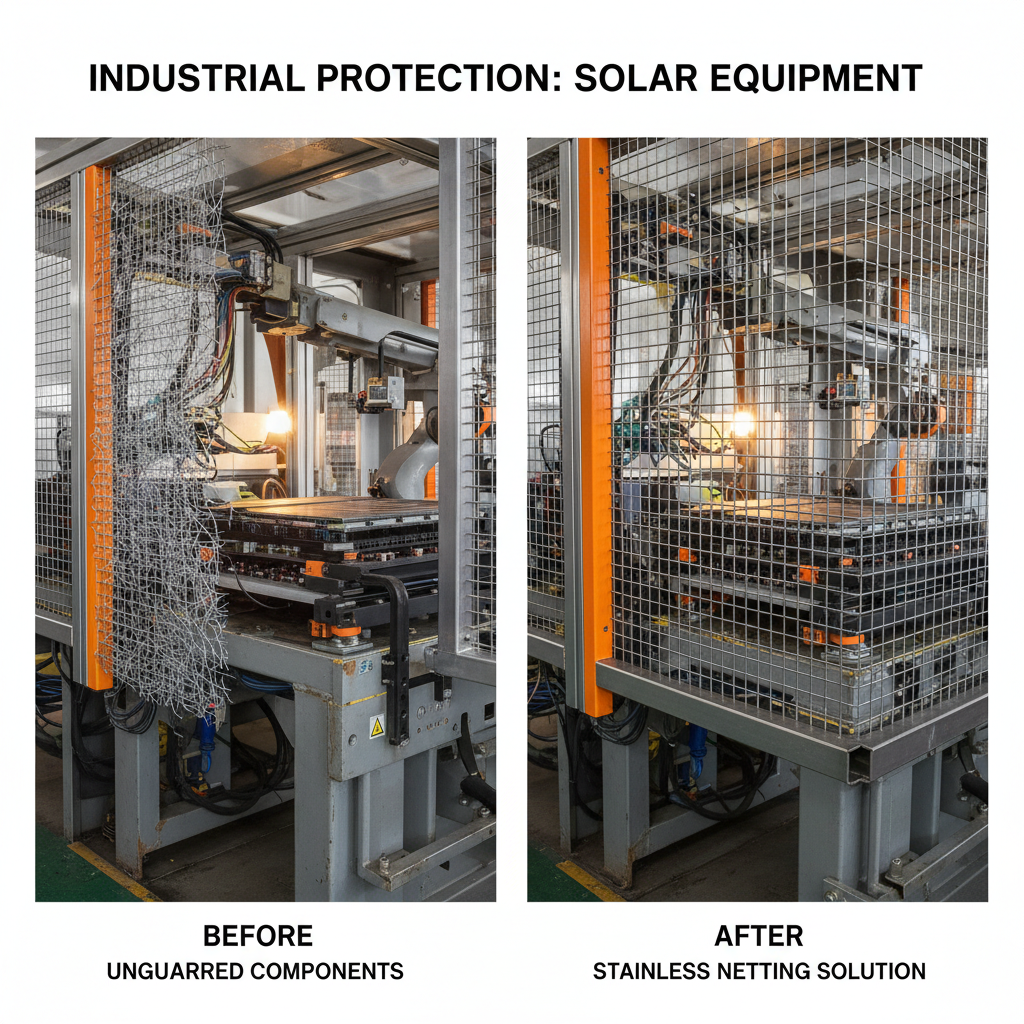
Industrial zones in Europe use it extensively as safety guards around machinery and as screens in filtration systems. Meanwhile, NGOs involved in post-disaster relief find stainless steel hardware cloth useful for rapid construction of secure, hygienic shelters.
Oddly enough, in remote mining operations of Australia, this mesh is employed to filter harmful dust particles and maintain equipment integrity under harsh conditions. These cases underline its global footprint, covering climates and sectors you might not immediately associate with “hardware cloth.”
Mini takeaway:
This robust mesh is everywhere—from farms to factories to humanitarian aid—offering practical, long-lasting solutions.
Advantages and Long-Term Value Considerations
- Cost-effective over time: Reduced maintenance and replacement mean long-term savings.
- Sustainability: The ability to recycle stainless steel hardware cloth fits growing environmental mandates.
- Reliability: Engineers trust it to protect critical infrastructure and ensure safety.
- Emotional impact: Providing safety and dignity, for instance, in refugee camps where secure fencing means peace of mind.
Of course, these benefits combine logic with a genuine human angle—knowing you’re working with a product dependable enough to protect livelihoods and promote wellbeing is powerful.
Looking Ahead: Future Trends and Innovations
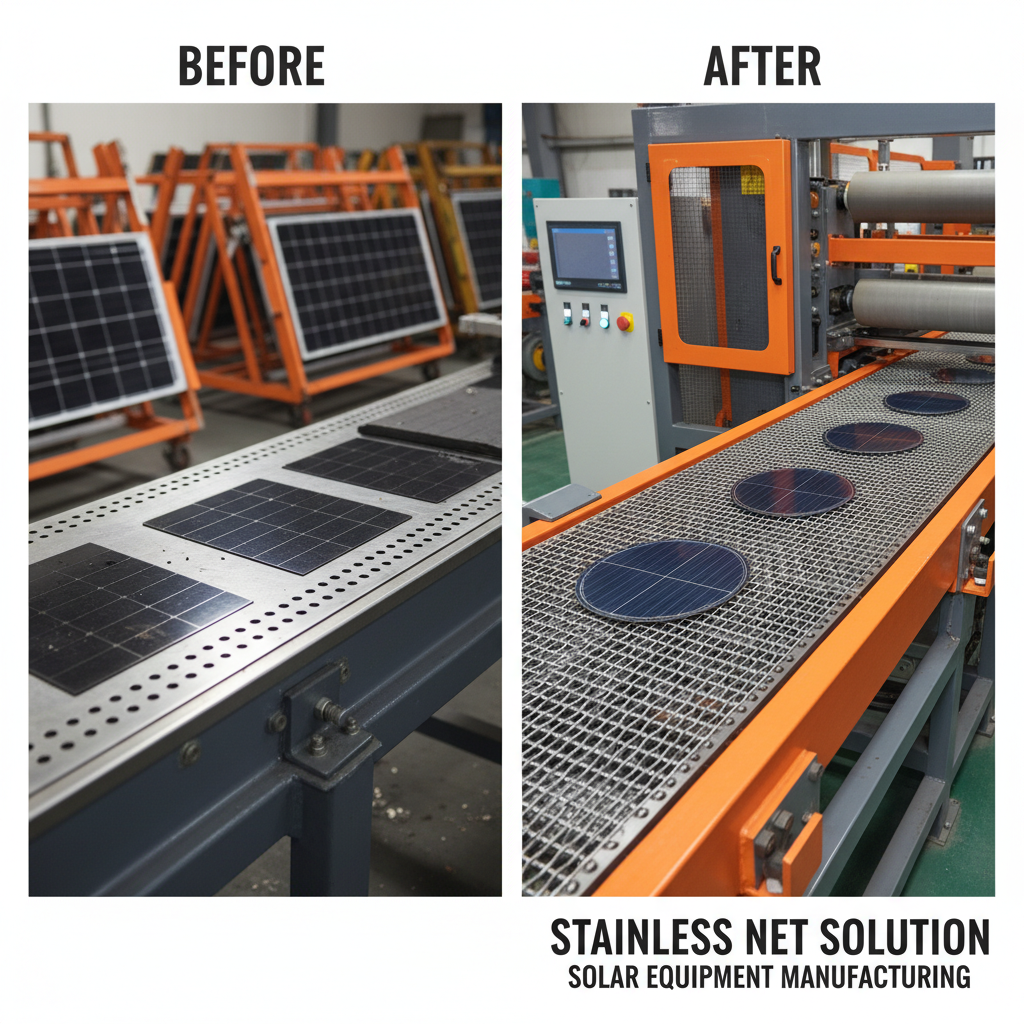
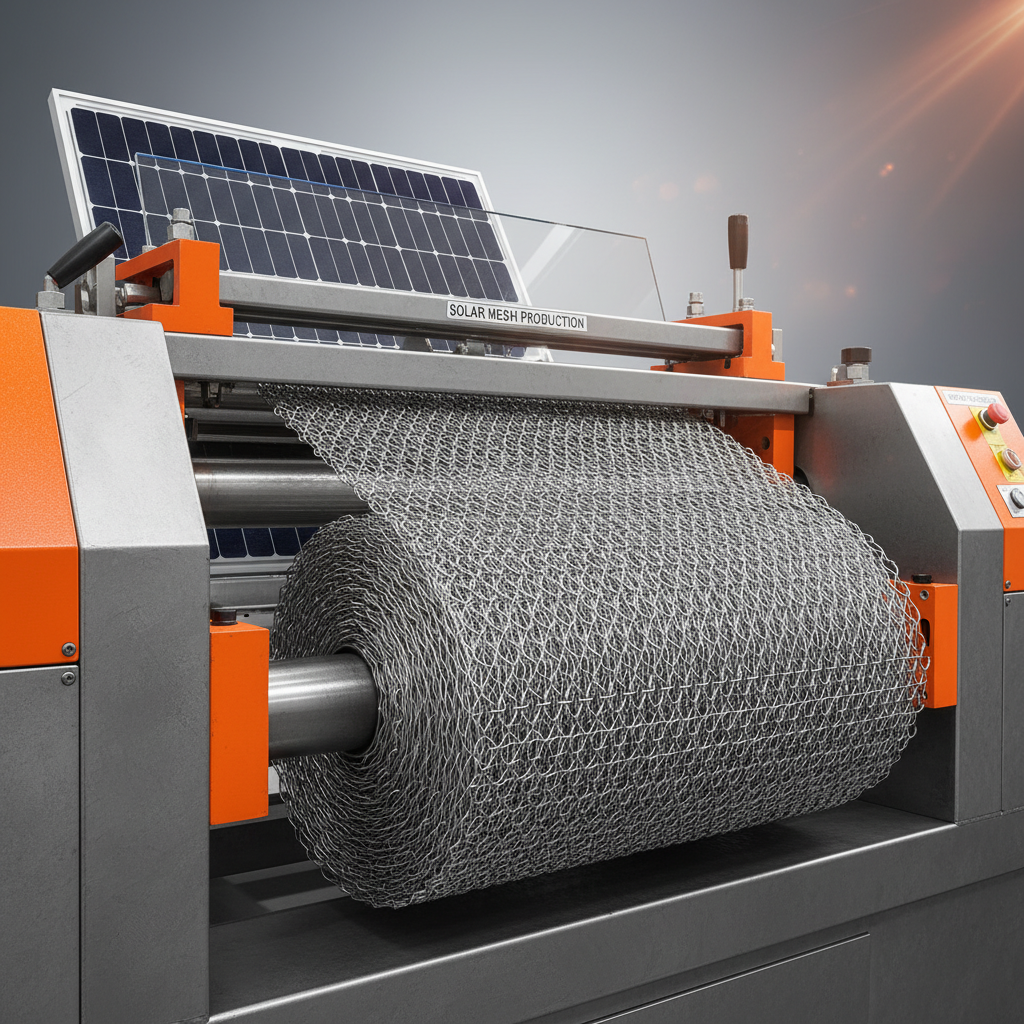
Innovation isn’t standing still. Expect to see wires infused with nanocoatings that repel dirt and biofilm, making cleaning easier and extending life further. Smart sensors embedded into mesh products are being trialed in industrial environments, reporting on structural integrity or environmental conditions in real-time. Plus, with rising emphasis on green energy, stainless steel hardware cloth is playing a role in wind turbine filtration and solar panel protective mesh.
Further, as governments worldwide tighten building codes and industrial safety standards, demand for certified, durable, and easy-to-install mesh solutions grows.
Challenges and How Industry Experts Are Solving Them
On the downside, stainless steel hardware cloth can be heavy and mildly harder to cut and install compared to synthetic alternatives. Also, upfront costs deter some buyers. You’ll find many suppliers addressing this with modular panel designs for faster field assembly and pre-cut customized sizes to minimize waste.
Another hurdle is educating end-users about the product’s long-term value—because people often buy on price alone. Expert groups push for better awareness campaigns and inclusion in technical procurement guidelines.
Frequently Asked Questions About Stainless Steel Hardware Cloth
- What sort of stainless steel is best for hardware cloth?
- Most commonly, grades 304 and 316 are used. 316 offers better corrosion resistance especially in marine environments, while 304 is sufficient for general indoor or dry outdoor applications.
- Can stainless steel hardware cloth be customized for specific industries?
- Absolutely! Vendors offer varied mesh sizes, wire gauges, and coatings tailored for filtration, security, or agricultural needs.
- How long can stainless steel hardware cloth last in outdoor conditions?
- With proper installation, it can easily last 10-20 years, often much longer depending on exposure to elements and mechanical stress.
- Is this mesh recyclable or environmentally friendly?
- Yes, stainless steel is 100% recyclable without loss of quality, making it a sustainable choice compared with plastic or galvanized steel alternatives.
- How do I choose the right stainless steel hardware cloth for pest control?
- Look for mesh with openings smaller than the pests you want to exclude, typically 18 to 24 mesh size for insects, and consider wire thickness for longevity.
Specification Table: Typical Stainless Steel Hardware Cloth
| Attribute | Details |
|---|---|
| Material Grade | 304 or 316 Stainless Steel |
| Mesh Opening Sizes | 1/16", 1/8", 1/4", 1/2" and custom |
| Wire Diameter | 0.015” to 0.125” (0.4mm - 3.2mm) |
| Finish | Mill finish / electro-polished (optional) |
| Sheet Dimensions | Up to 4 ft x 20 ft, custom rolls available |
Vendor Comparison: Stainless Steel Hardware Cloth Suppliers
| Vendor | Mesh Range | Lead Time | Customization | Pricing |
|---|---|---|---|---|
| Vendor A | 1/16" - 1/2" | 2 weeks | Custom wire gauge & finish | Mid-range |
| Vendor B | 1/8" - 1" | 1 week | Standard sizes only | Budget friendly |
| Vendor C | Custom mesh and wire gauges | 3 weeks | Full customization & design support | Premium pricing |
Wrapping Up: Why Stainless Steel Hardware Cloth Is Worth the Investment
So, if you’re sourcing fencing, filters, screening, or shields — stainless steel hardware cloth is a choice that pays off in longevity, hygiene, and sustainability. It’s a simple product, yet one packed with complexity and depth, touching the lives of people and industries worldwide.
For more on specifications, supplier info, and ordering options, definitely check out stainless steel hardware cloth. Trust me, having the right mesh can make all the difference.
Quick takeaways:
- Durability and corrosion resistance make it ideal for harsh environments.
- Customization allows it to suit diverse industrial and agricultural uses.
- Sustainability and recyclability address modern environmental expectations.
- Global demand is rising, driven by urbanization, environmental needs, and safety regulations.
And with that, I'll leave you to mull it over — this mesh is kind of the silent workhorse of many industries, quietly holding up the world around us, one grid at a time.
References: