Stainless Sink Strainer Basket: Durable Kitchen Solutions for Clean Drains & Sustainability
Understanding the Stainless Sink Strainer Basket: A Small Part with Big Impact
The stainless sink strainer basket—sounds mundane, right? But it’s one of those simple kitchen heroes you rarely think about until you don’t have it. Globally, these baskets play an important role in maintaining clean drains, preventing clogs, and even reducing waste mismanagement. From busy restaurant kitchens to home sinks in bustling urban apartments, this small device offers a surprisingly big benefit. Understanding the design, utility, and varying types of stainless sink strainer basket helps industries optimize hygiene and environmental care worldwide.
Global and Industry Context
It might seem odd to place something as specific as sink strainers in a global context, but consider the rough estimate that kitchens worldwide generate millions of tons of food waste daily—most of which exits down the drain. According to the Food and Agriculture Organization (FAO), nearly one-third of food produced for human consumption is lost or wasted globally. Stainless sink strainers offer a practical, low-tech solution by catching solids before they enter wastewater systems, reducing blockages and costly repairs to infrastructure.
Moreover, the ISO 30500 standard on non-sewered sanitation systems highlights the importance of preventing solids from entering water treatment components. Here’s where the humble sink strainer basket fits neatly, offering a first line of defense. Municipalities and industries alike face challenges in managing grease and solid waste; the strainer basket aids by trapping residues early. This is especially critical in densely populated cities where clogged pipes can disrupt municipal drainage and cause flooding.
Defining the Stainless Sink Strainer Basket
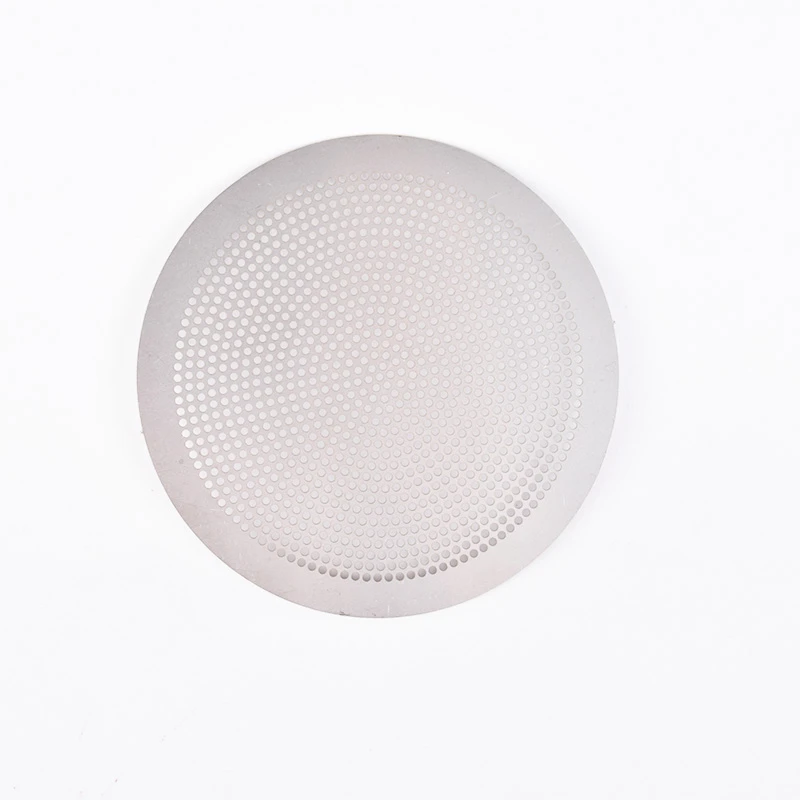
In essence, a stainless sink strainer basket is a small metal mesh or perforated container placed over or inside a sink drain to catch food particles and debris. Made typically from stainless steel — favored for corrosion resistance, hygiene, and sturdiness — it fits snugly to prevent unwanted waste from escaping into plumbing.
In modern kitchens and industry settings, these baskets are more than just tools; they’re components of efficient sanitation systems that uphold environmental standards and reduce costly blockages. Used in restaurants, catering businesses, and food processing plants, their role ties directly to larger humanitarian and environmental goals like waste reduction and water conservation.
Core Components and Key Factors
Durability and Material Quality
Quality stainless steel such as 304 or 316 grade ensures the basket resists rust, corrosion, and staining even under constant exposure to water, detergents, and acidic or oily food residues. Durability means fewer replacements and a better long-term investment.
Mesh Design and Hole Size
The effectiveness depends on the holes’ size — fine enough to catch most debris but not so much as to obstruct water flow. Some strainers feature multi-layer mesh designs for enhanced filtration.
Fit and Compatibility
An ideal basket needs to fit various drain sizes snugly without falling through or being too tight to remove. Some models are adjustable or come in multiple sizes, making them adaptable in different sinks.
Ease of Cleaning
Given the kitchen context, ease of removal and cleaning impacts user experience enormously. Smooth edges and simple basket designs aid in quick clearing and sanitation.
Cost Efficiency
While stainless steel strainers may cost more initially than plastic ones, their long lifespan and resistance to damage and odor development provide better value over time.
Product Specifications
| Feature | Specification |
|---|---|
| Material | 304 Stainless Steel (food grade) |
| Basket Diameter | 3.5 - 4.5 inches (varies by model) |
| Hole Size | 1.5 - 3 mm mesh size |
| Weight | 50 - 75 grams |
| Finish | Polished or brushed |
| Additional Features | Easy grip rim, removable handle |
Global Applications & Use Cases
Oddly enough, a stainless sink strainer basket finds itself at the intersection of both everyday household convenience and large-scale industrial sanitation efforts.
- Restaurants & Food Service: In commercial kitchens worldwide, strainers prevent grease and solids from entering plumbing, avoiding costly cleanups and complying with health codes.
- Healthcare and Institutions: Hospitals use specialized strainers in dishwashing areas to maintain hygiene and prevent contamination through plumbing.
- Disaster and Relief Zones: When infrastructure is compromised, as it often is in post-disaster areas, these strainers ease the burden on fragile wastewater systems.
- Developing Urban Areas: In places where municipal sewer systems may be older or overtaxed, strainers help prolong the lifespan of drainage infrastructure.
For example, in Southeast Asia’s rapidly urbanizing cities, municipalities encourage commercial kitchens to adopt strainers to reduce pipe blockages during peak wet seasons. NGOs also distribute durable strainers in refugee camps to enhance sanitation where facilities may be rudimentary.
Vendor Comparison: Stainless Sink Strainer Baskets
| Vendor | Material Grade | Price Range | Unique Feature |
|---|---|---|---|
| QH Filter Co. | 304 Stainless Steel | $6 - $12 | Ergonomic handle, polished finish |
| EcoDrain Solutions | 316 Stainless Steel | $10 - $18 | Extra corrosion resistance, fine mesh |
| HomeStream Products | 304 Stainless Steel | $4 - $8 | Budget-friendly, multiple sizes |
Advantages & Long-Term Value
Why choose a stainless sink strainer basket? Beyond obviously preventing clogs and back-ups, they contribute to sustainability in small but meaningful ways. By catching food scraps, these baskets reduce the load of organic material entering wastewater treatment plants and grease traps, improving efficiency and lowering maintenance costs.
Emotionally, they offer peace of mind—no one enjoys the nuisance or embarrassment of clogged sinks and slow drainage, especially in commercial kitchens or busy households. There's also a tangible sense of trust and safety in using food-grade stainless steel products, known for their sanitary properties.
Emerging Trends & Innovations
Looking ahead, manufacturers are experimenting with antimicrobial coatings on stainless steel strainers to further reduce odor and bacterial growth. Smart kitchen integrations might soon include sensor-enabled strainers that signal when fullness or cleaning is needed—helping optimize sanitation routines.
Sustainability remains a driving force. Recycled stainless steel and circular production methods reduce environmental footprints. And lightweight, modular designs aim to fit a broader variety of sinks while simplifying maintenance globally.
Challenges & Practical Solutions
One hurdle is balancing mesh fineness with water flow. Too tight, and you risk slow drainage; too loose, and debris slips through. Engineers continuously iterate on hole sizing and basket shape to optimize this.
Cleaning can sometimes be tedious if designs snag residue; manufacturers now focus on smooth edges and removable handles to ease this task. Frankly, user education also matters—knowing when and how often to clear the basket maximizes benefits.
FAQ: Stainless Sink Strainer Basket
- What makes stainless sink strainer baskets better than plastic ones?
- Stainless steel offers superior durability, corrosion resistance, and hygienic properties compared to plastic, which may crack or harbor bacteria over time. This makes stainless strainers better for longevity and health.
- How do I know which size stainless sink strainer basket fits my drain?
- Measure the diameter of your sink drain. Most strainers list compatible sizes; adjustable or universal models exist but always check specifications for the best fit.
- Can stainless sink strainers handle greasy kitchen waste?
- They catch solid grease chunks effectively, but oils and liquids pass through. Regular cleaning is needed to prevent buildup and odor.
- Are stainless sink strainers easy to clean?
- Yes, these baskets typically remove easily from drains and rinse clean. Some come with ergonomic handles or smooth surfaces designed specifically for simple cleaning.
- Where can I buy reliable stainless sink strainer baskets?
- Trusted vendors like QH Filter Co. offer quality options. Online marketplaces and kitchen specialty stores also stock them.
Conclusion
In real terms, the stainless sink strainer basket might seem like a minor item, but its long-term benefits ripple through sanitation, environmental management, and everyday kitchen convenience. By preventing blockages, reducing waste mishandling, and lasting for years without fuss, it’s a small investment with outsized returns. For anyone—from home cooks to industry pros—choosing a quality strainer basket is a smart move.
If you’re interested in exploring durable, food-grade stainless sink strainer baskets that combine function with longevity, feel free to visit our website: https://www.qhfilter.com.
Mini takeaway: Investing in quality stainless steel sink strainers can reduce maintenance headaches, support environmental goals, and improve kitchen hygiene effortlessly.
References: