Solar Panel for Apartment Balcony: Easy DIY Energy Solutions
Introduction to Balcony Photovoltaic Systems and Industry Trends
The increasing global focus on renewable energy and urban sustainability has catalyzed the emergence of innovative solutions for decentralized power generation. Among these, the integration of photovoltaic technology into residential architecture, specifically through balcony-mounted systems, represents a significant stride towards energy independence for urban dwellers. The market for decentralized solar solutions is experiencing robust growth, driven by falling panel costs, enhanced efficiency, and supportive regulatory frameworks. Industry analysts project a substantial increase in residential solar installations, with a particular emphasis on space-optimized solutions for multi-story buildings. This evolution addresses the challenge of limited rooftop access in dense urban environments, making renewable energy accessible to a broader demographic.
Our advanced solar panel for apartment balcony systems are engineered to transform underutilized balcony spaces into efficient power generation hubs. These systems contribute to reducing reliance on grid electricity, lowering utility bills, and decreasing carbon footprints. Furthermore, related innovations such as solar fencing for house applications are gaining traction, demonstrating the versatility of integrated solar solutions beyond traditional rooftop installations. The development of modular, aesthetically pleasing, and easy-to-install units is pivotal to the widespread adoption of solar panel in balcony configurations.
Current trends indicate a strong demand for plug-and-play solutions that require minimal installation expertise and seamlessly integrate with existing electrical infrastructure. Moreover, the emphasis on durability, safety, and long-term performance, backed by stringent testing and certifications, ensures that these systems provide reliable energy for decades. As urban populations continue to grow, the importance of localized, clean energy sources like solar panel for apartment balcony installations will only intensify, solidifying their role in future smart cities.
Technical Specifications and Performance Parameters
Our Balcony Photovoltaic systems are designed with precision engineering and high-performance components to ensure maximum energy yield and longevity. The core of these systems comprises high-efficiency monocrystalline silicon cells, known for their superior performance in varied lighting conditions and high power output per unit area, making them ideal for the constrained space of a solar panel in balcony setup.
Key Technical Parameters
| Parameter | Specification Range | Description |
|---|---|---|
| Module Type | Monocrystalline PERC | High-efficiency cells for optimal space utilization. |
| Nominal Power (Pmax) | 300W - 800W per unit | Power output depends on module size and configuration. |
| Module Efficiency | 20.5% - 22.5% | Industry-leading conversion rates for compact systems. |
| Dimensions (typical) | 1762 x 1134 x 30 mm (L x W x H) | Optimized for standard balcony railing heights and widths. |
| Weight | 18 kg - 25 kg | Lightweight design for easy handling and structural compatibility. |
| Operating Temperature | -40°C to +85°C | Ensures reliable operation in diverse climatic conditions. |
| Ingress Protection (IP) Rating | IP68 for critical components (junction box) | High resistance to dust and water ingress. |
| Frame Material | Anodized Aluminum Alloy | Corrosion-resistant and robust for outdoor longevity. |
| Glass Type | 3.2 mm Tempered, Anti-Reflective Coating | Enhanced light transmission and impact resistance. |
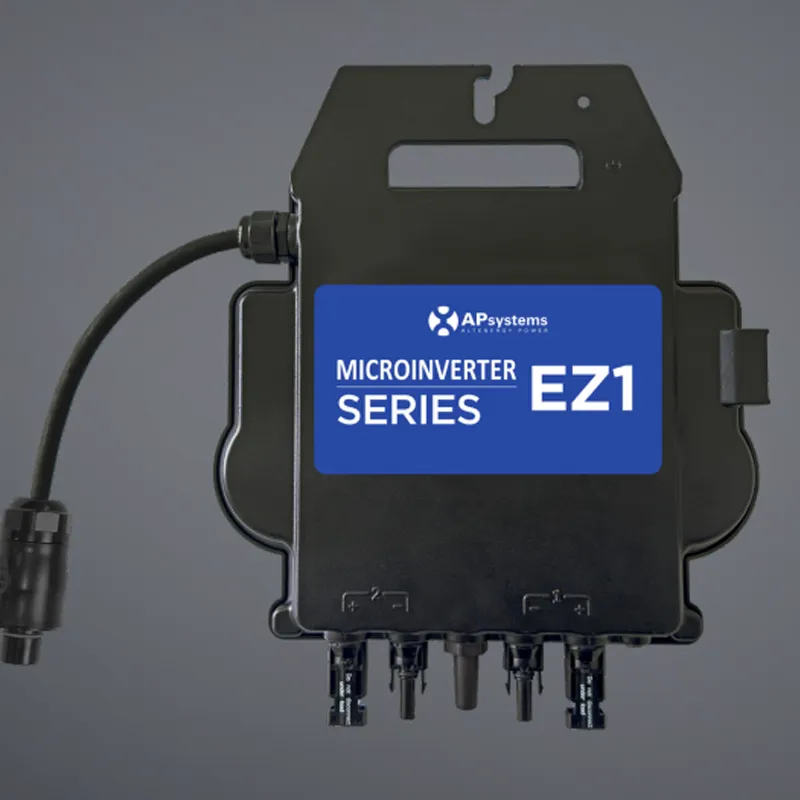
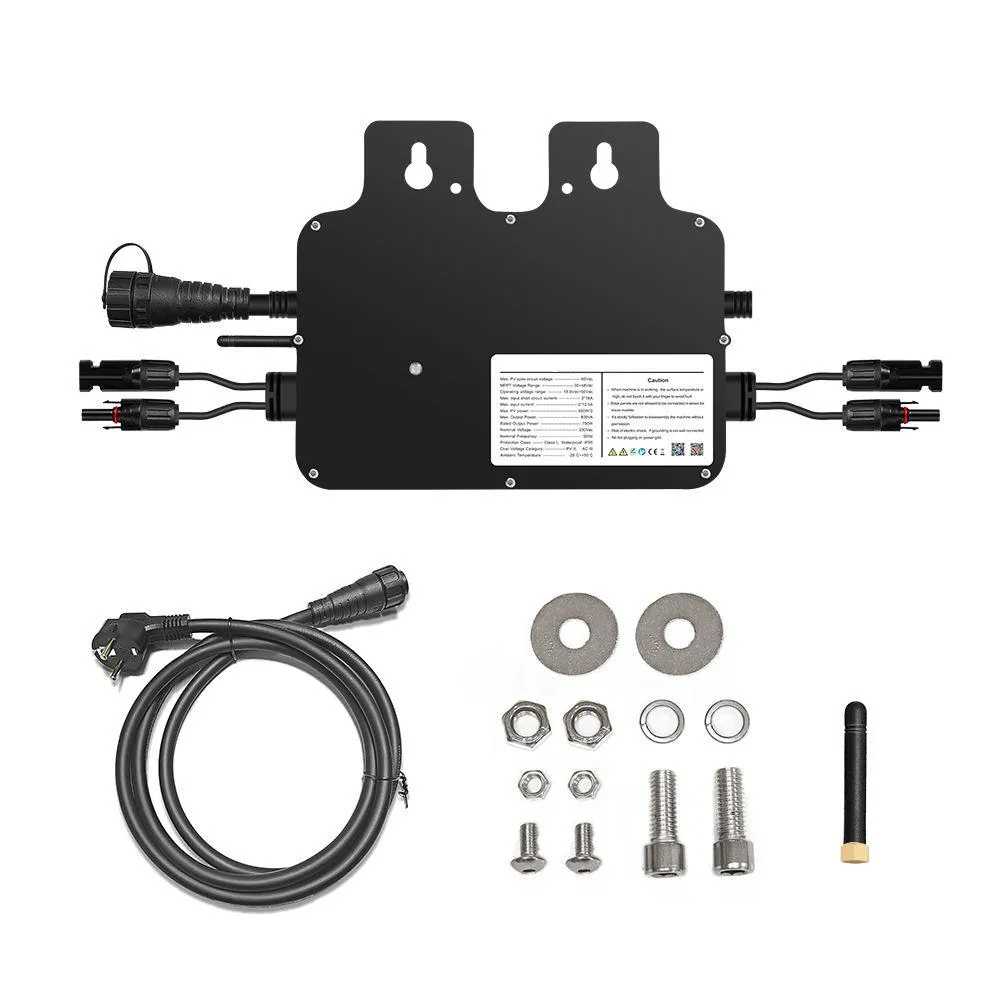
These specifications highlight the premium quality and robust design of our Balcony Photovoltaic solutions. Each solar panel for apartment balcony is equipped with advanced micro-inverters, enabling module-level power optimization and ensuring safety by converting DC electricity to AC directly at the panel, which is then fed into the apartment's electrical system via a standard wall outlet. This modular approach allows for scalable installations, from a single panel to multiple units, depending on energy needs and balcony dimensions.
Manufacturing Process Flow of Balcony Photovoltaic Systems
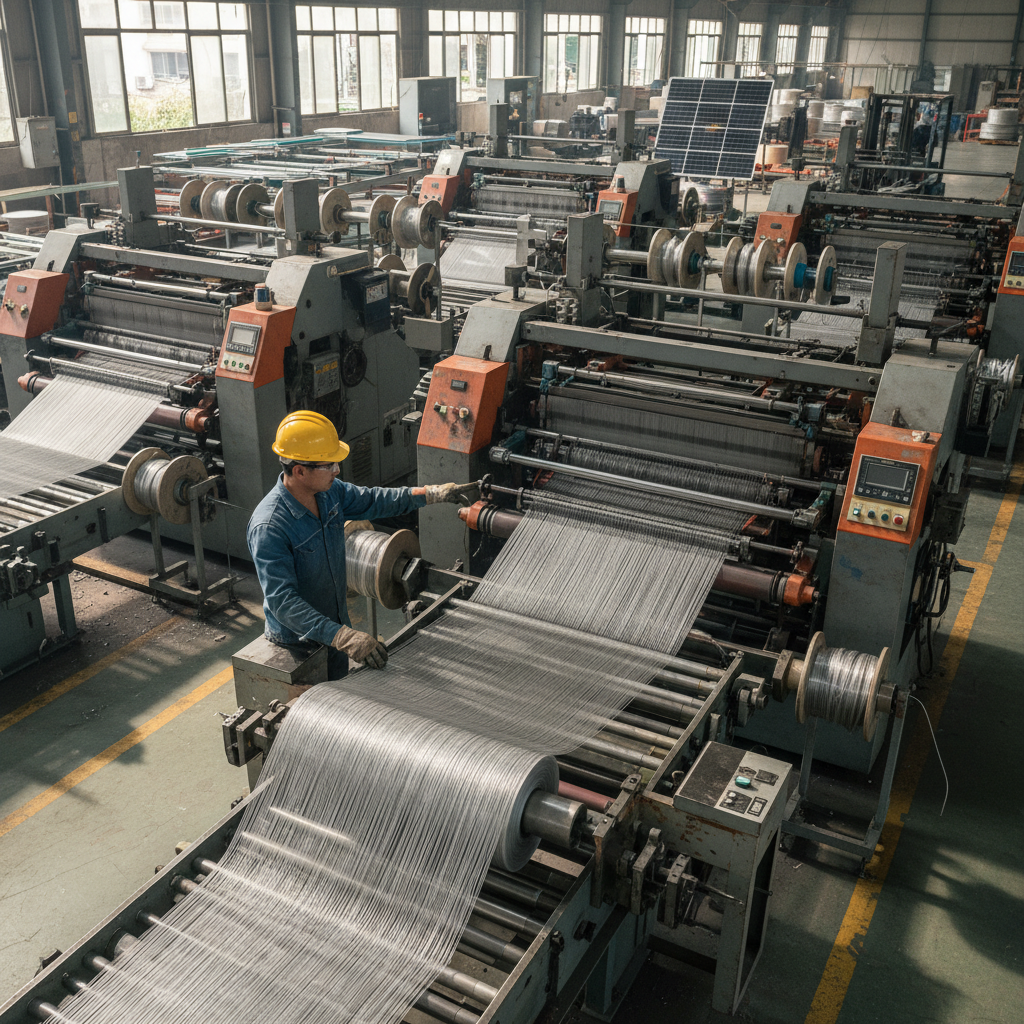
The production of our Balcony Photovoltaic modules adheres to stringent quality control protocols and utilizes advanced manufacturing techniques to ensure superior product performance and durability. This meticulous process ensures each solar panel for apartment balcony meets the highest industry standards for reliability and efficiency.
Process Flow Overview:
- Silicon Ingot Production (Casting/Forging): High-purity polysilicon is melted and cast into large ingots using the Czochralski method for monocrystalline, or directional solidification for multicrystalline. This initial step dictates the crystalline structure and overall efficiency potential.
- Wafer Slicing and Texturing: Ingots are precisely sliced into thin wafers (typically 150-200 microns thick) using wire saws. Wafers then undergo chemical texturing to create a rough surface, reducing reflection and increasing light absorption.
- Cell Fabrication (Doping, Etching, Metallization): Wafers are doped with impurities (e.g., phosphorus for N-type, boron for P-type) to create a p-n junction. Etching removes damaged layers. Front and back contacts are then applied through metallization (screen printing silver paste for front, aluminum paste for back) and fired, forming electrical contacts. This stage is critical for the cell's electrical performance.
- Cell Testing and Sorting: Each solar cell undergoes rigorous electrical testing under standard test conditions (STC) to measure its current, voltage, and power output. Cells are then sorted into bins based on their performance characteristics to ensure consistent module output.
- Module Lamination and Assembly: Sorted cells are interconnected in series using specialized ribbons. These cell strings are then carefully laid between layers of encapsulant material (EVA – Ethylene Vinyl Acetate), a tempered glass front sheet, and a durable backsheet (e.g., TPT – Tedlar Polyester Tedlar). This "sandwich" is then laminated under heat and pressure, creating a robust, weather-resistant module.
- Frame and Junction Box Integration (CNC Machining for Frames): An anodized aluminum frame, often produced via CNC machining for precise fit and finish, is attached to the laminated module, providing structural integrity and protection. A junction box, containing bypass diodes and output cables (MC4 connectors), is affixed to the module’s rear.
- Final Electrical and Visual Inspection: The completed module undergoes comprehensive electrical tests (e.g., insulation resistance, flash test for power output) and thorough visual inspections to identify any defects.
- Micro-inverter Integration: For our Balcony Photovoltaic systems, high-efficiency micro-inverters are either pre-attached or provided for easy integration, ensuring optimal power conversion at the panel level.
Testing Standards and Service Life:
All our Balcony Photovoltaic modules are manufactured and tested in compliance with international standards such as ISO 9001:2015 (Quality Management), ISO 14001:2015 (Environmental Management), and OHSAS 18001 (Occupational Health and Safety). Performance standards include IEC 61215 (Terrestrial Photovoltaic (PV) Modules – Design Qualification and Type Approval) and IEC 61730 (PV Module Safety Qualification).
These rigorous testing protocols ensure a typical service life of 25-30 years with a minimal degradation rate (e.g., 0.5% annual degradation after the first year). Our systems maintain over 80% of their nominal power output after 25 years. This longevity makes the investment in a solar panel in balcony solution exceptionally cost-effective over its operational lifespan.
Application Scenarios and Technical Advantages
The versatility and modular design of our Balcony Photovoltaic systems allow for diverse application scenarios, primarily targeting urban residential complexes but also extending to certain light commercial settings. The primary target industries include individual apartment owners, condominium associations, real estate developers aiming for green building certifications, and property management companies looking to offer sustainable amenities.
Typical Application Scenarios:
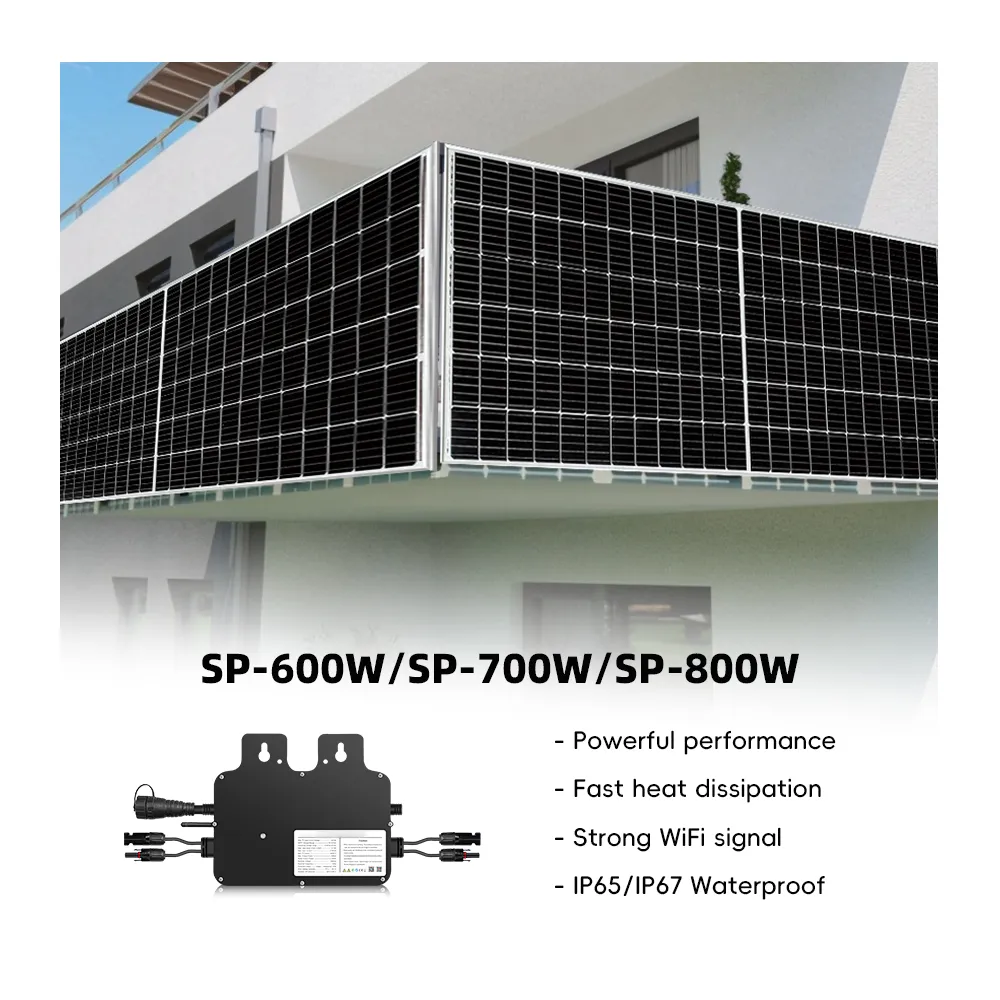
- Residential Balconies: The most direct application, enabling apartment residents to generate their own electricity, significantly offsetting their energy consumption. The plug-and-play functionality makes installation straightforward for most individuals.
- Community Solar Initiatives: Larger-scale deployments across multiple balconies within a building, managed by a homeowners' association or building management, to collectively reduce common area electricity costs or feed surplus power back to the grid.
- Urban Retrofitting Projects: Enhancing existing buildings with renewable energy capabilities without major structural modifications, aligning with urban sustainability goals.
- Small Commercial Spaces: Balcony areas in urban offices or retail units can also utilize these compact systems for supplementary power.
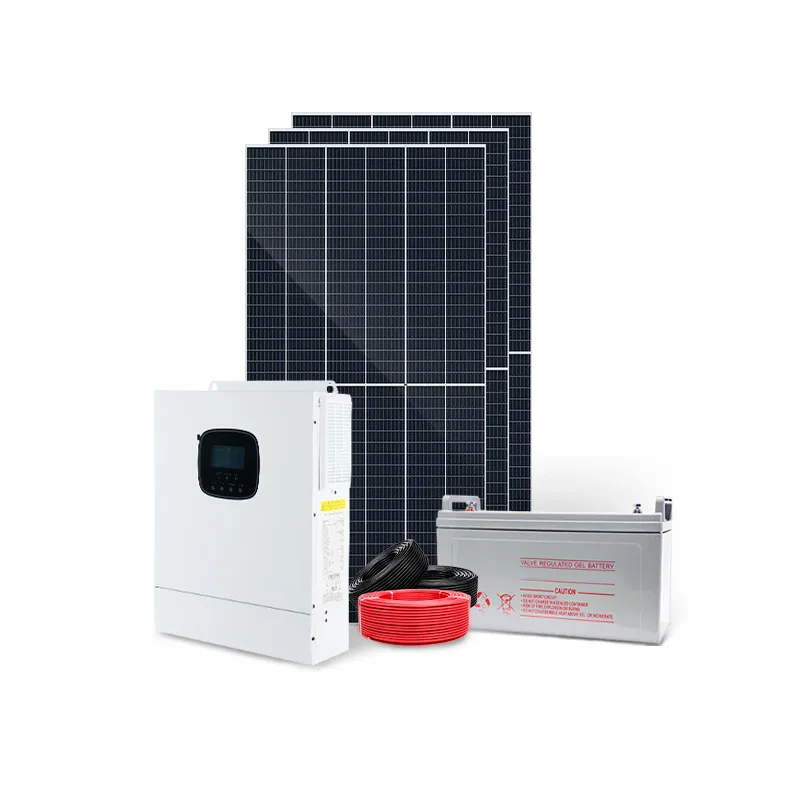
- Off-Grid Backup Solutions: Integrated with battery storage, solar panel in balcony systems can provide essential power during outages, offering critical resilience.
Technical Advantages:
- Energy Saving & Cost Reduction: By generating electricity directly at the point of consumption, residents can drastically reduce their dependence on grid power, leading to immediate savings on utility bills. A typical 600W solar panel for apartment balcony system can offset roughly 10-15% of an average apartment's annual electricity usage, translating to significant savings over its lifespan.
- Environmental Impact & Carbon Footprint Reduction: Each kilowatt-hour generated by solar panels prevents the emission of approximately 0.4 to 0.8 kg of CO2, depending on the local energy mix. Investing in a solar panel for apartment balcony directly contributes to a greener planet and helps meet global climate objectives.
- Corrosion Resistance & Durability: Constructed with anodized aluminum frames and marine-grade components, our systems are highly resistant to corrosion, UV degradation, and extreme weather conditions. This makes them suitable for diverse climates, including coastal areas.
- Ease of Installation & Modularity: Designed as plug-and-play units, these systems require minimal tooling and can often be installed by the user without extensive professional help (where local regulations permit). Their modular nature allows for easy expansion or reconfiguration.
- Enhanced Building Aesthetics: Our sleek, low-profile designs integrate seamlessly with modern architectural aesthetics, adding value to the property without compromising visual appeal.
- Grid Resilience & Independence: With optional battery integration, these systems can provide power during grid outages, offering a degree of energy independence and security.
The technical advantages extend beyond simple power generation; they encompass a holistic approach to sustainable urban living, offering practical and resilient energy solutions.
Vendor Comparison and Customized Solutions
The burgeoning market for micro-PV systems has led to a variety of offerings. However, a discerning evaluation reveals critical differences in quality, performance, and long-term support. Our Balcony Photovoltaic solutions stand out through superior engineering, material quality, and comprehensive after-sales services.
Comparative Analysis of Balcony PV Systems:
| Feature | Our Balcony PV System | Typical Competitor A | Typical Competitor B |
|---|---|---|---|
| Module Efficiency | 20.5% - 22.5% (Monocrystalline PERC) | 18% - 20% (Polycrystalline/Monocrystalline) | 19% - 21% (Monocrystalline) |
| Micro-inverter Integration | Module-level (High Efficiency, Integrated) | String Inverter (Centralized) or Basic Micro-inverter | Basic Micro-inverter (Lower Efficiency) |
| Mounting System | Universal, corrosion-resistant aluminum alloy (adjustable angle) | Basic steel/aluminum (fixed angle, limited adjustability) | Proprietary plastic/aluminum (less robust, specific railings) |
| Warranty (Product/Performance) | 12-year Product / 25-year Performance (84.8% output) | 5-10-year Product / 20-25-year Performance (80% output) | 2-5-year Product / 10-15-year Performance (70% output) |
| Certifications | IEC, CE, TUV, ISO 9001/14001, OHSAS | Basic CE, sometimes IEC | Limited local certifications |
| Aesthetics | Sleek, all-black/dark frame options, integrated design | Standard blue cells, visible silver frame, bulkier | Variable, often less emphasis on integrated design |
Customized Solutions:
Recognizing that no two balconies are identical, we offer tailored solutions to meet specific aesthetic and performance requirements. Our engineering team collaborates closely with clients, architects, and building managers to develop optimal configurations for solar panel in balcony installations. This commitment to customization ensures that our solutions are not only technically superior but also seamlessly integrated into the building's design.
- Module Sizing and Orientation: Custom panel dimensions and adjustable mounting brackets allow for optimized solar capture based on balcony orientation, shading analysis, and local sun path data.
- Aesthetic Integration: Options for frame colors (e.g., black, silver, custom RAL), glass finishes (e.g., anti-reflective, semi-transparent for privacy), and integrated cabling solutions to maintain visual harmony.
- Performance Optimization: Advanced system design considering local climate data, irradiance levels, and potential shading from adjacent structures to maximize annual energy yield.
- Structural Compatibility: Engineered mounting solutions designed to integrate with various balcony railing types (e.g., glass, metal, concrete) while adhering to structural load requirements and local building codes. This expertise is also applicable to specialized installations like a robust solar fencing for house, ensuring stability and performance.
- Energy Storage Integration: Provision for seamless integration with modular battery storage systems for enhanced self-consumption and energy independence.
Our dedication to delivering customized, high-performance solar panel for apartment balcony systems ensures that clients receive a solution perfectly aligned with their specific needs and environmental objectives.
Application Case Studies and Customer Experience
Our track record in delivering high-quality Balcony Photovoltaic solutions speaks to our expertise and commitment. We partner with leading real estate developers, urban planning initiatives, and individual homeowners to integrate sustainable energy generation into diverse architectural contexts. These collaborations underscore our capability to provide tailored solar panel in balcony solutions that meet stringent technical and aesthetic requirements.
Case Study 1: Urban Residential Complex Retrofit (Frankfurt, Germany)
In a project spanning over 150 apartment units in a multi-story residential complex in Frankfurt, our Balcony Photovoltaic systems were deployed to enhance the building's energy efficiency. Each apartment installed a 600W solar panel for apartment balcony system. The primary goal was to reduce the common area electricity consumption and offer individual residents a means to lower their energy bills.
- Solution Implemented: Installation of 600W monocrystalline PV modules with integrated micro-inverters, specifically designed for railing mounting.
- Results: Over the first year, the complex collectively reduced its grid electricity consumption by an estimated 110 MWh, translating to approximately €30,000 in savings. Individual residents reported average monthly savings of 15-20% on their electricity bills. The project contributed to the building achieving a higher energy performance certificate rating.
- Customer Feedback: "The ease of installation was remarkable, and the aesthetic integration is seamless. Our residents appreciate the tangible savings and the visible commitment to sustainability." – Property Manager, Stadtwerke Frankfurt.
Case Study 2: Eco-Friendly Housing Development (Vancouver, Canada)
For a new eco-friendly housing development featuring compact urban townhouses and apartments, a bespoke solution incorporating both balcony PV and solar fencing for house elements was required to meet stringent green building standards.
- Solution Implemented: A combination of 300W vertical-mount solar panel in balcony units for apartments and integrated transparent PV panels as part of the perimeter fencing for townhouses.
- Results: The development achieved LEED Platinum certification, with the integrated solar solutions contributing significantly to the renewable energy credits. The solar fencing not only generated power but also served as an aesthetically pleasing architectural feature, providing privacy while producing energy.
- Customer Feedback: "The innovative approach to integrating solar into both balconies and fencing was a key differentiator for our development. It showcased our commitment to cutting-edge sustainability and resonated strongly with buyers." – Development Director, GreenView Properties Inc.
Experience and Expertise:
With over 15 years of specialized experience in renewable energy solutions, our team possesses deep expertise in system design, engineering, and installation. We have successfully deployed thousands of PV systems globally, ranging from large-scale commercial arrays to compact residential units. Our service case details consistently demonstrate high customer satisfaction, rapid issue resolution, and unwavering support throughout the product lifecycle. We pride ourselves on transparent communication and reliable performance, ensuring that every solar panel for apartment balcony installation delivers on its promise of efficiency and sustainability.
Ensuring Authoritativeness and Trustworthiness ( Focus)
Our commitment to excellence is deeply rooted in our adherence to global standards, verifiable certifications, and a steadfast dedication to customer satisfaction. We understand that in the B2B sector, trust and verifiable credentials are paramount when considering a significant investment like a solar panel for apartment balcony system.
Certifications and Authoritative References:
- ISO 9001:2015: Our quality management system is certified to this international standard, ensuring consistent product quality and customer satisfaction.
- IEC 61215 & IEC 61730: All Balcony Photovoltaic modules undergo rigorous testing and are certified for design qualification and safety according to these key international standards for PV modules.
- CE Mark: Our products comply with the essential health and safety requirements of European directives, allowing for free movement within the European Economic Area.
- TÜV Rheinland / UL Certification: Independent third-party testing by accredited laboratories verifies performance, safety, and durability under various environmental conditions.
- Product Liability Insurance: Comprehensive coverage for peace of mind.
Partnerships and Track Record:
We have forged strategic alliances with leading real estate developers, property management firms, and energy service companies across Europe and North America. Our 15+ years in the industry are marked by a portfolio of successful installations and long-term client relationships. Publicly available case studies and client testimonials provide transparent evidence of our capabilities and the real-world impact of our solar panel in balcony solutions.
Warranty Commitments:
- Product Warranty: We offer a 12-year limited product warranty, covering defects in materials and workmanship for our Balcony Photovoltaic modules.
- Performance Warranty: A 25-year linear power output warranty guarantees that our modules will perform at 90% of nominal power output by year 10 and 84.8% by year 25.
- Micro-inverter Warranty: Our integrated micro-inverters come with a separate 15-year warranty, ensuring consistent DC-to-AC conversion reliability.
Lead Time and Fulfillment:
Our streamlined supply chain and efficient manufacturing processes enable competitive lead times. For standard configurations of solar panel for apartment balcony systems, typical lead times range from 4-6 weeks for order fulfillment and shipment from our primary distribution centers. For customized or large-volume orders, detailed project timelines are provided upfront, ensuring transparency and predictable delivery schedules. We maintain strategic inventory levels to respond promptly to market demands.
Customer Support and After-Sales Service (FAQ):
Our dedicated customer support team is available to assist with technical inquiries, installation guidance, and post-sales support. We offer comprehensive documentation, online resources, and direct communication channels (phone, email) to ensure a smooth ownership experience.
Frequently Asked Questions (FAQ):
Q1: What are the typical installation requirements for a solar panel for apartment balcony?
A1: Installation typically requires a secure railing, clear sun exposure, and access to a standard electrical outlet. Local regulations regarding grid connection and structural loads should always be consulted. Our systems are designed for straightforward DIY or professional installation.
Q2: How much electricity can a single Balcony Photovoltaic unit generate?
A2: A typical 600W system can generate approximately 600-900 kWh annually, depending on sunlight hours, panel orientation, and local weather conditions. This can significantly offset electricity consumption for appliances like refrigerators, lighting, and electronics.
Q3: Are these systems safe and compliant with electrical standards?
A3: Absolutely. Our systems feature integrated micro-inverters that comply with relevant electrical safety standards (e.g., VDE-AR-N 4105 in Germany, UL 1741 in North America), ensuring safe grid connection and automatic shutdown in case of grid failure (anti-islanding protection).
Q4: What maintenance is required for a solar panel in balcony?
A4: Minimal maintenance is required. Periodic cleaning of the panel surface (1-2 times a year, depending on local dust/pollen levels) is usually sufficient to maintain optimal performance. The durable construction and sealed components ensure long-term, trouble-free operation.
Conclusion
The advent of advanced Balcony Photovoltaic systems marks a pivotal moment in urban sustainable development. Our solutions provide a pragmatic, efficient, and aesthetically integrated approach to decentralized energy generation, allowing apartment dwellers and property developers to actively participate in the global energy transition. By transforming underutilized balcony spaces into active power hubs, our solar panel for apartment balcony systems offer tangible benefits in terms of cost savings, environmental impact reduction, and enhanced energy independence.
With superior technical specifications, rigorous manufacturing processes, adherence to international standards, and a strong commitment to customer satisfaction, our Balcony Photovoltaic systems represent a reliable and forward-thinking investment. Whether for individual energy autonomy or for integrating renewable energy into large-scale urban developments, these systems are poised to reshape how we power our cities, one balcony at a time. The commitment to customization, robust warranties, and comprehensive support ensures that our clients receive not just a product, but a complete, high-performance energy solution tailored to their unique needs.
Citations
- International Energy Agency (IEA). "Renewables 2023: Analysis and Forecast to 2028." https://www.iea.org/reports/renewables-2023
- Fraunhofer Institute for Solar Energy Systems ISE. "Photovoltaics Report." https://www.ise.fraunhofer.de/en/publications/studies-and-technical-papers/photovoltaics-report.html
- European Commission. Joint Research Centre (JRC). "PV Status Report 2023." https://joint-research-centre.ec.europa.eu/publications/photovoltaic-status-report-2023_en
- Solar Energy Industries Association (SEIA). "Solar Industry Research Data." https://www.seia.org/solar-industry-research-data
- NREL (National Renewable Energy Laboratory). "Solar Research." https://www.nrel.gov/solar/