Soft Stainless Steel Mesh – Flexible, Durable, and Sustainable Industrial Solutions
Understanding Soft Stainless Steel Mesh: A Global Industrial Game-Changer
Soft stainless steel mesh might sound like a niche material only relevant to a few specialized industries, but it quietly plays a crucial role worldwide. This flexible fabric of interwoven stainless steel wires solves problems ranging from filtration and safety to architecture and humanitarian relief. Knowing its benefits and applications is essential—globally, it supports industries striving for durability, corrosion resistance, and precision, while also advancing sustainable practices. In an age where materials need to be adaptable yet strong, understanding soft stainless steel mesh gives you an edge in both engineering and environment-conscious projects.
Why Soft Stainless Steel Mesh Matters Globally
According to ISO and World Bank reports, stainless steel usage has grown at about 5% annually, especially in developing countries industrializing rapidly. Soft stainless steel mesh contributes heavily to this trend by providing a material that withstands harsh environments yet remains flexible. It's used extensively in filtration, security screening, and structural reinforcements where other fabrics or metals would either degrade quickly or fail under stress.
One big challenge often faced in these sectors is balancing strength with formability. Traditional steel mesh tends to be rigid and prone to corrosion unless heavily coated—a costly and unsustainable approach. Soft stainless steel mesh skirts this, offering natural resilience to rust and bending fatigue. It helps industries respond to global demands for better safety gear, cleaner filtration systems, and architectural innovation.
Mini takeaway:
- Soft stainless steel mesh fuels industrial growth in challenging environments.
- Its corrosion resistance meets global sustainability goals.
- Flexibility is key to adapting to diverse applications worldwide.
What Exactly Is Soft Stainless Steel Mesh?
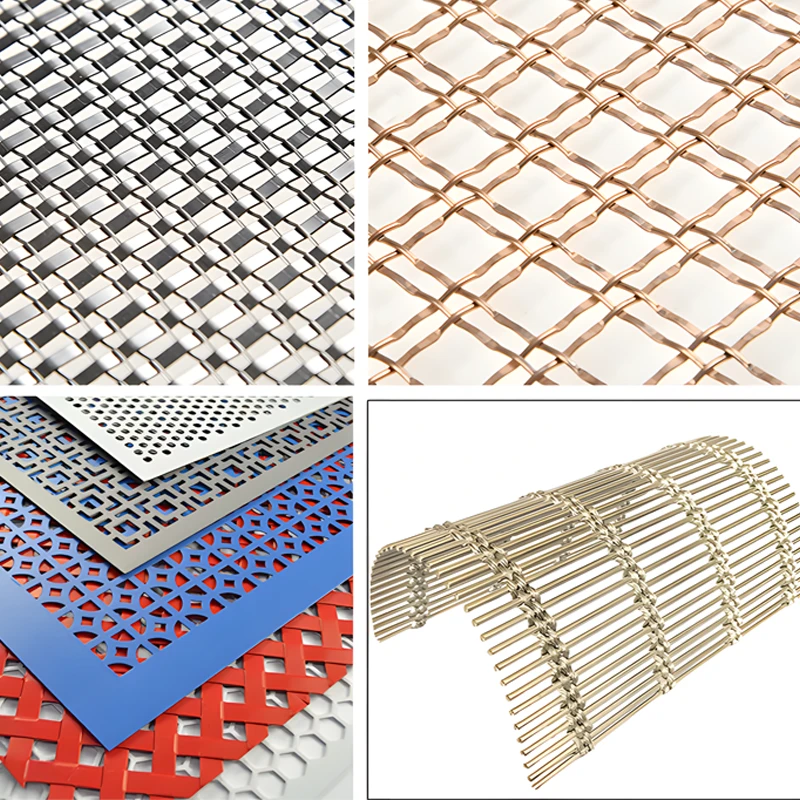
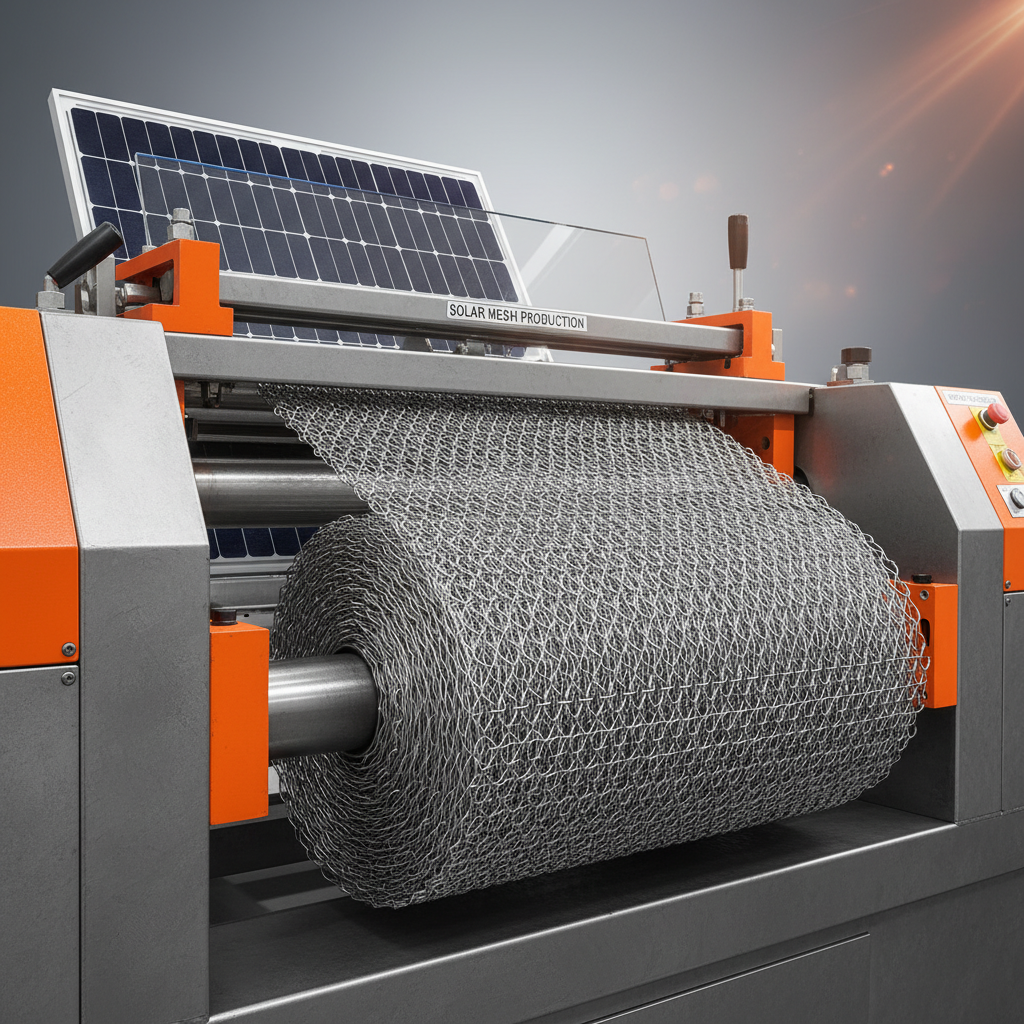
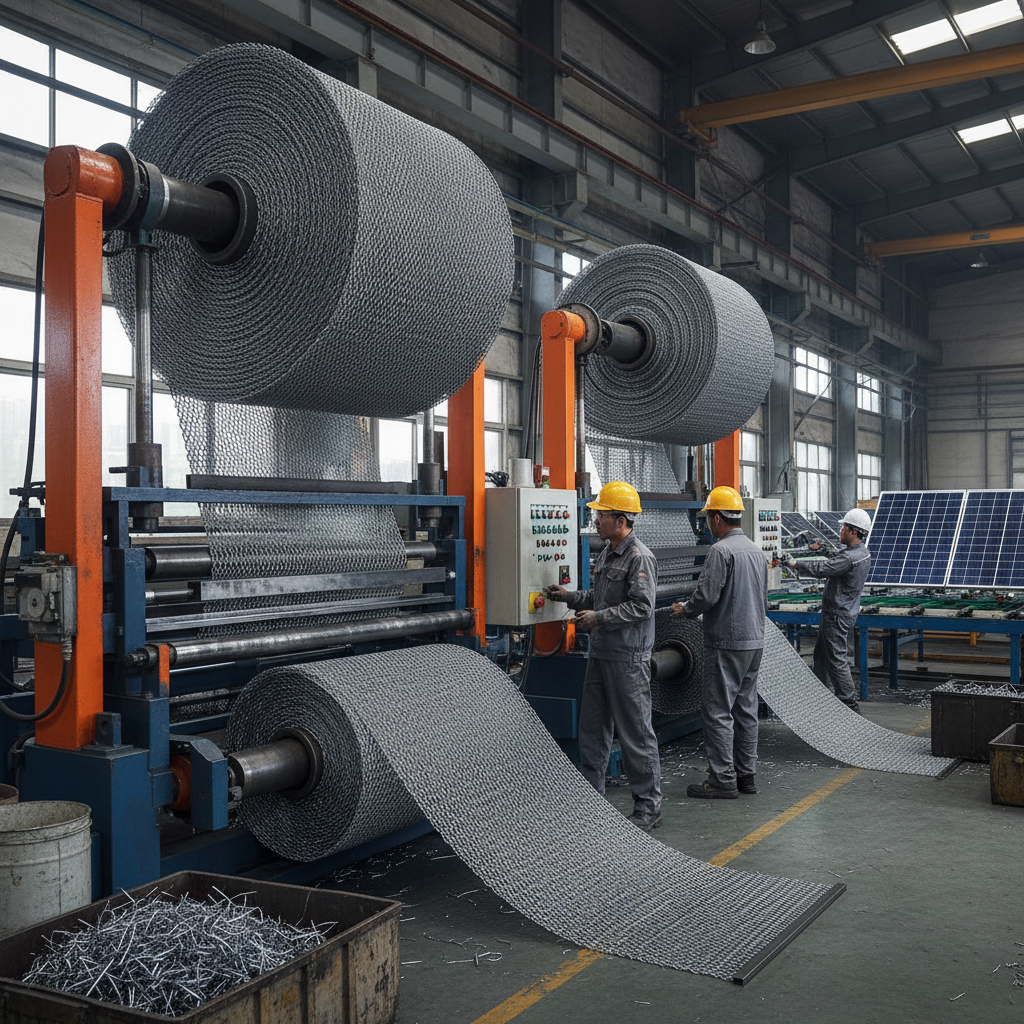
In simplest terms, soft stainless steel mesh is a woven sheet crafted from thin stainless steel wires twisted and interlaced to create a malleable but sturdy fabric. Unlike rigid wire mesh panels, the "soft" version is pliable enough to be bent, rolled, or shaped by hand or machine. This makes it highly versatile across industries.
Industrially, it serves as filtration media, protective layers, or support meshes. In humanitarian contexts—like refugee shelters or disaster zones—it’s a valuable resource for quickly fabricated safety screens or lightweight reinforcements. Its stainless steel composition means it withstands water, chemicals, and physical strain better than alternative fabrics.
Mini takeaway:
- Soft stainless steel mesh = woven, flexible metal fabric.
- Combines durability with easy handling and shaping.
- Vital in industries demanding high corrosion resistance.
Core Attributes That Define Soft Stainless Steel Mesh
Durability & Corrosion Resistance
Thanks to chromium content, stainless steel resists rust, a must-have for filters and screens exposed to weather or chemicals. This longevity means less replacement and waste.
Flexibility & Adaptability
The "soft" aspect allows for bending and molding to suit diverse applications—from automotive interiors to high-tech filtration systems.
Precision & Customization
Wire diameter, mesh count, and weave types can be tailored to exact specs, allowing control over airflow, particle size filtration, or mechanical strength.
Cost Efficiency Over Time
Though stainless steel might have a higher upfront cost, its lifespan reduces overall expenses. Many engineers I’ve talked to consider this the “pay once, benefit many” investment.
Environmental Compatibility
Recyclable and long-lasting, these meshes fit into modern green manufacturing strategies, helping companies meet ISO 14001 standards.
Table: Typical Specification of Soft Stainless Steel Mesh
| Specification | Description |
|---|---|
| Material Grade | 304 or 316 stainless steel |
| Wire Diameter | 0.05 mm – 1.0 mm |
| Mesh Count | 10 - 400 wires per inch |
| Weave Type | Plain, Twill, Dutch Weave |
| Max Roll Width | 1.5 meters |
Real-World Applications of Soft Stainless Steel Mesh
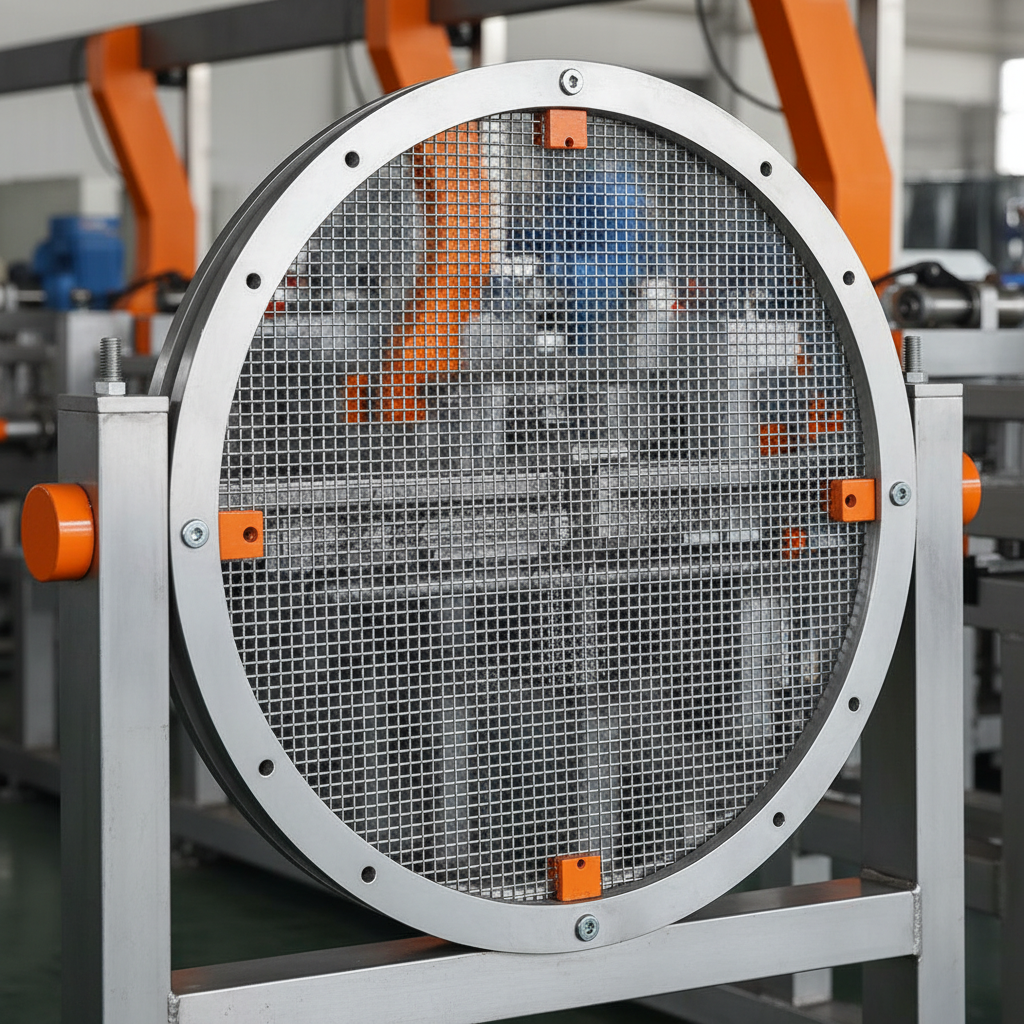
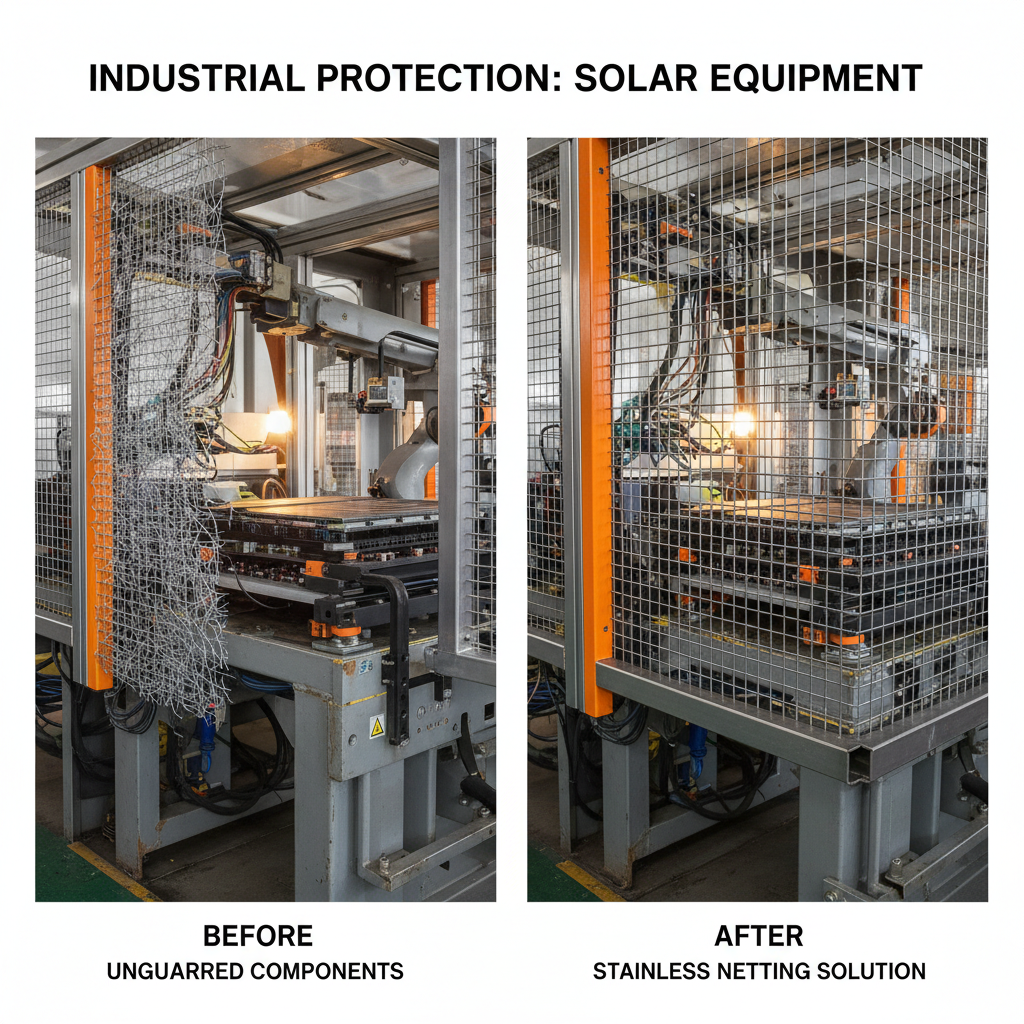
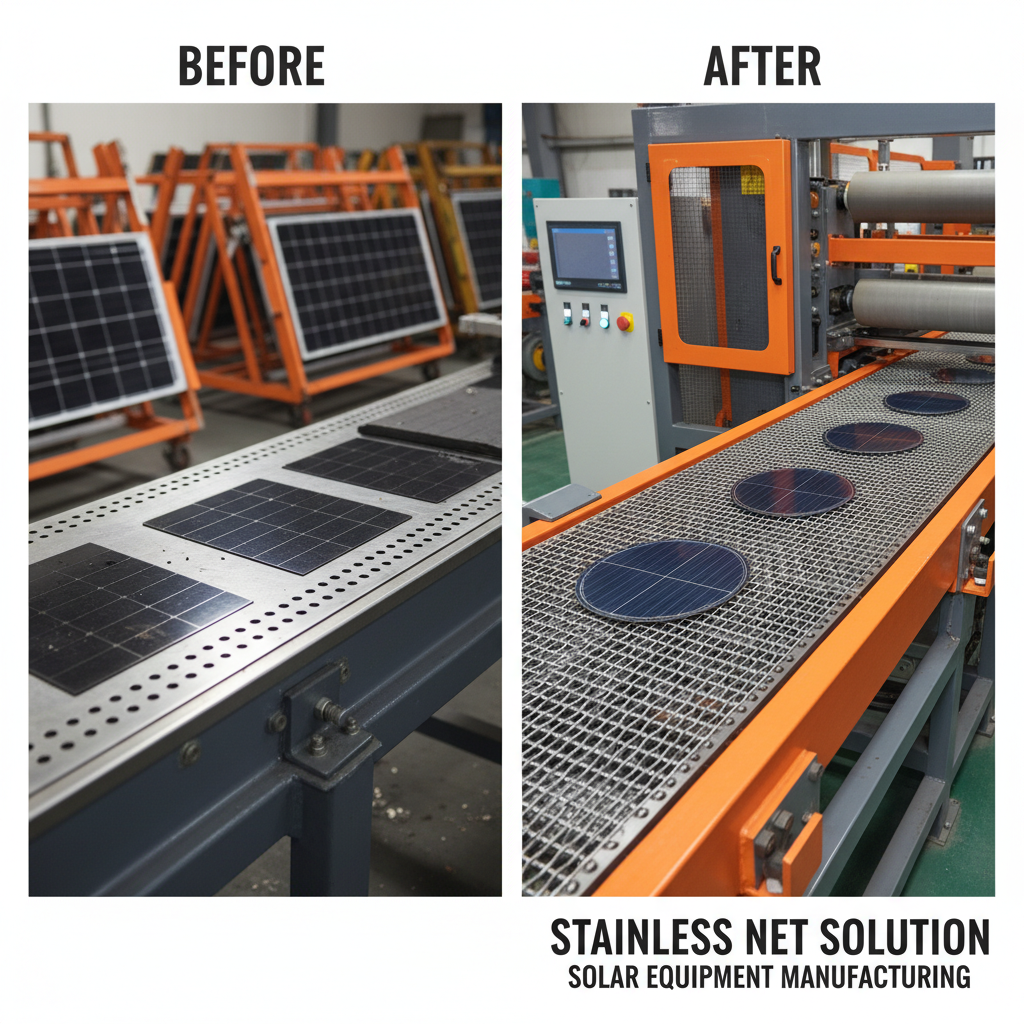
Industries from automotive to aerospace, construction, water treatment, and beyond rely on soft stainless steel mesh. For example, in remote industrial zones, the mesh filters particulates out of harsh air emissions, protecting both machinery and workers.
In post-disaster relief, flexible yet robust fencing made from soft stainless steel mesh offers quick setup of secure zones. In architecture, designers wrap building facades with stainless steel mesh to create sun screens that are both functional and visually striking.
Regions like Southeast Asia and the Middle East increasingly adopt these meshes for desalination plants, capitalizing on corrosion resistance to extend equipment life under coastal conditions.
On a related note, if you want to learn more about specialized options, check out soft stainless steel mesh suppliers and their customization options.
Mini takeaway:
- Versatile enough to tackle filtration, construction, and safety needs worldwide.
- Trusted in harsh environments, from deserts to coastal industries.
- Supports sustainable infrastructure in emerging and developed markets alike.
Advantages and Long-Term Value of Soft Stainless Steel Mesh
The immediate benefits of using soft stainless steel mesh go beyond just strong metal fabric. There's a compelling emotional side too — many engineers talk about “peace of mind” knowing their filters or safety screens won’t fail unexpectedly.
- Cost Savings: Long lifespan means fewer replacements; less downtime.
- Sustainability: Recyclability aligns with environmental mandates.
- Innovation: The material’s flexibility inspires new designs in architecture and tech.
- Safety & Dignity: Reliable protection in humanitarian settings reassures displaced populations.
Future Trends & Innovations in Soft Stainless Steel Mesh
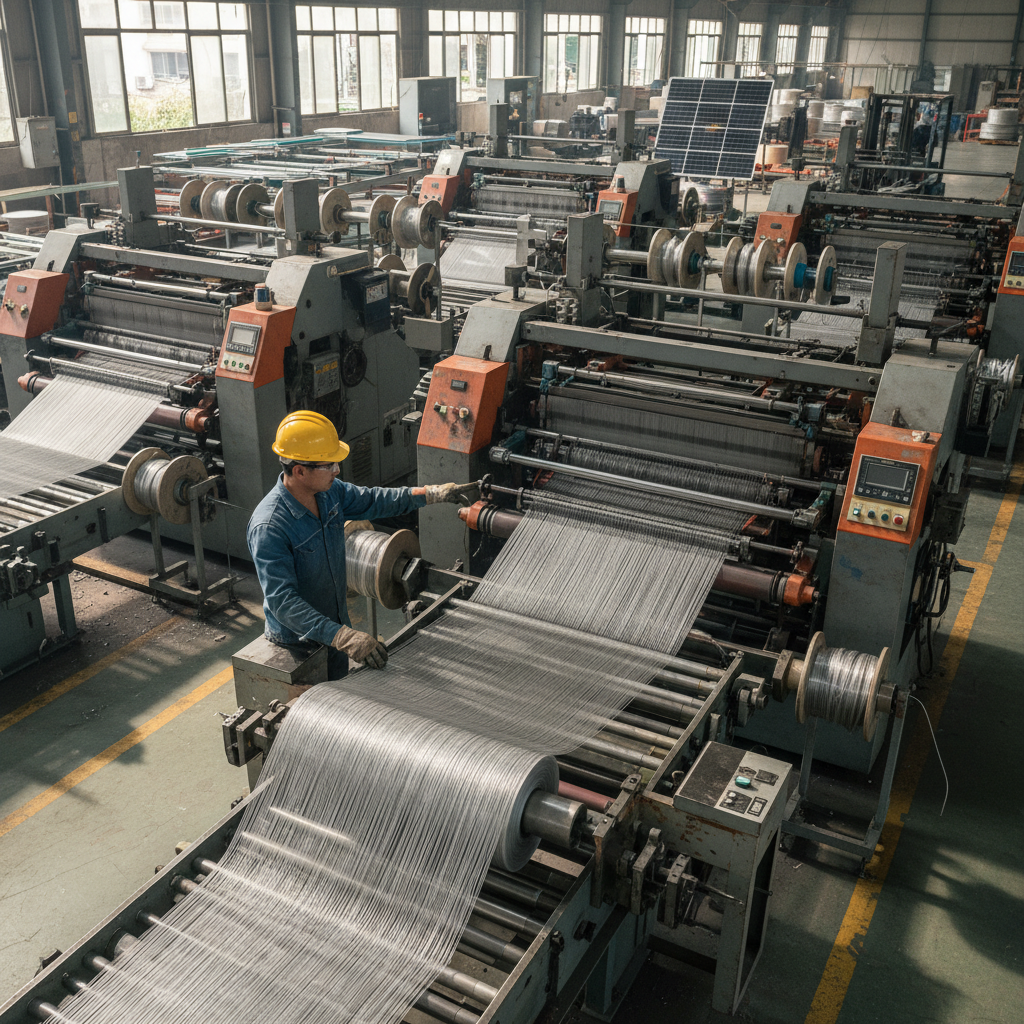
Automation and smart manufacturing are reshaping production. We’re seeing mesh embedded with sensors for structural health monitoring, a step towards “smart meshes.” Green coatings and low-carbon stainless steel grades promise less environmental impact and better recyclability.
Digital weaving methods allow ultra-fine customization at high speeds, making just-in-time production possible. In fact, according to ISO's recent updates, these innovations are accelerating adoption across energy, filtration, and medical industries.
Challenges and How the Industry Is Tackling Them
While soft stainless steel mesh is fantastic, it’s not without its hurdles. Costs can be prohibitive upfront. Also, precise weaving for ultra-fine meshes still requires specialized equipment, limiting availability in some regions.
But companies are introducing modular production units and partnerships with local fabricators to broaden accessibility. In addition, research into composite meshes paired with polymers is opening new paths, blending flexibility with even lighter weight.
Vendor Comparison: Leading Soft Stainless Steel Mesh Providers
| Vendor | Material Grades | Customization Options | Lead Time | Price Range |
|---|---|---|---|---|
| QH Filters | 304, 316 | Wire diameter, weave type, roll width | 2-4 weeks | $$ |
| SteelMesh Co. | 304 only | Standard weaves, limited sizes | 3-5 weeks | $ |
| FlexMesh Inc. | 316 & specialty alloys | Full customization, sensor integration | 4-6 weeks | $$$ |
Frequently Asked Questions About Soft Stainless Steel Mesh
Q1: How durable is soft stainless steel mesh under harsh outdoor conditions?
A1: Soft stainless steel mesh is highly durable, thanks to its corrosion-resistant properties. Grades like 316 stainless steel are designed to withstand saltwater and industrial pollutants, making the mesh ideal for coastal and chemical environments. Proper maintenance can extend its service life to many years.
Q2: Can soft stainless steel mesh be customized for specific filtration needs?
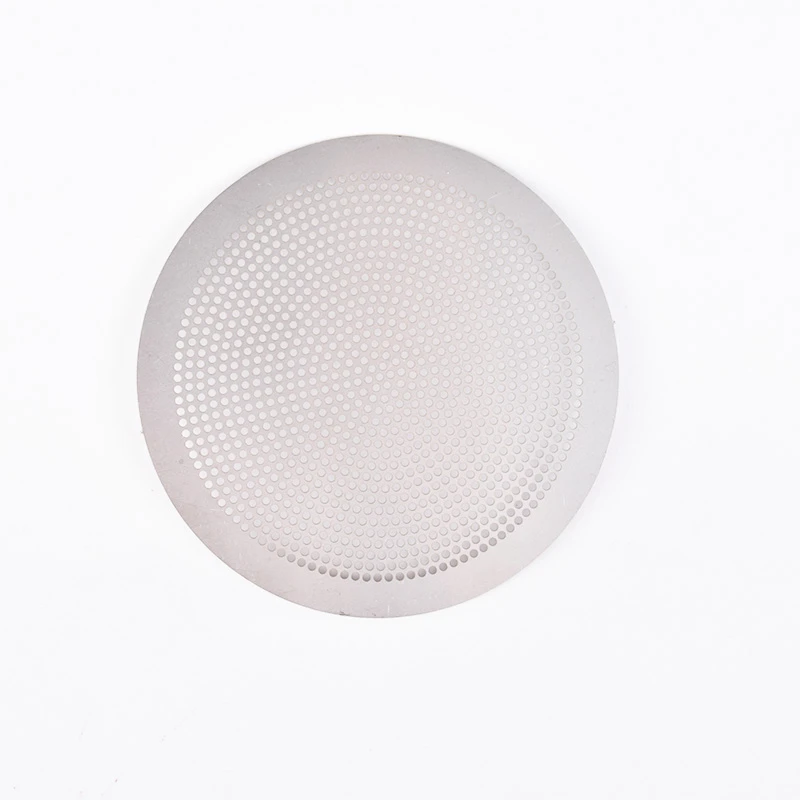
A2: Absolutely. Wire diameter, mesh size, and weave type can be adjusted to filter different particle sizes with precision. Many vendors offer tailored solutions depending on whether you need coarse dust filtration or ultra-fine liquid purification.
Q3: Is soft stainless steel mesh recyclable and eco-friendly?
A3: Yes, stainless steel is 100% recyclable without performance loss. Its longevity reduces replacement frequency, resulting in less waste. When combined with green manufacturing processes, soft stainless steel mesh aligns well with sustainability goals.
Q4: What industries benefit most from soft stainless steel mesh?
A4: Industries such as chemical processing, water treatment, construction, automotive manufacturing, and humanitarian relief use this mesh extensively due to its balance of flexibility and strength.
Wrapping Up: Why Soft Stainless Steel Mesh Deserves Your Attention
Soft stainless steel mesh is more than just another industrial material; it’s a quietly revolutionary solution packing strength, resilience, and adaptability into a flexible weave. From supporting global sustainability efforts to enabling innovative engineering designs, it balances cost, reliability, and environmental responsibility.
Interested in learning more or sourcing quality products? Visit https://www.qhfilter.com to explore options specifically tailored for your needs.