Shop Steel Kitchen Basket Price - Durable & Affordable Solutions
Understanding the Dynamics of Stainless Steel Mesh Products: Beyond the Kitchen
In today's global market, the demand for high-quality stainless steel products spans across various sectors, from consumer goods to highly specialized industrial applications. When considering the steel kitchen basket price, it's essential to understand that the underlying material science and manufacturing precision are shared with advanced industrial components, such as sophisticated filtration systems. The perceived cost of a simple steel basket price or a specific steel basket for kitchen price is not merely a reflection of its retail value but encompasses the quality of stainless steel, the intricacy of its wire mesh construction, and the durability it promises. This foundational understanding is critical for B2B decision-makers who evaluate material costs and performance across diverse product lines, from household items to critical industrial filters. The market for stainless steel mesh products is driven by increasing industrialization, stringent environmental regulations necessitating advanced filtration, and a growing emphasis on product longevity and hygiene. Recent market analyses indicate a steady growth in the global stainless steel market, projected to reach USD 189.5 billion by 2027, driven significantly by sectors requiring corrosion resistance and high performance, including food processing, pharmaceuticals, and petrochemicals, where mesh filters are indispensable. This expansion creates a dynamic interplay between material cost, manufacturing expertise, and final product application, directly influencing the pricing structures of all stainless steel mesh products, from simple kitchen accessories to complex wire mesh filter screen solutions. This article delves into the technical aspects and strategic considerations for sourcing high-quality stainless steel mesh, focusing on the sophisticated applications of Stainless Mesh Filters, while acknowledging the broader market perception often influenced by consumer-level queries like the steel kitchen basket price.
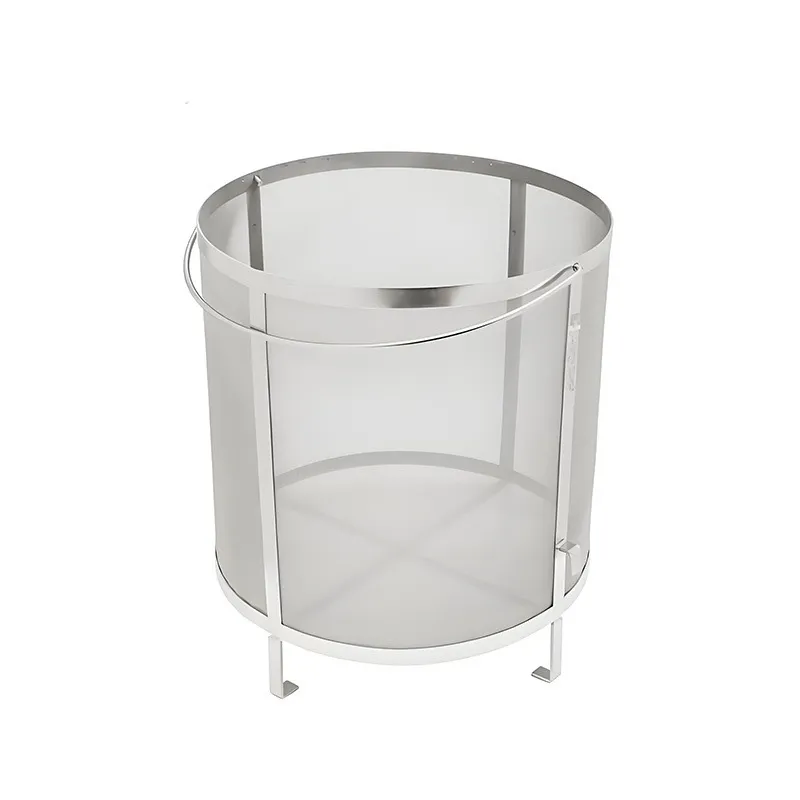
Precision Engineering: Decoding Stainless Mesh Filter Specifications
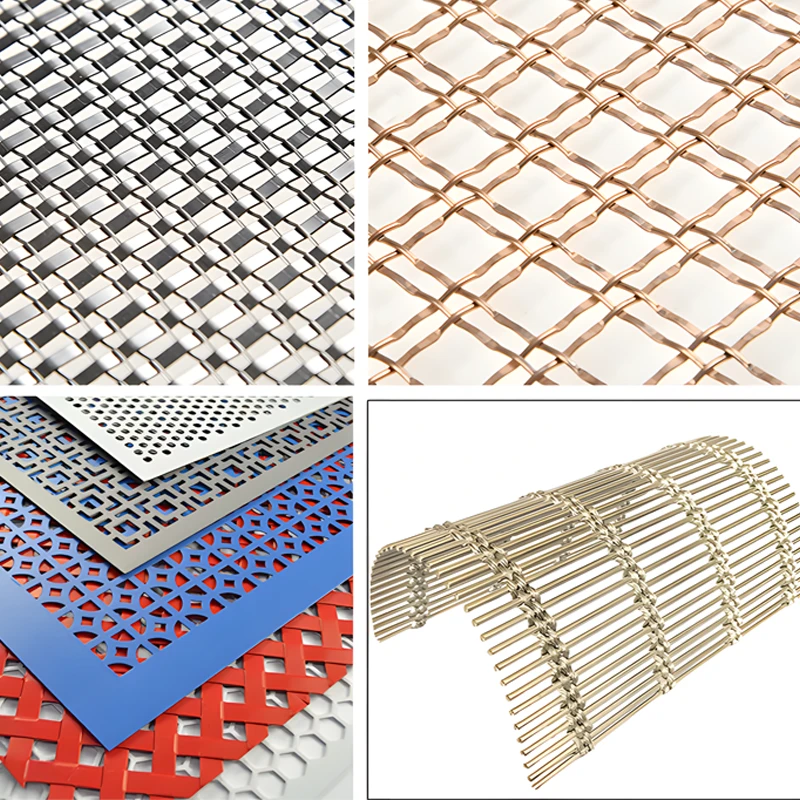
The performance and ultimately the cost-effectiveness of a Stainless Mesh Filter, or any high-quality stainless steel mesh product, hinge upon its precise technical parameters. Unlike the simple aesthetic requirements for a typical steel kitchen basket price, industrial filters demand rigorous adherence to specifications that directly impact filtration efficiency, flow rates, pressure drop, and structural integrity. Key parameters include mesh count (the number of openings per linear inch), wire diameter, opening size, and weave pattern (e.g., plain weave, twilled weave, Dutch weave). For instance, a finer mesh count, typically measured in meshes per inch (MPI), corresponds to smaller pore sizes, offering superior filtration capabilities for removing minute particles. Common materials used are SUS304, SUS316, and SUS316L, chosen for their distinct corrosion resistance and mechanical properties; SUS316L, with its lower carbon content, offers enhanced resistance to intergranular corrosion in welding, making it ideal for pharmaceutical and food processing applications. The exact specification dictates the filter's suitability for specific media and operating conditions, directly influencing manufacturing complexity and material cost, thereby impacting the final steel basket price in specialized applications. Understanding these parameters is crucial for engineers and procurement specialists to specify the correct filter for optimal system performance and longevity, ensuring that the investment delivers maximum value.
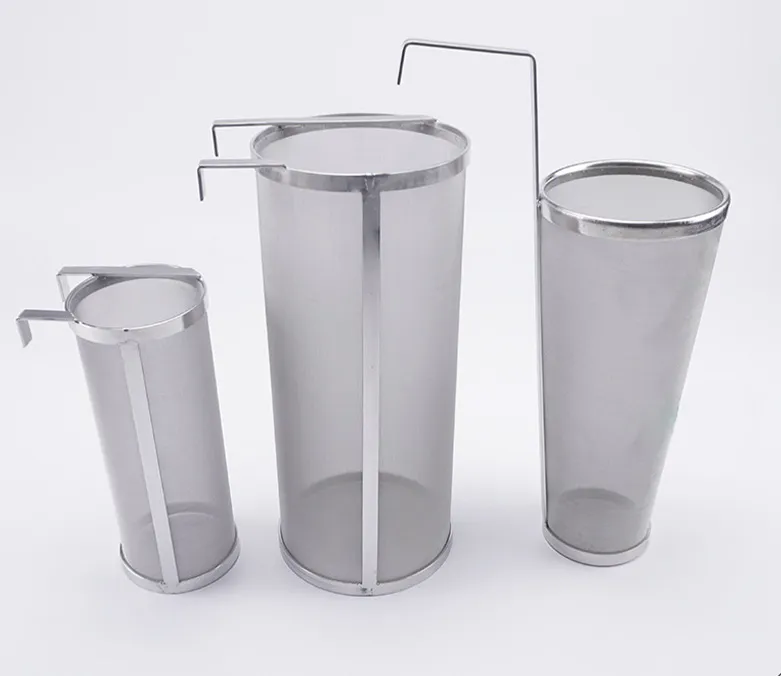
Stainless Mesh Filter Key Technical Parameters
| Parameter | Description | Typical Range/Value |
|---|---|---|
| Material Grade | Common Stainless Steel Alloys | SUS304, SUS316, SUS316L |
| Mesh Count | Number of wires/openings per linear inch | 2 to 635 Mesh (for woven wire mesh) |
| Wire Diameter | Thickness of individual wire strands | 0.02mm to 2.0mm (varies with mesh) |
| Aperture Size | Clear opening between adjacent wires | 0.02mm to 10mm |
| Weave Pattern | Configuration of woven wires | Plain, Twilled, Dutch, Reverse Dutch |
| Filtration Rating | Minimum particle size removed | 1 micron up to 1000 microns (nominal/absolute) |
| Temperature Range | Operating temperature suitability | Up to 600°C (depending on grade) |
| Pressure Rating | Maximum differential pressure withstand | Up to 25 MPa (for pleated elements) |
This table highlights the critical engineering parameters that differentiate industrial-grade Stainless Mesh Filters from simpler applications like a consumer-grade steel basket for kitchen price considerations. For B2B buyers, these technical specifications are not just numbers; they represent performance guarantees, compliance with industry standards, and the ultimate reliability of the filtration system in demanding operational environments. Incorrectly specified mesh can lead to costly operational failures, increased downtime, and non-compliance with environmental or product quality regulations. Therefore, a thorough understanding and precise matching of filter specifications to application requirements are paramount, far outweighing the basic steel kitchen basket price.
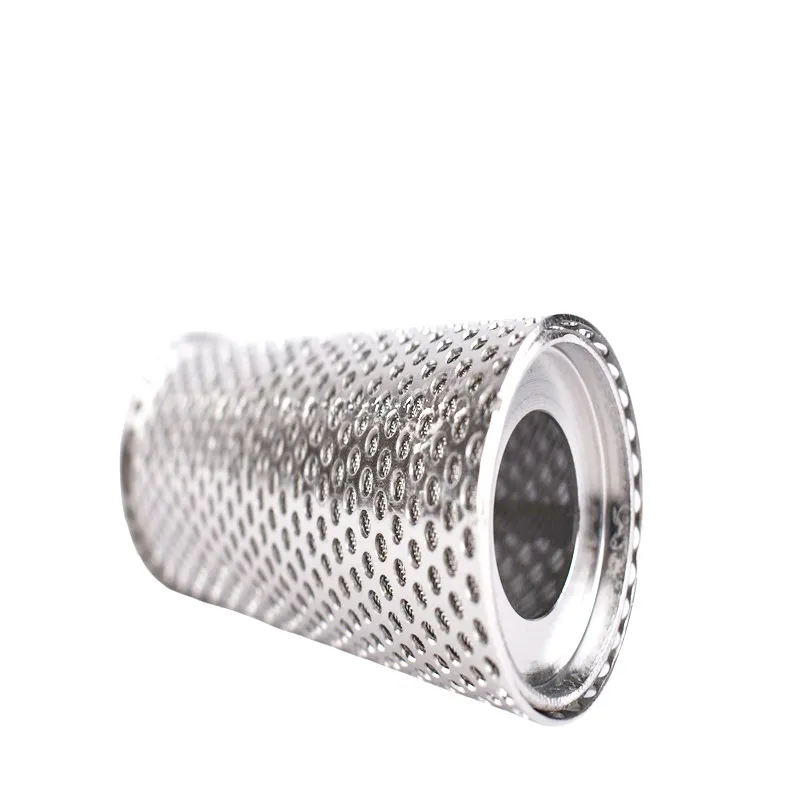
The Advanced Manufacturing of Stainless Mesh Filters: A Journey of Precision
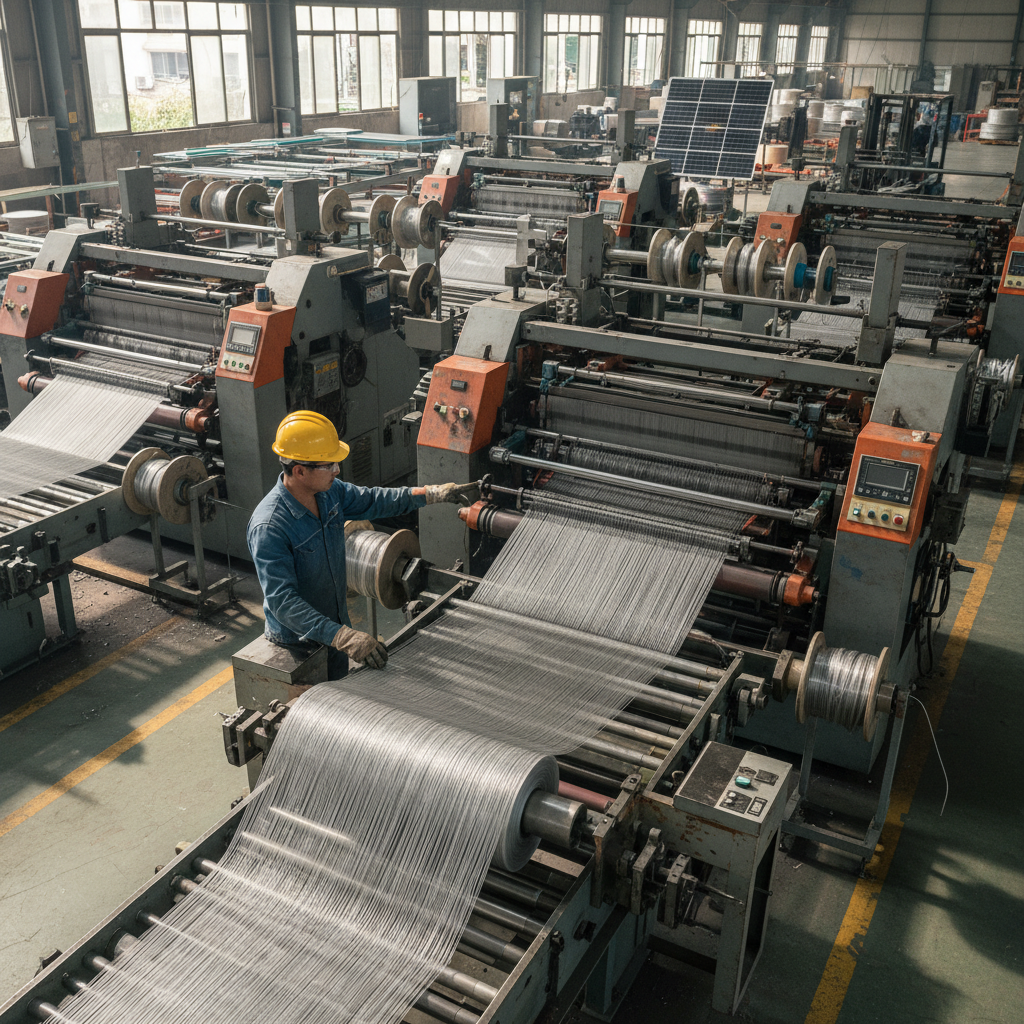
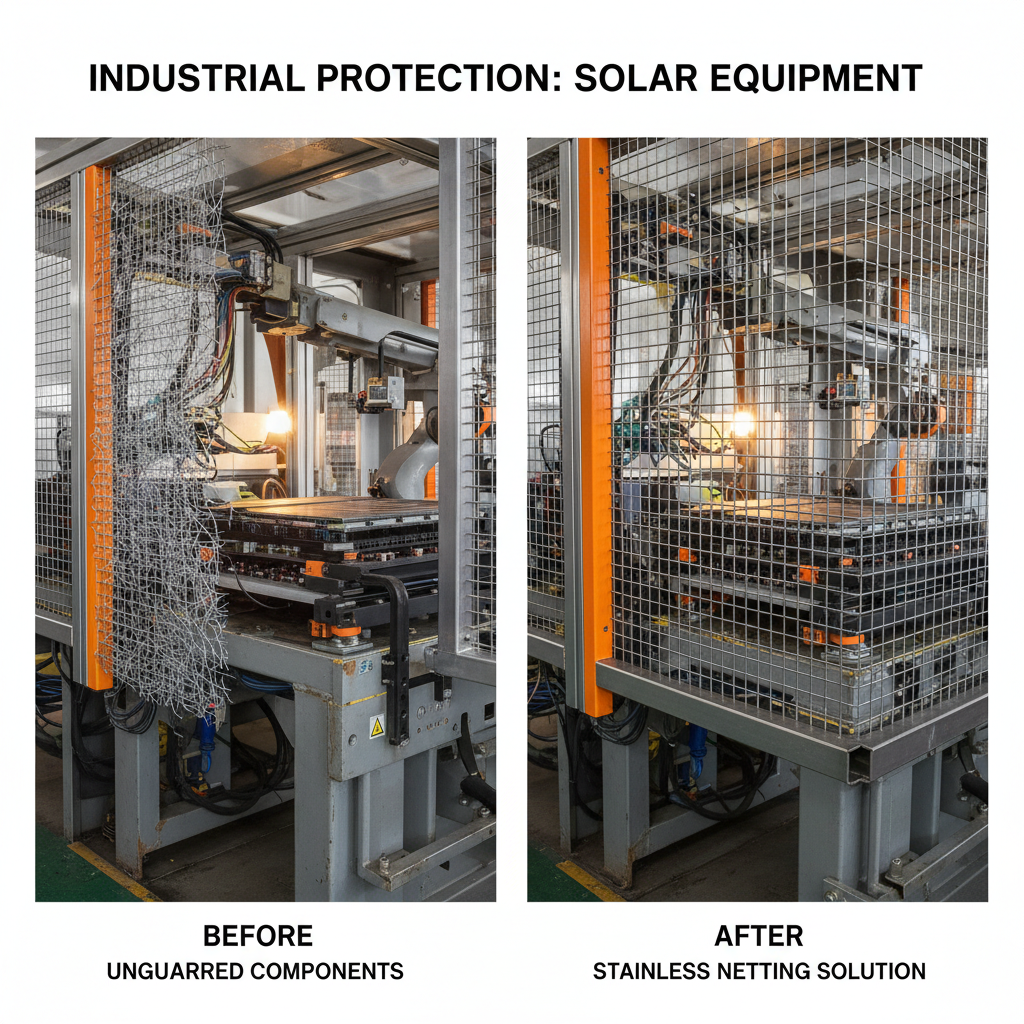
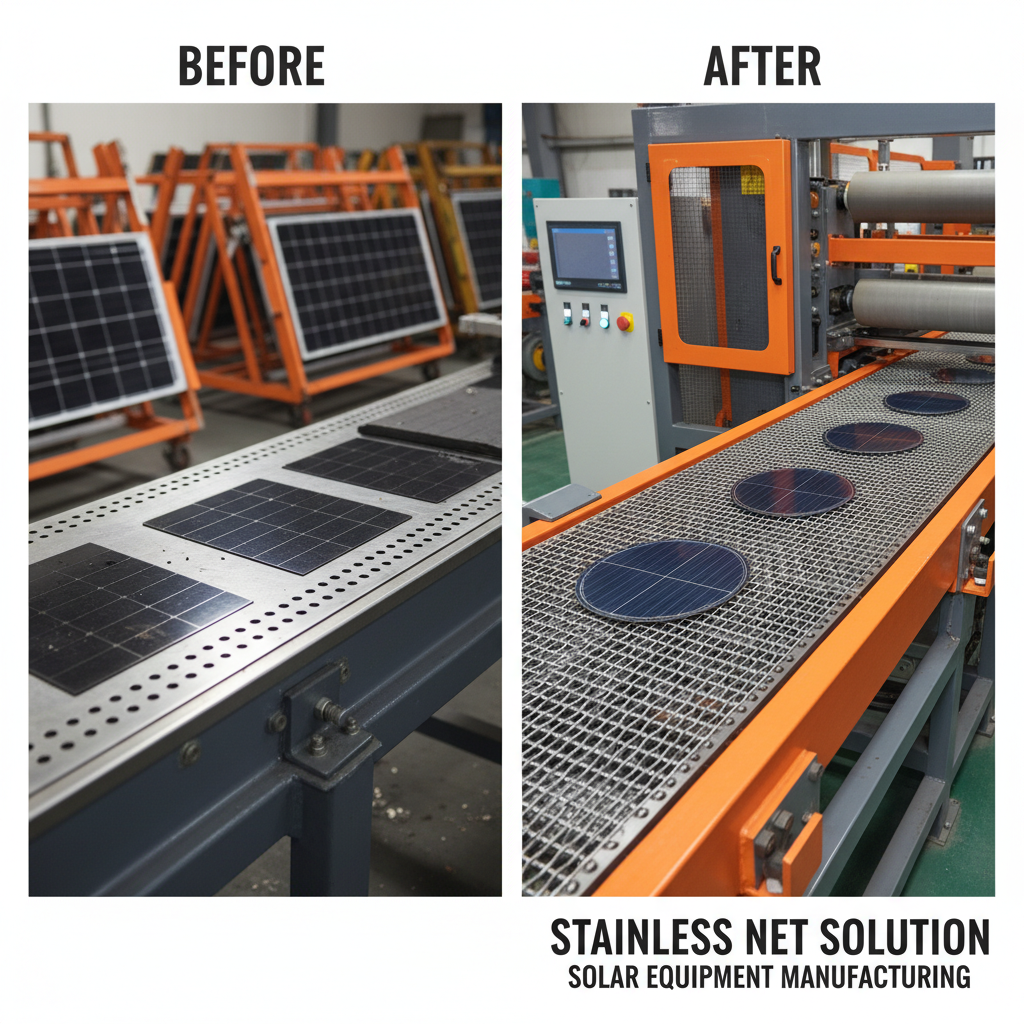
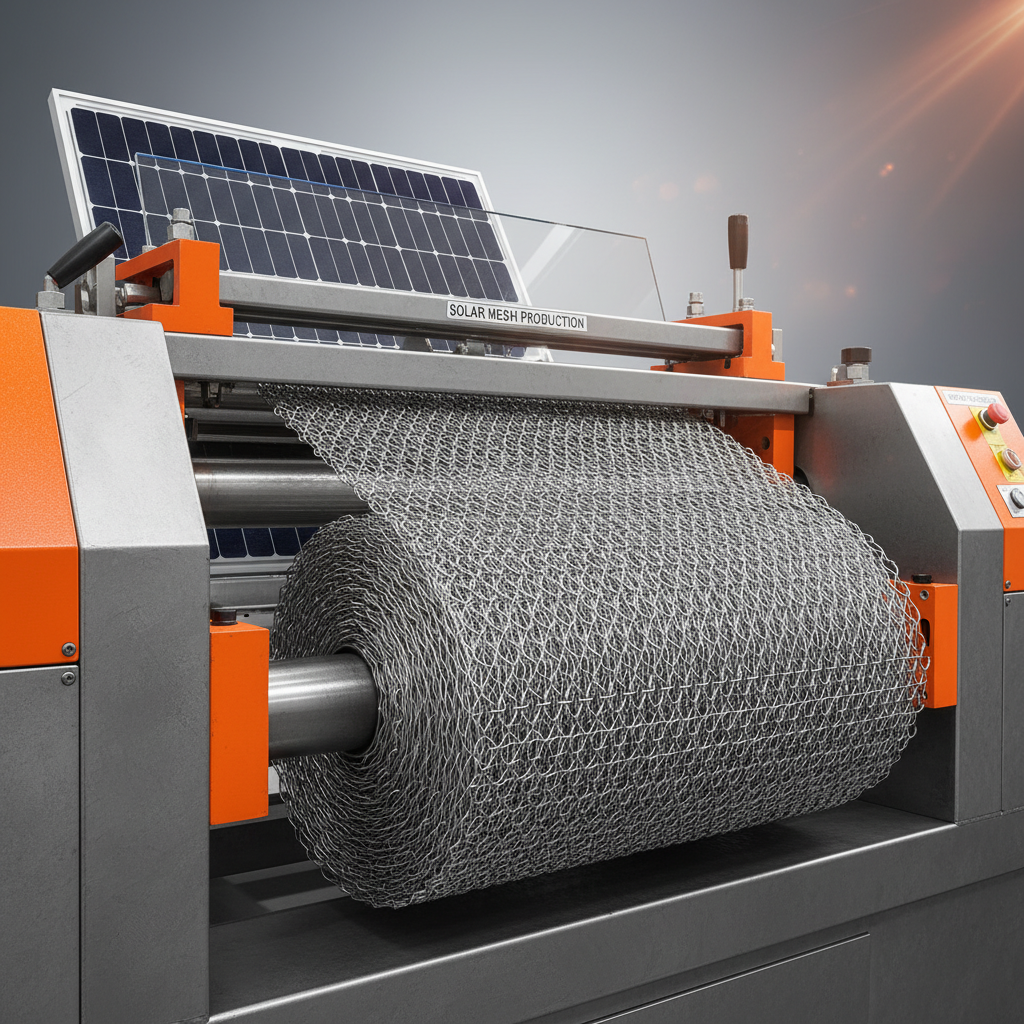
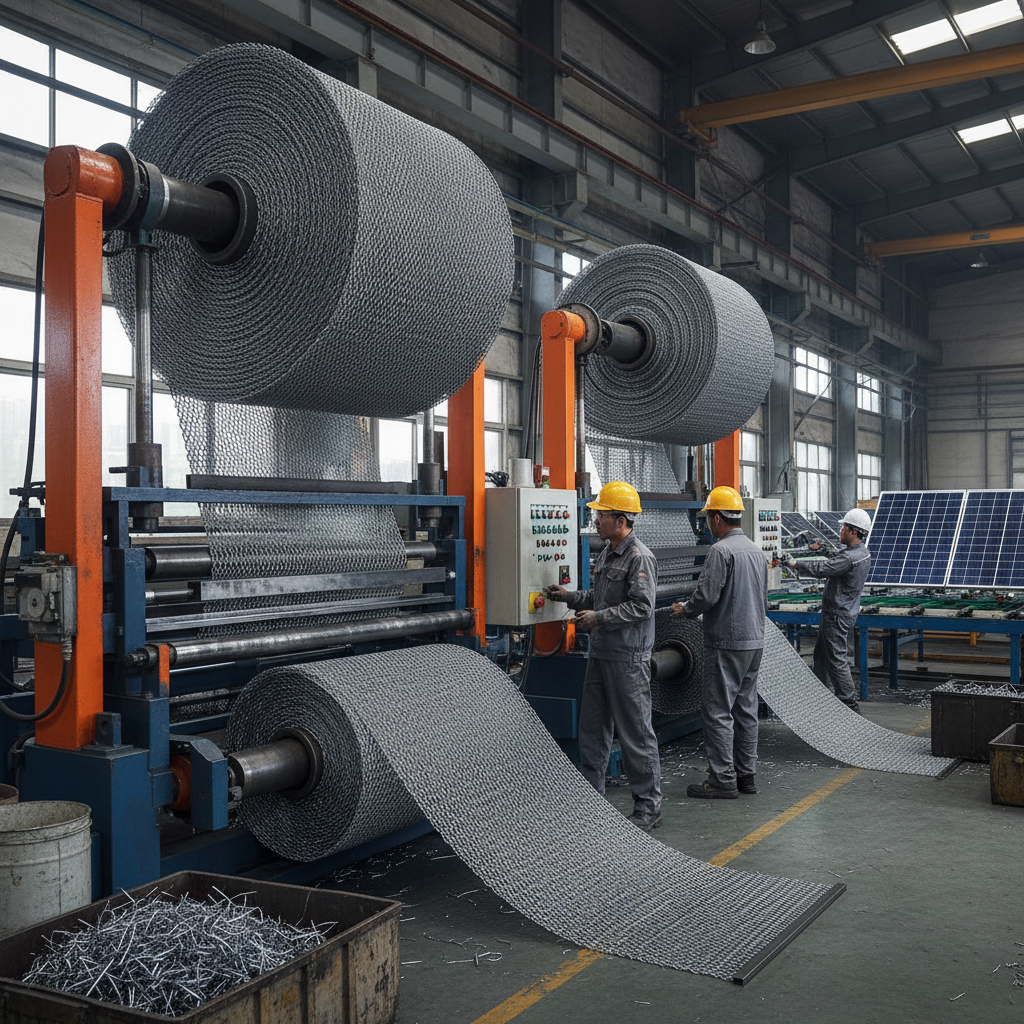
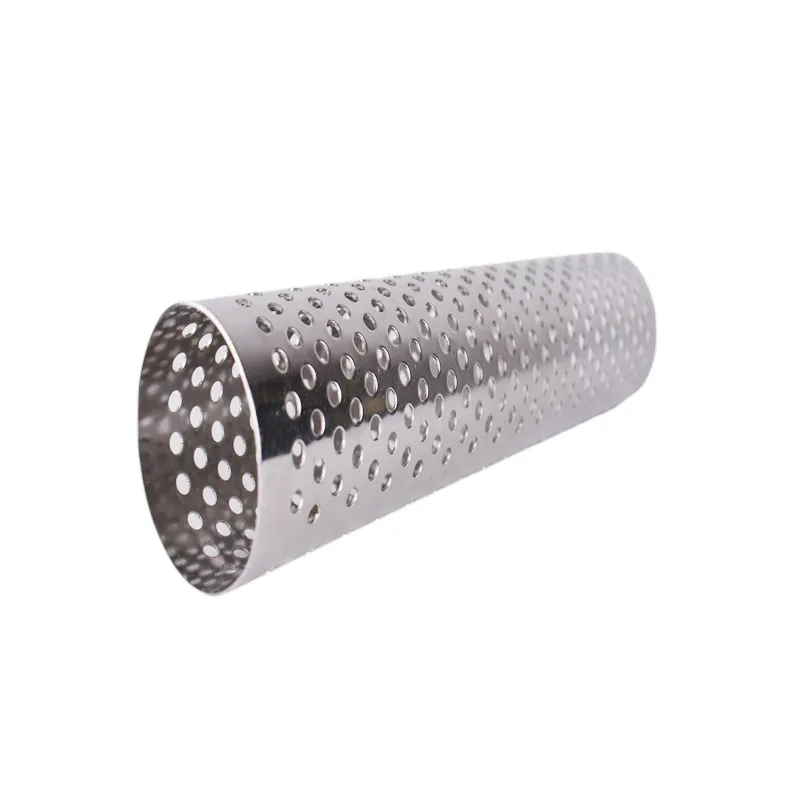
The production of high-performance Stainless Mesh Filters, a far cry from the mass production methods associated with a basic steel kitchen basket price, involves a sophisticated multi-stage manufacturing process to ensure unparalleled quality and reliability. It begins with the selection of premium-grade stainless steel wire coils (typically SUS304, SUS316, or SUS316L) known for their specific metallurgical properties, including corrosion resistance and tensile strength. The first critical step is precision wire drawing, where raw wire is drawn through dies to achieve the exact wire diameter required for the mesh count, a process demanding meticulous control to maintain uniform thickness. Following this, the wire undergoes weaving on specialized looms, where warp and weft wires are interlaced to form various mesh patterns such as plain weave (for larger openings), twilled weave (for heavier wires and finer meshes), or Dutch weave (for high-pressure filtration with excellent particle retention). The choice of weave greatly influences the filter's strength, flow characteristics, and filtration efficiency, impacting the performance beyond simple considerations of a steel basket for kitchen price. After weaving, the mesh fabric undergoes rigorous cleaning, annealing, and calendering (a flattening process) to ensure flatness, reduce internal stresses, and enhance its structural integrity.
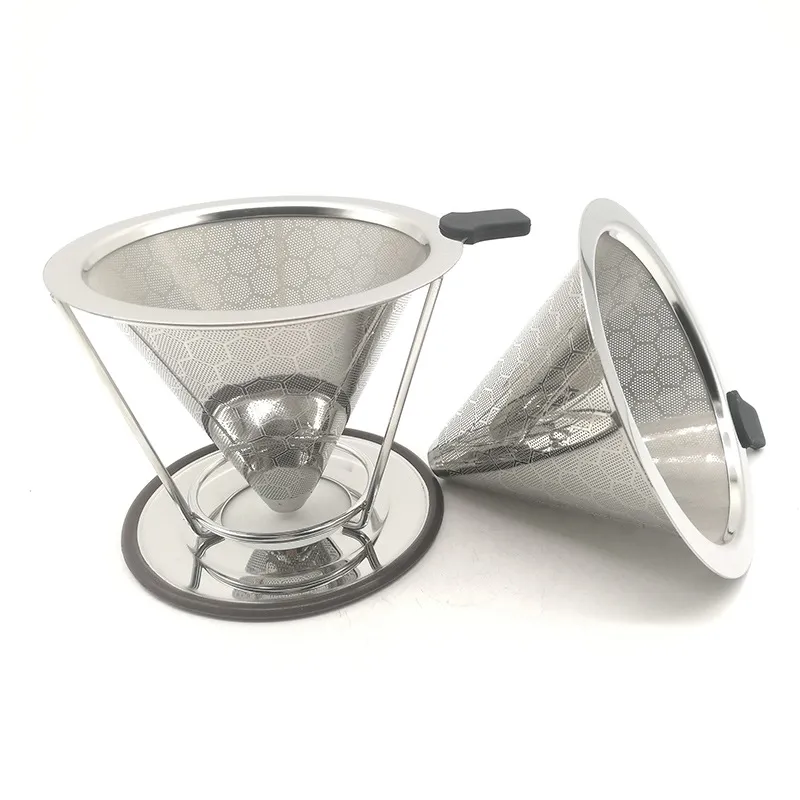
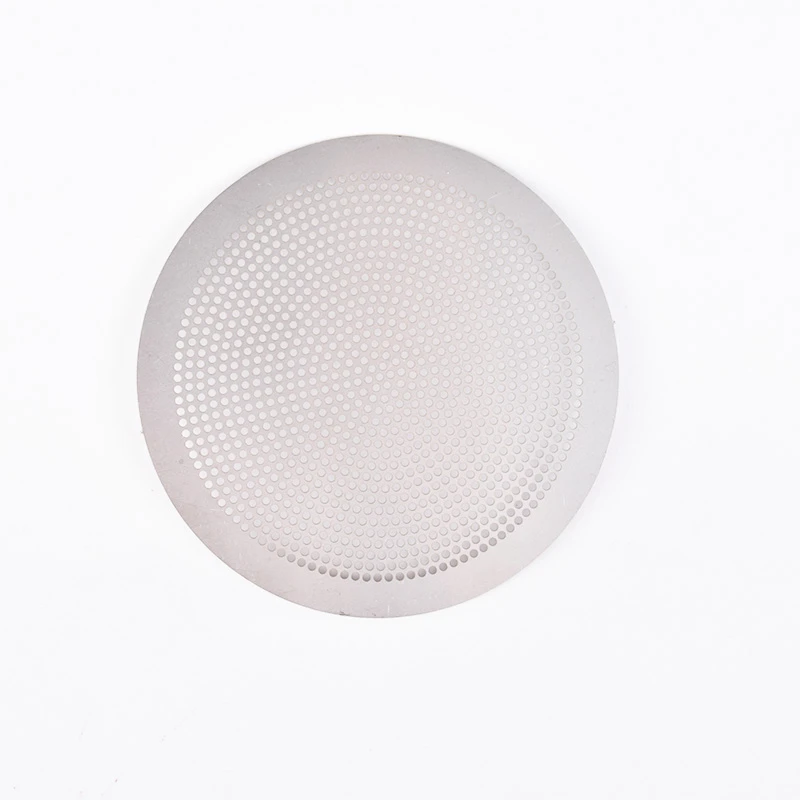
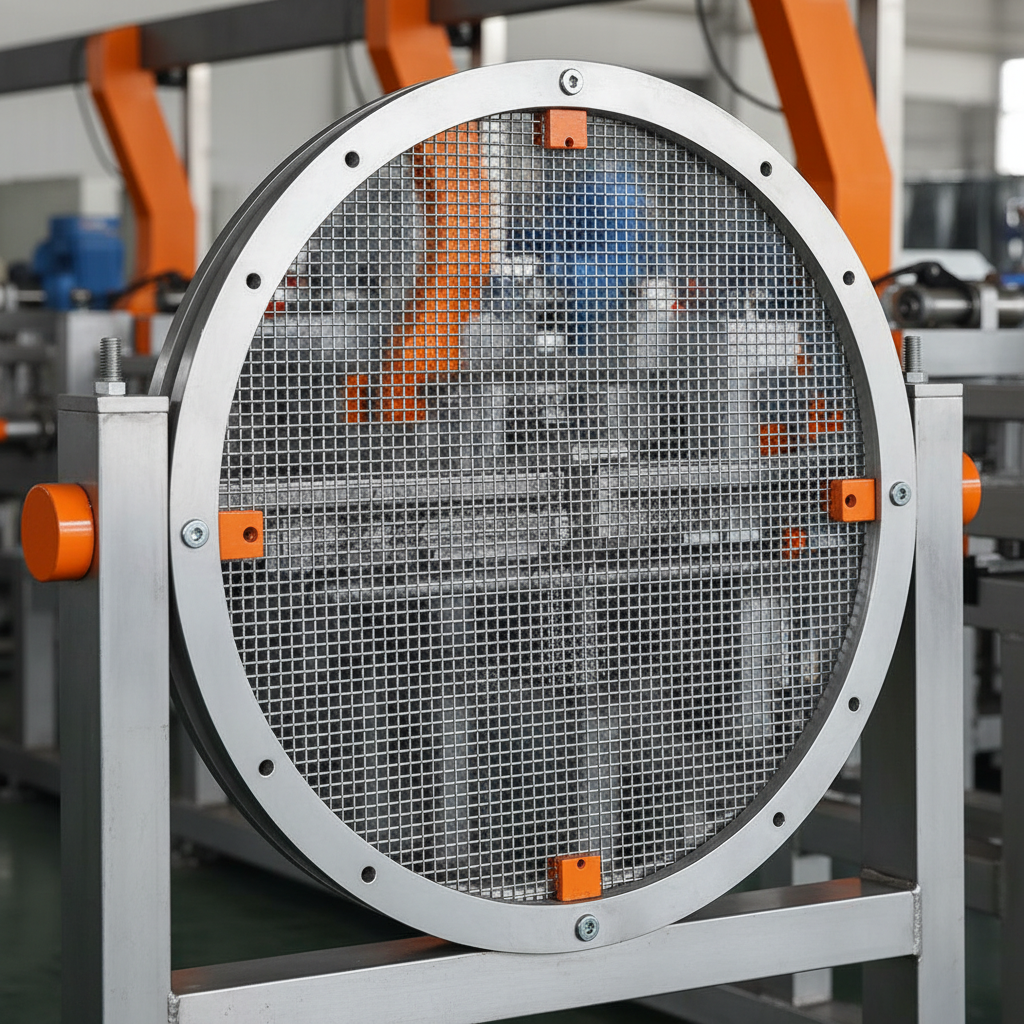
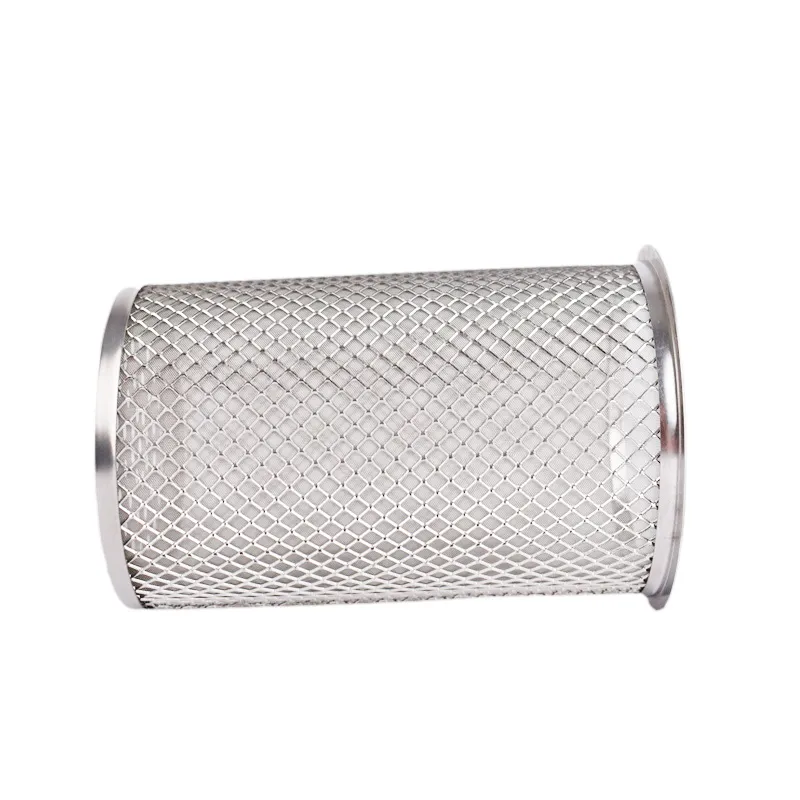
The subsequent stages involve fabrication into specific filter elements. This includes precise cutting (often by laser or water jet for accuracy), welding (TIG, spot, or seam welding, especially for ensuring robust seams and leak-free performance), pleating (for increasing surface area for enhanced filtration capacity), and assembly into various configurations like cylinders, discs, or cones. Quality control is integrated at every step, adhering to stringent international standards such as ISO 9001 for quality management systems and specific material standards like ASTM or DIN. Non-destructive testing methods like visual inspection, dimensional checks, bubble point testing for integrity, and flow rate testing are routinely performed to verify performance parameters. The service life of these filters can extend for many years, often 5 to 10 years or more, depending on the application and maintenance, far surpassing the typical lifespan considerations for a consumer-grade steel basket price. These filters are extensively utilized across a spectrum of demanding industries including petrochemicals for fuel and lubricant filtration, metallurgy for molten metal and slag separation, water treatment and wastewater management for particulate removal, and food & beverage for product clarification and hygiene assurance. Their robust construction and precise engineering lead to significant advantages such as enhanced energy efficiency due to optimized flow, superior corrosion resistance in aggressive media, and reduced downtime, directly translating to operational cost savings and improved process reliability.
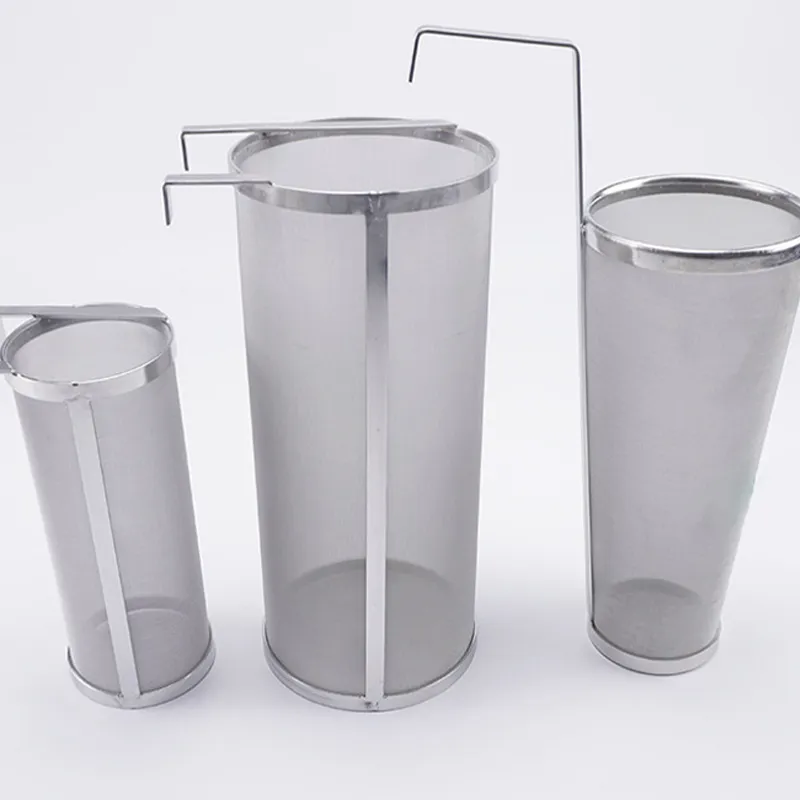
Diverse Applications and Unmatched Advantages of Stainless Mesh Filters
Stainless Mesh Filters are indispensable components across a vast array of industrial sectors, providing critical filtration solutions that ensure product purity, equipment protection, and environmental compliance. Unlike a basic steel basket price point which reflects its utilitarian household function, these filters are designed for high-stakes environments where failure is not an option. In the petrochemical industry, they are used to filter catalysts, fuels, and chemical intermediates, preventing contamination and protecting downstream equipment from damage. For the pharmaceutical and biotechnology sectors, ultra-fine stainless steel mesh filters guarantee sterility and particle-free solutions in critical processing stages, meeting stringent FDA and GMP regulations. Within the food and beverage industry, they ensure product clarity and safety by removing particulates from liquids like juices, oils, and dairy products, contributing to consumer health and product shelf-life. The mining and metallurgical industries rely on robust mesh filters for slurry dewatering, ore processing, and preventing abrasive particles from damaging machinery. Even in mundane applications, the structural integrity and durability sought in a high-quality steel basket for kitchen price find their industrial equivalent in mesh filters designed to withstand extreme temperatures, pressures, and corrosive media.
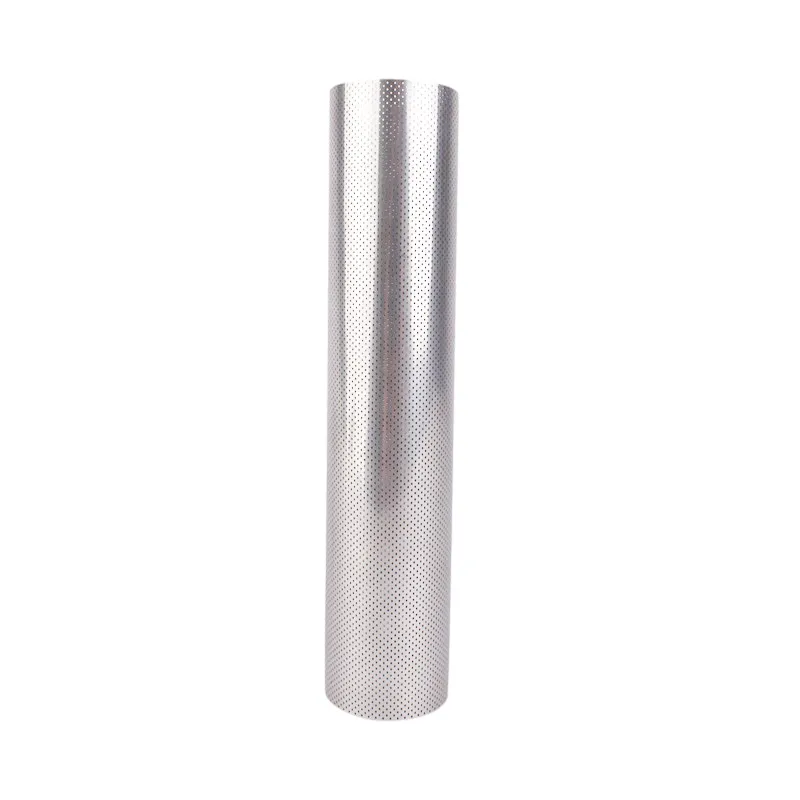
The technical advantages of Stainless Mesh Filters are manifold. Their inherent corrosion resistance, thanks to the passive layer formed by chromium oxide, makes them suitable for use with aggressive chemicals and high-humidity environments, extending their operational life significantly compared to other materials. They offer excellent mechanical strength, capable of withstanding high differential pressures without deformation, which is a critical factor in maintaining filtration integrity. Furthermore, their cleanability and reusability contribute to a lower total cost of ownership (TCO) over time, as they can be backwashed or chemically cleaned for extended use, reducing replacement frequency and waste. This reusability contrasts sharply with the "disposable" nature sometimes associated with the lower end of the steel kitchen basket price spectrum. The precision of the mesh openings ensures consistent and reliable filtration performance, crucial for maintaining product quality and meeting regulatory compliance. The ability to customize mesh size, shape, and overall filter design allows for tailored solutions for unique process requirements, optimizing flow dynamics and filtration efficiency, leading to significant energy savings by minimizing pressure drop across the filter. This adaptability and long-term economic benefit underscore their value proposition in industrial settings.
Choosing the Right Partner: Manufacturer Comparison and Custom Filtration Solutions
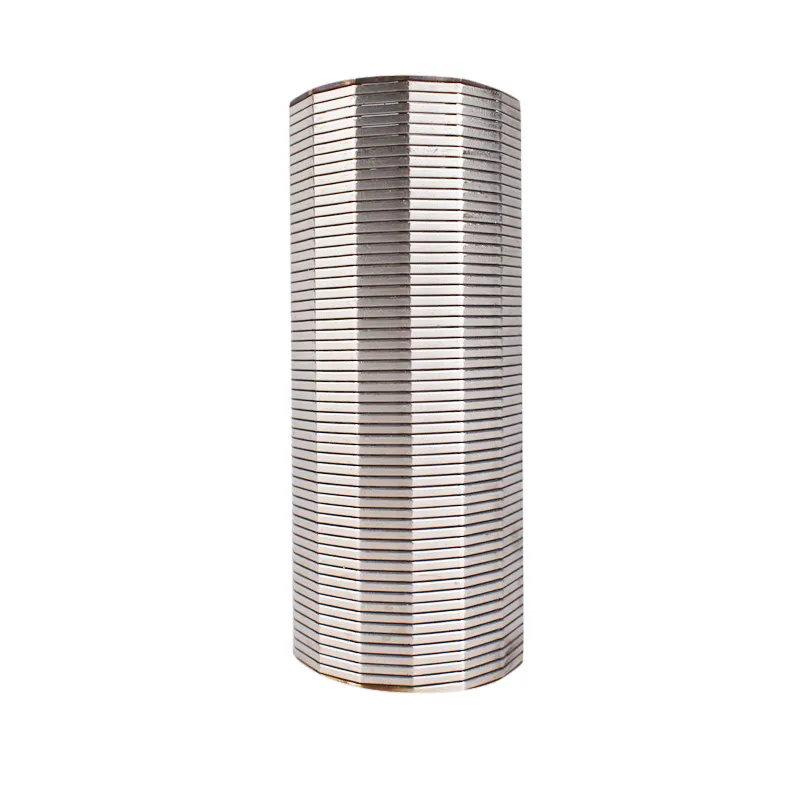
Selecting the right manufacturer for Stainless Mesh Filters is a strategic decision that extends beyond merely comparing the quoted steel basket price. It involves evaluating a supplier's expertise, experience, and adherence to quality standards. Reputable manufacturers distinguish themselves through their deep understanding of various industry applications, their commitment to R&D, and their ability to provide comprehensive technical support. Key differentiators include the breadth of their product catalog (ranging from standard mesh sheets to complex custom filter assemblies), their certification to international quality management systems like ISO 9001:2015, and their track record of successful projects and client testimonials. A manufacturer's investment in advanced manufacturing technologies, such as automated weaving machines, laser welding, and sophisticated testing equipment, directly translates into superior product quality and consistency. Furthermore, their capability to provide material certificates, test reports, and compliance documentation (e.g., FDA compliance for food-grade filters) is paramount for regulatory adherence and risk mitigation in critical applications, a level of scrutiny rarely applied to the procurement of a simple steel basket for kitchen price.
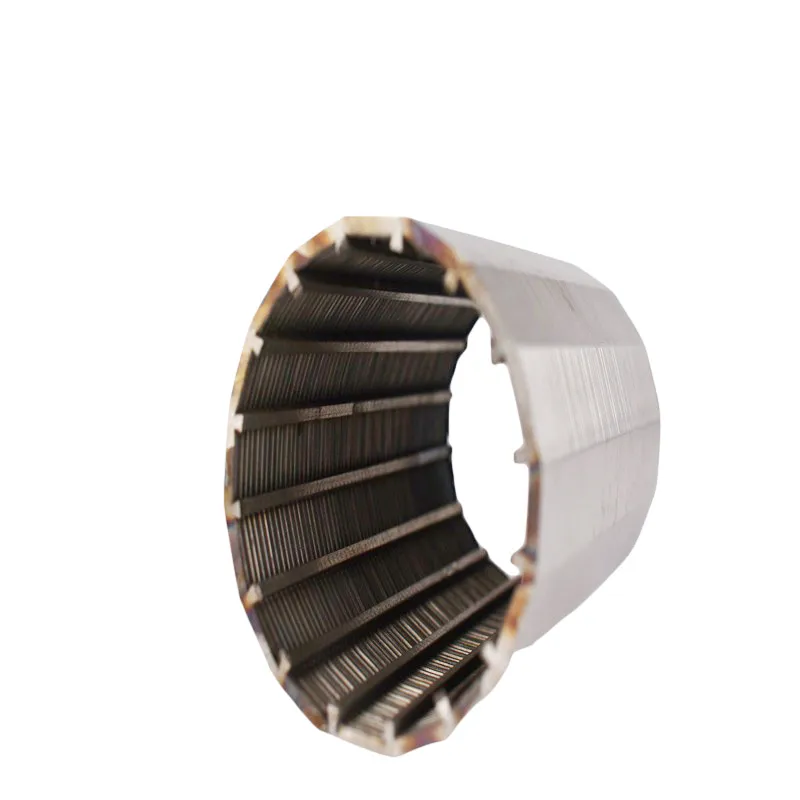
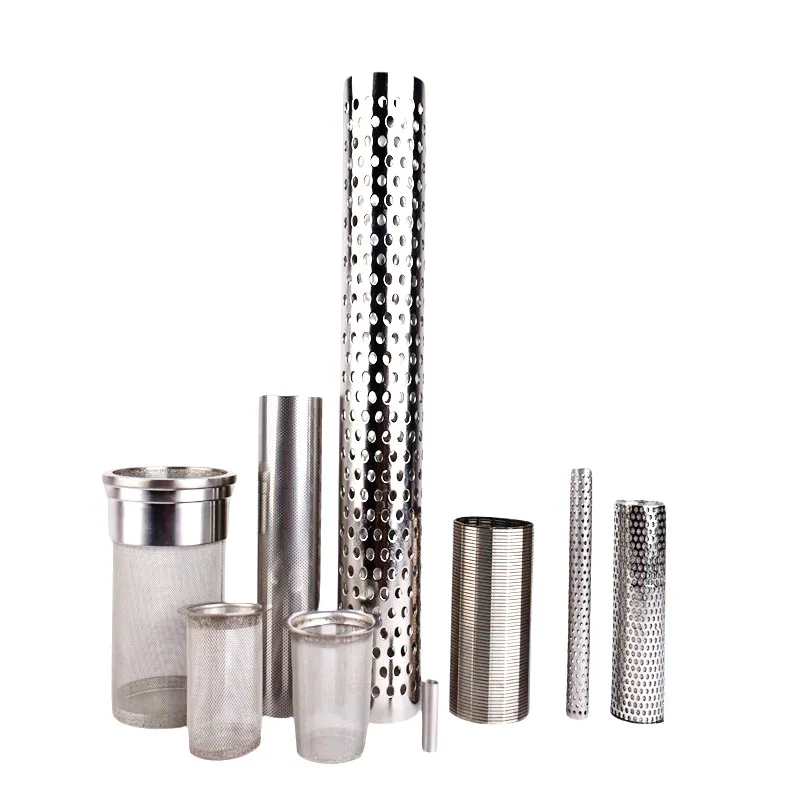
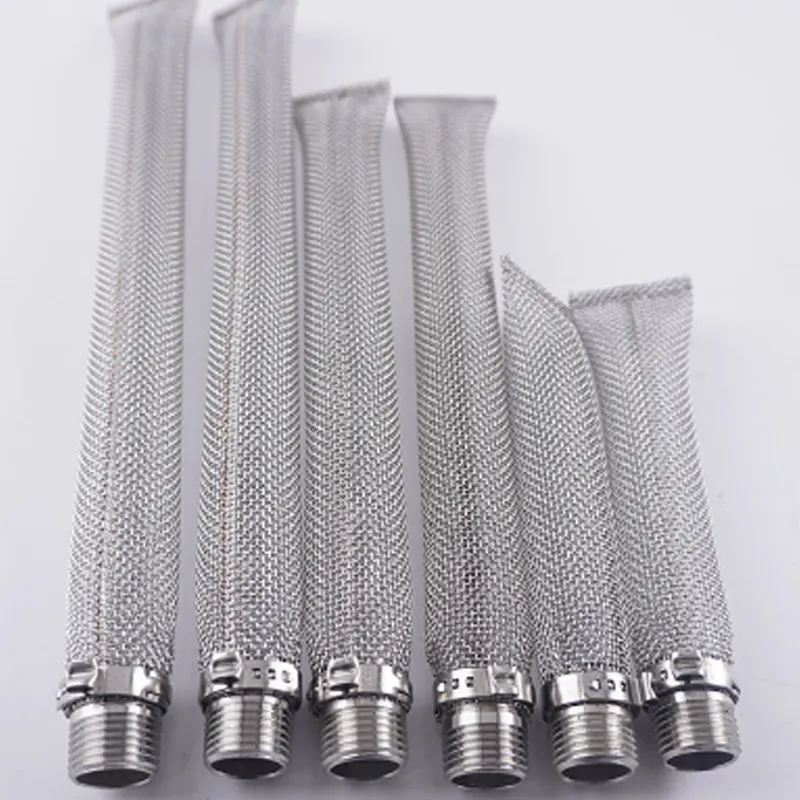
Custom filtration solutions are often necessary to meet the unique demands of specific industrial processes. A leading manufacturer will possess the engineering capabilities to design and produce bespoke Stainless Mesh Filters tailored to precise requirements concerning mesh size, filter dimensions, structural strength, and connectivity. This includes custom fabrication of filter elements, cartridges, baskets, and screens, often involving complex geometries and specialized welding techniques. For example, a client requiring filtration in an extremely high-temperature and corrosive environment might need a filter made from duplex stainless steel with a specialized weave pattern, or a complex multi-layer design to achieve optimal particle retention and flow. Such customization goes far beyond merely adjusting the dimensions, as one might consider when looking at a varied steel basket price list; it involves in-depth material science, fluid dynamics, and mechanical engineering. Partnering with a manufacturer capable of delivering such intricate custom solutions ensures that the filter integrates seamlessly into existing systems, maximizes efficiency, and provides long-term reliability, offering a superior value proposition compared to off-the-shelf alternatives and far more complex than any steel kitchen basket price negotiation. Case studies often highlight how tailored filtration solutions have led to significant operational improvements, reduced maintenance, and enhanced product quality for clients across diverse industries.
Real-World Impact: Application Cases and Enhanced Operational Efficiency
The true testament to the value of Stainless Mesh Filters lies in their successful implementation across various challenging industrial applications. While the general public might ponder the value of a steel kitchen basket price based on its utility, industrial sectors gauge the worth of stainless steel mesh products by their impact on operational efficiency, safety, and profitability. Consider a major chemical processing plant that faced frequent shutdowns due to catalyst fines clogging their heat exchangers. By implementing a custom-designed Stainless Mesh Filter system with a specific Dutch weave, they achieved consistent removal of particles down to 5 microns, reducing unscheduled downtime by 30% and extending the lifespan of their heat exchangers by over 50%. This directly translated into millions of dollars in annual savings. Similarly, a municipal wastewater treatment facility significantly improved its effluent quality and reduced sludge disposal costs by installing robust stainless steel drum filters, which effectively removed suspended solids and biological floc, enabling compliance with stricter environmental discharge regulations and enhancing overall system throughput. These real-world examples underscore how precise filtration engineering can deliver substantial operational improvements, a far cry from the consumer-oriented analysis of a steel basket price.
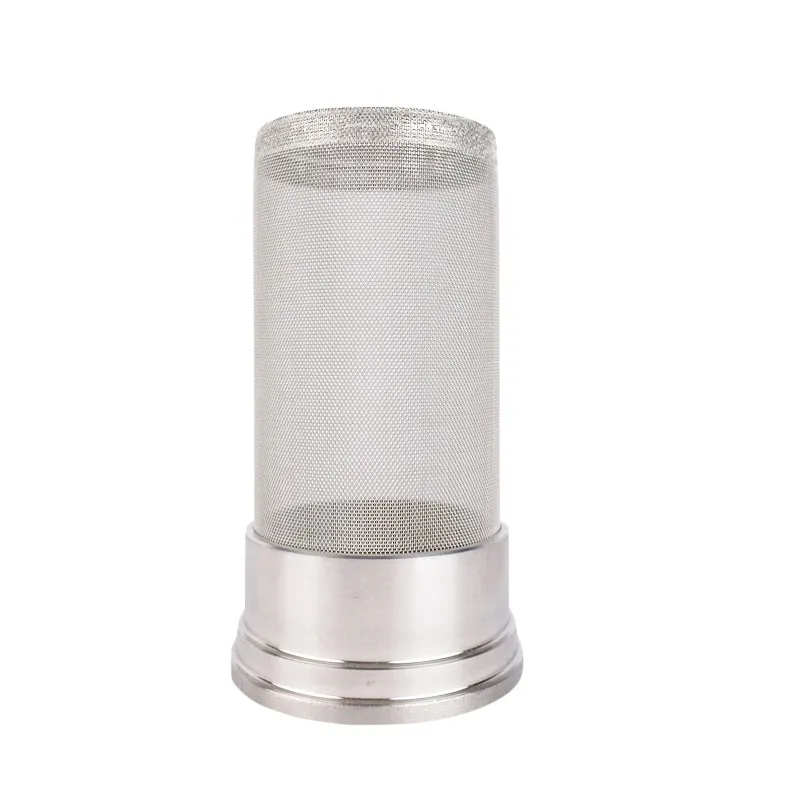
Another compelling case involved a leading beverage manufacturer who struggled with maintaining product clarity and consistency across large production batches. Traditional filtration methods often led to fine particulate carryover, impacting product appearance and taste. By integrating multi-layer Stainless Mesh Filters with precise aperture sizes into their bottling lines, they achieved a consistently clear product, reducing rejection rates by 15% and enhancing brand reputation. The filters’ durability and ease of clean-in-place (CIP) also reduced maintenance downtime significantly. Furthermore, in the oil and gas industry, pre-filtration using high-strength stainless steel mesh elements before reverse osmosis (RO) systems has become standard practice. This extends the life of expensive RO membranes, significantly lowering overall operating costs and ensuring reliable water supply for drilling and production operations. Such detailed performance metrics and return-on-investment analyses are central to B2B decision-making for these critical components, providing a stark contrast to the simple cost considerations for a steel kitchen basket price. These success stories not only validate the technical superiority of properly engineered Stainless Mesh Filters but also highlight the profound economic and operational benefits they bring to diverse industrial landscapes.
Ensuring Trust: FAQ, Delivery, Warranty, and Customer Support
Building trust in B2B relationships, especially for critical components like Stainless Mesh Filters, goes beyond the initial inquiry about a steel kitchen basket price. It involves clear communication, reliable logistics, robust warranties, and responsive customer support. A comprehensive FAQ section can address common concerns regarding material selection, performance expectations, maintenance procedures, and compatibility with existing systems, empowering buyers with immediate answers. For instance, common questions might include: "What is the typical lifespan of a Stainless Mesh Filter in a corrosive environment?", "How do I determine the correct mesh size for my application?", or "Are your filters compliant with specific industry standards like FDA or ATEX?". Providing transparent answers to these and other technical queries demonstrates expertise and builds confidence. Understanding the delivery cycle is also paramount for project planning. Standard products might have lead times of 1-2 weeks, while highly customized Stainless Mesh Filters could require 4-8 weeks, depending on complexity and material availability. Reputable suppliers provide clear timelines and regular updates throughout the order fulfillment process, minimizing uncertainties for clients.
A strong warranty commitment is a cornerstone of trustworthiness. High-quality Stainless Mesh Filters typically come with a warranty covering manufacturing defects and material integrity for a specified period, often 1 to 2 years, affirming the manufacturer's confidence in their product's durability and performance. This differs significantly from the informal guarantees sometimes associated with a lower steel basket price. Beyond the initial sale, exceptional customer support, including technical assistance, troubleshooting, and post-installation guidance, is crucial for long-term operational success. This includes access to experienced engineers who can advise on filter optimization, maintenance best practices, and even emergency replacements. Many leading manufacturers offer comprehensive after-sales services, including field support and training, ensuring clients maximize their investment in filtration technology. This holistic approach to customer relationship management reinforces the supplier's commitment to delivering not just a product, but a complete, reliable filtration solution. Transparent policies regarding returns, exchanges, and problem resolution further solidify a manufacturer's reputation as a dependable partner in critical industrial applications.
Conclusion: The Value Proposition of Advanced Stainless Steel Filtration
While initial searches might be broad, encompassing queries like the steel kitchen basket price, the underlying principles of stainless steel quality, precise manufacturing, and application-specific design are profoundly relevant to industrial filtration. The robust nature, unparalleled corrosion resistance, and reusability of Stainless Mesh Filters make them an indispensable asset in sectors ranging from petrochemicals to pharmaceuticals. Their long-term operational benefits, including improved efficiency, reduced maintenance, and compliance with stringent regulations, underscore their significant value proposition. Investing in high-quality Stainless Mesh Filters from a reputable manufacturer ensures not just a product, but a reliable, high-performance solution that contributes directly to process optimization and profitability. Understanding the technical nuances and operational advantages beyond mere cost is critical for B2B stakeholders seeking to enhance their industrial processes.
Authoritative References
- International Organization for Standardization (ISO). (n.d.). ISO 9001:2015 - Quality management systems - Requirements.
- American Society for Testing and Materials (ASTM). (n.d.). Standard Specification for Stainless Steel Wire Mesh.
- Food and Drug Administration (FDA). (n.d.). Regulations for Materials in Contact with Food.
- MarketsandMarkets. (2020). Stainless Steel Market - Global Forecast to 2027.
- Perry's Chemical Engineers' Handbook. (8th ed.). (2008). McGraw-Hill Education.