Premium Stainless Steel Expanded Sheet | Durable, Versatile Mesh
Understanding Stainless Steel Expanded Sheet: An Industry Overview
In the realm of advanced material science and engineering, the stainless steel expanded sheet stands as a versatile and indispensable component. Revered for its exceptional strength-to-weight ratio, superior corrosion resistance, and adaptable form factor, this material is engineered by a precise process of slitting and stretching solid stainless steel sheets, creating a uniform, diamond-shaped pattern of openings. Unlike woven or welded mesh, expanded metal retains its integral form, eliminating potential weak points found in joined materials. This inherent structural integrity makes it a preferred choice for critical applications across diverse industrial sectors.
The demand for high-performance filtration, robust architectural cladding, and secure safety barriers continues to grow, positioning stainless steel expanded sheet at the forefront of material innovation. Its unique manufacturing process ensures minimal material waste, contributing to both cost-efficiency and environmental sustainability. This comprehensive guide delves into the technical intricacies, application versatility, and strategic advantages of this critical industrial product.
Industry Trends and Market Dynamics
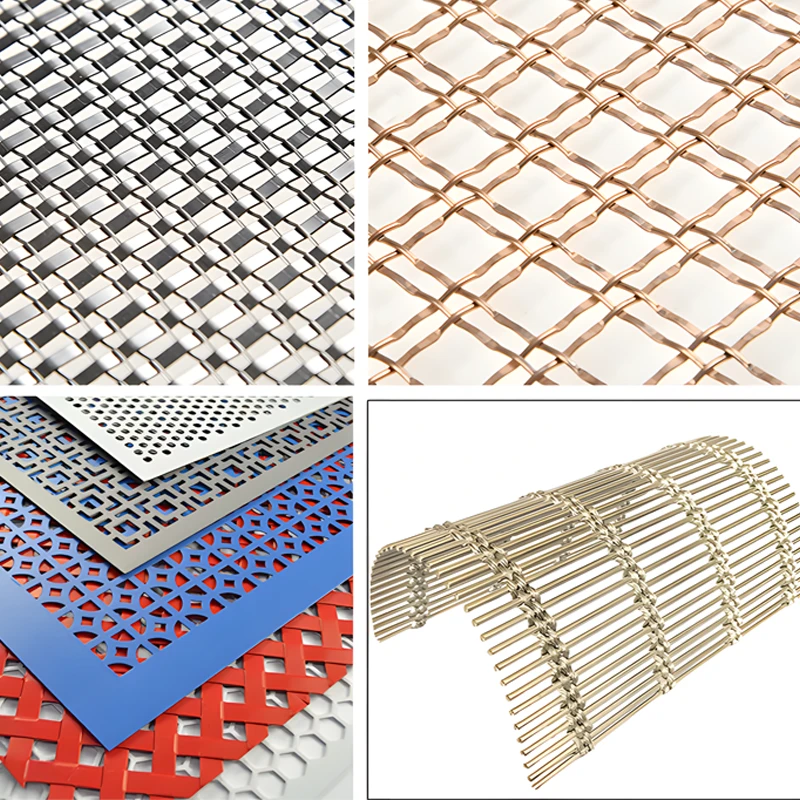
The global market for expanded metal, particularly stainless steel expanded sheet, is experiencing sustained growth, driven by escalating demand in infrastructure development, construction, automotive, and chemical processing industries. Emerging trends highlight a shift towards enhanced customization and specialized finishes, including the rising popularity of decorative black metal mesh for aesthetic and architectural applications, alongside functional requirements for filtration and protection.
- Sustainability Focus: Increased emphasis on materials with a low carbon footprint and long service life. Stainless steel's recyclability and durability align perfectly with these objectives.
- Smart City Infrastructure: Adoption in urban planning for public safety barriers, ventilation grilles, and aesthetic building facades that require high strength and minimal maintenance.
- Advanced Filtration: Growing demand in water treatment, petrochemical, and pharmaceutical sectors for precise separation and robust filter media.
- Customization & Aesthetics: A move towards tailored solutions, including unique patterns, finishes, and the application of decorative black metal mesh in high-end architectural and interior design.
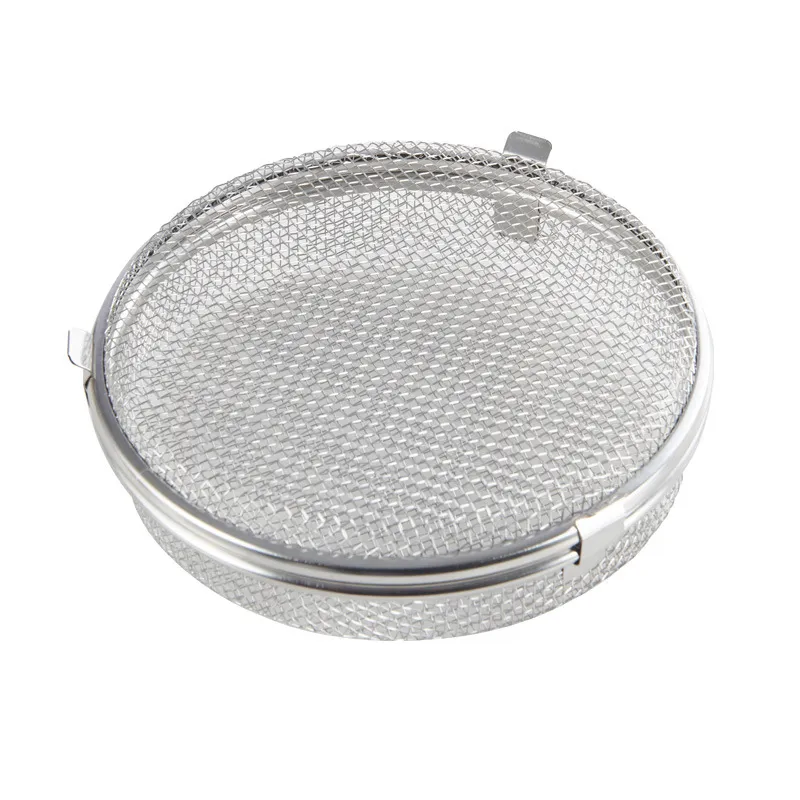
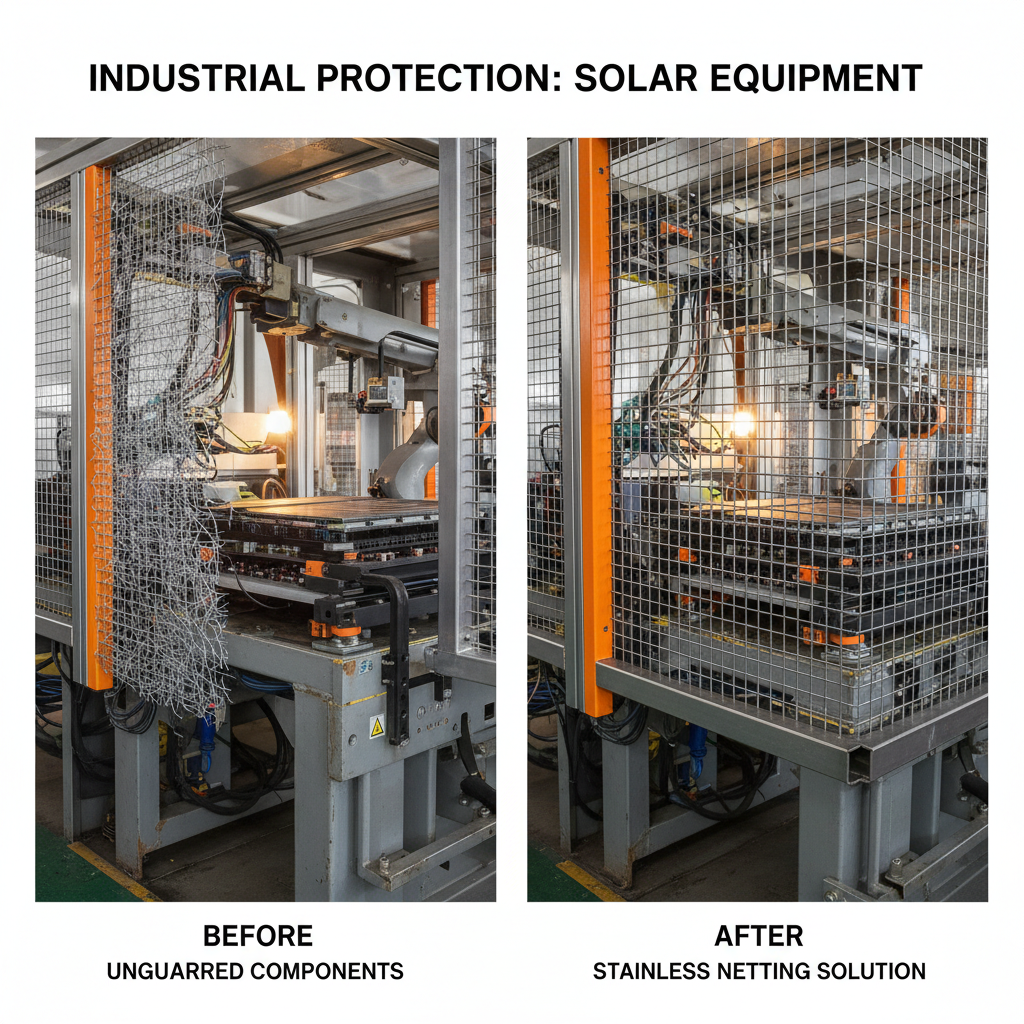
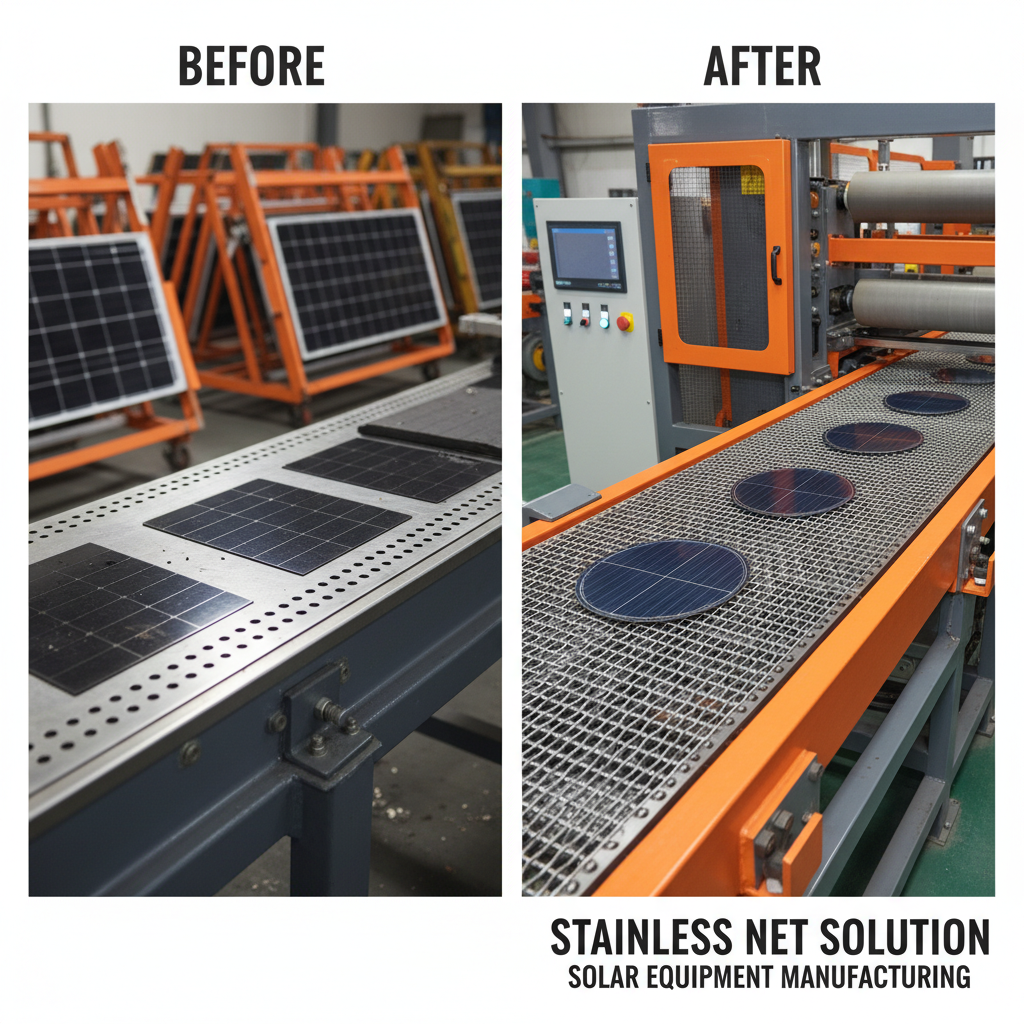
Figure 1: Versatile applications of stainless steel expanded sheet in industrial settings.
Detailed Process Flow: Manufacturing Stainless Steel Expanded Sheet
The production of stainless steel expanded sheet is a sophisticated, multi-stage process that transforms solid metal into a durable, permeable material without material loss. This cold-forming technique ensures the integrity of the original material is maintained, enhancing its mechanical properties.
Manufacturing Process Steps:
- Raw Material Selection (Stainless Steel Coil):
High-grade stainless steel coils (e.g., AISI 304, 316, 316L, 430) are selected based on the required corrosion resistance, strength, and weldability for the final application. These materials undergo stringent quality checks to ensure compliance with standards like ASTM A240/A240M for chromium and chromium-nickel stainless steel plate, sheet, and strip for pressure vessels and for general applications.
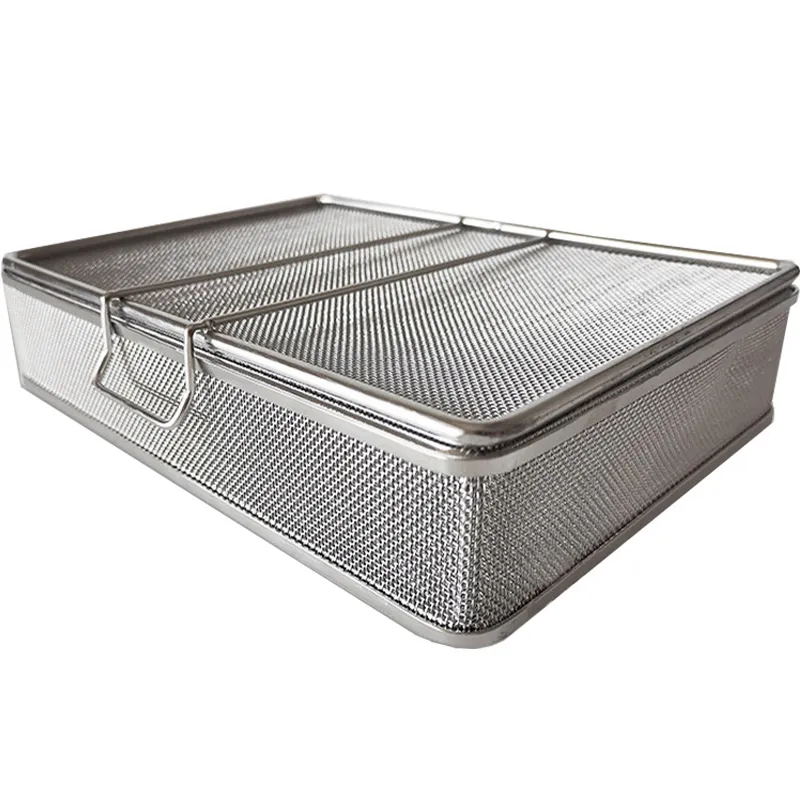
Figure 2: High-grade stainless steel coils awaiting processing.
- Slitting and Shearing:
The stainless steel coil is fed into a specialized expanding machine. Precisely controlled rotary knives slit the sheet at regular intervals, creating parallel lines without removing any material. This stage sets the foundation for the mesh pattern.
- Expanding (Stretching):
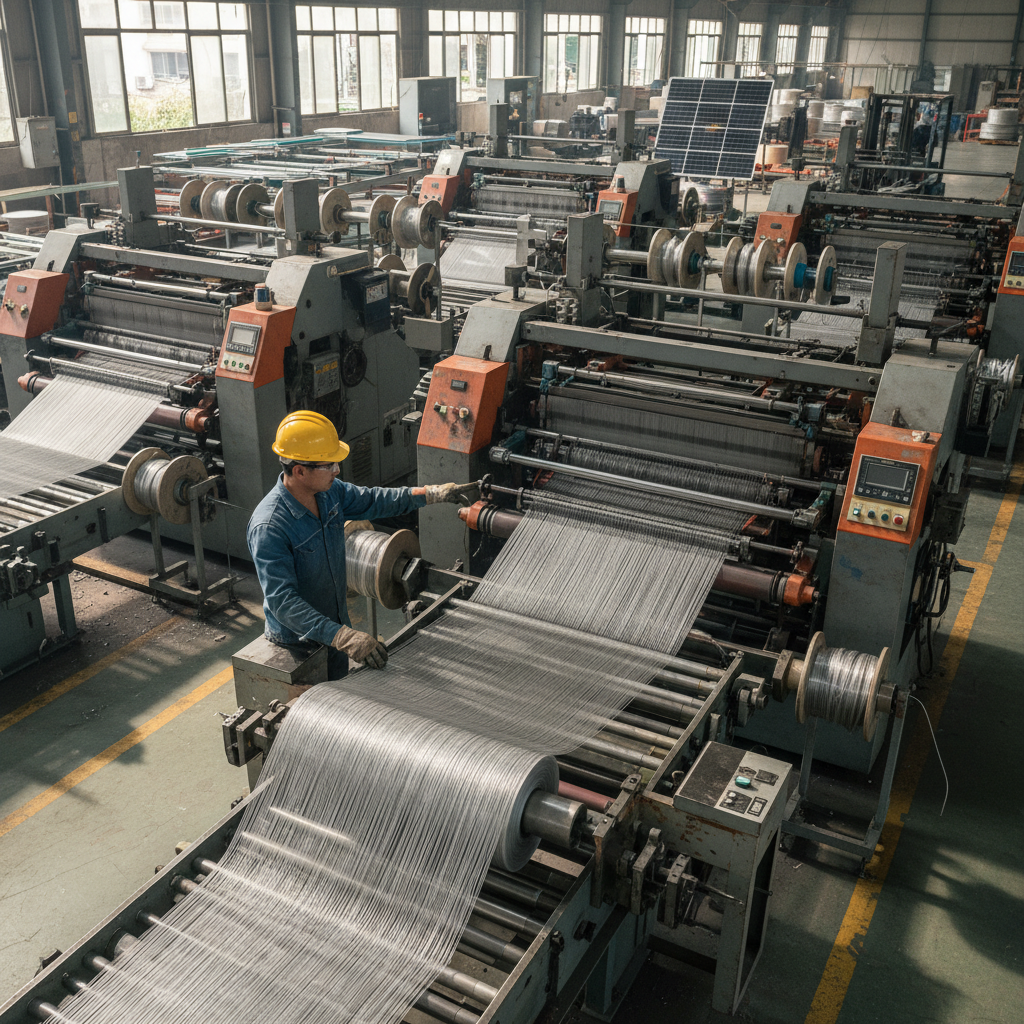
Immediately after slitting, the sheet is simultaneously stretched and expanded. The slitted areas are pulled apart, forming the characteristic diamond-shaped openings. This process maintains a strong, continuous bond (referred to as the "ligament") at each juncture, ensuring high structural integrity. The degree of expansion determines the mesh size (Short Way of Design - SWD and Long Way of Design - LWD) and the open area percentage.
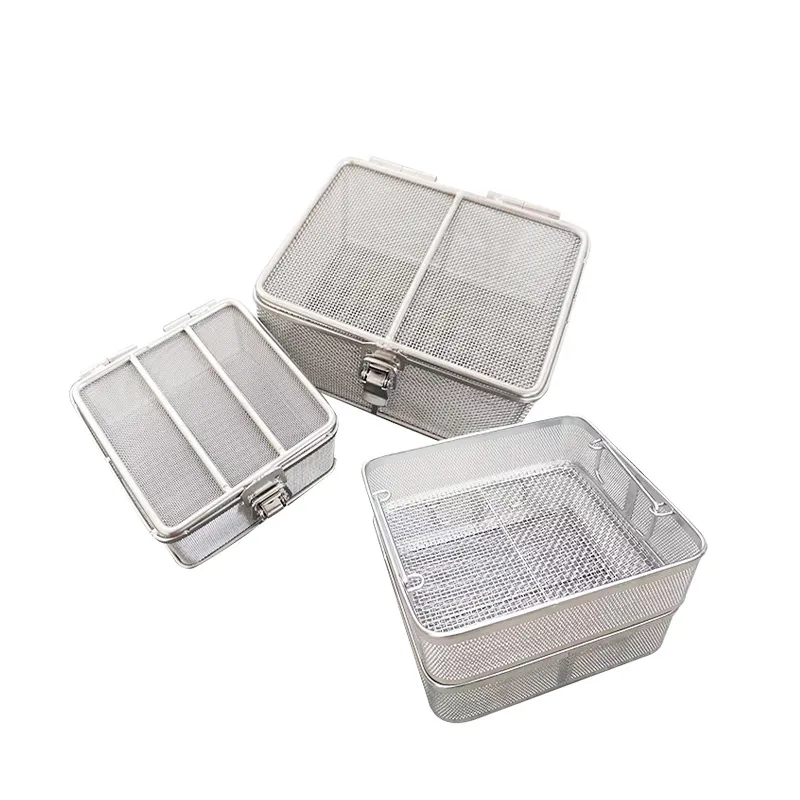
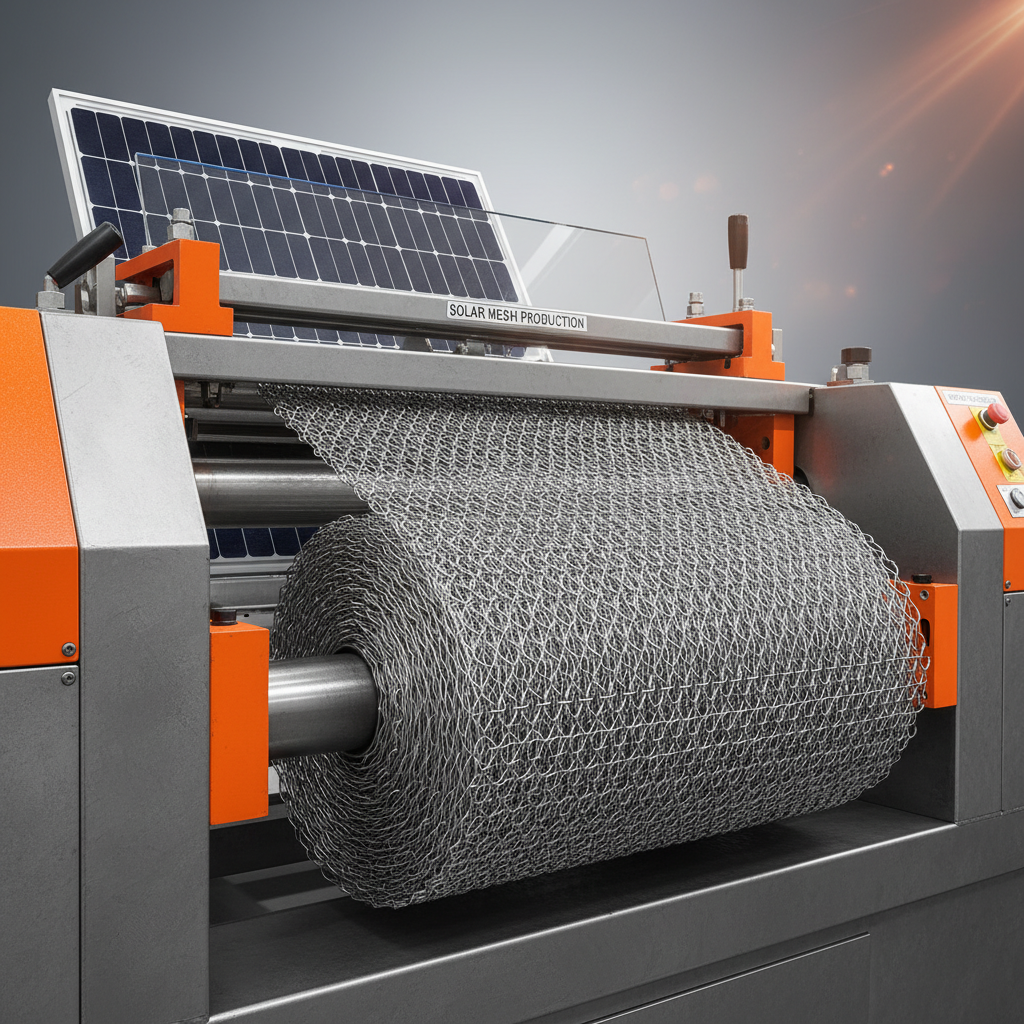
Figure 3: Precision expanding process for consistent mesh formation.
- Flattening (for Flattened Expanded Metal):
If a smooth, flat surface is required, the expanded metal can be cold-rolled through heavy-duty rollers. This process reduces the strand thickness and creates a flat, uniform surface, resulting in stainless steel flattened expanded metal. This variant is ideal for applications requiring a less aggressive surface profile, such as walkways or decorative panels, while maintaining excellent strength.
- Shearing and Finishing:
The expanded sheet is then cut to specific dimensions. Further finishing operations may include degreasing, annealing, passivation (to enhance corrosion resistance by restoring the passive layer), powder coating (e.g., to create a decorative black metal mesh finish), or polishing, depending on the end-use requirements.
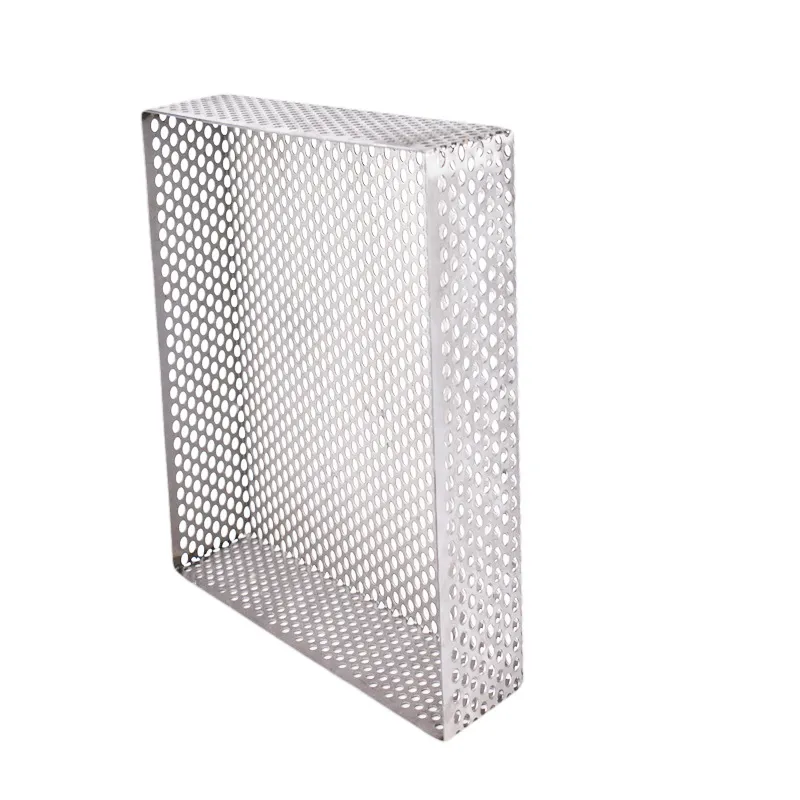
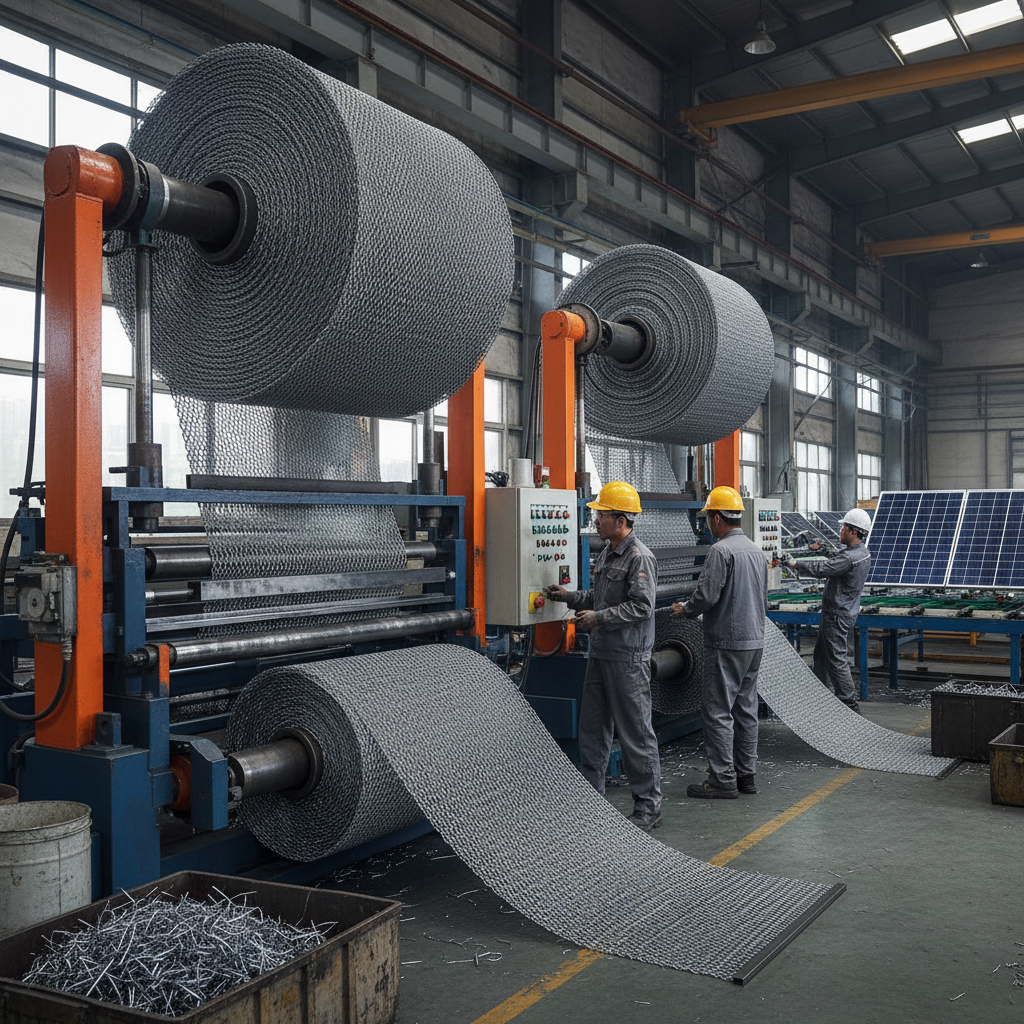
Figure 4: Automated shearing of expanded metal sheets to precise specifications.
- Quality Control and Testing:
Throughout the process, stringent quality checks are performed. This includes visual inspection for defects, dimensional accuracy measurements (SWD, LWD, strand width, and thickness), and mechanical property testing (tensile strength, yield strength) as per standards like ISO 9001 and ASTM F1267 (Standard Specification for Metal, Expanded, Steel). Material traceability is maintained from raw coil to finished product.
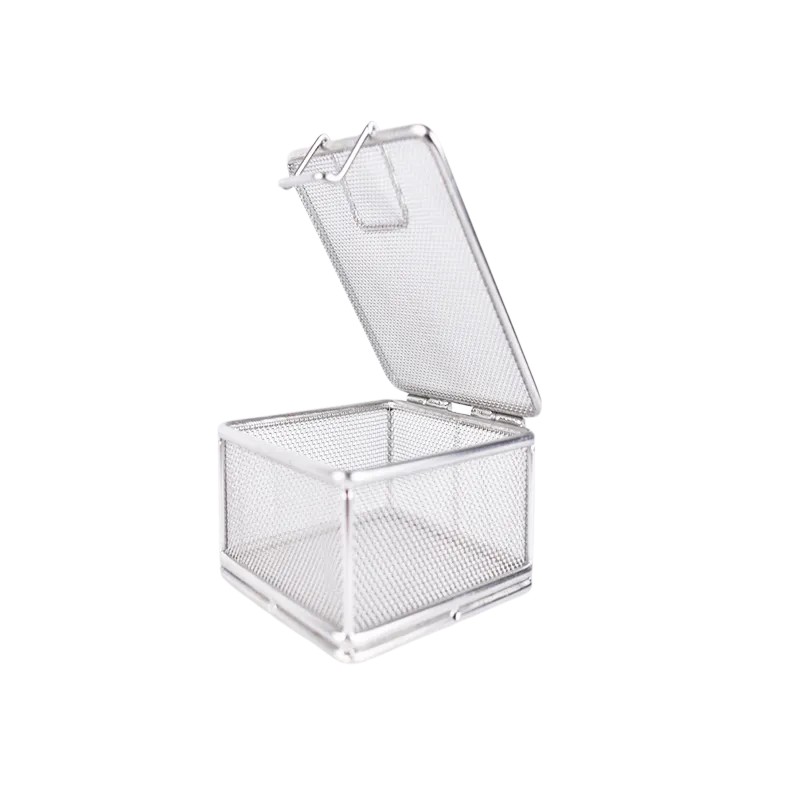
Figure 5: Quality assurance and final inspection of finished stainless steel expanded sheets.
Technical Specifications and Parameters
Understanding the technical specifications of stainless steel expanded sheet is crucial for proper material selection and application design. Key parameters include:
- SWD (Short Way of Design): Distance from the center of the bond to the center of the bond across the short dimension of the diamond.
- LWD (Long Way of Design): Distance from the center of the bond to the center of the bond across the long dimension of the diamond.
- Strand Width: The amount of metal fed through the expander, which determines the width of the individual strands.
- Strand Thickness: The gauge of the original sheet metal.
- Overall Thickness: The measurement from the top surface to the bottom surface of the expanded sheet.
- Open Area Percentage: The ratio of the open space to the total area, critical for filtration and ventilation applications.
Typical Product Specification Table: Stainless Steel Expanded Sheet
| Parameter | Metric Range | Imperial Range | Typical Application |
|---|---|---|---|
| Material Grade | AISI 304, 316, 316L | AISI 304, 316, 316L | Corrosion resistance, strength |
| SWD (Short Way of Design) | 3 mm - 76 mm | 0.125 in - 3.0 in | Mesh opening size |
| LWD (Long Way of Design) | 6 mm - 200 mm | 0.25 in - 8.0 in | Mesh opening size |
| Strand Width | 0.5 mm - 10 mm | 0.020 in - 0.394 in | Strength and rigidity |
| Overall Thickness | 0.5 mm - 8 mm | 0.020 in - 0.315 in | Structural depth |
| Sheet Dimensions | Up to 2000 mm x 6000 mm | Up to 6 ft x 20 ft | Panel size |
| Open Area | 20% - 90% | 20% - 90% | Flow rate, visibility |
These parameters are critical in specifying the exact type of stainless steel expanded sheet required for any given project, ensuring optimal performance and cost-effectiveness.
Application Scenarios and Target Industries
The inherent versatility and robust characteristics of stainless steel expanded sheet make it suitable for a vast array of applications across numerous industries. Its properties are particularly beneficial in environments demanding high strength, corrosion resistance, and excellent flow-through capabilities.
- Petrochemical Industry: Used in distillation columns, catalyst supports, safety guards for machinery, and walkways. The corrosion resistance of AISI 316L expanded metal is crucial in aggressive chemical environments, contributing to enhanced operational safety and extended service life.
- Metallurgy: Employed in furnace linings, sieving, and grading of raw materials. Its heat resistance and structural stability are key advantages.
- Water Supply & Drainage: Critical for filtration systems, screen supports, and anti-clogging barriers in water treatment plants and municipal drainage systems. The open area allows for efficient fluid passage while preventing solid debris.
- Architectural & Construction: Utilized for facades, sunscreens, ceiling panels, balustrades, and protective grilles. Decorative black metal mesh is increasingly chosen for its modern aesthetic and light diffusion properties in contemporary designs.
- Security & Fencing: Provides robust and anti-climb security barriers for industrial facilities, prisons, and infrastructure projects, offering enhanced visual deterrents and physical protection.
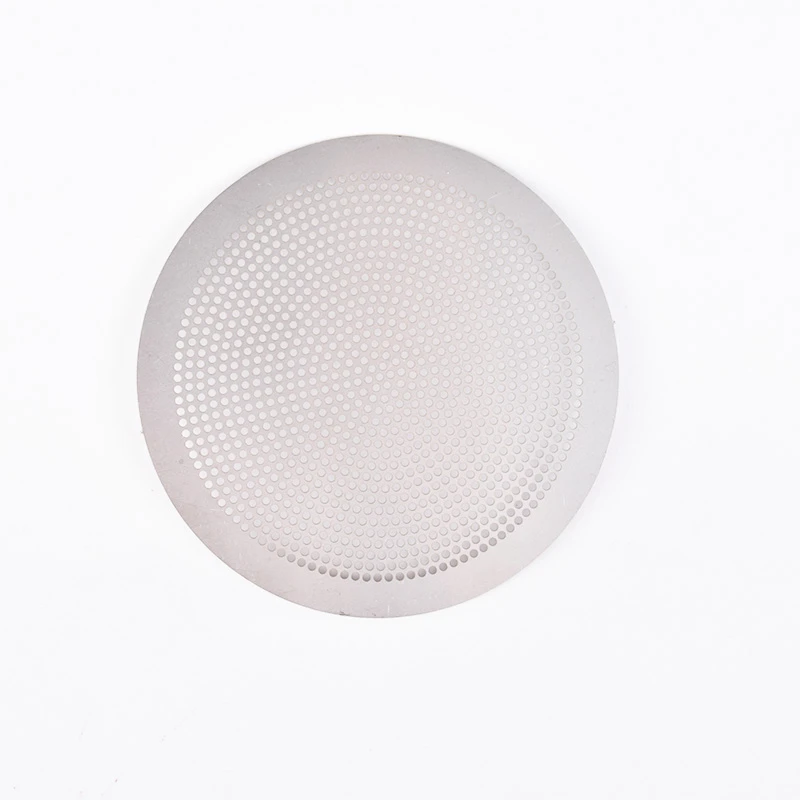
- Filtration and Separation: Core component for filter baskets, strainers, and support grids for various media. The rigid, non-raveling structure provides reliable support and precise particle retention.
- Transportation: Used in truck and trailer flooring, safety grilles, and anti-slip surfaces due to its durable and slip-resistant properties.
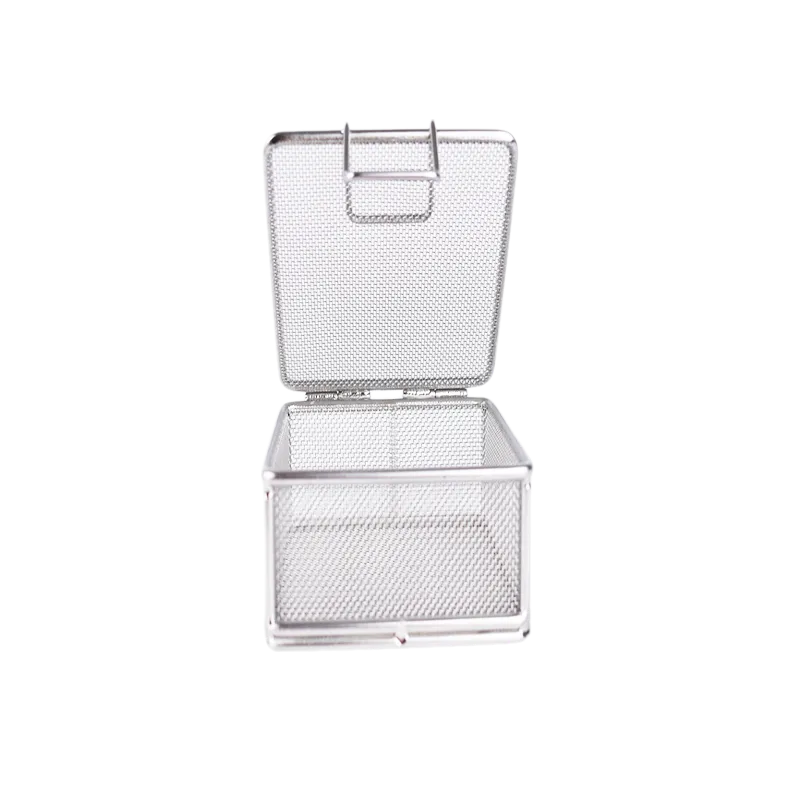
Figure 6: Stainless steel expanded sheet utilized in modern architectural cladding.
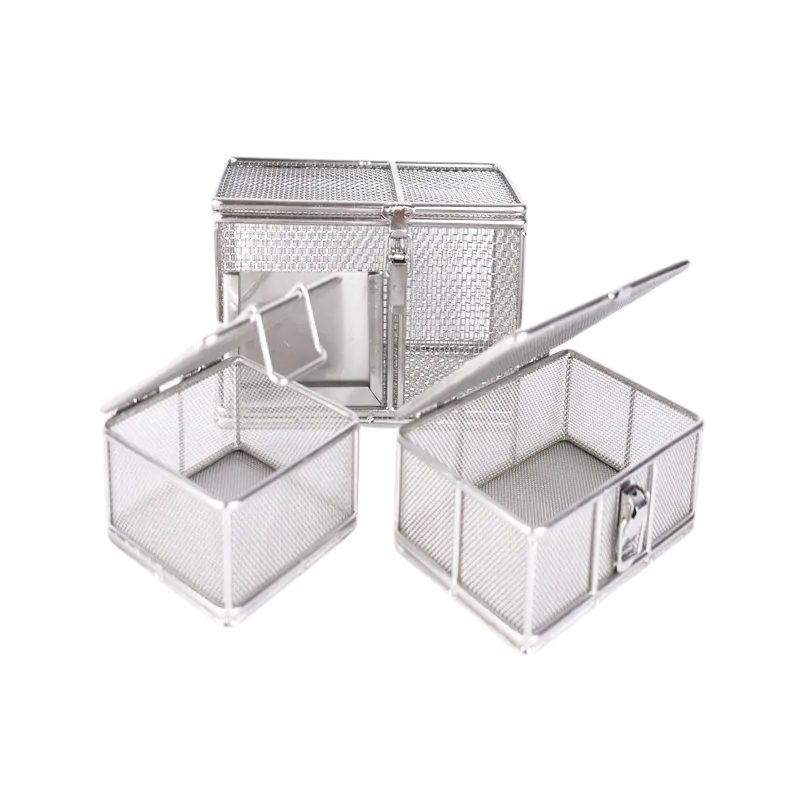
Figure 7: Stainless steel expanded sheet as a component in filtration systems.
Technical Advantages and Performance Metrics
The distinct manufacturing process of stainless steel expanded sheet confers several significant advantages over other mesh or perforated materials, making it a superior choice for demanding industrial and architectural applications.
- Exceptional Strength-to-Weight Ratio: By orienting the metal strands in a continuous pattern, expanded metal maximizes structural integrity while minimizing material usage, leading to lighter yet incredibly robust products.
- Superior Corrosion Resistance: As it is made from stainless steel (e.g., AISI 304, 316), it offers inherent resistance to rust, oxidation, and various chemical agents. This extends the service life, especially in harsh environments, reducing maintenance and replacement costs. This is a critical advantage in industries like petrochemical and marine.
- Energy Saving Properties: In architectural facades, expanded metal can be engineered to act as an effective solar shading device. This reduces heat gain in buildings, significantly lowering air conditioning costs and contributing to energy efficiency. Its open structure also allows for natural ventilation.
- Cost-Effectiveness: The material is produced without loss of metal from the original sheet, which optimizes material utilization and reduces production costs compared to perforated sheets or woven mesh. This translates to a more economical solution for B2B clients.
- Versatility in Form: Available in both standard (raised) and flattened forms. Stainless steel flattened expanded metal provides a smooth, non-abrasive surface ideal for walkways and decorative applications, while retaining high strength.
- Enhanced Security: The non-slip surface of standard expanded metal and its integral design (no welds or weaves to break) make it ideal for secure fencing and anti-climb barriers.
- Aesthetic Appeal: Especially when finished as decorative black metal mesh, it offers a sophisticated, modern look for architectural and interior design elements, allowing for creative light and shadow play.
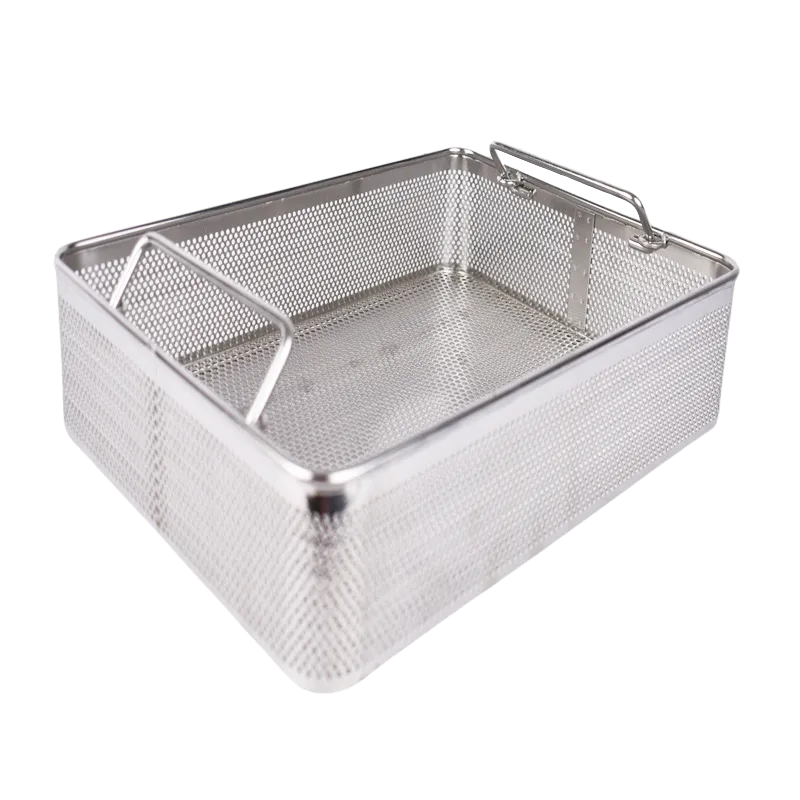
Figure 8: Durability and structural integrity of stainless steel expanded sheet in an industrial walkway.
Vendor Comparison: Selecting the Right Partner
Choosing the right supplier for stainless steel expanded sheet is paramount to project success. While many vendors offer similar products, key differentiators often lie in material quality, manufacturing precision, customization capabilities, and post-sales support.
Key Comparison Factors:
- Certifications: Verify adherence to international standards like ISO 9001, ASTM F1267, and relevant material certifications (e.g., mill test reports for stainless steel grades).
- Manufacturing Capabilities: Assess the range of mesh patterns, strand configurations, sheet sizes, and flattening capabilities. Suppliers with advanced machinery can offer more precise and diverse products.
- Customization Options: Evaluate the ability to provide bespoke solutions, including custom patterns, finishes (e.g., decorative black metal mesh), and fabrication services.
- Quality Control: Inquire about their QC processes, including dimensional checks, material testing, and traceability protocols.
- Lead Times & Logistics: Understand typical lead times, production capacity, and shipping options, especially for large orders or urgent requirements.
- Technical Support: A reliable vendor offers expert guidance on material selection, design optimization, and installation.
Comparative Analysis of Expanded Metal Types:
| Feature | Standard (Raised) Expanded Metal | Flattened Expanded Metal | Perforated Metal |
|---|---|---|---|
| Surface Profile | Raised, textured | Smooth, flat | Smooth, flat |
| Manufacturing Process | Slit and stretched | Slit, stretched, then cold-rolled | Punched/stamped |
| Material Waste | Minimal to none | Minimal to none | Significant (punch slugs) |
| Strength-to-Weight Ratio | Excellent | Very Good | Good (can be weaker due to punching) |
| Cost Efficiency | High | High | Moderate (due to material waste) |
| Key Advantage | Anti-slip, maximum strength, flow | Smooth surface, structural integrity | Uniform hole pattern, fine filtration |
Customized Solutions for Specialized Needs
Beyond standard offerings, the true value of a professional supplier lies in their ability to deliver customized stainless steel expanded sheet solutions. This ensures optimal fit and performance for unique project requirements.
- Tailored Mesh Configurations: Custom SWD, LWD, strand width, and overall thickness to meet specific flow rates, load-bearing capacities, or aesthetic visions.
- Specialized Alloys: Utilizing specific stainless steel grades (e.g., Duplex stainless steels for enhanced corrosion and stress cracking resistance) for extreme operating conditions.
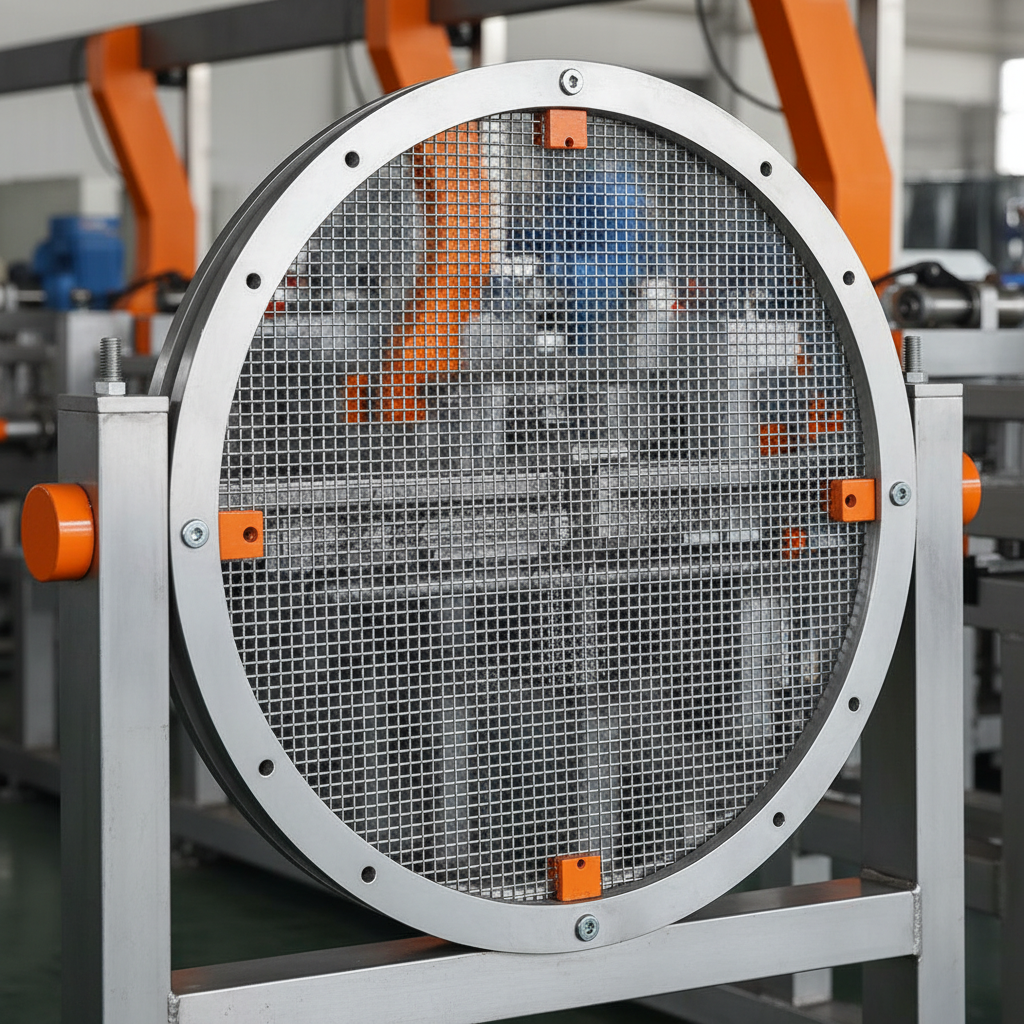
- Precision Fabrication: Capabilities include cutting, welding, bending, and forming expanded metal into complex shapes, such as filter baskets, guards, or architectural elements.
- Custom Finishes: Application of advanced coatings for enhanced protection or aesthetic requirements, including powder coating to achieve a decorative black metal mesh look, electro-polishing, or passivation.
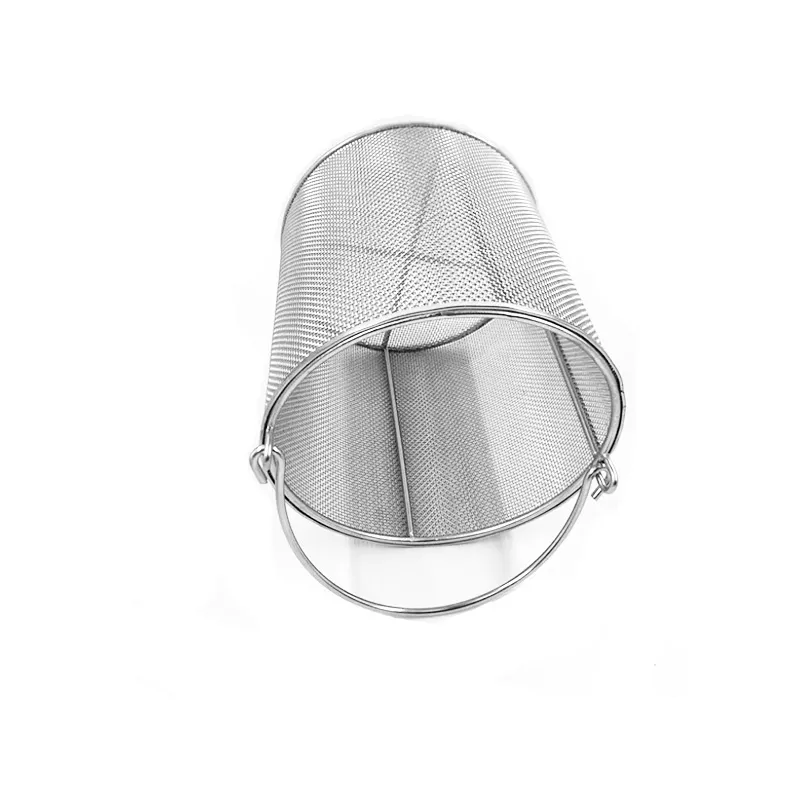
Figure 9: Customized filter basket fabricated from stainless steel expanded sheet.
Application Case Studies
Real-world applications highlight the practical benefits and adaptability of stainless steel expanded sheet.
Case Study 1: Enhanced Filtration in Chemical Processing
Client: PetroChem Solutions Inc.
Challenge: PetroChem Solutions required a robust and corrosion-resistant filter media support for a new reactor in their sulfuric acid processing unit. The previous ceramic supports were prone to fracture, leading to costly downtime and product contamination.
Solution: We provided custom-fabricated filter baskets made from AISI 316L stainless steel expanded sheet, featuring a precise SWD of 10mm and a flattened profile. The 316L grade ensured exceptional resistance to highly corrosive environments, while the expanded metal's integral structure provided superior mechanical strength compared to traditional mesh.
Outcome: The new expanded metal filter baskets demonstrated a 40% increase in operational lifespan, reduced maintenance intervals by 30%, and significantly improved filtration efficiency, resulting in an estimated 15% reduction in annual operational costs. Client feedback highlighted the material's "unparalleled durability and chemical resistance."
Case Study 2: Architectural Facade for Urban Development
Client: UrbanBuild Architects
Challenge: UrbanBuild Architects sought a durable, aesthetically pleasing, and energy-efficient material for the facade of a new commercial building in a bustling city center. They required a material that could offer solar shading while allowing natural light penetration and visual transparency.
Solution: We collaborated with UrbanBuild to design and supply large panels of stainless steel flattened expanded metal, custom-finished with a decorative black metal mesh powder coating. The specific mesh pattern (LWD 50mm, SWD 25mm) was chosen for optimal light diffusion and ventilation. The black finish provided a modern, sophisticated aesthetic that complemented the building's design.
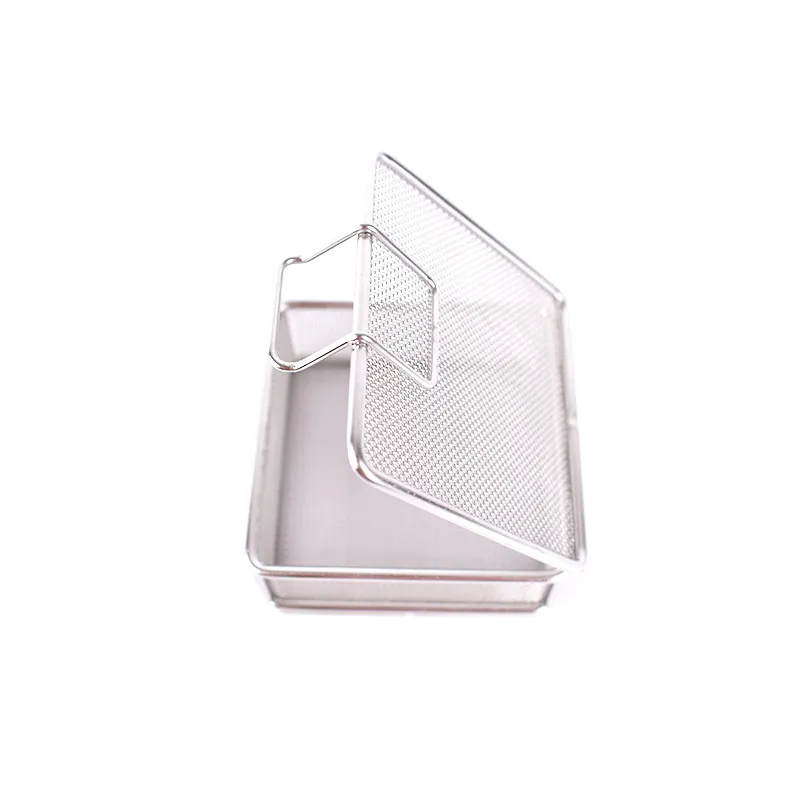
Figure 10: Architectural application of decorative black metal mesh.
Outcome: The facade successfully reduced solar heat gain by 25%, leading to significant energy savings for cooling. The decorative black metal mesh received widespread acclaim for its elegant appearance, enhancing the building's curb appeal. The project demonstrated the material's dual benefits of performance and aesthetic versatility.
Trustworthiness: FAQ, Lead Time, Warranty, and Support
Building long-term partnerships in the B2B sector relies on transparency and unwavering support. We are committed to providing clear information and reliable service for all our stainless steel expanded sheet products.
Frequently Asked Questions (FAQ):
- Q: What is the difference between standard and flattened expanded metal?
- A: Standard (raised) expanded metal has a textured, three-dimensional surface due to its angled strands. Flattened expanded metal is produced by cold-rolling standard expanded metal, resulting in a smooth, flat surface with reduced overall thickness. Flattened is often preferred for walkways or decorative applications where a smooth finish is desired, while standard offers superior anti-slip properties.
- Q: Can expanded metal be welded or fabricated?
- A: Yes, stainless steel expanded sheet can be readily cut, welded, formed, and bent using standard metalworking techniques. Its integral construction means there are no welds to break within the mesh pattern itself, making fabrication straightforward.
- Q: How do I choose the correct stainless steel grade?
- A: The choice depends on the application's environment. AISI 304 is suitable for general industrial, architectural, and food processing applications. AISI 316 or 316L is recommended for marine environments, chemical processing, and other highly corrosive conditions due to its added molybdenum content. Our technical team can assist in selecting the optimal grade.
Lead Time & Fulfillment:
Our standard lead time for stock stainless steel expanded sheet products is typically 1-2 weeks. For custom orders, including specialized mesh patterns or finishes like decorative black metal mesh, lead times range from 3-5 weeks, depending on complexity and order volume. We maintain robust inventory levels and efficient production lines to minimize delays and ensure timely delivery for our B2B partners globally.
Warranty Commitments:
All our stainless steel expanded sheet products are backed by a comprehensive 2-year warranty against manufacturing defects and material failures under normal operating conditions. This commitment reflects our confidence in the quality and durability of our products, manufactured to ISO 9001 standards.
Customer Support Information:
Our dedicated technical support team is available to assist with product selection, technical specifications, custom quotations, and after-sales inquiries. We provide expert consultation to ensure you receive the most suitable stainless steel expanded sheet solution for your project. Reach us via:
- Email: sales@example.com (placeholder)
- Phone: +1 (XXX) XXX-XXXX (placeholder)
- Website: Live chat available during business hours.
Figure 11: Our dedicated customer support team is ready to assist.
References
- ASTM International. "ASTM F1267-15, Standard Specification for Metal, Expanded, Steel." ASTM Standards.
- International Organization for Standardization. "ISO 9001:2015 Quality management systems — Requirements." ISO Standards.
- "Stainless Steel Handbook: Properties, Selection, Applications" by ASIA Stainless Steel Institute.
- European Expanded Metal Association (EXPAMET). "Technical Guidelines for Expanded Metal."
- "Metal Finishing Guidebook and Directory" by Metal Finishing Magazine.