Premium SS 316 Mesh & Wire Mesh - Corrosion Resistant Solutions
Understanding SS 316 Mesh: Industry Trends and Criticality
In the realm of advanced industrial materials, ss 316 mesh stands out as a material of paramount importance, driving innovation across various sectors. Its exceptional properties, primarily centered around superior corrosion resistance and durability, make it an indispensable component in environments where reliability is non-negotiable. Current industry trends indicate a growing demand for high-performance materials capable of withstanding aggressive chemical exposures, extreme temperatures, and mechanical stresses. This surge is particularly evident in sectors such as petrochemical, pharmaceutical, marine engineering, and food processing, all of which prioritize operational longevity and minimal maintenance. The inherent metallurgical composition of ss 316 mesh, containing molybdenum, significantly enhances its resistance to pitting and crevice corrosion in chloride-rich environments, setting it apart from other stainless steel grades. This characteristic is critical for applications involving seawater, brine, or highly corrosive industrial chemicals. Furthermore, global sustainability initiatives and stricter environmental regulations are compelling industries to invest in materials that offer longer lifespans and reduced waste, aligning perfectly with the attributes of ss 316 mesh. Its ability to maintain structural integrity and filtration efficiency over extended periods contributes directly to reduced operational costs, decreased downtime, and improved process safety. As a result, engineers and procurement specialists are increasingly specifying ss 316 mesh for new installations and crucial upgrade projects, recognizing its long-term value proposition and the competitive advantage it provides in demanding operational landscapes. This trend underscores a broader industry shift towards materials science excellence, where the initial investment in premium materials like ss 316 mesh is justified by significant lifecycle cost savings and enhanced performance metrics.
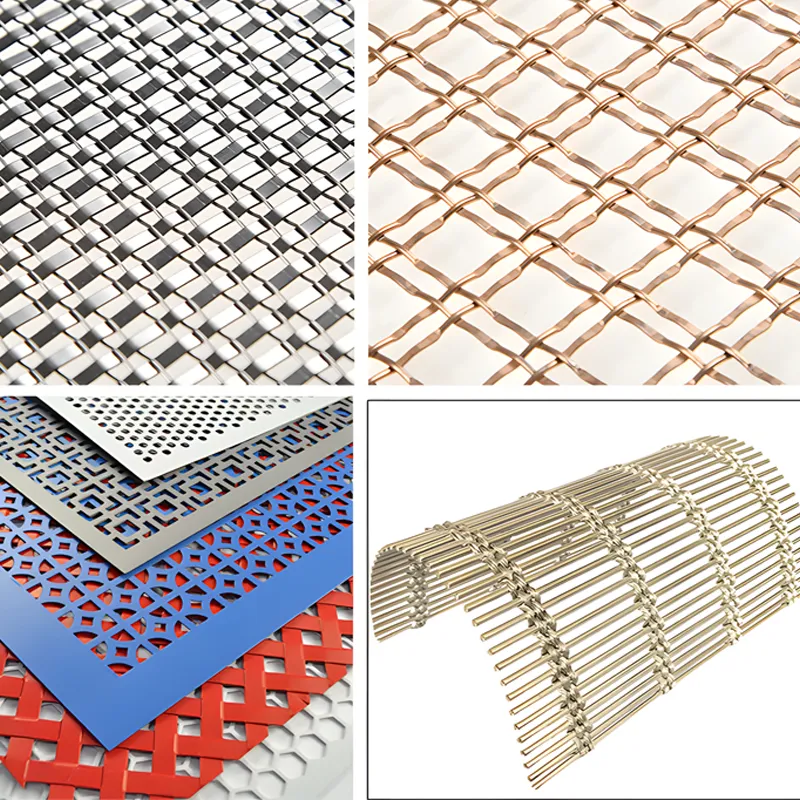
The increasing complexity of industrial processes and the need for enhanced safety measures have further propelled the adoption of advanced materials like ss 316 mesh. In the context of filtration, screening, and separation technologies, the precision and reliability offered by ss 316 mesh are unparalleled. Its consistent pore size and robust weave patterns ensure optimal separation efficiency, which is crucial for product purity and process optimization in industries ranging from chemical synthesis to water treatment. Beyond its functional superiority, the market for ss 316 mesh is also influenced by advancements in manufacturing techniques that allow for greater customization in weave types, wire diameters, and opening sizes. This adaptability enables manufacturers to tailor solutions precisely to specific application requirements, whether it's for fine particulate filtration, structural support, or decorative architectural elements. The growth in specialized industries, such as clean energy and advanced manufacturing, also contributes significantly to the demand for materials like ss 316 wire mesh, which can perform reliably under harsh and dynamic conditions. Furthermore, the global supply chain for stainless steel products is becoming more sophisticated, with emphasis on traceability, material certification, and adherence to international standards like ISO 9001 and ASTM. These standards provide a framework for quality assurance, ensuring that the ss 316 mesh delivered meets stringent performance criteria. The ongoing research and development into new surface treatments and coatings for stainless steel also promise to further enhance the capabilities of ss 316 mesh, expanding its application scope even further. This forward-looking approach ensures that ss 316 mesh will continue to be a cornerstone material in critical industrial and commercial applications for the foreseeable future.
Technical Specifications and Performance Parameters
The performance of ss 316 mesh is defined by a rigorous set of technical specifications and material parameters that dictate its suitability for diverse applications. AISI 316 stainless steel is an austenitic chromium-nickel stainless steel with added molybdenum, which significantly improves its corrosion resistance, particularly against pitting and crevice corrosion in chloride environments. Key mechanical properties include a minimum tensile strength of 515 MPa (75 ksi), a yield strength (0.2% offset) of 205 MPa (30 ksi), and an elongation of 40%. These properties ensure the mesh can withstand significant operational stresses without permanent deformation or failure. In terms of heat resistance, ss 316 mesh exhibits excellent oxidation resistance in intermittent service up to 870°C (1600°F) and in continuous service up to 925°C (1700°F), making it suitable for high-temperature filtration and support structures. Furthermore, the density of 316 stainless steel is approximately 8.0 g/cm³, contributing to its structural integrity. Chemical composition is strictly controlled, typically comprising 16.0-18.0% Chromium, 10.0-14.0% Nickel, 2.0-3.0% Molybdenum, along with lesser amounts of Carbon, Manganese, Silicon, Phosphorus, and Sulfur. The precise control over these elements, particularly molybdenum, is what grants ss 316 mesh its superior resistance to chlorides and general corrosion. Engineers and material scientists meticulously analyze these parameters to ensure that the chosen ss 316 mesh product will perform optimally under specific environmental conditions and operational loads. Compliance with international standards such as ASTM A240 for stainless steel sheet, plate, and strip, and ASTM E2016 for industrial woven wire cloth, is essential for confirming material quality and performance characteristics.
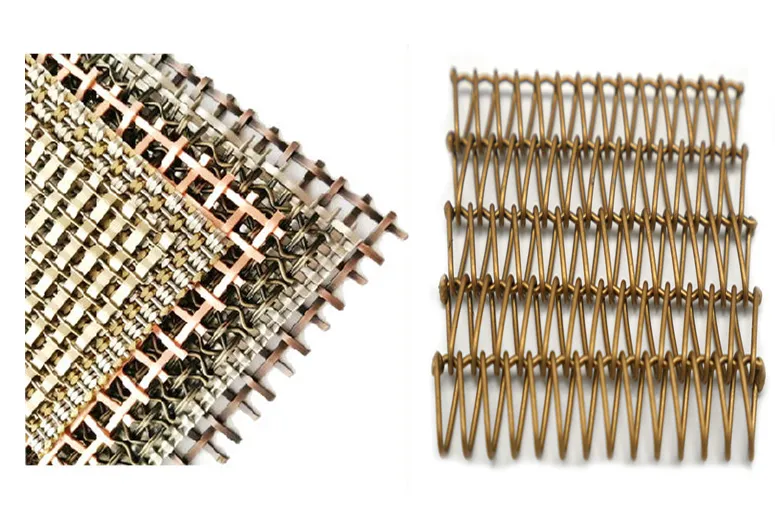
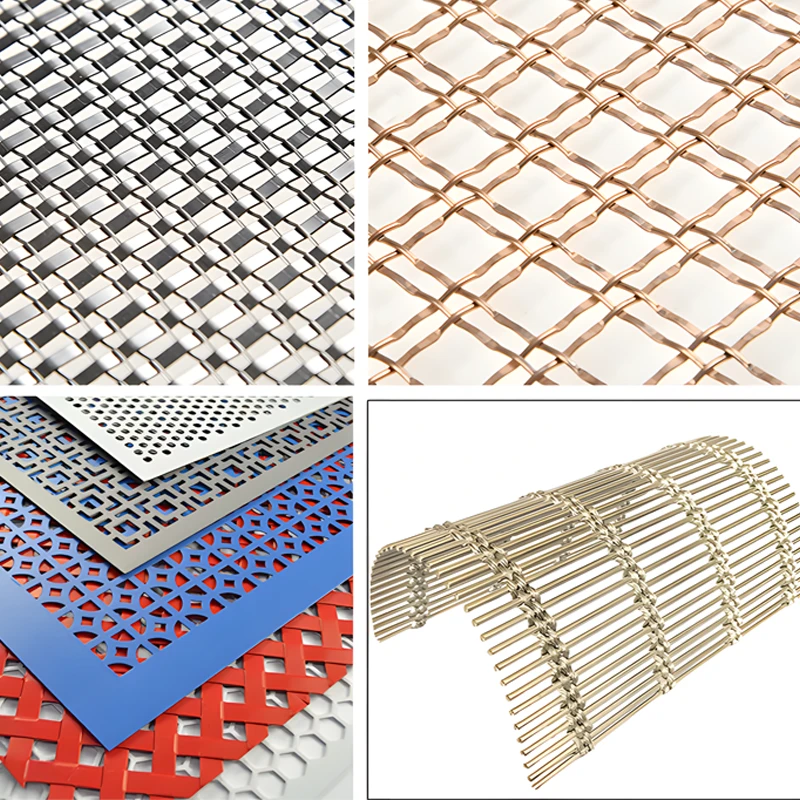
When specifying ss 316 mesh, several weave patterns are available, each offering distinct properties tailored to different filtration and structural needs. These include plain weave, twilled weave, Dutch weave (plain and twilled), and crimped weave. Plain weave offers good stability and uniformity, suitable for general filtration. Twilled weave, with its stronger structure, allows for larger wire diameters and finer mesh counts, ideal for heavy-duty filtration. Dutch weave provides superior filtration efficiency due to its dense, precise openings and is often used for pressure filtration. Crimped weave enhances stability and rigidity, particularly useful for larger opening sizes and structural applications. Mesh count, wire diameter, and open area are critical geometric parameters. Mesh count refers to the number of wires per linear inch, directly impacting filtration fineness. Wire diameter determines the strength and rigidity of the mesh, while open area, expressed as a percentage, indicates the proportion of open space within the mesh, influencing flow rate and filtration efficiency. For instance, a common 200 mesh (200 wires per inch) ss 316 mesh woven with 0.05mm wire diameter would typically have an open area around 36%, offering precise filtration. Understanding the interplay between these parameters is crucial for selecting the correct ss 316 mesh product for optimal performance, balancing flow, strength, and filtration accuracy. Reputable manufacturers provide detailed technical data sheets and expert consultation to assist clients in making informed decisions based on their specific application demands and regulatory compliance requirements.
Typical SS 316 Mesh Parameters
| Parameter | Typical Range/Value | Significance for SS 316 Mesh |
|---|---|---|
| Mesh Count | 2 to 635 wires/inch (0.8 to 250 wires/cm) | Determines filtration fineness; higher count means smaller openings. |
| Wire Diameter | 0.02mm to 4.0mm | Affects strength, rigidity, and open area. |
| Open Area | 10% to 75% | Influences flow rate, pressure drop, and filtration efficiency. |
| Tensile Strength | 515 MPa (75 ksi) minimum | Resistance to pulling apart under tension. |
| Corrosion Resistance | Excellent in chloride environments; superior to 304 SS. | Crucial for marine, chemical, and pharmaceutical applications. |
| Operating Temperature | Up to 925°C (1700°F) continuous | Suitability for high-temperature processes. |
| Standards Compliance | ASTM, ISO, ANSI, DIN | Ensures quality, consistency, and interoperability. |
The Manufacturing Process of SS 316 Mesh
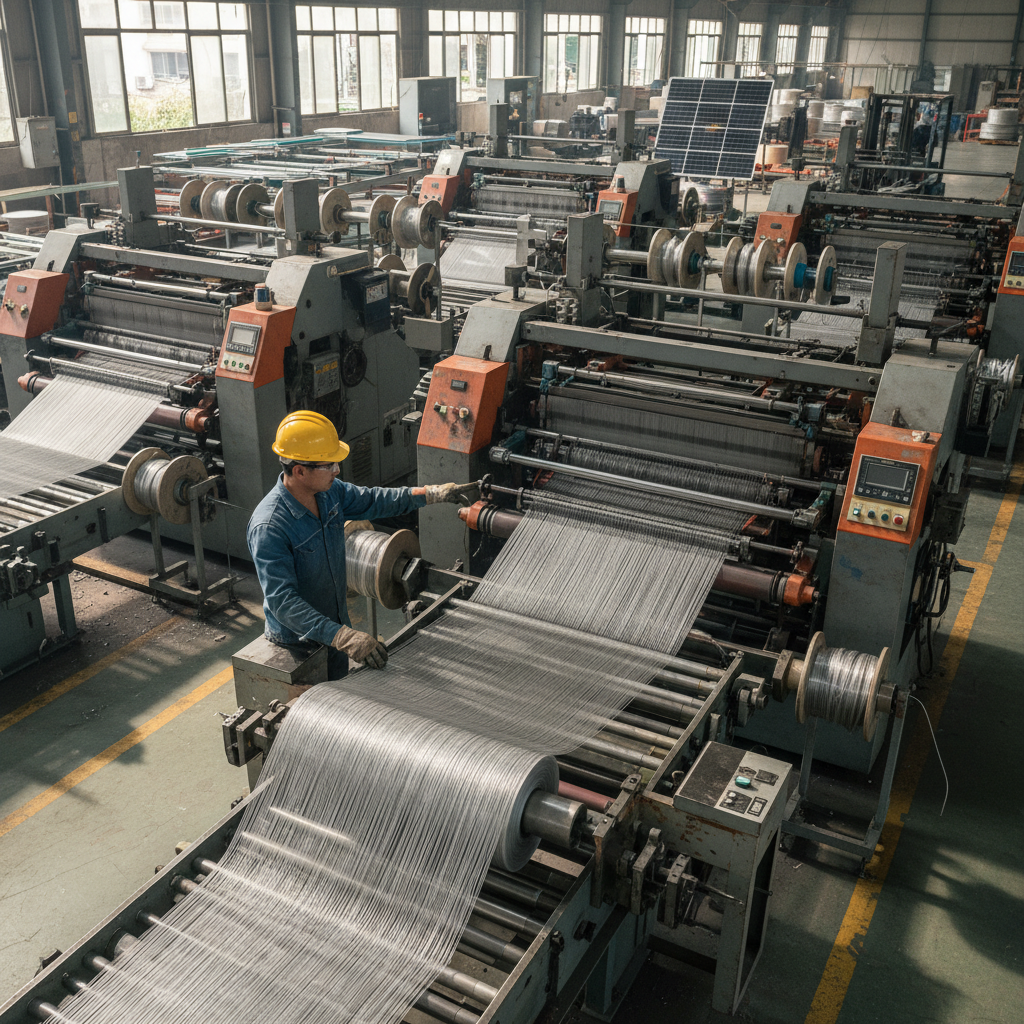
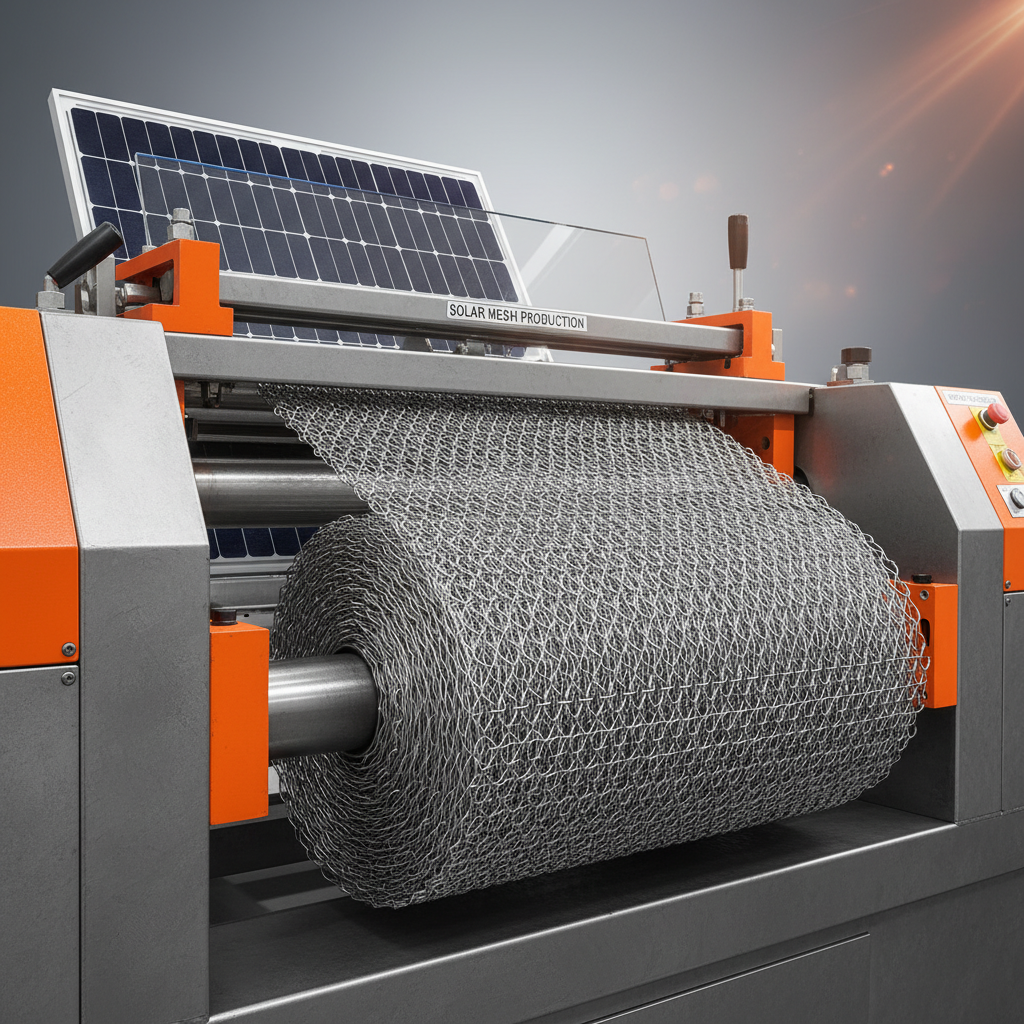
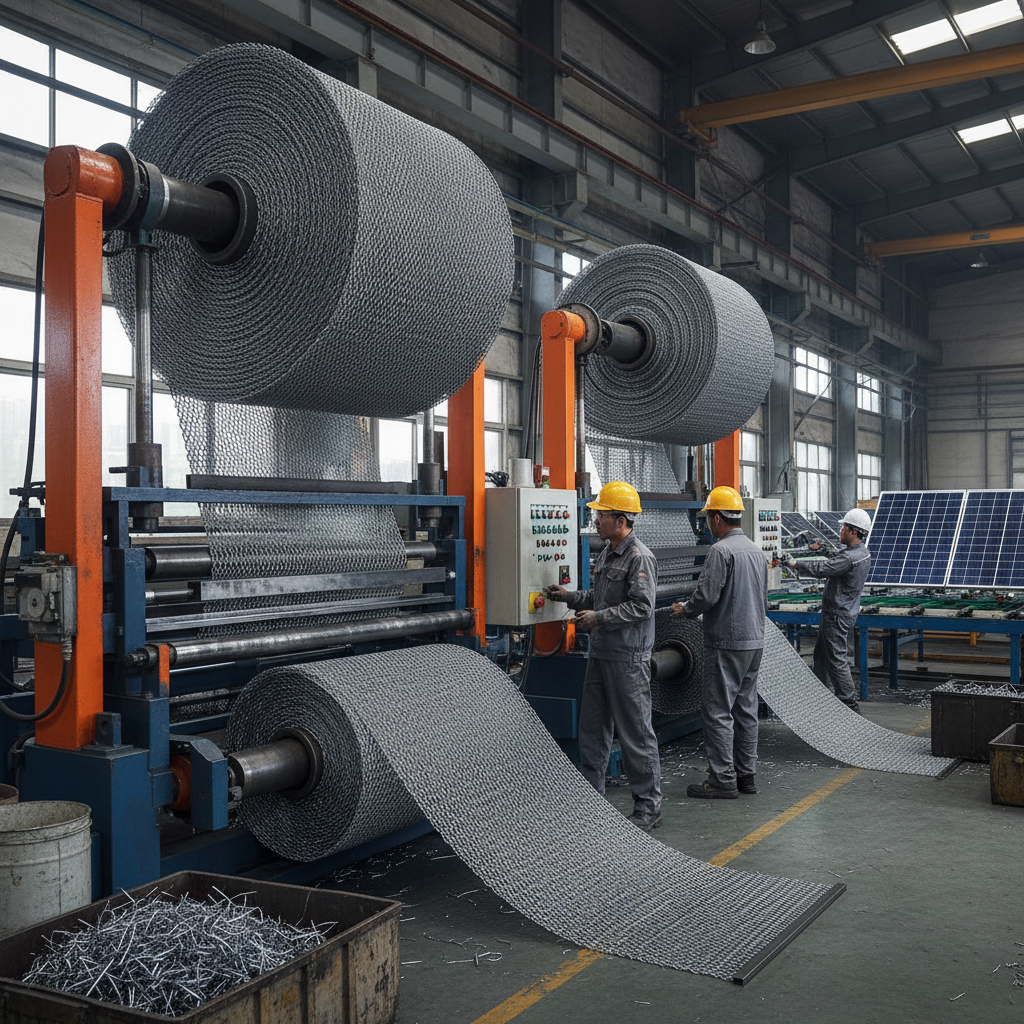
The production of high-quality ss 316 mesh is a precise and multi-stage process, beginning with the selection of premium-grade AISI 316 stainless steel wire. This wire is carefully chosen for its consistent diameter, surface finish, and adherence to the strict chemical composition requirements, ensuring the final mesh product possesses the characteristic corrosion resistance and mechanical strength of 316 steel. The primary manufacturing process for ss 316 wire mesh is weaving, performed on specialized looms that can handle fine wire and achieve precise mesh counts. Before weaving, the wires often undergo processes like annealing to improve ductility and allow for consistent weaving without breakage, and drawing to achieve the desired wire diameter. The weaving process itself can range from simple plain weaves, where warp and weft wires cross over and under each other alternately, to more complex twilled or Dutch weaves, which involve more intricate wire interlacings to achieve specific filtration characteristics or increased strength. Each weaving technique requires precise machine calibration and skilled operators to maintain uniform mesh openings and tension across the entire width of the mesh, which is critical for consistent filtration performance. After weaving, the mesh undergoes a series of finishing processes, including cleaning to remove any lubricants or residues from the weaving process, and sometimes annealing again to relieve internal stresses and enhance flatness. For certain applications, edges may be selvedged or welded to prevent fraying, especially for filter elements or screens that will be cut to size.
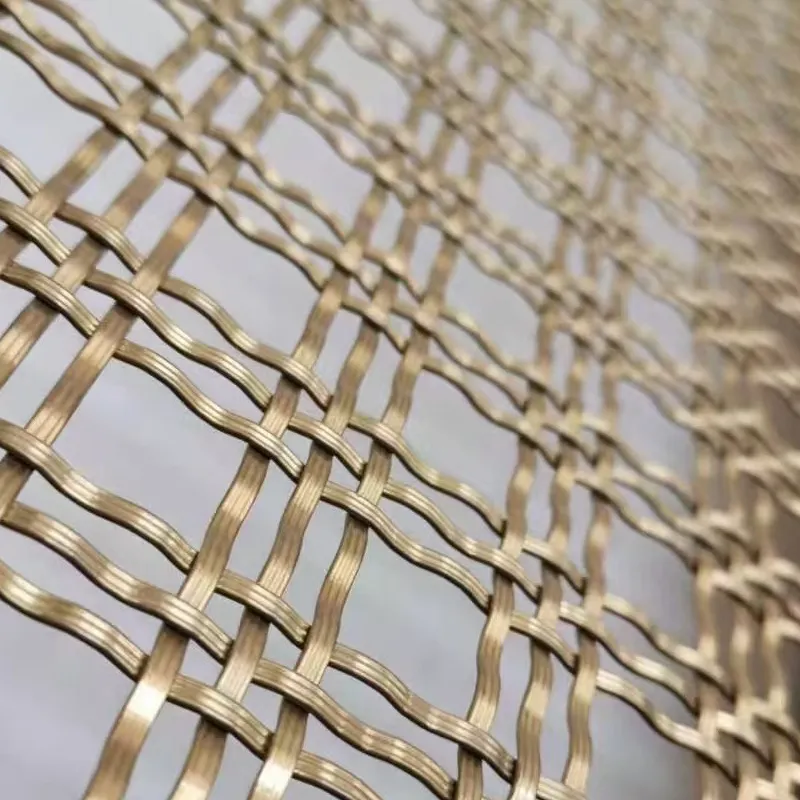
Quality control and inspection are integral at every stage of the ss 316 mesh manufacturing process. Raw material inspection verifies the chemical composition and mechanical properties of the incoming 316 stainless steel wire through spectrographic analysis and tensile testing. During weaving, continuous monitoring of mesh count, wire spacing, and weave consistency is performed using optical instruments and precise measuring devices. Post-processing, the finished ss 316 mesh rolls or sheets are subjected to comprehensive final inspections. This includes visual inspection for defects, dimensional checks for width and length, and precise measurement of mesh openings using calibrated microscopes or digital imaging systems to ensure compliance with specified micron ratings. Furthermore, performance tests, such as bubble point tests for filter mesh to determine the largest pore size, or permeability tests to measure flow rates, may be conducted. Adherence to international standards like ISO 9001 for quality management systems and ASTM E2016 for industrial woven wire cloth is paramount. This rigorous quality assurance protocol ensures that every batch of ss 316 mesh meets or exceeds the specified technical parameters and application requirements. The typical lifespan of ss 316 mesh is significantly extended due to these meticulous manufacturing and quality control processes, often lasting decades even in harsh industrial environments, which contributes to substantial long-term cost savings for end-users in sectors such as petrochemical, metallurgy, and water treatment.
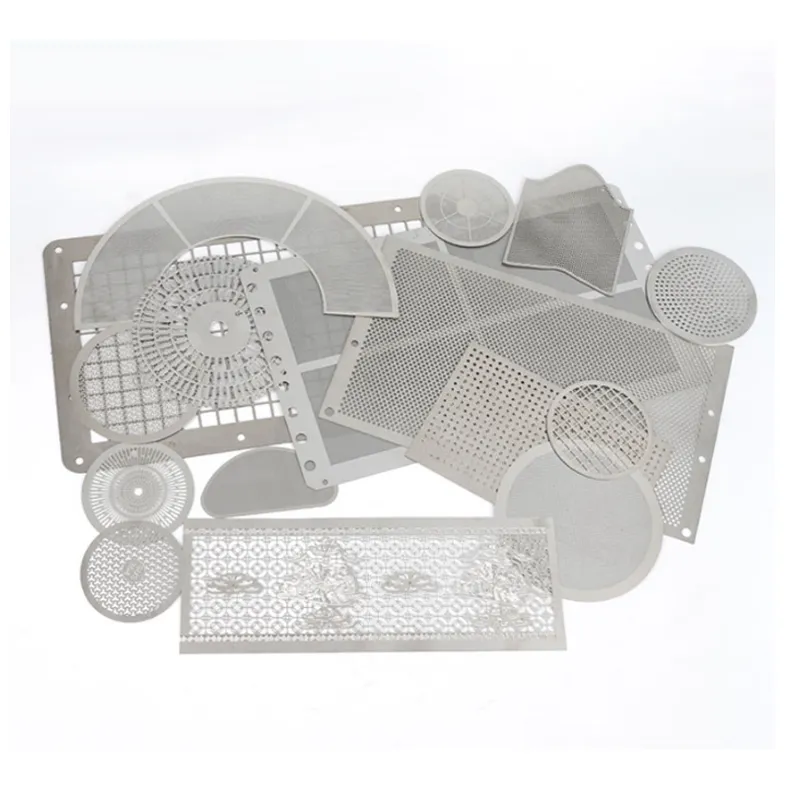
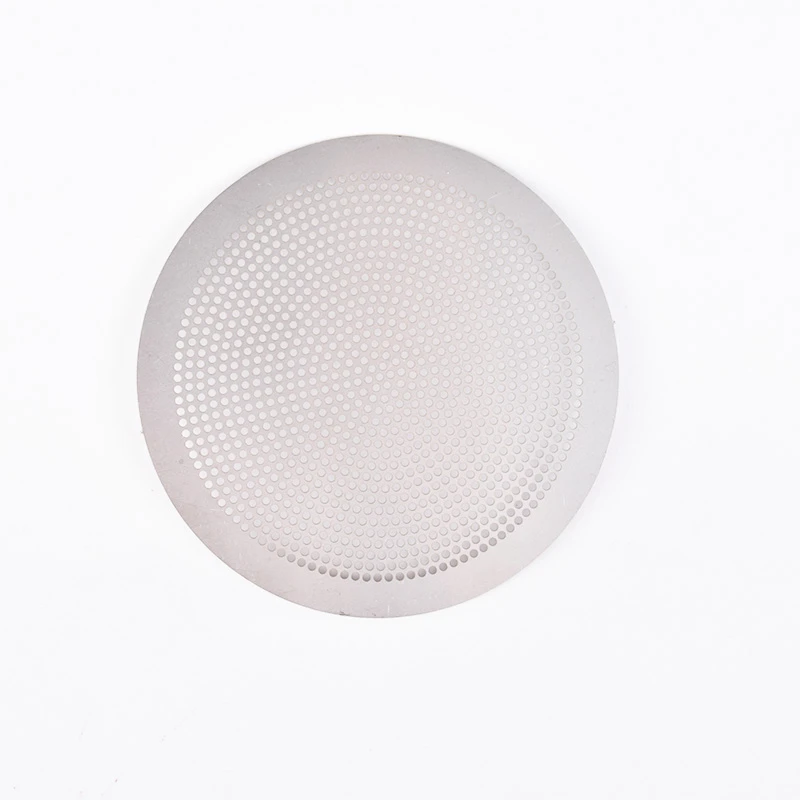
Beyond weaving, some specialized forms of ss 316 mesh, particularly those with larger openings or specific structural needs, might involve crimping or welding processes. Crimping involves creating corrugations in the wires before weaving, which locks them into place at intersections, providing enhanced rigidity and stability for heavy-duty screens or architectural panels. This is especially prevalent in applications where the ss steel mesh needs to withstand significant impact or support heavy loads, often seen in mining, aggregate, and security fencing. For certain constructions, such as expanded metal mesh or perforated metal mesh, the manufacturing process deviates significantly, involving slitting and stretching metal sheets or punching holes into them, respectively. However, for woven wire mesh, the core principle remains the intricate interlacing of individual wires. The final product, whether a fine filter cloth or a robust protective screen, exemplifies precision engineering. The end result is a highly durable and versatile product whose advantages in typical application scenarios are manifold: the superior corrosion resistance of ss 316 mesh leads to significantly extended service life compared to lower-grade materials, reducing the frequency of replacements and associated labor costs. This durability also translates into improved energy efficiency in filtration systems by maintaining consistent flow rates and minimizing blockages caused by corrosion byproducts. For industries like chemical processing and water treatment, the anti-corrosive properties ensure the purity of the medium being filtered, preventing contamination from degraded mesh materials.
Diverse Application Scenarios and Key Advantages
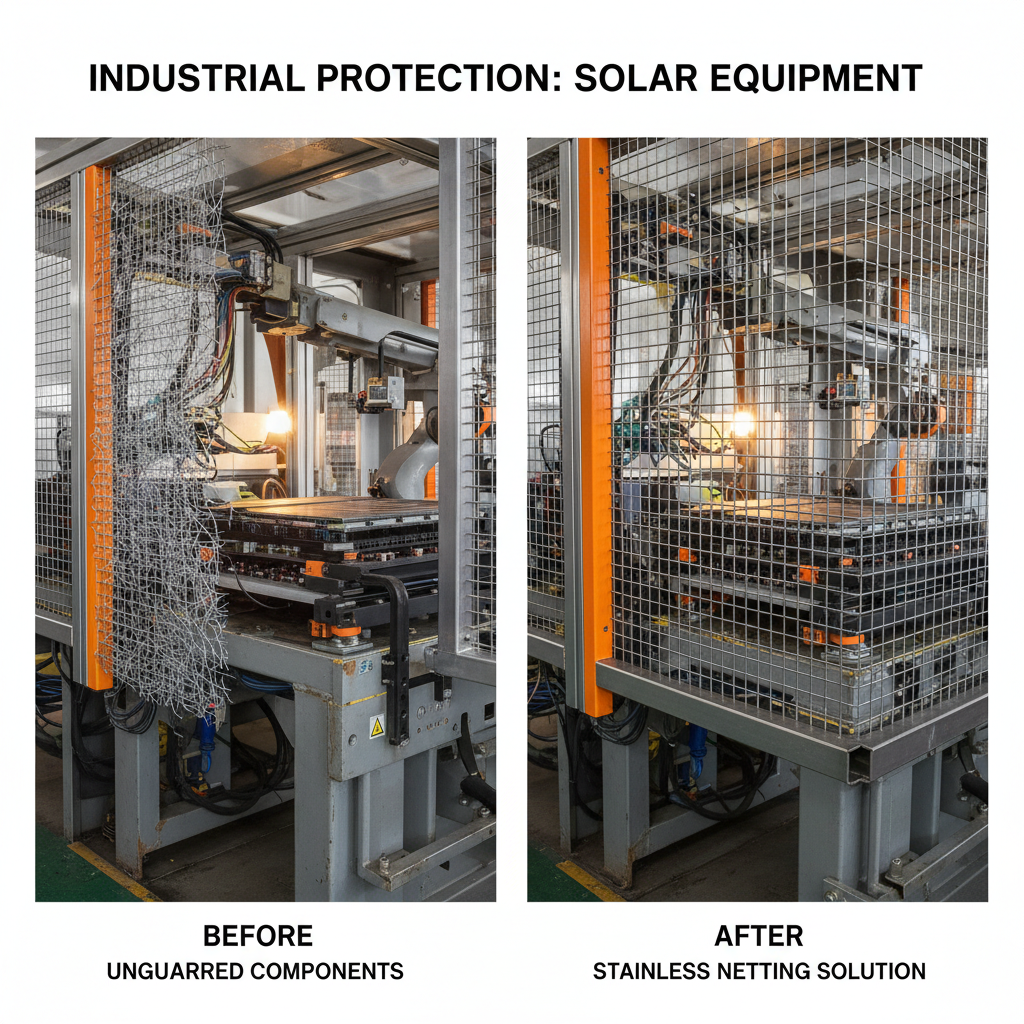
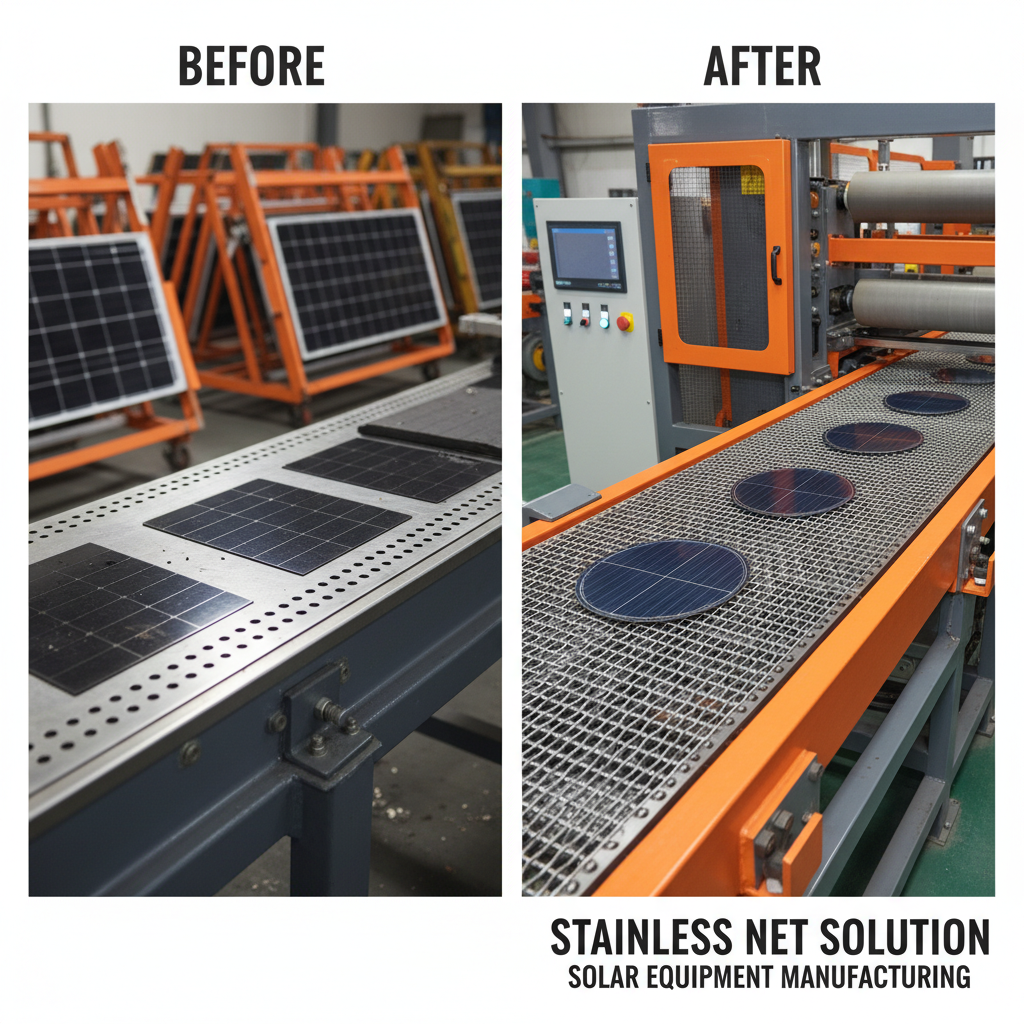
The versatility and superior properties of ss 316 mesh enable its deployment across an extensive range of demanding industrial and commercial applications. In the petrochemical and chemical processing industries, it serves as critical filtration media for aggressive acids, alkalis, and solvents, ensuring process purity and equipment protection. Its resistance to sulfuric acid, phosphoric acid, and chlorinated environments makes it indispensable for reactor internals, catalyst support grids, and distillation column packing. In the marine and offshore sector, ss 316 mesh is widely used for ballast water treatment systems, desalination plants, and marine architectural elements, where its exceptional resistance to saltwater corrosion prevents degradation and ensures long-term structural integrity. The food and beverage industry benefits from its hygienic properties, non-reactivity with food products, and ease of cleaning, utilizing it in screens for juice pressing, flour sifting, and conveying systems. The pharmaceutical industry also relies on ss 316 mesh for sterile filtration, tablet dedusting, and laboratory sieves, where material purity and bio-compatibility are paramount. Beyond these, the automotive sector employs ss 316 mesh in muffler screens and air intake filters due to its heat resistance and durability. The architectural and decorative sectors leverage its aesthetic appeal, strength, and corrosion resistance for building facades, railing infills, and sun screens, often as ss mesh for windows or interior partitions, providing both functional and aesthetic benefits.
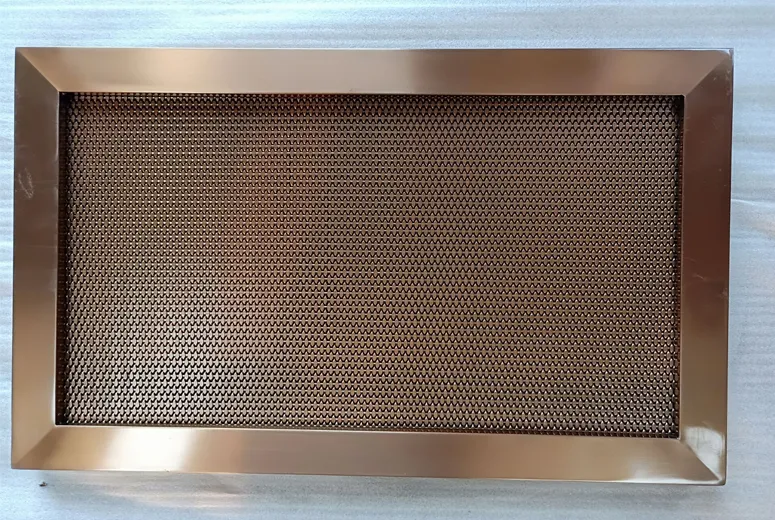
The key advantages of utilizing ss 316 mesh extend beyond mere material properties, translating directly into significant operational benefits and cost savings. Firstly, its unparalleled corrosion resistance, particularly to chlorides, drastically extends the service life of components in harsh environments. This reduces the frequency of replacements and associated labor costs, directly contributing to lower total cost of ownership. Secondly, the material's excellent mechanical properties, including high tensile strength and ductility, allow for robust designs that can withstand high pressures, impacts, and abrasive conditions without compromising structural integrity. This is particularly crucial in filtration systems where pressure fluctuations are common. Thirdly, the hygienic and non-contaminating nature of ss 316 mesh makes it ideal for sensitive applications in food, pharmaceutical, and medical fields, ensuring product purity and compliance with strict regulatory standards like FDA. Its smooth surface also resists bacterial growth, facilitating easier cleaning and sterilization. Furthermore, the inherent durability of ss 316 wire mesh contributes to energy savings in filtration systems; by maintaining consistent pore sizes and resisting blinding, it ensures optimal flow rates and minimizes pressure drops, reducing the energy required for pumping. This efficiency translates into lower operational expenditures and a reduced carbon footprint, aligning with modern industrial sustainability goals. Finally, its heat resistance ensures reliable performance in high-temperature processes, preventing material degradation and maintaining dimensional stability. These collective advantages make ss 316 mesh a strategic choice for industries seeking long-term performance, reliability, and cost-effectiveness.
Manufacturer Comparison and Custom Solutions
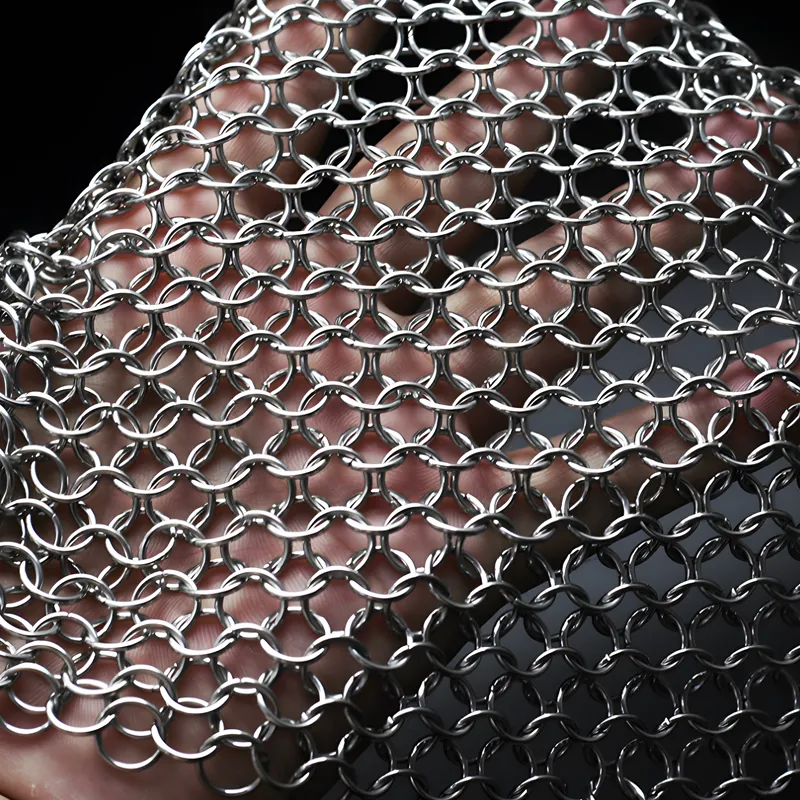
Selecting the right manufacturer for ss 316 mesh is as crucial as selecting the material itself, as quality, consistency, and the ability to provide tailored solutions vary significantly across suppliers. A thorough manufacturer comparison should go beyond basic pricing and delve into aspects such as the manufacturer's experience, their adherence to international quality standards, production capabilities, and customer support. Leading manufacturers typically possess state-of-the-art weaving and processing equipment, capable of producing a wide range of mesh specifications with high precision and consistency. They also invest in robust quality control systems, often holding certifications like ISO 9001:2015, which demonstrate a commitment to continuous improvement and customer satisfaction. Furthermore, a key differentiator is a manufacturer's expertise in offering custom solutions. While standard rolls of ss 316 mesh are readily available, many industrial applications require custom-cut pieces, fabricated filter elements, or specialized forms like pleated mesh, sintered mesh laminates, or welded mesh panels. A proficient manufacturer can provide bespoke wire diameters, mesh counts, and weave patterns to meet unique application demands, along with secondary fabrication services such as cutting, slitting, welding, and forming. This capability ensures that the final product integrates seamlessly into existing systems, minimizing installation complexities and maximizing operational efficiency. For instance, a client needing ss mesh for windows in a coastal environment might require specific panel dimensions and edge finishing that only a manufacturer with extensive customization capabilities can reliably provide.
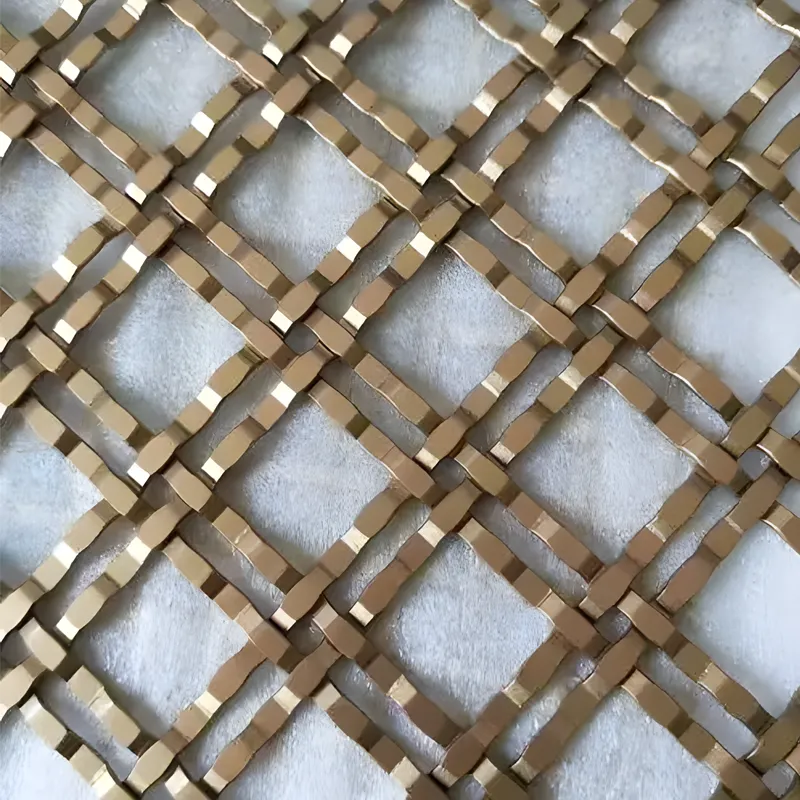
When evaluating manufacturers, consider their service history and client testimonials. Long-standing relationships with major industrial clients or participation in significant infrastructure projects can be strong indicators of reliability and performance. Furthermore, assessing their technical support capabilities is essential. A reputable manufacturer will have a team of experienced engineers and technical specialists who can offer guidance on material selection, design optimization, and troubleshooting, ensuring that the chosen ss steel mesh solution performs optimally. The lead time for custom orders, minimum order quantities, and pricing structures for custom fabrication services should also be thoroughly reviewed. Transparency in these aspects helps establish trust and avoids unexpected delays or costs. For large-scale projects, the manufacturer's capacity to handle bulk orders and maintain consistent quality across large volumes is vital. Ultimately, partnering with a manufacturer that not only supplies high-quality ss steel net but also acts as a strategic partner, offering technical insights and flexible customization options, yields the greatest long-term value. This collaborative approach ensures that the ss 316 mesh chosen is perfectly suited for the intended application, delivering peak performance and maximizing return on investment. The ability to provide comprehensive material certifications, including mill test reports and compliance with industry-specific standards (e.g., FDA for food contact applications), is another critical aspect that distinguishes top-tier manufacturers.
Application Cases and Client Success Stories
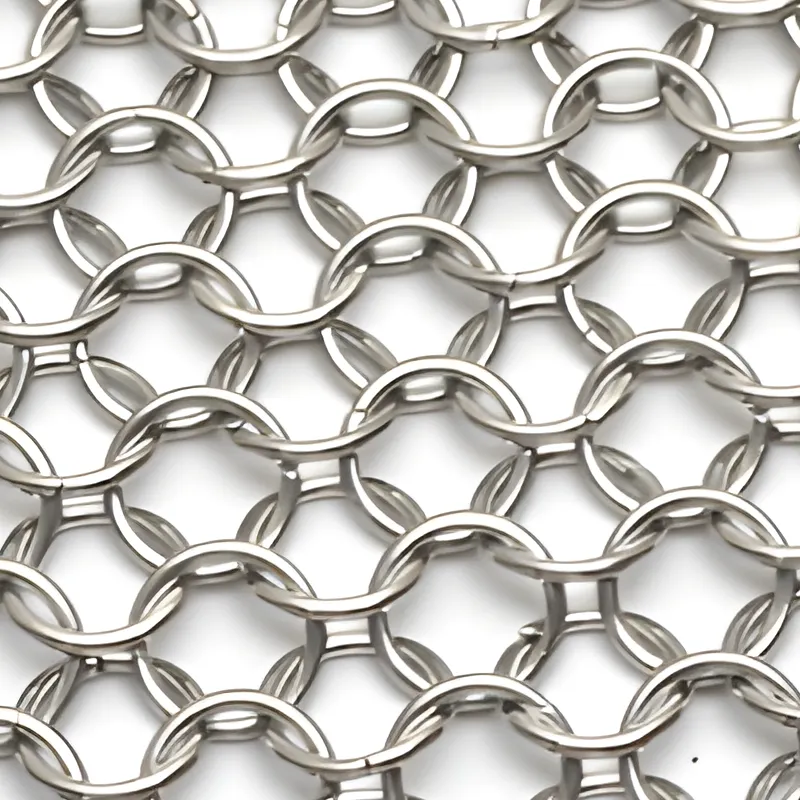
Real-world application cases highlight the tangible benefits and proven reliability of ss 316 mesh in critical industrial environments. One notable example comes from a large-scale petrochemical plant in the Gulf Coast region, which faced persistent issues with corrosion and premature failure of their catalyst support grids in a fluidized catalytic cracking unit. The original screens, made from a lower-grade stainless steel, required frequent replacement, leading to significant downtime and maintenance costs, estimated at over $250,000 annually. Upon consulting with our engineers, the plant opted to replace their existing grids with custom-fabricated ss 316 wire mesh elements. These new elements were designed with a twilled Dutch weave pattern for enhanced strength and filtration efficiency, tailored to the specific particle size of their catalyst. After installation, the ss 316 mesh components demonstrated exceptional resistance to the high temperatures and corrosive chemical vapors within the reactor. A follow-up inspection after three years of continuous operation revealed minimal degradation and no signs of pitting or crevice corrosion, vastly exceeding the lifespan of the previous material. This successful upgrade resulted in a 75% reduction in unplanned downtime associated with screen failure and an overall saving of approximately $750,000 over three years, demonstrating the substantial return on investment offered by premium ss 316 mesh.
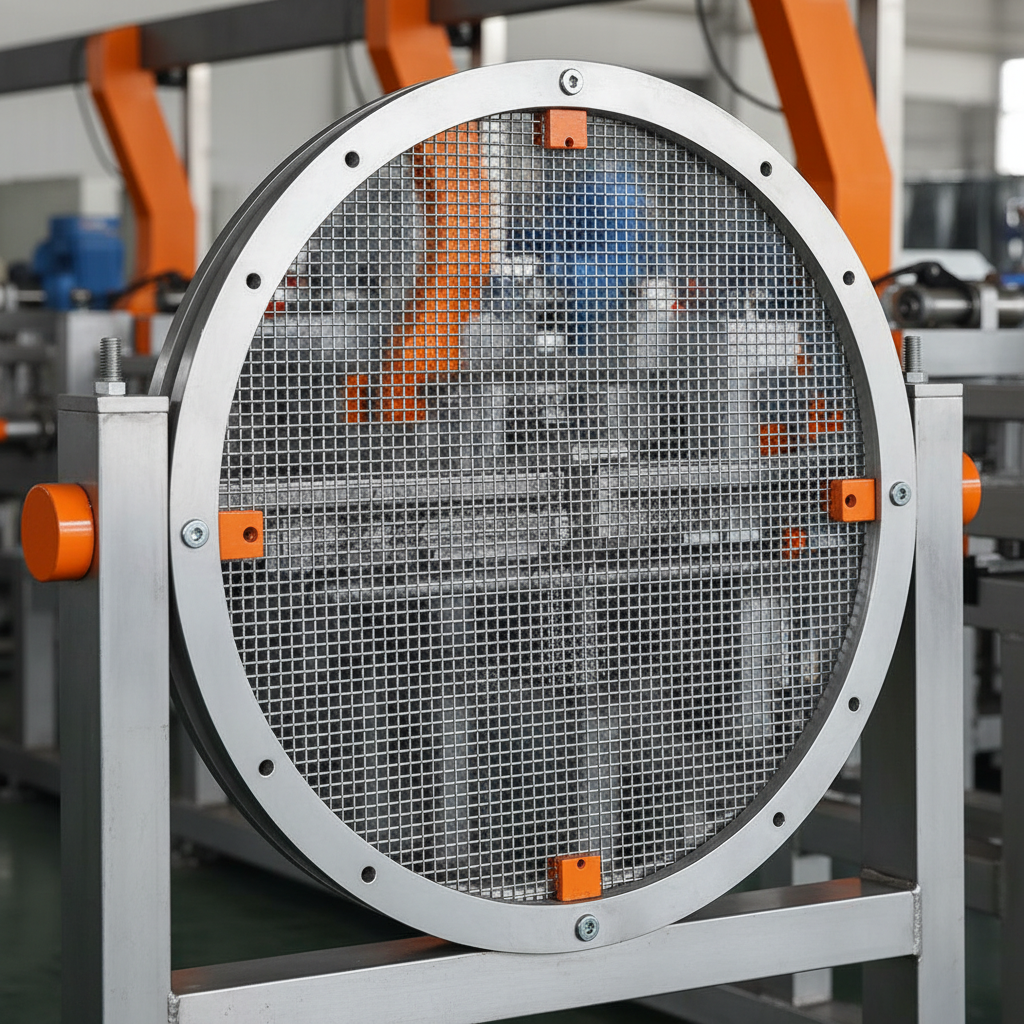
Another compelling case study involves a prominent pharmaceutical manufacturer that required ultra-pure filtration for their active pharmaceutical ingredient (API) production line. They encountered issues with particulate contamination and difficulty in cleaning their traditional filter screens, which were not meeting stringent FDA regulations for material compatibility and sanitation. Our team collaborated with them to design and supply precision-woven ss 316 mesh filter discs, specifically chosen for their smooth surface finish, non-shedding properties, and excellent cleanability. The mesh was certified to meet food-grade and pharmaceutical-grade standards, ensuring no leaching of contaminants into the API solution. The implementation of these ss 316 mesh filters led to a dramatic improvement in product purity, with particulate levels consistently falling below detection limits. Furthermore, the robust nature of the mesh allowed for more aggressive and frequent cleaning cycles using validated Clean-In-Place (CIP) protocols, significantly reducing the risk of microbial contamination and cross-contamination between batches. This not only enhanced product safety and quality but also streamlined their manufacturing process, contributing to a 15% increase in production throughput due to reduced filter replacement and cleaning downtime. These application examples underscore the critical role of high-quality ss 316 mesh in enhancing operational efficiency, ensuring product integrity, and achieving significant cost savings across diverse and demanding industrial sectors.
Frequently Asked Questions (FAQ)
-
Q1: What is the primary difference between SS 304 and SS 316 mesh?
The primary difference lies in their chemical composition and resulting corrosion resistance. SS 316 mesh contains 2-3% molybdenum, which is absent in SS 304. This addition of molybdenum significantly enhances 316's resistance to pitting and crevice corrosion, especially in chloride-rich environments like saltwater or industrial chemicals containing chlorides. While SS 304 is suitable for general applications and offers good corrosion resistance in atmospheric conditions, SS 316 mesh is the preferred choice for marine, pharmaceutical, petrochemical, and food processing applications where exposure to corrosive agents is common and higher durability is required.
-
Q2: Can SS 316 mesh be used in high-temperature applications?
Yes, SS 316 mesh exhibits excellent high-temperature properties. It offers good oxidation resistance in intermittent service up to 870°C (1600°F) and in continuous service up to 925°C (1700°F). Its resistance to creep at elevated temperatures makes it suitable for various high-temperature processes such as heat exchangers, furnace components, and exhaust systems. However, prolonged exposure to temperatures between 425°C and 860°C (800°F and 1580°F) should be avoided where aqueous corrosion resistance is critical, due to the risk of carbide precipitation.
-
Q3: How does the weave pattern affect the performance of SS 316 mesh?
The weave pattern significantly impacts the mesh's filtration efficiency, strength, and flow characteristics. Plain weave offers simple, stable openings ideal for general screening. Twilled weave provides a stronger structure, allowing for finer mesh counts with larger wire diameters, suitable for heavy filtration. Dutch weave (plain and twilled) creates a dense, small opening mesh with high filtration accuracy, often used for pressure filtration and fine particulate separation. Crimped weave enhances rigidity and stability, making it ideal for structural applications or screening larger, heavier materials. Choosing the correct weave pattern for ss 316 wire mesh is crucial for optimizing its performance for specific application requirements.
-
Q4: What is the typical delivery timeframe for custom SS 316 mesh orders?
Delivery timeframes for custom ss 316 mesh orders can vary based on the complexity of the specification, quantity, current production schedule, and any required secondary fabrication processes. Generally, standard ss 316 mesh rolls might be available for immediate shipment or within 1-2 weeks. Custom orders, especially those requiring specific weave patterns, wire diameters, or intricate fabrication like welding and forming, typically range from 3-6 weeks. Expedited options may be available depending on urgency and additional costs. We recommend contacting our sales team with your specific requirements for a precise lead time estimate.
-
Q5: What kind of quality assurance and warranty do you offer for SS 316 mesh?
We uphold stringent quality assurance protocols for all our ss 316 mesh products, adhering to international standards such as ISO 9001. Every batch undergoes rigorous inspection, including material composition verification, dimensional accuracy checks, and performance testing (e.g., mesh count, open area, wire diameter). We provide mill test certificates and compliance reports upon request. Our ss 316 mesh products are backed by a comprehensive warranty against manufacturing defects and material failures under normal operating conditions, typically for a period of 12-24 months, depending on the specific product and application. Our dedicated customer support team is also available to address any post-purchase inquiries or technical assistance needs, ensuring complete client satisfaction and trust in our ss steel mesh solutions.
Ordering, Delivery, and Comprehensive Support
The process of ordering ss 316 mesh from us is streamlined to ensure efficiency and accuracy, providing a seamless experience from initial inquiry to final delivery. Clients can submit their specifications, including mesh count, wire diameter, weave pattern, dimensions (rolls or sheets), and any required certifications, through our website, email, or direct consultation. Our technical sales team will then provide a detailed quotation, often within 24-48 hours, along with expert advice on material selection and potential customization options to best meet the application's demands. We understand the critical nature of lead times in industrial projects; therefore, we prioritize efficient production planning and transparent communication regarding delivery schedules. For standard ss 316 mesh products, we maintain a substantial inventory to facilitate prompt dispatch. Custom orders, while requiring additional lead time for manufacturing and quality checks, are managed with strict adherence to agreed-upon deadlines. Our production capacity, combined with agile manufacturing processes, allows us to accommodate both small, specialized orders and large-volume bulk requirements without compromising on quality or precision. We also offer various packaging options, from secure crating for fragile items to robust wrapping for bulk rolls, ensuring the ss 316 mesh arrives in pristine condition, ready for immediate use.
Beyond the transaction, our commitment extends to providing comprehensive post-delivery support and fostering long-term partnerships. Each shipment of ss 316 mesh is accompanied by complete documentation, including material test reports, quality certificates (e.g., ISO, ASTM, FDA compliance where applicable), and traceability information, ensuring full transparency and compliance with industry standards. Our dedicated customer service team is readily available to address any inquiries, provide technical assistance during installation, or offer troubleshooting support. We encourage feedback and proactively engage with clients to continuously improve our products and services. Furthermore, our extensive service network and partnerships with logistics providers enable efficient global delivery, ensuring that your ss steel mesh reaches your location reliably, anywhere in the world. This holistic approach, encompassing meticulous ordering, reliable delivery, and steadfast support, underscores our dedication to being a trusted partner in providing high-performance ss 316 mesh solutions that contribute directly to your operational success and longevity. Our aim is not just to supply a product, but to deliver a comprehensive solution that adds measurable value to your projects.
References
- ASM Handbook, Volume 1: Properties and Selection: Irons, Steels, and High-Performance Alloys. ASM International, 1990.
- ASTM International. Standard Specification for Stainless Steel, Heat-Resisting, Chromium and Chromium-Nickel Plate, Sheet, and Strip. ASTM A240/A240M.
- ISO 9001:2015. Quality management systems – Requirements. International Organization for Standardization.
- ASTM International. Standard Specification for Industrial Woven Wire Cloth. ASTM E2016.
- Corrosion Handbook. Edited by Herbert H. Uhlig and R. Winston Revie. John Wiley & Sons, 1985.