Premium 904L Stainless Steel Sintered Wire Mesh for Industrial Filtration
Unlocking the Power of 904L Stainless Steel Sintered Wire Mesh: Why It Matters
At first glance, 904L stainless steel sintered wire mesh might sound like a jargon-filled relic from a materials science textbook or a supplier brochure. But it’s actually a surprisingly vital component across multiple industries worldwide—spanning from chemical processing plants to advanced filtration in water treatment, aerospace applications, and even humanitarian relief systems. Understanding this material helps us grasp how innovation in metal filtration and containment isn’t just a technical niche—it’s a global solution to durability, safety, and sustainability challenges.
Think about it: as industries demand stronger, corrosion-resistant, and more precise filtration solutions, materials like 904L stainless steel sintered wire mesh step in. They offer a unique combination of resilience and functionality that traditional mesh or other metal variants often can’t match. This article dives into what this material is, why you should care, and how it’s shaping industries and solutions worldwide.
Global Context: Why 904L Stainless Steel Sintered Wire Mesh Is More Relevant Than Ever
Globally, the corrosion costs for industry are estimated to exceed $2.5 trillion annually [1]. In this economic landscape, materials that can stand up against chemical attack and extreme environments aren’t just nice-to-have — they’re critical. The International Organization for Standardization (ISO) reports that using higher-grade, durable metal alloys in filtration and containment systems adds value by mitigating downtime and boosting equipment lifespan [2].
The challenge, though? Many industries—like oil and gas, pharmaceuticals, wastewater management, and aerospace—face tough environments that can degrade typical metals rapidly. Acidic or saline atmospheres, high temperatures, or particulate exposure demand a mesh that won’t buckle under pressure. Enter 904L stainless steel sintered wire mesh. Its high molybdenum, nickel, and chromium content bestows superior corrosion resistance, meaning fewer replacements, less downtime, and ultimately, more sustainable operations worldwide.
Mini takeaway: Investing in quality materials like this mesh directly impacts industrial efficiency and sustainability in a tangible way.
What Exactly Is 904L Stainless Steel Sintered Wire Mesh?
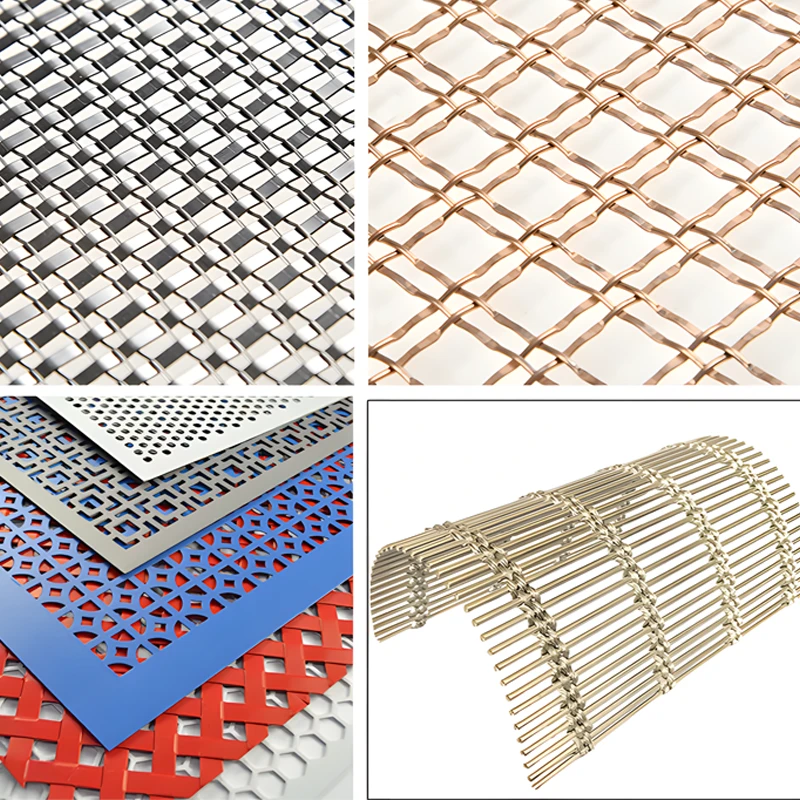
Let’s break it down: 904L stainless steel is a super-austenitic stainless alloy, known for its excellent resistance to chlorides and acids. Imagine a fabric made not of threads but of tiny steel wires firmly bonded—or sintered—together under pressure and heat. This creates a mesh with very uniform porosity, improved mechanical strength, and higher corrosion resistance compared to woven or plain wire meshes.
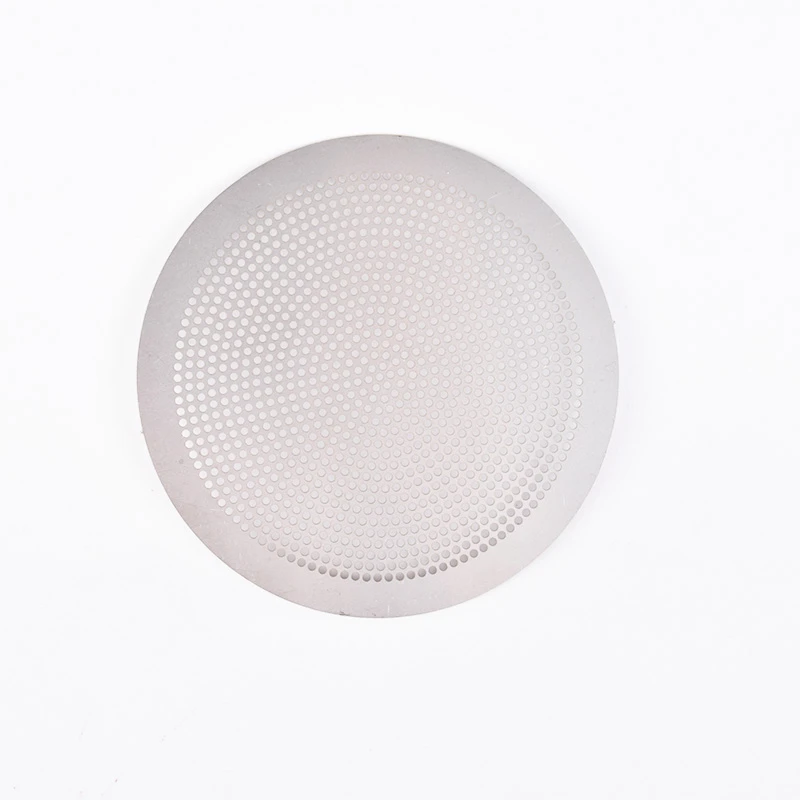
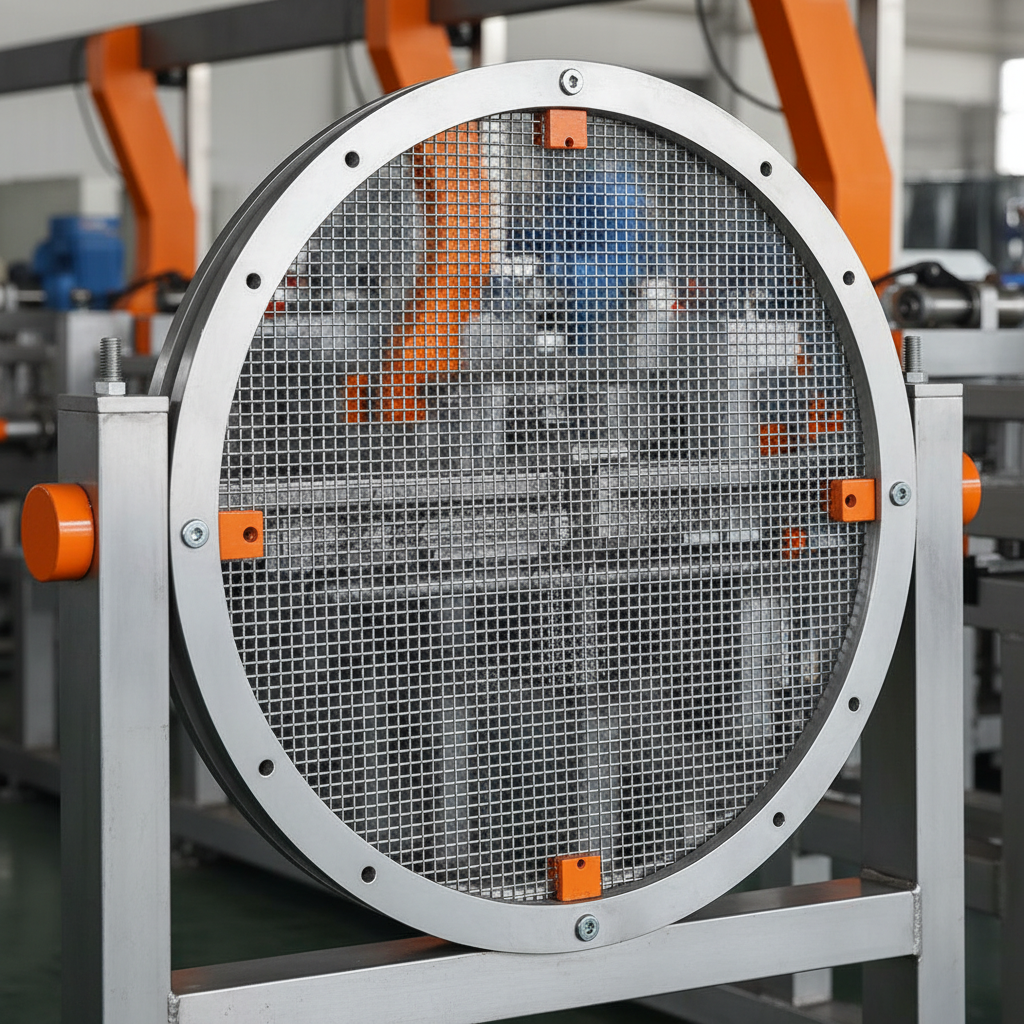
In practical terms, 904L stainless steel sintered wire mesh acts as a highly durable filter or separator, ideal where you have aggressive chemical processes or where reliability in harsh environments is a must. Its use is also expanding into areas where contamination control and structural integrity converge, such as pharmaceutical sterile filtration or aerospace fluid handling systems.
904l stainless steel sintered wire mesh is a prime example of how materials science fuels solutions that touch daily business operations and global challenges alike.
Four Key Attributes Defining This Material’s Value
1. Corrosion Resistance
Thanks to its elevated levels of molybdenum (up to 4%) and nickel (up to 25%), 904L steel’s sintered mesh form resists pitting and crevice corrosion even in very aggressive chloride-rich environments. For industries battling saline or acidic contamination, this is a significant game-changer.
2. Mechanical Strength and Durability
The sintering process bonds wires creating a rigid structure, far more robust than woven mesh. This means longevity in extremely abrasive or pressurized conditions, reducing maintenance hassles and unexpected failures.
3. Precise Filtration Control
Because pore sizes can be engineered accurately by controlling wire diameter and sintering parameters, filers get consistent, repeatable filtration thresholds—essential for pharmaceutical or fine chemical production.
4. Thermal Stability
904L retains its strength and shape across a wide temperature spectrum (up to ~700°C), which suits processes involving hot gases or fluids.
5. Cost Efficiency (Long Term)
While initial costs might be higher compared to normal stainless steels, cost-benefit analysis shows lower replacement frequency, fewer shutdowns, and better process yields. It’s an investment that pays back through reliability.
6. Sustainability
Durability and corrosion resistance mean less scrap generation and better recyclability. Given increasing regulatory pressure to reduce industrial waste, this attribute is becoming more important.
Mini takeaway: These attributes explain why many engineers now prefer 904L sintered meshes for critical filtration and separation applications.
Where Does 904L Stainless Steel Sintered Wire Mesh Find Its Home?
Its applications are quite diverse, spanning industries and geographies:
- Chemical processing: Filters and catalyst supports in plants handling hydrochloric acid, sulfuric acid, and other corrosive substances.
- Pharmaceutical: Sterile filtration systems where contamination control can’t be compromised.
- Oil and Gas: High-performance filtration in offshore rigs exposed to saline water and harsh conditions.
- Water treatment: Seawater desalination plants using sintered mesh as pre-filters and fine separators.
- Aerospace: Hydraulic fluid filtration systems where reliability is literally lifesaving.
- Disaster relief and humanitarian aid: In remote sites, corrosion-resistant meshes used in portable water purification systems ensure access to safe drinking water.
Mini takeaway: The adaptability of 904L sintered wire mesh across industries and climates showcases its broad utility.
Product Specification Table
| Specification | Details |
|---|---|
| Alloy Type | 904L Austenitic Stainless Steel |
| Nickel Content | 19-23% |
| Molybdenum Content | 4-5% |
| Wire Diameter Range | 0.03mm to 1.0mm |
| Operating Temperature | -196°C to 700°C |
| Porosity Range | 10% - 45% |
| Typical Applications | Filtration, Separation, Catalyst Supports |
Comparing Leading Vendors of 904L Stainless Steel Sintered Wire Mesh
| Vendor | Material Quality | Customization Options | Lead Time | Typical Industries Served |
|---|---|---|---|---|
| QH Filter Co. | Premium 904L material with ISO certification | Custom wire diameters, thickness, porosity | 2–4 weeks | Chemical, Pharma, Oil & Gas, Aerospace |
| Global Mesh Solutions | High-grade, stable quality | Standard sizes, limited custom options | 3–5 weeks | Water Treatment, Oil & Gas |
| SteelTech International | Good quality; focus on industrial filters | Moderate customization including sintering parameters | 4–6 weeks | Chemical, Mining, Aerospace |
The Long Game: Advantages & Lasting Value of 904L Stainless Steel Sintered Wire Mesh
Beyond the specs and specs, what truly counts is how this mesh serves users over the long haul. Reliability, as many engineers note, translates directly into trust—not just trust in the product but trust in entire processes operating safely and efficiently. The added cost compared to standard meshes often becomes negligible against reduced downtime and fewer replacements.
Socially, products crafted with materials like 904L reinforce safety and dignity. In water treatment plants supplying clean drinking water, or pharmaceutical filtration guaranteeing sterile medicines, we’re talking about human lives improved, saved even. And environmentally, longer-lasting products reduce industrial waste and contribute to the circular economy.
Future Trends: What’s Next for 904L Stainless Steel Sintered Wire Mesh?
The future of metal filtration leans heavily toward sustainability and smart manufacturing. Additive manufacturing—aka 3D printing—with 904L stainless steel powder is beginning to blur the lines between traditional sintered mesh and printed complex porous structures. We’re seeing growing emphasis on IoT-enabled filtration units to monitor mesh condition in real-time, boosting predictive maintenance.
Moreover, global environmental regulations push industries to minimize waste and energy consumption, pressures only met by superior materials like 904L that hold up in extreme conditions while reducing resource consumption.
Challenges & Expert Solutions in Using 904L Stainless Steel Sintered Wire Mesh
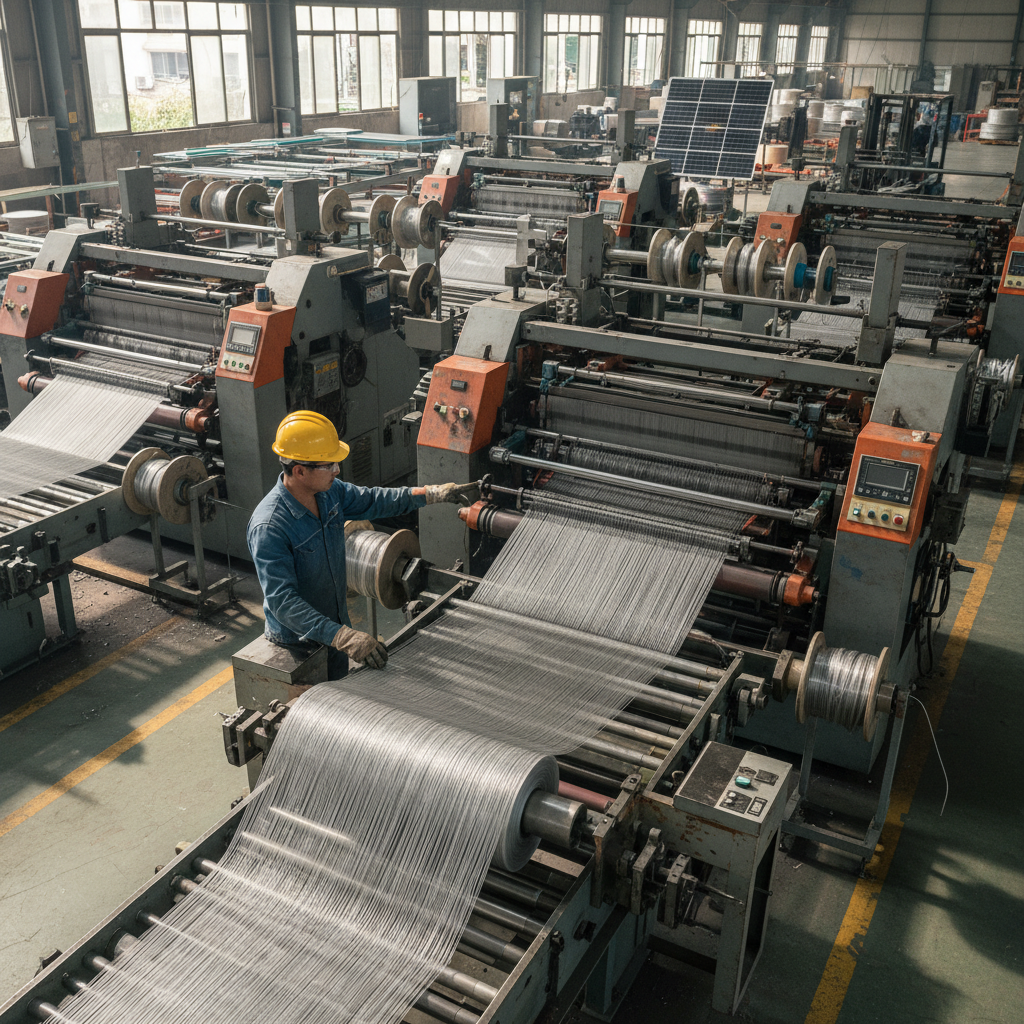
Despite its impressive attributes, the product isn't without hurdles. The manufacturing process of sintered mesh with 904L is energy-intensive and requires precise temperature controls to avoid defects. Also, its initial cost is higher, which can deter smaller operations.
However, advances in sintering technology and local vendor networks (see 904l stainless steel sintered wire mesh) are helping reduce lead times and costs. Companies are also optimizing designs to use less material without compromising strength. Plus, modular replacement systems now allow quick swapping of mesh elements, minimizing downtime.
FAQs About 904L Stainless Steel Sintered Wire Mesh
Q1: What industries benefit most from 904L sintered wire mesh?
A: Primarily chemical processing, pharmaceuticals, oil and gas, water treatment, and aerospace. These sectors require corrosion-resistant, durable filtration materials suitable for harsh environments.
Q2: How does 904L sintered mesh compare to standard stainless steel mesh?
A: 904L offers superior resistance to chlorides and acids, plus higher mechanical strength due to sintering. This leads to longer life and better filtration precision in demanding applications.
Q3: Is customization available for pore size and thickness?
A: Yes, many suppliers (including 904l stainless steel sintered wire mesh manufacturers) offer tailored wire diameters, thicknesses, and porosity to meet specific filtration requirements.
Q4: Can 904L sintered mesh be used in high-temperature environments?
A: Absolutely. It maintains structural integrity and filtration performance at temperatures up to roughly 700°C.
Q5: What maintenance is required for sintered wire mesh?
A: Minimal maintenance is needed due to durability, but regular cleaning and visual inspections help ensure longevity and function.
Wrapping Up: Why 904L Stainless Steel Sintered Wire Mesh Should Be Your Go-To
In a world where operational efficiency, safety, and sustainability are non-negotiable, 904L stainless steel sintered wire mesh stands out as a metal material solution that ticks all those boxes. This isn’t just about filtration—it’s a commitment to long-term reliability and environmental responsibility. Whether you’re in chemical refining, water treatment, or aerospace, this mesh is worth a close look.
Ready to upgrade your filtration solutions? Visit https://www.qhfilter.com to learn about premium 904L stainless steel sintered wire mesh options tailored for your needs.
References: