Photovoltaic Fence | Secure, Space-Saving Solar Power
Photovoltaic Fence: Security That Pays You Back
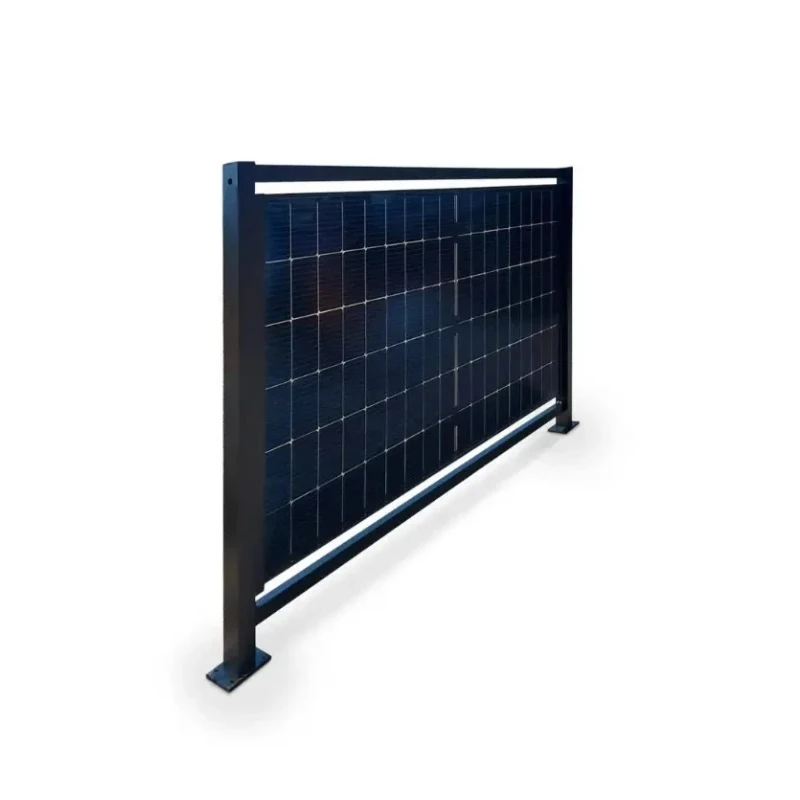
I first walked a photovoltaic fence on a dusty construction perimeter in Hebei and, to be honest, I expected “gimmick.” It wasn’t. The panels were quiet, the lines were clean, and the energy meter… ticking up nicely. Origin matters too: this model is produced at No. 25 Weiyi Road, Chengdong Industrial Park, Hengshui City, Hebei Province. Solid steel, tidy welds, and a finish that doesn’t scream industrial—more “modern minimal.”
Why the surge now?
Two trends converged: perimeter security budgets grew, and land for ground-mount solar got tight. A photovoltaic fence uses an existing boundary to generate kWh—no extra land, less red tape. In fact, facilities managers like the dual‑use ROI model; many customers say the “fence that pays for itself” gets approved faster than a rooftop retrofit.
Product snapshot and key specs
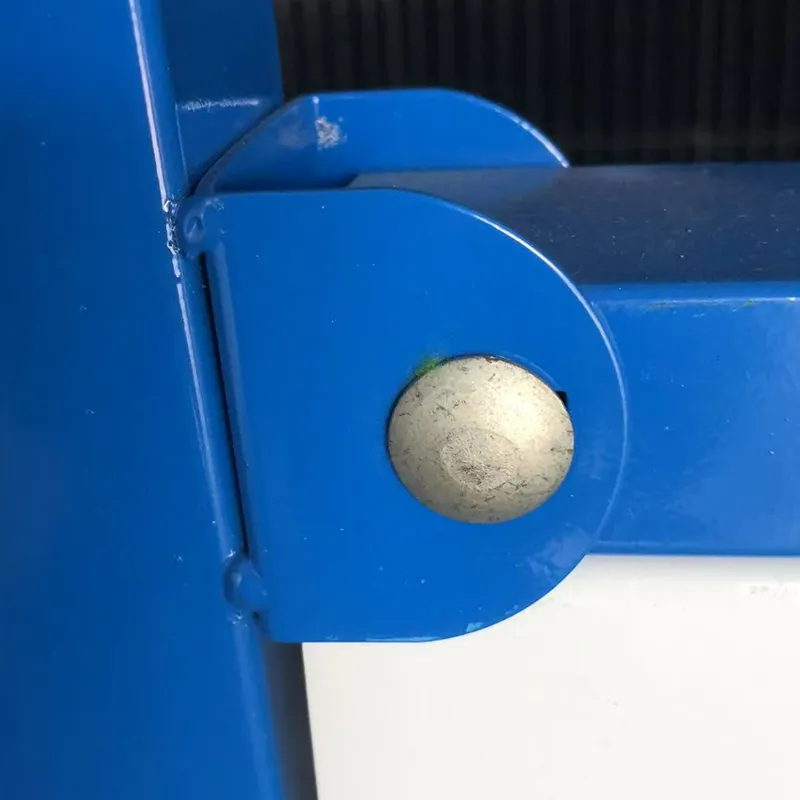
This photovoltaic fence blends a hot‑dip galvanized steel frame with mono‑PERC modules; microinverters optional. Real‑world yield varies with azimuth, tilt, and local weather (I guess you knew that, but it matters most on north–south runs).
| Height options | 1.5–2.4 m (custom up to 3.0 m) |
| Module rating | ≈120–220 W per panel segment; ≈80–150 W/m (real‑world) |
| Steel & finish | Q235/Q355; hot‑dip galvanizing ISO 1461 + polyester powder coat (ISO 12944 C3–C4) |
| Wind/snow rating | Up to ≈42 m/s wind; 0.8–1.2 kN/m² snow (site design per EN 1991-1-4 / ASCE 7-16) |
| Electrical | MC4; string or microinverter; J-box IP67; grounding per IEC 60364-7-712/NEC 690 |
| Service life | PV 25–30 yrs; coating 15–20 yrs (maintenance dependent) |
| Certs (modules) | IEC 61215, IEC 61730; CE; TÜV/UL listings depending on configuration |
How it’s made (short version)
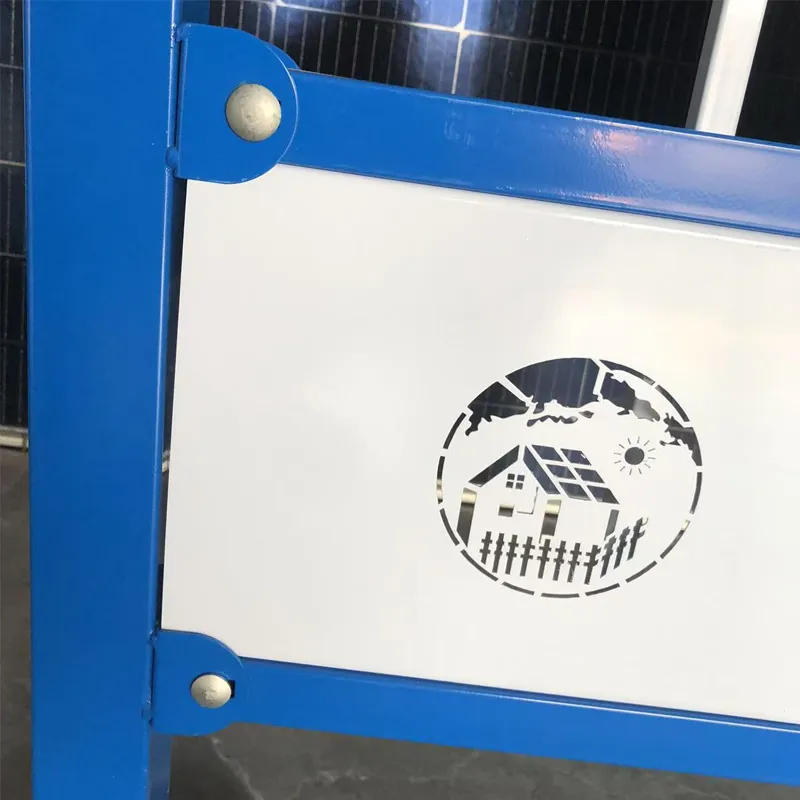
- Materials: structural posts and rails in Q235/Q355; glass–glass mono‑PERC modules with EVA encapsulant; stainless fasteners.
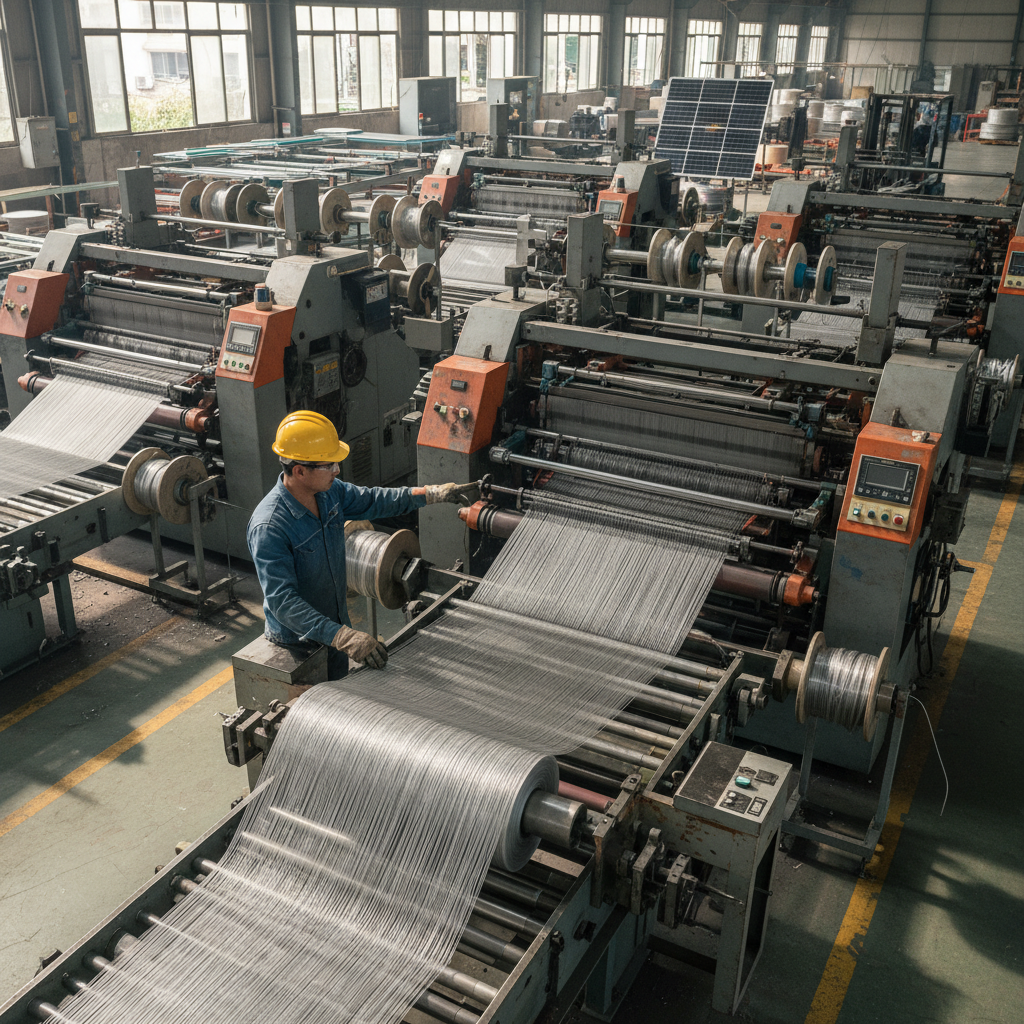
- Methods: CNC cutting, jig welding, hot‑dip galvanizing (ISO 1461), powder coating, assembly with anti‑theft bolts.
- Testing: salt‑spray ASTM B117 (≥720 h), coating adhesion ASTM D3359, UV aging ISO 16474, wind tunnel checks; electrical safety per IEC 61730.
- QA: traceable heat numbers for steel, batch EL imaging for modules, torque logs, and insulation resistance tests.
Where it fits best
Courtyards and campuses, factory perimeters, logistics yards, retail car parks, substations, agribusiness lanes—the photovoltaic fence shines where you already need security. It’s also handy along noise‑sensitive boundaries; surprisingly, many customers say panel surfaces reflect less sound than they feared.
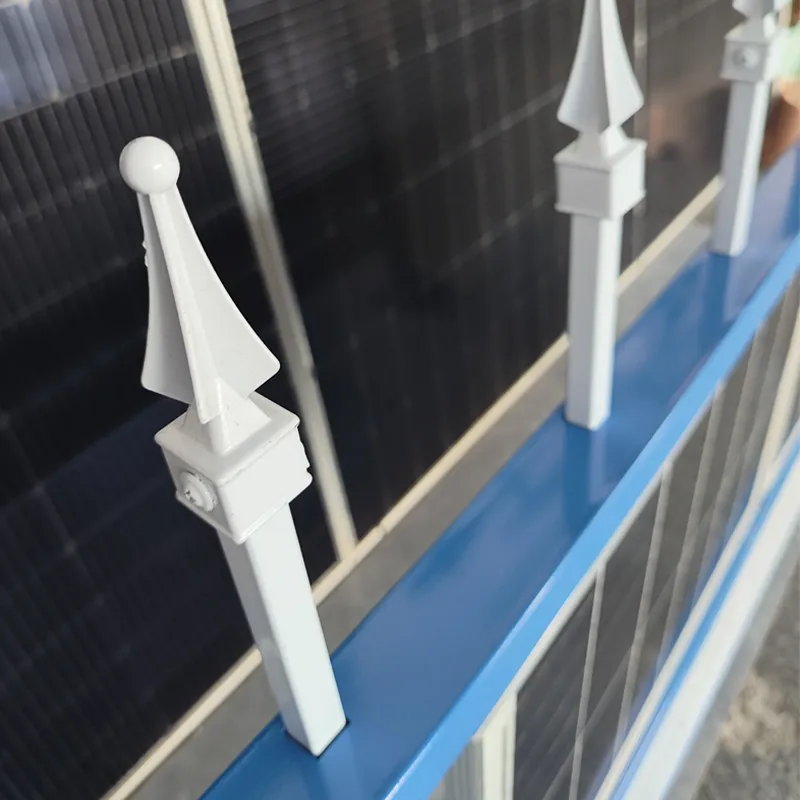
Customization menu
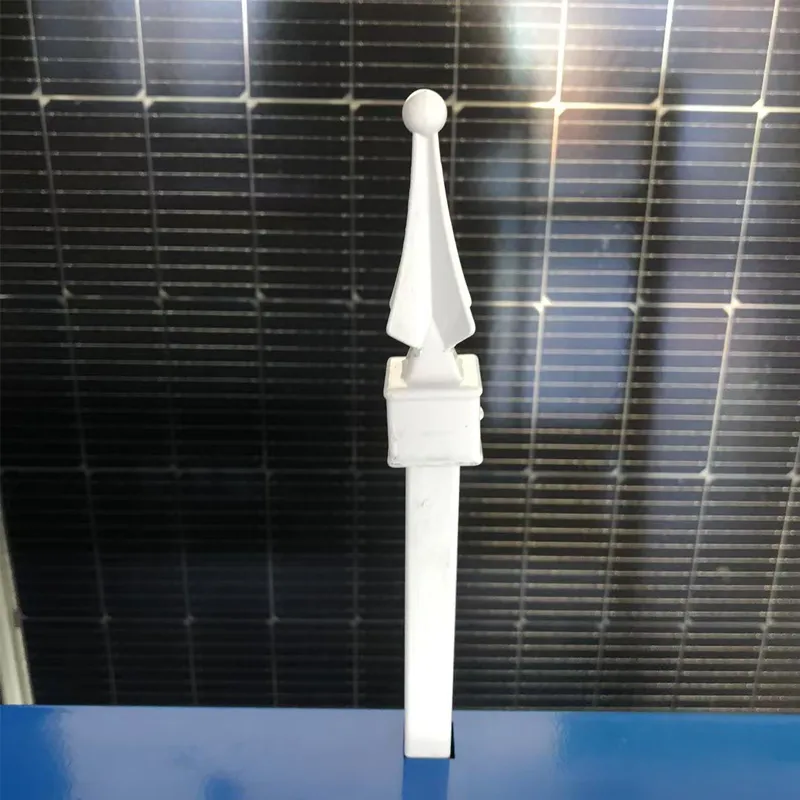
Panel spacing, post footing types (driven, screw‑pile, concrete), RAL colors, anti‑climb mesh infill, CCTV/patrol cable trays, and signage integration. The photovoltaic fence can be spec’d bifacial where rear irradiance is meaningful.
| Vendor | Structure | PV Certs | Lead Time | Warranty |
|---|---|---|---|---|
| QH (Hebei) | Q235/355, ISO 1461 + powder | IEC 61215/61730 (TÜV/UL) | ≈4–8 weeks | Steel 10–15 yrs; PV 25 yrs |
| Typical Importer | Painted mild steel | CE only (varies) | ≈8–12 weeks | Steel 5–8 yrs; PV 20–25 yrs |
| Local Fabricator | Galv. steel (varies) | Depends on module source | ≈2–6 weeks | Structure only |
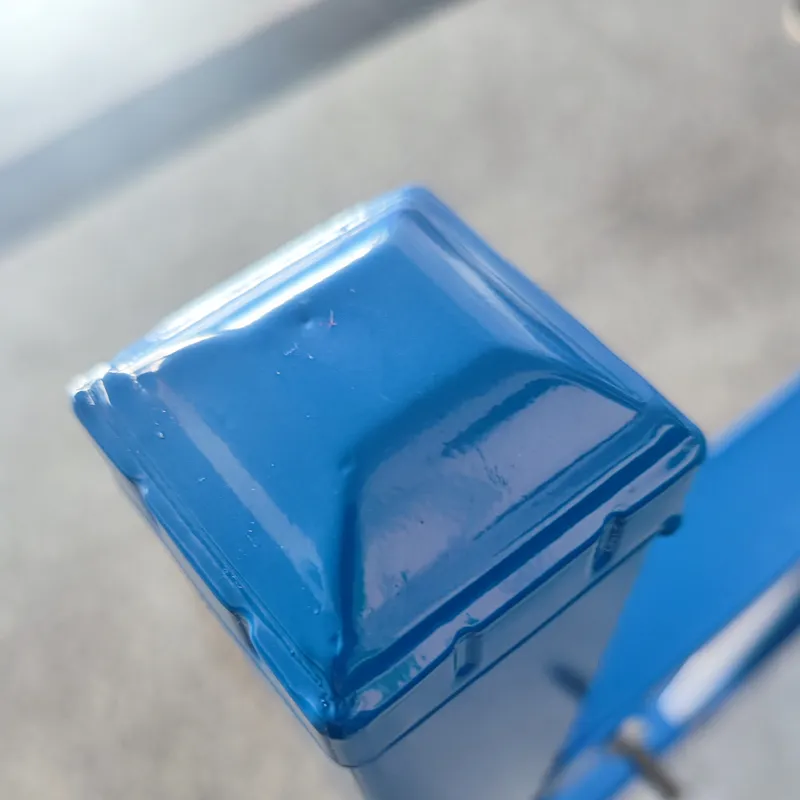
Field results (two quick case notes)
- Food factory, North China: 180 m photovoltaic fence, 36 kWp with microinverters. Reported annual yield ≈44 MWh; perimeter incident reports down 30% after better lighting. Simple payback ≈5.2 years.
- EU logistics park: 500 m, 120 kWp string design; wind design per EN 1991-1-4. Client claims vandalism cut by 40% and utility bills trimmed by ≈12% sitewide.
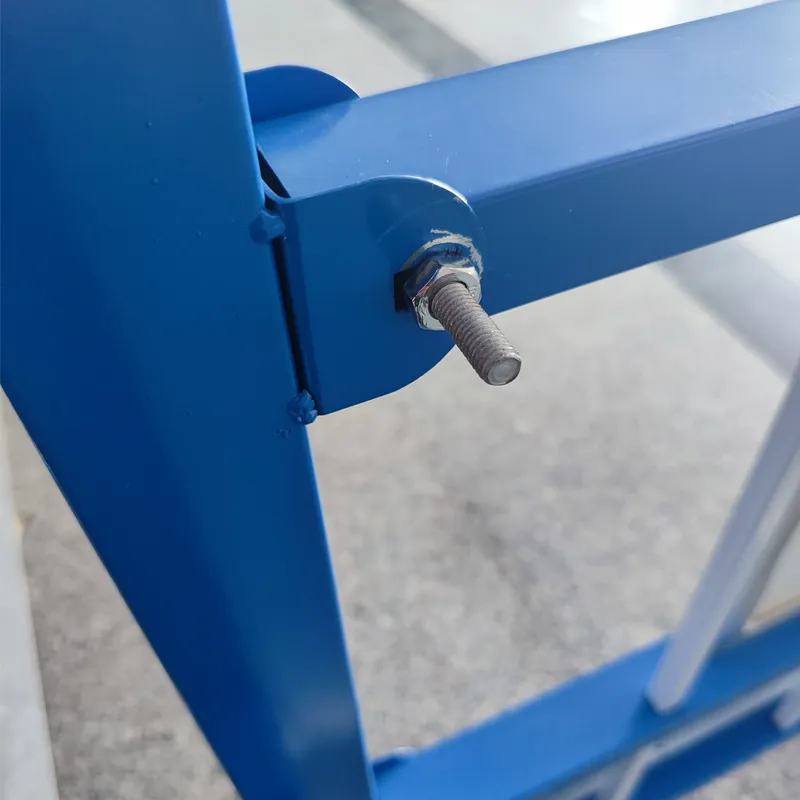
Installer notes and maintenance
Crews liked the modular brackets—fewer groundworks than a heavy wall. Keep vegetation low (rear shading kills yield), check torque annually, and rinse dust seasonally. The photovoltaic fence is compatible with UL 2703/EN 1090 style bonding hardware; junction boxes are IP67, which helps in driving rain.
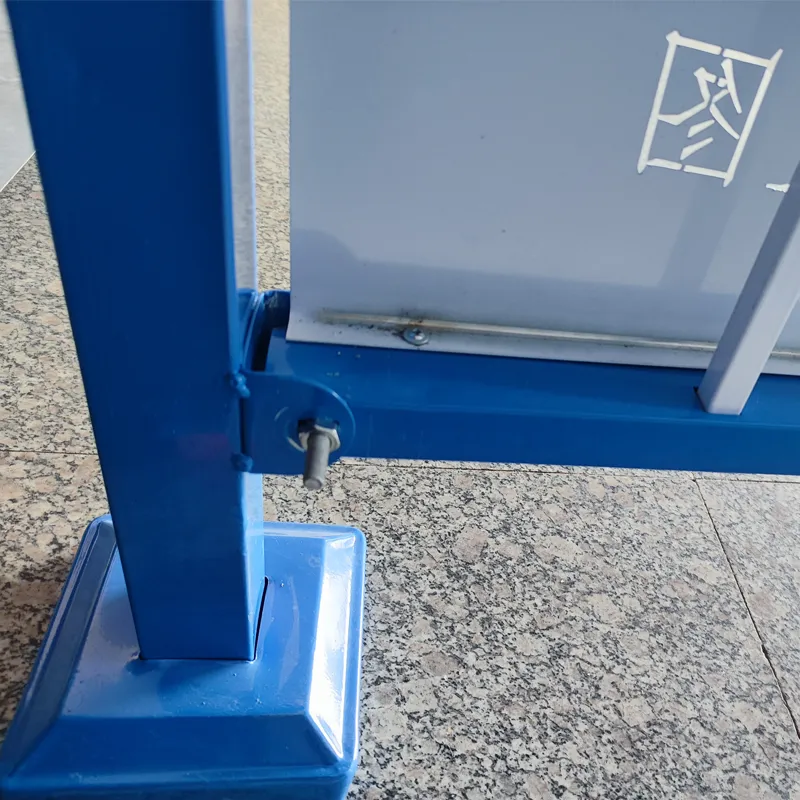
Bottom line
If you’re building a boundary anyway, letting it earn its keep is just smart. This photovoltaic fence pairs security, aesthetics, and dependable kWh with credible standards and sensible lead times. Not perfect for deep shade corridors—but elsewhere, it’s a tidy win.
Authoritative citations
- IEC 61215: Terrestrial photovoltaic modules—Design qualification and type approval.
- IEC 61730: Photovoltaic module safety qualification.
- ISO 1461: Hot dip galvanized coatings on fabricated iron and steel articles.
- EN 1991-1-4 / ASCE 7-16: Wind actions/minimum design loads.
- ASTM B117: Standard Practice for Operating Salt Spray (Fog) Apparatus.
- UL 2703: Mounting systems, mounting devices, clamping/retention devices for PV modules.