Photovoltaic Fence: Generate Power, Secure Your Perimeter
Photovoltaic Fence: guardrail meets power plant
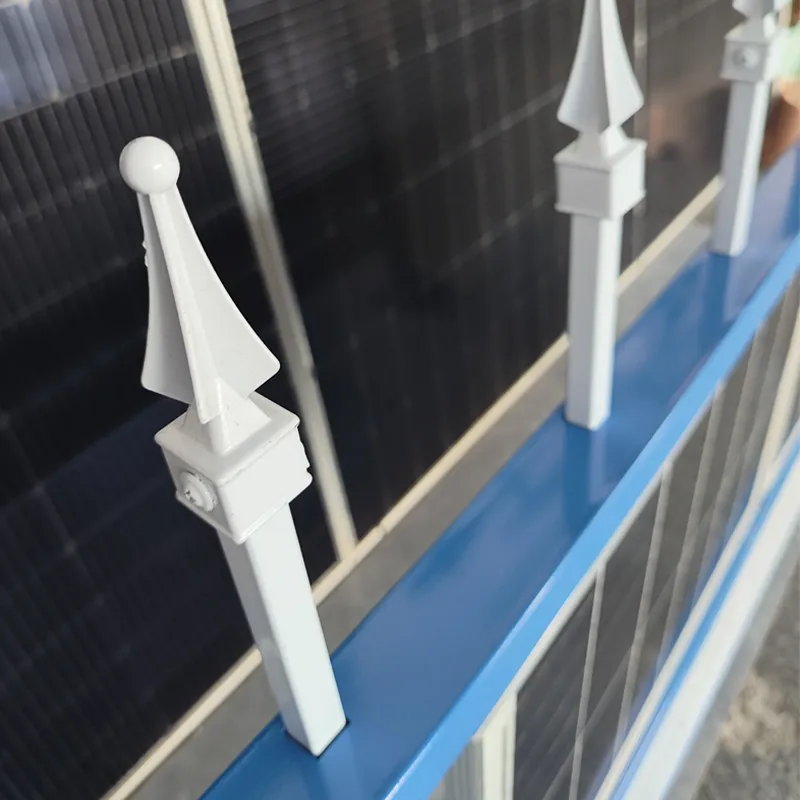
If you’ve been watching perimeter security and distributed solar collide, you’ll appreciate the idea behind [Photovoltaic Fence]. It’s a sturdy metal barrier that doubles as a micro-generator—clean lines, simple geometry, and (this matters) genuinely easy upkeep. Origin: No. 25 Weiyi Road, Chengdong Industrial Park Hengshui City Hebei Province. I’ve walked sites where this kind of hybrid asset pays back twice: fewer trench runs for power, and a fence that finally does something on your utility bill.
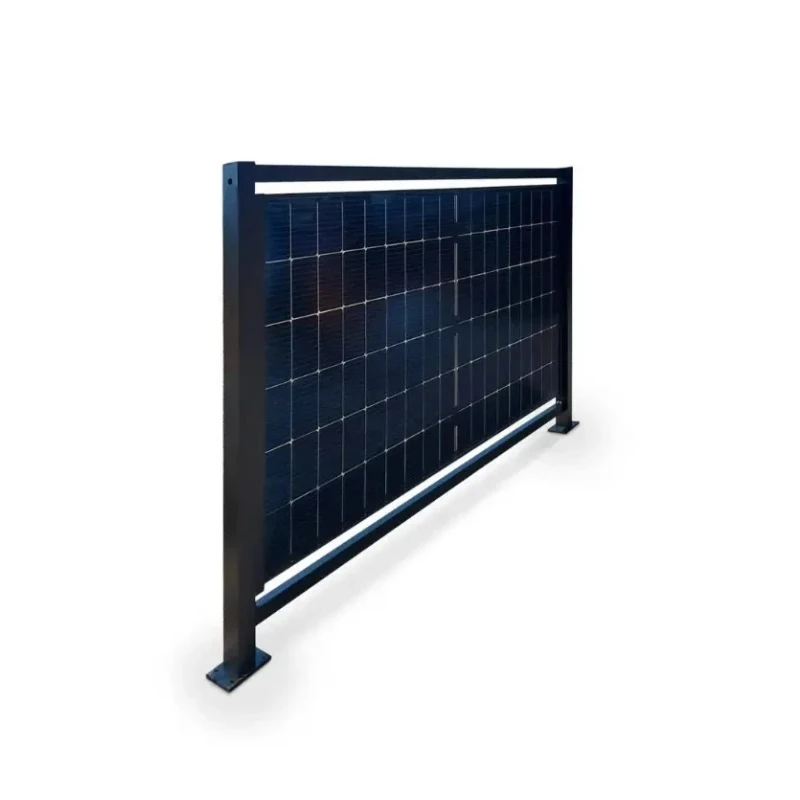
Why it’s trending
Urban sites, logistics parks, courtyards—space is tight. Integrating PV into the perimeter shifts solar off rooftops (often crowded with HVAC) and onto something you’d buy anyway. Many customers say the visual uniformity is a pleasant surprise; it reads as architecture, not just hardware.
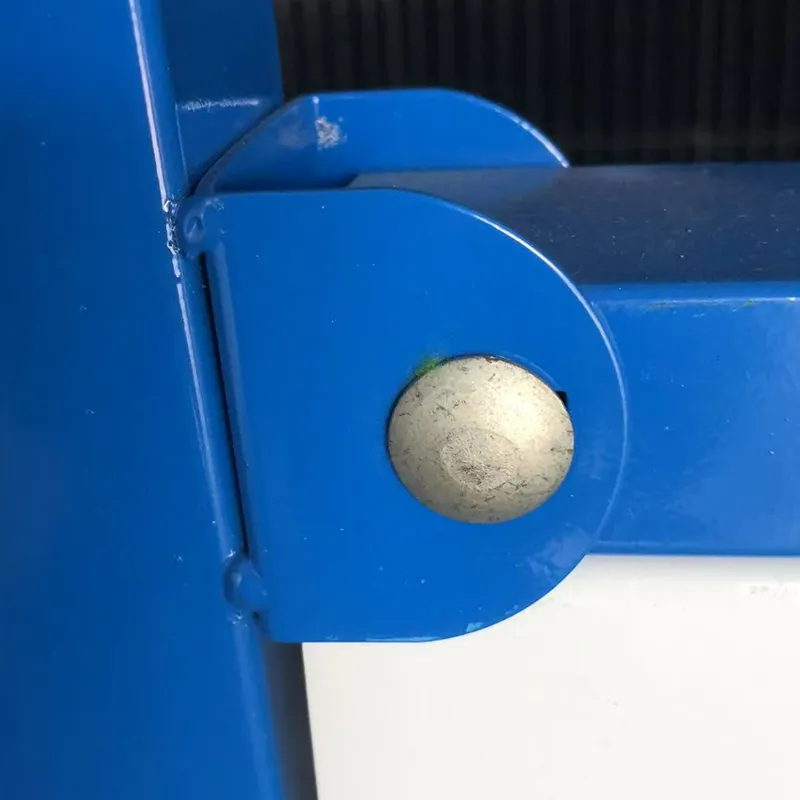
Key specs (typical)
| Structure material | Q235/Q355 steel posts, aluminum rails (optional) |
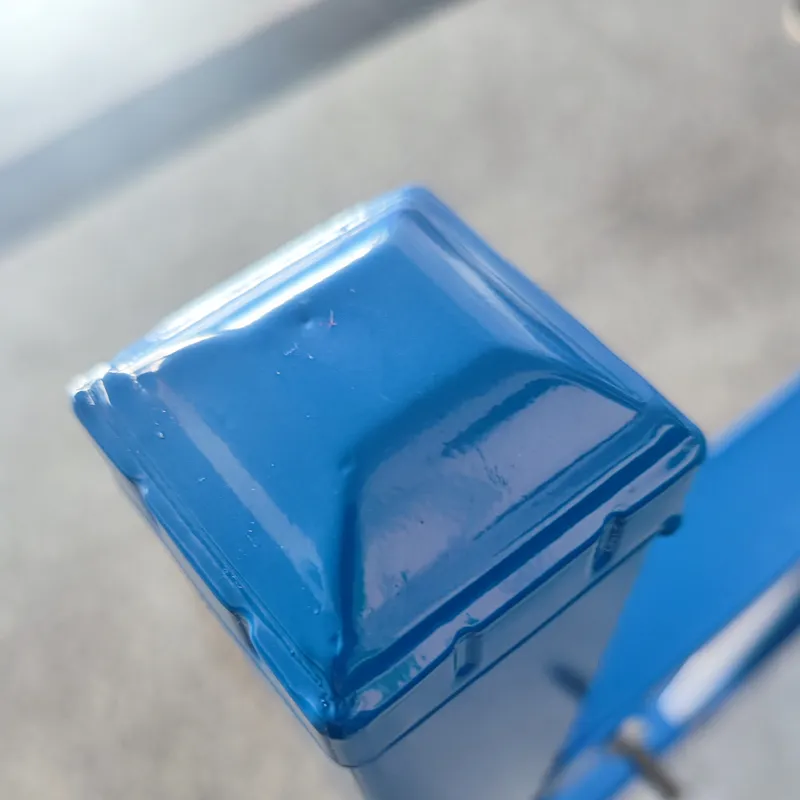
| Finish | Hot-dip galvanizing (ISO 1461), powder coat RAL colors |
| Fence height/section | ≈1.2–2.4 m high; 1.5–2.5 m panel width (custom) |
| PV module | Mono-PERC, 30–200 W per section; bifacial optional |
| Module safety | Designed to align with IEC 61730; tempered glass, IP65 J-box |
| Efficiency | ≈20–22% (real-world use may vary) |
| Wind load | Up to 0.6–0.8 kN/m², site-specific |
| Electrical | 24–48 V DC strings typical; grid-tie or off-grid options |
| Service life | Structure 20–30 yrs; PV 25 yr performance target |
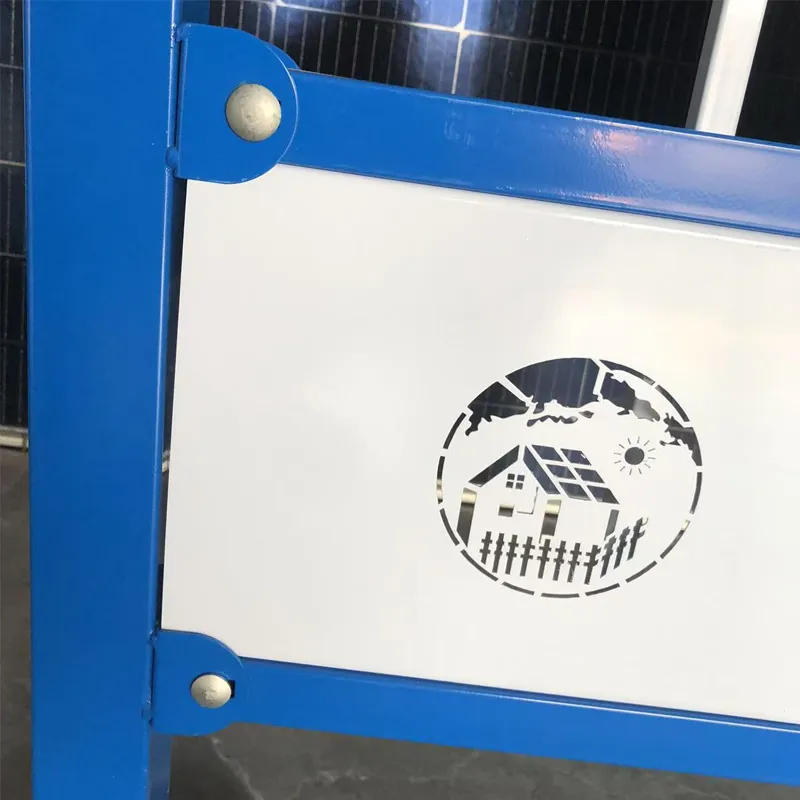
How it’s made (quick process)
- Materials: heavy-gauge steel posts, aluminum profiles, tempered PV glass, UV-stable cabling.
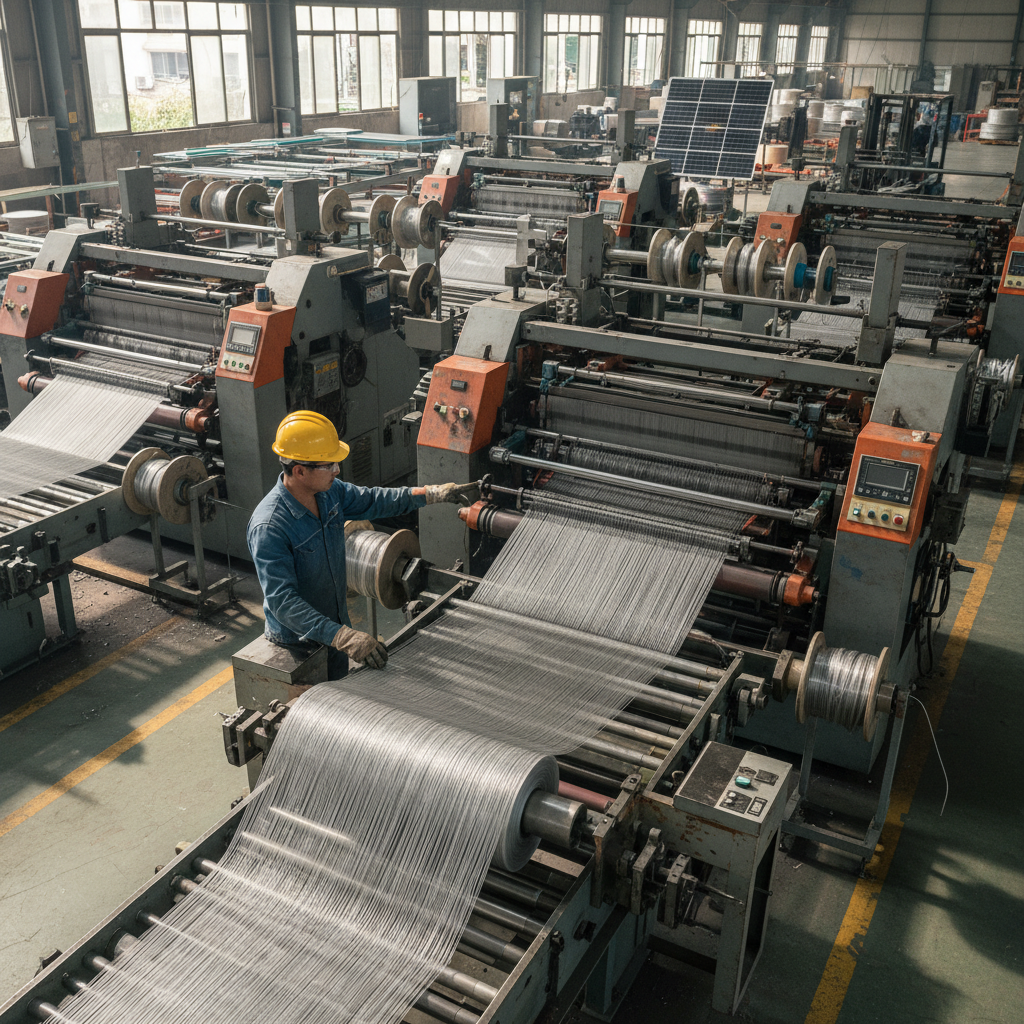
- Methods: laser cutting, robotic welding, hot-dip galvanizing, powder coating, PV lamination, pre-wired harnesses.
- Testing: salt-spray ≥720 h (ISO 9227) typical; module reliability per IEC 61215; safety alignment with IEC 61730; mounting practices referencing UL 2703 where applicable.
- Quality checks: insulation resistance >100 MΩ @ 1000 VDC (typical lab value), ground continuity
- Service: design, on-site layout, pull-out tests for posts, commissioning.
- Industries: residential estates, factories, logistics hubs, data centers, schools, agrivoltaic perimeters.
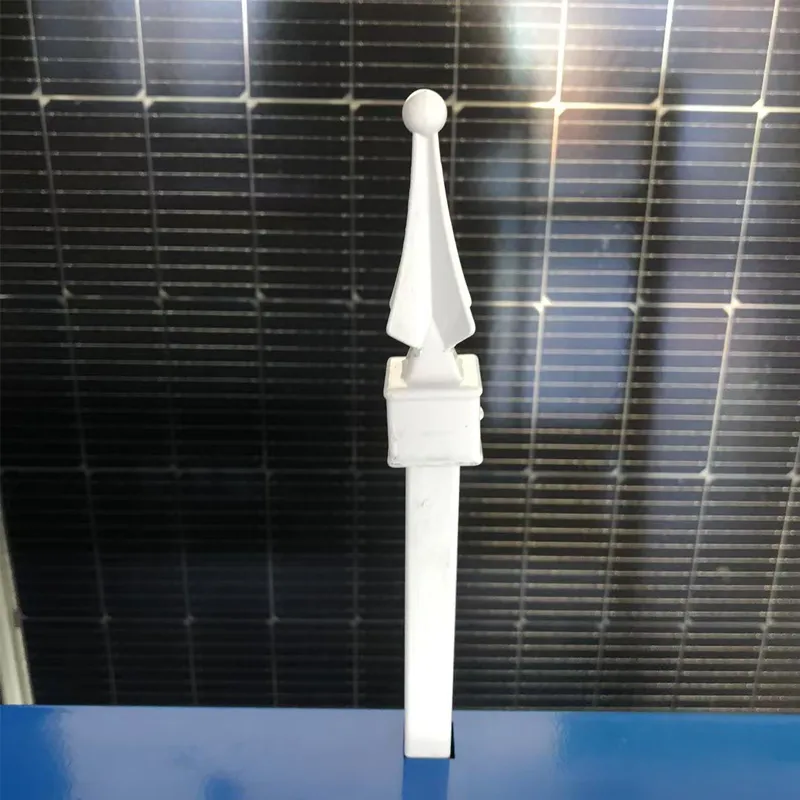
Where it shines
Use Photovoltaic Fence lines to power bollards, CCTV, access control, EV trickle, or feed a microinverter string. In courtyards and commercial edges, it reads modern—clean sightlines, no visual clutter. And for factories, the capex can be offset by avoided light poles and trenching. To be honest, it’s the small wiring wins that add up.
Vendors at a glance
| Vendor | Strengths | Notes |
|---|---|---|
| QH Filter (OEM) | Custom sizing, robust metalwork, fast lead times | Design aligns with IEC/ISO standards; price ≈ mid |
| Glass PV fence startups | High-end aesthetics, frameless modules | Cost high; replacements may be longer |
| DIY kits | Entry price low | Variable compliance; wind design often limited |
Case notes (real sites, typical)
- Logistics park, Hebei: ≈800 m run, ~30 kWp, lighting + CCTV UPS; payback estimated 4.5–6.5 years.
- Court-yard demo: 60 m, ~3.2 kWp with microinverters; neighbors actually asked for the RAL code.
- Factory walkway: 200 m, ~12 kWp powering access control and perimeter luminaires.
Customization and compliance
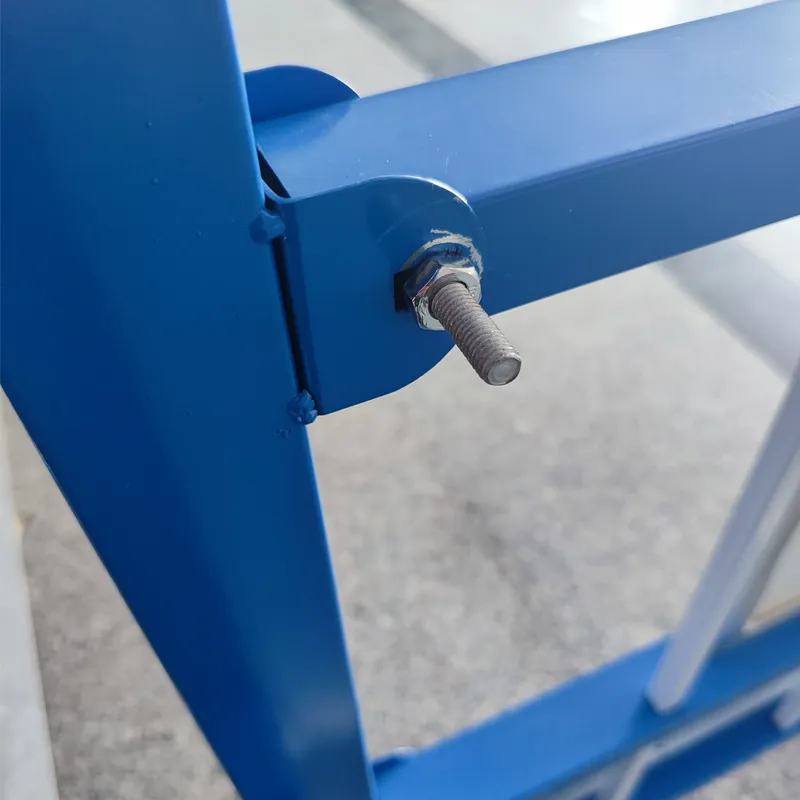
Choose panel wattage, fence height, color, and wiring topology (off-grid battery vs. grid-tied). For safety, designs align with IEC 61215/61730 for modules and follow good-practice mounting per UL 2703. Corrosion protection per ISO 1461 and salt-spray (ISO 9227) is available—ask for test reports.
What users say and upkeep
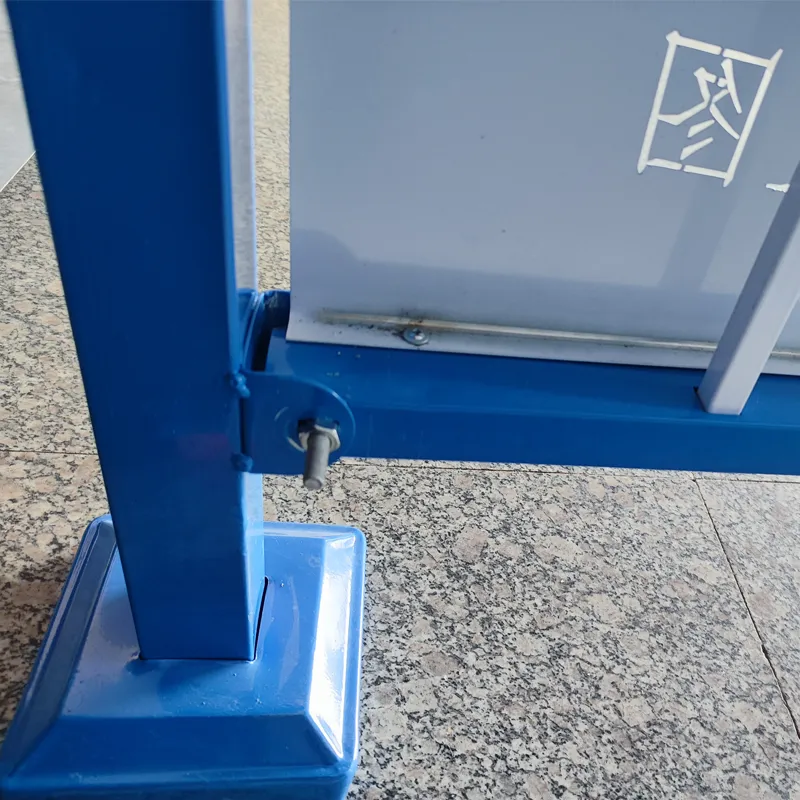
Feedback trends: “quieter site nights” thanks to powered surveillance, and “surprisingly premium look.” Maintenance is straightforward—rinse glass, quick torque checks annually, inspect bonding jumpers. Output will vary with orientation and shading (obviously), but the blended value still pencils in most commercial yards.
References
- IEC 61215: Terrestrial PV module design qualification and type approval. https://webstore.iec.ch
- IEC 61730: PV module safety qualification. https://webstore.iec.ch
- ISO 1461: Hot dip galvanized coatings on fabricated iron and steel articles. https://www.iso.org
- UL 2703: Mounting systems, mounting devices, clamping/retention. https://www.ul.com
- ISO 9227: Corrosion tests in artificial atmospheres — Salt spray tests. https://www.iso.org