High-Quality Conical Filter Stainless Steel Mesh for Industrial Use
Why Conical Filter Stainless Steel Mesh Is a Game-Changer in Industrial Filtration
After more than a decade working hands-on with industrial filtration systems, I’ve grown to appreciate the subtle but crucial impact a well-crafted filter can have on process efficiency. Among the many types, the conical filter stainless steel mesh stands out, frankly, as a bit of a quiet hero in heavy-duty filtration.
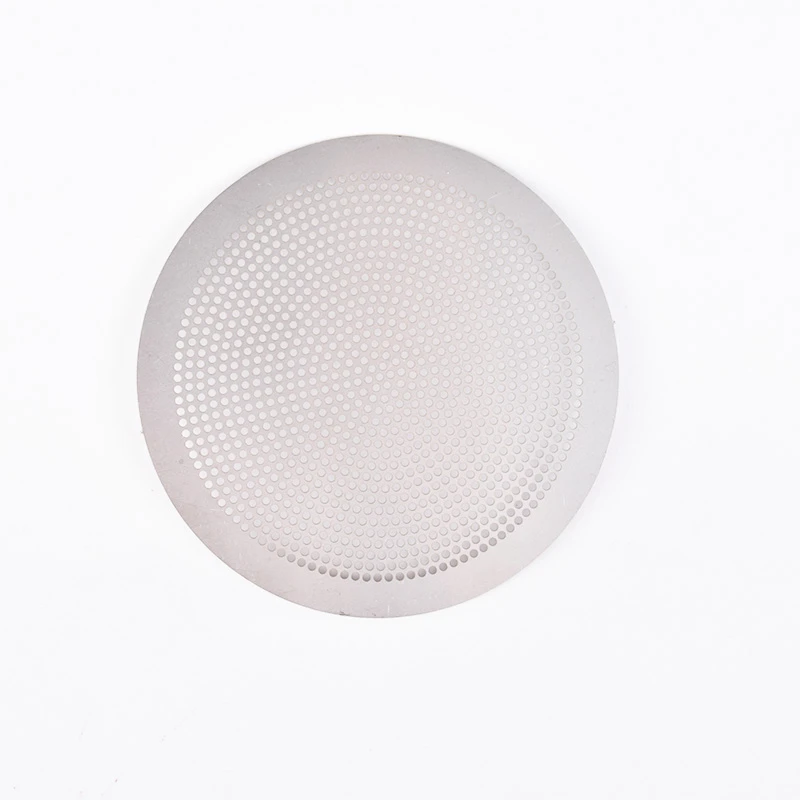
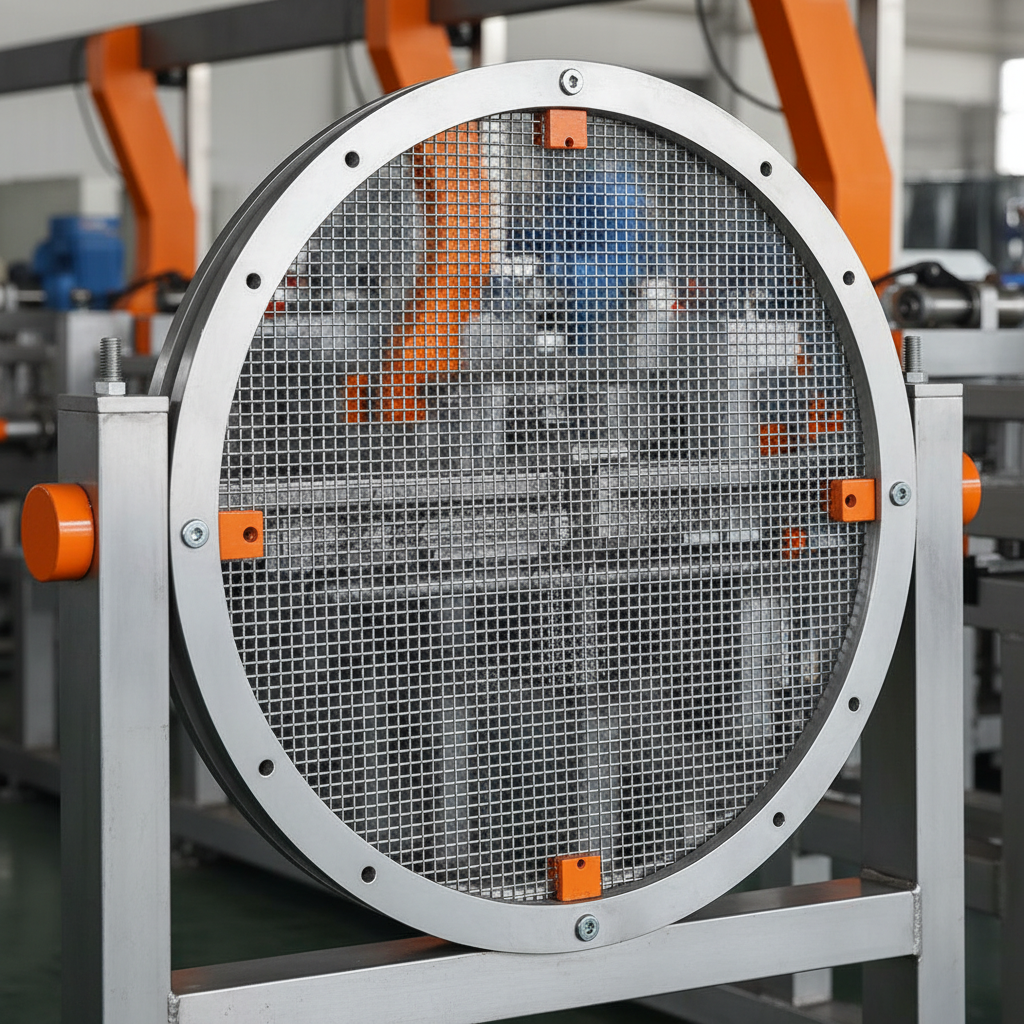
At first glance, its shape might seem like just an aesthetic choice: that tapered, cone-like profile. But in real terms, this design offers distinct advantages. For one, the conical form optimizes flow distribution, reducing pressure drops and minimizing clogging. Couple that with stainless steel mesh — which, you know, offers superb corrosion resistance and mechanical strength — and you end up with a filter that’s both durable and efficient.
Now, engineers I’ve worked with often mention that stainless steel mesh allows fines capture without sacrificing cleaning ease. This is crucial in industries like chemical processing, food and beverage, or even mining. Oddly enough, one of my clients insisted on stainless steel conical filters because their previous cylindrical filters kept failing prematurely due to clogging issues. Switching to a conical mesh extended their filter lifespan by nearly 40%, no joke.
Material and Mesh Details
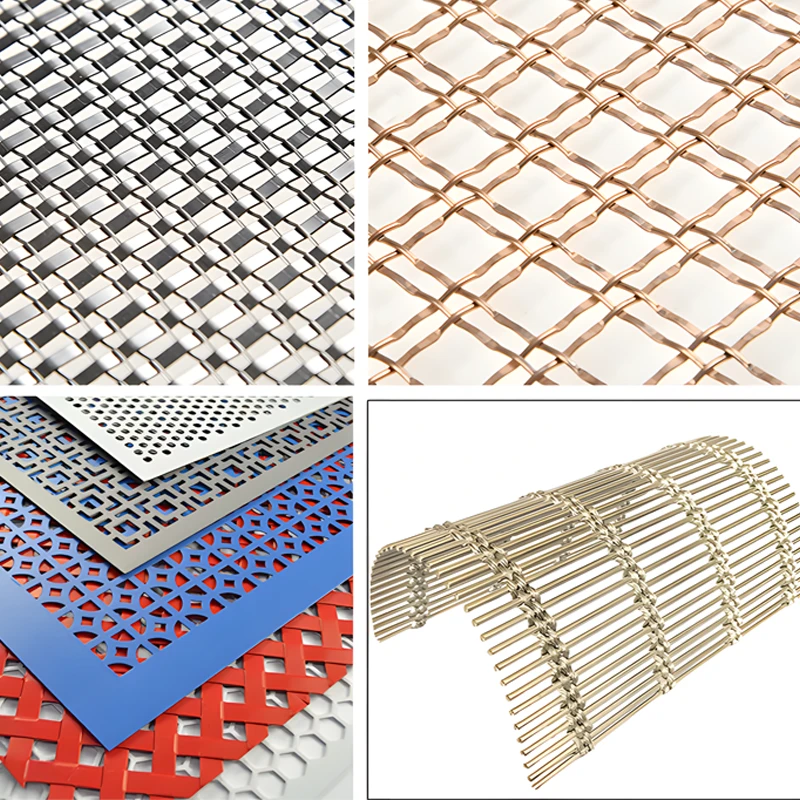
The stainless steel used is typically 304 or 316 grade — 316 being favored for highly corrosive environments because of its molybdenum content. Mesh sizes range widely, from coarse 10 mesh for larger particulates to ultrafine 400 mesh filtering micron-level contaminants.
One thing to note: mesh precision and uniformity make a huge difference. I remember inspecting batches where inconsistencies led to bypass of particles, compromising the filtration. So, material certification and supplier reliability are definitely not to be skimped on.
| Specification | Details |
|---|---|
| Material | Stainless Steel 304 / 316 |
| Mesh Range | 10 – 400 mesh |
| Shape | Conical (tapered) |
| Surface Finish | Electropolished or plain |
| Max. Operating Temp. | Up to 600°C (varies by grade) |
| Applications | Chemical, food processing, mining, oil & gas |
Choosing the Right Vendor: A Quick Comparison
Now, probably the trickiest part is picking a reliable vendor. There are plenty out there, but quality, customization options, and after-sale service can vary wildly. Here’s a quick rundown based on my years in the field:
| Vendor | Quality | Customization | Lead Time | After-Sales Support |
|---|---|---|---|---|
| QH Filter | High - certified stainless steel | Extensive - mesh size & shape tailored | 4-6 weeks | Excellent, responsive |
| Industrial Mesh Co. | Medium | Limited | 6-8 weeks | Average |
| Steel Filters Ltd. | High | Moderate | 5-7 weeks | Good |
Frankly, having supplier trust is as important as the physical product itself. I’ve seen projects derail because of supply chain issues or inconsistent quality. That’s why in my experience, working with a reputable company like QH Filter often saves headaches down the line.
To wrap up, if you’re in the market for a filtration solution that handles demanding environments and requires minimal downtime, a conical filter stainless steel mesh is definitely worthy of consideration. It’s these subtle design and material choices that often make or break performance in industrial setups.
Oddly enough, investing a little more upfront on quality and customization usually pays off with fewer replacements and operational hiccups. And who doesn’t want that?
Oh, and a quick story before I sign off: A small edible oil refinery I consulted for switched from polypropylene filters to stainless steel conical mesh, simply for better chemical resistance and ease of cleaning. After six months, their filtration downtime dropped dramatically, and product yield improved by around 5%. Results like that really stick with you.
That’s about it—hope this sheds some light on why conical stainless steel mesh filters are more than just a shape or shiny metal. Cheers to smarter filtration!
References:
1. ASTM A240 / A240M - Standard Specification for Stainless Steel Plate.
2. Industry Filtration Review, 2023 Edition.
3. Personal field experience and client consults (2010-2023).