Finest 60 Micron Stainless Steel Mesh for Precision Filtration | QH Filter
Understanding 60 Micron Stainless Steel Mesh: A Small Detail With Global Impact
At first glance, “60 micron stainless steel mesh” might sound like a niche technical term destined only for specialists. Yet, this fine mesh is quietly transforming industries around the world — from water filtration in remote villages to chemical processing plants and even humanitarian relief operations. Why does 60 micron matter? Because those tiny, precisely engineered openings in steel weave can be the difference between contaminated water and safe drinking supplies, between product purity and costly failures in manufacturing.
In this article, we’ll explore why the 60 micron stainless steel mesh is a crucial material in modern industry and humanitarian efforts, the core factors behind its success, real-world applications, and what the future holds for this versatile mesh.
The Global Context: Why 60 Micron Stainless Steel Mesh Matters
With the United Nations reporting that over 2 billion people lack access to safely managed drinking water (WHO, 2023), solutions that can efficiently filter contaminants are urgently needed. Stainless steel mesh filters sized at 60 microns are finely tuned to block harmful particles without obstructing necessary flow — a sweet spot in filtration technology.
Industry-wide, ISO standards for filtration have increasingly highlighted micron size as a key specification. Meanwhile, water treatment plants, pharmaceutical companies, and oil refineries rely on incredibly precise meshes for consistency and safety. So when budgets tighten and quality standards rise, this mesh size balances performance and cost effectively.
Yet despite its importance, many sectors still struggle with sourcing reliable, high-quality 60 micron stainless steel mesh. The challenge? Producing a mesh with uniform openings at such a tiny scale while ensuring it can withstand harsh conditions and repeated cleaning.
What Is 60 Micron Stainless Steel Mesh?
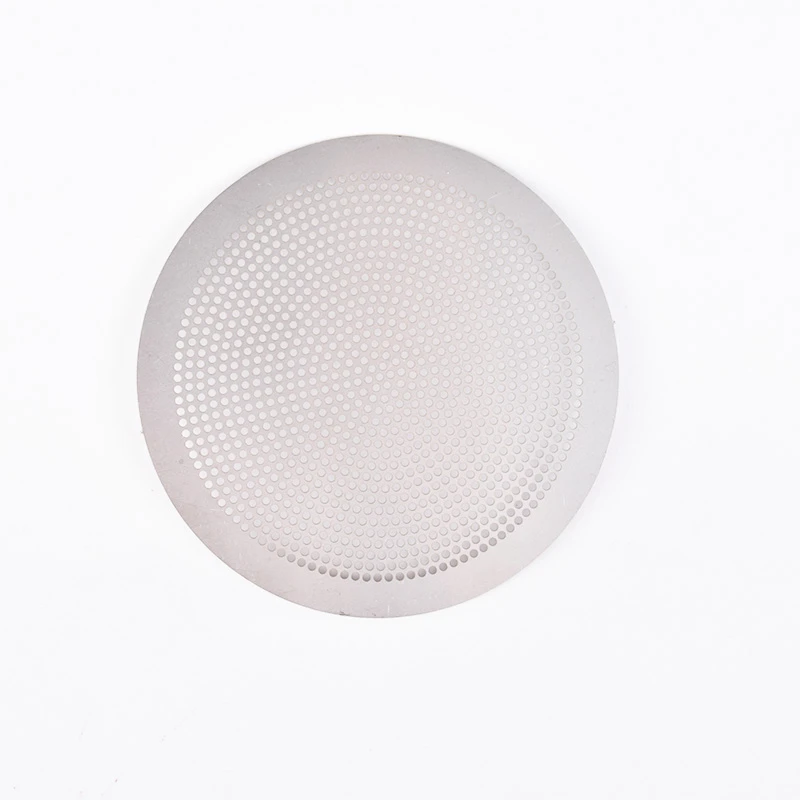
Simply put, it’s a woven sheet of stainless steel wires with openings around 60 microns in size — to put that in perspective, a human hair is roughly 70 microns thick. This means the mesh acts like a microscopic sieve, allowing fluids or gases to pass but blocking particles larger than 60 microns.
The choice of stainless steel is crucial because of its corrosion resistance, strength, and longevity — qualities essential for everything from food processing to marine environments.
Oddly enough, while it sounds industrial, this product touches humanitarian needs by enabling clean water filtration and medical device sterilization, contributing to both safety and dignity.
Mini Takeaway:
- A 60 micron stainless steel mesh is a fine, durable filter screen with critical roles in safety and manufacturing.
- Its precision and resilience make it a go-to in sectors where quality can’t be compromised.
Key Factors Behind 60 Micron Stainless Steel Mesh’s Effectiveness
1. Durability & Corrosion Resistance
Stainless steel’s alloy structure resists oxidation, even in aggressive acids or saltwater. This means filters last far longer than plastic or simple wire meshes, maintaining performance in tough environments.
2. Precision & Uniformity
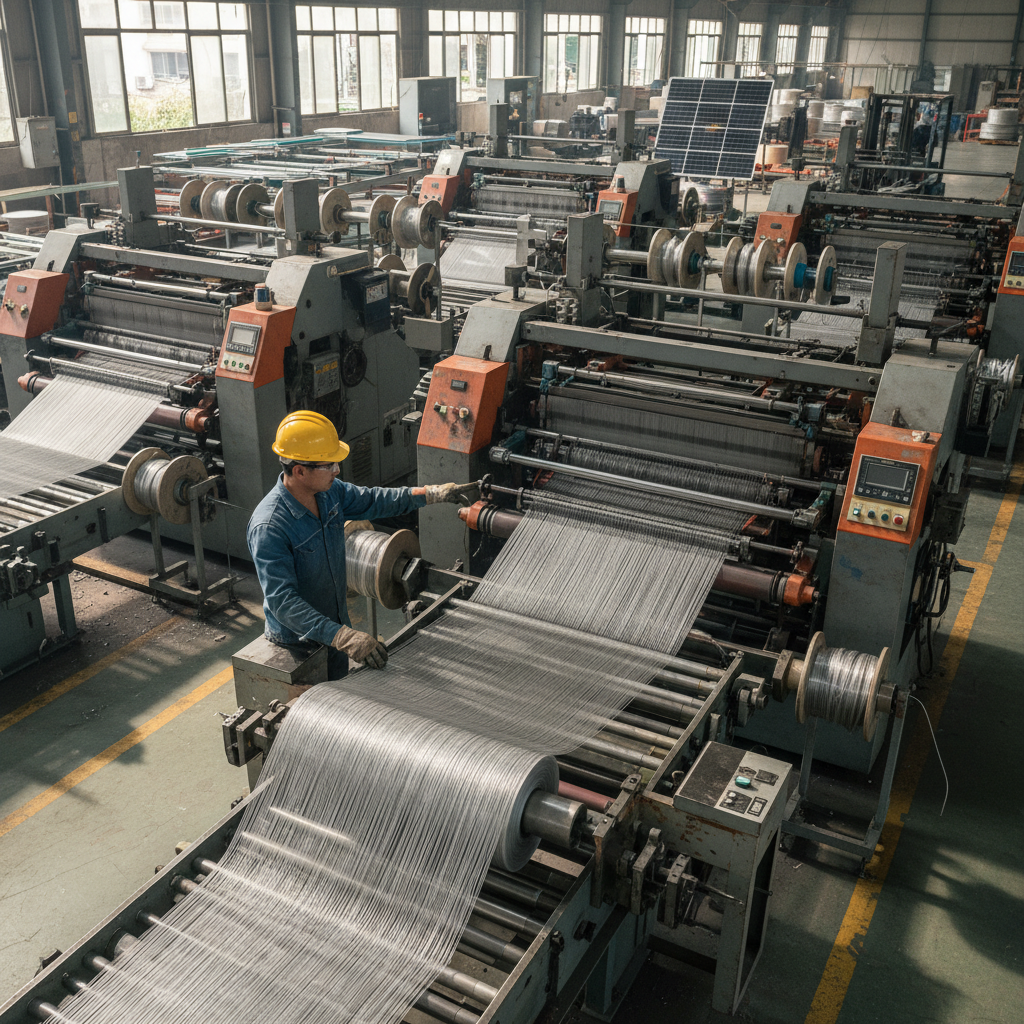
Producing a mesh with consistent 60 micron aperture ensures reliable filtration – no unexpected leak-through and minimal clogging. Modern weaving technology and quality controls have refined this to near perfection.
3. Scalability & Customization
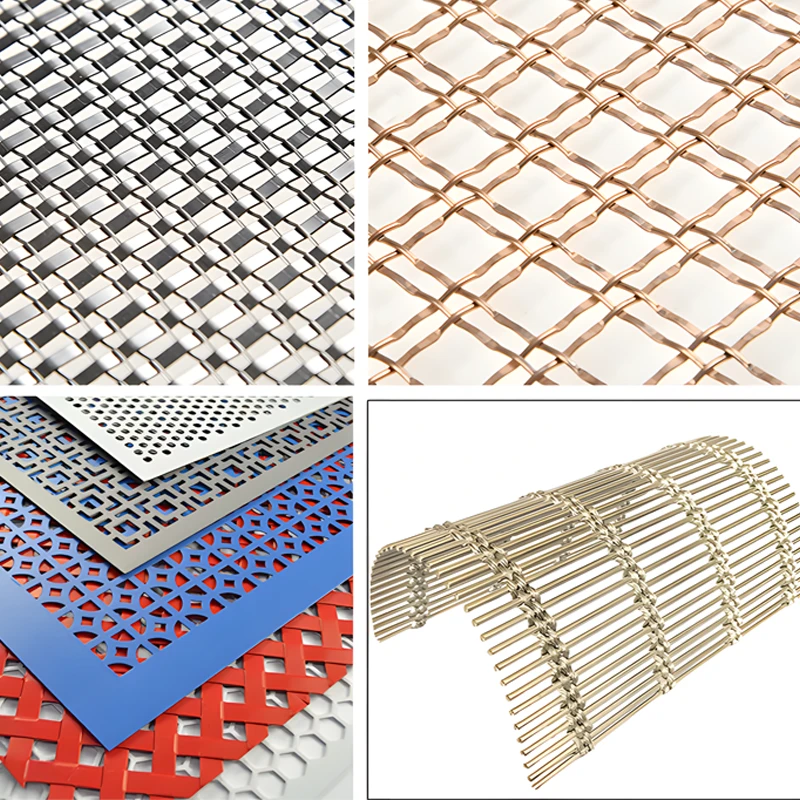
Manufacturers can tailor mesh thickness, weave pattern, and surface finishes. This adaptability means it fits everything from small lab apparatuses to huge industrial filtration units.
4. Cost Efficiency Over Time
Though initial unit cost might be higher than some alternatives, the lifespan and lowered maintenance needs pay off. Many industries note reduced downtime thanks to reliable mesh filters.
5. Sustainability & Recyclability
Unlike synthetic filters that may clog or degrade rapidly, stainless steel meshes can be cleaned, sterilized, and recycled — aligning with green manufacturing goals.
Mini Takeaway:
- Success hinges on precision engineering, material strength, and adaptability to diverse conditions.
- Cost and eco-friendliness combined make stainless steel mesh sustainable for long-term use.
Product Specification Table: Typical 60 Micron Stainless Steel Mesh
| Specification | Details |
|---|---|
| Mesh Aperture Size | 60 microns (±5 microns) |
| Wire Diameter | 0.05 mm |
| Material | 316L Stainless Steel |
| Weave Type | Plain Weave |
| Sheet Thickness | 1.2 mm |
| Operating Temperature | -200°C to 800°C |
Global Applications & Use Cases
The versatility of 60 micron stainless steel mesh means it pops up in more places than you might expect:
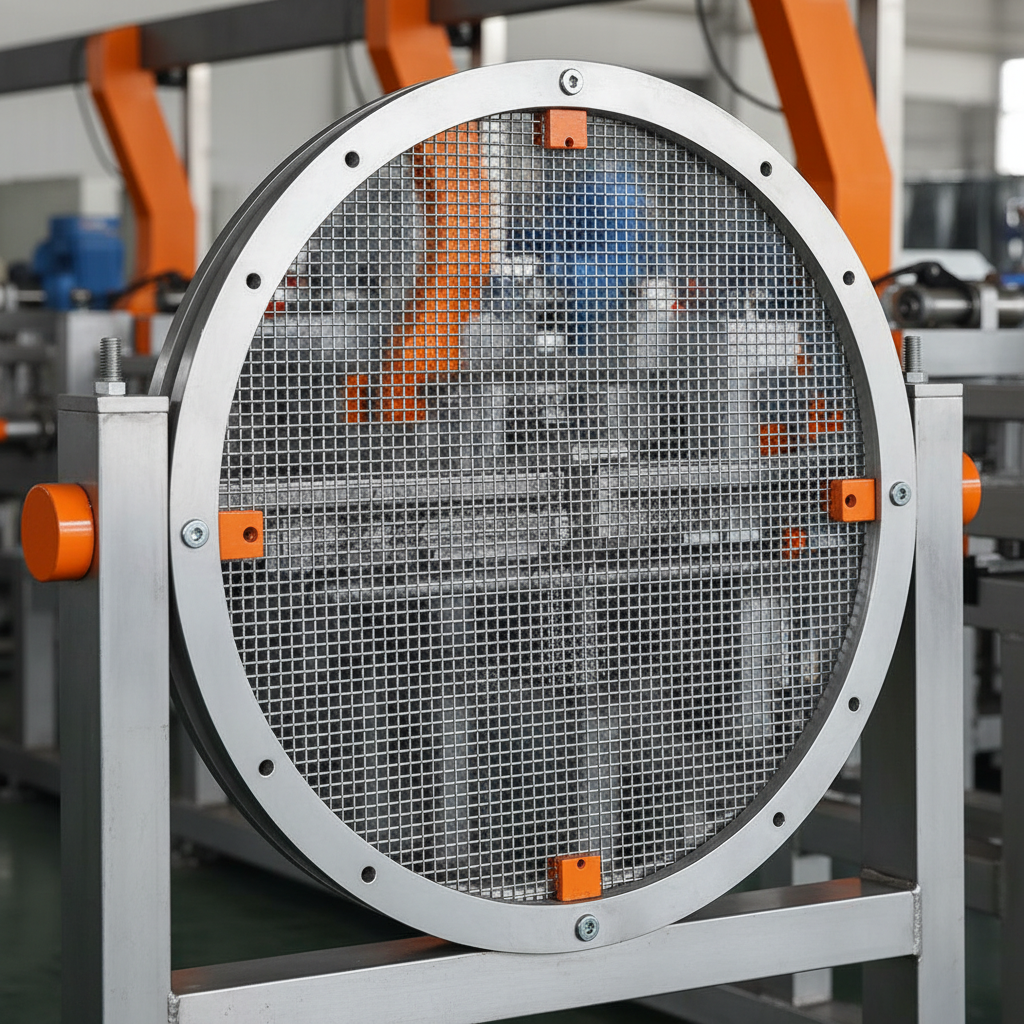
- Water filtration systems: In India and Sub-Saharan Africa, 60 micron stainless steel mesh filters remove silt and bacteria, improving access to safe drinking water.
- Pharmaceutical manufacturing: Machines use 60 micron sieves to ensure particle uniformity in medicines, vital for both efficacy and safety.
- Food and beverage industry: Filtering impurities from honey, juices, and oils without damage.
- Oil & gas: Pre-filters in pipelines reduce particulate contamination, avoiding costly shutdowns.
- Disaster relief: Portable water filtration devices with stainless steel mesh help NGOs quickly provide safe water in post-disaster zones.
Mini Takeaway:
- This mesh serves both cutting-edge industry demands and critical humanitarian needs worldwide.
- The quality and reliability of 60 micron stainless steel mesh have made it a global filtration standard.
Vendor Comparison: Popular Suppliers of 60 Micron Stainless Steel Mesh
| Vendor | Mesh Quality | Lead Time | Price Range | Customization Options |
|---|---|---|---|---|
| QH Filter | High (±3 micron tolerance) | 2-3 weeks | $$$ | Wire diameter, coating, sheet size |
| SteelMeshCo | Medium (±7 micron tolerance) | 1-2 weeks | $$ | Limited customization |
| FilterTech Solutions | High (±4 micron tolerance) | 3-4 weeks | $$$$ | Full custom design, coatings |
Advantages and Long-Term Value of 60 Micron Stainless Steel Mesh
What’s compelling about this mesh isn’t just that it filters well — it’s how it delivers safety and sustainability simultaneously. Many engineers I spoke with emphasize its balance between mechanical strength and precision. This translates to less downtime, lower replacement rates, and improved quality assurance.
On the social side, NGO workers emphasize the dignity of providing clean water thanks to robust, reusable mesh filters that survive harsh field conditions. When water filters last longer, families spend less time fetching and filtering water themselves — a simple but profound impact.
From an environmental perspective, steel meshes can be cleaned repeatedly without producing waste or microplastics, unlike synthetic alternatives that clog, degrade, or must be discarded.
Future Trends & Innovations in Mesh Technology
The 60 micron stainless steel mesh is not standing still. Innovations focus on:
- Nanocoatings: To further resist fouling and reduce cleaning frequency.
- Smart filtration units: Incorporating sensors to detect clogging and automate cleaning.
- Eco-friendly processing: Manufacturers are shifting to lower energy footprint production methods and recycling initiatives.
- Material hybrids: Combining stainless steel with graphene or other emerging materials for improved strength and conductivity.
Challenges & How Industry Tackles Them
Producing perfectly uniform 60 micron mesh isn’t trivial — slight variations impact performance heavily. Plus, thin wire can be prone to damage under extreme mechanical stress, and cleaning practices vary.
Industry experts advocate rigorous quality control, and increasingly, mesh producers collaborate closely with clients to tailor mesh properties to specific applications — whether high-temperature chemical processes or abrasive filtration in mining.
FAQ: Your Questions About 60 Micron Stainless Steel Mesh
Q1: How does a 60 micron mesh compare to finer filters?
While finer filters trap smaller particles, they often clog faster and reduce flow rates. The 60 micron size strikes a good balance for many applications, offering efficient filtration without excessive maintenance.
Q2: Can 60 micron stainless steel mesh be cleaned and reused?
Yes. One of its advantages is durability. Proper cleaning, usually with solvents or ultrasonic baths, restores filtration performance multiple times before replacement is needed.
Q3: Is this mesh suitable for food-grade applications?
Absolutely. Stainless steel 316L is corrosion-resistant and non-reactive, making it compliant with food safety standards worldwide.
Q4: How do I select the right vendor for my needs?
Consider mesh quality tolerance, lead times, customization options, and cost. Vendors like QH Filter provide high precision and customization tailored to your application.
Wrapping Up: Why This Small Mesh Packs a Big Punch
In real terms, 60 micron stainless steel mesh is more than a product — it’s a bridge between quality and accessibility, between innovation and tradition. Whether purifying water in a remote village or ensuring pharmaceuticals meet exacting standards, it delivers reliability alongside sustainability. So next time you hear about stainless steel mesh, remember it’s a tiny hero in a vast global story.
Curious to see how 60 micron stainless steel mesh can fit into your projects? Visit QH Filter’s website to explore detailed product options and custom solutions.