Durable Wire Mesh Filters | Stainless Steel & Steel Filtration
Introduction to Advanced Filtration Solutions
In industrial processes, precision filtration is paramount for operational efficiency, product purity, and equipment longevity. A critical component in achieving these objectives is the wire mesh filter. These highly engineered components are indispensable across a multitude of sectors, offering robust, reliable, and reusable filtration media for gases, liquids, and solids. Their versatility stems from the wide array of materials, weave patterns, and configurations available, allowing them to be tailored for specific flow rates, particle retention requirements, and environmental conditions. From micron-level particle separation in sensitive pharmaceutical applications to heavy-duty debris removal in mining, the underlying principle remains consistent: to protect downstream equipment, ensure product quality, and reduce maintenance costs.
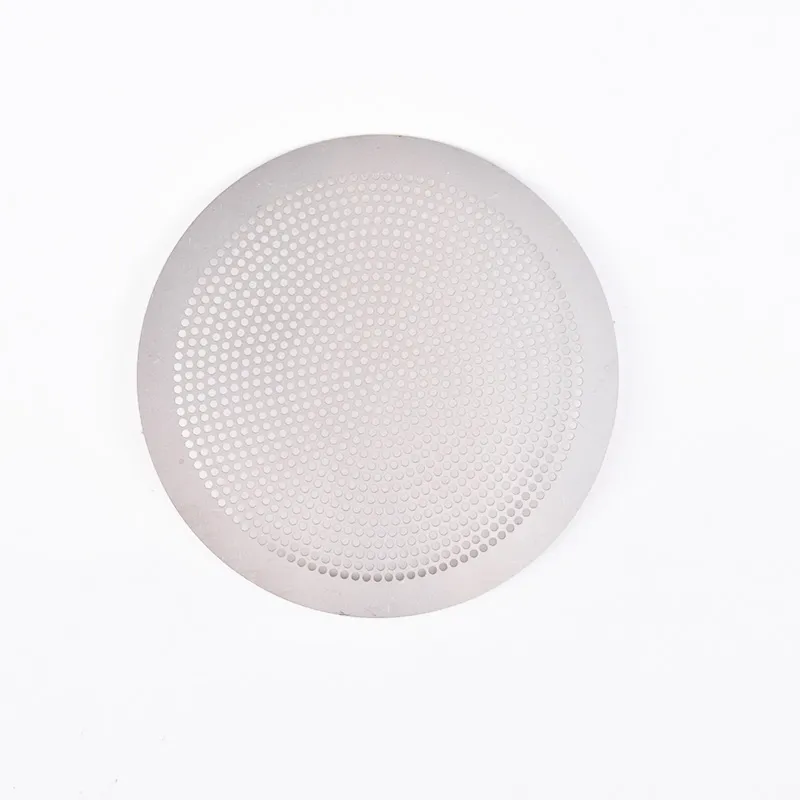
This comprehensive article delves into the intricate world of wire mesh filtration, exploring its evolution, technical underpinnings, and strategic importance in modern industrial ecosystems. We will examine the critical role played by material science and advanced manufacturing techniques in producing filters capable of enduring harsh operating environments while maintaining peak performance.
Industry Trends and Market Dynamics
The global filtration market is undergoing significant transformation, driven by stringent environmental regulations, increasing demand for clean energy, and rapid industrialization in emerging economies. For wire mesh filtration, several key trends are observable:
- Advanced Materials: A shift towards exotic alloys and specialized coatings for enhanced corrosion resistance, high-temperature performance, and compatibility with aggressive chemicals. Materials like Hastelloy, Inconel, and titanium are becoming more prevalent alongside traditional stainless steels.
- Miniaturization and High Efficiency: Demand for filters that offer higher flow rates and finer filtration in smaller footprints, leading to innovations in multi-layer designs and pleated configurations.
- Sustainable Solutions: Emphasis on reusable and cleanable filter media to reduce waste and operational costs. The long service life of a well-engineered wire mesh filter aligns perfectly with sustainability goals.
- Smart Filtration Systems: Integration with IoT sensors for real-time monitoring of pressure drop, flow rate, and filter integrity, enabling predictive maintenance and optimizing change-out schedules.
- Additive Manufacturing: Exploration of 3D printing for complex filter geometries and graded porosity structures, pushing the boundaries of traditional weaving and sintering processes.
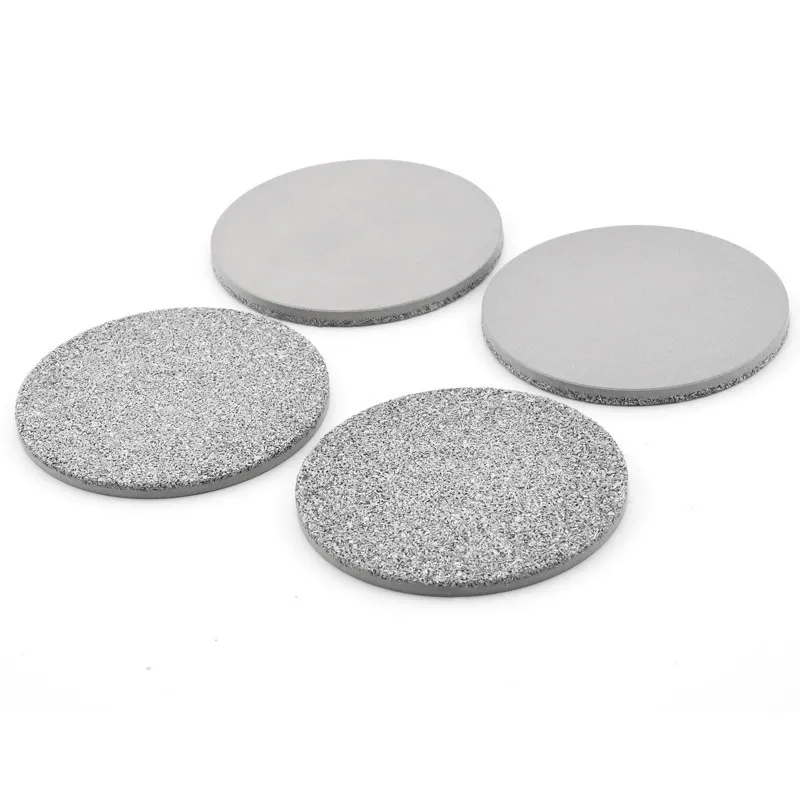
The rise of new industrial applications, from advanced battery manufacturing to hydrogen production, continues to fuel innovation in filtration technology, underscoring the dynamic nature of this critical market segment.
Technical Specifications and Material Science
The performance of a wire mesh filter is intrinsically linked to its technical specifications and the material from which it is constructed. Key parameters include:
- Material: Common materials include Stainless Steel (304, 316, 316L for corrosion resistance), Galvanized Steel (cost-effective), Monel, Hastelloy, Inconel (for extreme environments), and even plastics for specific applications.
- Mesh Count: Refers to the number of wires per linear inch, directly influencing the opening size and thus the filtration fineness.
- Wire Diameter: Impacts mesh strength, open area, and flow characteristics.
- Weave Pattern: Plain weave, twill weave, Dutch weave, and reverse Dutch weave are common. Dutch weaves offer superior strength and finer filtration, while plain weaves provide higher flow rates.
- Micron Rating: The nominal or absolute particle size that the filter can retain. Absolute ratings are critical for precision applications.
- Open Area: The percentage of open space in the mesh, directly affecting flow rate and pressure drop.
- Tensile Strength: The maximum stress the material can withstand while being stretched or pulled before breaking. Essential for high-pressure applications.
- Operating Temperature & Pressure: Critical limits for application suitability.
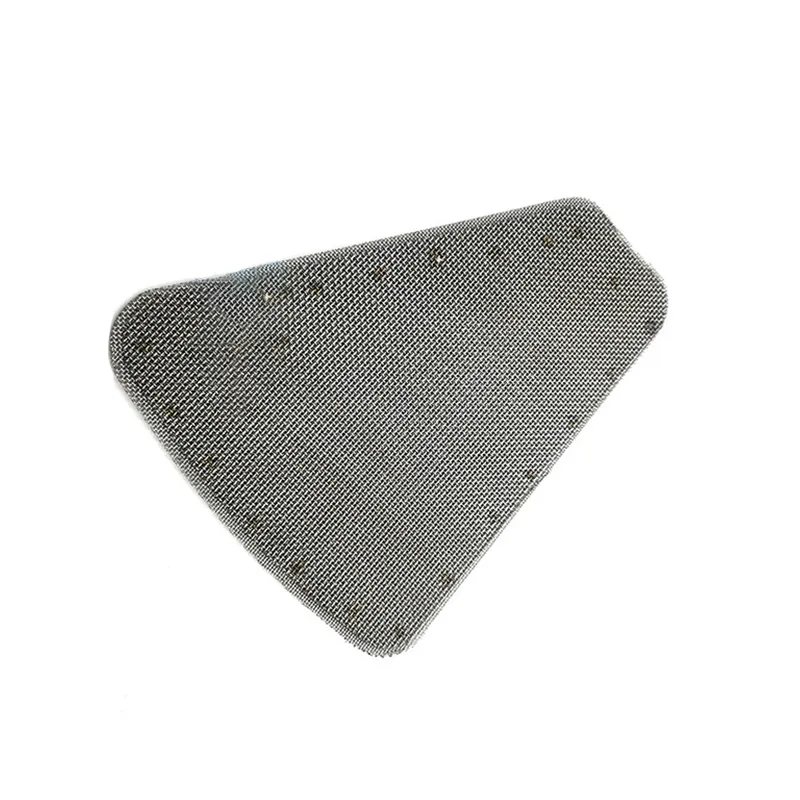
For demanding B2B applications, material selection is crucial. For instance, in chemical processing, the Corrosion Resistance Index (CRI) of the chosen alloy dictates its long-term viability against corrosive media, preventing premature filter failure and costly downtime. All materials adhere to recognized standards such as ASTM A240 for stainless steel or ASTM B127 for Monel alloys, ensuring material integrity and traceability.
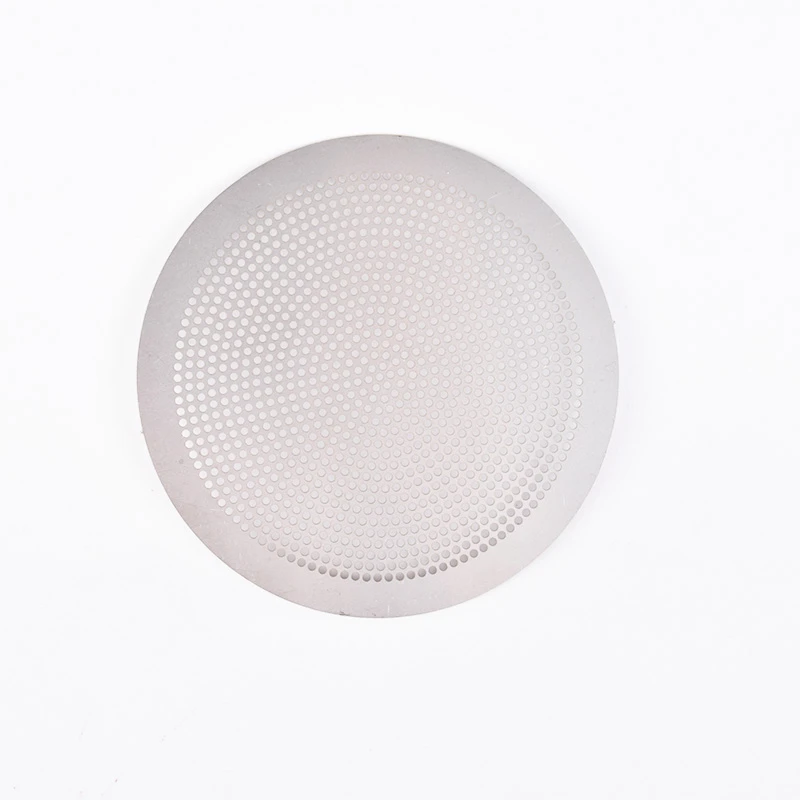
Typical Product Specification: Wire Mesh Filter Disc (Example)
| Parameter | Specification Range | Standard |
|---|---|---|
| Material | Stainless Steel 304, 316, 316L | ASTM A240 |
| Diameter | 5 mm to 600 mm (customizable) | DIN 24043, ISO 9044 |
| Filtration Rating | 5 microns to 2000 microns | ISO 4003 |
| Weave Type | Plain, Twill, Dutch, Reverse Dutch | ISO 9044 |
| Operating Temp. | -50°C to +500°C (material dependent) | Internal QA Testing |
| Pressure Rating | Up to 25 bar (dependent on design & mesh) | ASTM F735 |
| Number of Layers | Single-layer to Multi-layer (sintered) | N/A |
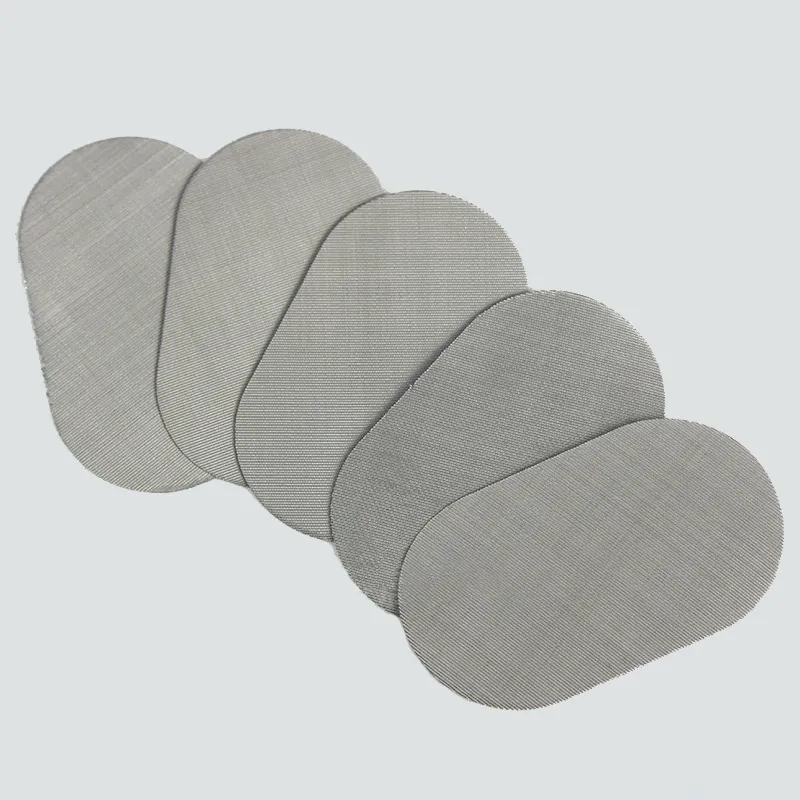
Manufacturing Process Flow of Wire Mesh Filters
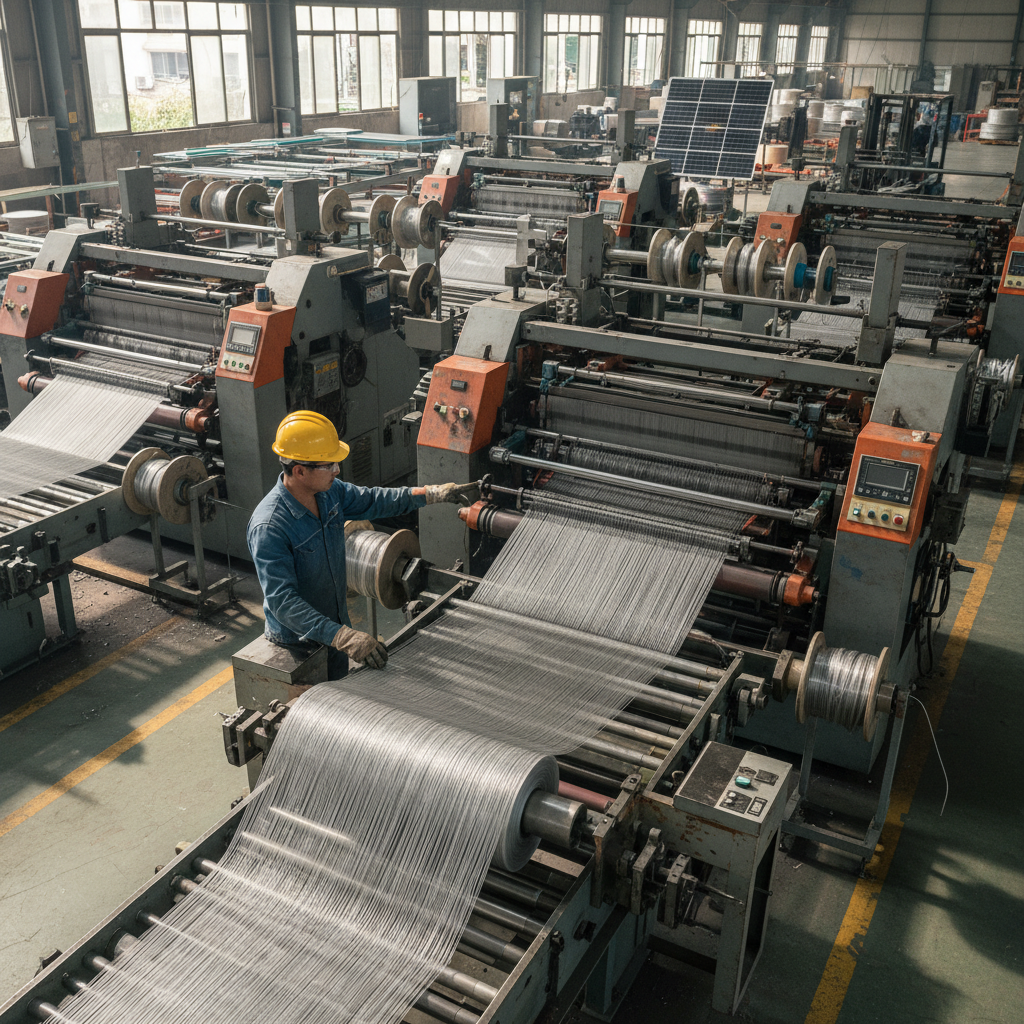
The production of a high-quality wire mesh filter involves several precise stages, ensuring durability, consistency, and optimal filtration performance. While the primary mesh material is typically woven, subsequent forming and finishing processes are critical.
1. Material Selection & Preparation
Careful selection of wire material (e.g., SS316L, Monel) based on application, corrosion resistance, and temperature requirements. Wires are cleaned and spooled for weaving.
2. Wire Weaving
Precision weaving on specialized looms to achieve desired mesh count, wire diameter, and weave pattern (plain, twill, Dutch). Ensures consistent pore size and mechanical stability.
3. Cutting & Blanking
The woven mesh is cut into specific shapes (discs, rectangles) using automated presses or CNC laser/plasma cutters for high precision and minimal material waste.
4. Forming & Edge Treatment
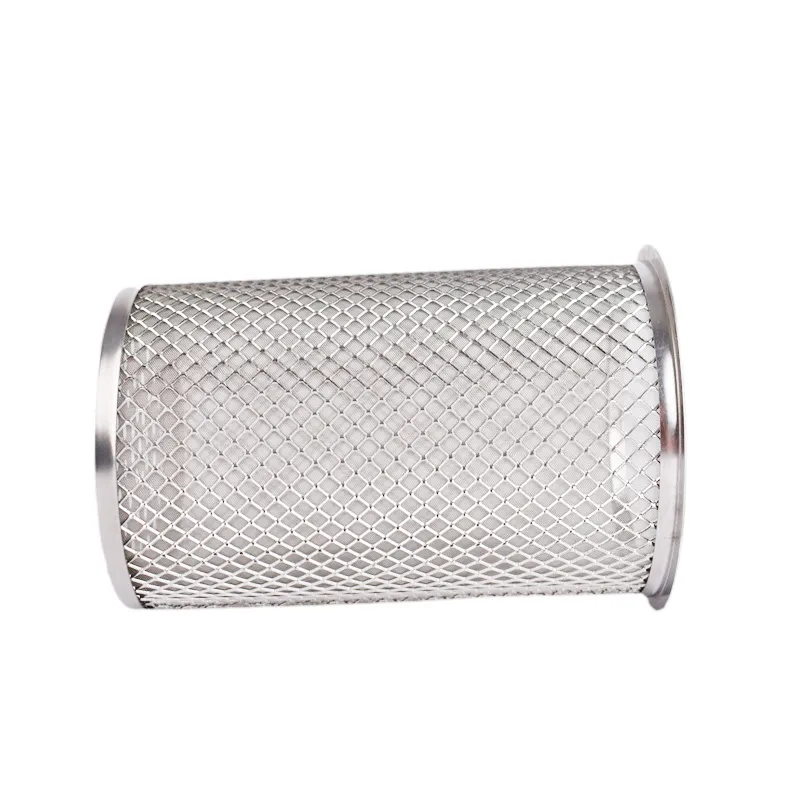
Mesh blanks are formed into desired shapes (e.g., pleated, conical, cylindrical). Edges are treated via spot welding, crimping, or riveting to prevent fraying and provide structural integrity.
5. Sintering (for multi-layer/sintered mesh)
For multi-layer filters, layers of mesh are diffusion-bonded under high temperature and pressure in a vacuum furnace, creating a rigid, self-supporting structure with enhanced strength and pore stability.
6. Quality Control & Testing
Each wire mesh filter undergoes rigorous testing: visual inspection, dimensional checks (calipers, optical comparators), bubble point testing (for absolute micron ratings), flow rate testing, and pressure drop analysis. Adherence to ISO 2942, ISO 2943, and ANSI B93.10 standards.
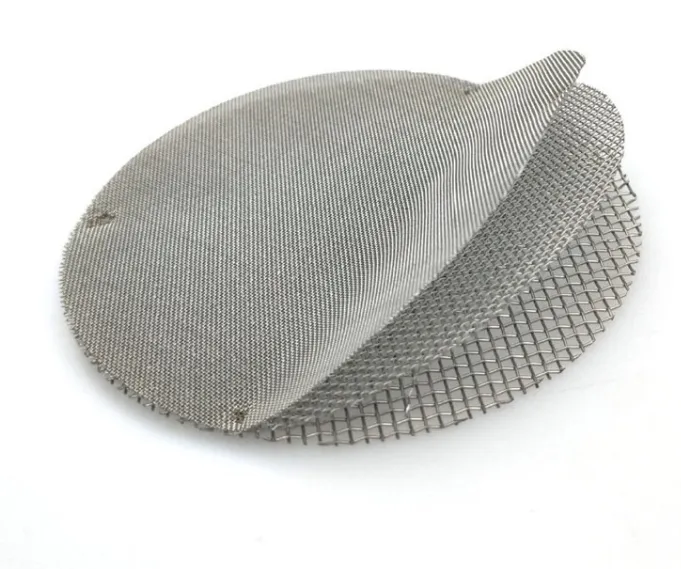
The manufacturing precision ensures a service life often extending to several years, even under continuous operation, reducing replacement frequencies and total cost of ownership. The meticulous quality assurance process, often involving automated optical inspection systems, guarantees that each filter meets the stringent performance criteria required by our target industries such as petrochemical, metallurgy, and water supply & drainage.
Technical Advantages and Performance Metrics
The inherent design and material properties of a wire mesh filter provide distinct technical advantages over other filtration media:
- High Mechanical Strength: Wire mesh structures, particularly sintered multi-layer designs, exhibit excellent mechanical strength, resisting deformation under high differential pressures and flow surges. This ensures structural integrity and prevents media migration.
- Exceptional Corrosion Resistance: When manufactured from materials like stainless steel (e.g., SS316L), Monel, or Hastelloy, these filters offer superior resistance to corrosive fluids, acids, alkalis, and saline solutions, significantly extending service life in harsh chemical environments.
- Wide Temperature Range: Unlike polymer-based filters, metal wire mesh filters can operate efficiently in extreme temperatures, from cryogenic applications to environments exceeding 500°C, without degradation of performance.
- Cleanability and Reusability: The rigid structure of wire mesh allows for easy backwashing, ultrasonic cleaning, or chemical cleaning, enabling repeated use and reducing operational expenditure and waste. This contributes to energy saving by reducing the energy footprint associated with manufacturing new disposable filters.
- Precise and Stable Pore Size: Advanced weaving and sintering techniques ensure a uniform and stable pore size, providing consistent filtration efficiency and preventing particle bypass. This precision is critical for product purity and equipment protection.
- High Flow Rates with Low Pressure Drop: Optimized weave patterns and open area designs facilitate high fluid throughput with minimal pressure loss, leading to energy savings in pumping operations.
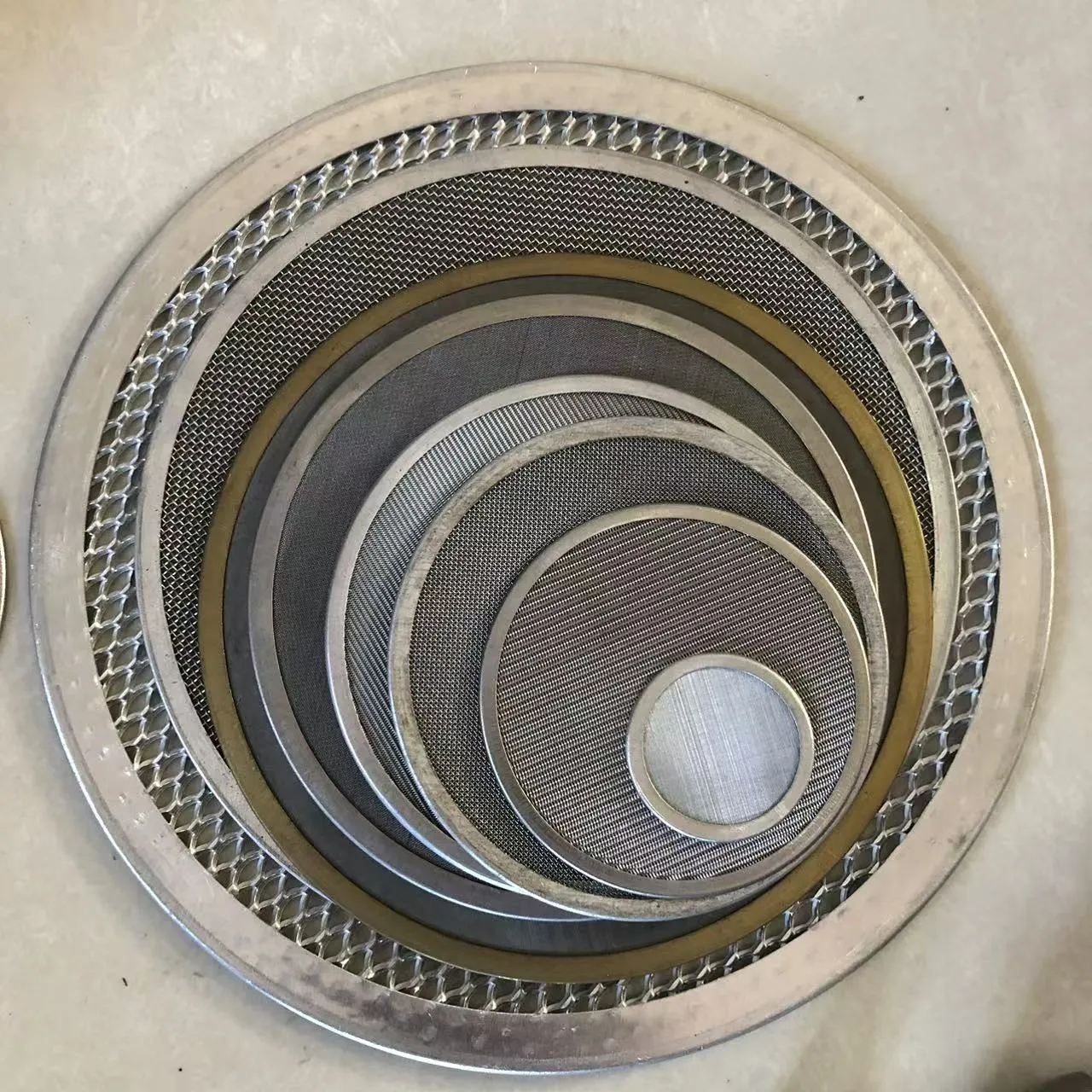
These advantages collectively translate into lower total cost of ownership (TCO), enhanced process reliability, and improved product quality across diverse industrial applications.
Application Scenarios and Case Studies
Wire mesh filter solutions are integral to a vast array of industrial processes. Their adaptability makes them suitable for:
- Petrochemical Industry: Used for catalyst retention, pre-filtration of feedstocks, protection of pumps and nozzles, and separation of solid contaminants from crude oil and refined products. Enhances the efficiency of cracking units and reduces downtime caused by particulate fouling.
- Metallurgy & Mining: Essential for filtering slurries, hydraulic fluids, and lubricants, as well as dewatering processes. For instance, in steel production, they protect critical hydraulic systems from abrasive metallic particles, ensuring smooth operation of heavy machinery.
- Water Supply & Drainage: Primary filtration for municipal water treatment, industrial wastewater purification, and desalination plants. They remove larger suspended solids, protecting more sensitive downstream membrane filters and extending their operational life.
- Food & Beverage: Filtration of syrups, oils, juices, and spirits to ensure product clarity and compliance with food safety standards.
- Pharmaceutical: Critical for sterile filtration, particle removal from process liquids, and gas filtration in cleanroom environments, preventing contamination.
- Aerospace & Automotive: Filtration of fuels, lubricants, and hydraulic fluids in engines and complex systems, ensuring high performance and safety.
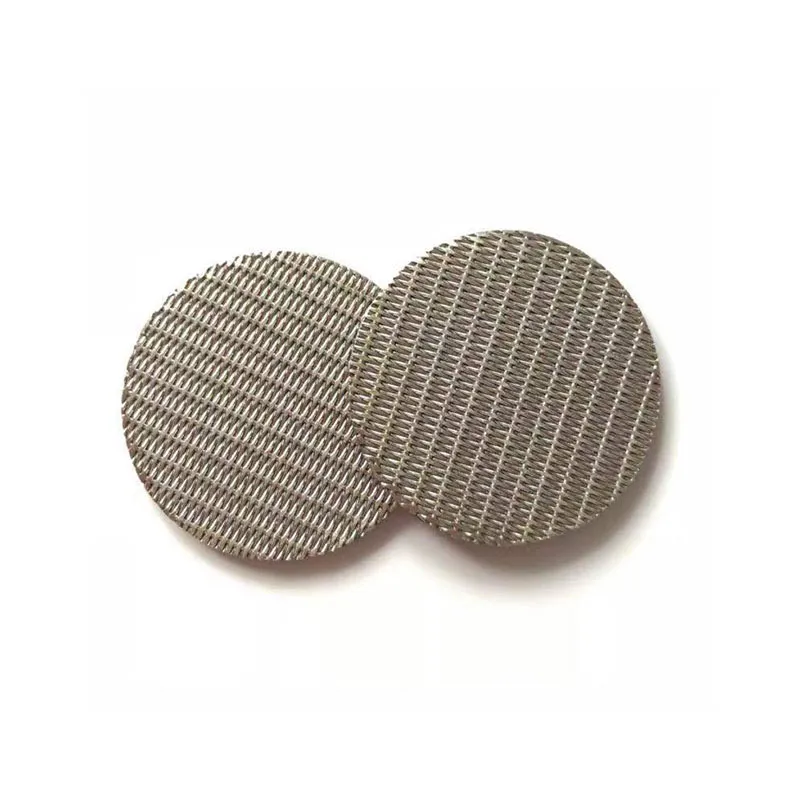
Application Case Studies
Case Study 1: Petrochemical Refinery Optimization
A major petrochemical client experienced frequent clogging in their catalytic cracking unit's feed nozzles, leading to unscheduled shutdowns and significant production losses. Implementing custom-designed multi-layer wire mesh filter discs with an absolute rating of 25 microns at the pre-treatment stage drastically reduced particulate loading. Over 18 months, the refinery reported a 40% reduction in nozzle cleaning cycles and a 15% increase in operational uptime, directly translating to substantial energy saving and improved overall efficiency. The corrosion resistance of the SS316L filters ensured longevity in a high-sulfur crude environment.
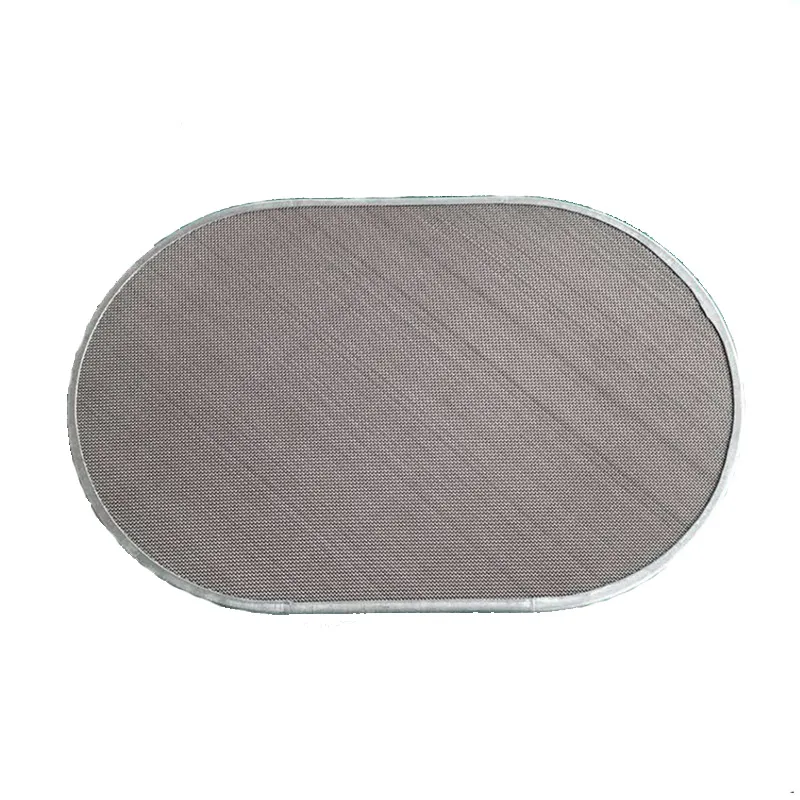
Case Study 2: Municipal Water Treatment Enhancement
A municipal water treatment plant faced challenges with large debris entering their primary sedimentation tanks, causing wear on pumps and pre-filters. We supplied large-diameter wire mesh filter screens fabricated from galvanized steel, installed at the intake points. These robust screens effectively captured leaves, plastic, and other coarse particulates. The solution significantly reduced the load on downstream filtration systems, extended the backwash intervals of sand filters by 25%, and decreased maintenance costs by 20%, showcasing remarkable operational advantage in public utility services.
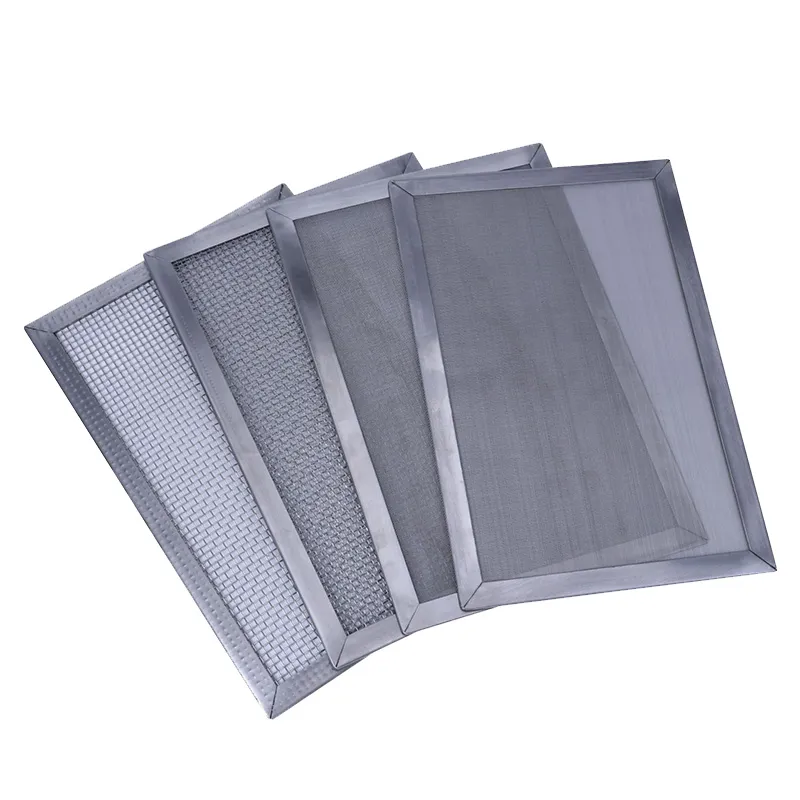
Case Study 3: Advanced Hydrometallurgy
In a copper hydrometallurgy operation, the integrity of solvent extraction processes depended on the precise separation of fine ore particles from the pregnant leach solution. Our customized Hastelloy C-276 wire mesh filter cartridges, designed for high-temperature sulfuric acid environments, proved exceptionally effective. They maintained consistent 10-micron filtration at 98% efficiency, preventing downstream contamination of the electrolyte and ensuring high purity copper cathode production. This also minimized the need for frequent cartridge replacements, reducing overall waste.
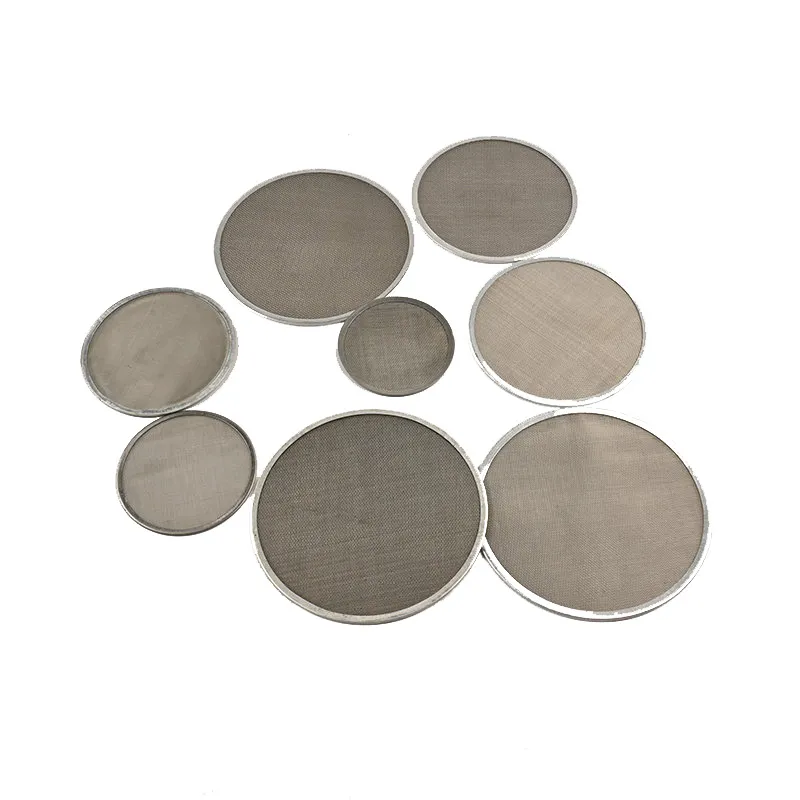
Vendor Comparison and Selection Criteria
Selecting the right vendor for wire mesh filter products is crucial for long-term operational success. Beyond initial cost, key considerations include:
- Technical Expertise: A vendor's ability to understand specific application requirements and recommend optimal mesh type, material, and design.
- Manufacturing Capabilities: Access to advanced weaving, sintering, and fabrication technologies for consistent quality and precision.
- Quality Assurance & Certifications: Adherence to international standards (ISO 9001, ASTM, FDA compliance where applicable) and comprehensive testing protocols.
- Customization & Design Flexibility: Capacity to produce bespoke filters for unique industrial challenges.
- Lead Time & Logistics: Reliability in delivery schedules and efficient supply chain management.
- After-Sales Support: Availability of technical support, troubleshooting, and warranty services.
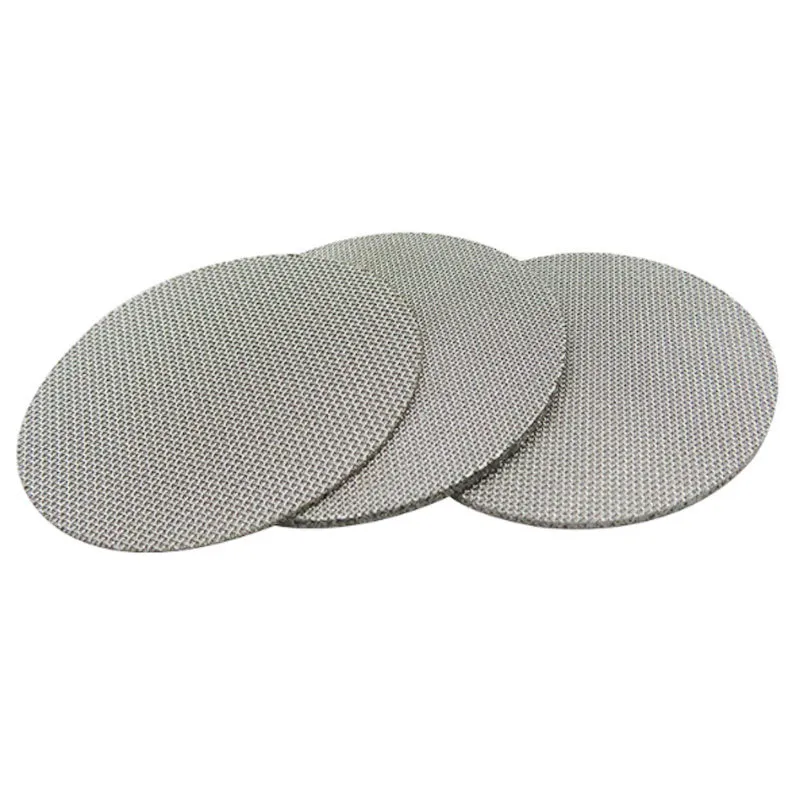
Comparison with Related Metal Filtration Products
While wire mesh offers superior precision and reusability for many applications, other metal products serve different purposes. Here's a brief comparison:
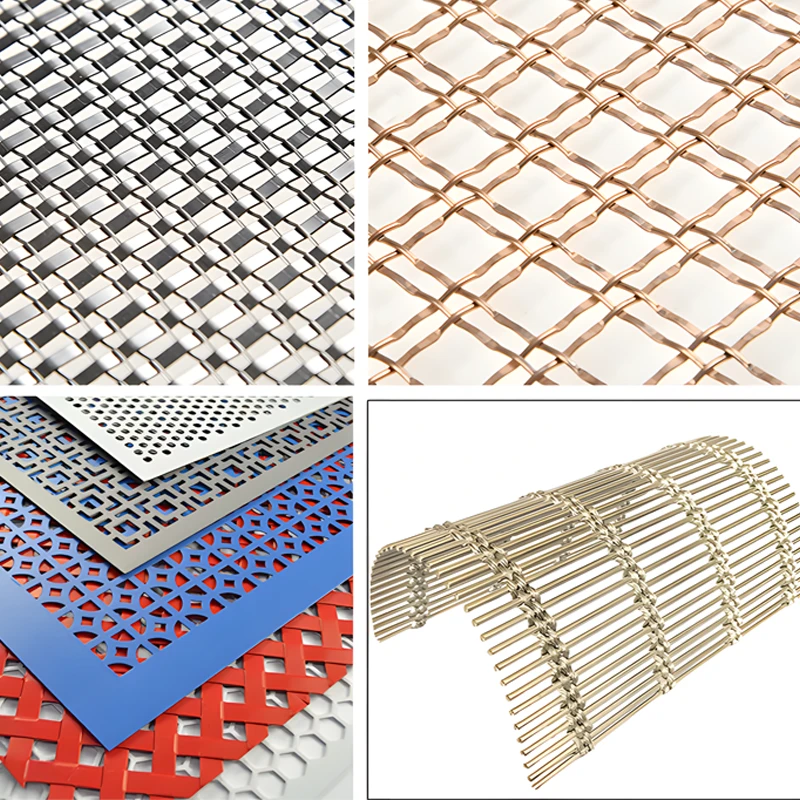
| Feature | Wire Mesh Filter | Steel Expanded Metal | Stainless Steel Expanded Sheet | Decorative Metal Grilles for Cabinet Doors |
|---|---|---|---|---|
| Primary Function | Precision Filtration (liquids/gases) | Structural Support, Guards, Coarse Screening | Corrosion-Resistant Structural & Screening | Aesthetics, Ventilation, Coverings |
| Particle Retention | Micron to Millimeter (precise) | Coarse (typically >1 mm) | Coarse (typically >1 mm) | None (decorative openings) |
| Material | SS304/316/316L, exotic alloys | Carbon steel, galvanized steel | SS304, SS316, other stainless grades | Brass, copper, aluminum, steel |
| Manufacturing Process | Weaving, Sintering, Fabrication | Slitting and stretching a solid sheet | Slitting and stretching a solid sheet | Perforating, stamping, casting |
| Typical Applications | Chemical processing, F&B, Oil & Gas | Walkways, security fences, machine guards | High-corrosion environments, marine, food processing for guards | Architectural features, HVAC covers, furniture |
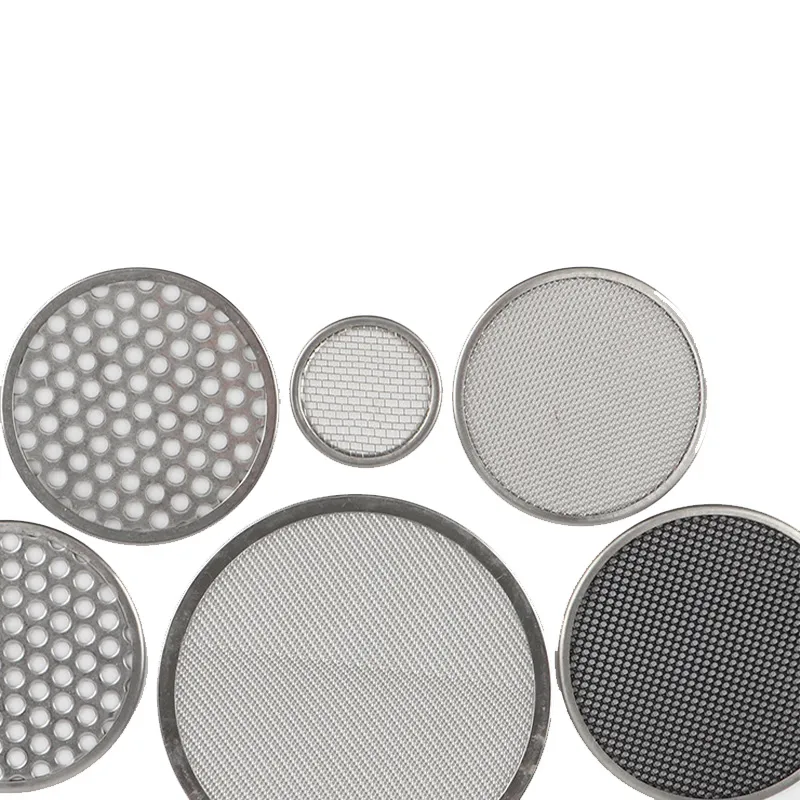
This distinction highlights that while all are metal products, their design, manufacturing, and application niches are vastly different. A wire mesh filter is explicitly engineered for fluid separation, whereas steel expanded metal and stainless steel expanded sheet offer structural and coarse screening solutions, and decorative metal grilles for cabinet doors serve aesthetic and ventilation functions.
Customized Solutions
Many industrial applications demand highly specialized filtration solutions that off-the-shelf products cannot meet. We excel in providing custom-engineered wire mesh filter designs, leveraging our deep technical expertise and advanced manufacturing capabilities. Our customization process typically involves:
- Detailed Requirement Analysis: Collaborating closely with clients to understand specific fluid properties, operating conditions (temperature, pressure, chemical compatibility), flow rates, particle size distribution, and desired filtration efficiency.
- Material Selection & Optimization: Recommending the most suitable wire mesh material, considering factors like corrosion resistance, mechanical strength, and cost-effectiveness.
- Design Engineering: Utilizing CAD/CAM software to design optimal filter geometries, weave patterns, and structural reinforcements. This includes single-layer meshes, multi-layer sintered laminates, pleated cartridges, and various disc or cone configurations.
- Prototyping & Testing: Developing prototypes for rigorous performance testing in simulated or actual operating conditions to validate design parameters and ensure optimal performance prior to full-scale production.
- Precision Fabrication: Employing advanced manufacturing techniques such as laser welding, resistance welding, and CNC machining for precise fabrication and assembly of complex filter elements.
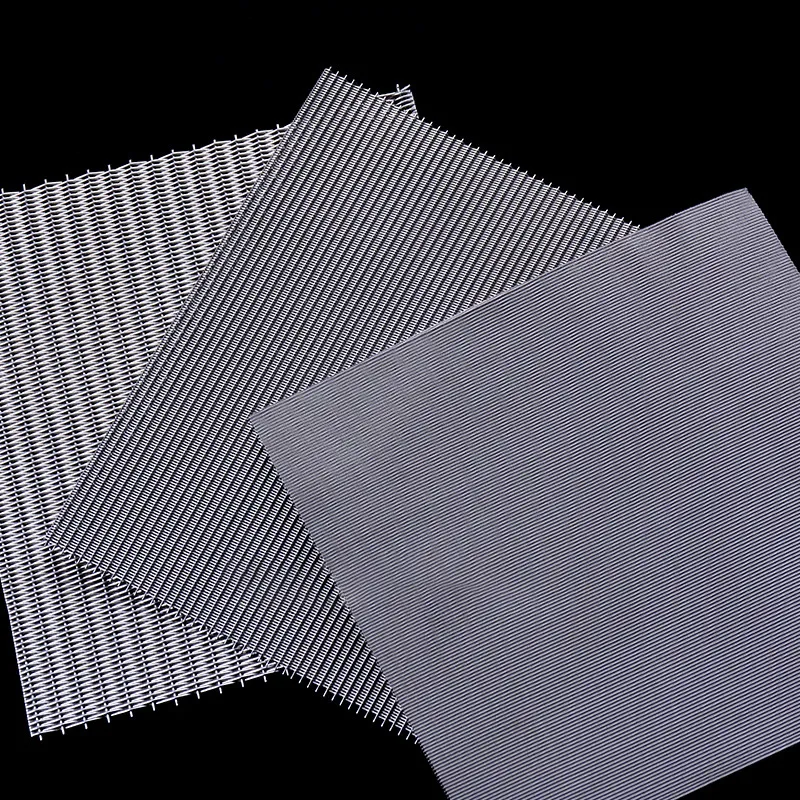
Our engineering team is equipped to handle complex challenges, from designing filters for ultra-high-pressure environments to developing media that can withstand aggressive chemical attack, ensuring a tailored solution that integrates seamlessly into your existing systems.
Ensuring Trustworthiness and Support
Frequently Asked Questions (FAQ)
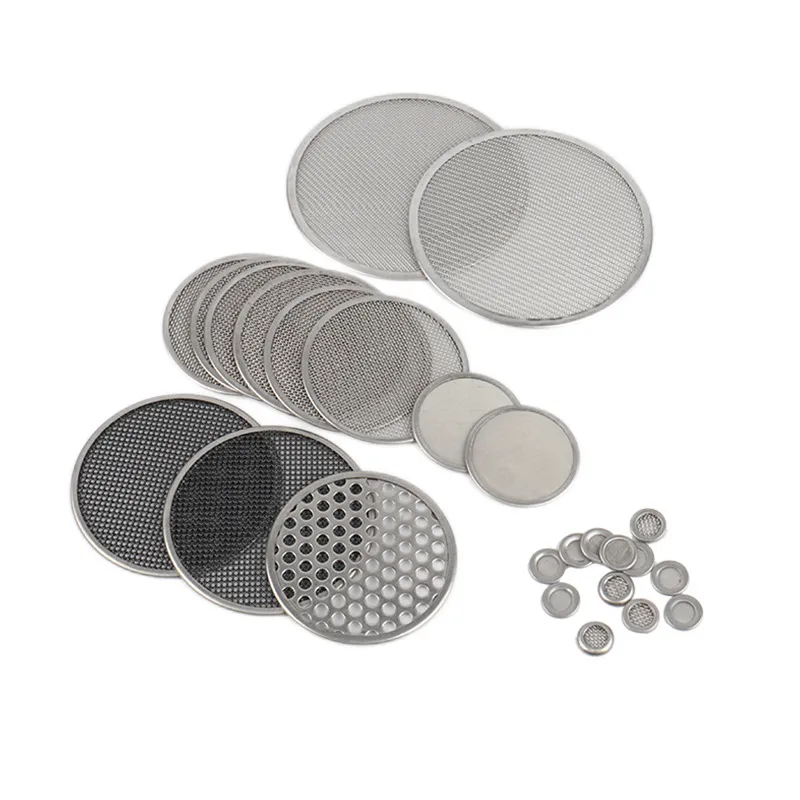
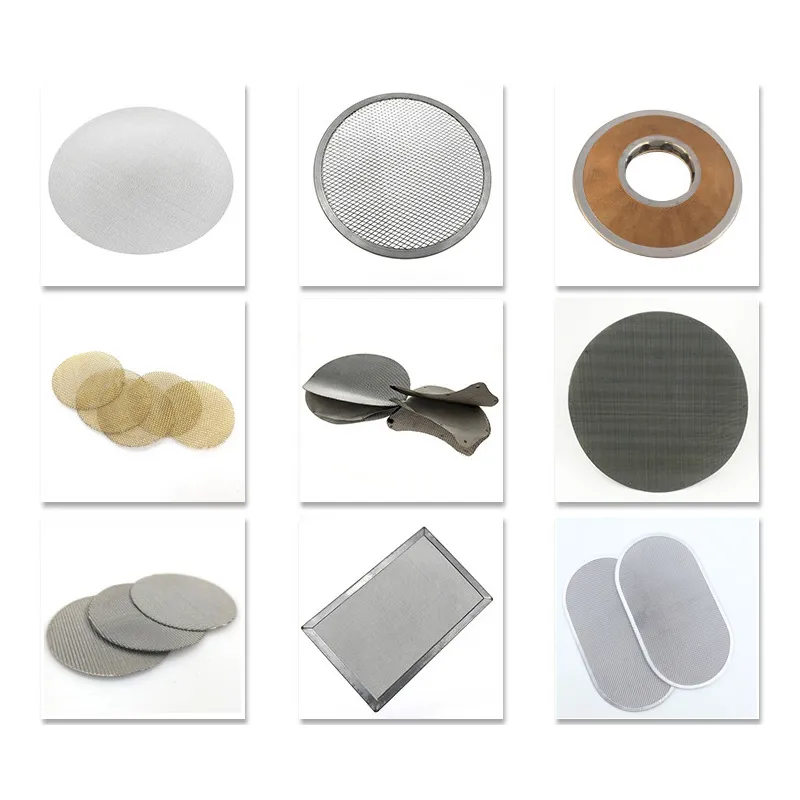
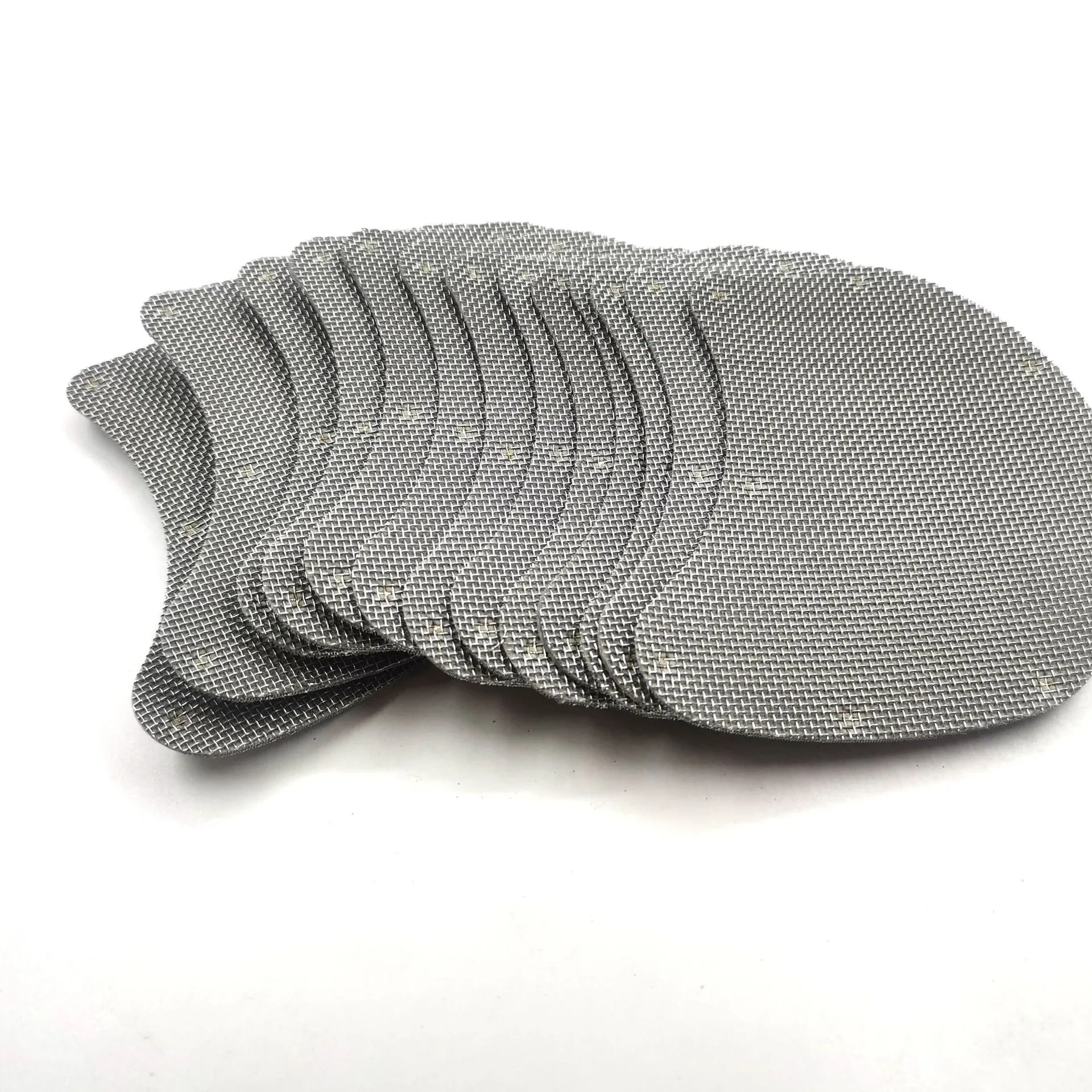
Lead Time & Fulfillment
Our commitment to efficient logistics ensures timely delivery of all orders. We maintain a robust inventory of common materials and employ flexible manufacturing schedules to minimize lead times. For custom and large-volume orders, detailed production and delivery schedules are provided, with transparent communication throughout the fulfillment process.
Warranty & After-Sales Support
We stand behind the quality and performance of our products. All wire mesh filter products are backed by a comprehensive warranty against manufacturing defects and material failures under normal operating conditions. Our dedicated after-sales support team provides technical assistance, troubleshooting, and advice on maintenance and cleaning, ensuring your filtration systems operate at peak efficiency for their entire service life.
Conclusion
The role of high-performance wire mesh filter technology in modern industrial processes cannot be overstated. From enhancing operational efficiency and ensuring product purity to extending equipment lifespan and adhering to environmental mandates, these engineered solutions are fundamental. By combining advanced material science with precision manufacturing, we deliver filtration components that meet the rigorous demands of today's B2B landscape. Our commitment to quality, customization, and comprehensive support ensures that our partners receive not just a product, but a reliable and cost-effective filtration solution tailored to their specific needs.
References:
- Smith, J. (2022). "Advances in Sintered Metal Filtration for High-Temperature Applications." Journal of Material Science & Engineering. Vol. 45, No. 3, pp. 123-138.
- Chen, L. & Wang, M. (2021). "Corrosion Resistance of Stainless Steel Alloys in Petrochemical Environments." Chemical Engineering Transactions. Vol. 92, pp. 201-215.
- European Filtration Society. (2023). "Standards and Best Practices for Industrial Filtration Systems." EFS Technical Guidelines. Publication No. 17.
- International Organization for Standardization (ISO). (2024). "ISO 9044: Industrial Woven Wire Cloth - Technical Requirements and Test Methods."
- American Society for Testing and Materials (ASTM). (2023). "ASTM A240/A240M: Standard Specification for Chromium and Chromium-Nickel Stainless Steel Plate, Sheet, and Strip for Pressure Vessels and for General Applications."