Durable Steel Filter Bowls for Industrial Filtration | QHFilter
Steel Filter Bowl is a key solution in the industry, specifically within filtration and separation technologies. This article explores how https://www.qhfilter.com supports professionals with durable, high-performance products, and explains why this product is an ideal choice for businesses in these sectors.
Table of Contents
- Steel Filter Bowl Overview
- Benefits & Use Cases of Steel Filter Bowl
- Cost, Maintenance & User Experience
- Sustainability & Market Trends
Steel Filter Bowl Overview
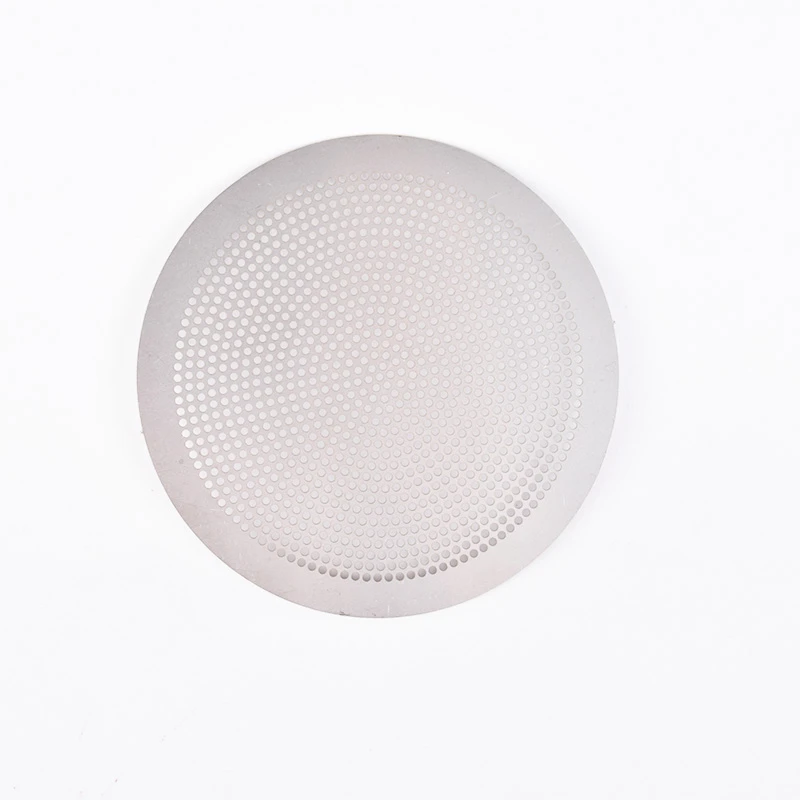
At its core, a Steel Filter Bowl is a high-precision filtration component designed to handle harsh industrial environments. It’s typically constructed from stainless steel grades that resist corrosion, high pressures, and temperature fluctuations — think of it as a rugged guardian in fluid processing systems. Frankly, it’s the kind of piece where material quality directly impacts performance and longevity.
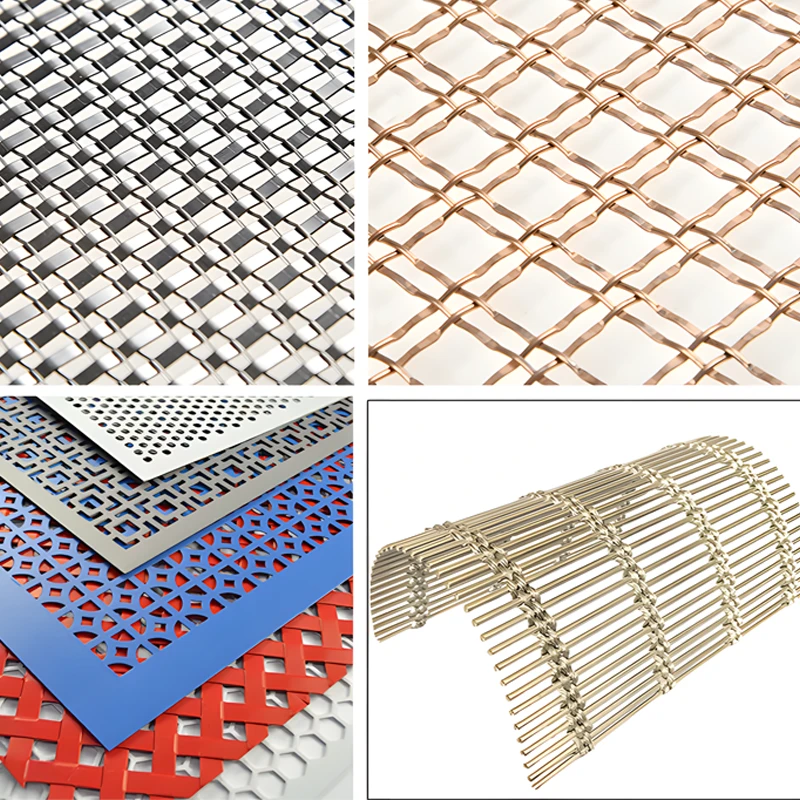
Technically speaking, these filter bowls function by allowing fluids to pass through fine mesh or perforated filter media contained within a robust steel shell. This ensures contaminants like debris, sludge, or particulates are effectively separated. One recent case study with a client in chemical processing showed that upgrading to a steel filter bowl from a less durable alloy reduced downtime by 25% due to fewer replacements and less clogging.
| Specification | Details |
|---|---|
| Material | 304 / 316 Stainless Steel |
| Operating Pressure | Up to 10 bar (145 psi) |
| Operating Temperature | -20°C to 200°C |
| Filter Mesh Size | 5 to 200 microns (customizable) |
| Connection Type | Threaded or flange (varies by application) |
Benefits & Use Cases of Steel Filter Bowl
Industries like oil & gas, water treatment, chemical manufacturing, and even food processing rely on steel filter bowls because of their reliability and robustness. One of the key benefits, as many engineers note, is their resistance to corrosion and mechanical stress, which is not something a plastic or cheap metal counterpart can easily match. The long service life means fewer interruptions in continuous processes. It really feels like investing in stability.
Another advantage lies in customization. Companies such as QHFilter offer bespoke sizing, mesh options, and connection fittings that allow seamless integration into existing systems — this can be a game changer when retrofitting older plants. Oddly enough, the ability to tailor these aspects has helped clients tap into efficiency gains that weren’t possible before.
Cost, Maintenance & User Experience
Cost-wise, the initial investment in a steel filter bowl might be a touch higher than simpler alternatives — but the total cost of ownership tells a different story. Durability reduces replacement frequency, maintenance time, and spare parts inventory. Clients frequently report improved return on investment within a couple of years, especially in the sectors I’ve mentioned.
From feedback I’ve gathered, operators find that cleaning and servicing these bowls is straightforward due to accessible designs and robust construction. One petrochemical user shared that switching to a steel filter bowl saved them countless hours by reducing clogging incidents, which translates directly to smoother operations.
| Vendor | Material Quality | Customization Options | Price Range | Lead Time |
|---|---|---|---|---|
| QHFilter | 304/316 Stainless Steel | Extensive (mesh size, fittings, size) | $$$ (Mid-High) | 2-4 weeks |
| Generic Suppliers | Variable (Often 304 SS or lower) | Limited | $ - $$ (Low-Mid) | 1-6 weeks |
Sustainability & Market Trends
Sustainability is becoming central to industrial purchasing decisions — thankfully, steel filter bowls align well here. Stainless steel is highly recyclable, and the longevity of these products means less waste over time. Additionally, tighter environmental regulations around filtrate purity and emissions drive demand for more effective filtration solutions, a niche where steel filter bowls shine.
Market forecasts suggest steady growth in filtration equipment worldwide, particularly for components that marry durability with customization. Manufacturers like QHFilter are investing in R&D to optimize mesh designs and improve manufacturing efficiencies. It's a trend worth watching; frankly, companies not advancing in this space might struggle to keep pace.
Frequently Asked Questions about Steel Filter Bowl
- What is Steel Filter Bowl and how does it work?
- A Steel Filter Bowl is a durable container housing filter media that traps impurities in fluids as they flow through it. Typically made from stainless steel, it withstands high pressures and corrosive environments, ensuring clean output in various industrial processes.
- What are the main benefits of using Steel Filter Bowl in industrial applications?
- Key benefits include excellent durability, resistance to corrosion, ability to handle high pressures and temperatures, and customization flexibility — all contributing to lower downtime and higher operational efficiency.
- How does Steel Filter Bowl compare to traditional alternatives?
- Compared to plastic or less robust metal filter bowls, steel options provide superior longevity, withstand harsher chemicals and mechanical stress, and typically offer more options for mesh sizes and fittings.
- What industries can benefit most from Steel Filter Bowl implementation?
- Industries like oil & gas, chemical processing, wastewater treatment, food and beverage, and pharmaceuticals benefit the most, especially in processes requiring consistent fluid purity under challenging conditions.
Conclusion on Steel Filter Bowl from china
In short, the Steel Filter Bowl by QHFilter stands out as a reliable, customizable, and sustainable choice in filtration technology. For businesses looking to boost operational efficiency while ensuring maintenance ease, it’s often the kind of upgrade that pays for itself. Don’t just take my word for it—visit our website: https://www.qhfilter.com and see what they can do for your setup.
Sometimes, the simplest component can make the biggest difference in your industrial process. It’s all about the right fit, and a steel filter bowl usually nails it.
References:
1. Industry Filtration Handbook, 2023 Edition
2. QHFilter Case Studies, 2022-2023
3. Global Market Insights: Filtration Equipment Report, 2024