Durable Stainless Steel Mesh Sink Strainers for Reliable Drain Protection
Why a Stainless Steel Mesh Sink Strainer is a Kitchen Game-Changer
Having spent more than a decade working in industrial equipment manufacturing—specializing in filtration and kitchen fixtures—I’ve come across all sorts of sink strainers. But odd as it sounds, the stainless steel mesh sink strainer remains one of the most underrated yet practical items you can install. It’s simple, and frankly, it doesn’t glam up any kitchen, but its reliability and longevity make it a trusty companion for any sink setup.
Now, if you’re wondering what sets these mesh strainers apart, it often boils down to the build quality and material grade. Stainless steel, especially 304 or 316 grade, is the go-to choice for industrial and residential users alike because it resists corrosion and doesn’t degrade with frequent contact with detergents, hot water, or acidic food particles. I remember one client who ran a busy commercial kitchen and swore by these strainers—they reduced plumbing clogs so effectively that maintenance calls dropped dramatically.
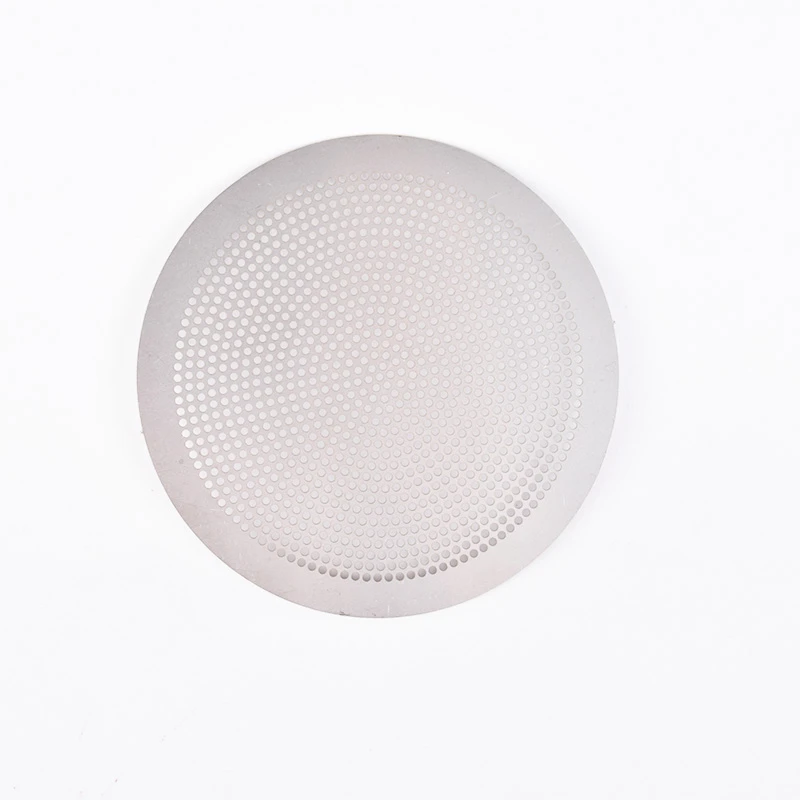
What I appreciate most is how the mesh is finely woven yet lets water flow freely, capturing everything from coffee grinds to bits of vegetable peel without clogging fast. Those tiny perforations seem simple until you realize the delicate balance engineers must strike between catching debris and maintaining drainage speed — a detail many overlook.
Product Specifications at a Glance
| Feature | Specification |
|---|---|
| Material | 304/316 Stainless Steel Mesh |
| Mesh Opening Size | 0.3 mm to 0.5 mm |
| Diameter | Fits standard sinks: 4.5"–5.5" |
| Corrosion Resistance | High (ISO 9227 Salt Spray Tested) |
| Temperature Range | -20°C to +300°C |
| Finish | Polished or Matte options |
| Customization | Available on request (sizes, mesh density) |
In real terms, choosing the right mesh density and diameter matters. If the mesh opening is too large, you risk debris snaking into your pipes; too fine, and things clog on the surface, forcing extra cleaning. From my experience, mesh sizes around 0.3 to 0.5 mm hit the sweet spot.
How The Main Vendors Stack Up
| Vendor | Material Quality | Customization | Price Range | Lead Time |
|---|---|---|---|---|
| QHFilter | 316 SS, top corrosion resistance | Wide range, fast turnaround | Moderate | 2–3 weeks |
| Generic Brands | Often 304 SS, variable | Limited | Low to moderate | 1–4 weeks |
| Large Hardware Chains | Varies, often lower grade | None | Low | Available immediately |
So, why might the somewhat pricier stainless steel mesh sink strainer from a specialized vendor like QHFilter be worth it? Well, it’s the kind of thing where upfront investment smooths out the daily grind. Their attention to detail—from perfectly welded rims to consistent mesh tension—translates into fewer replacements and less foul-up with your pipes. It’s like when I advised a small restaurant owner who’d lost count of how many basic plastic strainers broke or warped; moving to stainless mesh meant less downtime, which in a kitchen, is a big deal.
In terms of trends, the demand for sustainable and long-lasting kitchen accessories is only rising. Stainless steel mesh strainers fit perfectly here as they’re recyclable and don’t contain plastics subject to premature waste. Plus, with many manufacturers now offering custom sizes and finishes, these strainers can be tailored to match modern sink aesthetics as well as performance needs.
You know, at the end of the day, it’s the little things that keep an industrial or busy commercial kitchen running seamlessly. A solid, corrosion-resistant stainless steel mesh sink strainer might not be flashy, but it’s one of those humble heroes that keeps the mess down and the cleanup easier.
So if you’ve been battling clogged drains or flimsy strainers that don’t hold up, maybe it’s time to reconsider your choice. A reliable stainless steel mesh strainer could make your sink—and your day—a lot smoother.
References:
1. Corrosion tests: ISO 9227 Standard Salt Spray Methods
2. Industry insights from National Kitchen & Bath Association Forums
3. Personal communications with commercial kitchen equipment specialists