Durable Metal Filter Screens for Industrial Filtration | QH Filter
The Essential Role of a metal filter screen in Industrial Filtration
Working in the industrial equipment sector for over a decade, I've seen plenty of filtration solutions come and go. But if there’s one component that’s reliably stood the test of time and harsh environments, it’s the metal filter screen. Frankly, these are often the unsung heroes in process optimization and equipment protection.
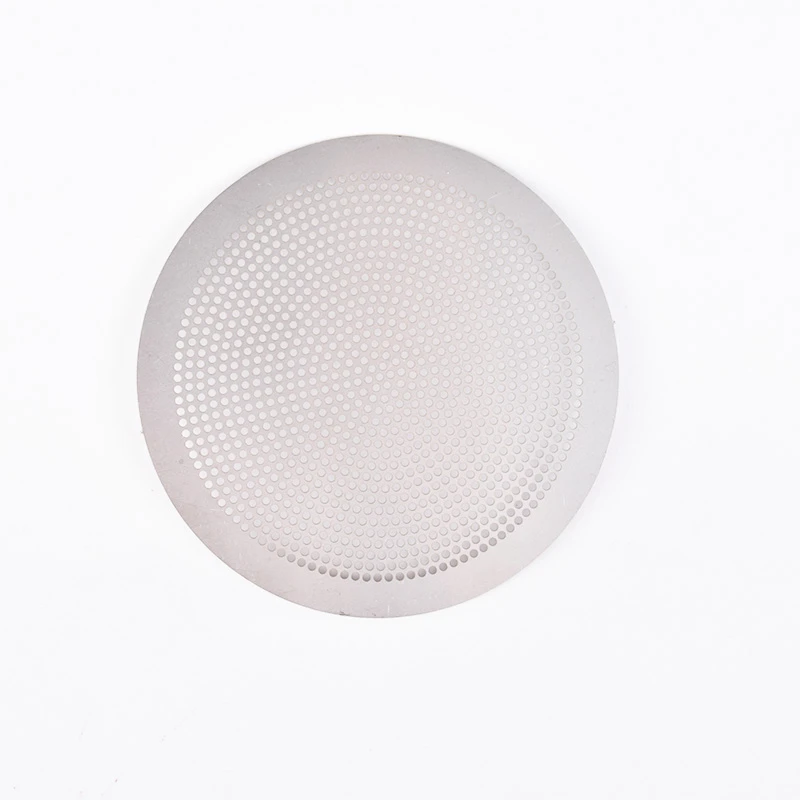
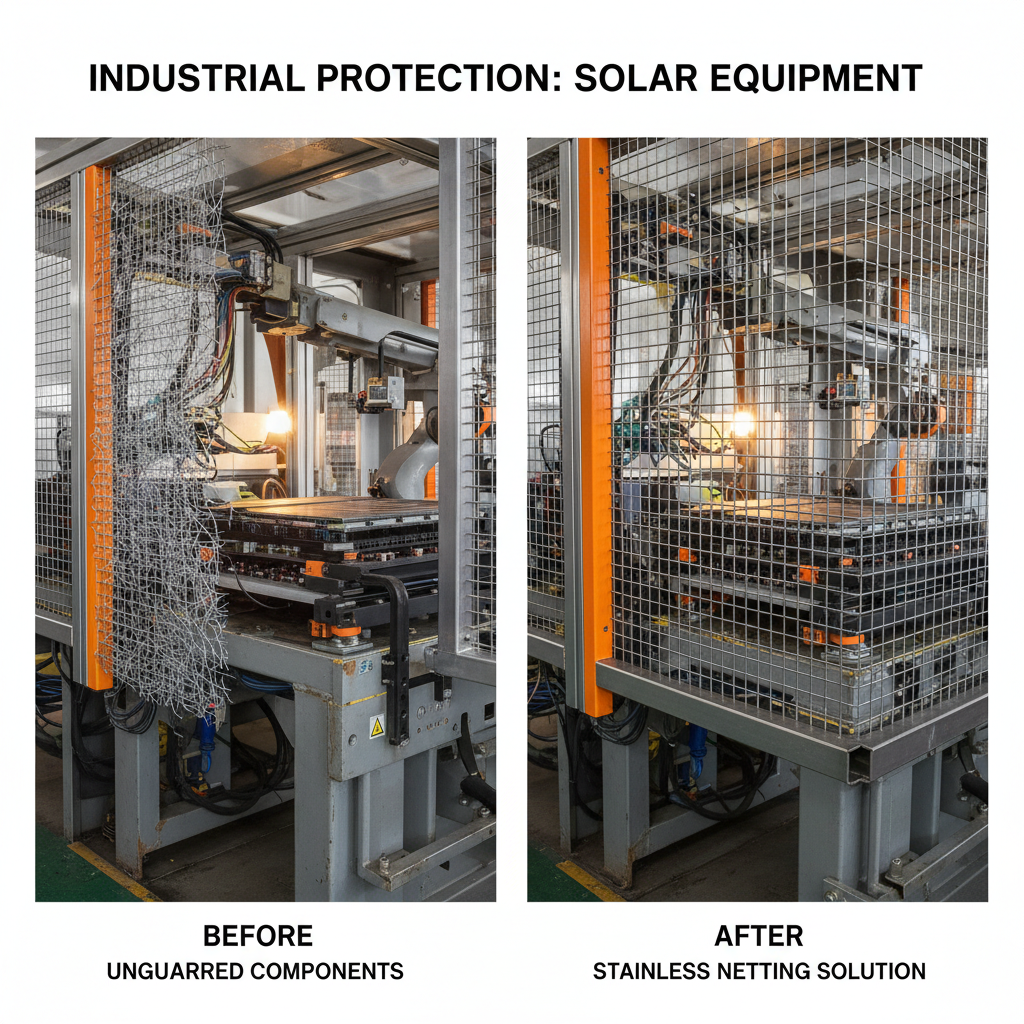
What’s intriguing is their blend of simplicity and robustness. Metal filter screens serve as the frontline barrier against contaminants, whether that’s in oil refining, chemical processing, or wastewater management. They’re not just about stopping particles; they have to withstand temperature swings, corrosive substances, and physical wear that would crush most other materials.
In real terms, the choice of metal—stainless steel, Monel, Inconel—matters a lot, and it’s interesting how different industries lean one way or another. Stainless steel, for instance, strikes a sweet spot between cost and corrosion resistance, which explains its popularity. I remember one plant where swapping the old, cheap screens for premium stainless steel ones dramatically reduced downtime—exactly the payoff you want.
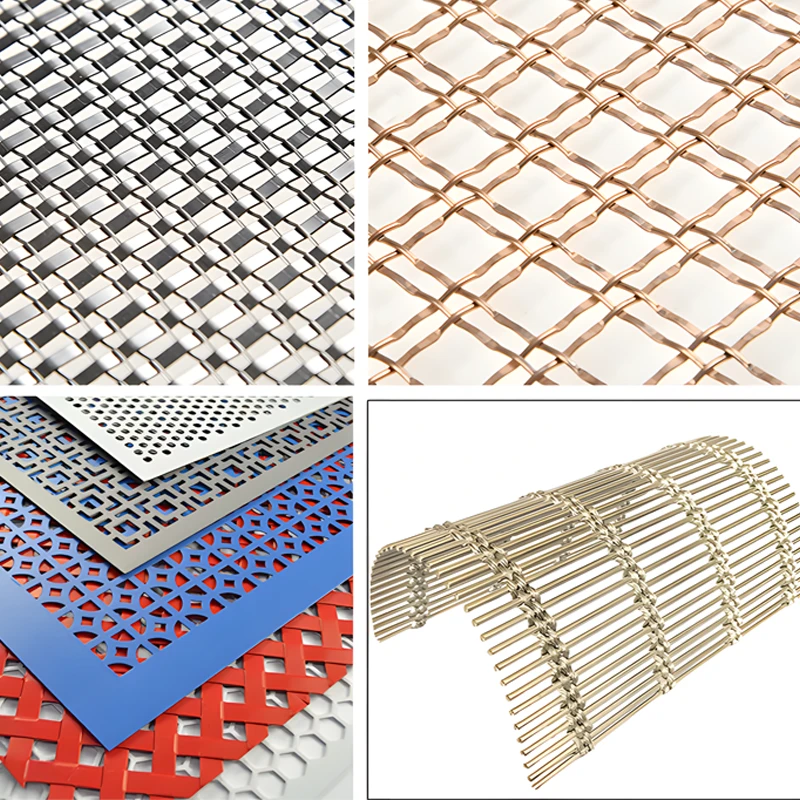
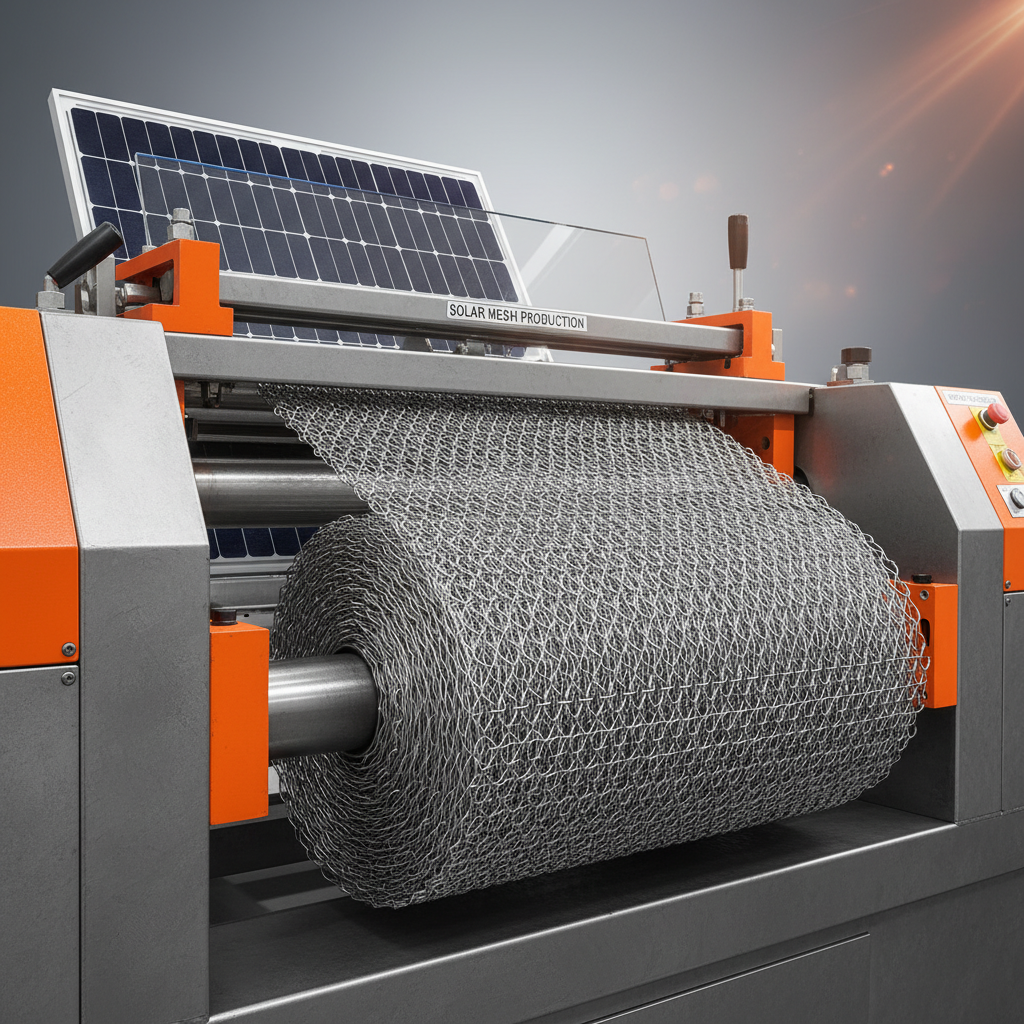
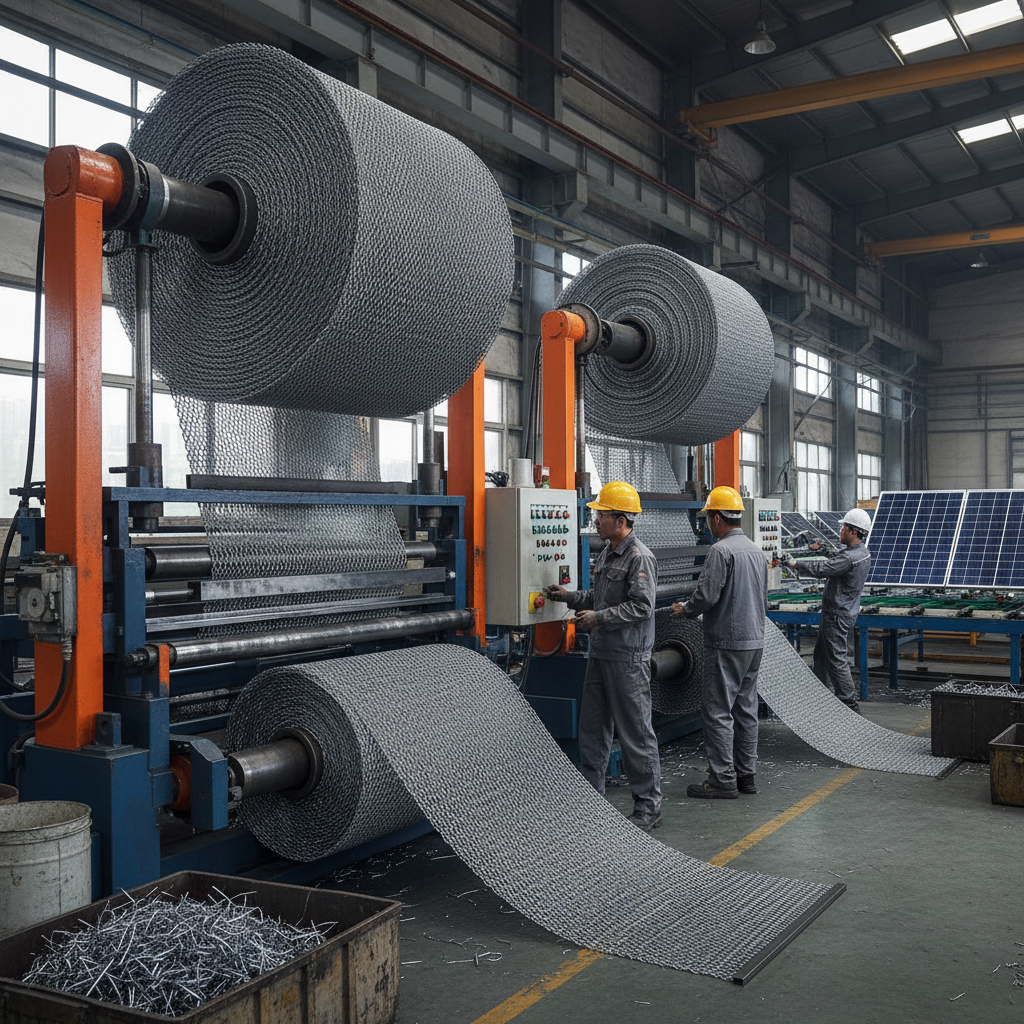
Customization isn’t just a buzzword here. Screens come in various mesh sizes, wire diameters, and weaving methods, tailored for specific flow rates and particulate sizes. I recall a project where the team needed super-fine filtration, so we worked closely with the vendor to get a custom weave that met both strength and precision requirements. That vendor collaboration really made the difference—there’s no one-size-fits-all when you’re fighting unique process challenges.
| Specification | Details |
|---|---|
| Material Types | Stainless steel (304, 316), Monel, Inconel, Brass |
| Mesh Range | 10 to 400 mesh (varies by weave) |
| Wire Diameter | 0.02 mm to 1.2 mm |
| Common Weaves | Plain, twill, Dutch weave |
| Temperature Resistance | Up to 1200°C (varies by alloy) |
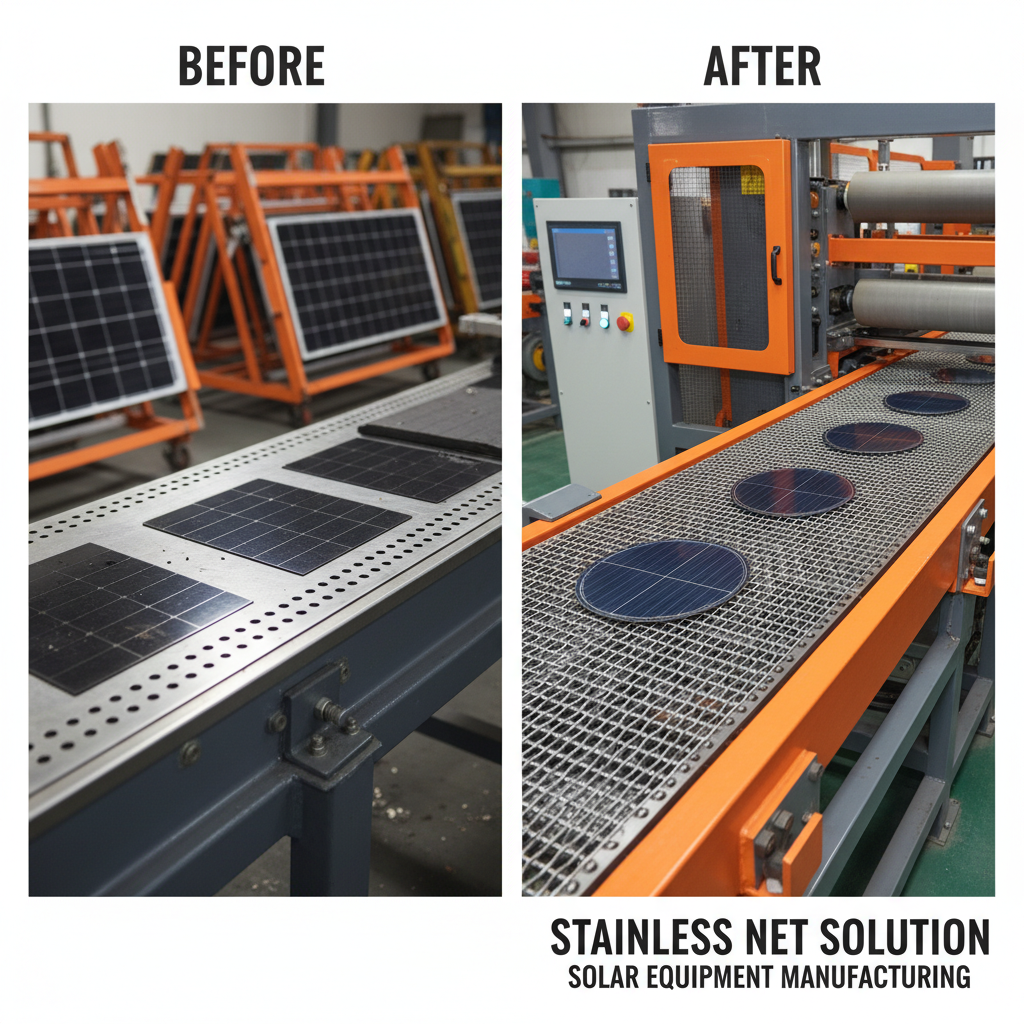
| Applications | Filtration, separation, strainers, catalyst support |
Oddly enough, while the specs are crucial, I find that what often determines the success or failure of a metal filter screen is the supplier relationship. You want a vendor who understands the nuances of both design and application—that subtle balance between porosity and mechanical strength.
| Vendor | Material Range | Customization | Lead Time | Technical Support |
|---|---|---|---|---|
| QH Filter | Extensive (SS, Monel, Inconel) | Custom weaves and sizes | 2-4 weeks | Excellent, hands-on |
| Vendor B | Limited (mainly SS 304) | Standard sizes only | 4-6 weeks | Moderate |
| Vendor C | Good variety across alloys | Some customization | 3-5 weeks | Good |
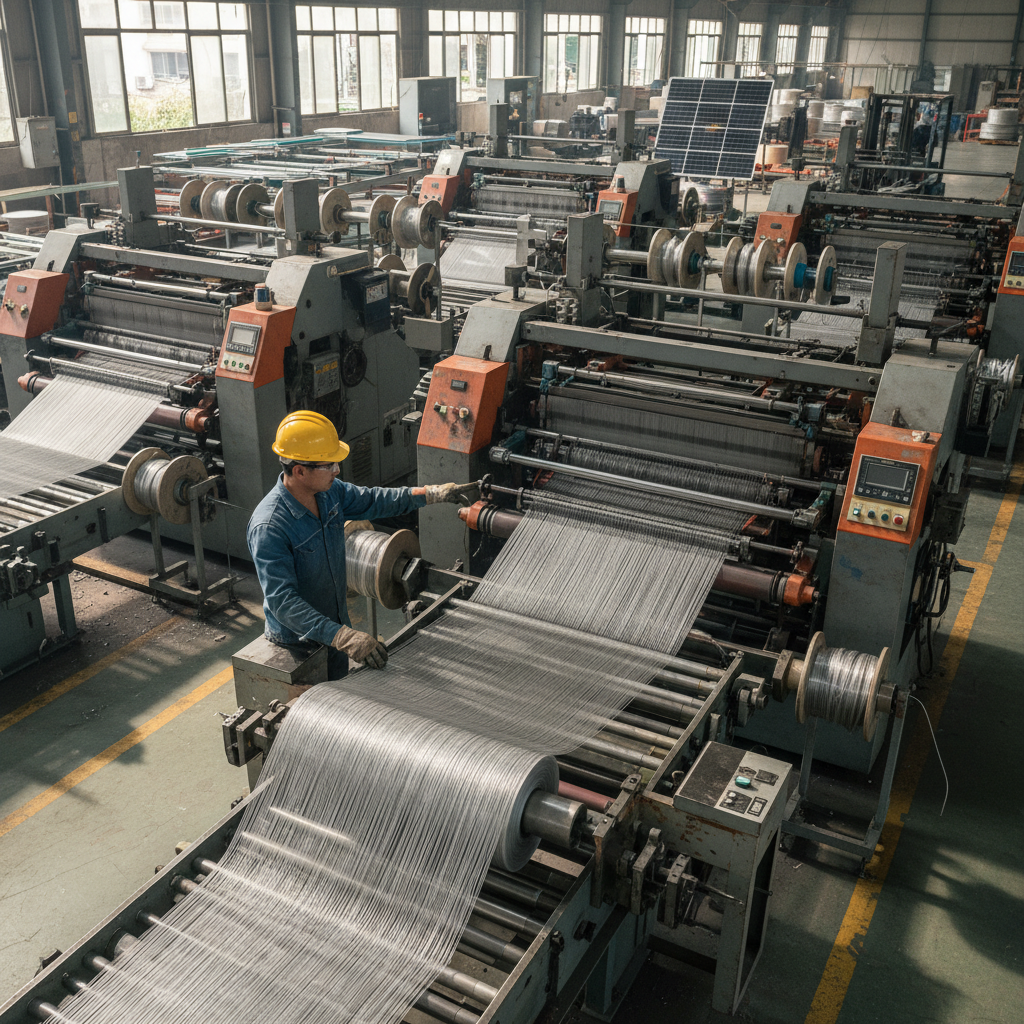
From my experience, working closely with metal filter screen manufacturers who know the material science behind their products is priceless. It’s the difference between just buying steel mesh and investing in a filtration solution that keeps your whole process running smoothly.
To give a little anecdote, a longtime client once reported significantly fewer clogging incidents after switching to a custom stainless steel Dutch weave mesh. They said, “It’s almost like the filter breathes better,” which, odd as it sounds, resonates with the idea that efficient filtration isn't just about blocking particles, but managing flow dynamics too.
So, in summary: whether you’re replacing old screens or specifying new ones, don’t overlook the importance of quality metal filter screens from a trusted supplier. They can be the difference between frequent downtime and consistent, reliable filtration.
That's my two cents, anyway. The right metal filter screen is nothing flashy, but exactly the component your system needs to survive and thrive.
References:
- Filtration Fundamentals, Industrial Filtration Journal, 2020
- QH Filter Technical Specifications and Customer Case Studies, 2023
- Material Science of Wire Mesh in Filtration, Tech Materials Review, 2021