Durable 316 Stainless Steel Mesh Screen for Industrial Use
Why 316 Stainless Steel Mesh Screen Remains an Industry Favorite
Having spent a decent amount of years knee-deep in the industrial equipment world, I’ve come to appreciate a few timeless materials. One of them? 316 stainless steel mesh screen. If you’re asking why this particular mesh keeps popping up in pretty much every filtration, separation, or screening project, it really boils down to its combination of reliability and versatility.
In a nutshell, 316 stainless is part of the austenitic family, known for its excellent corrosion resistance thanks to the addition of molybdenum. What I find pretty remarkable is how it handles tough environments — salty air, chemical exposure, or high humidity without rusting or losing strength over time. For industrial filters and sieves, that’s a big deal.
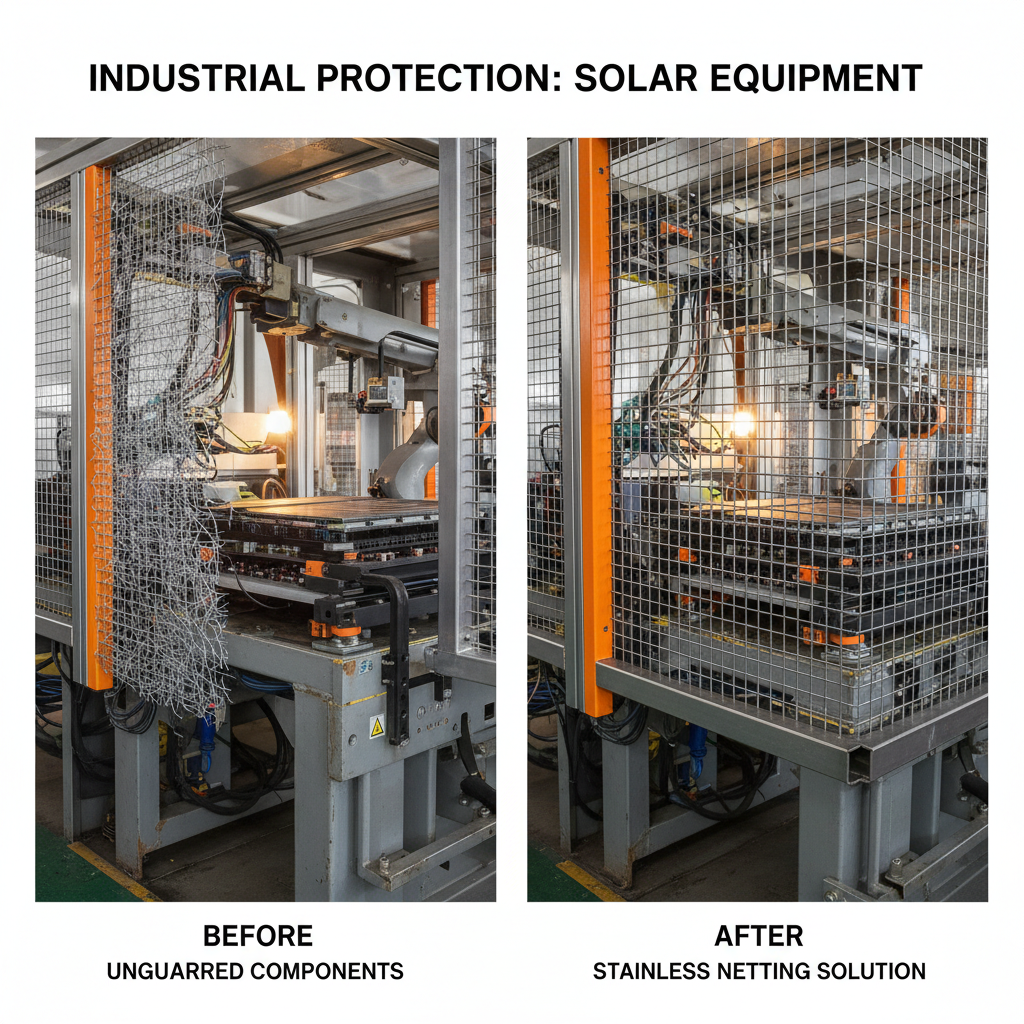
During one project at a coastal manufacturing plant, our team switched from a typical 304 mesh to 316 and noticed the difference almost immediately. The older mesh corroded faster and needed frequent replacement; the 316 screen lasted longer and cut maintenance downtime by nearly 30%. Oddly enough, that upgrade didn’t add much to cost, so it felt like a no-brainer.
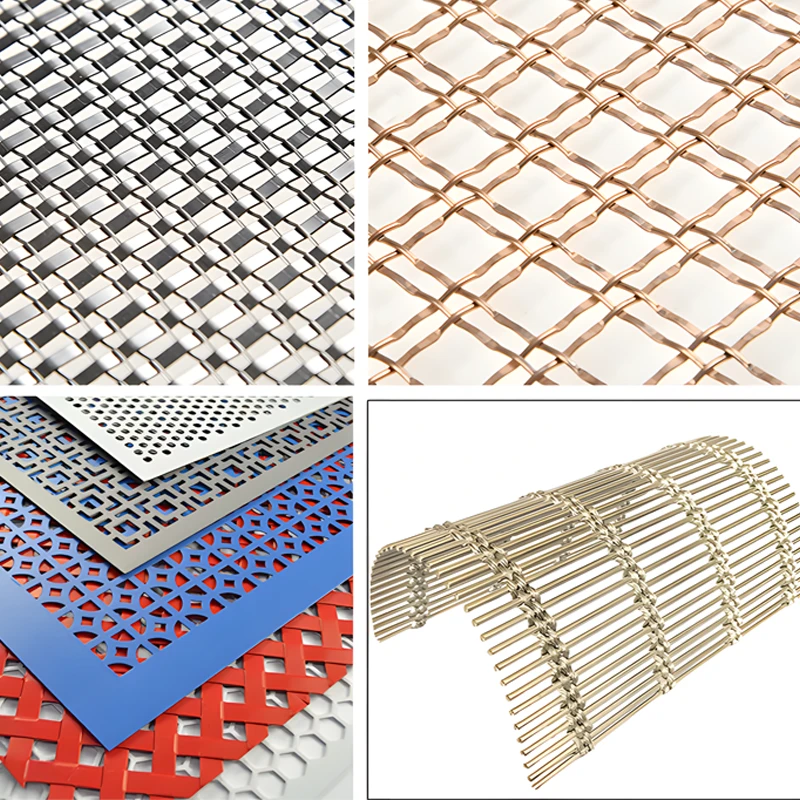
Key Specifications That Define 316 Stainless Steel Mesh Screen
| Specification | Detail |
|---|---|
| Material Type | Austenitic Stainless Steel 316 (Grade 1.4401) |
| Wire Diameter | 0.1 mm to 1.2 mm (customizable) |
| Mesh Count | 5 mesh to 400 mesh |
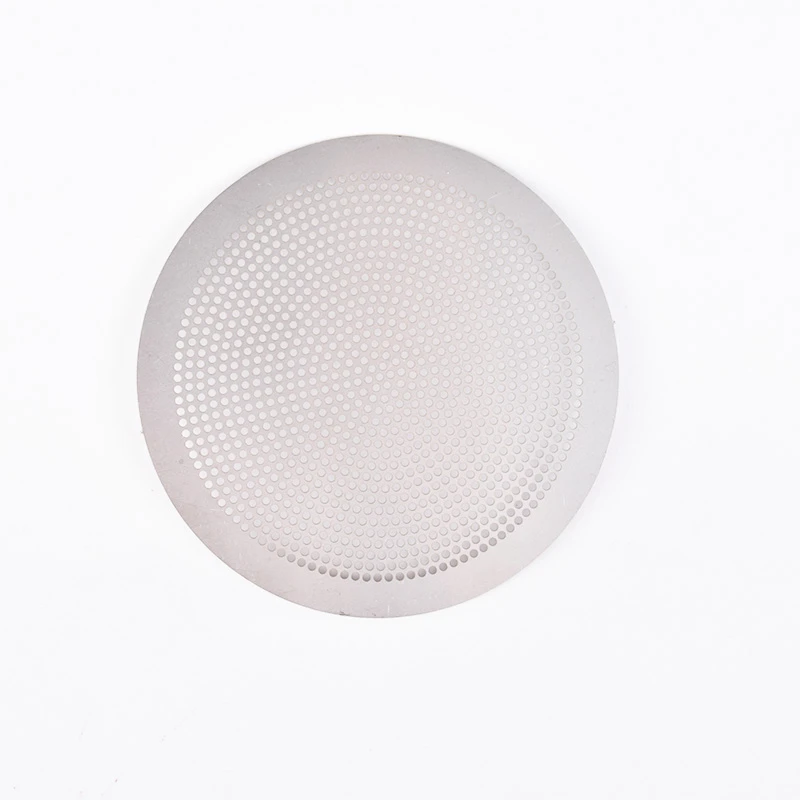
| Opening Size | 0.02 mm to 4 mm |
| Surface Finish | Mill finished or polished |
| Temperature Range | Up to 870°C (1600°F) in oxidizing atmosphere |
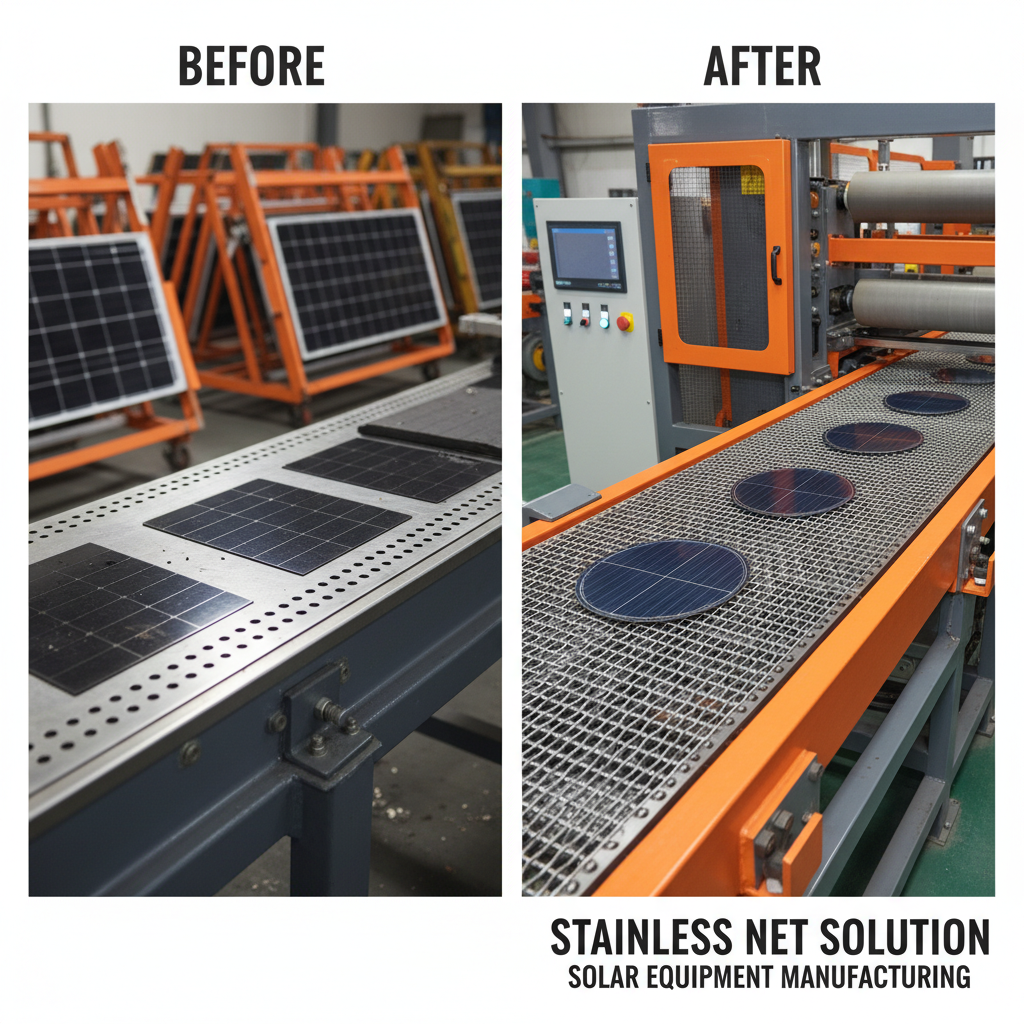
| Typical Applications | Chemical filtration, food processing, marine, pharmaceuticals |
What struck me as handy is the customization. Not every client needs the same weave or wire thickness, and suppliers who get that tend to stand out.
Choosing the Right Vendor: What I’ve Learned Over the Years
Now, this bit can feel a little like dating — finding the right match for your stainless steel mesh needs is part material quality, part service, and part responsiveness. Over the years, a few vendors have risen to the top in my book.
| Vendor | Product Range | Customization | Pricing | Lead Time | Notes |
|---|---|---|---|---|---|
| QHFilter | Wide (5-400 mesh) | Highly customizable wire diameters & weave | Competitive and volume discounts | 2-3 weeks typical | Good technical support & sample options |
| SteelMeshCo | Moderate (10-250 mesh) | Limited customization | Mid-range pricing | 1-2 weeks | Good for standard needs |
| MetalFab | Wide (5-350 mesh) | Moderate customization | Higher price point | 4 weeks+ | Excellent quality but slower delivery |
One thing I usually tell customers: balancing price against quality and lead time is key, but don't underestimate technical support when working on complex filtration setups. Sometimes a quick chat solves what weeks of spec wrangling can’t.
Final Thoughts on 316 Stainless Steel Mesh Screen
In real terms, this mesh feels like the reliable workhorse of filtration and separation applications. If you need something that plays well with chemicals, food products, or saltwater environments — and lasts long enough that you actually save money over time — 316 stainless steel mesh is often the right call.
It’s easy to overlook metal mesh as just 'another part', but for years I’ve seen it quietly keep plants running, keep filters clog-free, and product quality consistent. So yeah, it deserves a bit of respect. If you want to see what kind of options are out there, I’d say checking with 316 stainless steel mesh screen specialists is a great place to start.
Until next time, keep your wires tight and your mesh strong.
References and musings:
1. Experience from a coastal plant filtration upgrade.
2. Industry specs and temperature resilience data sheets.
3. Vendor catalogs and customer feedback compiled over 7 years.