Comprehensive Guide to SS Steel Net Applications and Benefits for Industries
Understanding SS Steel Net: Applications and Benefits
SS steel net, also known as stainless steel wire mesh, is a versatile material employed across a multitude of industries. Its exceptional corrosion resistance, strength, and durability make it a superior choice for applications requiring robust and long-lasting solutions. From filtration and security to architectural design and industrial processing, QH Filter specializes in providing high-quality SS steel nets tailored to specific client needs. This article will explore the key characteristics, diverse applications, and advantages of utilizing SS steel net in various sectors. Understanding these aspects is crucial for making informed decisions when selecting materials for demanding projects.
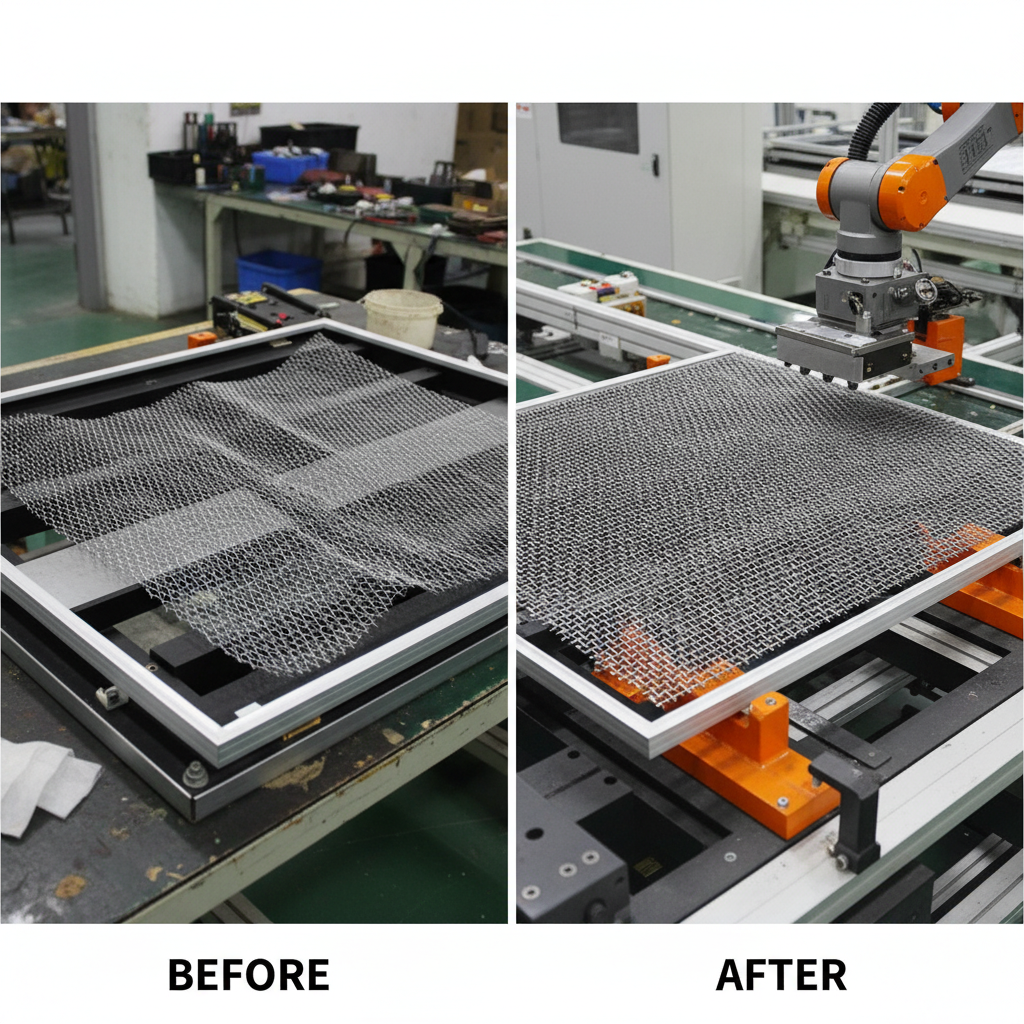
What is SS Steel Net and Why Choose It?
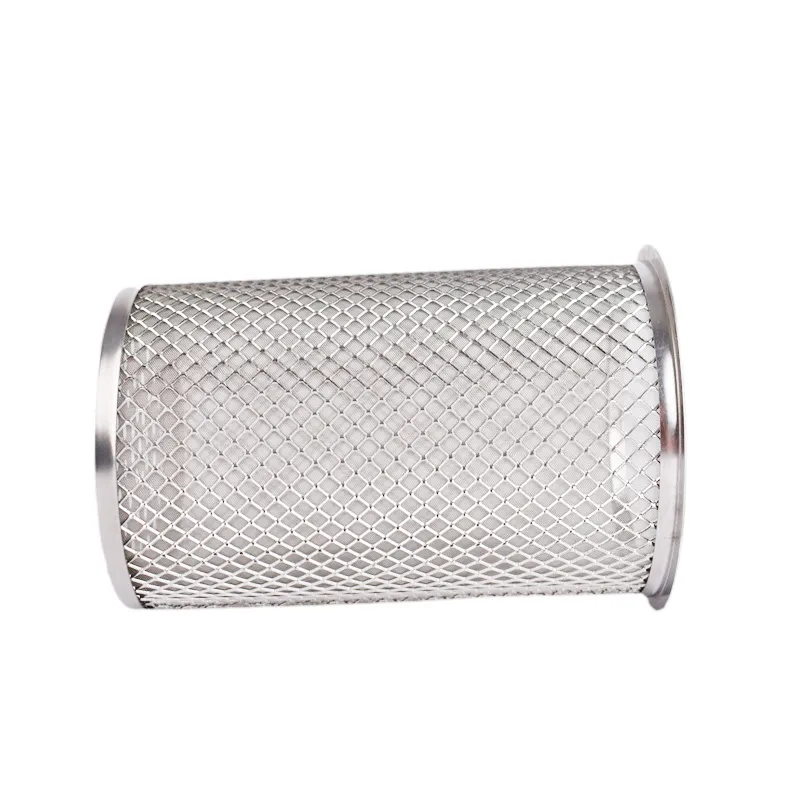
SS steel net is woven from stainless steel wires, offering exceptional resistance to corrosion, oxidation, and extreme temperatures. Unlike carbon steel, it doesn’t rust easily, making it ideal for both indoor and outdoor applications, particularly in environments exposed to moisture, chemicals, or harsh weather conditions. Its inherent strength provides excellent durability and a long service life. Furthermore, stainless steel is a hygienic material, making it a preferred choice in food processing and pharmaceutical industries. The versatility in weave patterns and wire diameters allows for customization to meet specific filtration, separation, or support requirements. QH Filter provides a wide array of SS steel net options to suit diverse needs.
Key Highlights: Corrosion resistance, high strength, long lifespan, hygienic properties, customizable weave patterns, and suitable for diverse applications.
Common Weave Types of SS Steel Net
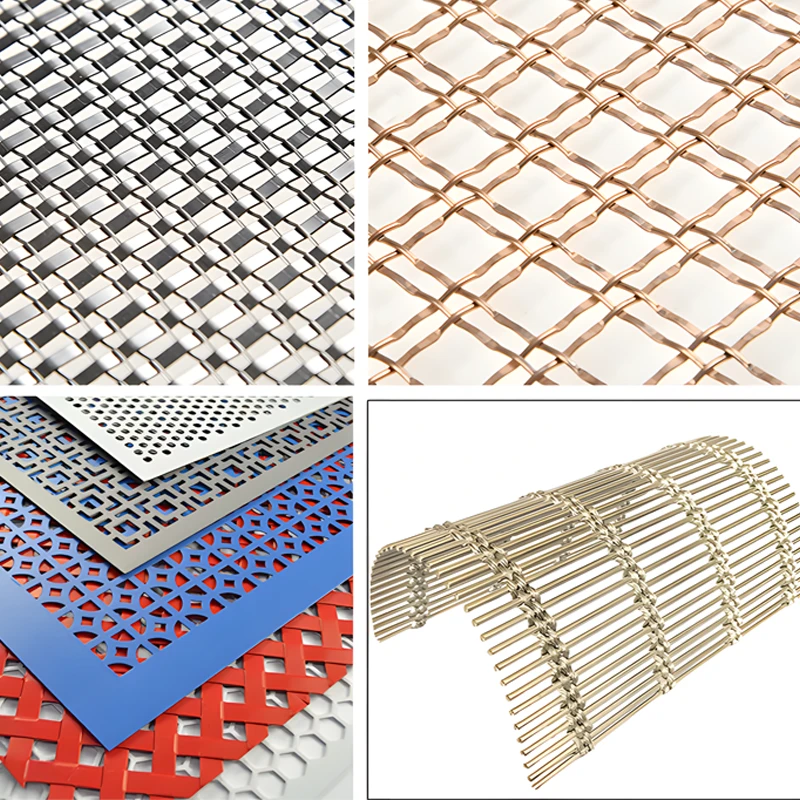
SS steel net is available in various weave types, each offering unique characteristics and suitability for specific applications. The most common weaves include plain weave, twill weave, dutch weave, and reverse dutch weave. Plain weave is the simplest and most common, offering good strength and stability. Twill weave provides a tighter mesh and greater filtration efficiency. Dutch weave features alternating warp and weft wires, resulting in larger openings in one direction and smaller openings in the other, ideal for filtration where high flow rates are required. Reverse Dutch weave reverses this pattern. The selection of the appropriate weave depends on factors such as particle size, flow rate, and pressure drop requirements.
Weave Type Benefits:
• Plain Weave: Versatile, strong, and stable.
• Twill Weave: Tighter mesh, high filtration efficiency.
• Dutch Weave: High flow rate, suitable for filtration.
• Reverse Dutch Weave: Similar to Dutch Weave, with reversed wire arrangement.
SS Steel Net: Comparing Grades for Specific Applications
Different grades of stainless steel offer varying levels of corrosion resistance, strength, and temperature performance. Commonly used grades for SS steel net include 304, 316, and 316L. 304 stainless steel is the most common grade, providing excellent corrosion resistance in a wide range of environments. 316 stainless steel contains molybdenum, enhancing its resistance to chloride corrosion, making it suitable for marine environments and applications involving saltwater exposure. 316L is a low-carbon version of 316, offering improved weldability and reduced risk of carbide precipitation. Choosing the correct grade is crucial for ensuring long-term performance and preventing material failure.
Diverse Applications of SS Steel Net Across Industries
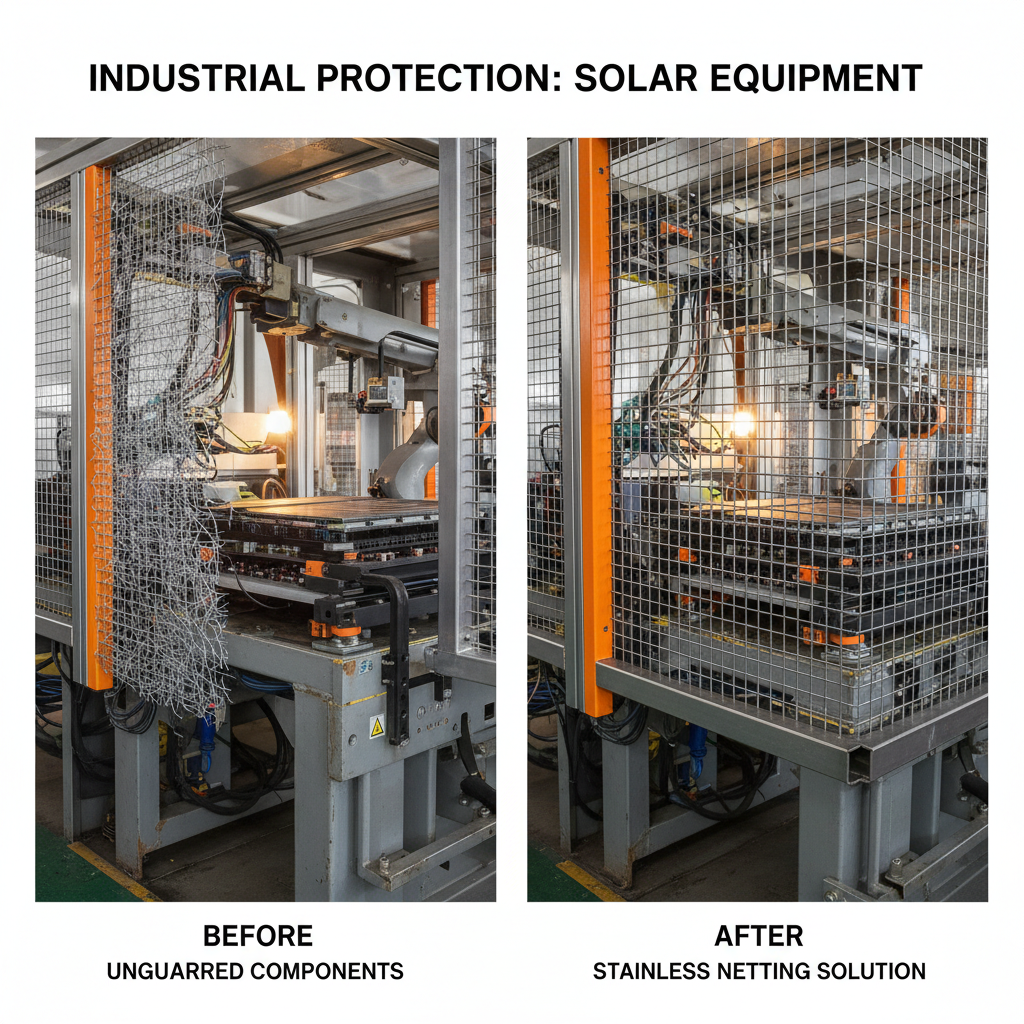
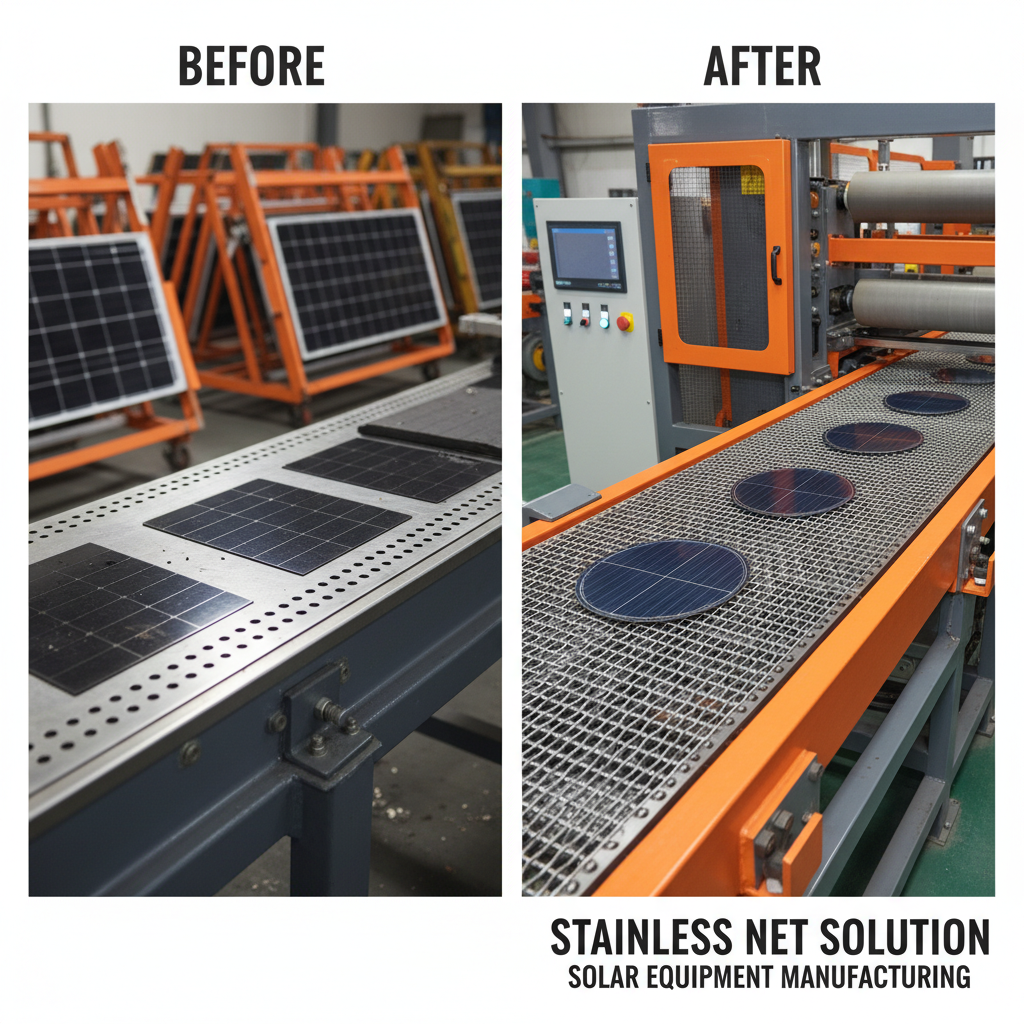
SS steel net finds applications in a vast range of industries. In food processing, it’s used for filtering liquids, separating solids, and creating sanitary sieves. In the pharmaceutical industry, it ensures purity and hygiene in drug manufacturing processes. The construction sector utilizes it for security fencing, architectural facades, and reinforcement materials. Industrial applications include filtration systems, catalyst supports, and electromagnetic shielding. It’s also used in automotive components, aerospace applications, and even for creating decorative elements. QH Filter caters to these diverse needs with customized solutions.
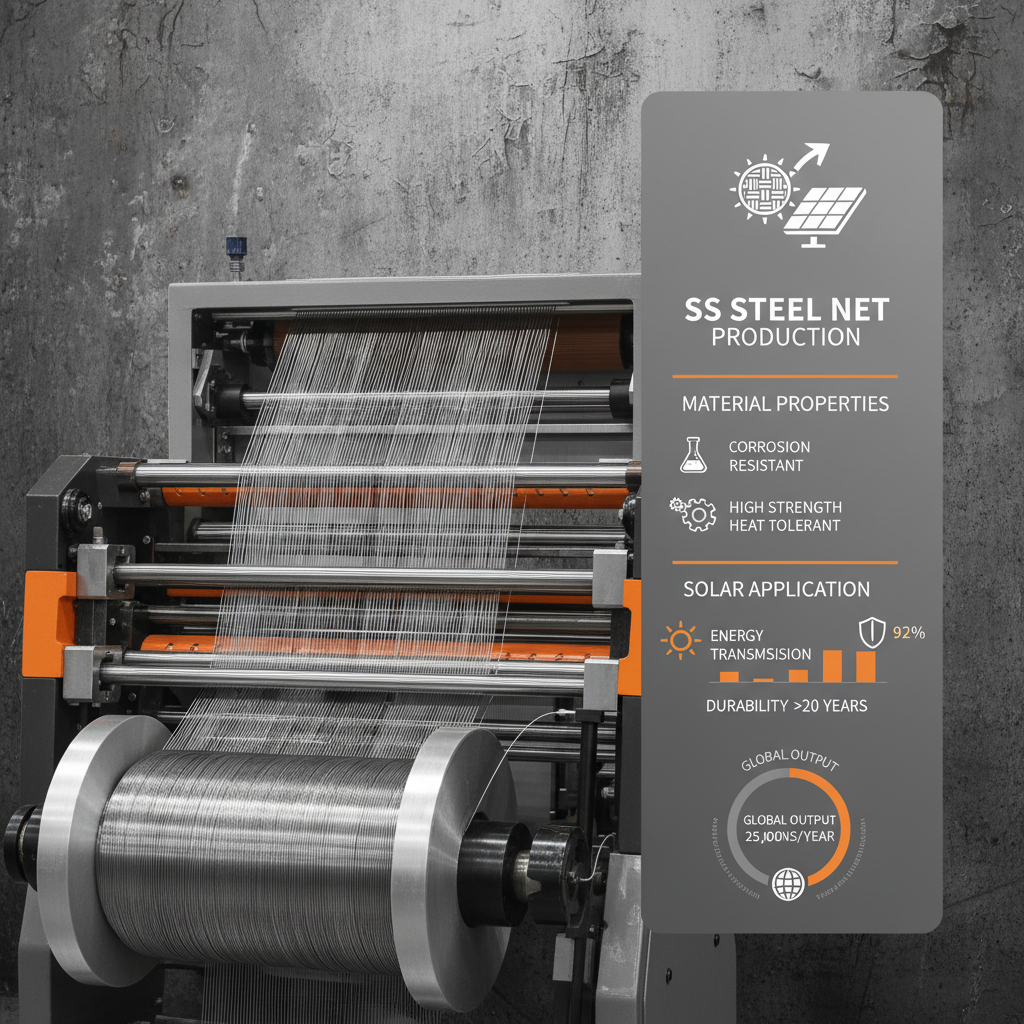
Selecting the Right SS Steel Net: Key Considerations
When selecting SS steel net, consider several key factors, including the application, operating environment, required filtration efficiency, flow rate, and budget. Determine the appropriate stainless steel grade based on the level of corrosion resistance needed. Choose the weave type that best suits the particle size and flow rate requirements. Specify the wire diameter and mesh size to achieve the desired filtration precision. It's also essential to consider the overall dimensions and shape required for the application. QH Filter’s expert team can provide guidance and support in selecting the optimal solution for your specific needs.
Conclusion: SS Steel Net - A Durable and Versatile Solution
SS steel net offers a robust, durable, and versatile solution for a wide range of applications. Its corrosion resistance, strength, and adaptability make it a superior choice over other materials in demanding environments. QH Filter is dedicated to providing high-quality SS steel nets tailored to your specific requirements. Invest in quality and choose SS steel net for long-lasting performance and reliability.
Frequently Asked Questions (FAQs)
What is the typical lifespan of SS steel net?
The lifespan of SS steel net is significantly longer than that of carbon steel alternatives, often exceeding several decades depending on the environment and application. Stainless steel's inherent corrosion resistance prevents rust and degradation, ensuring long-term durability. However, factors such as exposure to harsh chemicals, extreme temperatures, and abrasive materials can impact its lifespan. Regular inspection and maintenance can help maximize its service life. At QH Filter, we offer guidance on proper maintenance to prolong the lifespan of your SS steel net.
Can SS steel net be cut to custom sizes?
Yes, SS steel net can be readily cut to custom sizes using various methods, including shearing, laser cutting, and waterjet cutting. This allows for precise fabrication to meet specific application requirements. QH Filter offers custom cutting services to provide you with the exact dimensions and shapes you need. We can also provide finished edges to prevent fraying and ensure a clean appearance.
What are the cleaning and maintenance requirements for SS steel net?
SS steel net is relatively easy to clean and maintain. Regular cleaning with mild soap and water is typically sufficient to remove dirt and debris. For more stubborn residues, specialized stainless steel cleaners can be used. Avoid abrasive cleaners or scouring pads that can scratch the surface. In corrosive environments, periodic inspection for signs of corrosion is recommended. Proper storage in a dry and clean environment will also help maintain its condition. QH Filter can provide specific cleaning recommendations based on the application and grade of stainless steel.